2025-10-25
Trà
hoa nữ (26, 27 – Hết)
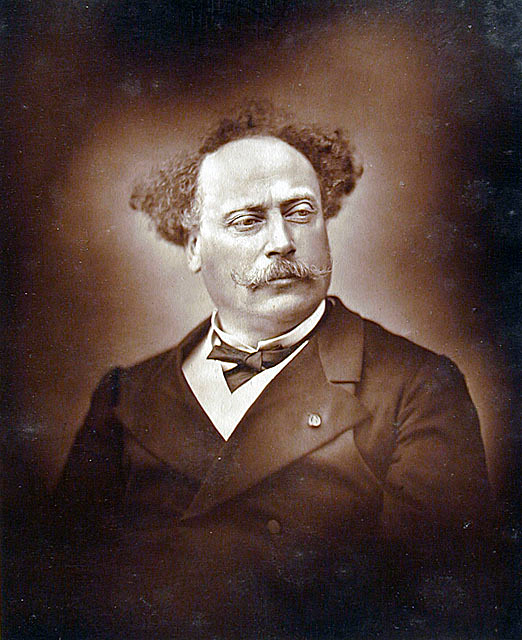
Alexandre
Dumas, fils
Dịch giả: Hải Nguyên
---
Tiếng Pháp:
La Dame aux Camilias
par Alexandre Dumas, fils
---
Tiếng Anh:
Camille
by Alexandre Dumas, fils - Translator: Sir Edmond Gosse (from
French to English) - The Project Gutenberg eBook of Camille
Chương 26
Những
gì xảy ra sau cái đêm định mệnh đó, anh đã biết rõ như em. Nhưng điều anh không
thể ngờ được, đó là sự đau khổ của em kể từ ngày xa cách.
Em
không biết được cha anh đã dẫn anh đi. Nhưng em không tin rằng anh có thể sống
lâu ngày xa em. Và ngày gặp lại anh, tại Xăng Êlidê, em đã xúc động, nhưng
không ngạc nhiên.
Thế
là bắt đầu chuỗi ngày mà mỗi ngày em nhận được sự nguyền rủa của anh. Em đã tiếp
nhận gần như với sự vui vẻ. Bởi vì ngoài cái bằng chứng anh luôn luôn yêu em,
hình như anh càng công kích em thì em càng được tăng giá trị trước mắt anh
trong cái ngày mà anh sẽ biết được sự thật.
Anh
không nên ngạc nhiên trước kẻ tử vì đạo sung sướng đó. Anh Acmân, tình yêu mà
anh đem lại cho em đã làm cho trái tim em mở ra để đón nhận những tình cảm cao
cả.
Tuy
nhiên, không phải em đã tạo ra được sức mạnh liền sau đó.
Từ
khi em thực hiện sự hy sinh vì anh đến ngày anh trở về, một thời gian khá dài
đã trôi qua. Trong thời gian đó, em phải tìm đến những phương tiện cụ thể để khỏi
trở nên điên và để khuây khoả trước nỗi sầu muộn trước cuộc sống phù phiếm mà
em lại rơi vào lần nữa. Hẳn Pruđăng đã nói với anh, em đã dự tất cả những cuộc
vui, những buổi khiêu vũ, những cuộc ăn chơi sa đoạ.
Em
hy vọng sẽ tự giết mình nhanh chóng vì cuộc sống thác loạn và tin rằng điều đó
sẽ sớm trở thành sự thật. Sức khoẻ của em ngày càng hao mòn, và cái ngày nhờ chị
Pruđăng đến cầu xin anh buông tha, em đã kiệt sức, cả thể xác lẫn tâm hồn.
Em
sẽ không nhắc lại cho anh, anh Acmân, anh đã đền đáp cái bằng chứng cuối cùng của
tình yêu mà em đã đem lại cho anh như thế nào, và bằng sự nhục mạ nào, anh đã
đuổi ra khỏi Paris người đàn bà dở sống dở chết đã không thể cưỡng lại lời anh,
khi anh yêu cầu một đêm ân ái. Như một con mất trí, trong giây phút đó, người
ta đã tin có thể hàn gắn lại quá khứ với hiện tại! Anh có quyền làm điều anh đã
làm, anh Acmân. Người ta không phải lúc nào cũng trả những đêm tình ái của em đắt
đến thế!
Em
đã để lại tất cả! Ôlêem đã thay thế em bên ông N. . . và người ta nói, nàng đảm
nhận việc cho ông ta biết nguyên nhân sự ra đi của em. Ông bá tước G. . . lúc ấy
có mặt ở Luân Đôn. Đó là một trong những người đàn ông chỉ xem tình yêu đối với
những người con gái như em vừa đúng mức quan trọng như một trò chơi dễ chịu, vẫn
luôn là bạn của những người đàn bà mà họ đã biết, và không bao giờ oán thù, vì
chẳng bao giờ ghen tuông. Cuối cùng, đó là một trong những lãnh chúa sang cả,
chỉ mở cho chúng em một nửa trái tim, nhưng sẵn sàng trao cho chúng em hai mặt
của túi tiền. Em nghĩ đến ông ta ngay tức khắc và đã đi gặp ông ta. Ông ta tiếp
em rất vui vẻ. Nhưng ở đó ông ta có một người đàn bà. Và sợ sẽ thiệt hại cho
ông, nếu tỏ ra quá quen biết với em, ông giới thiệu em với những người bạn hữu.
Những người này mời em dự bữa ăn tối, và sau đó em cùng đi với một người trong
bọn họ. Em còn biết làm thế nào nữa hở anh?
Tự
vẫn? Điều đó sẽ làm nặng nề cho cuộc đời anh. Đời anh phải sung sướng, chứ
không phải để bị ám ảnh bởi một sự hối hận vô bổ. Hơn nữa, tự vẫn có ích gì,
khi người ta đã đến gần cái chết.
Em
đã là trạng thái của cái xác không hồn, của sự vật không tư tưởng. Một thời
gian em đã sống như một cái máy. Rồi em trở về Paris. Em hỏi thăm anh, mới biết
anh đã tìm một chuyến đi dài ngày. Không còn gì có thể nâng đỡ em nữa. Cuộc sống
của em trở lại như hai năm trước khi quen biết anh. Em cố gắng để bám víu lại
ông quận công. Nhưng em đã làm mất lòng người đàn ông đó quá nhiều, và những
người già cả thì không kiên nhẫn. Chắc chắn, bởi vì họ thấy họ không thể sống
mãi.
Bệnh
tình mỗi ngày một trầm trọng hơn. Em xanh xao, buồn bã, ngày càng gầy yếu. Những
người đàn ông bỏ tiền ra tìm tình yêu, phải quan sát kỹ món hàng trước khi mua.
Ở Paris, có những người đàn bà khoẻ, trẻ, gọn chắc hơn em. Người ta dần dần
quên em. Dĩ vãng của em cho đến ngày hôm qua là như thế.
Giờ
đây, em hoàn toàn bệnh hoạn. Em đã viết thư cho ông quận công để hỏi xin tiền.
Vì em không có tiền, và những chủ nợ đã trở lại, đưa giấy đòi nợ một cách gay gắt
không thương hại. Ông quận công sẽ trả lời cho em chăng? Ước gì anh ở Paris,
anh Acmân. Anh sẽ đến thăm em và em sẽ được an ủi rất nhiều.
20
tháng mười Hai.
Thời
tiết thật đáng sợ. Ngoài trời tuyết rơi. Em chỉ có một mình ở nhà. Từ ba ngày
nay, em bị một cơn sốt dữ dội đến nỗi em không thể viết được một chữ nào cả.
Không có gì mới, anh yêu dấu. Mỗi ngày, em thầm hy vọng nhận được thư anh.
Nhưng thư anh không đến, và chắc chắn chẳng bao giờ đến. Chỉ những người đàn
ông mới có đủ sức mạnh để không tha thứ. Ông quận công không trả lời thư em.
Pruđăng lại bắt đầu những chuyến đi đến tiệm cầm đồ.
Em
không ngừng khạc ra máu. Ôi! Em sẽ làm phiền anh, nếu anh gặp em. Anh sung sướng
biết bao dưới một bầu trời ấm áp, không phải như em một mùa đông giá lạnh đang
đè nặng lên ngực. Hôm nay, em đi lại một ít, và sau những bức màn cửa sổ, em
nhìn vào cuộc sống ở Paris – cuộc sống mà em tin rằng em đã dứt khoát cắt đứt.
Một vài khuôn mặt quen biết đi trên đường phố, nhanh nhẹn, vui vẻ, vô tư. Không
một người nào đưa mắt nhìn lên cửa sổ nhà em. Tuy nhiên, vài ba thanh niên đã đến
nhà ghi tên. Đã một lần em bị bệnh, và anh, lúc ấy chưa biết em, chưa nhận được
gì trừ sự hỗn láo nơi em thế nhưng lần đầu tiên gặp em, anh đã đến mỗi sáng để
biết tin tức về em. Thế rồi, em lại ốm. Chúng ta đã sống sáu tháng với nhau. Em
đã yêu anh bằng tất cả tình yêu mà trái tim người đàn bà có thể chứa đựng và
ban phát. Nay anh ở xa, anh nguyền rủa em. Và em không nhận được một lời an ủi
nào từ anh cả. Định mệnh đã tạo nên sự chia lìa giữa chúng ta. Em tin chắc thế.
Bởi vì, nếu anh có ở Paris, anh sẽ không rời khỏi giường em và căn phòng của
em.
25
tháng mười Hai.
Thầy
thuốc cấm em không được ngày nào cũng viết. Quả vậy, những kỷ niệm chỉ làm tăng
cơn sốt. Nhưng ngày hôm qua, em có nhận một lá thư. Lá thư đã làm cho em khỏe
lên, vì tình cảm nó biểu lộ hơn là vì sự giúp đỡ vật chất nó đem lại. Hôm nay,
như vậy em có thể viết cho anh. Thư đó là của cha anh, dưới đây là nội dung:
«Thưa
bà.
Tôi
vừa được biết bà đang ốm. Nếu tôi ở Paris, tôi đã đích thân đến thăm bà rồi. Nếu
con trai tôi có ở đây, tôi sẽ bảo nó đến, nhưng tôi không thể rời khỏi C. . .
và Acmân hiện ở cách đây sáu bảy trăm dặm. Vậy cho phép tôi được viết thư cho
bà. Tôi đau buồn về bệnh tình của bà và thành thật mong muốn bà được mau chóng
bình phục.
Một
trong những người bạn tốt của tôi, ông H. . . sẽ đến thăm bà. Xin bà vui lòng
đón tiếp ông. Tôi có nhờ ông một việc và tôi nóng lòng chờ kết quả.
Xin
bà chấp nhận nơi đây những tình cảm đặc biệt nhất của tôi».
Đó
là bức thư em đã nhận được. Cha anh là một người cao thượng. Anh hãy yêu quý
cha. Trên đời này, rất ít người đáng được yêu quý như thế. Bức thư này, ký tên
ông, đã đem lại cho em nhiều sức khoẻ hơn tất cả những đơn thuốc của người thầy
thuốc danh tiếng.
Sáng
hôm nay, ông H. . . đã đến. Ông có vẻ rất lúng túng vì cái việc tế nhị mà cha
anh đã uỷ thác cho ông. Ông đến để đem cho em một ngàn đồng bạc cha anh gửi
cho. Lúc đầu, em muốn từ chối. Nhưng ông H. . . bảo em, sự từ chối đó sẽ làm
xúc phạm ông Đuyvan. Chính ông Đuyvan đã nhờ ông ta đưa đến cho em số tiền ấy
trước, và hứa sẽ đưa cho em thêm nữa nếu em cần đến. Em chấp nhận món tiền của
cha anh, có lẽ không nên xem nó như tiền được bố thí. Nếu em chết, khi anh trở
về, anh hãy đưa cho cha anh xem trang giấy này, và nói cho ông biết, người con
gái khốn khổ mà cha anh đã không ngần ngại viết thư an ủi đã nhỏ lệ biết ơn và
đã cầu nguyện Chúa cho cha anh.
4
tháng Giêng.
Em
vừa trải qua một chuỗi ngày rất đau đớn. Em không nghĩ thể xác lại có thể hành
hạ con người đến mức đó. Ôi! Cuộc đời quá khứ của em! Hôm nay em phải trả giá đắt
gấp đôi.
Đêm
nào cũng phải có người thức để canh chừng em. Em không thể thở được nữa. Trạng
thái hôm mê và những cơn ho đang chia xẻ phần còn lại của quãng đời khốn đốn của
em.
Trong
phòng chất đầy quà đủ loại mà các bạn thân của em gửi biếu. Chắc hẳn, trong số
những người đó, vẫn còn kẻ nghĩ rằng sau này em sẽ là tình nhân của họ. Nếu họ
thấy được bệnh hoạn đã làm em suy sụp như thế nào, họ sẽ kinh hoàng bỏ chạy.
Pruđăng
dùng những món quà em được nhận được tặng lại những người quen biết của chị ấy.
Trời
giá lạnh. Bác sĩ bảo, trong vài ngày nữa, nếu thời tiết tốt, em có thể đi dạo
được.
8
tháng Giêng.
Hôm
qua, em đã lên xe đi dạo chơi. Thời tiết thật huy hoàng. Quảng trường Xăng
Êlidê đông chật cả người. Tưởng như đó là nụ cười đầu xuân. Quanh em, mọi vật
tưng bừng như ngày hội. Em không bao giờ có thể ngờ, tất cả những gì vui tươi,
dịu dàng, an ủi đều hiện ra trong một tia sáng của mặt trời như em được nhìn thất
ngày hôm qua. Em gặp lại hầu hết những người em quen biết. Họ luôn luôn vui vẻ,
luôn luôn bận rộn, với những thú vui của họ. Biết bao kẻ đang sung sướng! Ôlêem
lướt qua trên chiếc xe lộng lẫy mà bá tước N đã mua. . . cho cô ta, và đang cố
tình đưa mắt nguyền rủa em. Cô ta không biết em đã xa những thói kiêu ngạo hào
nhoáng ấy tới mức nào rồi. Một thanh niên chững chạc quen biết em từ lâu, đến hỏi
em có đồng ý đi ăn tối với anh ta không, và cho biết một người bạn của anh ta rất
muốn được làm quen với em.
Em
chỉ mỉm cười buồn bã, đưa cho anh ta bàn tay nóng sốt của em.
Chưa
bao giờ em nhìn thấy một khuôn mặt ngạc nhiên đến thế!
Em
trở về nhà lúc bốn giờ và đã ăn chiều khá bình thường.
Cuộc
đi dạo này làm cho em cảm thấy dễ chịu.
Có
thể nào nếu em lành bệnh được!
Hình
ảnh cuộc đời và hạnh phúc của những kẻ khác làm cho những con người hôm trước
đây, giữa nỗi cô đơn của tâm hồn và trong bóng tối của phòng bệnh, trông mong
được chết gấp đi, thì bây giờ lại muốn sống.
10
tháng Giêng.
Hy
vọng lấy lại được sức khỏe chỉ là một giấc mơ. Giờ đây, em lại nằm trên giường
bệnh, trên người đầy những thuốc cao, làm em nóng bức, bực bội. Hãy đem hiến
dâng thể xác này, mà ngày trước người ta đã trả rất đắt giá, để xem hôm nay người
ta sẽ cho em được cái gì? Chắc hẳn em đã phạm nhiều tội ác trước khi sinh hoặc
em sẽ được hưởng một hạnh phúc lớn lao sau khi chết, nên Thượng Đế mới bắt cuộc
đời này nhận tất cả những hình phạt để đền tội và tất cả những đau khổ để thử
thách.
12
tháng Giêng.
Em
luôn luôn đau đớn.
Ông
bá tước N. . . ngày qua đã gửi tiền cho em. Em không nhận. Em không muốn nhận
cái gì từ con người đó cả. Chính ông ta là nguyên nhân làm cho anh phải xa em.
Ôi!
Những ngày vui của chúng ta ở Bugival! Những ngày ấy đâu rồi?
Nếu
em ra khỏi phòng này mà còn sống, em sẽ làm một cuộc hành hương về lại ngôi nhà
của chúng ta đã cùng ở với nhau. Nhưng em chỉ ra khỏi phòng khi em đã chết rồi!
Ai
biết được ngày mai em sẽ còn viết cho anh được nữa không?
25
tháng Giêng.
Đã
11 giờ đêm. Em không ngủ được. Em ngột thở. Em tin bất cứ lúc nào em cũng có thể
chết được. Thầy thuốc đã ra lệnh đừng để em cầm bút viết nữa. Juyli Đupơra chăm
sóc em, còn cho phép em viết vài dòng này. Không biết anh có trở về kịp trước
khi em chết không? Hay chúng ta đã vĩnh viễn cách biệt nhau rồi? Hình như nếu
anh trở về em sẽ lành bệnh. Nhưng lành bệnh có ích gì nữa?
28
tháng Giêng.
Sáng
nay, em bị đánh thức bởi một tiếng động lớn, Juyli ngủ trong phòng em, chạy vội
vào phòng ăn. Em nghe những tiếng nói đàn ông và giọng Juyli đối chọi lại một
cách vô ích. Cô ta trở vào và khóc.
Người
ta đến tịch thu đồ đạc. Em bảo Juyli hãy để cho họ làm điều họ gọi là công lý.
Người thừa phát lại đi vào phòng em, vẫn để cái mũ trên đầu. Ông ấy mở tất cả
những ngăn kéo ra ghi lại những gì ông ta nhìn thấy, và có vẻ như không nhìn thấy
một người đàn bà sắp chết nằm đó, trên một cái giường. Thật sung sướng, pháp luật
nhân từ đã để cho em được nằm yên!
Khi
ra về, ông ta nói với em, rằng em có thể khiếu nại trong vòng chín ngày. Nhưng
ông ta để lại một người canh giữ. Chúa ơi! Em sẽ ra sao! Cảnh tượng ấy đã làm
em đau thêm. Pruđăng muốn xin tiền nơi người bạn của cha anh. Nhưng em không đồng
ý.
Em
nhận được thư anh sáng nay. Em rất cần đến nó. Thư trả lời của em không biết đến
có kịp không? Anh sẽ còn gặp em không? Hôm nay là một ngày sung sướng, nó làm
em quên đi tất cả những ngày em đã trải qua suốt sáu tuần nay. Hình như em hơi
khỏe hơn, mặc dù em đã trả lời anh với một linh cảm buồn bã.
Nói
cho cùng không phải lúc nào người ta cũng luôn luôn khốn khổ. Khi em nghĩ, có
thể em sẽ không chết, anh sẽ trở về, em lại được nhìn thấy mùa xuân, anh vẫn
yêu em, và chúng ta lại bắt đầu cuộc sống của chúng ta như năm trước.
Em
điên mất rồi! Em đang chỉ còn đủ sức để cầm bút viết cho anh cái giấc mơ không
nghĩa lý đó của tâm hồn em.
Dù
sao đi nữa, em vẫn yêu anh rất nhiều, anh Acmân ơi. Em đã chết từ lâu, nếu
không được cứu vớt bởi kỷ niệm của tình yêu đó và bởi một kỷ niệm mơ hồ được gặp
lại anh bên cạnh em.
4
tháng Hai.
Ông
bá tước G. . . đã trở về. Người tình của ông đã lừa gạt ông. Ông rất buồn bã,
vì ông yêu người đó lắm. Ông ta đến kể cho em nghe tất cả. Người thanh niên
đáng thương này bị thất bại trong những công việc làm ăn. Nhưng điều đó không cấm
ông trả tiền công cho người thừa phát lại của em và cho người canh giữ ra về.
Em
nói chuyện với ông ta. Ông ta hứa với em, sẽ nói lại với anh về em. Trong những
lúc đó, em đã quên trước đây em đã là tình nhân của ông. Và ông ta cũng gắng
làm cho em quên điều đó! Thật là một người tốt bụng.
Hôm
qua, ông quận công đã cho người đến hỏi tin tức của em và sáng nay ông ta đến.
Em không thể hiểu cái gì đã làm cho ông già ấy vẫn còn sống. Ông ngồi cạnh em
suốt ba tiếng đồng hồ, và không nói với em được hai mươi tiếng. Hai giọt lệ lớn
rơi từ mắt ông xuống, khi ông thấy em xanh xao đến thế. Chắc hẳn kỷ niệm về cái
chết của đứa con gái làm cho ông phải khóc.
Ông
như đã thấy con gái ông chết đến hai lần. Lưng ông đã còng, đầu ông nghiêng xuống
đất, môi ông trễ ra, cái nhìn của ông đã mất ánh sáng. Tuổi tác và sự đau buồn
giống như hai gánh nặng đè bẹp cái thân thể suy kiệt đó. Ông không trách móc em
lời nào cả. Có thể nói, ông như ngấm ngầm cảm thấy thoả mãn về sự tàn phá mà bệnh
tật đã đem lại cho em. Ông có vẻ kiêu ngạo về vẫn còn đứng thẳng được trong khi
em, còn trẻ, bị bệnh tật giày vò, đã phải nằm liệt giường.
Thời
tiết trở nên xấu lạ. Không người nào đến thăm em cả, Juyli, người chăm sóc em
nhiều nhất, vẫn ở bên cạnh em. Pruđăng, vì em không còn có thể, vẫn cấp tiền
như trước, bắt đầu kiếm cớ bận công kia việc nọ để xa lánh dần.
Giờ
đây, em đã chết rồi, mặc dù các thầy thuốc có nói gì đi nữa. Và em có rất nhiều
thầy thuốc. Điều đó chứng tỏ bệnh em ngày càng thêm nặng. Em gần như tiếc nuối
đã nghe lời cha anh. Nếu em biết em chỉ chiếm lấy một năm trong tương lai của
anh, em đã không thể cưỡng lại cái ý muốn sống năm ấy với anh. Và ít ra, em sẽ
chết trong lúc được cầm tay một người bạn. Đúng vậy, nếu chúng ta sống với nhau
năm nay, em sẽ không chết gấp như thế này.
Cầu
mong ý muốn của Chúa được thực hiện.
5
tháng Hai.
Ôi!
Hãy về, hãy về với em, anh Acmân ơi! Em đau đớn dữ dội quá. Con sẽ chết, Chúa
ơi! Ngày hôm qua, em rất buồn. Em muốn đi đâu đó, hơn là ở nhà suốt buổi tối,
vì nó có thể kéo dài lê thê như tối hôm qua. Ông quận công sáng nay lại đến.
Hình như cứ nhìn thấy ông già bị thần chết bỏ quên đó, em như muốn chết gấp
hơn.
Mặc
dầu cơn sốt dữ đã làm em nóng rực cả người, em vẫn nhờ người trang điểm cho và
dẫn em đi đến rạp Vôđơvin, Juyli tô son cho em. Nếu không, em có thể giống như
một cái xác chết. Em đã ngồi vào cái lô, nơi em đã hẹn với anh buổi gặp gỡ đầu
tiên. Suốt giờ, em cứ dán mắt vào cái ghế mà ngày xưa anh đã ngồi, và chiều hôm
qua lại là một con người thô bỉ đang ngồi đó, hắn cười ồn ào trước những lời lẽ
ngớ ngẩn của các diễn viên. Người ta đã đưa em về nhà, nửa sống nửa chết. Em đã
ho và khạc ra máu suốt đêm. Hôm nay, em không nói được nữa. Em chỉ vừa đủ sức để
cử động một cánh tay. Chúa ơi! Chúa ơi! Con sẽ chết. Em chờ đợi, nhưng em không
thể nghĩ, em có thể đau đớn hơn là hiện nay em đang đau đớn và nếu. . . ”
Kể
từ những chữ đó, những nét chữ Macgơrit cố viết không thể đọc được nữa, và
chính Juyli Đupơra đã viết tiếp theo.
18
tháng Hai.
Ông
Acmân,
Từ
ngày Macgơrit muốn đến rạp hát ; bệnh tình của cô ấy càng trầm trọng hơn. Cô ấy
đã hoàn toàn mất giọng nói. Rồi tiếp đến, sự cử động chân tay. Nỗi đau đớn của
người bạn gái đáng thương của chúng ta không thể nào nói hết được. Tôi không
quen với những xúc động như thế, và tôi hoảng sợ triền miên.
Tôi
mong có ông bên cạnh chúng tôi xiết bao! Macgơrit gần như luôn luôn mê sảng,
nhưng dù hôn mê hay tỉnh táo, cô ấy luôn luôn gọi tên ông mỗi khi cô ấy cố gắng
thốt ra được một tiếng.
Thầy
thuốc cho biết Macgơrit không còn sống được bao lâu nữa. Từ khi cô đau nặng như
thế, ông quận công già không thấy trở lại.
Ông
ta nói với bác sĩ, cảnh tượng này làm ông khó chịu quá.
Bà
Đuvecnoa xử sự không tốt. Người đàn bà đó nhờ bòn rút tiền của Macgơrit mà sống
đầy đủ, đã hứa hẹn rất nhiều nhưng không giữ lời. Và khi thấy người láng giềng
không còn có ích gì cho mình, bà ta không đến nữa. Tất cả mọi người đều ruồng bỏ
Macgơrit. Ông G. . . bị nợ nần bức bách, bắt buộc phải trở lại Luân Đôn. Lúc ra
đi, ông có gửi cho chúng tôi một ít tiền. Ông đã làm những gì ông có thể làm được.
Nhưng người ta đã trở lại để tịch thu tài sản. Những chủ nợ chỉ chờ cô ấy chết
để bán đấu giá đồ đạc.
Tôi
muốn dùng số của cải còn lại của tôi để ngăn sự tịch thu đó. Nhưng nhân viên thừa
phát lại bảo tôi rằng vô ích. Ông ta còn có những phán quyết khác để thi hành.
Bởi vì cô ta sắp chết, thà bỏ mặc tất cả đi còn hơn là giữ lại cho gia đình cô
mà cô không muốn về thăm, và cũng chẳng bao giờ yêu thương cô. Ông không thể tưởng
tượng người con gái đáng thương đó đang chết giữa một cảnh khốn khổ vàng son
như thế nào. Ngày hôm qua, chúng tôi không còn một đồng tiền nào nữa cả. Chén
dĩa, nữ trang, áo casơmia, tất cả đều đã đem đi cầm. Nhưng gì còn lại, đều được
bán hay đã bị tịch thu. Macgơrit còn ý thức được về những gì xảy ra chung quanh
mình. Những giọt lệ lớn chảy dài trên hai gò má gầy ốm, xanh xao. Ông không thể
nhận ra được nữa khuôn mặt người đàn bà ông đã yêu quý ngần ấy, nếu ông có thể
trở về. Cô ấy bắt tôi hứa sẽ viết thư cho ông, khi cô không viết được nữa. Cô ấy
đưa mắt nhìn về phía tôi. Nhưng cô không còn thấy gì nữa rồi. Cái nhìn của cô
đã mờ hẳn bên cái chết gần kề. Tuy nhiên, cô mỉm cười. Tất cả tâm hồn cô đều hướng
về ông, tôi tin chắc thế.
Mỗi
khi người ta mở cửa, đôi mắt cô lại sáng lên. Cô ấy luôn luôn tin rằng ông sắp
về. Rồi khi biết không phải ông, gương mặt cô lại đau đớn, thấm ướt mồ hôi lạnh,
hai gò má đỏ lên.
19
tháng Hai, nửa đêm.
Hôm
nay là một ngày buồn bã, ông Acmân đáng thương của tôi! Sáng nay, Macgơrit ngột
thở Thầy thuốc đã trích máu cho nàng, nàng đã hơi nói được một chút ít. Thầy
thuốc khuyên nàng hãy mời một linh mục. Nàng bảo nàng bằng lòng. Và ông đích
thân tìm một linh mục ở Xanh Roôc.
Trong
thời gian đó, Macgơrit gọi tôi đến bên cạnh giường, yêu cầu tôi mở tủ ra. Rồi
nàng chỉ cho tôi một cái mũ trùm đầu, một chiếc áo dài đầy đăngten, và nói với
tôi giọng yếu ớt.
–
Tôi sẽ chết, sau khi xưng tội. Chị hãy mặc những đồ này vào cho tôi, đó là sự
làm giáng của một người gần chết.
Nàng
ôm tôi và khóc. Rồi nàng nói tiếp:
–
Tôi có thể nói, nhưng tôi mệt quá khi nói. Khó thở quá! Không khí!
Tôi
khóc nấc lên và chạy đi mở cửa sổ. Sau đó ít phút, linh mục bước vào.
Tôi
ra đón ông.
Khi
biết mình đang ở nhà ai, ông có vẻ ngại sẽ bị bạc đãi.
–
Xin cha cứ vào một cách mạnh dạn – tôi nói với ông.
Ông
vào trong phòng một lát rồi trở ra và nói với tôi :
–
Cô ấy đã sống như một người tội lỗi. Nhưng cô ấy sẽ chết như một con chiên của
Chúa.
Một
lúc sau, ông trở lại với một lễ sính đem theo một cây thánh giá, và một người
phụ lễ vừa đi vừa rung chuông, như để báo có Chúa đến nhà một người đàn bà sắp
chết.
Cả
ba đều đi vào căn phòng ngủ, nơi ngày trước đã vang dội biết bao những lời lẽ tội
lỗi, và giờ đây lại là một nơi trang nghiêm thánh thiện.
Tôi
quỳ xuống. Tôi không biết ấn tượng mà cảnh tượng đó đem lại cho tôi kéo dài bao
lâu. Nhưng tôi tin rằng từ trước đến nay, chưa bao giờ có một sự việc nào trên
đời làm cho tôi xúc động đến thế.
Vị
linh mục lấy đầu thánh chấm vào hai bàn chân, hai bàn tay và trán của người hấp
hối, đọc một bài kinh ngắn, và Macgơrit gần như sẵn sàng để đi về thiên đường,
nơi chắc chắn nàng sẽ đến, nếu Chúa đã chứng kiến những thử thách đau thương
trong cuộc đời nàng, và sự thánh thiện trong cái chết của nàng.
Từ
lúc đó, nàng không nói tiếng nào nữa, không cử động nữa. Bao nhiêu lần tôi tưởng
nàng đã chết rồi, nếu tôi không còn nghe thấy hơi thở nặng nhọc khó khăn của
nàng.
20
tháng Hai, năm giờ chiều.
Tất
cả đều chấm dứt.
Macgơrit
đêm nay đã hấp hối vào lúc hai giờ. Không có một kẻ tử đạo nào có thể đau đớn đến
mức độ đó, qua những tiếng rên là của nàng. Hai hay ba lần, nàng đứng dựng lên
trên giường. Hình như nàng muốn bắt giữ lại sự sống đang dần dần thoát khỏi tay
nàng để trở về với Chúa.
Hai
hay ba lần như thế, nàng gọi tên ông, rồi tất cả lại lặng lẽ. Nàng ngã xuống,
kiệt sức trên giường. Những giọt lệ lặng lẽ chảy dài từ khoé mắt, và nàng đã chết.
Thế
rồi tôi đến bên nàng, gọi tên nàng. Nàng không trả lời. Tôi đưa tay vuốt mắt và
hôn lên trán nàng.
Macgơrit
đáng thương! Tôi muốn tôi là một người đàn bà thánh thiện để cái hôn đó có thể
đưa nàng về với Chúa.
Rồi
tôi thay y phục cho nàng, như nàng đã yêu cầu. Tôi đi tìm một vị linh mục ở
Xanh Roôc. Tôi đốt hai cây đèn sáp lên cho nàng, và tôi cầu nguyện ở nhà thờ
trong suốt một giờ.
Tôi
phân phát cho những người nghèo số tiền nàng còn để lại.
Tôi
không hiểu gì về tôn giáo, nhưng tôi nghĩ Chúa rất khoan hồng, sẽ thấy những giọt
lệ của tôi là chân thành, lời cầu nguyện của tôi là tha thiết, của bố thí của
tôi là thành thật. Chúa sẽ thương xót nàng đã chết trẻ trung, kiều diễm và chỉ
có tôi là người độc nhất vuốt mắt cho nàng, đưa nàng đến nơi an nghỉ cuối cùng.
22
tháng Hai.
Hôm
nay là ngày đưa đám. Nhiều bạn gái cũ của Macgơrit đã đến nhà thờ. Một vài người
đã khóc rất thành thật. Khi xe tang đến đường Môngmat, chỉ có hai người đàn ông
đi theo sau là : ông bá tước G. . . từ Luân Đôn về, và ông quận công già có hai
gia nhân đi dìu.
Tôi
viết những chi tiết này cho ông tại nhà nàng, giữa những giọt lệ của tôi, trước
cây đèn sáng lên buồn bã, và bên cạnh bữa ăn tối mà tôi không động đến. Ông có
thể hiểu tại sao. Nhưng Nanin vẫn cứ dọn ra, vì hai mươi giờ rồi tôi không ăn
gì cả.
Đời
tôi không thể giữ lại lâu dài những ấn tượng buồn bã này: vì đời tôi không thuộc
về tôi, cũng như đời Macgơrit không thuộc về Macgơrit. Chính vì vậy tôi cho ông
biết những chi tiết ngay tại chỗ đã xảy ra, sợ nếu thời gian từ đây tới ngày
ông về quá xa, tôi không thể kể lại cho ông những chi tiết đó với tất cả sự đau
buồn của nó!
➖➖➖
Chương 27
–
Tôi hiểu anh đã phải đau khổ đến mức nào, anh bạn ạ, nếu những gì tôi đọc là
đúng sự thật!
–
Cha tôi đã xác nhận điều đó trong một lá thư.
Chúng
tôi nói chuyện với nhau thêm một lát về cái định mệnh tàn ác của Macgơrit, rồi
tôi trở về nhà nghỉ ngơi.
Acmân
vẫn buồn bã, nhưng đã được an ủi phần nào sau khi kể lại câu chuyện này. Chẳng
bao lâu, anh bình phục hẳn. Và chúng tôi cùng nhau đi thăm Pruđăng và Juyli
Đupơra.
Pruđăng
vừa bị phá sản. Chị ta bảo chúng tôi rằng nguyên nhân là do Macgơrit. Trong lúc
nàng ốm đau, chị đã cho nàng mượn một số tiền lớn. Macgơrit đã chết, không trả
được số tiền này cho chị ta, và cũng không để lại biên lai để chị ta có thể được
xem như một chủ nợ.
Câu
chuyện bịa đặt đó, bà Đuvecnoa đem đi kể khắp nơi để biện hộ cho những công việc
làm ăn thua lỗ của mình, và bà ta đã rút được tờ giấy bạc một ngàn frăng nơi
Acmân. Anh không tin, nhưng lại làm ra vẻ tin. Bởi vì anh kính trọng tất cả những
người gần gũi với tình nhân cũ.
Sau
đó chúng tôi đến nhà Juyli Đupơra. Cô kể lại cho chúng tôi nghe những biến cố
buồn bã mà cô đã chứng kiến và khóc rất thành thật khi nghĩ đến người bạn gái của
mình.
Cuối
cùng chúng tôi đến thăm một Macgơrit ở đây, những tia nắng của ánh mặt trời
tháng Tư đầu tiên đã làm nhú lên những búp lá non.
Acmân
còn một bổn phận cuối cùng phải làm là trở về gặp lại cha anh. Anh muốn tôi
cùng đi.
Chúng
tôi đến C. . . Tôi gặp ông Đuyvan. Ông đúng như tôi đã tưởng tượng theo mô tả của
con trai ông: độ lượng, đường hoàng, tốt bụng.
Ông
đón tiếp Acmân với những giọt lệ sung sướng và siết chặt tay tôi một cách thân
mật. Tôi nhận thấy ngay tình cảm người cha nơi ông ta đã thắng tất cả những
tình cảm khác.
Con
gái ông, tên là Blânxơ, với sự trong sáng trong đôi mắt và cái nhìn, với sự
bình yên nơi miệng, đã chứng tỏ tâm hồn chỉ có những tư tưởng thánh thiện và
đôi môi chỉ nói những lời hiền lành. Cô mỉm cười đón anh trở về, không hay biết
gì cả. Người con gái trong trắng ấy không hề biết rằng ở nơi xa kia, một kỹ nữ
đã hy sinh hạnh phúc của mình chỉ vì có kẻ đã nhắc đến hạnh phúc của cô.
Anh
đã đọc xong rồi? – Acmân hỏi tôi khi tôi đã xem xong tập giấy viết
Tôi
ở lại ít lâu trong gia đình sung sướng đó. Họ luôn luôn bận rộn với con người
đã trở về cùng họ với vết thương vừa được hàn gắn của tâm hồn.
Tôi
trở về Paris. Ở đó, tôi đã viết lại câu chuyện này, đúng như đã được nghe kể lại.
Câu chuyện này chỉ có được một giá trị (dù có thể bị phủ nhận) : đó là sự thật.
Tôi
không rút ra từ câu chuyện này, để kết luận tất cả những người con gái như
Macgơrit đều có thể làm điều Macgơrit đã làm. Thật là quá xa vời. Nhưng tôi đã
được biết, một người trong số đó, trong đời mình đã cảm thấy một tình yêu
nghiêm túc, đã đau khổ vì mối tình đó, đã chết vì mối tình đó. Tôi đã kể cho bạn
đọc những gì tôi được biết. Đó là bổn phận.
Tôi
không phải là sứ giả của tà dâm phóng đãng. Nhưng tôi luôn luôn sẽ là tiếng
vang cho sự đau khổ cao quý, bất cứ ở đâu, khi tôi nghe được tiếng hô nguyện cầu.
Câu
chuyện của Macgơrit là một ngoại lệ. Tôi xin lặp lại. Nhưng nếu đây là một câu
chuyện phổ biến, thì tưởng không ai phải bỏ công chép lại làm gì.
The
End
➖➖➖
Phần tiếng Pháp
La
Dame aux Camilias par Alexandre Dumas, fils
---
Chapitre XXVI
«Ce
qui suivit cette nuit fatale, vous le savez aussi bien que moi, mais ce que
vous ne savez pas, ce que vous ne pouvez pas soupçonner, c'est ce que j'ai
souffert depuis notre séparation.
«J'avais
appris que votre père vous avait emmené, mais je me doutais bien que vous ne
pourriez pas vivre longtemps loin de moi, et le jour où je vous rencontrai aux
Champs-Elysées, je fus émue, mais non étonnée.
«Alors
commença cette série de jours dont chacun m'apporta une nouvelle insulte de
vous, insulte que je recevais presque avec joie, car outre qu'elle était la
preuve que vous m'aimiez toujours, il me semblait que, plus vous me
persécuteriez, plus je grandirais à vos yeux le jour où vous sauriez la vérité.
«Ne
vous étonnez pas de ce martyre joyeux, Armand, l'amour que vous aviez eu pour
moi avait ouvert mon cœur à de nobles enthousiasmes.
«Cependant
je n'avais pas été tout de suite aussi forte.
«Entre
l'exécution du sacrifice que je vous avais fait et votre retour, un temps assez
long s'était écoulé pendant lequel j'avais eu besoin d'avoir recours à des
moyens physiques pour ne pas devenir folle et pour m'étourdir sur la vie dans
laquelle je me rejetais. Prudence vous a dit, n'est-ce pas, que j'étais de
toutes les fêtes, de tous les bals, de toutes les orgies?
«J'avais
comme l'espérance de me tuer rapidement, à force d'excès, et, je crois, cette
espérance ne tardera pas à se réaliser. Ma santé s'altéra nécessairement de
plus en plus, et le jour où j'envoyai madame Duvernoy vous demander grâce,
j'étais épuisée de corps et d'âme.
«Je
ne vous rappellerai pas, Armand, de quelle façon vous avez récompensé la
dernière preuve d'amour que je vous ai donnée, et par quel outrage vous avez
chassé de Paris la femme qui, mourante, n'avait pu résister à votre voix quand
vous lui demandiez une nuit d'amour, et qui, comme une insensée, a cru, un
instant, qu'elle pourrait ressouder le passé et le présent. Vous aviez le droit
de faire ce que vous avez fait, Armand: on ne m'a pas toujours payé mes nuits
aussi cher!
«J'ai
tout laissé alors! Olympe m'a remplacée auprès de M. de N... et s'est chargée,
m'a-t-on dit, de lui apprendre le motif de mon départ. Le comte de G... était à
Londres. C'est un de ces hommes qui, ne donnant à l'amour avec les filles comme
moi que juste assez d'importance pour qu'il soit un passe-temps agréable,
restent les amis des femmes qu'ils ont eues et n'ont pas de haine, n'ayant
jamais eu de jalousie; c'est enfin un de ces grands seigneurs qui ne nous
ouvrent qu'un côté de leur cœur, mais qui nous ouvrent les deux côtés de leur
bourse. C'est à lui que je pensai tout de suite. J'allai le rejoindre. Il me
reçut à merveille, mais il était là-bas l'amant d'une femme du monde, et craignait
de se compromettre en s'affichant avec moi. Il me présenta à ses amis qui me
donnèrent un souper après lequel l'un d'eux m'emmena.
«Que
vouliez-vous que je fisse, mon ami?
«Me
tuer? C'eût été charger votre vie, qui doit être heureuse, d'un remords
inutile; puis, à quoi bon se tuer quand on est si près de mourir?
«Je
passai à l'état de corps sans âme, de chose sans pensée; je vécus pendant
quelque temps de cette vie automatique, puis je revins à Paris et je demandai
après vous; j'appris alors que vous étiez parti pour un long voyage. Rien ne me
soutenait plus. Mon existence redevint ce qu'elle avait été deux ans avant que
je vous connusse. Je tentai de ramener le duc, mais j'avais trop rudement
blessé cet homme, et les vieillards ne sont pas patients, sans doute parce
qu'ils s'aperçoivent qu'ils ne sont pas éternels. La maladie m'envahissait de
jour en jour, j'étais pâle, j'étais triste, j'étais plus maigre encore. Les
hommes qui achètent l'amour examinent la marchandise avant de la prendre. Il y avait
à Paris des femmes mieux portantes, plus grasses que moi; on m'oublia un peu.
Voilà le passé jusqu'à hier.
«Maintenant
je suis tout à fait malade. J'ai écrit au duc pour lui demander de l'argent,
car je n'en ai pas, et les créanciers sont revenus, et m'apportent leurs notes
avec un acharnement sans pitié. Le duc me répondra-t-il? Que n'êtes-vous à
Paris, Armand! Vous viendriez me voir et vos visites me consoleraient.»
«20
décembre:
«Il
fait un temps horrible, il neige, je suis seule chez moi. Depuis trois jours
j'ai été prise d'une telle fièvre que je n'ai pu vous écrire un mot. Rien de
nouveau, mon ami; chaque jour j'espère vaguement une lettre de vous, mais elle
n'arrive pas et n'arrivera sans doute jamais. Les hommes seuls ont la force de
ne pas pardonner. Le duc ne m'a pas répondu.
«Prudence
a recommencé ses voyages au Mont-de-Piété.
«Je
ne cesse de cracher le sang. Oh! je vous ferais peine si vous me voyiez. Vous
êtes bien heureux d'être sous un ciel chaud et de n'avoir pas comme moi tout un
hiver de glace qui vous pèse sur la poitrine. Aujourd'hui, je me suis levée un
peu, et, derrière les rideaux de ma fenêtre, j'ai regardé passer cette vie de
Paris avec laquelle je crois bien avoir tout à fait rompu. Quelques visages de
connaissance sont passés dans la rue, rapides, joyeux, insouciants. Pas un n'a
levé les yeux sur mes fenêtres. Cependant, quelques jeunes gens sont venus s'inscrire.
Une fois déjà, je fus malade, et vous, qui ne me connaissiez pas, qui n'aviez
rien obtenu de moi qu'une impertinence le jour où je vous avais vu pour la
première fois, vous veniez savoir de mes nouvelles tous les matins.
«Me
voilà malade de nouveau. Nous avons passé six mois ensemble. J'ai eu pour vous
autant d'amour que le cœur de la femme peut en contenir et en donner, et vous
êtes loin, et vous me maudissez, et il ne me vient pas un mot de consolation de
vous. Mais c'est le hasard seul qui fait cet abandon, j'en suis sûr, car si
vous étiez à Paris, vous ne quitteriez pas mon chevet et ma chambre.»
«25
décembre:
«Mon
médecin me défend d'écrire tous les jours. En effet, mes souvenirs ne font
qu'augmenter ma fièvre, mais, hier, j'ai reçu une lettre qui m'a fait du bien,
plus par les sentiments dont elle était l'expression que par le secours
matériel qu'elle m'apportait. Je puis donc vous écrire aujourd'hui. Cette
lettre était de votre père, et voici ce qu'elle contenait:
«Madame,
«J'apprends
à l'instant que vous êtes malade. Si j'étais à Paris, j'irais moi-même savoir
de vos nouvelles; si mon fils était auprès de moi, je lui dirais d'aller en
chercher, mais je ne puis quitter C..., et Armand est à six ou sept cents
lieues d'ici; permettez-moi donc simplement de vous écrire, madame, combien je
suis peiné de cette maladie, et croyez aux vœux sincères que je fais pour votre
prompt rétablissement.
«Un
de mes bons amis, M. H..., se présentera chez vous, veuillez le recevoir. Il
est chargé par moi d'une commission dont j'attends impatiemment le résultat.
«Veuillez
agréer, madame, l'assurance de mes sentiments les plus distingués.»
«Telle
est la lettre que j'ai reçue. Votre père est un noble cœur, aimez-le bien, mon
ami; car il y a peu d'hommes au monde aussi dignes d'être aimés. Ce papier
signé de son nom m'a fait plus de bien que toutes les ordonnances de notre
grand médecin.
«Ce
matin, M. H... est venu. Il semblait fort embarrassé de la mission délicate
dont l'avait chargé M. Duval. Il venait tout bonnement m'apporter mille écus de
la part de votre père. J'ai voulu refuser d'abord, mais M. H... m'a dit que ce
refus offenserait M. Duval, qui l'avait autorisé à me donner d'abord cette
somme, et à me remettre tout ce dont j'aurais besoin encore. J'ai accepté ce
service qui, de la part de votre père, ne peut pas être une aumône. Si je suis
morte quand vous reviendrez, montrez à votre père ce que je viens d'écrire pour
lui, et dites-lui qu'en traçant ces lignes, la pauvre fille à laquelle il a daigné
écrire cette lettre consolante versait des larmes de reconnaissance, et priait
Dieu pour lui.
<tb>
«4
janvier:
«Je
viens de passer une suite de jours bien douloureux. J'ignorais que le corps pût
faire souffrir ainsi. Oh! ma vie passée! je la paye deux fois aujourd'hui.
«On
m'a veillée toutes les nuits. Je ne pouvais plus respirer. Le délire et la toux
se partageaient le reste de ma pauvre existence.
«Ma
salle à manger est pleine de bonbons, de cadeaux de toutes sortes que mes amis
m'ont apportés. Il y en a sans doute, parmi ces gens, qui espèrent que je serai
leur maîtresse plus tard. S'ils voyaient ce que la maladie a fait de moi, ils
s'enfuiraient épouvantés.
«Prudence
donne des étrennes avec celles que je reçois.
«Le
temps est à la gelée, et le docteur m'a dit que je pourrai sortir d'ici à
quelques jours si le beau temps continue.»
<tb>
«8
janvier:
«Je
suis sortie hier dans ma voiture. Il faisait un temps magnifique. Les
Champs-Elysées étaient pleins de monde. On eût dit le premier sourire du
printemps. Tout avait un air de fête autour de moi. Je n'avais jamais soupçonné
dans un rayon de soleil tout ce que j'y ai trouvé hier de joie, de douceur et
de consolation.
«J'ai
rencontré presque tous les gens que je connais, toujours gais, toujours occupés
de leurs plaisirs. Que d'heureux qui ne savent pas qu'ils le sont! Olympe est
passée dans une élégante voiture que lui a donnée M. de N... elle a essayé de
m'insulter du regard. Elle ne sait pas combien je suis loin de toutes ces
vanités-là. Un brave garçon que je connais depuis longtemps m'a demandé si je
voulais aller souper avec lui et un de ses amis qui désire beaucoup, disait-il,
faire ma connaissance.
«J'ai
souri tristement, et lui ai tendu ma main brûlante de fièvre.
«Je
n'ai jamais vu visage plus étonné.
«Je
suis rentrée à quatre heures, j'ai dîné avec assez d'appétit.
«Cette
sortie m'a fait du bien.
«Si
j'allais guérir!
«Comme
l'aspect de la vie et du bonheur des autres fait désirer de vivre ceux-là qui,
la veille, dans la solitude de leur âme et dans l'ombre de leur chambre de
malade, souhaitaient de mourir vite!»
<tb>
«10
janvier:
«Cette
espérance de santé n'était qu'un rêve. Me voici de nouveau dans mon lit, le
corps couvert d'emplâtres qui me brûlent. Va donc offrir ce corps que l'on
payait si cher autrefois, et vois ce que l'on t'en donnera aujourd'hui!
«Il
faut que nous ayons bien fait du mal avant de naître, ou que nous devions jouir
d'un bien grand bonheur après notre mort, pour que Dieu permette que cette vie
ait toutes les tortures de l'expiation et toutes les douleurs de l'épreuve.»
<tb>
«12
janvier:
«Je
souffre toujours.
«Le
comte de N... m'a envoyé de l'argent hier, je ne l'ai pas accepté. Je ne veux
rien de cet homme. C'est lui qui est cause que vous n'êtes pas près de moi.
«Oh!
nos beaux jours de Bougival! où êtes-vous?
«Si
je sors vivante de cette chambre, ce sera pour faire un pèlerinage à la maison
que nous habitions ensemble, mais je n'en sortirai plus que morte.
«Qui
sait si je vous écrirai demain?»
<tb>
«25
janvier:
«Voilà
onze nuits que je ne dors pas, que j'étouffe et que je crois à chaque instant
que je vais mourir. Le médecin a ordonné qu'on ne me laissât pas toucher une
plume. Julie Duprat, qui me veille, me permet encore de vous écrire ces
quelques lignes. Ne reviendrez-vous donc point avant que je meure? Est-ce donc
éternellement fini entre nous? Il me semble que, si vous veniez, je guérirais.
À quoi bon guérir?»
<tb>
«28
janvier:
«Ce
matin j'ai été réveillée par un grand bruit. Julie, qui dormait dans ma
chambre, s'est précipitée dans la salle à manger. J'ai entendu des voix
d'hommes contre lesquelles la sienne luttait en vain. Elle est rentrée en
pleurant.
«On
venait saisir. Je lui ai dit de laisser faire ce qu'ils appellent la justice.
L'huissier est entré dans ma chambre, le chapeau sur la tête. Il a ouvert les
tiroirs, a inscrit tout ce qu'il a vu, et n'a pas eu l'air de s'apercevoir
qu'il y avait une mourante dans le lit qu'heureusement la charité de la loi me
laisse.
«Il
a consenti à me dire en partant que je pouvais mettre opposition avant neuf
jours, mais il a laissé un gardien! Que vais-je devenir, mon Dieu! Cette scène
m'a rendue encore plus malade. Prudence voulait demander de l'argent à l'ami de
votre père, je m'y suis opposée.
«J'ai
reçu votre lettre ce matin. J'en avais besoin. Ma réponse vous arrivera-t-elle
à temps? Me verrez-vous encore? Voilà une journée heureuse qui me fait oublier
toutes celles que j'ai passées depuis six semaines. Il me semble que je vais
mieux, malgré le sentiment de tristesse sous l'impression duquel je vous ai
répondu.
«Après
tout, on ne doit pas toujours être malheureux.
«Quand
je pense qu'il peut arriver que je ne meure pas, que vous reveniez, que je
revoie le printemps, que vous m'aimiez encore et que nous recommencions notre
vie de l'année dernière!
«Folle
que je suis! c'est à peine si je puis tenir la plume avec laquelle je vous
écris ce rêve insensé de mon cœur.
«Quoi
qu'il arrive, je vous aimais bien, Armand, et je serais morte depuis longtemps
si je n'avais pour m'assister le souvenir de cet amour, et comme un vague
espoir de vous revoir encore près de moi.»
<tb>
«4
février:
«Le
comte de G... est revenu. Sa maîtresse l'a trompé. Il est fort triste, il
l'aimait beaucoup. Il est venu me conter tout cela. Le pauvre garçon est assez
mal dans ses affaires, ce qui ne l'a pas empêché de payer mon huissier et de
congédier le gardien.
«Je
lui ai parlé de vous et il m'a promis de vous parler de moi. Comme j'oubliais
dans ces moments-là que j'avais été sa maîtresse et comme il essayait de me le
faire oublier aussi! C'est un brave cœur.
«Le
duc a envoyé savoir de mes nouvelles hier, et il est venu ce matin. Je ne sais
pas ce qui peut faire vivre encore ce vieillard. Il est resté trois heures
auprès de moi, et il ne m'a pas dit vingt mots. Deux grosses larmes sont
tombées de ses yeux quand il m'a vue si pâle. Le souvenir de la mort de sa
fille le faisait pleurer sans doute. Il l'aura vue mourir deux fois. Son dos
est courbé, sa tête penche vers la terre, sa lèvre est pendante, son regard est
éteint. L'âge et la douleur pèsent de leur double poids sur son corps épuisé.
Il ne m'a pas fait un reproche. On eût même dit qu'il jouissait secrètement du
ravage que la maladie avait fait en moi. Il semblait fier d'être debout, quand
moi, jeune encore, j'étais écrasée par la souffrance.
«Le
mauvais temps est revenu. Personne ne vient me voir. Julie veille le plus
qu'elle peut auprès de moi. Prudence, à qui je ne peux plus donner autant
d'argent qu'autrefois, commence à prétexter des affaires pour s'éloigner.
«Maintenant
que je suis près de mourir, malgré ce que me disent les médecins, car j'en ai
plusieurs, ce qui prouve que la maladie augmente, je regrette presque d'avoir
écouté votre père; si j'avais su ne prendre qu'une année à votre avenir, je
n'aurais pas résisté au désir de passer cette année avec vous, et au moins je
mourrais en tenant la main d'un ami. Il est vrai que si nous avions vécu
ensemble cette année, je ne serais pas morte sitôt.
«La
volonté de Dieu soit faite!»
<tb>
«5
février:
«Oh!
Venez, venez, Armand, je souffre horriblement, je vais mourir, mon Dieu.
J'étais si triste hier que j'ai voulu passer autre part que chez moi la soirée
qui promettait d'être longue comme celle de la veille. Le duc était venu le
matin. Il me semble que la vue de ce vieillard oublié par la mort me fait
mourir plus vite.
«Malgré
l'ardente fièvre qui me brûlait, je me suis fait habiller et conduire au
Vaudeville. Julie m'avait mis du rouge, sans quoi j'aurais eu l'air d'un
cadavre. Je suis allée dans cette loge où je vous ai donné notre premier
rendez-vous; tout le temps j'ai eu les yeux fixés sur la stalle que vous
occupiez ce jour-là, et qu'occupait hier une sorte de rustre, qui riait
bruyamment de toutes les sottes choses que débitaient les acteurs. On m'a
rapportée à moitié morte chez moi. J'ai toussé et craché le sang toute la nuit.
Aujourd'hui je ne peux plus parler, à peine si je peux remuer les bras. Mon
Dieu! Mon Dieu! Je vais mourir. Je m'y attendais, mais je ne puis me faire à
l'idée de souffrir plus que je ne souffre, et si...»
A
partir de ce mot les quelques caractères que Marguerite avait essayé de tracer
étaient illisibles, et c'était Julie Duprat qui avait continué.
<tb>
«18
février:
«Monsieur
Armand,
«Depuis
le jour où Marguerite a voulu aller au spectacle, elle a été toujours plus
malade. Elle a perdu complètement la voix, puis l'usage de ses membres. Ce que
souffre notre pauvre amie est impossible à dire. Je ne suis pas habituée à ces
sortes d'émotions, et j'ai des frayeurs continuelles.
«Que
je voudrais que vous fussiez auprès de nous! Elle a presque toujours le délire,
mais, délirante ou lucide, c'est toujours votre nom qu'elle prononce quand elle
arrive à pouvoir dire un mot.
«Le
médecin m'a dit qu'elle n'en avait plus pour longtemps. Depuis qu'elle est si
malade, le vieux duc n'est pas revenu.
«Il
a dit au docteur que ce spectacle lui faisait trop de mal.
«Madame
Duvernoy ne se conduit pas bien. Cette femme, qui croyait tirer plus d'argent
de Marguerite, aux dépens de laquelle elle vivait presque complètement, a pris
des engagements qu'elle ne peut tenir, et voyant que sa voisine ne lui sert
plus de rien, elle ne vient même pas la voir. Tout le monde l'abandonne. M. de
G..., traqué par ses dettes, a été forcé de repartir pour Londres. En partant,
il nous a envoyé quelque argent; il a fait tout ce qu'il a pu, mais on est
revenu saisir, et les créanciers n'attendent que la mort pour faire vendre.
«J'ai
voulu user de mes dernières ressources pour empêcher toutes ces saisies, mais
l'huissier m'a dit que c'était inutile, et qu'il avait d'autres jugements
encore à exécuter. Puisqu'elle va mourir, il vaut mieux abandonner tout que de
le sauver pour sa famille qu'elle n'a pas voulu voir, et qui ne l'a jamais
aimée. Vous ne pouvez vous figurer au milieu de quelle misère dorée la pauvre
fille se meurt. Hier nous n'avions pas d'argent du tout. Couverts, bijoux,
cachemires, tout est en gage, le reste est vendu ou saisi. Marguerite a encore
la conscience de ce qui se passe autour d'elle, et elle souffre du corps, de
l'esprit et du cœur. De grosses larmes coulent sur ses joues, si amaigries et
si pâles que vous ne reconnaîtriez plus le visage de celle que vous aimiez tant,
si vous pouviez la voir. Elle m'a fait promettre de vous écrire quand elle ne
pourrait plus, et j'écris devant elle. Elle porte les yeux de mon côté mais
elle ne me voit pas, son regard est déjà voilé par la mort prochaine; cependant
elle sourit, et toute sa pensée, toute son âme sont à vous, j'en suis sûre.
«Chaque
fois que l'on ouvre la porte, ses yeux s'éclairent, et elle croit toujours que
vous allez entrer; puis, quand elle voit que ce n'est pas vous, son visage
reprend son expression douloureuse, se mouille d'une sueur froide, et les
pommettes deviennent pourpres.»
<tb>
«19
février, minuit:
«La
triste journée que celle d'aujourd'hui, mon pauvre monsieur Armand! Ce matin
Marguerite étouffait, le médecin l'a saignée, et la voix lui est un peu
revenue. Le docteur lui a conseillé de voir un prêtre. Elle a dit qu'elle y
consentait, et il est allé lui-même chercher un abbé à Saint-Roch.
«Pendant
ce temps, Marguerite m'a appelée près de son lit, m'a priée d'ouvrir son
armoire, puis elle m'a désigné un bonnet, une chemise longue toute couverte de
dentelles, et m'a dit d'une voix affaiblie:
«--Je
vais mourir après m'être confessée, alors tu m'habilleras avec ces objets:
c'est une coquetterie de mourante.»
«Puis
elle m'a embrassée en pleurant, et elle a ajouté:
«--Je
puis parler, mais j'étouffe trop quand je parle; j'étouffe! de l'air!
«Je
fondais en larmes, j'ouvris la fenêtre, et quelques instants après le prêtre
entra.
«J'allai
au-devant de lui.
Quand
il sut chez qui il était, il parut craindre d'être mal accueilli.
«--Entrez
hardiment, mon père, lui ai-je dit.
«Il
est resté peu de temps dans la chambre de la malade, et il en est ressorti en
me disant:
«--Elle
a vécu comme une pécheresse, mais elle mourra comme une chrétienne.
«Quelques
instants après, il est revenu accompagné d'un enfant de chœur qui portait un
crucifix, et d'un sacristain qui marchait devant eux en sonnant, pour annoncer
que Dieu venait chez la mourante.
«Ils
sont entrés tous trois dans cette chambre à coucher qui avait retenti autrefois
de tant de mots étranges, et qui n'était plus à cette heure qu'un tabernacle
saint.
«Je
suis tombée à genoux. Je ne sais pas combien de temps durera l'impression que
m'a produite ce spectacle, mais je ne crois pas que, jusqu'à ce que j'en sois
arrivée au même moment, une chose humaine pourra m'impressionner autant.
«Le
prêtre oignit des huiles saintes les pieds, les mains et le front de la
mourante, récita une courte prière, et Marguerite se trouva prête à partir pour
le ciel où elle ira sans doute, si Dieu a vu les épreuves de sa vie et la
sainteté de sa mort.
«Depuis
ce temps elle n'a pas dit une parole et n'a pas fait un mouvement. Vingt fois
je l'aurais crue morte, si je n'avais entendu l'effort de sa respiration.»
<tb>
«20
février, cinq heures du soir:
«Tout
est fini.
«Marguerite
est entrée en agonie cette nuit à deux heures environ. Jamais martyre n'a
souffert pareilles tortures, à en juger par les cris qu'elle poussait. Deux ou
trois fois elle s'est dressée tout debout sur son lit, comme si elle eût voulu
ressaisir sa vie qui remontait vers Dieu.
«Deux
ou trois fois aussi, elle a dit votre nom, puis tout s'est tu, elle est
retombée épuisée sur son lit. Des larmes silencieuses ont coulé de ses yeux et
elle est morte.
«Alors,
je me suis approchée d'elle, je l'ai appelée, et comme elle ne répondait pas,
je lui ai fermé les yeux et je l'ai embrassée sur le front.
«Pauvre
chère Marguerite, j'aurais voulu être une sainte femme, pour que ce baiser te
recommandât à Dieu.
«Puis,
je l'ai habillée comme elle m'avait priée de le faire, je suis allée chercher
un prêtre à Saint-Roch, j'ai brûlé deux cierges pour elle, et j'ai prié pendant
une heure dans l'église.
«J'ai
donné à des pauvres de l'argent qui venait d'elle.
«Je
ne me connais pas bien en religion, mais je pense que le bon Dieu reconnaîtra
que mes larmes étaient vraies, ma prière fervente, mon aumône sincère, et qu'il
aura pitié de celle, qui, morte jeune et belle, n'a eu que moi pour lui fermer
les yeux et l'ensevelir.»
<tb>
«22
février:
«Aujourd'hui
l'enterrement a eu lieu. Beaucoup des amies de Marguerite sont venues à
l'église. Quelques-unes pleuraient avec sincérité. Quand le convoi a pris le
chemin de Montmartre, deux hommes seulement se trouvaient derrière, le comte de
G..., qui était revenu exprès de Londres, et le duc qui marchait soutenu par
deux valets de pied.
«C'est
de chez elle que je vous écris tous ces détails, au milieu de mes larmes et
devant la lampe qui brûle tristement près d'un dîner auquel je ne touche pas,
comme bien vous pensez, mais que Nanine m'a fait faire, car je n'ai pas mangé
depuis plus de vingt-quatre heures.
«Ma
vie ne pourra pas garder longtemps ces impressions tristes, car ma vie ne
m'appartient pas plus que la sienne n'appartenait à Marguerite, c'est pourquoi
je vous donne tous ces détails sur les lieux mêmes où ils se sont passés, dans
la crainte, si un long temps s'écoulait entre eux et votre retour, de ne pas
pouvoir vous les donner avec toute leur triste exactitude.»
➖➖➖
Chapitre XXVII
--Vous
avez lu? me dit Armand quand j'eus terminé la lecture de ce manuscrit.
--Je
comprends ce que vous avez dû souffrir, mon ami, si tout ce que j'ai lu est
vrai!
--Mon
père me l'a confirmé dans une lettre.
Nous
causâmes encore quelque temps de la triste destinée qui venait de s'accomplir,
et je rentrai chez moi prendre un peu de repos.
Armand,
toujours triste, mais soulagé un peu par le récit de cette histoire, se
rétablit vite, et nous allâmes ensemble faire visite à Prudence et à Julie
Duprat.
Prudence
venait de faire faillite. Elle nous dit que Marguerite en était la cause; que,
pendant sa maladie, elle lui avait prêté beaucoup d'argent pour lequel elle
avait fait des billets qu'elle n'avait pu payer, Marguerite étant morte sans le
lui rendre et ne lui ayant pas donné de reçus avec lesquels elle pût se
présenter comme créancière.
À
l'aide de cette fable que madame Duvernoy racontait partout pour excuser ses
mauvaises affaires, elle tira un billet de mille francs à Armand, qui n'y
croyait pas, mais qui voulut bien avoir l'air d'y croire, tant il avait de
respect pour tout ce qui avait approché sa maîtresse.
Puis
nous arrivâmes chez Julie Duprat qui nous raconta les tristes événements dont
elle avait été témoin, versant des larmes sincères au souvenir de son amie.
Enfin,
nous allâmes à la tombe de Marguerite sur laquelle les premiers rayons du
soleil d'avril faisaient éclore les premières feuilles.
Il
restait à Armand un dernier devoir à remplir, c'était d'aller rejoindre son
père. Il voulut encore que je l'accompagnasse.
Nous
arrivâmes à C... où je vis M. Duval tel que je me l'étais figuré d'après le
portrait que m'en avait fait son fils: grand, digne, bienveillant.
Il
accueillit Armand avec des larmes de bonheur, et me serra affectueusement la
main. Je m'aperçus bientôt que le sentiment paternel était celui qui dominait
tous les autres chez le receveur.
Sa
fille, nommée Blanche, avait cette transparence des yeux et du regard, cette
sérénité de la bouche qui prouvent que l'âme ne conçoit que de saintes pensées
et que les lèvres ne disent que de pieuses paroles. Elle souriait au retour de
son frère, ignorant, la chaste jeune fille, que loin d'elle une courtisane
avait sacrifié son bonheur à la seule invocation de son nom.
Je
restai quelque temps dans cette heureuse famille, tout occupée de celui qui
leur apportait la convalescence de son cœur.
Je
revins à Paris où j'écrivis cette histoire telle qu'elle m'avait été racontée.
Elle n'a qu'un mérite qui lui sera peut-être contesté, celui d'être vraie.
Je
ne tire pas de ce récit la conclusion que toutes les filles comme Marguerite
sont capables de faire ce qu'elle a fait; loin de là, mais j'ai eu connaissance
qu'une d'elles avait éprouvé dans sa vie un amour sérieux, qu'elle en avait
souffert et qu'elle en était morte. J'ai raconté au lecteur ce que j'avais
appris. C'était un devoir.
Je
ne suis pas l'apôtre du vice, mais je me ferai l'écho du malheur noble partout
où je l'entendrai prier.
L'histoire
de Marguerite est une exception, je le répète; mais si c'eût été une
généralité, ce n'eût pas été la peine de l'écrire.
FIN
➖➖➖
Phần tiếng Anh
Camille
by Alexandre Dumas, fils - Translator: Sir Edmond Gosse (from
French to English) - The Project Gutenberg eBook of Camille
---
Chapter XXVI
What
followed that fatal night you know as well as I; but what you can not know,
what you can not suspect, is what I have suffered since our separation.
I
heard that your father had taken you away with him, but I felt sure that you
could not live away from me for long, and when I met you in the Champs-Elysées,
I was a little upset, but by no means surprised.
Then
began that series of days; each of them brought me a fresh insult from you. I
received them all with a kind of joy, for, besides proving to me that you still
loved me, it seemed to me as if the more you persecuted me the more I should be
raised in your eyes when you came to know the truth.
Do
not wonder at my joy in martyrdom, Armand; your love for me had opened my heart
to noble enthusiasm.
Still,
I was not so strong as that quite at once.
Between
the time of the sacrifice made for you and the time of your return a long while
elapsed, during which I was obliged to have recourse to physical means in order
not to go mad, and in order to be blinded and deafened in the whirl of life
into which I flung myself. Prudence has told you (has she not?) how I went to
all the fêtes and balls and orgies. I had a sort of hope that I should kill
myself by all these excesses, and I think it will not be long before this hope
is realized. My health naturally got worse and worse, and when I sent Mme.
Duvernoy to ask you for pity I was utterly worn out, body and soul.
I
will not remind you, Armand, of the return you made for the last proof of love
that I gave you, and of the outrage by which you drove away a dying woman, who
could not resist your voice when you asked her for a night of love, and who,
like a fool, thought for one instant that she might again unite the past with
the present. You had the right to do what you did, Armand; people have not
always put so high a price on a night of mine!
I
left everything after that. Olympe has taken my place with the Comte de N., and
has told him, I hear, the reasons for my leaving him. The Comte de G. was at
London. He is one of those men who give just enough importance to making love
to women like me for it to be an agreeable pastime, and who are thus able to
remain friends with women, not hating them because they have never been jealous
of them, and he is, too, one of those grand seigneurs who open only a part of
their hearts to us, but the whole of their purses. It was of him that I
immediately thought. I joined him in London. He received me as kindly as
possible, but he was the lover there of a woman in society, and he feared to
compromise himself if he were seen with me. He introduced me to his friends,
who gave a supper in my honour, after which one of them took me home with him.
What
else was there for me to do, my friend? If I had killed myself it would have
burdened your life, which ought to be happy, with a needless remorse; and then,
what is the good of killing oneself when one is so near dying already?
I
became a body without a soul, a thing without a thought; I lived for some time
in that automatic way; then I returned to Paris, and asked after you; I heard
then that you were gone on a long voyage. There was nothing left to hold me to
life. My existence became what it had been two years before I knew you. I tried
to win back the duke, but I had offended him too deeply. Old men are not
patient, no doubt because they realize that they are not eternal. I got weaker
every day. I was pale and sad and thinner than ever. Men who buy love examine
the goods before taking them. At Paris there were women in better health, and
not so thin as I was; I was rather forgotten. That is all the past up to
yesterday.
Now
I am seriously ill. I have written to the duke to ask him for money, for I have
none, and the creditors have returned, and come to me with their bills with
pitiless perseverance. Will the duke answer? Why are you not in Paris, Armand?
You would come and see me, and your visits would do me good.
December
20.
The
weather is horrible; it is snowing, and I am alone. I have been in such a fever
for the last three days that I could not write you a word. No news, my friend;
every day I hope vaguely for a letter from you, but it does not come, and no
doubt it will never come. Only men are strong enough not to forgive. The duke
has not answered.
Prudence
is pawning my things again.
I
have been spitting blood all the time. Oh, you would be sorry for me if you
could see me. You are indeed happy to be under a warm sky, and not, like me,
with a whole winter of ice on your chest. To-day I got up for a little while,
and looked out through the curtains of my window, and watched the life of Paris
passing below, the life with which I have now nothing more to do. I saw the
faces of some people I knew, passing rapidly, joyous and careless. Not one
lifted his eyes to my window. However, a few young men have come to inquire for
me. Once before I was ill, and you, though you did not know me, though you had
had nothing from me but an impertinence the day I met you first, you came to
inquire after me every day. We spent six months together. I had all the love
for you that a woman’s heart can hold and give, and you are far away, you are
cursing me, and there is not a word of consolation from you. But it is only
chance that has made you leave me, I am sure, for if you were at Paris, you
would not leave my bedside.
December
25.
My
doctor tells me I must not write every day. And indeed my memories only
increase my fever, but yesterday I received a letter which did me good, more
because of what it said than by the material help which it contained. I can
write to you, then, to-day. This letter is from your father, and this is what
it says:
“MADAME:
I have just learned that you are ill. If I were at Paris I would come and ask
after you myself; if my son were here I would send him; but I can not leave C.,
and Armand is six or seven hundred leagues from here; permit me, then, simply
to write to you, madame, to tell you how pained I am to hear of your illness,
and believe in my sincere wishes for your speedy recovery.
“One
of my good friends, M. H., will call on you; will you kindly receive him? I
have intrusted him with a commission, the result of which I await impatiently.
“Believe
me, madame,
“Yours
most faithfully.”
This
is the letter he sent me. Your father has a noble heart; love him well, my
friend, for there are few men so worthy of being loved. This paper signed by
his name has done me more good than all the prescriptions of our great doctor.
This
morning M. H. called. He seemed much embarrassed by the delicate mission which
M. Duval had intrusted to him. As a matter of fact, he came to bring me three
thousand francs from your father. I wanted to refuse at first, but M. H. told
me that my refusal would annoy M. Duval, who had authorized him to give me this
sum now, and later on whatever I might need. I accepted it, for, coming from
your father, it could not be exactly taking alms. If I am dead when you come
back, show your father what I have written for him, and tell him that in
writing these lines the poor woman to whom he was kind enough to write so
consoling a letter wept tears of gratitude and prayed God for him.
January
4.
I
have passed some terrible days. I never knew the body could suffer so. Oh, my
past life! I pay double for it now.
There
has been someone to watch by me every night; I can not breathe. What remains of
my poor existence is shared between being delirious and coughing.
The
dining-room is full of sweets and all sorts of presents that my friends have
brought. Some of them, I dare say, are hoping that I shall be their mistress
later on. If they could see what sickness has made of me, they would go away in
terror.
Prudence
is giving her New Year’s presents with those I have received.
There
is a thaw, and the doctor says that I may go out in a few days if the fine
weather continues.
January
8.
I
went out yesterday in my carriage. The weather was lovely. The Champs-Elysées
was full of people. It was like the first smile of spring. Everything about me
had a festal air. I never knew before that a ray of sunshine could contain so
much joy, sweetness, and consolation.
I
met almost all the people I knew, all happy, all absorbed in their pleasures.
How many happy people don’t even know that they are happy! Olympe passed me in
an elegant carriage that M. de N. has given her. She tried to insult me by her
look. She little knows how far I am from such things now. A nice fellow, whom I
have known for a long time, asked me if I would have supper with him and one of
his friends, who, he said, was very anxious to make my acquaintance. I smiled
sadly and gave him my hand, burning with fever. I never saw such an astonished
countenance.
I
came in at four, and had quite an appetite for my dinner. Going out has done me
good. If I were only going to get well! How the sight of the life and happiness
of others gives a desire of life to those who, only the night before, in the
solitude of their soul and in the shadow of their sick-room, only wanted to die
soon!
January
10.
The
hope of getting better was only a dream. I am back in bed again, covered with
plasters which burn me. If I were to offer the body that people paid so dear
for once, how much would they give, I wonder, to-day?
We
must have done something very wicked before we were born, or else we must be
going to be very happy indeed when we are dead, for God to let this life have
all the tortures of expiation and all the sorrows of an ordeal.
January
12.
I
am always ill.
The
Comte de N. sent me some money yesterday. I did not keep it. I won’t take
anything from that man. It is through him that you are not here.
Oh,
that good time at Bougival! Where is it now?
If
I come out of this room alive I will make a pilgrimage to the house we lived in
together, but I will never leave it until I am dead.
Who
knows if I shall write to you to-morrow?
January
25.
I
have not slept for eleven nights. I am suffocated. I imagine every moment that
I am going to die. The doctor has forbidden me to touch a pen. Julie Duprat,
who is looking after me, lets me write these few lines to you. Will you not
come back before I die? Is it all over between us forever? It seems to me as if
I should get well if you came. What would be the good of getting well?
January
28.
This
morning I was awakened by a great noise. Julie, who slept in my room, ran into
the dining-room. I heard men’s voices, and hers protesting against them in
vain. She came back crying.
They
had come to seize my things. I told her to let what they call justice have its
way. The bailiff came into my room with his hat on. He opened the drawers,
wrote down what he saw, and did not even seem to be aware that there was a
dying woman in the bed that fortunately the charity of the law leaves me.
He
said, indeed, before going, that I could appeal within nine days, but he left a
man behind to keep watch. My God! what is to become of me? This scene has made
me worse than I was before. Prudence wanted to go and ask your father’s friend
for money, but I would not let her.
I
received your letter this morning. I was in need of it. Will my answer reach
you in time? Will you ever see me again? This is a happy day, and it has made
me forget all the days I have passed for the last six weeks. I seem as if I am
better, in spite of the feeling of sadness under the impression of which I
replied to you.
After
all, no one is unhappy always.
When
I think that it may happen to me not to die, for you to come back, for me to
see the spring again, for you still to love me, and for us to begin over again
our last year’s life!
Fool
that I am! I can scarcely hold the pen with which I write to you of this wild
dream of my heart.
Whatever
happens, I loved you well, Armand, and I would have died long ago if I had not
had the memory of your love to help me and a sort of vague hope of seeing you
beside me again.
February
4.
The
Comte de G. has returned. His mistress has been unfaithful to him. He is very
sad; he was very fond of her. He came to tell me all about it. The poor fellow
is in rather a bad way as to money; all the same, he has paid my bailiff and
sent away the man.
I
talked to him about you, and he promised to tell you about me. I forgot that I
had been his mistress, and he tried to make me forget it, too. He is a good
friend.
The
duke sent yesterday to inquire after me, and this morning he came to see me. I
do not know how the old man still keeps alive. He remained with me three hours
and did not say twenty words. Two big tears fell from his eyes when he saw how
pale I was. The memory of his daughter’s death made him weep, no doubt. He will
have seen her die twice. His back was bowed, his head bent toward the ground,
his lips drooping, his eyes vacant. Age and sorrow weigh with a double weight
on his worn-out body. He did not reproach me. It looked as if he rejoiced
secretly to see the ravages that disease had made in me. He seemed proud of
being still on his feet, while I, who am still young, was broken down by
suffering.
The
bad weather has returned. No one comes to see me. Julie watches by me as much
as she can. Prudence, to whom I can no longer give as much as I used to, begins
to make excuses for not coming.
Now
that I am so near death, in spite of what the doctors tell me, for I have
several, which proves that I am getting worse, I am almost sorry that I
listened to your father; if I had known that I should only be taking a year of
your future, I could not have resisted the longing to spend that year with you,
and, at least, I should have died with a friend to hold my hand. It is true
that if we had lived together this year, I should not have died so soon.
God’s
will be done!
February
5.
Oh,
come, come, Armand! I suffer horribly; I am going to die, O God! I was so
miserable yesterday that I wanted to spend the evening, which seemed as if it
were going to be as long as the last, anywhere but at home. The duke came in
the morning. It seems to me as if the sight of this old man, whom death has
forgotten, makes me die faster.
Despite
the burning fever which devoured me, I made them dress me and take me to the
Vaudeville. Julie put on some rouge for me, without which I should have looked
like a corpse. I had the box where I gave you our first rendezvous. All the
time I had my eyes fixed on the stall where you sat that day, though a sort of
country fellow sat there, laughing loudly at all the foolish things that the
actors said. I was half dead when they brought me home. I coughed and spat
blood all the night. To-day I can not speak, I can scarcely move my arm. My
God! My God! I am going to die! I have been expecting it, but I can not get
used to the thought of suffering more than I suffer now, and if—
After
this the few characters traced by Marguerite were indecipherable, and what
followed was written by Julie Duprat.
February
18.
MONSIEUR
ARMAND:
Since
the day that Marguerite insisted on going to the theatre she has got worse and
worse. She has completely lost her voice, and now the use of her limbs.
What
our poor friend suffers is impossible to say. I am not used to emotions of this
kind, and I am in a state of constant fright.
How
I wish you were here! She is almost always delirious; but delirious or lucid,
it is always your name that she pronounces, when she can speak a word.
The
doctor tells me that she is not here for long. Since she got so ill the old
duke has not returned. He told the doctor that the sight was too much for him.
Mme.
Duvernoy is not behaving well. This woman, who thought she could get more money
out of Marguerite, at whose expense she was living almost completely, has
contracted liabilities which she can not meet, and seeing that her neighbour is
no longer of use to her, she does not even come to see her. Everybody is
abandoning her. M. de G., prosecuted for his debts, has had to return to
London. On leaving, he sent us more money; he has done all he could, but they
have returned to seize the things, and the creditors are only waiting for her
to die in order to sell everything.
I
wanted to use my last resources to put a stop to it, but the bailiff told me it
was no use, and that there are other seizures to follow. Since she must die, it
is better to let everything go than to save it for her family, whom she has
never cared to see, and who have never cared for her. You can not conceive in
the midst of what gilded misery the poor thing is dying. Yesterday we had
absolutely no money. Plate, jewels, shawls, everything is in pawn; the rest is
sold or seized. Marguerite is still conscious of what goes on around her, and
she suffers in body, mind, and heart. Big tears trickle down her cheeks, so
thin and pale that you would never recognise the face of her whom you loved so
much, if you could see her. She has made me promise to write to you when she
can no longer write, and I write before her. She turns her eyes toward me, but
she no longer sees me; her eyes are already veiled by the coming of death; yet
she smiles, and all her thoughts, all her soul are yours, I am sure.
Every
time the door opens her eyes brighten, and she thinks you are going to come in;
then, when she sees that it is not you, her face resumes its sorrowful
expression, a cold sweat breaks out over it, and her cheek-bones flush.
February
19, midnight.
What
a sad day we have had to-day, poor M. Armand! This morning Marguerite was
stifling; the doctor bled her, and her voice has returned to her a while. The
doctor begged her to see a priest. She said “Yes,” and he went himself to fetch
an abbe’ from Saint Roch.
Meanwhile
Marguerite called me up to her bed, asked me to open a cupboard, and pointed
out a cap and a long chemise covered with lace, and said in a feeble voice:
“I
shall die as soon as I have confessed. Then you will dress me in these things;
it is the whim of a dying woman.”
Then
she embraced me with tears and added:
“I
can speak, but I am stifled when I speak; I am stifling. Air!”
I
burst into tears, opened the window, and a few minutes afterward the priest
entered. I went up to him; when he knew where he was, he seemed afraid of being
badly received.
“Come
in boldly, father,” I said to him.
He
stayed a very short time in the room, and when he came out he said to me:
“She
lived a sinner, and she will die a Christian.”
A
few minutes afterward he returned with a choir boy bearing a crucifix, and a
sacristan who went before them ringing the bell to announce that God was coming
to the dying one.
They
went all three into the bed-room where so many strange words have been said,
but was now a sort of holy tabernacle.
I
fell on my knees. I do not know how long the impression of what I saw will
last, but I do not think that, till my turn comes, any human thing can make so
deep an impression on me.
The
priest anointed with holy oil the feet and hands and forehead of the dying
woman, repeated a short prayer, and Marguerite was ready to set out for the
heaven to which I doubt not she will go, if God has seen the ordeal of her life
and the sanctity of her death.
Since
then she has not said a word or made a movement. Twenty times I should have
thought her dead if I had not heard her breathing painfully.
February
20, 5 P.M.
All
is over.
Marguerite
fell into her last agony at about two o’clock. Never did a martyr suffer such
torture, to judge by the cries she uttered. Two or three times she sat upright
in the bed, as if she would hold on to her life, which was escaping toward God.
Two
or three times also she said your name; then all was silent, and she fell back
on the bed exhausted. Silent tears flowed from her eyes, and she was dead.
Then
I went up to her; I called her, and as she did not answer I closed her eyes and
kissed her on the forehead.
Poor,
dear Marguerite, I wish I were a holy woman that my kiss might recommend you to
God.
Then
I dressed her as she had asked me to do. I went to find a priest at Saint Roch,
I burned two candles for her, and I prayed in the church for an hour.
I
gave the money she left to the poor.
I
do not know much about religion, but I think that God will know that my tears
were genuine, my prayers fervent, my alms-giving sincere, and that he will have
pity on her who, dying young and beautiful, has only had me to close her eyes
and put her in her shroud.
February
22.
The
burial took place to-day. Many of Marguerite’s friends came to the church. Some
of them wept with sincerity. When the funeral started on the way to Montmartre
only two men followed it: the Comte de G., who came from London on purpose, and
the duke, who was supported by two footmen.
I
write you these details from her house, in the midst of my tears and under the
lamp which burns sadly beside a dinner which I can not touch, as you can
imagine, but which Nanine has got for me, for I have eaten nothing for
twenty-four hours.
My
life can not retain these sad impressions for long, for my life is not my own
any more than Marguerite’s was hers; that is why I give you all these details
on the very spot where they occurred, in the fear, if a long time elapsed
between them and your return, that I might not be able to give them to you with
all their melancholy exactitude.
➖➖➖
Chapter XXVII
“You
have read it?” said Armand, when I had finished the manuscript.
“I
understand what you must have suffered, my friend, if all that I read is true.”
“My
father confirmed it in a letter.”
We
talked for some time over the sad destiny which had been accomplished, and I
went home to rest a little.
Armand,
still sad, but a little relieved by the narration of his story, soon recovered,
and we went together to pay a visit to Prudence and to Julie Duprat.
Prudence
had become bankrupt. She told us that Marguerite was the cause of it; that
during her illness she had lent her a lot of money in the form of promissory
notes, which she could not pay, Marguerite having died without having returned
her the money, and without having given her a receipt with which she could
present herself as a creditor.
By
the help of this fable, which Mme. Duvernoy repeated everywhere in order to
account for her money difficulties, she extracted a note for a thousand francs
from Armand, who did not believe it, but who pretended to, out of respect for
all those in whose company Marguerite had lived.
Then
we called on Julie Duprat, who told us the sad incident which she had
witnessed, shedding real tears at the remembrance of her friend.
Lastly,
we went to Marguerite’s grave, on which the first rays of the April sun were
bringing the first leaves into bud.
One
duty remained to Armand—to return to his father. He wished me to accompany him.
We
arrived at C., where I saw M. Duval, such as I had imagined him from the
portrait his son had made of him, tall, dignified, kindly.
He
welcomed Armand with tears of joy, and clasped my hand affectionately. I was
not long in seeing that the paternal sentiment was that which dominated all
others in his mind.
His
daughter, named Blanche, had that transparence of eyes, that serenity of the
mouth, which indicates a soul that conceives only holy thoughts and lips that
repeat only pious words. She welcomed her brother’s return with smiles, not
knowing, in the purity of her youth, that far away a courtesan had sacrificed
her own happiness at the mere invocation of her name.
I
remained for some time in their happy family, full of indulgent care for one
who brought them the convalescence of his heart.
I
returned to Paris, where I wrote this story just as it had been told me. It has
only one merit, which will perhaps be denied it; that is, that it is true.
I
do not draw from this story the conclusion that all women like Marguerite are
capable of doing all that she did—far from it; but I have discovered that one
of them experienced a serious love in the course of her life, that she suffered
for it, and that she died of it. I have told the reader all that I learned. It
was my duty.
I
am not the apostle of vice, but I would gladly be the echo of noble sorrow
wherever I bear its voice in prayer.
The
story of Marguerite is an exception, I repeat; had it not been an exception, it
would not have been worth the trouble of writing it.
➖➖➖


