2025-05-03
Trà hoa nữ (01)
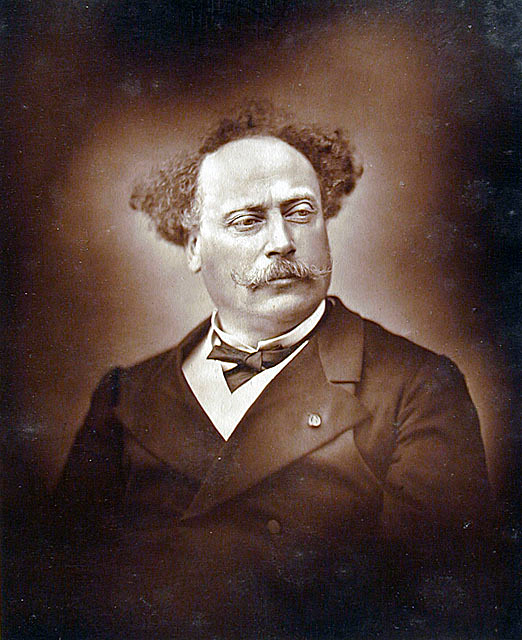
Alexandre
Dumas, fils
Dịch giả: Hải Nguyên
---
Tiếng Pháp:
La Dame aux Camilias par
Alexandre Dumas, fils
---
Tiếng Anh:
Camille by
Alexandre Dumas, fils - Translator: Sir Edmond Gosse (from French
to English) - The Project Gutenberg eBook of Camille
Chương 1
Người
ta chỉ tạo nên nhân vật sau khi đã nghiên cứu kỹ con người. Cũng như, người ta
chỉ nói được tiếng nước ngoài sau khi đã học hỏi nghiêm túc tiếng nói đó.
Tôi
chưa đến tuổi để đi vào sáng tạo. Tôi xin chỉ làm công việc của người kể chuyện.
Xin
bạn đọc tin chắc với tôi: chuyện này là một chuyện có thật. Tất cả những nhân vật
trong đó, trừ vai chính, đều còn sống.
Vả
chăng, ở Paris vẫn còn có chứng cho hầu hết những sự việc tôi thu thập ở đây.
Những nhân chứng đó có thể xác nhận hoặc bổ sung cho câu chuyện, nếu ghi nhận của
tôi còn thiếu sót. Nhờ một trường hợp đặc biệt, chỉ riêng tôi mới có thể viết lại
sự việc đó. Bởi vì tôi là người độc nhất nắm được những chi tiết cuối cùng của
nó. Thiếu những chi tiết này, không thể nào kể lại câu chuyện một cách đầy đủ
và thú vị được.
Tôi
xin cho biết tất cả những chi tiết đến với tôi như thế nào.
Ngày
12 tháng 03 năm 1847, tôi đọc được ở đường Lapphit một yết thị lớn màu vàng,
thông báo một cuộc bán đấu giá những động sản và những đồ vật hiếm đắt tiền. Cuộc
đấu giá này được thực hiện sau khi người chủ đã chết. Trên yết thị không ghi
tên người chủ là ai. Nhưng cuộc bán đấu giá sẽ bắt đầu vào ngày 16, từ trưa đến
năm giờ chiều, tại đường Anti, nhà số 9.
Yết
thị còn cho biết trong hai ngày 13 và 14, mọi người có thể đến thăm căn nhà và
xem trước đồ đạc.
Vốn
là người yêu thích những đồ vật quý hiếm, tôi tự nhủ sẽ không bỏ qua dịp này, nếu
không mua gì thì cũng đến để xem.
Ngày
hôm sau, tôi đến ngôi nhà số 9 đường Anti. Còn sớm lắm, thế nhưng nhiều người
đã có mặt trong phòng. Họ ăn mặc nhung lụa đẹp đẽ, có xe song mã sang trọng dừng
đợi trước cửa, nhưng vẫn ngắm nhìn sự xa hoa tráng lệ đang trải ra trước mắt một
cách ngạc nhiên, có thể nói có ý thán phục nữa là khác.
Lát
sau, tôi hiểu sự thán phục và ngạc nhiên ấy. Bởi vì khi đã xem xét kỹ, tôi nhận
biết một cách rõ ràng: đây là căn phòng của một người đàn bà chuyên sống với
tình nhân. Nay, nếu có một điều mà các bà phong nhã muốn xem – và ở đây có những
bà phong nhã – thì đó chính là tư thất của người đàn bà phóng đãng, mà cách phục
sức hàng ngày dám cạnh tranh với các bà. Những người đàn bà này, cũng như các
bà, thuê những lô riêng ngay bên cạnh các bà trong các nhà hát; và ở Paris, họ
cũng phô bày một cách xấc xược cái nhan sắc hào nhoáng, đồ nữ trang và những vụ
tại tiếng.
Người
đàn bà trước kia là chủ căn phòng này đã chết rồi. Những người đàn bà khác, những
con người đạo đức nhất, có thể đi sâu vào bên trong căn phòng của người đã khuất.
Cái chết đã thuần khiết hoá không khí cái hang ổ uế tạp lộng lẫy này. Hơn nữa,
nếu cần, các bà vẫn có lý do để tự biện hộ: các bà đến đây để mua đồ đạc và
không cần biết đây là nhà của ai. Các bà đã đọc yết thị, để có thể lựa chọn trước.
Thật là đơn giản. Điều này không thể ngăn cản các bà tìm kiếm, giữa tất cả những
cái đẹp đẽ đó, những dấu vết đời tư của cô gái giang hồ sang trọng mà những kẻ
khác, chắc chắc, đã từng truyền tụng cho nhau nhiều mẩu chuyện lạ lùng, đặc sắc.
Khốn
thay! Những bí mật đã chết cả rồi cũng với nữ thần của nó. Vì vậy, dù với tất cả
thiện chí, các bà cũng chỉ có thể bắt gặp được những thứ được bày bán sau khi
người chủ đã chết và không bắt gặp một cái gì được bán lúc người chủ còn sống.
Vả lại, lắm thứ có thể mua được: bàn ghế rất đẹp, những đồ đạc bằng gỗ quý, những
chậu sành sứ Xevơ, Trung Quốc, những tượng nhỏ ở Xâcxơ, xatanh, nhung, đăng
ten, không thiếu thứ gì.
Tôi
đi dạo trong căn phòng, theo chân những bà quý tộc tò mò đã đến đó trước tôi.
Các bà đi vào một gian phòng căng đầy rèm vải Ba Tư. Tôi sắp bước vào thì bắt gặp
các bà đang bước vội ra, miệng tủm tỉm cười. Hình như các bà hơi thẹn vì sự tò
mò mới mẻ của mình.
Tôi
như bị kích thích, lòng ham muốn được vào xem càng mạnh hơn. Đó chính là phòng
trang sức đầy những chi tiết tỉ mỉ, mà tất cả đã biểu lộ đến cao độ sự hoang
phí của người chủ đã chết.
Trên
một cái bàn lớn kê sát vách, rộng ba thước, dài sáu thước (thước Anh) tất cả những
bảo vật Ocôc và Ôđiôt sáng rực lên. Đó là một bộ sưu tập cực kỳ phong phú.
Không một vật nào trong số hàng ngàn vật đó – những thứ rất cần cho sự trang sức
của một người đàn bà như người chủ căn nhà này – được làm bằng một kim loại nào
khác hơn vàng và bạc. Bộ sưu tập này chỉ có thể được hình thành dần dần, và chắc
chắn không phải chỉ do riêng một tình nhân nào tạo lập được.
Không
chút ngại ngùng, tôi đứng nhìn phòng trang sức của một kỹ nữ. Tôi thích thú
quan sát từng chi tiết dù nó thế nào chăng nữa. Tất cả những vật này được chạm
khắc rất đẹp và đều mang chữ đầu của những tên họ khác nhau.
Tôi
nhìn tất cả những vật đó, mỗi vật biểu trưng cho một sự “bán mình” của cô gái
đáng thương. Tôi tự nhủ, Thượng Đế đã khoan hồng đối với nàng; vì đã cho nàng
được chết trong xa hoa và sắc đẹp, không để nàng phải chịu sự trừng phạt thông
thường; nhìn thấy tuổi già của mình – tức cái chết đầu tiên đối với những cô
gái giang hồ.
Thực
vậy, còn gì buồn hơn là phải nhìn thấy sự già nua của tội lỗi, nhất là nơi người
đàn bà? Nó không giữ được phẩm giá và cũng không gây được sự hấp dẫn. Sự hối hận
cứ triền miên, không phải họ hối hận vì đã đi theo con đường xấu, mà vì những
tính toán sai lầm đã có và vì những đồng tiền đã không dùng đúng chỗ. Đó là điều
đáng buồn nhất mà người ta thường được nghe nói. Tôi được biết một người đàn
bà, ngày trước lẳng lơ đã sinh được một cô bé. Theo lời những người cùng thời
cô bé này đẹp không kém gì người mẹ xưa. Với đứa con khốn nạn này, chẳng bao giờ
người mẹ đó bảo: “Con là con gái của mẹ”, trừ phi để ra lệnh cho cô phải nuôi
bà lúc già yếu, như ngày trước bà phải nuôi cô, lúc cô còn thơ ấu. Cô bé khốn
khổ tên là Luidơ, vâng lời mẹ làm việc hiến thân lấy tiền, không dục vọng,
không đam mê, không thích thú; như cô đã chọn một cái nghề, nếu người ta nghĩ đến
việc dạy cho cô một nghề.
Bắt
buộc hàng ngày phải chứng kiến cảnh ăn chơi sa đoạ ngày từ lúc còn quá trẻ, cộng
thêm vào đó là tình trạng bệnh hoạn triền miên, cô gái đã đánh mất ý thức về
thiện và ác mà Thượng Đế đã phân phát cho cô, nhưng chẳng một ai để ý giữ gìn
và phát triển cái ý thức ấy cả.
Tôi
còn nhớ cô gái ấy, ngày nào cũng lang thang trên những đại lộ phố phường đúng
vào một thời khắc nhất định. Bà mẹ luôn đi kèm bên cạnh, cũng rất đều đặn, như
một người mẹ đích thực đi theo bên cạnh đứa con gái đích thực của mình. Thuở ấy,
tôi còn trẻ lắm, nên dễ chấp nhận cái luân lý dễ dàng của thời đại. Tuy nhiên,
tôi vẫn nhớ, cảnh canh giữ tội lỗi này gây cho tôi tâm trạng khinh bỉ và ghê tởm.
Thêm vào đó, chưa bao giờ ta bắt gặp được một khuôn mặt đồng trinh nào lại có
thứ tình cảm ngây thơ, vô tội đến như thế, một vóc dáng đau thương nào ảo não đến
thế.
Người
ta có thể nói, đây là hiện thân của Tủi Nhục.
Một
ngày kia, khuôn mặt cô bừng sáng hẳn lên, giữa cảnh ăn chơi sa đoạ mà mẹ cô đã
vạch chương trình. Hình như Thượng Đế đã cho phép cô gái tội lỗi đó được tiếp
nhận một hạnh phúc. Xét cho cùng, lẽ nào Thượng Đế đã tạo ra một người con gái
không nghị lực lại nỡ để nàng cứ phải sống không một niềm an ủi dưới gánh nặng
đau thương của cuộc đời? Một ngày kia, cô nhận thấy mình đã có thai, và sự
trinh trắng còn sót lại nơi cô như run lên sung sướng. Linh hồn có những nơi
trú ẩn kỳ lạ. Luidơ chạy đi báo tin cho mẹ. Nói ra thật xấu hổ. Tuy nhiên, ở
đây chúng ta không bàn đến sự vô luân của khoái lạc mà chỉ kể lại một sự kiện
có thật. Có thể tốt hơn, chúng ta nên im đi, nếu chúng ta không cho rằng thỉnh
thoảng nên nói đến sự đau khổ cực độ của những con người đã bị người đời buộc tội,
khinh bỉ không cần đến một lời thanh minh, xét đoán. Thật đáng hổ thẹn! Nhưng
quả thật người mẹ đã trả lời cho con gái của mình: “Chỉ với hai người, chúng ta
đã chật vật lắm rồi. Thêm một người nữa thì lấy gì mà sống?” và “Những đứa con
như thế là vô ích, thời gian thai nghén sẽ là thời gian bỏ đi”.
Ngày
hôm sau, một cô đỡ, bạn thân của người mẹ, đến thăm Luidơ! Luidơ phải nằm liệt
giường mấy ngày liền. Khi cô đi lại được, người cô trông xanh xao, gầy yếu hơn
trước rất nhiều.
Ba
tháng sau, một người đàn ông thương hại hoàn cảnh cô, đến chăm sóc, chữa trị
tinh thần và thể xác cho cô. Nhưng sự xúc động trước đó đã quá mạnh; và Luidơ
đã chết, vì những biến chứng sau khi phải đẻ non.
Người
mẹ còn sống: sống như thế nào? Chỉ có Thượng Đế biết!
Câu
chuyện trở lại trong tâm trí tôi, lúc tôi đang đứng ngắm nghía những đồ vật bằng
vàng bạc. Cứ như thế, thời gian lặng lẽ trôi qua, khi sực nhìn lại, thì trong
căn phòng chỉ còn tôi và người đứng gác ở cửa. Ông chăm chú theo dõi tôi, hình
như để xem tôi có lấy cắp gì không?
Tôi
tiến đến gần ông ta. Quả thật, tôi đã làm cho người gác phải lo lắng đề phòng.
–
Ông có thể cho tôi biết tên người chủ trước kia đã ở đây? – Tôi hỏi.
–
Cô Macgơrit Gôchiê.
Tôi
đã biết cô gái đó, qua tên gọi và những lần gặp mặt.
–
Thế sao? – tôi nói với người gác – Macgơrit Gôchiê đã chết rồi à?
–
Thưa ông, phải.
–
Từ bao giờ?
–
Cách đây khoảng ba tuần.
–
Tại sao người ta cho mọi người đến xem ngôi nhà này?
–
Những người chủ nợ cho rằng điều đó có thể làm tăng được giá bán đồ đạc. Vải
vóc và đồ đạc ở đây sẽ gây được ấn tượng mạnh đối với khách hàng khi họ xem trước
chúng. Điều đó sẽ thúc đẩy tốt việc mua bán.
–
Nghĩa là cô ta có nợ à?
–
Ồ! Thưa ông, nhiều lắm.
–
Với tiền bán đấu giá này, có thể trả đủ chứ?
–
Thưa ông, thừa đủ.
–
Vậy số tiền thừa sẽ thuộc về ai?
–
Về gia đình cô ta.
–
Cô ta có gia đình?
–
Có lẽ thế.
–
Cám ơn ông.
Yên
tâm trước những ý tưởng của tôi, người gác cổng cúi chào tôi, và tôi bước ra.
“Cô
gái khốn khổ” – Tôi tự nhủ lúc ra về. Cô ta chắc đã chết với một tâm trạng rất
buồn thảm. Trong giới của cô, người ta chỉ có bạn khi khoẻ mạnh. Tôi tự nhiên cảm
thấy thương xót cho số phận của Macgơrit Gôchiê.
Điều
này có thể buồn cười đối với nhiều người. Nhưng tôi vốn có một thái độ khoan
dung không bờ bến đối với những cô gái giang hồ phóng đãng; và tôi cũng chẳng
chút bận tâm để lý giải vì sao mình có sự khoan dung đó.
Một
hôm, đi lấy giấy xuất cảnh ở văn phòng tỉnh, tôi nhìn thấy trên đường phố bên cạnh
một cô gái đang bị hai sen đầm áp giải. Tôi không biết cô gái đó đã làm gì. Tất
cả điều tôi có thể nói là cô ta khóc sướt mướt và ôm hôn một đứa trẻ chừng ba
tháng mà hoàn cảnh mới này buộc cô phải lìa xa nó. Kể từ ngày đó, tôi không bao
giờ dám khỉnh bỉ một người đàn bà mà mình mới gặp lần đầu.
➖➖➖
Phần tiếng Pháp
La
Dame aux Camilias par Alexandre Dumas, fils
---
Chapitre I
Mon
avis est qu'on ne peut créer des personnages que lorsque l'on a beaucoup étudié les hommes, comme on ne
peut parler une langue qu'à la condition
de l'avoir sérieusement apprise.
N'ayant
pas encore l'âge où l'on invente, je me contente de raconter.
J'engage
donc le lecteur à être convaincu de la réalité de cette histoire, dont tous les personnages, à l'exception de l'héroïne,
vivent encore.
D'ailleurs,
il y a à Paris des témoins de la plupart des faits que je recueille ici, et qui pourraient les confirmer, si mon témoignage
ne suffisait pas. Par une
circonstance particulière, seul je pouvais les écrire, car seul j'ai été le confident des derniers détails sans lesquels il eût été impossible de faire
un récit intéressant et complet.
Or,
voici comment ces détails sont parvenus à ma connaissance.
--Le
12 du mois de mars 1847, je lus, dans
la rue Laffitte, une grande affiche jaune
annonçant une vente de meubles et de riches objets de curiosité. Cette vente avait lieu après décès.
L'affiche ne nommait pas la personne morte,
mais la vente devait se faire rue d'Antin, nº 9, le 16, de midi à cinq heures.
L'affiche
portait en outre que l'on pourrait, le 13 et le 14, visiter l'appartement et les meubles.
J'ai
toujours été amateur de curiosités. Je me promis de ne pas manquer cette occasion, sinon d'en acheter, du
moins d'en voir.
Le
lendemain, je me rendis rue d'Antin, nº 9.
Il
était de bonne heure, et cependant il y avait déjà dans l'appartement des visiteurs et même des visiteuses,
qui, quoique vêtues de velours, couvertes
de cachemires et attendues à la porte par leurs élégants coupés, regardaient avec étonnement, avec admiration même, le luxe
qui s'étalait sous leurs yeux.
Plus
tard, je compris cette admiration et cet étonnement, car, m'étant mis aussi à examiner, je reconnus
aisément que j'étais dans l'appartement
d'une femme entretenue. Or, s'il y a une chose que les femmes du monde désirent voir, et il y avait là des femmes du
monde, c'est l'intérieur de ces
femmes, dont les équipages éclaboussent chaque jour le leur, qui ont, comme elles et à côté d'elles, leur loge à l'Opéra et aux Italiens, et qui
étalent, à Paris, l'insolente opulence de
leur beauté, de leurs bijoux et de leurs scandales.
Celle
chez qui je me trouvais était morte: les femmes les plus vertueuses pouvaient donc pénétrer jusque dans sa chambre. La mort
avait purifié l'air de ce cloaque
splendide, et d'ailleurs elles avaient pour
excuse, s'il en était besoin, qu'elles venaient à une vente sans savoir chez qui elles venaient. Elles avaient
lu des affiches, elles voulaient visiter
ce que ces affiches promettaient et faire leur choix à l'avance; rien de plus simple; ce qui ne les
empêchait pas de chercher, au milieu de
toutes ces merveilles, les traces de cette vie de courtisane dont on leur avait fait, sans doute, de si
étranges récits.
Malheureusement
les mystères étaient morts avec la déesse, et, malgré toute leur bonne volonté, ces dames ne surprirent que ce qui était
à vendre depuis le décès, et rien de
ce qui se vendait du vivant de la locataire.
Du
reste, il y avait de quoi faire des emplettes. Le mobilier était superbe. Meubles de bois de rose et de
Boule, vases de Sèvres et de Chine,
statuettes de Saxe, satin, velours et dentelle, rien n'y manquait.
Je
me promenai dans l'appartement et je suivis les nobles curieuses qui m'y avaient précédé. Elles entrèrent
dans une chambre tendue d'étoffe perse,
et j'allais y entrer aussi, quand elles en sortirent presque aussitôt en souriant et comme si elles
eussent eu honte de cette nouvelle
curiosité. Je n'en désirai que plus vivement pénétrer dans cette chambre. C'était le cabinet de toilette, revêtu de ses plus minutieux détails, dans lesquels
paraissait s'être développée au plus haut
point la prodigalité de la morte.
Sur
une grande table, adossée au mur, table de trois pieds de large sur six de long, brillaient tous les
trésors d'Aucoc et d'Odiot. C'était là une
magnifique collection, et pas un de ces mille objets, si nécessaires à la toilette d'une femme comme celle
chez qui nous étions, n'était en autre
métal qu'or ou argent. Cependant cette collection n'avait pu se faire que peu à peu, et ce n'était pas
le même amour qui l'avait complétée.
Moi
qui ne m'effarouchais pas à la vue du cabinet de toilette d'une femme entretenue, je m'amusais à en
examiner les détails, quels qu'ils fussent,
et je m'aperçus que tous ces ustensiles magnifiquement ciselés portaient des initiales variées et des
couronnes différentes.
Je
regardais toutes ces choses dont chacune me représentait une prostitution de la pauvre fille, et je
me disais que Dieu avait été clément
pour elle, puisqu'il n'avait pas permis qu'elle en arrivât au châtiment ordinaire, et qu'il l'avait
laissée mourir dans son luxe et sa beauté,
avant la vieillesse, cette première mort des courtisanes.
En
effet, quoi de plus triste à voir que la vieillesse du vice, surtout chez la femme? Elle ne renferme aucune
dignité et n'inspire aucun intérêt.
Ce repentir éternel, non pas de la mauvaise route suivie, mais des calculs mal faits et de l'argent
mal employé, est une des plus attristantes
choses que l'on puisse entendre. J'ai connu une ancienne femme galante à qui il ne restait plus de son passé qu'une fille
presque aussi belle que, au dire de
ses contemporains, avait été sa mère. Cette
pauvre enfant à qui sa mère n'avait jamais dit: tu es ma fille, que pour lui ordonner de nourrir sa vieillesse
comme elle-même avait nourri son enfance,
cette pauvre créature se nommait Louise, et, obéissant à sa mère, elle se livrait sans volonté, sans passion, sans plaisir,
comme elle eût fait un métier si l'on
eût songé à lui en apprendre un.
La
vue continuelle de la débauche, une débauche précoce, alimentée par l'état continuellement maladif de cette
fille, avait éteint en elle l'intelligence
du mal et du bien que Dieu lui avait donnée peut-être, mais qu'il n'était venu à l'idée de personne de développer.
Je
me rappellerai toujours cette jeune fille, qui passait sur les boulevards presque tous les jours à la
même heure. Sa mère l'accompagnait
sans cesse, aussi assidûment qu'une vraie mère eût accompagné sa vraie fille. J'étais bien jeune alors, et prêt à
accepter pour moi la facile morale de
mon siècle. Je me souviens cependant que la
vue de cette surveillance scandaleuse m'inspirait le mépris et le dégoût.
Joignez
à cela que jamais visage de vierge n'eut un pareil sentiment d'innocence, une pareille expression de
souffrance mélancolique.
On
eût dit une figure de la Résignation.
Un
jour, le visage de cette fille s'éclaira. Au milieu des débauches dont sa mère tenait le programme, il
sembla à la pécheresse que Dieu lui permettait
un bonheur. Et pourquoi, après tout, Dieu, qui l'avait faite sans force, l'aurait-il laissée sans
consolation, sous le poids douloureux
de sa vie? Un jour donc, elle s'aperçut qu'elle était enceinte, et ce qu'il y avait en elle de chaste encore tressaillit
de joie. L'âme a d'étranges refuges.
Louise courut annoncer à sa mère cette nouvelle
qui la rendait si joyeuse. C'est honteux à dire, cependant nous ne faisons pas ici de l'immoralité à
plaisir, nous racontons un fait vrai,
que nous ferions peut-être mieux de taire, si nous ne croyions qu'il faut de temps en temps révéler
les martyres de ces êtres, que l'on condamne
sans les entendre, que l'on méprise sans les juger; c'est honteux, disons-nous, mais la mère répondit à sa fille qu'elles n'avaient déjà pas trop pour deux et
qu'elles n'auraient pas assez pour trois;
que de pareils enfants sont inutiles et qu'une grossesse est du temps perdu.
Le
lendemain, une sage-femme, que nous signalons seulement comme l'amie de la mère, vint voir Louise, qui resta
quelques jours au lit, et s'en releva
plus pâle et plus faible qu'autrefois.
Trois
mois après, un homme se prit de pitié pour elle et entreprit sa guérison morale et physique; mais la
dernière secousse avait été trop violente,
et Louise mourut des suites de la fausse couche qu'elle avait faite.
La
mère vit encore: comment? Dieu le sait.
Cette
histoire m'était revenue à l'esprit pendant que je contemplais les nécessaires d'argent, et un certain
temps s'était écoulé, à ce qu'il paraît,
dans ces réflexions, car il n'y avait plus dans l'appartement que moi et un gardien qui, de la porte,
examinait avec attention si je ne
dérobais rien.
Je
m'approchai de ce brave homme à qui j'inspirais de si graves inquiétudes.
--Monsieur,
lui dis-je, pourriez-vous me dire le nom de la personne qui demeurait ici?
--Mademoiselle
Marguerite Gautier.
Je
connaissais cette fille de nom et de vue.
--Comment!
Dis-je au gardien, Marguerite Gautier est morte?
--Oui,
monsieur.
--Et
quand cela?
--Il
y a trois semaines, je crois.
--Et
pourquoi laisse-t-on visiter l'appartement?
--Les
créanciers ont pensé que cela ne pouvait que faire monter la vente. Les personnes peuvent voir
d'avance l'effet que font les étoffes et
les meubles; vous comprenez, cela encourage à acheter.
--Elle
avait donc des dettes?
--Oh!
Monsieur, en quantité.
--Mais
la vente les couvrira sans doute?
--Et
au-delà.
--À
qui reviendra le surplus, alors?
--À
sa famille.
--Elle
a donc une famille?
--À
ce qu'il paraît.
--Merci,
monsieur.
Le
gardien, rassuré sur mes intentions, me salua, et je sortis.
--Pauvre
fille! me disais-je en rentrant chez moi, elle a dû mourir bien tristement, car, dans son monde, on n'a
d'amis qu'à la condition qu'on se
portera bien. Et malgré moi je m'apitoyais sur le sort de Marguerite Gautier.
Cela
paraîtra peut-être ridicule à bien des gens, mais j'ai une indulgence inépuisable pour les courtisanes, et je ne me donne
même pas la peine de discuter cette
indulgence.
Un jour, en allant
prendre un passeport à la préfecture, je vis dans une des rues adjacentes une fille que deux gendarmes emmenaient.
J'ignore ce qu'avait fait cette
fille; tout ce que je puis dire, c'est qu'elle pleurait à chaudes larmes en embrassant un enfant de quelques mois
dont son arrestation la séparait.
Depuis ce jour, je n'ai plus su mépriser une
femme à première vue.
➖➖➖
Phần tiếng Anh
Camille
by Alexandre Dumas, fils - Translator: Sir Edmond Gosse (from
French to English) - The Project Gutenberg eBook of Camille
---
Chapter I
In
my opinion, it is impossible to create characters until one has spent a long
time in studying men, as it is impossible to speak a language until it has been
seriously acquired. Not being old enough to invent, I content myself with
narrating, and I beg the reader to assure himself of the truth of a story in
which all the characters, with the exception of the heroine, are still alive.
Eye-witnesses of the greater part of the facts which I have collected are to be
found in Paris, and I might call upon them to confirm me if my testimony is not
enough. And, thanks to a particular circumstance, I alone can write these
things, for I alone am able to give the final details, without which it would
have been impossible to make the story at once interesting and complete.
This
is how these details came to my knowledge. On the 12th of March, 1847, I saw in
the Rue Lafitte a great yellow placard announcing a sale of furniture and
curiosities. The sale was to take place on account of the death of the owner.
The owner’s name was not mentioned, but the sale was to be held at 9, Rue
d’Antin, on the 16th, from 12 to 5. The placard further announced that the
rooms and furniture could be seen on the 13th and 14th.
I
have always been very fond of curiosities, and I made up my mind not to miss
the occasion, if not of buying some, at all events of seeing them. Next day I
called at 9, Rue d’Antin.
It
was early in the day, and yet there were already a number of visitors, both men
and women, and the women, though they were dressed in cashmere and velvet, and
had their carriages waiting for them at the door, gazed with astonishment and
admiration at the luxury which they saw before them.
I
was not long in discovering the reason of this astonishment and admiration,
for, having begun to examine things a little carefully, I discovered without
difficulty that I was in the house of a kept woman. Now, if there is one thing
which women in society would like to see (and there were society women there),
it is the home of those women whose carriages splash their own carriages day by
day, who, like them, side by side with them, have their boxes at the Opera and
at the Italiens, and who parade in Paris the opulent insolence of their beauty,
their diamonds, and their scandal.
This
one was dead, so the most virtuous of women could enter even her bedroom. Death
had purified the air of this abode of splendid foulness, and if more excuse
were needed, they had the excuse that they had merely come to a sale, they knew
not whose. They had read the placards, they wished to see what the placards had
announced, and to make their choice beforehand. What could be more natural?
Yet, all the same, in the midst of all these beautiful things, they could not
help looking about for some traces of this courtesan’s life, of which they had
heard, no doubt, strange enough stories.
Unfortunately
the mystery had vanished with the goddess, and, for all their endeavours, they
discovered only what was on sale since the owner’s decease, and nothing of what
had been on sale during her lifetime. For the rest, there were plenty of things
worth buying. The furniture was superb; there were rosewood and buhl cabinets
and tables, Sevres and Chinese vases, Saxe statuettes, satin, velvet, lace;
there was nothing lacking.
I
sauntered through the rooms, following the inquisitive ladies of distinction.
They entered a room with Persian hangings, and I was just going to enter in
turn, when they came out again almost immediately, smiling, and as if ashamed
of their own curiosity. I was all the more eager to see the room. It was the
dressing-room, laid out with all the articles of toilet, in which the dead
woman’s extravagance seemed to be seen at its height.
On
a large table against the wall, a table three feet in width and six in length,
glittered all the treasures of Aucoc and Odiot. It was a magnificent
collection, and there was not one of those thousand little things so necessary
to the toilet of a woman of the kind which was not in gold or silver. Such a
collection could only have been got together little by little, and the same
lover had certainly not begun and ended it.
Not
being shocked at the sight of a kept woman’s dressing-room, I amused myself
with examining every detail, and I discovered that these magnificently
chiselled objects bore different initials and different coronets. I looked at
one after another, each recalling a separate shame, and I said that God had
been merciful to the poor child, in not having left her to pay the ordinary
penalty, but rather to die in the midst of her beauty and luxury, before the
coming of old age, the courtesan’s first death.
Is
there anything sadder in the world than the old age of vice, especially in
woman? She preserves no dignity, she inspires no interest. The everlasting
repentance, not of the evil ways followed, but of the plans that have
miscarried, the money that has been spent in vain, is as saddening a thing as
one can well meet with. I knew an aged woman who had once been “gay,” whose
only link with the past was a daughter almost as beautiful as she herself had
been. This poor creature to whom her mother had never said, “You are my child,”
except to bid her nourish her old age as she herself had nourished her youth,
was called Louise, and, being obedient to her mother, she abandoned herself
without volition, without passion, without pleasure, as she would have worked
at any other profession that might have been taught her.
The
constant sight of dissipation, precocious dissipation, in addition to her
constant sickly state, had extinguished in her mind all the knowledge of good
and evil that God had perhaps given her, but that no one had ever thought of
developing. I shall always remember her, as she passed along the boulevards
almost every day at the same hour, accompanied by her mother as assiduously as
a real mother might have accompanied her daughter. I was very young then, and
ready to accept for myself the easy morality of the age. I remember, however,
the contempt and disgust which awoke in me at the sight of this scandalous
chaperoning. Her face, too, was inexpressibly virginal in its expression of
innocence and of melancholy suffering. She was like a figure of Resignation.
One
day the girl’s face was transfigured. In the midst of all the debauches mapped
out by her mother, it seemed to her as if God had left over for her one
happiness. And why indeed should God, who had made her without strength, have
left her without consolation, under the sorrowful burden of her life? One day,
then, she realized that she was to have a child, and all that remained to her
of chastity leaped for joy. The soul has strange refuges. Louise ran to tell
the good news to her mother. It is a shameful thing to speak of, but we are not
telling tales of pleasant sins; we are telling of true facts, which it would be
better, no doubt, to pass over in silence, if we did not believe that it is
needful from time to time to reveal the martyrdom of those who are condemned
without hearing, scorned without judging; shameful it is, but this mother
answered the daughter that they had already scarce enough for two, and would
certainly not have enough for three; that such children are useless, and a
lying-in is so much time lost.
Next
day a midwife, of whom all we will say is that she was a friend of the mother,
visited Louise, who remained in bed for a few days, and then got up paler and
feebler than before.
Three
months afterward a man took pity on her and tried to heal her, morally and
physically; but the last shock had been too violent, and Louise died of it. The
mother still lives; how? God knows.
This
story returned to my mind while I looked at the silver toilet things, and a
certain space of time must have elapsed during these reflections, for no one
was left in the room but myself and an attendant, who, standing near the door,
was carefully watching me to see that I did not pocket anything.
I
went up to the man, to whom I was causing so much anxiety. “Sir,” I said, “can
you tell me the name of the person who formerly lived here?”
“Mademoiselle
Marguerite Gautier.”
I
knew her by name and by sight.
“What!”
I said to the attendant; “Marguerite Gautier is dead?”
“Yes,
sir.”
“When
did she die?”
“Three
weeks ago, I believe.”
“And
why are the rooms on view?”
“The
creditors believe that it will send up the prices. People can see beforehand
the effect of the things; you see that induces them to buy.”
“She
was in debt, then?”
“To
any extent, sir.”
“But
the sale will cover it?”
“And
more too.”
“Who
will get what remains over?”
“Her
family.”
“She
had a family?”
“It
seems so.”
“Thanks.”
The
attendant, reassured as to my intentions, touched his hat, and I went out.
“Poor
girl!” I said to myself as I returned home; “she must have had a sad death,
for, in her world, one has friends only when one is perfectly well.” And in
spite of myself I began to feel melancholy over the fate of Marguerite Gautier.
It
will seem absurd to many people, but I have an unbounded sympathy for women of
this kind, and I do not think it necessary to apologize for such sympathy.
One
day, as I was going to the Prefecture for a passport, I saw in one of the
neighbouring streets a poor girl who was being marched along by two policemen.
I do not know what was the matter. All I know is that she was weeping bitterly
as she kissed an infant only a few months old, from whom her arrest was to
separate her. Since that day I have never dared to despise a woman at first
sight.
➖➖➖


Không có nhận xét nào:
Đăng nhận xét