2025-05-10
Trà
hoa nữ (02)
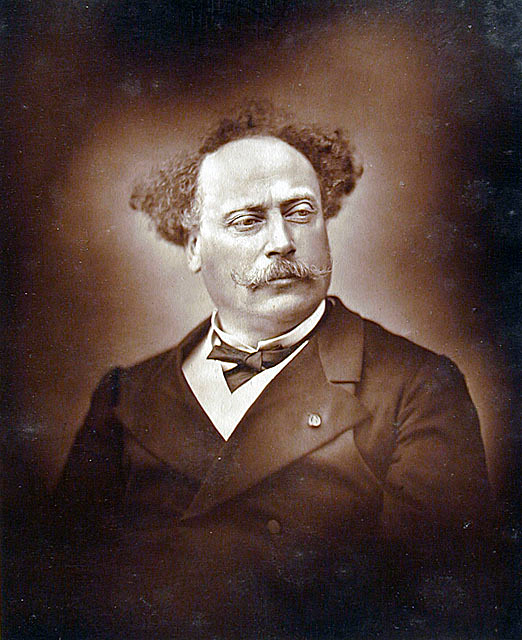
Alexandre
Dumas fils
Dịch giả: Hải Nguyên
---
Tiếng Pháp:
La Dame aux Camilias
par Alexandre Dumas, fils
---
Tiếng Anh:
Camille
by Alexandre Dumas, fils - Translator: Sir Edmond Gosse (from
French to English) - The Project Gutenberg eBook of Camille
Chương 2
Cuộc
bán đấu giá được ấn định vào ngày 16.
Trước
đó một ngày, người ta ngưng hẳn việc cho đến xem đồ đạc trong nhà, để những người
thợ chuyên môn có đủ thời gian tháo gỡ rèm, màn xuống.
Những
ngày ấy, tôi đi xa mới về. Theo lẽ thường người ta không cho tôi biết về cái chết
của Macgơrit như một trong những tin quan trọng mà bạn bè thường báo lại cho bất
cứ người nào từ xa trở về thủ đô được biết. Macgơrit thật xinh đẹp. Nhưng nếu
cuộc sống cầu kỳ của người đàn bà như thế gây tai tiếng nhiều chừng nào, thì
cái chết của họ ít gây xáo động chừng ấy. Đó là những lúc mặt trời lặn, lúc lặn
xuống cũng như lúc mọc lên không hề rực rỡ. Cái chết của họ, nếu họ chết trẻ,
thì tất cả những tình nhân họ được biết cùng một lúc. Bởi vì ở Paris, hầu hết
những tình nhân của một cô gái tên tuổi đều rất quen biết nhau. Một vài kỷ niệm
chung được nhắc lại. Rồi sau đó, cuộc đời những người này và những người khác vẫn
cứ tiếp tục trôi đi, không hề để sự bất hạnh kia có thể khuấy động hay làm rơi
một giọt nước mắt nào ở họ.
Ngày
nay, khi người ta hai lăm tuổi, những giọt lệ trở nên quá khan hiếm. Nhiều lắm,
chỉ những người thân thuộc đã bỏ tiền ra thuê những người khóc mướn mới phải nhỏ
lệ vì số tiền đã bỏ ra mà thôi.
Còn
tôi, tuy không hề có một kỷ niệm nào sâu nặng với Macgơrit, nhưng thật lòng
khoan dung do bản năng, tình thương xót tự nhiên mà tôi vừa thú nhận, đã làm
cho tôi suy nghĩ đến cái chết của cô có lẽ lâu hơn là cô xứng đáng được như vậy.
Nhớ
lại, trước kia tôi thường gặp Macgơrit ở quảng trường Xăng Êlidê. Nàng thường đến
nơi này, ngày nào cũng thế, trong một chiếc xe hai chỗ ngồi màu xanh da trời,
thắng hai con ngựa màu be đẹp đẽ. Và như thế, trông nàng có một vẻ gì đó khác
biệt hẳn với bạn bè của nàng. Sự khác biệt này càng nổi bật nhờ một nhan sắc thật
sự ngoại hạng của nàng.
Những
con người đáng thương này, mỗi khi ra đường, luôn luôn có kẻ cặp đi kèm.
Không
một người đàn ông nào chịu để công chúng biết được những cuộc tình tự ban đêm với
các cô gái giang hồ. Và những cô gái này sợ sự cô đơn. Các cô phải đem theo những
người đàn bà khác, kém sung sướng hơn, không có xe riêng, hoặc một vài người
đàn bà sang trọng đã về già, nơi họ sự hào nhoáng không còn lý do để tồn tại. Với
những người đàn bà này, người ta có thể đến làm quen nói chuyện một cách tự
nhiên, khi người ta muốn biết một vài chi tiết nào đó về cô gái mà các bà đi
kèm.
Macgơrit
thì khác hẳn. Cô đến quảng trường Xăng Êlidê bao giờ cũng đi một mình, đi riêng
và lánh mặt đến mức tối đa: mùa đông, trong một tấm áo choàng lớn; mùa hè, với
những chiếc áo dài rất đơn giản. Nếu cô mỉm cười với những người quen biết tình
cờ gặp trên đường thì nụ cười riêng tư đó cũng rất kín đáo. Một bà hoàng cũng
có thể cười như thế.
Cô
không đi dạo từ ngã tư đến cổng vào Xăng Êlidê, như những người bạn cô vẫn đi từ
xưa đến nay. Hai con ngựa nhanh chóng đưa cô đến khu rừng. Ở đó cô bước xuống
xe, chậm rãi đi bách bộ trong khoảng một giờ, rồi lại lên xe, trở về nhà, với
đôi ngựa phi nước đại.
Những
cảnh ấy, mà đôi khi tôi được chứng kiến, giờ lại hiện ra trước mắt tôi. Tôi
thương xót cái chết của người con gái đó, không khác nào người ta thương tiếc sự
tàn phá hoàn toàn một công trình tuyệt đẹp.
Thực
vậy, không dễ gì có thể tìm thấy được một sắc đẹp mê hồn như sắc đẹp của
Macgơrit. Người cô cao và mảnh dẻ, gần như hơi thái quá. Nhưng cô đã nắm được
cái nghệ thuật tuyệt vời để làm tan biến những sơ sót của tạo hoá bằng sự sắp xếp
giản dị tuyệt vời những thứ được dùng làm trang sức cho một người đàn bà. Tấm
áo choàng Casơmia rộng buông gần chấm đất, để lộ mỗi bên một cái vạt rộng của
chiếc áo đầm dài bằng lụa. Đôi găng tay che kín hai bàn tay áp sát vào ngực, để
lộ những nếp nhăn rất khéo sắp xếp đến mức những con mắt khó tính đến mấy cũng
không thể chỉ trích những đường nét chìm nổi.
Cái
đầu tuyệt vời của nàng thật sự là một kỳ quan. Đầu nàng bé nhỏ, và nói như
Mútxê, mẹ nàng đã tạo ra nó như thế để nắn nót nó chu đáo hơn.
Trên
khuôn mặt trái xoan duyên dáng không thể tả, bạn hãy đặt lên đó một cặp mắt đen
long lanh dưới đôi lông mày vòng cung, nét sắc như vẽ. Hãy giảm nhẹ sóng mắt bằng
những hàng mi dài; và những hàng mi này, mỗi khi hạ xuống, toả râm phơn phớt
trên sắc hồng của đôi má. Hãy vẽ một cái mũi thon nhỏ, thẳng nét, thông minh, với
lỗ mũi hơi nở nang như để thu hút sức nồng cháy của cuộc sống nhục dục. Hãy
hình dung một cái miệng đều đặn, với đôi môi duyên dáng nở trên những chiếc
răng trắng như sữa. Hãy tô màu da với những sợi tơ nhung, thứ tơ nhung trông thấy
trên một trái đào mà chưa một bàn tay nào động đến. Và như thế, bạn sẽ ý thức
được toàn thể cái đầu duyên dáng sang trọng đó.
Tóc
nàng đen huyền, gợn sóng tự nhiên, toả ra trên trán thành hai dải nhỏ rồi vòng
ra phủ kín phía sau, trọn vẹn, chỉ đủ hé cho thấy hai viên kim cương lấp lánh
nơi tai. Mỗi viên trị giá từ bốn đến năm ngàn frăng. Vì sao cuộc sống dữ dội của
Macgơrit lại để lại trên khuôn mặt nàng cái ánh sáng trinh trắng, thơ ngây đến
như thế? Đó chính là điều chúng ta bắt buộc phải nhìn nhận mà không thể giải
thích được.
Macgơrit
có một chân dung tuyệt đẹp của chính mình, do Vidal vẽ. Đó là một người độc nhất
có thể tạo lại nàng giống như nàng. Tôi có giữ được bức chân dung này trong vài
ngày, sau khi nàng chết. Bức chân dung quả giống nàng đến lạ lùng, đủ để gợi lại
cho tôi những chi tiết mà trí nhớ tôi không còn giữ được.
Trong
số những chi tiết mà tôi mô tả ở trong chương này, một vài chi tiết mãi sau này
mới đến với tôi. Nhưng tôi cần viết ngay, để khỏi phải trở lại khi bắt đầu câu
chuyện kể về người đàn bà này.
Macgơrit
dự tất cả các buổi trình diễn đầu tiên của các vở. Tối nào nàng cũng có mặt ở rạp
hát hay ở vũ trường. Mỗi khi người ta cho trình bày một vở diễn mới, chắc chắn
nàng sẽ có mặt, với ba vật bất ly thân luôn luôn đặt ở phía trước lô riêng của
nàng tại tầng trệt; một ống nhòm, một túi kẹo và một bó hoa trà. Đều đặn mỗi
tháng hai mươi lăm ngày hoa trà trắng, và năm ngày hoa trà đỏ. Người ta không
biết lý do của sự đổi thay màu sắc này. Tôi nhận thấy điều đó, nhưng cũng không
giải thích được. Những người thường đi xem ở các rạp nàng thường đến và các bạn
nàng cũng nhận thấy điều đó như tôi.
Người
ta không bao giờ thấy ở Macgơrit loại hoa nào khác ngoài hoa trà. Bởi thế, ở cửa
hàng hoa bà Bacdông, nơi nàng thường đến mua hoa người ta gọi nàng bằng biệt
danh “Trà hoa nữ”. Biệt danh này đã tồn tại. Tôi biết, cũng như tất cả những
người sống trong một thế giới nào đó ở Paris, Macgơrit xưa kia đã là tình nhân
của những chàng trai sang trọng hào nhoáng bậc nhất. Điều này nàng công nhiên
nhìn nhận và những chàng trai kia cũng hãnh diện khoe khoang. Sự việc trên chứng
tỏ họ rất ăn ý với nhau.
Tuy
nhiên, người ta bảo rằng khoảng ba năm nay, từ sau chuyến đi Banhêe về, nàng chỉ
sống với một ông quận công già nước ngoài, giàu kếch xù. Ông này đang cố gắng
đưa nàng ra khỏi cuộc đời quá khứ. Điều này hình như được nàng chấp nhận khá dễ
dàng.
Sau
đây là những gì tôi được nghe người khác kể lại.
Mùa
xuân, năm 1842, Macgơrit rất suy nhược. Các thầy thuốc buộc nàng phải đi chữa
trị bằng nước suối và vì thế, nàng đến Banhêe.
Ở
đó, trong số những người bệnh, có cô con gái ông quận công. Cô này không những
có cùng bệnh trạng như nàng, mà còn có khuôn mặt giống Macgơrit đến nỗi nhiều
người khác phải nhầm là hai chị em. Chỉ có điều, cô tiểu thư quận công trẻ tuổi
này đã bị chứng lao phổi ở thời kỳ thứ ba, và đã từ trần sau khi Macgơrit đến
được vài ngày.
Một
buổi sáng, ông quận công – lúc đó còn lưu lại Banhêe như một người phải ở lại
trên mảnh đất đã chôn vùi một phần trái tim mình – chợt bắt gặp Macgơrit trên
đường đi tại một khúc quanh.
Như
bắt gặp hình bóng cô con gái của mình đang đi qua, ông vội tiến đến gần
Macgơrit, nắm tay nàng, rồi ôm choàng lấy nàng mà khóc. Và không cần hỏi nàng
là ai, ông đã van nài xin được phép thường xuyên gặp nàng, được thương yêu nàng
như thương yêu hình ảnh sống động của đứa con đã chết.
Macgơrit
đang một mình ở Banhêe với một bà hầu phòng, lại không phải lo bị thiệt thòi
chút nào trong việc ấy nên đã nhận lời.
Ở
Banhêe có những người biết rõ nàng và đã công khai đến gặp ông quận công, cho
ông biết hoàn cảnh thực của Gôchiê. Thật là một đòn khá mạnh đối với ông già,
vì ông không còn thấy rằng người con gái này là hình ảnh của cô con gái mình nữa.
Nhưng việc đã quá muộn! Người đàn bà trẻ đã trở thành một nhu cầu của tâm hồn
ông và đó là cái cớ độc nhất, lý do duy nhất để ông có thể tiếp tục sống.
Ông
không hề có một lời nào nặng nề với Macgơrit Gochiê. Ông không có quyền. Ông chỉ
yêu cầu nàng, nếu có thể, hãy thay đổi cách sống. Để đền bù lại sự hy sinh đó,
ông sẽ tạo cho nàng tất cả những gì nàng muốn. Và nàng đã nhận lời.
Phải
nói vào thời kỳ đó, Macgơrit, bản chất vốn nồng nhiệt, nhưng đang trong bệnh hoạn.
Quá khứ đối với nàng như một trong những nguyên nhân chính của bệnh trạng và một
thứ mê tín nào đó đã làm nàng hy vọng rằng Thượng Đế sẽ cho phép nàng giữ lại sắc
đẹp và sức khoẻ, nếu nàng biết hối lỗi và trở về với chúa.
Thật
vậy, nước suối, những cuộc du ngoạn, sự mệt mỏi tự nhiên và sự nghỉ ngơi đã làm
cho nàng gần như khoẻ hẳn vào cuối mùa hạ.
Ông
quận công đưa Macgơrit trở về Paris. Ở đó, ông tiếp tục đến thăm nàng thường
xuyên, như ở Banhêe.
Sự
giao hảo đó – mà người khác không biết rõ cội nguồn sâu xa, cũng không biết rõ
được lý do thật sự – đã gây ra nhiều tai tiếng. Bởi vì, ông quận công, vốn nổi
tiếng về gia tài kếch sù của mình, giờ đây lại nổi tiếng thêm về sự ăn tiêu
hoang phí.
Người
ta cho đó chẳng qua là sự phóng đãng rất thường gặp ở những ông già giàu có.
Chính sự phóng đãng này đã làm cho ông quận công già và người đàn bà trẻ kia gần
gũi nhau. Người ta đặt ra đủ mọi giả thuyết, trừ sự thật diễn ra trước mắt.
Thực
tế, tình cảm của người cha đó đối với Macgơrit rất trong sáng. Bất cứ một liên
hệ nào ngoài những liên hệ thuần túy tâm hồn cô gái này, ông đều cho là tội lỗi.
Không bao giờ ông nói một lời nào để Macgơrit – con gái ông – cảm thấy khó
nghe.
Hãy
miễn cho chúng tôi cái việc tạo cho vai chính của câu chuyện một điều gì khác
hơn là sự thật. Chúng tôi xin nói thẳng ngày nào nàng còn ở Banhêe, lời hứa của
nàng đối với ông quận công còn được thực hiện không gì khó khăn; và nàng đã giữ
đúng. Nhưng một khi trở về Paris, người con gái vốn trước đây đã quen với cuộc
sống phóng đãng ở những vũ trường, những chốn chè chén truỵ lạc, giờ lại phải sống
cô đơn trừ những buổi viếng thăm thường lệ của ông quận công, cảm thấy có thể
chết được vì buồn tẻ. Những sinh khí nóng bỏng của cuộc đời sóng gió ngày trước
lại ùn ùn trỗi dậy trong đầu óc nàng, trong trái tim nàng.
Cũng
nói thêm, Macgơrit trở về sau chuyến đi đó, lại xinh đẹp hơn trước rất nhiều.
Nàng đã hai mươi tuổi. Căn bệnh chỉ được ru ngủ, chứ không phải bị đánh bại, lại
tiếp tục gây cho nàng những dục vọng sôi động. Đó là hậu quả gần như thường
xuyên của bệnh lao phổi. Những bạn thân của ông quận công không ngừng rình mò để
bắt quả tang tội lỗi của người đàn bà mà họ cho là ông đã lầm để hại đến thanh
danh của mình. Ông quận công đã đau khổ nhiều khi họ báo thẳng và chứng minh
cho ông biết rằng người đàn bà trẻ này đã dùng những giờ mà chắc chắn ông không
đến để tiếp khách; và những cuộc tiếp khách này kéo dài cho tới mãi sáng hôm
sau.
Được
chất vấn, Macgơrit thú nhận tất cả với ông quận công. Rồi không hề quanh co,
nàng nói rằng ông đừng chăm sóc đến nàng nữa. Bởi nàng tự thấy không đủ sức để
giữ trọn những lời hứa trước đây và không muốn tiếp tục nhận những ân huệ nơi một
người mà nàng đã lừa dối.
Ông
quận công, tám ngày liền không xuất hiện. Đó là tất cả những gì ông có thể làm
được. Và sau ngày thứ tám, ông đến năn nỉ Macgơrit hãy cứ nhìn nhận ông. Ông sẵn
sàng chấp nhận lối sống của nàng như nàng muốn, miễn là ông vẫn được đến thăm
nàng như trước. Ông thề rằng dù phải chết đi nữa, ông cũng sẽ chẳng bao giờ đưa
ra một lời phiền trách nàng.
Đó
là tất cả những việc đã xảy ra trong ba tháng sau khi Macgơrit trở về Paris,
nghĩa là vào khoảng tháng Mười Một hay tháng Mười Hai năm 1842.
➖➖➖
Phần tiếng Pháp
La
Dame aux Camilias par Alexandre Dumas, fils
---
Chapitre II
La
vente était pour le 16.
Un
jour d'intervalle avait été laissé entre les visites et la vente pour donner
aux tapissiers le temps de déclouer les tentures, rideaux, etc.
À
cette époque, je revenais de voyage. Il était assez naturel que l'on ne m'eût
pas appris la mort de Marguerite comme une de ces grandes nouvelles que ses
amis apprennent toujours à celui qui revient dans la capitale des nouvelles.
Marguerite était jolie, mais autant la vie recherchée de ces femmes fait de
bruit, autant leur mort en fait peu. Ce sont de ces soleils qui se couchent
comme ils se sont levés, sans éclat. Leur mort, quand elles meurent jeunes, est
apprise de tous leurs amants en même temps, car, à Paris presque tous les
amants d'une fille connue vivent en intimité. Quelques souvenirs s'échangent à
son sujet, et la vie des uns et des autres continue sans que cet incident la
trouble même d'une larme.
Aujourd'hui,
quand on a vingt-cinq ans, les larmes deviennent une chose si rare qu'on ne
peut les donner à la première venue. C'est tout au plus si les parents qui
payent pour être pleurés le sont en raison du prix qu'ils y mettent.
Quant
à moi, quoique mon chiffre ne se retrouvât sur aucun des nécessaires de
Marguerite, cette indulgence instinctive, cette pitié naturelle que je viens
d'avouer tout à l'heure me faisaient songer à sa mort plus longtemps qu'elle ne
méritait peut-être que j'y songeasse.
Je
me rappelais avoir rencontré Marguerite très souvent aux Champs-Elysées, où
elle venait assidûment, tous les jours, dans un petit coupé bleu attelé de deux
magnifiques chevaux bais, et avoir alors remarqué en elle une distinction peu
commune à ses semblables, distinction que rehaussait encore une beauté vraiment
exceptionnelle.
Ces
malheureuses créatures sont toujours, quand elles sortent, accompagnées on ne
sait de qui.
Comme
aucun homme ne consent à afficher publiquement l'amour nocturne qu'il a pour
elles, comme elles ont horreur de la solitude, elles emmènent ou celles qui,
moins heureuses, n'ont pas de voiture, ou quelques-unes de ces vieilles
élégantes dont rien ne motive l'élégance, et à qui l'on peut s'adresser sans
crainte, quand on veut avoir quelques détails que ce soient sur la femme
qu'elles accompagnent.
Il
n'en était pas ainsi pour Marguerite. Elle arrivait aux Champs-Elysées toujours
seule, dans sa voiture, où elle s'effaçait le plus possible, l'hiver enveloppée
d'un grand cachemire, l'été vêtue de robes fort simples; et, quoiqu'il y eût
sur sa promenade favorite bien des gens qu'elle connût, quand par hasard elle
leur souriait, le sourire était visible pour eux seuls, et une duchesse eût pu
sourire ainsi.
Elle
ne se promenait pas du rond-point à l'entrée des Champs-Elysées, comme le font
et le faisaient toutes ses collègues. Ses deux chevaux l'emportaient rapidement
au Bois. Là, elle descendait de voiture, marchait pendant une heure, remontait
dans son coupé, et rentrait chez elle au grand trot de son attelage.
Toutes
ces circonstances, dont j'avais quelquefois été le témoin, repassaient devant
moi, et je regrettais la mort de cette fille comme on regrette la destruction
totale d'une belle œuvre.
Or,
il était impossible de voir une plus charmante beauté que celle de Marguerite.
Grande
et mince jusqu'à l'exagération, elle possédait au suprême degré l'art de faire
disparaître cet oubli de la nature par le simple arrangement des choses qu'elle
revêtait. Son cachemire, dont la pointe touchait à terre, laissait échapper de
chaque côté les larges volants d'une robe de soie, et l'épais manchon qui
cachait ses mains et qu'elle appuyait contre sa poitrine, était entouré de plis
si habilement ménagés, que l'œil n'avait rien à redire, si exigeant qu'il fut,
au contour des lignes.
La
tête, une merveille, était l'objet d'une coquetterie particulière. Elle était
toute petite, et sa mère, comme dirait de Musset, semblait l'avoir faite ainsi
pour la faire avec soin.
Dans
un ovale d'une grâce indescriptible, mettez des yeux noirs surmontés de
sourcils d'un arc si pur qu'il semblait peint; voilez ces yeux de grands cils
qui, lorsqu'ils s'abaissaient, jetaient de l'ombre sur la teinte rose des
joues; tracez un nez fin, droit, spirituel, aux narines un peu ouvertes par une
aspiration ardente vers la vie sensuelle; dessinez une bouche régulière, dont
les lèvres s'ouvraient gracieusement sur des dents blanches comme du lait;
colorez la peau de ce velouté qui couvre les pêches qu'aucune main n'a
touchées, et vous aurez l'ensemble de cette charmante tête.
Les
cheveux, noirs comme du jais, ondés naturellement ou non, s'ouvraient sur le
front en deux larges bandeaux, et se perdaient derrière la tête, en laissant
voir un bout des oreilles, auxquelles brillaient deux diamants d'une valeur de
quatre à cinq mille francs chacun.
Comment
sa vie ardente laissait-elle au visage de Marguerite l'expression virginale,
enfantine même qui le caractérisait? C'est ce que nous sommes forcés de
constater sans le comprendre.
Marguerite
avait d'elle un merveilleux portrait fait par Vidal, le seul homme dont le
crayon pouvait la reproduire. J'ai eu depuis sa mort ce portrait pendant
quelques jours à ma disposition, et il était d'une si étonnante ressemblance
qu'il m'a servi à donner les renseignements pour lesquels ma mémoire ne m'eût
peut-être pas suffi.
Parmi
les détails de ce chapitre, quelques-uns ne me sont parvenus que plus tard;
mais je les écris tout de suite pour n'avoir pas à y revenir, lorsque
commencera l'histoire anecdotique de cette femme.
Marguerite
assistait à toutes les premières représentations et passait toutes ses soirées
au spectacle ou au bal. Chaque fois que l'on jouait une pièce nouvelle, on
était sûr de l'y voir, avec trois choses qui ne la quittaient jamais, et qui
occupaient toujours le devant de sa loge de rez-de-chaussée: sa lorgnette, un
sac de bonbons et un bouquet de camélias.
Pendant
vingt-cinq jours du mois, les camélias étaient blancs, et pendant cinq ils
étaient rouges; on n'a jamais su la raison de cette variété de couleurs, que je
signale sans pouvoir l'expliquer, et que les habitués des théâtres où elle
allait le plus fréquemment et ses amis avaient remarquée comme moi.
On
n'avait jamais vu à Marguerite d'autres fleurs que des camélias. Aussi chez
madame Barjon, sa fleuriste, avait-on fini par la surnommer la Dame aux
Camélias, et ce surnom lui était resté.
Je
savais, en outre, comme tous ceux qui vivent dans un certain monde, à Paris,
que Marguerite avait été la maîtresse des jeunes gens les plus élégants,
qu'elle le disait hautement, et qu'eux-mêmes s'en vantaient, ce qui prouvait
qu'amants et maîtresse étaient contents l'un de l'autre.
Cependant,
depuis trois ans environ, depuis un voyage à Bagnères, elle ne vivait plus,
disait-on, qu'avec un vieux duc étranger, énormément riche et qui avait essayé
de la détacher le plus possible de sa vie passée, ce que, du reste, elle avait
paru se laisser faire d'assez bonne grâce.
Voici
ce qu'on m'a raconté à ce sujet.
Au
printemps de 1842, Marguerite était si faible, si changée que les médecins lui
ordonnèrent les eaux, et qu'elle partit pour Bagnères.
Là,
parmi les malades, se trouvait la fille de ce duc, laquelle avait non seulement
la même maladie, mais encore le même visage que Marguerite, au point qu'on eût
pu les prendre pour les deux sœurs. Seulement la jeune duchesse était au
troisième degré de la phtisie, et peu de jours après l'arrivée de Marguerite
elle succombait.
Un
matin, le duc, resté à Bagnères comme on reste sur le sol qui ensevelit une
partie du cœur, aperçut Marguerite au détour d'une allée.
Il
lui sembla voir passer l'ombre de son enfant et, marchant vers elle, il lui
prit les mains, l'embrassa en pleurant, et, sans lui demander qui elle était,
implora la permission de la voir et d'aimer en elle l'image vivante de sa fille
morte.
Marguerite,
seule à Bagnères avec sa femme de chambre, et d'ailleurs n'ayant aucune crainte
de se compromettre, accorda au duc ce qu'il lui demandait.
Il
se trouvait à Bagnères des gens qui la connaissaient, et qui vinrent officiellement
avertir le duc de la véritable position de mademoiselle Gautier. Ce fut un coup
pour le vieillard, car là cessait la ressemblance avec sa fille; mais il était
trop tard. La jeune femme était devenue un besoin de son cœur et son seul
prétexte, sa seule excuse de vivre encore.
Il
ne lui fit aucun reproche, il n'avait pas le droit de lui en faire, mais il lui
demanda si elle se sentait capable de changer sa vie, lui offrant en échange de
ce sacrifice toutes les compensations qu'elle pourrait désirer. Elle promit.
Il
faut dire qu'à cette époque, Marguerite, nature enthousiaste, était malade. Le
passé lui apparaissait comme une des causes principales de sa maladie, et une
sorte de superstition lui fit espérer que Dieu lui laisserait la beauté et la
santé, en échange de son repentir et de sa conversion.
En
effet, les eaux, les promenades, la fatigue naturelle et le sommeil l'avaient à
peu près rétablie quand vint la fin de l'été.
Le
duc accompagna Marguerite à Paris, où il continua de venir la voir comme à
Bagnères.
Cette
liaison, dont on ne connaissait ni la véritable origine, ni le véritable motif,
causa une grande sensation ici, car le duc, connu par sa grande fortune, se
faisait connaître maintenant par sa prodigalité.
On
attribua au libertinage, fréquent chez les vieillards riches, ce rapprochement
du vieux duc et de la jeune femme. On supposa tout, excepté ce qui était.
Cependant
le sentiment de ce père pour Marguerite avait une cause si chaste, que tout
autre rapport que des rapports de cœur avec elle lui eût semblé un inceste, et
jamais il ne lui avait dit un mot que sa fille n'eût pu entendre.
Loin
de nous la pensée de faire de notre héroïne autre chose que ce qu'elle était.
Nous dirons donc que tant qu'elle était restée à Bagnères, la promesse faite au
duc n'avait pas été difficile à tenir, et qu'elle avait été tenue; mais une
fois de retour à Paris, il avait semblé à cette fille habituée à la vie
dissipée, aux bals, aux orgies même, que sa solitude, troublée seulement par
les visites périodiques du duc, la ferait mourir d'ennui, et les souffles
brûlants de sa vie d'autrefois passaient à la fois sur sa tête et sur son cœur.
Ajoutez
que Marguerite était revenue de ce voyage plus belle qu'elle n'avait jamais
été, qu'elle avait vingt ans, et que la maladie endormie, mais non vaincue,
continuait à lui donner ces désirs fiévreux qui sont presque toujours le
résultat des affections de poitrine.
Le
duc eut donc une grande douleur le jour où ses amis, sans cesse aux aguets pour
surprendre un scandale de la part de la jeune femme avec laquelle il se
compromettait, disaient-ils, vinrent lui dire et lui prouver qu'à l'heure où
elle était sûre de ne pas le voir venir, elle recevait des visites, et que ces
visites se prolongeaient souvent jusqu'au lendemain.
Interrogée,
Marguerite avoua tout au duc, lui conseillant, sans arrière-pensée, de cesser
de s'occuper d'elle, car elle ne se sentait pas la force de tenir les
engagements pris, et ne voulait pas recevoir plus longtemps les bienfaits d'un
homme qu'elle trompait.
Le
duc resta huit jours sans paraître; ce fut tout ce qu'il put faire, et, le
huitième jour, il vint supplier Marguerite de l'admettre encore, lui promettant
de l'accepter telle qu'elle serait, pourvu qu'il la vît, et lui jurant que,
dût-il mourir, il ne lui ferait jamais un reproche.
Voilà
où en étaient les choses trois mois après le retour de Marguerite, c'est-à-dire
en novembre ou décembre 1842.
➖➖➖
Phần tiếng Anh
Camille
by Alexandre Dumas, fils - Translator: Sir Edmond Gosse (from
French to English) - The Project Gutenberg eBook of Camille
---
Chapter II
The
sale was to take place on the 16th. A day’s interval had been left between the
visiting days and the sale, in order to give time for taking down the hangings,
curtains, etc. I had just returned from abroad. It was natural that I had not
heard of Marguerite’s death among the pieces of news which one’s friends always
tell on returning after an absence. Marguerite was a pretty woman; but though
the life of such women makes sensation enough, their death makes very little.
They are suns which set as they rose, unobserved. Their death, when they die
young, is heard of by all their lovers at the same moment, for in Paris almost
all the lovers of a well-known woman are friends. A few recollections are
exchanged, and everybody’s life goes on as if the incident had never occurred,
without so much as a tear.
Nowadays,
at twenty-five, tears have become so rare a thing that they are not to be
squandered indiscriminately. It is the most that can be expected if the parents
who pay for being wept over are wept over in return for the price they pay.
As
for me, though my initials did not occur on any of Marguerite’s belongings,
that instinctive indulgence, that natural pity that I have already confessed,
set me thinking over her death, more perhaps than it was worth thinking over. I
remembered having often met Marguerite in the Bois, where she went regularly
every day in a little blue coupé drawn by two magnificent bays, and I had
noticed in her a distinction quite apart from other women of her kind, a
distinction which was enhanced by a really exceptional beauty.
These
unfortunate creatures whenever they go out are always accompanied by somebody
or other. As no man cares to make himself conspicuous by being seen in their
company, and as they are afraid of solitude, they take with them either those
who are not well enough off to have a carriage, or one or another of those
elegant, ancient ladies, whose elegance is a little inexplicable, and to whom
one can always go for information in regard to the women whom they accompany.
In
Marguerite’s case it was quite different. She was always alone when she drove
in the Champs-Elysées, lying back in her carriage as much as possible, dressed
in furs in winter, and in summer wearing very simple dresses; and though she
often passed people whom she knew, her smile, when she chose to smile, was seen
only by them, and a duchess might have smiled in just such a manner. She did
not drive to and from like the others, from the Rond-Point to the end of the
Champs-Elysées. She drove straight to the Bois. There she left her carriage,
walked for an hour, returned to her carriage, and drove rapidly home.
All
these circumstances which I had so often witnessed came back to my memory, and
I regretted her death as one might regret the destruction of a beautiful work
of art.
It
was impossible to see more charm in beauty than in that of Marguerite.
Excessively tall and thin, she had in the fullest degree the art of repairing
this oversight of Nature by the mere arrangement of the things she wore. Her
cashmere reached to the ground, and showed on each side the large flounces of a
silk dress, and the heavy muff which she held pressed against her bosom was
surrounded by such cunningly arranged folds that the eye, however exacting,
could find no fault with the contour of the lines. Her head, a marvel, was the
object of the most coquettish care. It was small, and her mother, as Musset
would say, seemed to have made it so in order to make it with care.
Set,
in an oval of indescribable grace, two black eyes, surmounted by eyebrows of so
pure a curve that it seemed as if painted; veil these eyes with lovely lashes,
which, when drooped, cast their shadow on the rosy hue of the cheeks; trace a
delicate, straight nose, the nostrils a little open, in an ardent aspiration
toward the life of the senses; design a regular mouth, with lips parted
graciously over teeth as white as milk; colour the skin with the down of a
peach that no hand has touched, and you will have the general aspect of that
charming countenance. The hair, black as jet, waving naturally or not, was
parted on the forehead in two large folds and draped back over the head,
leaving in sight just the tip of the ears, in which there glittered two diamonds,
worth four to five thousand francs each. How it was that her ardent life had
left on Marguerite’s face the virginal, almost childlike expression, which
characterized it, is a problem which we can but state, without attempting to
solve it.
Marguerite
had a marvellous portrait of herself, by Vidal, the only man whose pencil could
do her justice. I had this portrait by me for a few days after her death, and
the likeness was so astonishing that it has helped to refresh my memory in
regard to some points which I might not otherwise have remembered.
Some
among the details of this chapter did not reach me until later, but I write
them here so as not to be obliged to return to them when the story itself has
begun.
Marguerite
was always present at every first night, and passed every evening either at the
theatre or the ball. Whenever there was a new piece she was certain to be seen,
and she invariably had three things with her on the ledge of her ground-floor
box: her opera-glass, a bag of sweets, and a bouquet of camellias.
For
twenty-five days of the month the camellias were white, and for five they were
red; no one ever knew the reason of this change of colour, which I mention
though I can not explain it; it was noticed both by her friends and by the
habitués of the theatres to which she most often went. She was never seen with
any flowers but camellias. At the florist’s, Madame Barjon’s, she had come to
be called “the Lady of the Camellias,” and the name stuck to her.
Like
all those who move in a certain set in Paris, I knew that Marguerite had lived
with some of the most fashionable young men in society, that she spoke of it
openly, and that they themselves boasted of it; so that all seemed equally
pleased with one another. Nevertheless, for about three years, after a visit to
Bagnères, she was said to be living with an old duke, a foreigner, enormously
rich, who had tried to remove her as far as possible from her former life, and,
as it seemed, entirely to her own satisfaction.
This
is what I was told on the subject. In the spring of 1842 Marguerite was so ill
that the doctors ordered her to take the waters, and she went to Bagnères.
Among the invalids was the daughter of this duke; she was not only suffering
from the same complaint, but she was so like Marguerite in appearance that they
might have been taken for sisters; the young duchess was in the last stage of
consumption, and a few days after Marguerite’s arrival she died. One morning,
the duke, who had remained at Bagnères to be near the soil that had buried a
part of his heart, caught sight of Marguerite at a turn of the road. He seemed
to see the shadow of his child, and going up to her, he took her hands,
embraced and wept over her, and without even asking her who she was, begged her
to let him love in her the living image of his dead child. Marguerite, alone at
Bagnères with her maid, and not being in any fear of compromising herself,
granted the duke’s request. Some people who knew her, happening to be at
Bagnères, took upon themselves to explain Mademoiselle Gautier’s true position
to the duke. It was a blow to the old man, for the resemblance with his
daughter was ended in one direction, but it was too late. She had become a
necessity to his heart, his only pretext, his only excuse, for living. He made
no reproaches, he had indeed no right to do so, but he asked her if she felt
herself capable of changing her mode of life, offering her in return for the
sacrifice every compensation that she could desire. She consented.
It
must be said that Marguerite was just then very ill. The past seemed to her
sensitive nature as if it were one of the main causes of her illness, and a
sort of superstition led her to hope that God would restore to her both health
and beauty in return for her repentance and conversion. By the end of the
summer, the waters, sleep, the natural fatigue of long walks, had indeed more
or less restored her health. The duke accompanied her to Paris, where he
continued to see her as he had done at Bagnères.
This
liaison, whose motive and origin were quite unknown, caused a great sensation,
for the duke, already known for his immense fortune, now became known for his
prodigality. All this was set down to the debauchery of a rich old man, and
everything was believed except the truth. The father’s sentiment for Marguerite
had, in truth, so pure a cause that anything but a communion of hearts would
have seemed to him a kind of incest, and he had never spoken to her a word
which his daughter might not have heard.
Far
be it from me to make out our heroine to be anything but what she was. As long
as she remained at Bagnères, the promise she had made to the duke had not been
hard to keep, and she had kept it; but, once back in Paris, it seemed to her,
accustomed to a life of dissipation, of balls, of orgies, as if the solitude,
only interrupted by the duke’s stated visits, would kill her with boredom, and
the hot breath of her old life came back across her head and heart.
We
must add that Marguerite had returned more beautiful than she had ever been;
she was but twenty, and her malady, sleeping but not subdued, continued to give
her those feverish desires which are almost always the result of diseases of
the chest.
It
was a great grief to the duke when his friends, always on the lookout for some
scandal on the part of the woman with whom, it seemed to them, he was
compromising himself, came to tell him, indeed to prove to him, that at times
when she was sure of not seeing him she received other visits, and that these
visits were often prolonged till the following day. On being questioned,
Marguerite admitted everything to the duke, and advised him, without
arrière-pensée, to concern himself with her no longer, for she felt incapable
of carrying out what she had undertaken, and she did not wish to go on
accepting benefits from a man whom she was deceiving. The duke did not return
for a week; it was all he could do, and on the eighth day he came to beg
Marguerite to let him still visit her, promising that he would take her as she
was, so long as he might see her, and swearing that he would never utter a
reproach against her, not though he were to die of it.
This,
then, was the state of things three months after Marguerite’s return; that is
to say, in November or December, 1842.
➖➖➖


Không có nhận xét nào:
Đăng nhận xét