2025-05-17
Trà
hoa nữ (03)
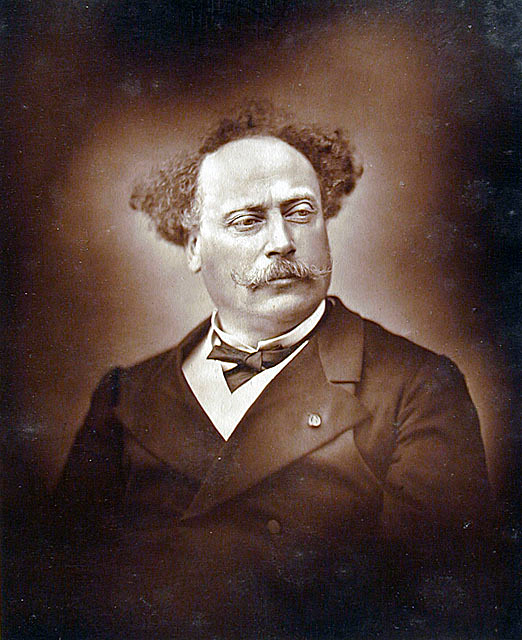
Alexandre
Dumas fils
Dịch giả: Hải Nguyên
---
Tiếng Pháp:
La Dame aux Camilias
par Alexandre Dumas, fils
---
Tiếng Anh:
Camille
by Alexandre Dumas, fils - Translator: Sir Edmond Gosse (from
French to English) - The Project Gutenberg eBook of Camille
Chương 3
Ngày
16, lúc một giờ, tôi đến phố Anti.
Từ
trên xe, người ta đã nghe những tiếng hô vang của những người bán đấu giá.
Căn
phòng đầy những khách hiếu kỳ. Người ta trông thấy ở đây, tất cả những danh vọng
của những tội lỗi sang trọng được theo dõi xem xét một cách thâm hiểm bởi vài
ba bà lớn. Một lần nữa, những bà này lại lấy cớ đến nơi bán đấu giá để có quyền
được nhìn thấy tận mắt cuộc sống của người đàn bà mà họ không bao giờ có dịp
thân thiện. Và có lẽ họ cũng đã thèm muốn thầm kín những thú vui dễ dàng của
người đàn bà ấy.
Bà
quận công F. đi sát bên cô A. – một trong những cô gái giang hồ tân tiến. Bà
huân tước T. đang lưỡng lự suy tính mua một động sản mà bà Đ. – người đàn bà
ngoại tình sang trọng nhất và nổi danh nhất của thời đại – đang bám theo với
giá cao. Ông quận công Y. vẫn thường qua Macgơrit để phá một mớ gia sản ở Paris
và qua Paris để phá một mớ gia sản ở Mađơrit mà vẫn không tiêu hết được lợi tức
hàng năm của mình – vừa tiếp chuyện với bà M. – một trong những con người kể
chuyện láu lỉnh nhất, thỉnh thoảng viết lại những điều bà đã nói và ký tên ở những
điều bà đã viết – vừa trao đổi những cái nhìn riêng tư với bà N. – người đàn bà
đẹp, thường đi dạo ở quảng trường Xăng Êlidê với chiếc áo màu hồng hoặc xanh da
trời, có xe riêng với hai con ngựa kéo to lớn, đẹp đẽ mà Tôny đã bán cho với giá
mười ngàn frăng và bà đã trả đủ tiền rồi. Cuối cùng, cô R. – chỉ nhờ tài riêng
của mình, đã làm cho vốn riêng tăng lên gấp hai lần so với những người đàn bà
sang trọng có sẵn của hồi môn, và gấp ba lần so với những người đàn bà khác đã
tạo nên cơ nghiệp nhờ nhân tình nhân ngãi – đã có mặt ở đây dù hôm nay trời lạnh,
và hẳn không phải cô là người ít được những kẻ khác chú ý đến.
Chúng
tôi còn có thể kể ra những chữ đầu tên của nhiều nhân vật khác nữa có mặt trong
phòng khách này. Chính họ cũng rất ngạc nhiên khi lại được gặp gỡ nhau tại đây.
Nhưng như thế tôi sợ sẽ làm mệt bạn đọc.
Chỉ
cần nói, tất cả mọi người đều điên loạn. Trong số những người đàn bà có mặt tại
đây, nhiều người đã từng quen biết với người đã chết, nhưng hình như họ không
còn nhớ đến nàng nữa.
Người
ta cười nói ồn ào. Những kẻ hô bán la chói óc. Trước những bàn đấu giá, những
người khách luôn cố gắng một cách vô ích để áp đặt sự yên lặng, điều kiện cần
thiết để họ có thể làm việc một cách bình tĩnh. Chưa bao giờ có một cuộc tụ họp
phức tạp đến thế, sôi nổi ồn ào đến thế!
Tôi
lặng lẽ nhẹ nhàng đi giữa sự náo nhiệt đáng buồn ấy, thầm nghĩ: sự ồn ào này
đang diễn ra ngay bên cạnh căn phòng mà người xấu số đã trút hơi thở cuối cùng,
và người ta đang bán đồ đạc trong nhà để trả những món nợ của nàng. Tôi đến đây
để xem hơn là để mua. Nhìn khuôn mặt những người thầu đứng bán, tôi cảm thấy
nét mặt họ rạng rỡ hẳn lên, mỗi khi có món hàng nào đó đạt đến một giá cao mà
không ngờ tới.
Những
con người lương thiện đã đầu tư trên sự bán mình của người đàn bà trẻ ấy và giờ
đây đã thu lợi cả trăm phần. Họ đưa đơn kiện cáo nàng vào những giờ phút nàng hấp
hối. Và bây giờ, sau cái chết của nàng, họ lại đến đây để nhận lãnh thành quả từ
những tính toán đáng kính của họ, đồng thời nhận những món lãi sinh ra do những
món tiền cho vay một cách bỉ ổi của họ.
Người
xưa thật chí lý, khi họ đã chọn chung cho những kẻ lái buôn và những tên trộm
cướp một vị thần để thờ.
Áo
dài, hàng casơmia, đồ nữ trang. . . bán chạy nhanh chóng không tưởng được.
Trong số đó, không có cái gì hợp với tôi cả và tôi đành chờ đợi.
Bỗng
nhiên, tôi nghe tiếng hô to: “Một quyển sách, đóng công phu, bìa da, mạ vàng,
nhan đề “Manông Lexcô”. Có vài dòng chữ ở trang đầu. Mười frăng”.
–
Mười hai! – Một giọng thốt lên, sau một lúc yên lặng khá lâu.
–
Mười lăm! – Tôi hô lên.
Tại
sao? Tôi không biết, chắc hẳn vì những dòng chữ viết trên cuốn sách đó.
–
Mười lăm – Người hô giá lặp lại.
–
Ba mươi! Người trả giá đầu tiên nhấn mạnh, vẻ thách thức, tin chắc rằng không
ai có thể vượt lên được nữa.
Sự
việc trở thành một cuộc đối chọi.
–
Ba lăm! – Tôi la lớn.
–
Bốn mươi!
–
Năm mươi!
–
Sáu mươi!
–
Một trăm!
Tôi
thú thật, nếu muốn gây ấn tượng, tôi đã thành công hoàn toàn. Bởi vì, sau cái
giá đó, một sự yên lặng hoàn toàn bao phủ khắp căn phòng. Người ta chăm chú
nhìn tôi, để biết cái người đã khăng khăng mua cho kỳ được cuốn sách kia.
Hình
như cái giọng tôi hô tiếng cuối cùng đã làm cho đối thủ của tôi không còn nghi
ngờ gì nữa: anh ta bỏ cuộc. Thế là tôi phải trả cuốn sách với giá mười lần đắt
hơn. Còn anh ta chỉ khẽ nghiêng mình, nói với tôi một cách rất lịch sự, tuy hơi
muộn một chút.
–
Tôi xin nhường ông.
Không
còn ai nói thêm gì nữa. Quyển sách được bán cho tôi. Nhưng tôi ngại một cuộc
đương đầu mới mà tôi bắt buộc sẽ phải giữ lòng kiêu hãnh bằng cách làm đau đớn
túi tiền của mình. Tôi xin ghi tên rồi đi ra. Chắc chắn những người chứng kiến
cảnh tượng đó đã phải tự hỏi rằng tôi bỏ ra một trăm đồng để mua cuốn sách với
mục đích gì, trong lúc có thể mua nó ở bất cứ nơi nào khác, với giá cao nhất
cũng chỉ đến mười hay mười lăm frăng là cùng.
Một
giờ sau, tôi nhờ người đến nhận sách cho mình.
Trên
trang đầu của cuốn sách có ghi lời đề tặng cho người tặng sách, nét chữ viết
tay rất đẹp. Lời đề tặng chỉ vẻn vẹn mấy chữ sau đây:
Manông
gửi Macgơrit – Khiêm tặng.
Dưới
ký tên: Acmân Đuyvan.
Người
viết muốn nói gì ở các từ “Khiêm tặng”?
Phải
chăng Manông đã nhận thấy nơi Macgơrit – Theo như ông Acmân Đuyvan nghĩ – một
con người vượt hẳn mình về sự truỵ lạc hoặc về tâm tình?
Giải
thích theo ý sau có thể dễ chấp nhận hơn. Bởi vì ý đầu là một sự thẳng thắn khiếm
nhã mà Macgơrit không thể đồng ý, mặc dù nàng vẫn tự hiểu mình là người như thế
nào.
Tôi
lại phải đi, và tôi chỉ bận tâm vào cuốn sách vào buổi tối, khi đi nằm.
Manông
Lexcô là một câu chuyện cảm động. Không một chi tiết nào của nó xa lạ đối với
tôi. Tuy thế, khi có cuốn sách trong tay, tôi vẫn bị nó lôi cuốn. Tôi mở sách
ra và đây là lần thứ một trăm, tôi sống lại với vai chính của tu sĩ Prêvốt. Vai
chính này quá thực, đến nỗi tôi có cảm tưởng như đã quen biết từ lâu. Trong
hoàn cảnh mới này, một sự so sánh giữa người trong truyện với Macgơrit đã gây
cho tôi những thích thú bất ngờ. Lòng khoan dung của tôi như lớn lên cùng nỗi
đau thương của nàng, trở thành như một tình yêu đối với người con gái xấu số mà
gia tài để lại đã cho tôi cơ hội có cuốn sách này. Manông trước kia đã chết
trong một sa mạc, đúng vậy, nhưng chết trong cánh tay của người đàn ông đã yêu
quý nàng với tất cả sự nồng cháy trong tâm hồn. Người này đã đào huyệt cho
nàng, tưới lên đó những giọt nước mắt, và chôn vùi luôn ở đó trái tim của mình.
Còn Macgơrit, một người con gái tội lỗi như Manông và cũng có thể được trở về với
Chúa như Manông, đã chết giữa một sự xa hoa cực độ – nếu như tin vào những gì
tôi đã thấy – nhưng lại giữa cái sa mạc của trái tim. Nó khô cằn hơn nhiều,
đáng thương xót hơn nhiều so với cái sa mạc trong đó Manông được an nghỉ.
Macgơrit,
quả vậy, như tôi được biết qua một số bạn hữu đã chứng kiến những giờ phút cuối
cùng của đời nàng, nàng không hề tìm được một sự an ủi thực sự nào ở bên giường
bệnh. Trong hai tháng cuối cùng nàng phải chống chọi một sự hấp hối kéo dài, đầy
khổ ải, đau thương.
Rồi
từ Manông và Macgơrit, tôi lại nghĩ đến những người đàn bà quen biết mà tôi vẫn
thường gặp họ vừa đi vừa hát. Họ đang dần dần tiến đến một cái chết đau thương
tất yếu, gần như không bao giờ thay đổi.
Những
con người khốn khổ! Nếu thương yêu họ là một sai lầm, thì ít ra chúng ta có thể
thương xót họ. Các bạn thương xót người mù không bao giờ thấy được ánh sáng của
ban ngày, người điếc không bao giờ nghe được âm thanh của tạo vật, người câm
không bao giờ cất lên được những tiếng nói của tâm hồn. Nhưng vin vào một cớ e
ngại giả tạo, bạn không chịu thương xót sự đui mù của trái tim, sự điếc lác của
tâm hồn, sự câm lặng của lương tâm. Và đã làm cho người phụ nữ bị đày đoạ không
thể thấy được con đường lương thiện, không thể nghe được tiếng gọi của Chúa và
nói lên được ngôn ngữ thuần khiết của tình yêu và đức tin.
Huygô
đã tạo nên Mariông Đơloocmơ, Mútxê đã tạo nên Becnơrết, Alecxanđơrơ Đuyma đã tạo
nên Phécnăngđơ. Những nhà tư tưởng và thi sĩ, từ ngàn xưa, đã hiến dâng lòng
khoan dung cho những người kỹ nữ. Và đôi khi vĩ nhân, bằng tình yêu và ngay cả
tên tuổi của mình, đã phục hồi danh dự cho họ. Tôi nhấn mạnh như thế, là bởi vì
trong số những bạn đọc của tôi, có nhiều người như đã sẵn sàng vứt cuốn sách
này sợ sách này chỉ để ca ngợi tội lỗi và nghề mại dâm, và tuổi đời tác giả, chắc
chắn đã góp phần tạo nên nỗi lo sợ này. Nếu ai đó nghĩ vậy, xin hãy vứt bỏ ý
nghĩ sai lầm, và hãy tiếp tục đọc cuốn sách nếu chỉ vì ý nghĩa lầm lạc kia cản
trở.
Tôi
tin chắc một cách đơn giản vào nguyên lý này: Đối với đàn bà không được giáo dục
về đạo đức, Thượng Đế hình như luôn luôn mở ra hai con đường mòn để dẫn họ đến
đó. Hai con đường mòn này chính là sự đau khổ và tình yêu. Đó là những con đường
đầy chông gai. Những người đàn bà nào đi vào sẽ phải trầy da, đổ máu. Nhưng đồng
thời họ cũng sẽ để lại trên những gai góc của con đường ấy tất cả các thứ phục
sức lộng lẫy nhơ nhuốc. Và họ đi đến đích với sự khoả thân cần thiết, không làm
cho người ta phải đỏ mặt trước Chúa.
Những
ai được gặp những người đàn bà dũng cảm này, phải nói lại cho tất cả mọi người
biết mình đã gặp họ. Bởi vì nói lên sự việc này, tức là chúng ta đã chỉ được
con đường nên đi.
Đâu
đơn giản là chỉ việc đặt sẵn ngay trước ngưỡng cửa cuộc đời hai tấm bảng, một tấm
mang lời chỉ dẫn: “con đường lương thiện” và tấm kia là lời răn đe: “con đường
tội ác” rồi nói với những người đến đó: “Hãy lựa chọn đi!” Phải như đấng Kitô,
chỉ những con đường dẫn từ con đường thứ hai đến con đường thứ nhất cho những kẻ
nào đã bị cám dỗ và nhất là cho thấy: chặng đầu những con đường này không đến nỗi
quá chằng chịt gai góc đến nỗi người ta e sợ không dám bước chân vào.
Đạo
thiên chúa có một chuyện ngụ ngôn kỳ thú “Đứa con hoang đàng” để khuyên chúng
ta cần khoan hồng và tha thứ. Chúa Giêsu đầy tình thương đối với những tâm hồn
đầy thương tích do dục vọng của con người gây ra và Chúa cũng thích băng bó những
vết thương, chữa trị nó bằng chính những hương thơm. Người đã rút ra từ nó, để
tự nó lành hẳn đi. Đúng như thế. Người ta bảo Mađơlen: “Người sẽ được tha tội
nhiều, bởi vì người đã thương yêu”. Sự khoan hồng cao cả sẽ khơi dậy một đức
tin cao cả.
Tại
sao chúng ta lại cứng rắn hơn Đấng Kitô? Tại sao chúng ta cứ cứng đầu bám chặt
những luận điệu của thế giới này, cái thế giới tỏ ra cứng rắn để người ta tưởng
nó giàu nghị lực? Tại sao chúng lại đồng ý với nó để xua đuổi những tâm hồn
đang bị rỉ máu vì những vết thương do tội lỗi của quá khứ gây nên, những tâm hồn
chỉ chờ đợi được một bàn tay thân ái đến băng bó, giúp họ lấy lại được sự an
lành của trái tim?
Tôi
đang nói chuyện với những người cùng thế hệ với tôi – thế hệ mà những lý thuyết
của ông Vônte, may mắn thay không còn nữa! – Với những người, cũng hiểu như tôi
rằng nhân loại từ mười lăm năm nay đang lấy đà tiến lên, lao tới một cách can
cường. Ý thức về thiện và ác đã được phân minh. Đức tin được xây dựng lại, sự
tôn kính những gì thiêng liêng được trả lại. Và thế giới này, nếu không phải là
hoàn toàn tốt đẹp, thì ít ra nó cũng đang dần dần trở nên tốt đẹp hơn. Những nỗ
lực của tất cả con người thông minh đều hướng về một mục đích và tất cả những ý
chí vĩ đại đều phục tùng một nguyên tắc: “phải tốt, phải trẻ, phải thực!”. Tôi
ác chỉ là một điều hư ảo. Hãy giữ lòng tự trọng về điều thiện. Và nhất là không
được thất vọng. Đừng khinh bỉ những người đàn bà không được làm mẹ, làm thiếu nữ,
làm vợ. Không nên thu hẹp tình thương hạn chế chỉ trong gia đình, đừng biến
lòng khoan dung thành tính ích kỷ. Bởi vì, thiên đường sẽ vui sướng trước sự hối
cải của một người tội lỗi còn hơn cả khi tiếp nhận một trăm người lương thiện
không hề phạm tội bao giờ. Chúng ta hãy nỗ lực làm cho thiên đường vui hơn và
chắc chắn chúng ta sẽ được đền bù xứng đáng. Hãy để lại trên những con đường
chúng ta đi lòng khoan dung cho tất cả những kẻ mà dục vọng trên cõi đời đã làm
hư hỏng. Và có thể họ sẽ may mắn được cứu thoát bở một hy vọng thiêng liêng. Những
bà già tốt bụng thường bảo, khi khuyên dùng một thứ thuốc nào đó do các bà tìm
ra: “Nếu nó không làm lành bệnh, thì nó cũng không làm cho bệnh nặng thêm”.
Lòng khoan dung của chúng ta cũng vậy, nếu nó không đem lại được điều tốt lành
cho ai, thì cũng chẳng hại ai.
Thực
vậy, tôi có vẻ táo bạo khi muốn đưa ra những kết luận to lớn từ một đề tài nhỏ
bé. Nhưng tôi là một trong những người tin rằng: “Cái tất cả nằm trong cái nhỏ
bé”. Đứa bé, tuy nhỏ tuổi nhưng đã hàm chứa trong nó một người lớn rồi. Bộ não
tuy hẹp, nhưng đã che chở được tư tưởng. Con mắt tuy chỉ như một điểm nhỏ,
nhưng đã ôm trùm vạn dặm.
➖➖➖
Phần tiếng Pháp
La
Dame aux Camilias par Alexandre Dumas, fils
---
Chapitre III
Le
16, à une heure, je me rendis rue d'Antin.
De
la porte cochère on entendait crier les commissaires-priseurs.
L'appartement
était plein de curieux.
Il
y avait là toutes les célébrités du vice élégant, sournoisement examinées par
quelques grandes dames qui avaient pris encore une fois le prétexte de la
vente, pour avoir le droit de voir de près des femmes avec qui elles n'auraient
jamais eu occasion de se retrouver, et dont elles enviaient peut-être en secret
les faciles plaisirs.
Madame
la duchesse de F... coudoyait Mademoiselle A..., une des plus tristes épreuves
de nos courtisanes modernes; madame la marquise de T... hésitait pour acheter
un meuble sur lequel enchérissait madame D..., la femme adultère la plus
élégante et la plus connue de notre époque; le duc d'Y... qui passe à Madrid
pour se ruiner à Paris, à Paris pour se ruiner à Madrid, et qui, somme toute,
ne dépense même pas son revenu, tout en causant avec madame M..., une de nos
plus spirituelles conteuses qui veut bien de temps en temps écrire ce qu'elle
dit et signer ce qu'elle écrit, échangeait des regards confidentiels avec
madame de N..., cette belle promeneuse des Champs-Elysées, presque toujours
vêtue de rose ou de bleu et qui fait traîner sa voiture par deux grands chevaux
noirs, que Tony lui a vendus dix mille francs et... qu'elle lui a payés; enfin
mademoiselle R... qui se fait avec son seul talent le double de ce que les
femmes du monde se font avec leur dot, et le triple de ce que les autres se
font avec leurs amours, était, malgré le froid, venue faire quelques emplettes,
et ce n'était pas elle qu'on regardait le moins.
Nous
pourrions citer encore les initiales de bien des gens réunis dans ce salon, et
bien étonnés de se trouver ensemble; mais nous craindrions de lasser le
lecteur.
Disons
seulement que tout le monde était d'une gaieté folle, et que parmi toutes
celles qui se trouvaient là beaucoup avaient connu la morte, et ne paraissaient
pas s'en souvenir.
On
riait fort; les commissaires criaient à tue-tête; les marchands qui avaient
envahi les bancs disposés devant les tables de vente essayaient en vain
d'imposer silence, pour faire leurs affaires tranquillement. Jamais réunion ne
fut plus variée, plus bruyante.
Je
me glissai humblement au milieu de ce tumulte attristant, quand je songeais
qu'il avait lieu près de la chambre où avait expiré la pauvre créature dont on
vendait les meubles pour payer les dettes. Venu pour examiner plus que pour
acheter, je regardais les figures des fournisseurs qui faisaient vendre, et
dont les traits s'épanouissaient chaque fois qu'un objet arrivait à un prix
qu'ils n'eussent pas espéré.
Honnêtes
gens qui avaient spéculé sur la prostitution de cette femme, qui avaient gagné
cent pour cent sur elle, qui avaient poursuivi de papiers timbrés les derniers
moments de sa vie, et qui venaient après sa mort recueillir les fruits de leurs
honorables calculs en même temps que les intérêts de leur honteux crédit.
Combien
avaient raison les anciens qui n'avaient qu'un même dieu pour les marchands et
pour les voleurs!
Robes,
cachemires, bijoux se vendaient avec une rapidité incroyable. Rien de tout cela
ne me convenait, et j'attendais toujours.
Tout
à coup j'entendis crier:
--Un
volume, parfaitement relié, doré sur tranche, intitulé: Manon Lescaut. Il y a
quelque chose d'écrit sur la première page: dix francs.
--Douze,
dit une voix après un silence assez long.
--Quinze,
dis-je.
Pourquoi?
Je n'en savais rien. Sans doute pour ce quelque chose d'écrit.
--Quinze,
répéta le commissaire-priseur.
--Trente,
fit le premier enchérisseur d'un ton qui semblait défier qu'on mît davantage.
Cela
devenait une lutte.
--Trente-cinq!
Criai-je alors du même ton.
--Quarante.
--Cinquante.
--Soixante.
--Cent.
J'avoue
que si j'avais voulu faire de l'effet, j'aurais complètement réussi, car à
cette enchère un grand silence se fit, et l'on me regarda pour savoir quel
était ce monsieur qui paraissait si résolu à posséder ce volume.
Il
paraît que l'accent donné à mon dernier mot avait convaincu mon antagoniste: il
préféra donc abandonner un combat qui n'eût servi qu'à me faire payer ce volume
dix fois sa valeur, et, s'inclinant, il me dit fort gracieusement, quoique un
peu tard:
--Je
cède, monsieur.
Personne
n'ayant plus rien dit, le livre me fut adjugé.
Comme
je redoutais un nouvel entêtement que mon amour-propre eût peut-être soutenu,
mais dont ma bourse se fût certainement trouvée très mal, je fis inscrire mon
nom, mettre de côté le volume, et je descendis. Je dus donner beaucoup à penser
aux gens qui, témoins de cette scène, se demandèrent sans doute dans quel but
j'étais venu payer cent francs un livre que je pouvais avoir partout pour dix
ou quinze francs au plus.
Une
heure après j'avais envoyé chercher mon achat.
Sur
la première page était écrite à la plume, et d'une écriture élégante, la
dédicace du donataire de ce livre. Cette dédicace portait ces seuls mots:
/*
MANON
À MARGUERITE,
HUMILITÉ.
*/
Elle
était signée: Armand Duval.
Que
voulait dire ce mot: humilité?
Manon
reconnaissait-elle dans Marguerite, par l'opinion de ce M. Armand Duval, une
supériorité de débauche ou de cœur?
La
seconde interprétation était la plus vraisemblable, car la première n'eût été
qu'une impertinente franchise que n'eût pas acceptée Marguerite, malgré son
opinion sur elle-même.
Je
sortis de nouveau et je ne m'occupai plus de ce livre que le soir lorsque je me
couchai.
Certes,
Manon Lescaut est une touchante histoire dont pas un détail ne m'est inconnu,
et cependant lorsque je trouve ce volume sous ma main, ma sympathie pour lui
m'attire toujours, je l'ouvre et pour la centième fois je revis avec l'héroïne
de l'abbé Prévost. Or, cette héroïne est tellement vraie, qu'il me semble
l'avoir connue. Dans ces circonstances nouvelles, l'espèce de comparaison faite
entre elle et Marguerite donnait pour moi un attrait inattendu à cette lecture,
et mon indulgence s'augmenta de pitié, presque d'amour pour la pauvre fille à
l'héritage de laquelle je devais ce volume. Manon était morte dans un désert,
il est vrai, mais dans les bras de l'homme qui l'aimait avec toutes les énergies
de l'âme, qui, morte, lui creusa une fosse, l'arrosa de ses larmes et y
ensevelit son cœur; tandis que Marguerite, pécheresse comme Manon, et peut-être
convertie comme elle, était morte au sein d'un luxe somptueux, s'il fallait en
croire ce que j'avais vu, dans le lit de son passé, mais aussi au milieu de ce
désert du cœur, bien plus aride, bien plus vaste, bien plus impitoyable que
celui dans lequel avait été enterrée Manon.
Marguerite,
en effet, comme je l'avais appris de quelques amis informés des dernières
circonstances de sa vie, n'avait pas vu s'asseoir une réelle consolation à son
chevet, pendant les deux mois qu'avait duré sa lente et douloureuse agonie.
Puis
de Manon et de Marguerite ma pensée se reportait sur celles que je connaissais
et que je voyais s'acheminer en chantant vers une mort presque toujours
invariable.
Pauvres
créatures! Si c'est un tort de les aimer, c'est bien le moins qu'on les
plaigne. Vous plaignez l'aveugle qui n'a jamais vu les rayons du jour, le sourd
qui n'a jamais entendu les accords de la nature, le muet qui n'a jamais pu
rendre la voix de son âme, et, sous un faux prétexte de pudeur, vous ne voulez
pas plaindre cette cécité du cœur, cette surdité de l'âme, ce mutisme de la
conscience qui rendent folle la malheureuse affligée et qui la font malgré elle
incapable de voir le bien, d'entendre le Seigneur et de parler la langue pure
de l'amour et de la foi.
Hugo
a fait Marion Delorme, Musset a fait Bernerette, Alexandre Dumas a fait
Fernande, les penseurs et les poètes de tous les temps ont apporté à la
courtisane l'offrande de leur miséricorde, et quelquefois un grand homme les a
réhabilitées de son amour et même de son nom. Si j'insiste ainsi sur ce point,
c'est que, parmi ceux qui vont me lire, beaucoup peut-être sont déjà prêts à
rejeter ce livre, dans lequel ils craignent de ne voir qu'une apologie du vice
et de la prostitution, et l'âge de l'auteur contribue sans doute encore à
motiver cette crainte. Que ceux qui penseraient ainsi se détrompent, et qu'ils
continuent, si cette crainte seule les retenait.
Je
suis tout simplement convaincu d'un principe qui est que: pour la femme à qui
l'éducation n'a pas enseigné le bien, Dieu ouvre presque toujours deux sentiers
qui l'y ramènent; ces sentiers sont la douleur et l'amour. Ils sont difficiles;
celles qui s'y engagent s'y ensanglantent les pieds, s'y déchirent les mains,
mais elles laissent en même temps aux ronces de la route les parures du vice et
arrivent au but avec cette nudité dont on ne rougit pas devant le Seigneur.
Ceux
qui rencontrent ces voyageuses hardies doivent les soutenir et dire à tous
qu'ils les ont rencontrées, car, en le publiant ils montrent la voie.
Il
ne s'agit pas de mettre tout bonnement à l'entrée de la vie deux poteaux,
portant l'un cette inscription: Route du bien, l'autre cet avertissement: Route
du mal, et de dire à ceux qui se présentent: Choisissez; il faut, comme le
Christ, montrer des chemins qui ramènent de la seconde route à la première ceux
qui s'étaient laissé tenter par les abords; et il ne faut pas surtout que le
commencement de ces chemins soit trop douloureux, ni paraisse trop
impénétrable.
Le
christianisme est là avec sa merveilleuse parabole de l'enfant prodigue pour
nous conseiller l'indulgence et le pardon. Jésus était plein d'amour pour ces
âmes blessées par les passions des hommes, et dont il aimait à panser les
plaies en tirant le baume qui devait les guérir des plaies elles-mêmes. Ainsi,
il disait à Madeleine: «Il te sera beaucoup remis parce que tu as beaucoup
aimé», sublime pardon qui devait éveiller une foi sublime.
Pourquoi
nous ferions-nous plus rigides que le Christ? Pourquoi, nous en tenant
obstinément aux opinions de ce monde qui se fait dur pour qu'on le croie fort,
rejetterions-nous avec lui des âmes saignantes souvent de blessures par où,
comme le mauvais sang d'un malade, s'épanche le mal de leur passé, et
n'attendant qu'une main amie qui les panse et leur rende la convalescence du
cœur?
C'est
à ma génération que je m'adresse, à ceux pour qui les théories de M. de
Voltaire n'existent heureusement plus, à ceux qui, comme moi, comprennent que
l'humanité est depuis quinze ans dans un de ses plus audacieux élans. La
science du bien et du mal est à jamais acquise; la foi se reconstruit, le
respect des choses saintes nous est rendu, et si le monde ne se fait pas tout à
fait bon, il se fait du moins meilleur. Les efforts de tous les hommes
intelligents tendent au même but, et toutes les grandes volontés s'attellent au
même principe: soyons bons, soyons jeunes, soyons vrais! Le mal n'est qu'une
vanité, ayons l'orgueil du bien, et surtout ne désespérons pas. Ne méprisons
pas la femme qui n'est ni mère, ni sœur, ni fille, ni épouse. Ne réduisons pas
l'estime à la famille, l'indulgence à l'égoïsme. Puisque le ciel est plus en
joie pour le repentir d'un pécheur que pour cent justes qui n'ont jamais péché,
essayons de réjouir le ciel. Il peut nous le rendre avec usure. Laissons sur
notre chemin l'aumône de notre pardon à ceux que les désirs terrestres ont
perdus, que sauvera peut-être une espérance divine, et, comme disent les bonnes
vieilles femmes quand elles conseillent un remède de leur façon, si cela ne
fait pas de bien, cela ne peut pas faire de mal.
Certes,
il doit paraître bien hardi à moi de vouloir faire sortir ces grands résultats
du mince sujet que je traite; mais je suis de ceux qui croient que tout est
dans peu. L'enfant est petit, et il renferme l'homme; le cerveau est étroit, et
il abrite la pensée; l'œil n'est qu'un point, et il embrasse des lieues.
➖➖➖
Phần tiếng Anh
Camille
by Alexandre Dumas, fils - Translator: Sir Edmond Gosse (from
French to English) - The Project Gutenberg eBook of Camille
---
Chapter III
At
one o’clock on the 16th I went to the Rue d’Antin. The voice of the auctioneer
could be heard from the outer door. The rooms were crowded with people. There
were all the celebrities of the most elegant impropriety, furtively examined by
certain great ladies who had again seized the opportunity of the sale in order
to be able to see, close at hand, women whom they might never have another
occasion of meeting, and whom they envied perhaps in secret for their easy
pleasures. The Duchess of F. elbowed Mlle. A., one of the most melancholy
examples of our modern courtesan; the Marquis de T. hesitated over a piece of
furniture the price of which was being run high by Mme. D., the most elegant
and famous adulteress of our time; the Duke of Y., who in Madrid is supposed to
be ruining himself in Paris, and in Paris to be ruining himself in Madrid, and
who, as a matter of fact, never even reaches the limit of his income, talked
with Mme. M., one of our wittiest story-tellers, who from time to time writes
what she says and signs what she writes, while at the same time he exchanged
confidential glances with Mme. de N., a fair ornament of the Champs-Elysées,
almost always dressed in pink or blue, and driving two big black horses which
Tony had sold her for 10,000 francs, and for which she had paid, after her
fashion; finally, Mlle. R., who makes by her mere talent twice what the women
of the world make by their dot and three times as much as the others make by
their amours, had come, in spite of the cold, to make some purchases, and was
not the least looked at among the crowd.
We
might cite the initials of many more of those who found themselves, not without
some mutual surprise, side by side in one room. But we fear to weary the
reader. We will only add that everyone was in the highest spirits, and that
many of those present had known the dead woman, and seemed quite oblivious of
the fact. There was a sound of loud laughter; the auctioneers shouted at the
top of their voices; the dealers who had filled the benches in front of the
auction table tried in vain to obtain silence, in order to transact their
business in peace. Never was there a noisier or a more varied gathering.
I
slipped quietly into the midst of this tumult, sad to think of when one
remembered that the poor creature whose goods were being sold to pay her debts
had died in the next room. Having come rather to examine than to buy, I watched
the faces of the auctioneers, noticing how they beamed with delight whenever
anything reached a price beyond their expectations. Honest creatures, who had
speculated upon this woman’s prostitution, who had gained their hundred per
cent out of her, who had plagued with their writs the last moments of her life,
and who came now after her death to gather in at once the fruits of their
dishonourable calculations and the interest on their shameful credit! How wise
were the ancients in having only one God for traders and robbers!
Dresses,
cashmeres, jewels, were sold with incredible rapidity. There was nothing that I
cared for, and I still waited. All at once I heard: “A volume, beautifully
bound, gilt-edged, entitled Manon Lescaut. There is something written on the
first page. Ten francs.”
“Twelve,”
said a voice after a longish silence.
“Fifteen,”
I said.
Why?
I did not know. Doubtless for the something written.
“Fifteen,”
repeated the auctioneer.
“Thirty,”
said the first bidder in a tone which seemed to defy further competition.
It
had now become a struggle. “Thirty-five,” I cried in the same tone.
“Forty.”
“Fifty.”
“Sixty.”
“A
hundred.”
If
I had wished to make a sensation I should certainly have succeeded, for a
profound silence had ensued, and people gazed at me as if to see what sort of a
person it was, who seemed to be so determined to possess the volume.
The
accent which I had given to my last word seemed to convince my adversary; he
preferred to abandon a conflict which could only have resulted in making me pay
ten times its price for the volume, and, bowing, he said very gracefully,
though indeed a little late:
“I
give way, sir.”
Nothing
more being offered, the book was assigned to me.
As
I was afraid of some new fit of obstinacy, which my amour propre might have
sustained somewhat better than my purse, I wrote down my name, had the book put
on one side, and went out. I must have given considerable food for reflection
to the witnesses of this scene, who would no doubt ask themselves what my
purpose could have been in paying a hundred francs for a book which I could
have had anywhere for ten, or, at the outside, fifteen.
An
hour after, I sent for my purchase. On the first page was written in ink, in an
elegant hand, an inscription on the part of the giver. It consisted of these
words:
Manon
to Marguerite.
Humility.
It
was signed Armand Duval.
What
was the meaning of the word Humility? Was Manon to recognise in Marguerite, in
the opinion of M. Armand Duval, her superior in vice or in affection? The
second interpretation seemed the more probable, for the first would have been
an impertinent piece of plain speaking which Marguerite, whatever her opinion
of herself, would never have accepted.
I
went out again, and thought no more of the book until at night, when I was
going to bed.
Manon
Lescaut is a touching story. I know every detail of it, and yet whenever I come
across the volume the same sympathy always draws me to it; I open it, and for
the hundredth time I live over again with the heroine of the Abbé Prévost. Now
this heroine is so true to life that I feel as if I had known her; and thus the
sort of comparison between her and Marguerite gave me an unusual inclination to
read it, and my indulgence passed into pity, almost into a kind of love for the
poor girl to whom I owed the volume. Manon died in the desert, it is true, but
in the arms of the man who loved her with the whole energy of his soul; who,
when she was dead, dug a grave for her, and watered it with his tears, and
buried his heart in it; while Marguerite, a sinner like Manon, and perhaps
converted like her, had died in a sumptuous bed (it seemed, after what I had
seen, the bed of her past), but in that desert of the heart, a more barren, a
vaster, a more pitiless desert than that in which Manon had found her last resting-place.
Marguerite,
in fact, as I had found from some friends who knew of the last circumstances of
her life, had not a single real friend by her bedside during the two months of
her long and painful agony.
Then
from Manon and Marguerite my mind wandered to those whom I knew, and whom I saw
singing along the way which led to just such another death. Poor souls! if it
is not right to love them, is it not well to pity them? You pity the blind man
who has never seen the daylight, the deaf who has never heard the harmonies of
nature, the dumb who has never found a voice for his soul, and, under a false
cloak of shame, you will not pity this blindness of heart, this deafness of
soul, this dumbness of conscience, which sets the poor afflicted creature
beside herself and makes her, in spite of herself, incapable of seeing what is
good, of hearing the Lord, and of speaking the pure language of love and faith.
Hugo
has written Marion Delorme, Musset has written Bernerette, Alexandre Dumas has
written Fernande, the thinkers and poets of all time have brought to the
courtesan the offering of their pity, and at times a great man has
rehabilitated them with his love and even with his name. If I insist on this
point, it is because many among those who have begun to read me will be ready
to throw down a book in which they will fear to find an apology for vice and
prostitution; and the author’s age will do something, no doubt, to increase
this fear. Let me undeceive those who think thus, and let them go on reading,
if nothing but such a fear hinders them.
I
am quite simply convinced of a certain principle, which is: For the woman whose
education has not taught her what is right, God almost always opens two ways
which lead thither the ways of sorrow and of love. They are hard; those who
walk in them walk with bleeding feet and torn hands, but they also leave the
trappings of vice upon the thorns of the wayside, and reach the journey’s end
in a nakedness which is not shameful in the sight of the Lord.
Those
who meet these bold travellers ought to succour them, and to tell all that they
have met them, for in so doing they point out the way. It is not a question of
setting at the outset of life two sign-posts, one bearing the inscription “The
Right Way,” the other the inscription “The Wrong Way,” and of saying to those
who come there, “Choose.” One must needs, like Christ, point out the ways which
lead from the second road to the first, to those who have been easily led
astray; and it is needful that the beginning of these ways should not be too
painful nor appear too impenetrable.
Here
is Christianity with its marvellous parable of the Prodigal Son to teach us
indulgence and pardon. Jesus was full of love for souls wounded by the passions
of men; he loved to bind up their wounds and to find in those very wounds the
balm which should heal them. Thus he said to the Magdalen: “Much shall be
forgiven thee because thou hast loved much,” a sublimity of pardon which can
only have called forth a sublime faith.
Why
do we make ourselves more strict than Christ? Why, holding obstinately to the
opinions of the world, which hardens itself in order that it may be thought
strong, do we reject, as it rejects, souls bleeding at wounds by which, like a
sick man’s bad blood, the evil of their past may be healed, if only a friendly
hand is stretched out to lave them and set them in the convalescence of the
heart?
It
is to my own generation that I speak, to those for whom the theories of M. de
Voltaire happily exist no longer, to those who, like myself, realize that
humanity, for these last fifteen years, has been in one of its most audacious
moments of expansion. The science of good and evil is acquired forever; faith
is refashioned, respect for sacred things has returned to us, and if the world
has not all at once become good, it has at least become better. The efforts of
every intelligent man tend in the same direction, and every strong will is
harnessed to the same principle: Be good, be young, be true! Evil is nothing
but vanity, let us have the pride of good, and above all let us never despair.
Do not let us despise the woman who is neither mother, sister, maid, nor wife.
Do not let us limit esteem to the family nor indulgence to egoism. Since “there
is more joy in heaven over one sinner that repenteth than over ninety and nine
just persons that need no repentance,” let us give joy to heaven. Heaven will
render it back to us with usury. Let us leave on our way the alms of pardon for
those whom earthly desires have driven astray, whom a divine hope shall perhaps
save, and, as old women say when they offer you some homely remedy of their
own, if it does no good it will do no harm.
Doubtless
it must seem a bold thing to attempt to deduce these grand results out of the
meagre subject that I deal with; but I am one of those who believe that all is
in little. The child is small, and he includes the man; the brain is narrow,
and it harbours thought; the eye is but a point, and it covers leagues.
➖➖➖


Không có nhận xét nào:
Đăng nhận xét