2025-05-24
Trà
hoa nữ (04)
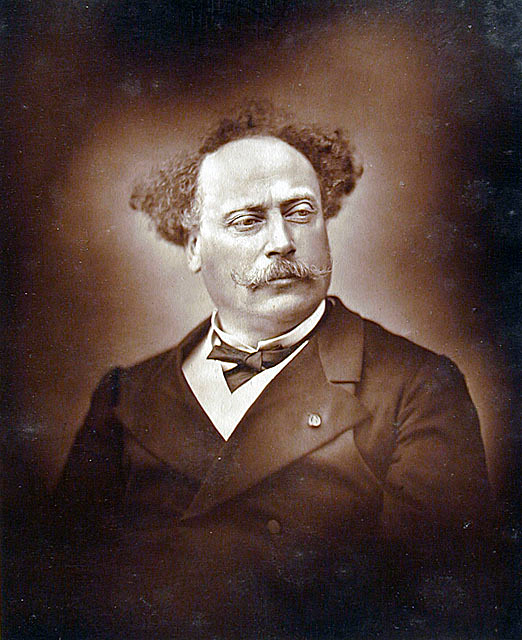
Alexandre
Dumas, fils
Dịch giả: Hải Nguyên
---
Tiếng Pháp:
La Dame aux Camilias
par Alexandre Dumas, fils
---
Tiếng Anh:
Camille
by Alexandre Dumas, fils - Translator: Sir Edmond Gosse (from
French to English) - The Project Gutenberg eBook of Camille
Chương 4
Hai
ngày sau, người ta đã bán sạch tất cả. Tổng số tiền thu được lên đến một trăm
năm mươi ngàn frăng.
Những
chủ nợ cùng chia nhau hai phần ba. Số còn lại được giao cho gia đình, gồm một
em gái và một cháu trai.
Cô
em này mở tròn đôi mắt, khi người có trách nhiệm đến báo tin cho biết: cô được
một gia tài là năm mươi ngàn frăng.
Cách
sáu bảy năm rồi, cô gái nhỏ này không gặp lại chị. Người chị này, một ngày nọ,
đã biến mất, không biết đi nơi nào. Không ai nhận được tin tức gì về người chị,
từ sau ngày người chị ra đi.
Nhận
được tin, cô em vội vã đến Paris. Những người quen biết Macgơrit rất đỗi ngạc
nhiên khi được biết rằng người độc nhất thừa hưởng gia sản kia là một cô gái mập
chắc xinh đẹp, sinh sống ở nông thôn, chưa bao giờ đi xa khỏi làng.
Tài
sản không hề mong ước bỗng dưng đến. Cô không hiểu ngọn ngành vào đâu cả.
Người
ta cho hay cô em đã lại trở về nông thôn, đem theo một nỗi buồn sâu sắc về cái
chết của người chị, nhưng ít nhất cũng được bù đắp phần nào, tiền lãi 4,5% của
số vốn thừa hưởng.
Tất
cả những trường hợp đó lặp đi lặp lại ở Pariss, thành phố mẹ của tội lỗi và ô
nhục, bắt đầu bị lãng quên dần. Và tôi cũng quên dần đi việc tôi đã tham dự vào
biến cố đó như thế nào, cho đến khi một điều bất ngờ mới làm cho tôi biết được
cuộc đời của Macgơrit với tất cả những chi tiết hết sức cảm động. Và sự xúc động
đã thúc giục tôi phải viết lại câu chuyện này.
Đồ
đạc đã bán sạch từ bốn năm ngày rồi. Gian phòng trống rỗng được dùng để cho
thuê.
Bỗng
nhiên một sáng, có kẻ đến gõ cửa nhà tôi.
Người
giúp việc, đúng hơn là người gác kiêm cả người giúp việc trong nhà, ra mở cửa rồi
đem vào cho tôi một tấm danh thiếp, nói người đưa danh thiếp muốn nói chuyện với
tôi.
Tôi
nhìn tấm danh thiếp thấy dòng chữ; Acmân đuyvan.
Hình
như tôi đã thấy cái tên này ở đâu rồi.Và tôi đã nhớ ra: trong trang đầu của cuốn
sách Manông lexcô.
Con
người tặng sách cho Macgơrit muốn nói gì với tôi? Tôi cho mời người khách lạ ấy
vào tức khắc.
Đó
là một người đàn ông trẻ, tóc hung hung, dáng to lớn, da hơi xanh, mặc một bộ đồ
đi đường đầy bụi bặm, hình như đã vài ba ngày rồi chưa thay và cũng không buồn
cho chải lại sau khi đã đến Paris.
Đuyvan
rất xúc động, và cũng không cố che giấu sự xúc động của mình. Với đôi mắt đẫm lệ,
giọng run run, anh ta nói với tôi:
-
Thưa ông, xin ông thứ lỗi cho về việc tôi đến thăm ông hôm nay, với cách ăn mặc
như thế này. Nhưng tôi cũng tin rằng giữa những người trẻ tuổi, chúng ta có thể
thông cảm cho nhau dễ dàng. Hôm nay, tôi rất mong muốn được gặp ông, đến nỗi
tôi không có thì giờ để đến khách sạn, dù tôi đã gửi hành lý đến đó rồi. Tôi chạy
gấp đến đây, tuy còn sớm nhưng vẫn cứ lo không gặp được ông.
Tôi
yêu cầu Đuyvan ngồi lại bên lò sưởi. Anh làm theo và rút khăn tay ra đưa lên
cho khuất mặt trong chốc lát.
-
Chắc ông không hiểu được - anh ta vừa nói vừa thở ra buồn bã - một người khách
lạ như tôi, đến đây giờ này, với cách ăn mặc như thế này, và lại khóc như thế
này, để mong nhờ ông một việc gì. Thưa ông, tôi đến đây, tình thực chỉ để nhờ
ông giúp cho một việc quan trọng.
-
Ông cứ nói, tôi sẵn sàng tiếp nhận ý kiến của ông.
-
Ông có đến tham dự cuộc bán đấu giá tài sản của Macgơrit Gôchiê?
Nói
tới đó, sự xúc động mà người đàn ông trẻ đã dằn được trong giây lát vụt mạnh
hơn anh ta, và anh buộc phải đưa hai bàn tay lên để che mắt.
-
Tôi có vẻ đáng buồn cười quá!- Anh ta nói - Xin lỗi ông, và xin ông tin cho là
chẳng bao giờ tôi có thể quên sự nhẫn nại mà ông đã có khi chịu khó nghe tôi.
-
Thưa ông, - tôi đáp - Nếu tôi có thể giúp được điều gì đó để giảm đi một ít sự
đau khổ của ông, ông cứ nói cho tôi biết. Tôi sẽ rất sung sướng khi giúp đỡ
ông.
Nỗi
đau khổ của Đuyvan thật đáng thương cảm, và mặc dù chưa biết mọi chuyện thế
nào, tôi vẫn muốn được giúp anh.
Anh
ta nói tiếp:
-
Ông có mua gì tại cuộc bán đấu giá tài sản của Macgơrit?
-
Thưa ông, có: một cuốn sách.
-
Manông Lexcô?
-
Đúng vậy.
-
Ông còn giữ cuốn sách đó?
-
Tôi để trong phòng ngủ của mình.
Nghe
thấy thế. Acmân Đuyvan như nhẹ hẳn một gánh nặng, và cảm ơn tôi. Chừng như tôi
đã giúp ích cho anh nhiều vì đã giữ lại cuốn sách.
Tôi
liền đứng dậy, vào phòng lấy sách đem ra và đưa cho anh ta.
-
Chính nó đây rồi! - Anh vừa nói, vừa nhìn lời đề tặng ở trang đầu, giở từng
trang và nói tiếp. - Chính đây rồi!
Hai
giọt nước mắt lớn nhỏ lên những trang giấy.
-
Ôi! Thưa ông. - Anh ta ngẩng đầu lên nhìn tôi, không hề có ý giấu những giọt lệ
và như còn muốn khóc thêm nữa là khác - ông có cần cuốn sách này lắm không?
-
Thưa ông, thế nào?
-
Vì tôi đến đây để xin ông nhượng lại cho tôi.
-
Xin ông tha cho sự tò mò của tôi - tôi nói - Chính ông là người đã tặng cuốn
sách này cho cô Macgơrit Gôchiê?
-
Vâng, chính tôi.
-
Thưa ông, cuốn sách này là của ông. Ông hãy nhận lại. Tôi sung sướng được trả
nó lại cho ông.
Nhưng
- Đuyvan hơi bối rối - vậy ít nhất, ông vui lòng cho tôi hoàn lại số tiền ông
đã mua.
-
Ông cho phép tôi tặng lại. Giá bán một cuốn sách trong một cuộc đấu giá như thế
chẳng là bao. Và tôi cũng không nhớ rõ tôi đã trả bao nhiêu.
-
Ông đã trả một trăm frăng.
-
Đúng đấy - đến lượt mình, tôi cảm thấy hơi lúng túng - mà làm thế nào mà ông biết
được?
-
Cũng đơn giản thôi, thưa ông. Tôi hy vọng đến Paris kịp ngày bán đấu giá tài sản
của Macgơrit. Nhưng mãi sáng nay tôi mới đến được. Tôi rất muốn có một vật do
nàng để lại. Tôi đã chạy đến người phụ trách cuộc bán đấu giá để xin phép xem
danh sách những vật đã bán và tên những người mua. Tôi thấy cuốn sách này ông
mua và quyết định đến xin ông vui lòng nhượng lại cho, mặc dầu cái giá ông mua
đã làm tôi e ngại rằng có thể ông cũng có một kỷ niệm nào đó trong việc mua cuốn
sách.
Nói
những lời như thế, Acmân tất nhiên e ngại rằng tôi cũng có thể quen biết
Macgơrit như anh quen biết nàng.
Tôi
vội trấn an anh ta:
-
Tôi được biết cô Macgơrit chỉ vì đã từng gặp mặt thôi. Cái chết của cô gây xúc
cảm nơi tôi cũng giống như xúc cảm của một người trai trẻ bao giờ cũng có khi
hay tin về cái chết của một người đàn bà đẹp mà mình đã từng gặp mặt. Tôi muốn
mua một cái gì đó của Macgơrit trong ngày bán đấu giá, và đã nhất quyết mua cho
kỳ được cuốn sách này. Tôi không biết tại sao, chắc tại muốn trêu tức một anh
chàng cứ cố leo giá như thách thức tôi tranh giành cuốn sách. Bởi thế, thưa
ông, tôi xin nhắc lại rằng cuốn sách này là của ông. Xin ông hãy nhận lấy nó từ
tay tôi không phải như tôi đã nhận nó từ tay người bán đấu giá. Mà hãy xem nó
như vật cam kết cho một sự quen biết lâu dài hơn, sự liên hệ thân thiết hơn giữa
chúng ta.
Thưa
ông, ông tốt quá! - Đuyvan nắm chặt tay tôi - Tôi xin nhận và tôi sẽ biết ơn
ông suốt đời.
Tôi
muốn hỏi thêm Acmân về Macgơrit. Bởi vì lời đề tặng trong cuốn sách, chuyến đi
của người con trai đó, nhiệt tình tìm lại cho được cuốn sách ở anh đã kích
thích tính tò mò nơi tôi. Nhưng tôi sợ hỏi như thế làm cho Đuyvan hiểu nhầm là
tôi đã từ chối không nhận tiền để có quyền xen vào việc riêng tư của anh.
Hình
như đoán được ý của tôi, Đuyvan hỏi:
-
Ông đã đọc cuốn sách này?
-
Đọc hết cả.
-
Ông nghĩ gì về hai dòng chữ tôi đã viết?
-
Tôi hiểu ngay rằng người con gái đáng thương mà ông đã tặng cuốn sách không thuộc
hạng tầm thường. Tôi không thể nào xem những dòng chữ đó chỉ là những lời khen
sáo nhạt.
-
Thưa ông, ông có lý. Người con gái đó đúng là một thiên thần. Đây, xin ông đọc
bức thư này.
Và
anh ta đưa cho tôi một tờ giấy, hình như nó đã được đọc đi đọc lại nhiều lần.
Tôi
mở ra. Nội dung tờ giấy như sau:
“Anh
Acmân thân mến, em đã nhận được thư anh. Anh vẫn đối tốt với em và em xin cảm
ơn thượng đế vì điều này. Vâng, anh yêu quý, em đang lâm bệnh, một căn bệnh ngặt
nghèo. Nhưng sự quan tâm của anh đã làm giảm đi nhiều nỗi đau đớn của em. Chắc
em sẽ không còn sống được bao lâu nữa để mà được cái hạnh phúc nắm chặt lấy bàn
tay đã viết lá thư rất cảm động em vừa nhận được. Những lời lẽ trong thư có thể
làm cho em lành bệnh, nếu bệnh của em là căn bệnh có thể chữa lành. Em sẽ không
được gặp lại anh, bởi vì, em đã đứng bên cái chết rồi, mà giờ đây em và anh lại
đứng cách xa nhau đến trăm ngàn dặm. Anh Đuyvan ơi! Em Macgơrit của anh ngày
xưa đã thay đổi nhiều rồi. Thà rằng anh đừng gặp em nữa còn hơn là phải gặp em
trong lúc này. Anh hỏi em có tha lỗi cho anh không? Ôi! Tâm hồn cao thượng! Người
bạn chí thân! Nỗi đau khổ mà anh để em phải chịu đựng chỉ là bằng chứng của
tình yêu anh dành cho em mà thôi. Em nằm bệnh đã từ một tháng nay và em yêu quý
thiết tha tình yêu của anh, đến nỗi ngày nào em cũng viết nhật ký đời em, bắt đầu
từ lúc chúng ta xa nhau cho mãi đến lúc nào em không còn đủ sức lực để viết.
Anh
Đuyvan ơi! Nếu anh vẫn còn thực sự giữ lòng yêu thương em thì ngày trở về, anh
hãy đến nhà Juyli Đupơra, Juyli sẽ trao cho anh cuốn nhật ký ấy. Anh sẽ tìm được
trong đó cái lý do của câu chuyện đã xảy ra giữa chúng ta và hiểu mà tha thứ
cho em. Juyli đối với em rất tốt. Chúng em thường ngồi nói về anh. Khi thư anh
đến, Juyli cũng có mặt tại đó, và chúng em đã vừa khóc vừa đọc thư anh.
Trong
trường hợp anh không cho em biết tin tức về anh, Juyli sẽ trao những tờ giấy
này lại cho anh, khi anh trở về Pháp. Anh đừng cảm ơn em về tập nhật ký ấy. Sự
nhớ lại hàng ngày những giây phút sung sướng độc nhất của đời em đã đem lại cho
em một niềm vui rất lớn. Nếu anh tìm thấy lại được trong tập nhật ký sự tha thứ
đối với quá khứ thì em lại tìm thấy ở đó một nguồn an ủi vĩnh cửu.
Em
muốn để lại cho anh một cái gì đó có thể nhắc mãi hình ảnh em trong tâm trí
anh. Nhưng tất cả tài sản của em đã bị tịch thu rồi và không còn một cái gì còn
thuộc về em nữa.
Anh
có hiểu cho không, người anh yêu quý, em sắp chết, và từ phòng ngủ của em, em
đã nghe tiếng chân của người gác trong phòng khách. Những chủ nợ đã thuê người
canh giữ ở đó, để không ai có thể vào lấy gì mang đi. Và nếu như em không chết,
em cũng sẽ không còn gì cả. Các chủ nợ đang chờ đợi những giây phút cuối cùng của
đời em để họ có thể bán đi đồ đạc.
Ôi
người đời thật tàn nhẫn! Hay đúng hơn, em đã lầm, chính thượng đế rất công bằng
và không thể nào lay chuyển được.
Thôi
đành vậy, anh yêu quý, anh hãy đến lúc người ta bán đấu giá, và anh sẽ mua một
cái gì đó. Bởi vì, nếu em để dành bất cứ một thứ gì cho anh mà người ta biết được,
thì người ta sẽ cho là anh biển thủ đồ đạc bị tịch thu.
Cuộc
đời mà em sẽ từ giã thật là bi đát!
Ước
gì Thượng Đế sẽ rủ lòng thương! Ước gì Người sẽ cho em gặp lại anh trước khi chết.
Nhưng chắc chắn hơn, em xin vĩnh biệt anh, anh yêu quý. Xin anh tha lỗi cho em
nếu em không thể viết tiếp được nữa. Những người bảo sẽ chữa em lành bệnh, chỉ
làm cho em ngày càng thêm hao mòn vì mất máu thôi, và bàn tay em giờ đây không
đủ sức để viết thêm được nữa…
Macgơrit
Gôchiê”
Thật
vậy, những chữ cuối cùng rất khó đọc. Tôi trả bức thư cho Acmân. Có lẽ anh đã vừa
đọc lại trong tâm trí những gì tôi đọc trên tờ giấy. Bởi vì, anh vừa cầm lấy bức
thư vừa nói:
-
Ai có thể nghĩ rằng một kỹ nữ lại có thể viết được một bức thư như thế.
Xúc
động về những kỷ niệm ngày xưa, anh nhìn lại giây lát nét chữ trong thư, và cuối
cùng đưa bức thư lên môi, rồi nói tiếp:
-
Khi tôi nghĩ Macgơrit chết mà không gặp được tôi và tôi chẳng bao giờ gặp lại
nàng, khi tôi nghĩ nàng đã làm cho tôi những gì mà một người chị cũng không làm
được, tôi không thể nào tha thứ cho tôi, vì đã bỏ mặc nàng chết như thế.
Cho
đến chết! Cho đến chết! Vẫn còn nghĩ đến tôi, vẫn viết cho tôi, và vẫn gọi tên
tôi, Macgơrit thân yêu và khốn khổ!
Và
Acmân, để cho tư tưởng lẫn nước mắt tự do tuôn trào, đưa tay cho tôi, nói tiếp:
-
Người ta cho tôi quá trẻ con, nếu thấy tôi than khóc thế này bởi một người đàn
bà đã chết. Vì người ta không thể biết được, tôi đã làm cho người đàn bà đó đau
khổ như thế nào, tôi đã tàn ác như thế nào, và nàng đã tốt bụng, chịu đựng, nhẫn
nhục như thế nào. Trước đây tôi cứ nghĩ tôi là người tha thứ cho nàng. Thế mà
bây giờ đây, tôi cảm thấy tôi không xứng đáng với sự tha thứ mà nàng đã dành
cho tôi. Ôi! Tôi sẵn sàng đổi mười năm cuộc sống của tôi để được khóc một giờ
dưới chân nàng.
Thật
khó an ủi một niềm đau thương mà người ta không biết rõ. Tuy nhiên, vì quá
thương cảm một người trai trẻ đã thành thực tâm sự với mình về những nỗi đau khổ
riêng tư, tôi nghĩ những lời nói của tôi có lẽ sẽ không đến nỗi lạc lõng, vô
ích đối với anh ta và tôi nói:
-
Chắc anh cũng có bà con và bạn hữu? Hãy hy vọng lên. Hãy đến thăm họ. Và họ sẽ
an ủi anh. Bởi vì tôi, tôi chỉ có thể thương hại cho anh thôi!
-
Đúng vậy - anh vừa nói vừa đứng dậy, và đi từng bước dài trong phòng. Tôi làm
phiền ông. Xin lỗi ông… Tôi quên rằng sự đau khổ của tôi đã quấy rầy đến ông,
và tôi đã làm phiền ông một việc chẳng liên quan và chẳng lợi ích gì cho ông cả.
-
Xin ông đừng hiểu lầm lời tôi nói. Tôi sẵn sàng giúp ông tất cả. Chỉ tiếc rằng
tôi không biết làm như thế nào để làm dịu nỗi đau khổ của ông. Nếu tôi và những
người bạn của tôi có thể giúp ông giải khuây, nếu cuối cùng ông cần đến tôi về
bất cứ việc gì, xin ông tin là chúng tôi rất sung sướng được làm vui lòng ông.
-
Xin lỗi, xin lỗi ông, sự đau khổ đã làm cho những xúc cảm con người bùng lên một
cách quá mức. Ông cho phép tôi ở nán lại vài phút, đủ thời gian để tôi lau khô
những giọt nước mắt, để cho những đứa nhỏ ngoài đường phố sẽ không tò mò theo
nhìn một thằng con trai lớn tuổi như thế này mà lại còn khóc. Ông vừa làm cho
tôi sung sướng khi trao cuốn sách này lại cho tôi. Tôi không biết phải đền đáp
ông bằng cách nào.
-
Bằng cách chấp nhận cho tôi được làm thân với anh ít nhiều - tôi nói với Acmân
- và bằng cách cho phép tôi được biết nguyên nhân sự đau khổ của anh. Người ta
sẽ được an ủi khi kể lại cho người khác nghe những đau khổ của mình.
-
Ông có lý. Nhưng hôm nay tôi quá cần được khóc. Nếu phải kể, tôi chỉ có thể nói
ra những lời lẽ rời rạc, chẳng liên hệ gì với nhau. Một ngày khác tôi sẽ kể lại
câu chuyện đó. Ông sẽ thấy tôi có lý hay không khi thương tiếc người con gái ấy.
Và giờ đây - anh nói tiếp, vừa lấy tay dụi mắt vừa nhìn mình trong tấm kính lớn
- có lẽ ông thấy tôi không đến nỗi ngốc lắm! Xin ông cho phép tôi được trở lại
thăm ông.
Cái
nhìn của người con trai ấy hiền dịu và trong sáng. Tôi chỉ muốn ôm lấy anh ta
mà hôn
Còn
anh ta, đôi mắt lại bắt đầu mờ lệ. Biết tôi nhận thấy, anh ta vội nhìn đi chỗ
khác.
-
Anh ạ - tôi nói - hãy can đảm lên!
-
Xin chào ông.
Phải
cố gắng đến cực độ để khỏi khóc, anh bước ra, đúng hơn là anh chạy vội vã ra khỏi
nhà tôi.
Tôi
vén màn cửa sổ và nhìn thấy anh bước lên chiếc xe nhỏ đang chờ trước cửa. Nhưng
vừa ngồi vào xe anh đã lấy chiếc khăn tay ra che mặt và oà khóc.
➖➖➖
Phần tiếng Pháp
La
Dame aux Camilias par Alexandre Dumas, fils
---
Chapitre IV
Deux
jours après, la vente était complètement terminée. Elle avait produit cent
cinquante mille francs.
Les
créanciers s'en étaient partagés les deux tiers, et la famille, composée d'une
sœur et d'un petit-neveu, avait hérité du reste.
Cette
sœur avait ouvert de grands yeux quand l'homme d'affaires lui avait écrit
qu'elle héritait de cinquante mille francs.
Il
y avait six ou sept ans que cette jeune fille n'avait vu sa sœur, laquelle
avait disparu un jour sans que l'on sût, ni par elle ni par d'autres, le
moindre détail sur sa vie depuis le moment de sa disparition.
Elle
était donc arrivée en toute hâte à Paris, et l'étonnement de ceux qui
connaissaient Marguerite avait été grand quand ils avaient vu que son unique
héritière était une grosse et belle fille de campagne qui jusqu'alors n'avait
jamais quitté son village.
Sa
fortune se trouva faite d'un seul coup, sans qu'elle sût même de quelle source
lui venait cette fortune inespérée.
Elle
retourna, m'a-t-on dit depuis, à sa campagne, emportant de la mort de sa sœur
une grande tristesse que compensait néanmoins le placement à quatre et demi
qu'elle venait de faire.
Toutes
ces circonstances répétées dans Paris, la ville mère du scandale, commençaient
à être oubliées, et j'oubliais même à peu près en quoi j'avais pris part à ces
événements, quand un nouvel incident me fit connaître toute la vie de
Marguerite et m'apprit des détails si touchants, que l'envie me prit d'écrire
cette histoire et que je l'écris.
Depuis
trois ou quatre jours, l'appartement, vide de tous ses meubles vendus, était à
louer, quand on sonna un matin chez moi.
Mon
domestique, ou plutôt mon portier qui me servait de domestique, alla ouvrir et
me rapporta une carte, en me disant que la personne qui la lui avait remise
désirait me parler.
Je
jetai les yeux sur cette carte et j'y lus ces deux mots: Armand Duval.
Je
cherchai où j'avais déjà vu ce nom, et je me rappelai la première feuille du
volume de Manon Lescaut.
Que
pouvait me vouloir la personne qui avait donné ce livre à Marguerite? Je dis de
faire entrer tout de suite celui qui attendait.
Je
vis alors un jeune homme blond, grand, pâle, vêtu d'un costume de voyage qu'il
semblait ne pas avoir quitté depuis quelques jours et ne s'être même pas donné
la peine de brosser en arrivant à Paris, car il était couvert de poussière.
M
Duval, fortement ému, ne fit aucun effort pour cacher son émotion, et ce fut
des larmes dans les yeux et un tremblement dans la voix qu'il me dit:
--Monsieur,
vous excuserez, je vous prie, ma visite et mon costume; mais, outre qu'entre
jeunes gens on ne se gêne pas beaucoup, je désirais tant vous voir aujourd'hui,
que je n'ai pas même pris le temps de descendre à l'hôtel où j'ai envoyé mes
malles et je suis accouru chez vous craignant encore, quoiqu'il soit de bonne
heure, de ne pas vous rencontrer.
Je
priai M. Duval de s'asseoir auprès du feu, ce qu'il fit, tout en tirant de sa
poche un mouchoir avec lequel il cacha un moment sa figure.
--Vous
ne devez pas comprendre, reprit-il en soupirant tristement, ce que vous veut ce
visiteur inconnu, à pareille heure, dans une pareille tenue et pleurant comme
il le fait. Je viens tout simplement, monsieur, vous demander un grand service.
--Parlez,
monsieur, je suis tout à votre disposition?
--Vous
avez assisté à la vente de Marguerite Gautier?
A
ce mot, l'émotion dont ce jeune homme avait triomphé un instant fut plus forte
que lui, et il fut forcé de porter les mains à ses yeux.
--Je
dois vous paraître bien ridicule, ajouta-t-il, excusez-moi encore pour cela, et
croyez que je n'oublierai jamais la patience avec laquelle vous voulez bien
m'écouter.
--Monsieur,
répliquai-je, si le service que je parais pouvoir vous rendre doit calmer un
peu le chagrin que vous éprouvez, dites-moi vite à quoi je puis vous être bon,
et vous trouverez en moi un homme heureux de vous obliger.
La
douleur de M. Duval était sympathique, et malgré moi j'aurais voulu lui être
agréable.
Il
me dit alors:
--Vous
avez acheté quelque chose à la vente de Marguerite?
--Oui,
monsieur, un livre.
--Manon
Lescaut?
--Justement.
--Avez-vous
encore ce livre?
--Il
est dans ma chambre à coucher.
Armand
Duval, à cette nouvelle, parut soulagé d'un grand poids et me remercia comme si
j'avais déjà commencé à lui rendre un service en gardant ce volume.
Je
me levai alors, j'allai dans ma chambre prendre le livre et je le lui remis.
--C'est
bien cela, fit-il en regardant la dédicace de la première page et en
feuilletant, c'est bien cela.
Et
deux grosses larmes tombèrent sur les pages.
--Eh
bien, monsieur, dit-il en relevant la tête sur moi, en n'essayant même plus de
me cacher qu'il avait pleuré et qu'il était près de pleurer encore, tenez-vous
beaucoup à ce livre?
--Pourquoi,
monsieur?
--Parce
que je viens vous demander de me le céder.
--Pardonnez-moi
ma curiosité, dis-je alors; mais c'est donc vous qui l'avez donné à Marguerite
Gautier?
--C'est
moi-même.
--Ce
livre est à vous, monsieur, reprenez-le, je suis heureux de pouvoir vous le
rendre.
--Mais,
reprit M. Duval avec embarras, c'est bien le moins que je vous en donne le prix
que vous l'avez payé.
--Permettez-moi
de vous l'offrir. Le prix d'un seul volume dans une vente pareille est une
bagatelle, et je ne me rappelle plus combien j'ai payé celui-ci.
--Vous
l'avez payé cent francs.
--C'est
vrai, fis-je embarrassé à mon tour, comment le savez-vous?
--C'est
bien simple, j'espérais arriver à Paris à temps pour la vente de Marguerite, et
je ne suis arrivé que ce matin. Je voulais absolument avoir un objet qui vînt
d'elle, et je courus chez le commissaire-priseur lui demander la permission de
visiter la liste des objets vendus et des noms des acheteurs. Je vis que ce
volume avait été acheté par vous, je me résolus à vous prier de me le céder,
quoique le prix que vous y aviez mis me fît craindre que vous n'eussiez attaché
vous-même un souvenir quelconque à la possession de ce volume.
En
parlant ainsi, Armand paraissait évidemment craindre que je n'eusse connu
Marguerite comme lui l'avait connue.
Je
m'empressai de le rassurer.
--Je
n'ai connu Mademoiselle Gautier que de vue, lui dis-je; sa mort m'a fait
l'impression que fait toujours sur un jeune homme la mort d'une jolie femme
qu'il avait du plaisir à rencontrer. J'ai voulu acheter quelque chose à sa
vente et je me suis entêté à renchérir sur ce volume, je ne sais pourquoi, pour
le plaisir de faire enrager un monsieur qui s'acharnait dessus et semblait me
défier de l'avoir. Je vous le répète donc, monsieur, ce livre est à votre
disposition et je vous prie de nouveau de l'accepter pour que vous ne le teniez
pas de moi comme je le tiens d'un commissaire-priseur, et pour qu'il soit entre
nous l'engagement d'une connaissance plus longue et de relations plus intimes.
--C'est
bien, monsieur, me dit Armand en me tendant la main et en serrant la mienne,
j'accepte et je vous serai reconnaissant toute ma vie.
J'avais
bien envie de questionner Armand sur Marguerite, car la dédicace du livre, le
voyage du jeune homme, son désir de posséder ce volume piquaient ma curiosité;
mais je craignais en questionnant mon visiteur de paraître n'avoir refusé son
argent que pour avoir le droit de me mêler de ses affaires.
On
eût dit qu'il devinait mon désir, car il me dit:
--Vous
avez lu ce volume?
--En
entier.
--Qu'avez-vous
pensé des deux lignes que j'ai écrites?
--J'ai
compris tout de suite qu'à vos yeux la pauvre fille à qui vous aviez donné ce
volume sortait de la catégorie ordinaire, car je ne voulais pas ne voir dans
ces lignes qu'un compliment banal.
--Et
vous aviez raison, monsieur. Cette fille était un ange. Tenez, me dit-il, lisez
cette lettre.
Et
il me tendit un papier qui paraissait avoir été relu bien des fois.
Je
l'ouvris, voici ce qu'il contenait:
«Mon
cher Armand, j'ai reçu votre lettre, vous êtes resté bon et j'en remercie Dieu.
Oui, mon ami, je suis malade, et d'une de ces maladies qui ne pardonnent pas;
mais l'intérêt que vous voulez bien prendre encore à moi diminue beaucoup ce
que je souffre. Je ne vivrai sans doute pas assez longtemps pour avoir le
bonheur de serrer la main qui a écrit la bonne lettre que je viens de recevoir
et dont les paroles me guériraient, si quelque chose pouvait me guérir. Je ne
vous verrai pas, car je suis tout près de la mort, et des centaines de lieues
vous séparent de moi. Pauvre ami! Votre Marguerite d'autrefois est bien
changée, et il vaut peut-être mieux que vous ne la revoyiez plus que de la voir
telle qu'elle est. Vous me demandez si je vous pardonne? Oh! de grand cœur,
ami, car le mal que vous avez voulu me faire n'était qu'une preuve de l'amour
que vous aviez pour moi. Il y a un mois que je suis au lit, et je tiens tant à
votre estime que chaque jour j'écris le journal de ma vie, depuis le moment où
nous nous sommes quittés jusqu'au moment où je n'aurai plus la force d'écrire.
«Si
l'intérêt que vous prenez à moi est réel, Armand, à votre retour, allez chez
Julie Duprat. Elle vous remettra ce journal. Vous y trouverez la raison et
l'excuse de ce qui s'est passé entre nous. Julie est bien bonne pour moi; nous
causons souvent de vous ensemble. Elle était là quand votre lettre est arrivée,
nous avons pleuré en la lisant.
«Dans
le cas où vous ne m'auriez pas donné de vos nouvelles, elle était chargée de
vous remettre ces papiers à votre arrivée en France. Ne m'en soyez pas
reconnaissant. Ce retour quotidien sur les seuls moments heureux de ma vie me
fait un bien énorme, et, si vous devez trouver dans cette lecture l'excuse du
passé, j'y trouve, moi, un continuel soulagement.
«Je
voudrais vous laisser quelque chose qui me rappelât toujours à votre esprit,
mais tout est saisi chez moi, et rien ne m'appartient.
«Comprenez-vous,
mon ami? Je vais mourir, et de ma chambre à coucher j'entends marcher dans le
salon le gardien que mes créanciers ont mis là pour qu'on n'emporte rien et
qu'il ne me reste rien dans le cas où je ne mourrais pas. Il faut espérer
qu'ils attendront la fin pour vendre.
«Oh!
Les hommes sont impitoyables! ou plutôt, je me trompe, c'est Dieu qui est juste
et inflexible.
«Eh
bien, cher aimé, vous viendrez à ma vente, et vous achèterez quelque chose, car
si je mettais de côté le moindre objet pour vous et qu'on l'apprît, on serait
capable de vous attaquer en détournement d'objets saisis.
«Triste
vie que celle que je quitte!
«Que
Dieu serait bon, s'il permettait que je vous revisse avant de mourir! Selon
toutes probabilités, adieu, mon ami; pardonnez-moi si je ne vous en écris pas
plus long, mais ceux qui disent qu'ils me guériront m'épuisent de saignées, et
ma main se refuse à écrire davantage.
«MARGUERITE
GAUTIER.»
En
effet, les derniers mots étaient à peine lisibles.
Je
rendis cette lettre à Armand, qui venait de la relire sans doute dans sa pensée
comme moi je l'avais lue sur le papier, car il me dit en la reprenant:
--Qui
croirait jamais que c'est une fille entretenue qui a écrit cela! Et tout ému de
ses souvenirs, il considéra quelque temps l'écriture de cette lettre qu'il
finit par porter à ses lèvres.
--Et
quand je pense, reprit-il, que celle-ci est morte sans que j'aie pu la revoir
et que je ne la reverrai jamais; quand je pense qu'elle a fait pour moi ce
qu'une sœur n'eût pas fait, je ne me pardonne pas de l'avoir laissée mourir
ainsi. Morte! Morte! En pensant à moi, en écrivant et en disant mon nom, pauvre
chère Marguerite!
Et
Armand, donnant un libre cours à ses pensées et à ses larmes, me tendait la
main et continuait:
--On
me trouverait bien enfant, si l'on me voyait me lamenter ainsi sur une pareille
morte; c'est que l'on ne saurait pas ce que je lui ai fait souffrir à cette
femme, combien j'ai été cruel, combien elle a été bonne et résignée. Je croyais
qu'il m'appartenait de lui pardonner, et aujourd'hui, je me trouve indigne du
pardon qu'elle m'accorde. Oh! je donnerais dix ans de ma vie pour pleurer une
heure à ses pieds.
Il
est toujours difficile de consoler une douleur que l'on ne connaît pas, et
cependant j'étais pris d'une si vive sympathie pour ce jeune homme, il me
faisait avec tant de franchise le confident de son chagrin, que je crus que ma
parole ne lui serait pas indifférente, et je lui dis:
--N'avez-vous
pas des parents, des amis? Espérez, voyez-les, et ils vous consoleront, car moi
je ne puis que vous plaindre.
--C'est
juste, dit-il en se levant et en se promenant à grands pas dans ma chambre, je
vous ennuie. Excusez-moi, je ne réfléchissais pas que ma douleur doit vous
importer peu, et que je vous importune d'une chose qui ne peut et ne doit vous
intéresser en rien.
--Vous
vous trompez au sens de mes paroles, je suis tout à votre service; seulement je
regrette mon insuffisance à calmer votre chagrin. Si ma société et celle de mes
amis peuvent vous distraire, si enfin vous avez besoin de moi en quoi que ce
soit, je veux que vous sachiez bien tout le plaisir que j'aurai à vous être
agréable.
--Pardon,
pardon, me dit-il, la douleur exagère les sensations. Laissez-moi rester
quelques minutes encore, le temps de m'essuyer les yeux, pour que les badauds
de la rue ne regardent pas comme une curiosité ce grand garçon qui pleure. Vous
venez de me rendre bien heureux en me donnant ce livre; je ne saurai jamais
comment reconnaître ce que je vous dois.
--En
m'accordant un peu de votre amitié, dis-je à Armand, et en me disant la cause
de votre chagrin. On se console en racontant ce qu'on souffre.
--Vous
avez raison; mais aujourd'hui j'ai trop besoin de pleurer, et je ne vous dirais
que des paroles sans suite. Un jour, je vous ferai part de cette histoire, et
vous verrez si j'ai raison de regretter la pauvre fille. Et maintenant,
ajouta-t-il en se frottant une dernière fois les yeux et en se regardant dans
la glace, dites-moi que vous ne me trouvez pas trop niais, et permettez-moi de
revenir vous voir.
Le
regard de ce jeune homme était bon et doux; je fus au moment de l'embrasser.
Quant
à lui, ses yeux commençaient de nouveau à se voiler de larmes; il vit que je
m'en apercevais, et il détourna son regard de moi.
--Voyons,
lui dis-je, du courage.
--Adieu,
me dit-il alors.
Et,
faisant un effort inouï pour ne pas pleurer, il se sauva de chez moi plutôt
qu'il n'en sortit.
Je
soulevai le rideau de ma fenêtre, et je le vis remonter dans le cabriolet qui
l'attendait à la porte; mais à peine y était-il qu'il fondit en larmes et cacha
son visage dans son mouchoir.
➖➖➖
Phần tiếng Anh
Camille
by Alexandre Dumas, fils - Translator: Sir Edmond Gosse (from
French to English) - The Project Gutenberg eBook of Camille
---
Chapter IV
Two
days after, the sale was ended. It had produced 150,000 francs. The creditors
divided among them two thirds, and the family, a sister and a grand-nephew,
received the remainder.
The
sister opened her eyes very wide when the lawyer wrote to her that she had
inherited 50,000 francs. The girl had not seen her sister for six or seven
years, and did not know what had become of her from the moment when she had
disappeared from home. She came up to Paris in haste, and great was the
astonishment of those who had known Marguerite when they saw as her only heir a
fine, fat country girl, who until then had never left her village. She had made
the fortune at a single stroke, without even knowing the source of that
fortune. She went back, I heard afterward, to her countryside, greatly saddened
by her sister’s death, but with a sadness which was somewhat lightened by the
investment at four and a half per cent which she had been able to make.
All
these circumstances, often repeated in Paris, the mother city of scandal, had
begun to be forgotten, and I was even little by little forgetting the part I
had taken in them, when a new incident brought to my knowledge the whole of
Marguerite’s life, and acquainted me with such pathetic details that I was
taken with the idea of writing down the story which I now write.
The
rooms, now emptied of all their furniture, had been to let for three or four
days when one morning there was a ring at my door.
My
servant, or, rather, my porter, who acted as my servant, went to the door and
brought me a card, saying that the person who had given it to him wished to see
me.
I
glanced at the card and there read these two words: Armand Duval.
I
tried to think where I had seen the name, and remembered the first leaf of the
copy of Manon Lescaut. What could the person who had given the book to
Marguerite want of me? I gave orders to ask him in at once.
I
saw a young man, blond, tall, pale, dressed in a travelling suit which looked
as if he had not changed it for some days, and had not even taken the trouble
to brush it on arriving at Paris, for it was covered with dust.
M.
Duval was deeply agitated; he made no attempt to conceal his agitation, and it
was with tears in his eyes and a trembling voice that he said to me:
“Sir,
I beg you to excuse my visit and my costume; but young people are not very
ceremonious with one another, and I was so anxious to see you today that I have
not even gone to the hotel to which I have sent my luggage, and have rushed
straight here, fearing that, after all, I might miss you, early as it is.”
I
begged M. Duval to sit down by the fire; he did so, and, taking his
handkerchief from his pocket, hid his face in it for a moment.
“You
must be at a loss to understand,” he went on, sighing sadly, “for what purpose
an unknown visitor, at such an hour, in such a costume, and in tears, can have
come to see you. I have simply come to ask of you a great service.”
“Speak
on, sir, I am entirely at your disposal.”
“You
were present at the sale of Marguerite Gautier?”
At
this word the emotion, which he had got the better of for an instant, was too
much for him, and he was obliged to cover his eyes with his hand.
“I
must seem to you very absurd,” he added, “but pardon me, and believe that I
shall never forget the patience with which you have listened to me.”
“Sir,”
I answered, “if the service which I can render you is able to lessen your
trouble a little, tell me at once what I can do for you, and you will find me
only too happy to oblige you.”
M.
Duval’s sorrow was sympathetic, and in spite of myself I felt the desire of
doing him a kindness. Thereupon he said to me:
“You
bought something at Marguerite’s sale?”
“Yes,
a book.”
“Manon
Lescaut?”
“Precisely.”
“Have
you the book still?”
“It
is in my bedroom.”
On
hearing this, Armand Duval seemed to be relieved of a great weight, and thanked
me as if I had already rendered him a service merely by keeping the book.
I
got up and went into my room to fetch the book, which I handed to him.
“That
is it indeed,” he said, looking at the inscription on the first page and
turning over the leaves; “that is it indeed,” and two big tears fell on the
pages. “Well, sir,” said he, lifting his head, and no longer trying to hide
from me that he had wept and was even then on the point of weeping, “do you
value this book very greatly?”
“Why?”
“Because
I have come to ask you to give it up to me.”
“Pardon
my curiosity, but was it you, then, who gave it to Marguerite Gautier?”
“It
was!”
“The
book is yours, sir; take it back. I am happy to be able to hand it over to
you.”
“But,”
said M. Duval with some embarrassment, “the least I can do is to give you in
return the price which you paid for it.”
“Allow
me to offer it to you. The price of a single volume in a sale of that kind is a
mere nothing, and I do not remember how much I gave for it.”
“You
gave one hundred francs.”
“True,”
I said, embarrassed in my turn, “how do you know?”
“It
is quite simple. I hoped to reach Paris in time for the sale, and I only
managed to get here this morning. I was absolutely resolved to have something
which had belonged to her, and I hastened to the auctioneer and asked him to
allow me to see the list of the things sold and of the buyers’ names. I saw
that this volume had been bought by you, and I decided to ask you to give it up
to me, though the price you had set upon it made me fear that you might
yourself have some souvenir in connection with the possession of the book.”
As
he spoke, it was evident that he was afraid I had known Marguerite as he had
known her. I hastened to reassure him.
“I
knew Mlle. Gautier only by sight,” I said; “her death made on me the impression
that the death of a pretty woman must always make on a young man who had liked
seeing her. I wished to buy something at her sale, and I bid higher and higher
for this book out of mere obstinacy and to annoy someone else, who was equally
keen to obtain it, and who seemed to defy me to the contest. I repeat, then,
that the book is yours, and once more I beg you to accept it; do not treat me
as if I were an auctioneer, and let it be the pledge between us of a longer and
more intimate acquaintance.”
“Good,”
said Armand, holding out his hand and pressing mine; “I accept, and I shall be
grateful to you all my life.”
I
was very anxious to question Armand on the subject of Marguerite, for the
inscription in the book, the young man’s hurried journey, his desire to possess
the volume, piqued my curiosity; but I feared if I questioned my visitor that I
might seem to have refused his money only in order to have the right to pry
into his affairs.
It
was as if he guessed my desire, for he said to me:
“Have
you read the volume?”
“All
through.”
“What
did you think of the two lines that I wrote in it?”
“I
realized at once that the woman to whom you had given the volume must have been
quite outside the ordinary category, for I could not take those two lines as a
mere empty compliment.”
“You
were right. That woman was an angel. See, read this letter.” And he handed to
me a paper which seemed to have been many times reread.
I
opened it, and this is what it contained:
“MY
DEAR ARMAND:—I have received your letter. You are still good, and I thank God
for it. Yes, my friend, I am ill, and with one of those diseases that never
relent; but the interest you still take in me makes my suffering less. I shall
not live long enough, I expect, to have the happiness of pressing the hand
which has written the kind letter I have just received; the words of it would
be enough to cure me, if anything could cure me. I shall not see you, for I am
quite near death, and you are hundreds of leagues away. My poor friend! your
Marguerite of old times is sadly changed. It is better perhaps for you not to
see her again than to see her as she is. You ask if I forgive you; oh, with all
my heart, friend, for the way you hurt me was only a way of proving the love you
had for me. I have been in bed for a month, and I think so much of your esteem
that I write every day the journal of my life, from the moment we left each
other to the moment when I shall be able to write no longer. If the interest
you take in me is real, Armand, when you come back go and see Julie Duprat. She
will give you my journal. You will find in it the reason and the excuse for
what has passed between us. Julie is very good to me; we often talk of you
together. She was there when your letter came, and we both cried over it.
“If
you had not sent me any word, I had told her to give you those papers when you
returned to France. Do not thank me for it. This daily looking back on the only
happy moments of my life does me an immense amount of good, and if you will
find in reading it some excuse for the past. I, for my part, find a continual
solace in it. I should like to leave you something which would always remind
you of me, but everything here has been seized, and I have nothing of my own.
“Do
you understand, my friend? I am dying, and from my bed I can hear a man walking
to and from in the drawing-room; my creditors have put him there to see that
nothing is taken away, and that nothing remains to me in case I do not die. I
hope they will wait till the end before they begin to sell.
“Oh,
men have no pity! or rather, I am wrong, it is God who is just and inflexible!
“And
now, dear love, you will come to my sale, and you will buy something, for if I
put aside the least thing for you, they might accuse you of embezzling seized
goods.
“It
is a sad life that I am leaving!
“It
would be good of God to let me see you again before I die. According to all
probability, good-bye, my friend. Pardon me if I do not write a longer letter,
but those who say they are going to cure me wear me out with bloodletting, and
my hand refuses to write any more.
“MARGUERITE
GAUTIER.”
The
last two words were scarcely legible. I returned the letter to Armand, who had,
no doubt, read it over again in his mind while I was reading it on paper, for
he said to me as he took it:
“Who
would think that a kept woman could have written that?” And, overcome by
recollections, he gazed for some time at the writing of the letter, which he
finally carried to his lips.
“And
when I think,” he went on, “that she died before I could see her, and that I
shall never see her again, when I think that she did for me what no sister
would ever have done, I can not forgive myself for having left her to die like
that. Dead! Dead and thinking of me, writing and repeating my name, poor dear
Marguerite!”
And
Armand, giving free outlet to his thoughts and his tears, held out his hand to
me, and continued:
“People
would think it childish enough if they saw me lament like this over a dead
woman such as she; no one will ever know what I made that woman suffer, how
cruel I have been to her! how good, how resigned she was! I thought it was I
who had to forgive her, and to-day I feel unworthy of the forgiveness which she
grants me. Oh, I would give ten years of my life to weep at her feet for an
hour!”
It
is always difficult to console a sorrow that is unknown to one, and
nevertheless I felt so lively a sympathy for the young man, he made me so
frankly the confidant of his distress, that I believed a word from me would not
be indifferent to him, and I said:
“Have
you no parents, no friends? Hope. Go and see them; they will console you. As
for me, I can only pity you.”
“It
is true,” he said, rising and walking to and fro in the room, “I am wearying
you. Pardon me, I did not reflect how little my sorrow must mean to you, and
that I am intruding upon you something which can not and ought not to interest
you at all.”
“You
mistake my meaning. I am entirely at your service; only I regret my inability
to calm your distress. If my society and that of my friends can give you any
distraction, if, in short, you have need of me, no matter in what way, I hope
you will realize how much pleasure it will give me to do anything for you.”
“Pardon,
pardon,” said he; “sorrow sharpens the sensations. Let me stay here for a few
minutes longer, long enough to dry my eyes, so that the idlers in the street
may not look upon it as a curiosity to see a big fellow like me crying. You
have made me very happy by giving me this book. I do not know how I can ever
express my gratitude to you.”
“By
giving me a little of your friendship,” said I, “and by telling me the cause of
your suffering. One feels better while telling what one suffers.”
“You
are right. But to-day I have too much need of tears; I can not very well talk.
One day I will tell you the whole story, and you will see if I have reason for
regretting the poor girl. And now,” he added, rubbing his eyes for the last
time, and looking at himself in the glass, “say that you do not think me too
absolutely idiotic, and allow me to come back and see you another time.”
He
cast on me a gentle and amiable look. I was near embracing him. As for him, his
eyes again began to fill with tears; he saw that I perceived it and turned away
his head.
“Come,”
I said, “courage.”
“Good-bye,”
he said.
And,
making a desperate effort to restrain his tears, he rushed rather than went out
of the room.
I
lifted the curtain of my window, and saw him get into the cabriolet which
awaited him at the door; but scarcely was he seated before he burst into tears
and hid his face in his pocket-handkerchief.
➖➖➖


Không có nhận xét nào:
Đăng nhận xét