2025-05-31
Trà
hoa nữ (05)
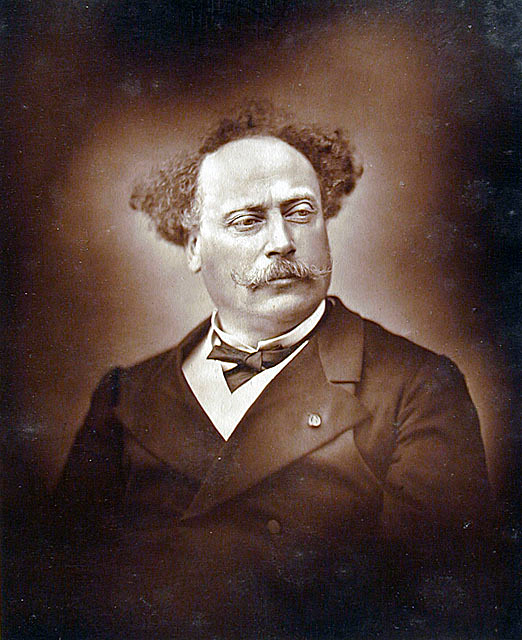
Alexandre
Dumas, fils
Dịch giả: Hải Nguyên
---
Tiếng Pháp:
La Dame aux Camilias
par Alexandre Dumas, fils
---
Tiếng Anh:
Camille
by Alexandre Dumas, fils - Translator: Sir Edmond Gosse (from
French to English) - The Project Gutenberg eBook of Camille
Chương 5
Một
thời gian khá lâu trôi qua. Tôi không nghe nói đến Acmân. Nhưng trái lại tôi
thường nghe bàn tán về Macgơrit. Tôi không biết bạn có để ý không: chỉ cần cái
tên của một người đúng ra xa lạ với bạn hoặc ít ra không liên can gì đến bạn,
được nhắc một lần trước mặt bạn, là những chi tiết liên hệ khác sẽ dần dần đến
vây quanh cái tên ấy. Và bạn sẽ nghe tất cả những người quen biết nói về những
điều mà trước đây họ không bao giờ nói với mình. Và lúc đó bạn sẽ nhận ra rằng
con người đó gần như có mối liên hệ với mình, đã nhiều lần đi qua trong đời
mình mà mình không lưu ý. Bạn sẽ tìm thấy những biến cố mà bạn được nghe kể lại
một sự trùng hợp, một mối quan hệ mật thiết thực sự với một số biến cố chính của
đời bạn.
Trường
hợp tôi không hoàn toàn đúng như thế, bởi vì tôi đã thấy nàng, đã biết nàng, đã
gặp nàng rất nhiều lần. Tuy nhiên, từ ngày bán đấu giá, tôi thường được nghe nhắc
đến tên nàng. Và trong trường hợp tôi vừa nói ở chương vừa qua, cái tên này hoà
lẫn trong một niềm đau buồn sâu đậm, làm cho sự ngạc nhiên của tôi cứ lớn dần
lên và sự tò mò của tôi cũng tăng lên theo.
Hậu
quả là tôi không bao giờ tiếp xúc với một người bạn nào mà không nhắc đến
Macgơrit:
-
Bạn có biết một người tên Macgơrit Gôchiê không?
-
Trà hoa nữ?
-
Biết rõ!
Những
tiếng “biết rõ” ấy đôi khi đi kèm theo những nụ cười mà người ta không thể
không đoán được ý nghĩa của nó.
-
Vậy à! Cô gái ấy như thế nào? - Tôi hỏi tiếp.
-
Một cô gái tốt bụng.
-
Chỉ có thế?
-
Chúa ơi! Vâng, đúng thế. Có trí tuệ hơn và có thể có tâm hồn hơn những cô gái
khác.
-
Anh không biết gì đặc biệt về cô ta sao?
-
Cô ta làm phá sản bá tước G…
-
Chỉ có thế?
-
Cô ta là tình nhân của ông quận công già tên…
-
Có đúng cô ta là tình nhân của ông ta không?
-
Người ta nói thế. Nhưng dù sao thì ông ta cũng đã chi cho cô ta rất nhiều tiền.
Luôn
luôn vẫn những chi tiết đại để như thế.
Tuy
nhiên, tôi vẫn tò mò muốn biết chút ít về câu chuyện tình giữa Macgơrit và
Acmân.
Một
ngày kia, tôi gặp được một trong những người đã sống nhiều trong mối thân tình
với những kỹ nữ tên tuổi. Tôi hỏi:
-
Anh có biết Macgơrit Gôchiê không?
Cũng
vẫn tiếng “biết rõ” được lặp lại.
-
Cô gái ấy thế nào?
-
Đẹp và hiền lành. Cái chết của cô đã làm tôi đau đớn nhiều.
-
Có phải cô ta có một tình nhân tên là Acmân Đuyvan?
-
Một anh chàng cao lớn tóc hung?
-
Phải.
-
Đúng vậy.
-
Và Acmân là người thế nào?
-
Một anh chàng đã cùng tiêu hết với nàng số tiền ít ỏi của mình, tôi nghĩ vậy.
Và sau đó bị bắt buộc phải xa nàng. Người ta bảo anh chàng mê nàng như điếu đổ!
-
Còn nàng?
-
Người ta cũng bảo nàng yêu hắn lắm. Nhưng anh bạn cũng biết thế nào là tình yêu
của những cô gái đó. Không thể đòi hỏi nơi họ đến cái mức mà họ không thể cho
được.
-
Acmân sau đó thế nào?
-
Tôi không biết. Chúng tôi biết rất ít về anh ta. Anh ta sống năm hay sáu tháng
với Macgơrit, nhưng ở đồng quê. Khi nàng trở về thì anh ta đã đi rồi.
-
Và từ đó đến nay anh không gặp lại anh ta?
-
Không hề gặp lại.
Tôi
cũng vậy. Tôi không gặp lại Acmân. Đến nỗi có lúc tôi tự hỏi rằng phải chăng
khi anh ta đi tìm tôi, cái tin mới nhận về cái chết của Macgơrit đã khuyếch đại
cả tình yêu ngày trước lẫn sự đau khổ của anh ta? Tôi tự nhủ, có lẽ anh ta đã
quên người chết rồi, đồng thời cũng đã quên lời hứa trở lại gặp tôi.
Cái
giả thiết ấy có vẻ khá đúng đối với một kẻ khác. Nhưng ở đây, nỗi thất vọng của
Acmân rất chân thành. Và đi từ thái cực này đến thái cực khác, tôi lại hình
dung sự đau khổ của anh ta đã biến thành căn bệnh và nếu tôi không được tin tức
gì của anh ta, chắc hẳn do anh ta bị bệnh, hay cũng có thể anh ta đã chết rồi.
Ngoài
ý muốn của mình, tôi vẫn cứ để tâm nghĩ đến người con trai ấy. Có thể có cái gì
giống như ích kỷ trong sự lưu tâm đó. Có thể tôi thoáng thấy được trong nỗi đau
khổ đó một câu chuyện tâm tình cảm động. Cuối cùng, có thể vì câu chuyện tâm
tình đó đã dự phần khá lớn trong niềm lo âu của tôi về sự im lặng của Acmân
Đuyvan.
Bởi
vì Đuyvan không đến, tôi quyết định đi tìm gặp anh. Tìm ra một duyên cớ, không
khó gì. Khốn nỗi, tôi không có địa chỉ. Và trong số tất cả những người tôi gặp
hỏi, không một ai biết cả.
Tôi
đi đến đường Anti. Người gác cổng của Macgơrit có thể biết Acmân ở đâu. Nhưng
đây lại là người gác cổng mới. Anh ta cũng chẳng biết gì hơn tôi. Thế là tôi
tìm tới nghĩa trang nơi cô Giôchiê an nghỉ. Đó là nghĩa trang Môngmat.
Thời
tiết tháng tư thật đẹp. Những ngôi mộ không còn vẻ đau thương và hiu quạnh như
trong mùa đông. Trời đã bắt đầu trở nên ấm áp để những người còn sống nhớ lại
và đi thăm viếng những người đã chết. Tôi vừa đi đến nghĩa trang vừa tự nhủ: chỉ
cần thăm mộ của Macgơrit, tôi sẽ biết được nỗi đau khổ của Acmân nay có còn
không, và tôi có thể sẽ biết được Đuyvan hiện giờ ra sao.
Tôi
đi vào căn nhà của người giữ nghĩa trang và hỏi anh ta phải chăng ngày 22 tháng
hai có một người đàn bà tên Macgơrit Gôchiê đã được an táng tại nghĩa trang
Môngmat.
Người
ta lật tìm trong một quyển sổ lớn có ghi tên và đánh số tất cả những người đã
đưa vào nơi an nghỉ cuối cùng này và trả lời cho tôi biết, đúng vào buổi trưa
ngày 22 tháng hai, một người đàn bà tên là Macgơrit Gôchiê đã được an táng tại
đây.
Tôi
yêu cầu người giữ nghĩa trang dẫn tôi đến ngôi mộ. Bởi vì đi vào đây mà không
có người hướng dẫn thì chắc chắn không khỏi bị lạc giữa cái thành phố những người
chết. Ở đây cũng có rất nhiều đường đi lối lại như thành phố của người sống.
Người giữ nghĩa trang gọi bác làm vườn, chỉ bảo những điều cần thiết. Nhưng người
này đã ngắt lời và nói:
-
Tôi biết… Tôi biết… - bác ta quay sang phía tôi và nói tiếp - Nấm mộ ấy dễ tìm
lắm.
-
Tại sao vậy? - Tôi hỏi.
-
Bởi vì nó có những bông hoa khác hẳn những mộ khác.
-
Chính ông đã chăm sóc ngôi mộ ấy?
-
Thưa ông, vâng. Và tôi ước rằng tất cả những người thân thuộc đều chăm sóc những
người đã chết như người con trai đó, người đã gửi gắm ngôi mộ cho tôi.
Sau
vài phút đi quanh co, người làm vườn dừng lại và nói với tôi:
-
Đây, chúng ta đã đến nơi.
Quả
vậy, dưới mắt tôi là một khoảng đất vuông vức đầy hoa, khiến người ta không thể
nghĩ đây là một ngôi mộ, nếu không để ý đến một tấm bia cẩm thạch trắng khắc
tên một người.
Tấm
bia này dựng thẳng đứng. Một khung lưới sắt bao bọc mảnh đất đã mua làm nấm mộ,
mảnh đất phủ đầy hoa trà màu trắng.
-
Ông nghĩ gì về ngôi mộ đó? - Người làm vườn hỏi.
-
Trông thật đẹp.
-
Mỗi khi một cây hoa trà héo đi, tôi được lệnh phải thay ngay cây khác.
-
Thế ai ra lệnh đó?
-
Một người trai trẻ. Người này đã khóc rất nhiều khi đến đây lần đầu. Hẳn đó là
tình nhân của người đã chết. Hình như người chết là một người đàn bà phóng
đãng. Người ta bảo cô ta rất đẹp, chắc ông có biết chứ?
-
Vâng.
-
Cũng như cậu kia? - Người làm vườn nói với một cụ cười láu lỉnh.
-
Không, tôi không hề nói chuyện với cô ta lần nào.
-
Và giờ đây, ông lại đến thăm cô ấy ở đây. Việc làm của ông thật đáng quý! Bởi
vì những kẻ đến đây để thăm người con gái khốn khổ ấy thật quá thưa thớt.
-
Vậy không có người nào đến nữa sao?
-
Không có người nào cả, trừ chàng trai trẻ đã đến đây một lần.
-
Chỉ một lần thôi à?
-
Vâng, thưa ông.
-
Và từ đó đến nay, anh ta không trở lại nữa?
-
Vâng, nhưng anh ta sẽ lại đến khi anh ta trở về.
-
Vậy anh ta đã đi xa?
-
Vâng.
-
Ông có biết anh ta hiện nay ở đâu không?
-
Tôi tin chắc anh ta đang ở nhà em gái của cô Giôchiê.
-
Làm gì ở đó?
-
Anh ta đến đó để xin phép mang người chết dời đi nơi khác.
-
Tại sao anh ta không để cô ây nằm ở đây?
-
Ông biết, thưa ông, người sống luôn có những ưu tư đối với người chết. Chúng
tôi ở đây, ngày nào cũng chứng kiến được điều đó. Mảnh đất này chỉ mua trong thời
hạn năm năm. Người con trai đó muốn có một sự nhượng bán vĩnh viễn, và một mảnh
đất mới hơn trong khu đất mới. Như thế sẽ tốt hơn.
-
Khu đất mới là gì?
-
Đó là những mảnh đất mới nằm ở bên trái khu đất này, hiện giờ người ta đang
bán. Nếu nghĩa trang này từ xưa luôn luôn được giữ gìn như hiện nay, trên thế
giới sẽ không có một nghĩa trang nào có thể so sánh với nó. Nhưng còn lắm việc
phải làm, trước khi mọi việc được hoàn toàn như mong muốn. Hơn nữa nhiều người
còn ngơ ngác lắm.
-
Ông muốn nói gì?
-
Tôi muốn nói, có những con người rất tự phụ, ngay cả khi đã đến nơi đây. Ấy vậy,
cô Giôchiê này, hình như cô đã sống khá phóng túng, xin ông thứ lỗi cho. Giờ
đây, cô gái đáng thương ấy đã chết rồi. Còn bao nhiều cô gái khác mà người ta
không nhắc nhở gì đến và chúng tôi ngày nào cũng đem nước đến tưới mộ cho họ.
Thế nhưng khi bà con của những người đã an nghỉ bên cạnh cô được biết cô là ai,
họ muốn nêu lên ý kiến rằng họ chống đối việc để cô ta nằm ở đây; rằng phải có
những mảnh đất dành riêng cho hạng đàn bà như cô ấy, cũng như mảnh đất dành cho
những người nghèo khó. Người ta đã bao giờ thấy điều đó ở đâu chưa? Tôi đã nhắc
nhẹ cái sai trái của họ, một cách lễ độ, tôi đây…Những người giàu có, một năm
không đến đây quá bốn lần để thăm những người chết, và chỉ đem theo những bông
hoa đã mua, mà những bông hoa ấy nào có ra gì! Ngay đến việc trả tiền chăm sóc
mộ cho những người mà họ giao, họ cũng rất dè dặt. Họ viết lên trên những ngôi
mộ ấy những lời than khóc mà họ chưa hề nhỏ ra một giọt nước mắt nào. Rồi chính
họ lại đến để làm khó dễ với người láng giềng của người đã chết. Ông hãy tin những
điều tôi nói. Tôi không biết cô gái này, tôi không biết cô đã từng làm gì,
nhưng tôi thương cô gái bất hạnh ấy. Tôi chăm sóc mộ cô, tôi bán những hoa trà
với giá rất phải chăng. Đó là một người chết mà tôi quý mến. Chúng tôi thì,
thưa ông, chúng tôi bắt buộc phải thương yêu những người chết. Bởi vì công việc
rất bận rộn, chúng tôi gần như không có thì giờ để thương yêu một cái gì khác nữa.
Tôi
nhìn bác làm vườn và có lẽ bạn đọc cũng hiểu được sự xúc động của tôi khi nghe
những lời người làm vườn nói.
Chắc
hẳn người làm vườn thấy được điều đó, nên bác hỏi tiếp:
-
Người ta bảo rằng nhiều người phá sản vì cô gái đó. Và cô ta có những tình nhân
rất yêu quý cô ta. Thế nhưng khi tôi nghĩ, không một người nào đến đây mua cho
cô ta được một cành hoa, thì thật quá lạnh lùng! Tuy thế, cô gái này cũng chưa
phải là đáng thương lắm. Bởi vì cô còn có một ngôi mộ và có một người còn nhớ đến
cô. Người này đã làm những bổn phận chung cho cả những người khác. Nhưng ở đây,
chúng tôi còn có những người con gái khốn khổ cũng cùng hạng và cùng lứa tuổi
như cô Giôchiê mà người ta đã ném xuống cái hố công cộng. Tôi đứt ruột mỗi khi
nghe tiếng những thi thể đó rớt xuống lòng đất. Và không có một ai đến chăm sóc
những người con gái đó, một khi họ đã nằm xuống đây. Nghề của chúng tôi làm thật
không có gì để vui, nhất là khi chúng tôi còn một ít lương tâm. Ông nghĩ thế
nào? Điều này mạnh hơn tôi quá nhiều. Tôi có một đứa con gái hai mươi tuổi. Mỗi
khi người ta đưa đến đây một người chết trạc tuổi con tôi, tôi lại nghĩ đến nó,
và mặc cho người đó là một bà lớn hay một cô gái lang thang, tôi cũng không thể
nào ngăn được nỗi xúc động.
-
Chắc tôi đã làm phiền ông với những mẩu chuyện của tôi. Ông đến đây hẳn không
phải để nghe những chuyện như thế. Người ta bảo tôi đưa ông đến mộ cô Giôchiê,
tôi đã đưa ông đến nơi. Giờ đây, tôi còn có thể làm gì nữa để giúp ông?
-
Ông có biết địa chỉ của Acmân Đuyvan không?
-
Có, anh ta ở đường … Chính ở đó. Ít ra, tôi đã đến đó để nhận tiền trả cho tất
cả những cây hoa ông thấy đấy.
-
Cảm ơn ông.
Tôi
nhìn lại lần cuối ngôi mộ đầy hoa. Tôi những muốn nhìn thấu đến chiều sâu ngôi
mộ để được trông thấy đất đã làm gì với một con người xinh đẹp mà người ta đã
giao phó cho nó. Rồi tôi buồn bã ra về.
-
Có phải ông muốn đến gặp Đuyvan không? - Người giữ vườn đi bên cạnh tôi hỏi.
-
Vâng.
-
Tôi tin chắc anh ta chưa trở về. Bởi vì nếu đã về, thì anh ta đã đến đây rồi.
-
Như thế ông đoán chắc anh ta không quên cô Macgơrit?
-
Không những tôi tin chắc, mà tôi còn cam đoan rằng Đuyvan muốn dời ngôi mộ chỉ
cốt để được nhìn thấy lại cô gái đó.
-
Như thế nghĩa là sao?
-
Câu đầu tiên anh ta nói với tôi khi đến nghĩa trang là: “Làm thế nào để nhìn thấy
mặt nàng?” Chỉ có một cách là dời ngôi mộ đi. Tôi đã hướng dẫn cho anh ta tất cả
những thủ tục cần thiết để có thể dời được. Bởi vì ông biết, để chuyển những
người chết từ mộ này sang mộ khác, phải được sự cho phép của gia đình và có một
cảnh sát trưởng chứng giám. Chính vì để có được giấy phép Đuyvan đã đi tìm đến
nhà cô em gái cô Giôchiê. Khi trở về, dĩ nhiên việc đầu tiên của anh ta là đến
đây thăm chúng tôi.
Chúng
tôi đi đến cổng nghĩa trang. Một lần nữa, tôi cảm ơn ngưòi làm vườn và đặt vào
tay bác vài đồng bạc. Sau đó, tôi tìm đến địa chỉ của Acmân Đuyvan mà người làm
vườn vừa cho tôi biết.
Acmân
vẫn chưa về.
Tôi
viết giấy để lại, yêu cầu anh ta khi trở về đến gặp tôi, hoặc cho tôi biết có
thể tìm gặp anh ta ở đâu.
Hôm
sau, vào buổi sáng, tôi nhận được thư của Đuyvan cho biết anh đã về và mời tôi
đến nhà gặp anh. Anh cũng cho biết thêm vì bị mệt đến kiệt sức nên không thể đến
tôi được.
➖➖➖
Phần tiếng Pháp
La
Dame aux Camilias par Alexandre Dumas, fils
---
Chapitre V
Un
assez long temps s'écoula sans que j'entendisse parler d'Armand; mais, en
revanche, il avait souvent été question de Marguerite.
Je
ne sais pas si vous l'avez remarqué, il suffit que le nom d'une personne qui
paraissait devoir vous rester inconnue ou tout au moins indifférente soit
prononcé une fois devant vous, pour que des détails viennent peu à peu se
grouper autour de ce nom, et pour que vous entendiez alors tous vos amis vous
parler d'une chose dont ils ne vous avaient jamais entretenu auparavant. Vous
découvrez alors que cette personne vous touchait presque, vous vous apercevez
qu'elle a passé bien des fois dans votre vie sans être remarquée; vous trouvez
dans les événements que l'on vous raconte une coïncidence, une affinité réelles
avec certains événements de votre propre existence. Je n'en étais pas positivement
là avec Marguerite, puisque je l'avais vue, rencontrée, et que je la
connaissais de visage et d'habitudes; cependant, depuis cette vente, son nom
était revenu si fréquemment à mes oreilles, et dans la circonstance que j'ai
dite au dernier chapitre, ce nom s'était trouvé mêlé à un chagrin si profond,
que mon étonnement en avait grandi, en augmentant ma curiosité.
Il
en était résulté que je n'abordais plus mes amis auxquels je n'avais jamais
parlé de Marguerite, qu'en disant:
--Avez-vous
connu une nommée Marguerite Gautier?
--La
Dame aux Camélias?
--Justement.
--Beaucoup!
Ces «beaucoup!» étaient quelquefois accompagnés de sourires incapables de
laisser aucun doute sur leur signification.
--Eh
bien, qu'est-ce que c'était que cette fille-là? continuais-je.
--Une
bonne fille.
--Voilà
tout?
--Mon
Dieu! oui, plus d'esprit et peut-être un peu plus de cœur que les autres.
--Et
vous ne savez rien de particulier sur elle?
--Elle
a ruiné le baron de G...
--Seulement?
--Elle
a été la maîtresse du vieux duc de...
--Etait-elle
bien sa maîtresse?
--On
le dit: en tous cas, il lui donnait beaucoup d'argent.
Toujours
les mêmes détails généraux.
Cependant
j'aurais été curieux d'apprendre quelque chose sur la liaison de Marguerite et
d'Armand.
Je
rencontrai un jour un de ceux qui vivent continuellement dans l'intimité des
femmes connues. Je le questionnai.
--Avez-vous
connu Marguerite Gautier?
Le
même beaucoup me fut répondu.
--Quelle
fille était-ce?
--Belle
et bonne fille. Sa mort m'a fait une grande peine.
--N'a-t-elle
pas eu un amant nommé Armand Duval?
--Un
grand blond?
--Oui.
--C'est
vrai.
--Qu'est-ce
que c'était que cet Armand?
--Un
garçon qui a mangé avec elle le peu qu'il avait, je crois, et qui a été forcé
de la quitter. On dit qu'il en a été fou.
--Et
elle?
--Elle
l'aimait beaucoup aussi, dit-on toujours, mais comme ces filles-là aiment. Il
ne faut pas leur demander plus qu'elles ne peuvent donner.
--Qu'est
devenu Armand?
--Je
l'ignore. Nous l'avons très peu connu. Il est resté cinq ou six mois avec
Marguerite, mais à la campagne. Quand elle est revenue, il est parti.
--Et
vous ne l'avez pas revu depuis?
--Jamais.
Moi
non plus je n'avais pas revu Armand. J'en étais arrivé à me demander si,
lorsqu'il s'était présenté chez moi, la nouvelle récente de la mort de
Marguerite n'avait pas exagéré son amour d'autrefois et par conséquent sa
douleur, et je me disais que peut-être il avait déjà oublié avec la morte la
promesse faite de revenir me voir.
Cette
supposition eût été assez vraisemblable à l'égard d'un autre, mais il y avait
eu dans le désespoir d'Armand des accents sincères, et passant d'un extrême à
l'autre, je me figurai que le chagrin s'était changé en maladie, et que, si je
n'avais pas de ses nouvelles, c'est qu'il était malade et peut-être bien mort.
Je
m'intéressais malgré moi à ce jeune homme. Peut-être dans cet intérêt y
avait-il de l'égoïsme; peut-être avais-je entrevu sous cette douleur une
touchante histoire de cœur, peut-être enfin mon désir de la connaître était-il
pour beaucoup dans le souci que je prenais du silence d'Armand.
Puisque
M. Duval ne revenait pas chez moi, je résolus d'aller chez lui. Le prétexte
n'était pas difficile à trouver; malheureusement je ne savais pas son adresse,
et, parmi tous ceux que j'avais questionnés, personne n'avait pu me la dire.
Je
me rendis rue d'Antin. Le portier de Marguerite savait peut-être où demeurait
Armand. C'était un nouveau portier. Il l'ignorait comme moi. Je m'informai
alors du cimetière où avait été enterrée Mademoiselle Gautier. C'était le
cimetière Montmartre.
Avril
avait reparu, le temps était beau, les tombes ne devaient plus avoir cet aspect
douloureux et désolé que leur donne l'hiver; enfin, il faisait déjà assez chaud
pour que les vivants se souvinssent des morts et les visitassent. Je me rendis
au cimetière, en me disant: à la seule inspection de la tombe de Marguerite, je
verrai bien si la douleur d'Armand existe encore, et j'apprendrai peut-être ce
qu'il est devenu.
J'entrai
dans la loge du gardien, et je lui demandai si, le 22 du mois de février, une
femme nommée Marguerite Gautier n'avait pas été enterrée au cimetière
Montmartre.
Cet
homme feuilleta un gros livre où sont inscrits et numérotés tous ceux qui
entrent dans ce dernier asile, et me répondit qu'en effet le 22 février, à
midi, une femme de ce nom avait été inhumée.
Je
le priai de me faire conduire à la tombe, car il n'y a pas moyen de se
reconnaître, sans cicérone, dans cette ville des morts qui a ses rues comme la
ville des vivants. Le gardien appela un jardinier à qui il donna les
indications nécessaires et qui l'interrompit en disant:
--Je
sais, je sais... Oh! la tombe est bien facile à reconnaître, continua-t-il en
se tournant vers moi.
--Pourquoi?
lui dis-je.
--Parce
qu'elle a des fleurs bien différentes des autres.
--C'est
vous qui en prenez soin?
--Oui,
monsieur, et je voudrais que tous les parents eussent soin des décédés comme le
jeune homme qui m'a recommandé celle-là.
Après
quelques détours, le jardinier s'arrêta et me dit:
--Nous
y voici.
En
effet, j'avais sous les yeux un carré de fleurs qu'on n'eût jamais pris pour
une tombe, si un marbre blanc portant un nom ne l'eût constaté.
Ce
marbre était posé droit, un treillage de fer limitait le terrain acheté, et ce
terrain était couvert de camélias blancs.
--Que
dites-vous de cela? me dit le jardinier.
--C'est
très beau.
--Et
chaque fois qu'un camélia se fane, j'ai ordre de le renouveler.
--Et
qui vous a donné cet ordre?
--Un
jeune homme qui a bien pleuré, la première fois qu'il est venu; un ancien à la
morte, sans doute, car il paraît que c'était une gaillarde, celle-là. On dit
qu'elle était très jolie. Monsieur l'a-t-il connue?
--Oui.
--Comme
l'autre? me dit le jardinier avec un sourire malin.
--Non,
je ne lui ai jamais parlé.
--Et
vous venez la voir ici; c'est bien gentil de votre part, car ceux qui viennent
voir la pauvre fille n'encombrent pas le cimetière.
--Personne
ne vient donc?
--Personne,
excepté ce jeune monsieur qui est venu une fois.
--Une
seule fois?
--Oui,
monsieur.
--Et
il n'est pas revenu depuis?
--Non,
mais il reviendra à son retour.
--Il
est donc en voyage?
--Oui.
--Et
vous savez où il est?
--Il
est, je crois, chez la sœur de mademoiselle Gautier.
--Et
que fait-il là?
--Il
va lui demander l'autorisation de faire exhumer la morte, pour la faire mettre
autre part.
--Pourquoi
ne la laisserait-il pas ici?
--Vous
savez, monsieur, que pour les morts on a des idées. Nous voyons cela tous les
jours, nous autres. Ce terrain n'est acheté que pour cinq ans, et ce jeune
homme veut une concession à perpétuité et un terrain plus grand; dans le
quartier neuf ce sera mieux.
--Qu'appelez-vous
le quartier neuf?
--Les
terrains nouveaux que l'on vend maintenant, à gauche. Si le cimetière avait
toujours été tenu comme maintenant, il n'y en aurait pas un pareil au monde;
mais il y a encore bien à faire avant que ce soit tout à fait comme ce doit
être. Et puis les gens sont si drôles.
--Que
voulez-vous dire?
--Je
veux dire qu'il y a des gens qui sont fiers jusqu'ici. Ainsi, cette demoiselle
Gautier, il paraît qu'elle a fait un peu la vie, passez-moi l'expression.
Maintenant, la pauvre demoiselle, elle est morte; et il en reste autant que de
celles dont on n'a rien à dire et que nous arrosons tous les jours; eh bien,
quand les parents des personnes qui sont enterrées à côté d'elle ont appris qui
elle était, ne se sont-ils pas imaginé de dire qu'ils s'opposeraient à ce qu'on
la mît ici, et qu'il devait y avoir des terrains à part pour ces sortes de
femmes comme pour les pauvres. A-t-on jamais vu cela? Je les ai joliment
relevés, moi; des gros rentiers qui ne viennent pas quatre fois l'an visiter
leurs défunts, qui apportent leurs fleurs eux-mêmes, et voyez quelles fleurs! Qui
regardent à un entretien pour ceux qu'ils disent pleurer, qui écrivent sur
leurs tombes des larmes qu'ils n'ont jamais versées, et qui viennent faire les
difficiles pour le voisinage. Vous me croirez si vous voulez, monsieur, je ne
connaissais pas cette demoiselle, je ne sais pas ce qu'elle a fait; eh bien, je
l'aime, cette pauvre petite, et j'ai soin d'elle, et je lui passe les camélias
au plus juste prix. C'est ma morte de prédilection. Nous autres, monsieur, nous
sommes bien forcés d'aimer les morts, car nous sommes si occupés, que nous
n'avons presque pas le temps d'aimer autre chose.
Je
regardais cet homme, et quelques-uns de mes lecteurs comprendront, sans que
j'aie besoin de le leur expliquer, l'émotion que j'éprouvais à l'entendre.
Il
s'en aperçut sans doute, car il continua:
--On
dit qu'il y avait des gens qui se ruinaient pour cette fille-là, et qu'elle
avait des amants qui l'adoraient; eh bien, quand je pense qu'il n'y en a pas un
qui vienne lui acheter une fleur seulement, c'est cela qui est curieux et
triste. Et encore, celle-ci n'a pas à se plaindre, car elle a sa tombe, et s'il
n'y en a qu'un qui se souvienne d'elle, il fait les choses pour les autres.
Mais nous avons ici de pauvres filles du même genre et du même âge qu'on jette
dans la fosse commune, et cela me fend le cœur quand j'entends tomber leurs
pauvres corps dans la terre. Et pas un être ne s'occupe d'elles, une fois
qu'elles sont mortes! Ce n'est pas toujours gai, le métier que nous faisons,
surtout tant qu'il nous reste un peu de cœur. Que voulez-vous? C'est plus fort que
moi. J'ai une belle grande fille de vingt ans, et, quand on apporte ici une
morte de son âge, je pense à elle, et, que ce soit une grande dame ou une
vagabonde, je ne peux pas m'empêcher d'être ému.
«Mais
je vous ennuie sans doute avec mes histoires et ce n'est pas pour les écouter
que vous voilà ici. On m'a dit de vous amener à la tombe de mademoiselle
Gautier, vous y voilà; puis-je vous être bon encore à quelque chose?
--Savez-vous
l'adresse de M. Armand Duval? demandai-je à cet homme.
--Oui,
il demeure rue de... c'est là du moins que je suis allé toucher le prix de
toutes les fleurs que vous voyez.
--Merci,
mon ami.
Je
jetai un dernier regard sur cette tombe fleurie, dont malgré moi j'eusse voulu
sonder les profondeurs pour voir ce que la terre avait fait de la belle
créature qu'on lui avait jetée, et je m'éloignai tout triste.
--Est-ce
que monsieur veut voir M. Duval? reprit le jardinier qui marchait à côté de
moi.
--Oui.
--C'est
que je suis bien sûr qu'il n'est pas encore de retour, sans quoi je l'aurais
déjà vu ici.
--Vous
êtes donc convaincu qu'il n'a pas oublié Marguerite?
--Non
seulement j'en suis convaincu, mais je parierais que son désir de la changer de
tombe n'est que le désir de la revoir.
--Comment
cela?
--Le
premier mot qu'il m'a dit en venant au cimetière a été: «Comment faire pour la
voir encore?» Cela ne pouvait avoir lieu que par le changement de tombe, et je
l'ai renseigné sur toutes les formalités à remplir pour obtenir ce changement,
car vous savez que pour transférer les morts d'un tombeau dans un autre, il
faut les reconnaître, et la famille seule peut autoriser cette opération, à
laquelle doit présider un commissaire de police. C'est pour avoir cette
autorisation que M. Duval est allé chez la sœur de mademoiselle Gautier, et sa
première visite sera évidemment pour nous.
Nous
étions arrivés à la porte du cimetière; je remerciai de nouveau le jardinier en
lui mettant quelques pièces de monnaie dans la main et je me rendis à l'adresse
qu'il m'avait donnée.
Armand
n'était pas de retour.
Je
laissai un mot chez lui, le priant de me venir voir dès son arrivée, ou de me
faire dire où je pourrais le trouver.
Le
lendemain, au matin, je reçus une lettre de Duval, qui m'informait de son
retour, et me priait de passer chez lui, ajoutant qu'épuisé de fatigue, il lui
était impossible de sortir.
➖➖➖
Phần tiếng Anh
Camille
by Alexandre Dumas, fils - Translator: Sir Edmond Gosse (from
French to English) - The Project Gutenberg eBook of Camille
---
Chapter V
A
good while elapsed before I heard anything more of Armand, but, on the other
hand, I was constantly hearing of Marguerite.
I
do not know if you have noticed, if once the name of anybody who might in the
natural course of things have always remained unknown, or at all events
indifferent to you, should be mentioned before you, immediately details begin
to group themselves about the name, and you find all your friends talking to
you about something which they have never mentioned to you before. You discover
that this person was almost touching you and has passed close to you many times
in your life without your noticing it; you find coincidences in the events
which are told you, a real affinity with certain events of your own existence.
I was not absolutely at that point in regard to Marguerite, for I had seen and
met her, I knew her by sight and by reputation; nevertheless, since the moment
of the sale, her name came to my ears so frequently, and, owing to the
circumstance that I have mentioned in the last chapter, that name was
associated with so profound a sorrow, that my curiosity increased in proportion
with my astonishment. The consequence was that whenever I met friends to whom I
had never breathed the name of Marguerite, I always began by saying:
“Did
you ever know a certain Marguerite Gautier?”
“The
Lady of the Camellias?”
“Exactly.”
“Oh,
very well!”
The
word was sometimes accompanied by a smile which could leave no doubt as to its
meaning.
“Well,
what sort of a girl was she?”
“A
good sort of girl.”
“Is
that all?”
“Oh,
yes; more intelligence and perhaps a little more heart than most.”
“Do
you know anything particular about her?”
“She
ruined Baron de G.”
“No
more than that?”
“She
was the mistress of the old Duke of...”
“Was
she really his mistress?”
“So
they say; at all events, he gave her a great deal of money.”
The
general outlines were always the same. Nevertheless I was anxious to find out
something about the relations between Marguerite and Armand. Meeting one day a
man who was constantly about with known women, I asked him: “Did you know
Marguerite Gautier?”
The
answer was the usual: “Very well.”
“What
sort of a girl was she?”
“A
fine, good girl. I was very sorry to hear of her death.”
“Had
she not a lover called Armand Duval?”
“Tall
and blond?”
“Yes.
“It
is quite true.”
“Who
was this Armand?”
“A
fellow who squandered on her the little money he had, and then had to leave
her. They say he was quite wild about it.”
“And
she?”
“They
always say she was very much in love with him, but as girls like that are in
love. It is no good to ask them for what they can not give.”
“What
has become of Armand?”
“I
don’t know. We knew him very little. He was with Marguerite for five or six
months in the country. When she came back, he had gone.”
“And
you have never seen him since?”
“Never.”
I,
too, had not seen Armand again. I was beginning to ask myself if, when he had
come to see me, the recent news of Marguerite’s death had not exaggerated his
former love, and consequently his sorrow, and I said to myself that perhaps he
had already forgotten the dead woman, and along with her his promise to come
and see me again. This supposition would have seemed probable enough in most
instances, but in Armand’s despair there had been an accent of real sincerity,
and, going from one extreme to another, I imagined that distress had brought on
an illness, and that my not seeing him was explained by the fact that he was
ill, perhaps dead.
I
was interested in the young man in spite of myself. Perhaps there was some
selfishness in this interest; perhaps I guessed at some pathetic love story
under all this sorrow; perhaps my desire to know all about it had much to do
with the anxiety which Armand’s silence caused me. Since M. Duval did not
return to see me, I decided to go and see him. A pretext was not difficult to
find; unluckily I did not know his address, and no one among those whom I
questioned could give it to me.
I
went to the Rue d’Antin; perhaps Marguerite’s porter would know where Armand
lived. There was a new porter; he knew as little about it as I. I then asked in
what cemetery Mlle. Gautier had been buried. It was the Montmartre Cemetery. It
was now the month of April; the weather was fine, the graves were not likely to
look as sad and desolate as they do in winter; in short, it was warm enough for
the living to think a little of the dead, and pay them a visit. I went to the
cemetery, saying to myself: “One glance at Marguerite’s grave, and I shall know
if Armand’s sorrow still exists, and perhaps I may find out what has become of
him.”
I
entered the keeper’s lodge, and asked him if on the 22nd of February a woman
named Marguerite Gautier had not been buried in the Montmartre Cemetery. He
turned over the pages of a big book in which those who enter this last
resting-place are inscribed and numbered, and replied that on the 22nd of
February, at 12 o’clock, a woman of that name had been buried.
I
asked him to show me the grave, for there is no finding one’s way without a
guide in this city of the dead, which has its streets like a city of the
living. The keeper called over a gardener, to whom he gave the necessary
instructions; the gardener interrupted him, saying: “I know, I know.—It is not
difficult to find that grave,” he added, turning to me.
“Why?”
“Because
it has very different flowers from the others.”
“Is
it you who look after it?”
“Yes,
sir; and I wish all relations took as much trouble about the dead as the young
man who gave me my orders.”
After
several turnings, the gardener stopped and said to me: “Here we are.”
I
saw before me a square of flowers which one would never have taken for a grave,
if it had not been for a white marble slab bearing a name.
The
marble slab stood upright, an iron railing marked the limits of the ground
purchased, and the earth was covered with white camellias. “What do you say to
that?” said the gardener.
“It
is beautiful.”
“And
whenever a camellia fades, I have orders to replace it.”
“Who
gave you the order?”
“A
young gentleman, who cried the first time he came here; an old pal of hers, I
suppose, for they say she was a gay one. Very pretty, too, I believe. Did you
know her, sir?”
“Yes.”
“Like
the other?” said the gardener, with a knowing smile.
“No,
I never spoke to her.”
“And
you come here, too! It is very good of you, for those that come to see the poor
girl don’t exactly cumber the cemetery.”
“Doesn’t
anybody come?”
“Nobody,
except that young gentleman who came once.”
“Only
once?”
“Yes,
sir.”
“He
never came back again?”
“No,
but he will when he gets home.”
“He
is away somewhere?”
“Yes.”
“Do
you know where he is?”
“I
believe he has gone to see Mlle. Gautier’s sister.”
“What
does he want there?”
“He
has gone to get her authority to have the corpse dug up again and put somewhere
else.”
“Why
won’t he let it remain here?”
“You
know, sir, people have queer notions about dead folk. We see something of that
every day. The ground here was only bought for five years, and this young
gentleman wants a perpetual lease and a bigger plot of ground; it will be
better in the new part.”
“What
do you call the new part?”
“The
new plots of ground that are for sale, there to the left. If the cemetery had
always been kept like it is now, there wouldn’t be the like of it in the world;
but there is still plenty to do before it will be quite all it should be. And
then people are so queer!”
“What
do you mean?”
“I
mean that there are people who carry their pride even here. Now, this
Demoiselle Gautier, it appears she lived a bit free, if you’ll excuse my saying
so. Poor lady, she’s dead now; there’s no more of her left than of them that no
one has a word to say against. We water them every day. Well, when the
relatives of the folk that are buried beside her found out the sort of person
she was, what do you think they said? That they would try to keep her out from
here, and that there ought to be a piece of ground somewhere apart for these
sort of women, like there is for the poor. Did you ever hear of such a thing? I
gave it to them straight, I did: well-to-do folk who come to see their dead
four times a year, and bring their flowers themselves, and what flowers! and
look twice at the keep of them they pretend to cry over, and write on their
tombstones all about the tears they haven’t shed, and come and make
difficulties about their neighbours. You may believe me or not, sir, I never
knew the young lady; I don’t know what she did. Well, I’m quite in love with
the poor thing; I look after her well, and I let her have her camellias at an
honest price. She is the dead body that I like the best. You see, sir, we are
obliged to love the dead, for we are kept so busy, we have hardly time to love
anything else.”
I
looked at the man, and some of my readers will understand, without my needing
to explain it to them, the emotion which I felt on hearing him. He observed it,
no doubt, for he went on:
“They
tell me there were people who ruined themselves over that girl, and lovers that
worshipped her; well, when I think there isn’t one of them that so much as buys
her a flower now, that’s queer, sir, and sad. And, after all, she isn’t so
badly off, for she has her grave to herself, and if there is only one who
remembers her, he makes up for the others. But we have other poor girls here,
just like her and just her age, and they are just thrown into a pauper’s grave,
and it breaks my heart when I hear their poor bodies drop into the earth. And
not a soul thinks about them any more, once they are dead! ’Tisn’t a merry
trade, ours, especially when we have a little heart left. What do you expect? I
can’t help it. I have a fine, strapping girl myself; she’s just twenty, and
when a girl of that age comes here I think of her, and I don’t care if it’s a
great lady or a vagabond, I can’t help feeling it a bit. But I am taking up
your time, sir, with my tales, and it wasn’t to hear them you came here. I was
told to show you Mlle. Gautier’s grave; here you have it. Is there anything
else I can do for you?”
“Do
you know M. Armand Duval’s address?” I asked.
“Yes;
he lives at Rue de ——; at least, that’s where I always go to get my money for
the flowers you see there.”
“Thanks,
my good man.”
I
gave one more look at the grave covered with flowers, half longing to penetrate
the depths of the earth and see what the earth had made of the fair creature
that had been cast to it; then I walked sadly away.
“Do
you want to see M. Duval, sir?” said the gardener, who was walking beside me.
“Yes.”
“Well,
I am pretty sure he is not back yet, or he would have been here already.”
“You
don’t think he has forgotten Marguerite?”
“I
am not only sure he hasn’t, but I would wager that he wants to change her grave
simply in order to have one more look at her.”
“Why
do you think that?”
“The
first word he said to me when he came to the cemetery was: ‘How can I see her
again?’ That can’t be done unless there is a change of grave, and I told him
all about the formalities that have to be attended to in getting it done; for,
you see, if you want to move a body from one grave to another you must have it
identified, and only the family can give leave for it under the direction of a
police inspector. That is why M. Duval has gone to see Mlle. Gautier’s sister,
and you may be sure his first visit will be for me.”
We
had come to the cemetery gate. I thanked the gardener again, putting a few
coins into his hand, and made my way to the address he had given me.
Armand
had not yet returned. I left word for him, begging him to come and see me as
soon as he arrived, or to send me word where I could find him.
Next
day, in the morning, I received a letter from Duval, telling me of his return,
and asking me to call on him, as he was so worn out with fatigue that it was
impossible for him to go out.
➖➖➖


Không có nhận xét nào:
Đăng nhận xét