2025-06-07
Trà
hoa nữ (06)
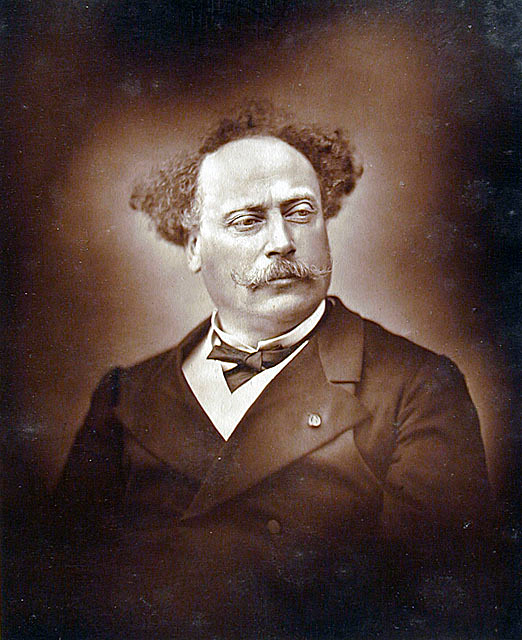
Alexandre
Dumas, fils
Dịch giả: Hải Nguyên
---
Tiếng Pháp:
La Dame aux Camilias
par Alexandre Dumas, fils
---
Tiếng Anh:
Camille
by Alexandre Dumas, fils - Translator: Sir Edmond Gosse (from
French to English) - The Project Gutenberg eBook of Camille
Chương 6
Tôi
gặp Acmân đang nằm trên giường.
Thấy
tôi, anh ta đưa bàn tay nóng hổi bắt tay tôi.
–
Anh bị sốt – tôi nói.
–
Sẽ không sao cả. Đây chỉ là sự mệt mỏi do một chuyến đi đường quá gấp.
–
Anh đến nhà cô em gái của Macgơrit?
–
Phải. Ai nói cho anh biết thế?
–
Tôi biết. Anh có được thoả mãn điều anh yêu cầu không?
–
Vâng, nhưng ai đã cho anh biết về chuyến đi và mục đích của tôi trong chuyến đi
đó?
–
Người làm vườn ở nghĩa trang.
–
Anh đã thấy ngôi mộ?
Tôi
lo ngại không dám trả lời. Bởi vì giọng nói chứng tỏ người nói ra câu đó đang sẵn
sàng bị cuốn vào nỗi xúc động mà trước đây tôi đã có lần chứng kiến. Và một thời
gian dài, cứ mỗi lần nghĩ đến hoặc nghe người khác gợi lại niềm đau thương cũ,
sự xúc động ấy lại nổi lên giằng xé đau đớn trong anh.
Vì
thế, tôi chỉ gật đầu.
–
Ông ấy chăm sóc ngôi mộ tốt chứ? – Acmân hỏi tiếp.
Hai
dòng lệ lớn lăn dài trên mà người bệnh. Anh ta cố ý quay đầu để giấu đi. Tôi
làm vẻ như không để ý đến và cố gắng đổi hướng câu chuyện.
–
Như thế anh đi cách đây đã ba tuần rồi? – Tôi nói.
Acmân
đưa tay lên mắt và trả lời:
–
Ba tuần đúng.
–
Chuyến đi của anh khá lâu.
–
Ồ! Tôi không đi liên tục được. Tôi đã đau hết mười lăm ngày. Nếu không tôi đã
trở về lâu rồi. Vừa đến nơi, tôi đã bị sốt, và bắt buộc phải nằm mãi trong
phòng.
–
Và anh đã trở về đây, khi chưa lành hẳn.
–
Nếu tôi ở lại thêm tám ngày nữa, có lẽ tôi đã chết rồi.
–
Nhưng giờ đây, anh đã về, anh phải lo chữa trị đi. Bạn bè anh sẽ đến thăm. Tôi
là người đầu tiên nếu được anh cho phép.
–
Trong hai giờ nữa tôi sẽ dậy được.
–
Đừng có liều thế.
–
Không, được mà.
–
Anh có việc gì đến nỗi phải vội thế?
–
Tôi phải đi gặp ông cảnh sát trưởng.
–
Tại sao anh không nhờ một người nào đó làm việc này. Nếu không anh có thể đau nặng
thêm đấy.
–
Chính đó là điều độc nhất có thể làm cho tôi khỏi bệnh. Tôi phải thấy được mặt
nàng. Từ lúc tôi nhận được tin nàng chết, và nhất là khi tôi nhìn thấy mộ nàng,
tôi không thể ngủ được nữa. Tôi không thể tưởng tượng được người đàn bà khi tôi
xa, rất trẻ và rất đẹp như thế, lại chết đi. Tôi phải làm sao để có thể xác định
chắc chắn điều đó. Tôi cần phải biết Thượng Đế đã đối xử như thế nào với con
người mà tôi đã yêu quý đến thế. Và có thể sự ghê rợn trước cảnh tượng đó sẽ
thay thế sự thất vọng của kỷ niệm. Anh sẽ đi với tôi đấy chứ. . . nếu điều đó
không làm anh phiền lắm!
–
Em gái cô ấy đã nói gì với anh?
–
Không có gì cả. Cô ta có vẻ ngạc nhiên khi thấy một người khách lạ muốn mua một
mảnh đất để làm phần mộ cho Macgơrit, và cô ta đã ký tên ngay vào giấy phép mà
tôi yêu cầu.
–
Anh hãy nghe tôi, hãy đợi lành bệnh hẳn rồi tính đến chuyện dời mộ.
–
Ồ! Tôi sẽ khoẻ hẳn. Anh yên tâm, vả chăng tôi sẽ điên mất, nếu tôi không kết
thúc nhanh cái quyết định đó, sự thực hiện nó đã trở thành một nhu cầu cho nỗi
đau của tôi. Tôi thề với anh, tôi chỉ yên tâm khi nào tôi thấy lại được
Macgơrit. Đây có thể là một sự khát khao do cơn sốt đã đốt nóng tôi, một mơ ước
của những đêm không ngủ, một hậu quả của sự loạn trí. Tôi sẽ xem, tôi có nên đi
tu dòng kín như ông Rânxê không, sau khi đã thấy nàng.
–
Tôi hiểu điều đó – tôi nói với Acmân – tôi sẵn sàng giúp anh mọi việc. Anh đã gặp
Juyli Đupơra chưa?
–
Vâng, tôi đã gặp cô ấy ngay ngày đầu tiên trở về.
–
Cô ta có đưa cho anh những giấy tờ mà Macgơrit để lại chứ?
–
Có đây – Acmân rút một cuộn giấy dưới gối đưa ra rồi để ngay lại chỗ cũ.
–
Tôi thuộc lòng tất cả những gì ghi trong những tờ giấy này – anh ta nói với tôi
– Từ ba tuần nay, mỗi ngày tôi đọc đi đọc lại đến mười lần. Anh cũng sẽ được đọc,
nhưng sau này đã, khi tôi được bình tĩnh hơn. Và tôi có thể cho anh hiểu tất cả
những gì là tâm tư, là tình cảm được bộc lộ trong những lời thú tội này. Còn
bây giờ, tôi có một việc cần nhờ anh.
–
Việc gì vậy?
–
Anh có một chiếc xe dưới đó chứ?
–
Có.
–
Vậy được. Anh có thể cầm thẻ thông hành của tôi đi đến bưu điện hỏi xem có thư
từ gì cho tôi không. Cha tôi và em gái tôi chắc đã viết thư đến Paris cho tôi.
Tôi ra đi hết sức vội vã, đến nỗi không kịp báo tin về nhà. Khi anh trở về,
chúng ta sẽ đi báo trước cho ông cảnh sát trưởng về việc dời mộ ngày mai.
Acmân
trao cho tôi tờ thông hành và tôi đi đến đường Jăng Jắc Rútxô.
Có
hai lá thư cho Đuyvan. Tôi nhận và đem về. Khi tôi trở về, Acmân đã ăn mặc chỉnh
tề và sẵn sàng ra đi.
–
Cám ơn – anh vừa nói vừa nhận những lá thư. – Vâng, – anh nói tiếp sau khi nhìn
địa chỉ – đây là thư của cha tôi và em gái tôi. Hẳn họ không hiểu về sự im lặng
của tôi.
Anh
ta mở thư ra và đoán đúng hơn là đọc. Bởi vì mỗi lá thư dài những bốn trang,
nhưng chỉ giây phút sau anh đã xếp lại.
–
Thôi chúng ta đi! – Anh nói với tôi. – Tôi sẽ trả lời thư vào ngày mai.
Chúng
tôi đến gặp ông cảnh sát trưởng.
Acmân
trình giấy cho phép của em gái Macgơrit. Ông cảnh sát trưởng trao cho anh ta một
giấy báo tin để đưa lại cho người giữ nghĩa trang. Việc dời mộ sẽ tiến hành
trong ngày hôm sau, vào 10 giờ sáng. Một giờ trước đó tôi sẽ đến gặp anh, để
cùng đi với anh đến nghĩa trang.
Tôi
cũng thế, tôi cũng hiếu kỳ muốn được xem cảnh tượng đó. Và tôi thú thật, đêm đó
tôi không ngủ.
Chỉ
với tôi cũng đã có biết bao ý tưởng đến khuấy động tâm trí rồi. Tôi nghĩ, đêm
đó hẳn là một đêm dài đối với Acmân.
Ngày
hôm sau, lúc chín giờ, tôi đến nhà anh. Anh trông xanh xao dễ sợ, nhưng có vẻ
bình tĩnh hơn. Anh mỉm cười và đưa tay nắm tay tôi.
Những
ngon nến đã cháy sạch. Trước khi ra đi Acmân lấy ra một bức thư rất dày để gửi
cho cha anh. Trong đó chắc là tâm sự và những cảm giác của anh suốt một đêm.
Nửa
giờ sau, chúng tôi đến Môngmat.
Ông
cảnh sát trưởng đã chờ sẵn ở đó. Chúng tôi đi chầm chậm về phía phần mộ của
Macgơrit. Ông cảnh sát trưởng đi đầu. Acmân và tôi tiếp theo sau cách vài bước.
Thỉnh
thoảng tôi thấy cánh tay của bạn tôi run lên. Tôi nhìn anh. Anh hiểu cái nhìn
và mỉm cười với tôi. Từ khi chúng tôi bước ra khỏi nhà anh đến giờ, chúng tôi
không hề nói với nhau một lời.
Lúc
gần tới phần mộ, Acmân dừng lại để lau những giọt mồ hôi đọng trên mặt.
Nhân
lúc đó, tôi cũng dừng lại để thở. Bởi vì, chính tôi cũng nghe như quả tim mình
bị siết chặt giữa hai gọng kìm.
Từ
đâu mà người ta có cái cảm giác thoải mái đau đớn để dự vào những cảnh tượng
như thế? Khi chúng tôi đến ngôi mộ, người làm vườn đã chuyển những chậu hoa đi
nơi khác. Cái lưới sắt cũng đã lấy đi rồi và hai người đàn ông đang cong lưng
đào đất.
Acmân
đứng dựa vào một thân cây và nhìn.
Toàn
bộ cuộc đời anh như hiện ra trong đôi mắt.
Thình
lình, một nhát cuốc chạm mạnh vào một tảng đá.
Nghe
tiếng động ấy, Acmân lui lại như bị điện giật. Anh siết chặt tay tôi với một sức
mạnh làm đau cả bàn tay.
Một
người đào huyệt lấy một cái xẻng lớn xúc đất dưới hố đem để dần lên trên. Rồi
khi chỉ còn những phiến đá mà người ta chặn trên quan tài, anh ta nhặt từng phiến
một, vứt ra bên ngoài.
Tôi
chú ý nhìn Acmân. Tôi sợ những cảm xúc của anh, mỗi phút càng tập trung rõ rệt,
có thể đánh quỵ anh. Nhưng anh vẫn cứ nhìn. Những con mắt như đóng đinh vào một
chỗ và mở to như người bị điên. Má anh, môi anh nhè nhẹ run lên, chứng tỏ anh
đang lâm vào một cơn xúc động rất dữ dội.
Còn
tôi, tôi chỉ có thể nói một điều: Tôi hơi hối hận vì đã trót đến đây.
Khi
nắp quan tài hoàn toàn hiện ra, viên cảnh sát trưởng nói với những người đào
huyệt:
–
Các anh mở ra.
Những
người này vâng lời, bình tĩnh, như đang làm một việc giản dị nhất đời.
Quan
tài bằng gỗ sồi. Những người đào huyệt bắt đầu mở những đinh vít nắp quan tài.
Đất ẩm ướt đã làm cho những cái đinh sét gỉ, vì thế mở ra cũng không dễ lắm. Một
mùi hôi khó chịu xông lên, mặc dù thi hài người chết đã được liệm giữa những loại
cây cỏ có hương thơm.
–
Thượng đế ơi! Thượng đế! – Acmân thì thầm. Và anh trở nên xanh xao một cách
đáng sợ.
Những
người đào huyệt bước lui ra.
Tấm
vải liệm màu trắng rộng lớn bao bọc thi thể vẽ nên những nếp uốn khúc nhăn
nhíu. Tấm vải này, một đầu đã bị rã hỏng gần như hoàn toàn, để lộ ra một bàn
chân của người chết.
Tôi
có cảm giác nặng nề và giờ đây, khi tôi viết những dòng này, kỷ niệm về cảnh tượng
đó còn hiện ra rõ ràng trong trí tưởng tượng của tôi, với tất cả sự nặng nề của
nó trong thực tại.
–
Nhanh lên! – Viên cảnh sát giục.
Thế
là một trong hai người đàn ông kia bắt đầu mở tấm vải liệm và nắm chặt một đầu
tấm vải kéo mạnh để lộ ra khuôn mặt của Macgơrit.
Thật
khủng khiếp và rùng rợn.
Hai
con mắt chỉ còn hai lô sâu hoắm, đôi môi đã biến mất để lộ hàm răng nghiến chặt.
Những sợi tóc đen dài và khô, dán chặt vào hai bên thái dương, che khuất phần
nào những lỗ hõm màu xanh hai bên má. Thế nhưng tôi vẫn tìm thấy lại được trong
khuôn mặt đó, cái khuôn mặt trắng hồng hào, vui tươi ngày xưa tôi thường hay gặp.
Acmân
không rời mắt khỏi khuôm mặt đó và đưa chiếc khăn tay lên miệng cắn chặt.
Tôi
cảm thấy như có một vòng sắt đang siết mạnh vào đầu, một cái khăn trùm lên đôi
mắt, những tiếng vù vù trong trong hai tai. Tất cả những điều tôi có thể làm là
mở nút lọ dầu đã tình cờ đem theo và hít mạnh hơi dầu.
Giữa
sự choáng váng ấy, tôi nghe viên cảnh sát trưởng nói với Đuyvan:
–
Ông nhận ra chứ?
–
Vâng! – Đuyvan trả lời.
–
Thế thì đóng lại và mang đi – Viên cảnh sát trưởng nói tiếp.
Những
người phu đào huyệt phủ miếng vải liệm lên mặt người chết, đóng quan tài lại,
và mỗi người một đầu khiêng quan tài về chỗ người ta đã định trước cho họ.
Acmân
không nhúc nhích. Cặp mắt như bị đóng đinh vào cái hố trống không. Anh ta xanh
như thây ma chúng tôi vừa thấy. . . Có thể nói anh ta đã hoá thành đá rồi.
Tôi
hiểu được cái gì đã đến, khi sự đau đớn đã giảm đi trước một cảnh tượng không
còn nữa, và như thế là không có gì nâng đỡ anh nữa.
Tôi
tiến đến gần viên cảnh sát trưởng:
–
Sự có mặt của ông Đuyvan – tôi vừa nói vừa chỉ Acmân – có cần thiết nữa không!
–
Không – ông ta đáp – tôi khuyên ông nên dẫn ông ấy về, ông ấy có vẻ ốm đấy.
–
Lại đây! Tôi nói với Acmân và nắm tay anh ta kéo đi.
–
Cái gì? – Anh ta vừa nói vừa nhìn tôi, hình như không còn biết tôi là ai.
–
Xong rồi – tôi tiếp – giờ đây anh phải về, anh bạn ạ. Anh quá xanh, lại bị lạnh.
Anh sẽ tự giết mình với những cảm xúc như vậy.
–
Anh có lý, chúng ta đi đi – anh trả lời như cái máy những vẫn không nhúc nhích.
Thế
là tôi nắm tay anh và kéo anh đi.
Anh
để tôi dẫn đi như một đứa trẻ, thỉnh thoảng chỉ thì thầm: “Anh có thấy những
con mắt?”
Và
anh ta quay lại nhìn, hình như cảnh tượng vừa rồi đã lên tiếng gọi anh.
Những
bước chân của anh đi như đứt đoạn. Anh tiến tới bằng những bước giật. Răng của
anh đánh vào nhau, tay anh lạnh ngắt. Một sự xúc động thầm kín dữ dội xâm chiếm
toàn thể con người anh.
Tôi
nói với anh. Anh không trả lời tôi.
Tất
cả những điều anh có thể làm là để cho tôi dắt đi.
Ra
khỏi cổng, chúng tôi tìm được một chiếc xe. Thật đúng lúc.
Đuyvan
vừa ngồi vào chỗ thì sự run rẩy của anh tăng dần. Cơn xúc động thần kịch liệt
và dữ dội này làm cho tôi hoảng sợ. Nhưng anh đã nắm lấy tay tôi và thì thầm:
“Không sao cả, không có chuyện gì cả, tôi chỉ muốn khóc thôi”.
Tôi
thấy ngực anh phồng lên. Và máu lên đỏ ngầu đôi mắt.
Tôi
đưa cho anh hít lọ dầu tôi đã dùng lúc nãy. Và khi chúng tôi về đến nhà anh,
thì anh chỉ còn run rẩy thôi.
Người
giúp việc giúp một tay, tôi đặt anh nằm lên giường rồi đốt một lò sưởi lớn
trong phòng. Sau đó, tôi chạy đi tìm thầy thuốc của tôi, kể lại những gì vừa xảy
ra cho ông ta nghe.
Người
thầy thuốc chạy đến.
Acmân
đỏ ửng cả người. Anh như loạn trí, và ú ớ những tiếng không ăn khớp gì với
nhau. Giữa những tiếng đó, chỉ có cái tên Macgơrit là nghe được rõ ràng.
–
Thế nào? – tôi hỏi bác sĩ, khi ông đã khám người bệnh xong.
–
Anh ta bị một cơn sốt cao, không hơn không kém. Và cũng may đấy, tôi tin thế, lạy
Chúa, anh ta đã có thể phát điên. May mắn thay cơn bệnh thể xác sẽ giết cơn bệnh
tinh thần. Trong một tháng nữa anh ta sẽ qua khỏi cơn bệnh này, và có thể khỏi
cả cơn bệnh tinh thần kia nữa.
➖➖➖
Phần tiếng Pháp
La
Dame aux Camilias par Alexandre Dumas, fils
---
Chapitre VI
Je trouvai Armand dans son lit.
En
me voyant, il me tendit sa main brûlante.
--Vous
avez la fièvre, lui dis-je.
--Ce
ne sera rien, la fatigue d'un voyage rapide, voilà tout.
--Vous
venez de chez la sœur de Marguerite?
--Oui,
qui vous l'a dit?
--Je
le sais, et vous avez obtenu ce que vous vouliez?
--Oui
encore; mais qui vous a informé du voyage et du but que j'avais en le faisant?
--Le
jardinier du cimetière.
--Vous
avez vu la tombe?
C'est
à peine si j'osais répondre, car le ton de cette phrase me prouvait que celui
qui me l'avait dite était toujours en proie à l'émotion dont j'avais été le
témoin, et que chaque fois que sa pensée ou la parole d'un autre le reporterait
sur ce douloureux sujet, pendant longtemps encore cette émotion trahirait sa
volonté.
Je
me contentai donc de répondre par un signe de tête.
--Il
en a eu bien soin? continua Armand.
Deux
grosses larmes roulèrent sur les joues du malade qui détourna la tête pour me
les cacher. J'eus l'air de ne pas les voir et j'essayai de changer la
conversation.
--Voilà
trois semaines que vous êtes parti? lui dis-je.
Armand
passa la main sur ses yeux et me répondit:
--Trois
semaines juste.
--Votre
voyage a été long.
--Oh!
je n'ai pas toujours voyagé, j'ai été malade quinze jours, sans quoi je fusse
revenu depuis longtemps; mais, à peine arrivé là-bas, la fièvre m'a pris, et
j'ai été forcé de garder la chambre.
--Et
vous êtes reparti sans être bien guéri?
--Si
j'étais resté huit jours de plus dans ce pays, j'y serais mort.
--Mais
maintenant que vous voilà de retour, il faut vous soigner; vos amis viendront
vous voir. Moi, tout le premier, si vous me le permettez.
--Dans
deux heures je me lèverai.
--Quelle
imprudence!
--Il
le faut.
--Qu'avez-vous
donc à faire de si pressé?
--Il
faut que j'aille chez le commissaire de police.
--Pourquoi
ne chargez-vous pas quelqu'un de cette mission qui peut vous rendre plus malade
encore?
--C'est
la seule chose qui puisse me guérir. Il faut que je la voie. Depuis que j'ai
appris sa mort, et surtout depuis que j'ai vu sa tombe, je ne dors plus. Je ne
peux pas me figurer que cette femme que j'ai quittée si jeune et si belle est
morte. Il faut que je m'en assure par moi-même. Il faut que je voie ce que Dieu
a fait de cet être que j'ai tant aimé, et peut-être le dégoût du spectacle
remplacera-t-il le désespoir du souvenir; vous m'accompagnerez, n'est-ce pas...
si cela ne vous ennuie pas trop?
--Que
vous a dit sa sœur?
--Rien.
Elle a paru fort étonnée qu'un étranger voulût acheter un terrain et faire
faire une tombe à Marguerite, et elle m'a signé tout de suite l'autorisation
que je lui demandais.
--Croyez-moi,
attendez pour cette translation que vous soyez bien guéri.
--Oh!
Je serai fort, soyez tranquille. D'ailleurs je deviendrais fou, si je n'en
finissais au plus vite avec cette résolution dont l'accomplissement est devenu
un besoin de ma douleur. Je vous jure que je ne puis être calme que lorsque
j'aurai vu Marguerite. C'est peut-être une soif de la fièvre qui me brûle, un
rêve de mes insomnies, un résultat de mon délire; mais dussé-je me faire
trappiste, comme M. de Rancé, après avoir vu, je verrai.
--Je
comprends cela, dis-je à Armand, et je suis tout à vous; avez-vous vu Julie
Duprat?
--Oui.
Oh! je l'ai vue le jour même de mon premier retour.
--Vous
a-t-elle remis les papiers que Marguerite lui avait laissés pour vous?
--Les
voici.
Armand
tira un rouleau de dessous son oreiller, et l'y replaça immédiatement.
--Je
sais par cœur ce que ces papiers renferment, me dit-il. Depuis trois semaines
je les ai relus dix fois par jour. Vous les lirez aussi, mais plus tard, quand
je serai plus calme et quand je pourrai vous faire comprendre tout ce que cette
confession révèle de cœur et d'amour. Pour le moment, j'ai un service à
réclamer de vous.
--Lequel?
--Vous
avez une voiture en bas?
--Oui.
--Eh
bien, voulez-vous prendre mon passeport et aller demander à la poste restante
s'il y a des lettres pour moi? Mon père et ma sœur ont dû m'écrire à Paris, et
je suis parti avec une telle précipitation que je n'ai pas pris le temps de
m'en informer avant mon départ. Lorsque vous reviendrez, nous irons ensemble
prévenir le commissaire de police de la cérémonie de demain.
Armand
me remit son passeport, et je me rendis rue Jean-Jacques Rousseau.
Il
y avait deux lettres au nom de Duval, je les pris et je revins.
Quand
je reparus, Armand était tout habillé et prêt à sortir.
--Merci,
me dit-il en prenant ses lettres. Oui, ajouta-t-il après avoir regardé les
adresses, oui, c'est de mon père et de ma sœur. Ils ont dû ne rien comprendre à
mon silence.
Il
ouvrit les lettres, et les devina plutôt qu'il ne les lut, car elles étaient de
quatre pages chacune, et au bout d'un instant il les avait repliées.
--Partons,
me dit-il, je répondrai demain.
Nous
allâmes chez le commissaire de police, à qui Armand remit la procuration de la
sœur de Marguerite.
Le
commissaire lui donna en échange une lettre d'avis pour le gardien du cimetière;
il fut convenu que la translation aurait lieu le lendemain, à dix heures du
matin, que je viendrais le prendre une heure auparavant, et que nous nous
rendrions ensemble au cimetière.
Moi
aussi, j'étais curieux d'assister à ce spectacle, et j'avoue que la nuit je ne
dormis pas.
À
en juger par les pensées qui m'assaillirent, ce dut être une longue nuit pour
Armand.
Quand
le lendemain, à neuf heures, j'entrai chez lui, il était horriblement pâle,
mais il paraissait calme.
Il
me sourit et me tendit la main.
Ses
bougies étaient brûlées jusqu'au bout, et, avant de sortir, Armand prit une
lettre fort épaisse, adressée à son père, et confidente sans doute de ses
impressions de la nuit.
Une
demi-heure après nous arrivions à Montmartre.
Le
commissaire nous attendait déjà.
On
s'achemina lentement dans la direction de la tombe de Marguerite. Le commissaire
marchait le premier, Armand et moi nous le suivions à quelques pas.
De
temps en temps, je sentais tressaillir convulsivement le bras de mon compagnon,
comme si des frissons l'eussent parcouru tout à coup. Alors, je le regardais;
il comprenait mon regard et me souriait, mais, depuis que nous étions sortis de
chez lui, nous n'avions pas échangé une parole.
Un
peu avant la tombe, Armand s'arrêta pour essuyer son visage qu'inondaient de
grosses gouttes de sueur.
Je
profitai de cette halte pour respirer, car moi-même j'avais le cœur comprimé
comme dans un étau.
D'où
vient le douloureux plaisir qu'on prend à ces sortes de spectacles! Quand nous
arrivâmes à la tombe, le jardinier avait retiré tous les pots de fleurs, le
treillage de fer avait été enlevé, et deux hommes piochaient la terre.
Armand
s'appuya contre un arbre et regarda.
Toute
sa vie semblait être passée dans ses yeux.
Tout
à coup une des deux pioches grinça contre une pierre.
À
ce bruit, Armand recula comme à une commotion électrique, et me serra la main
avec une telle force qu'il me fit mal.
Un
fossoyeur prit une large pelle et vida peu à peu la fosse; puis, quand il n'y
eut plus que les pierres dont on couvre la bière, il les jeta dehors une à une.
J'observais
Armand, car je craignais à chaque minute que ses sensations qu'il concentrait
visiblement ne le brisassent; mais il regardait toujours, les yeux fixes et
ouverts comme dans la folie, et un léger tremblement des joues et des lèvres
prouvait seul qu'il était en proie à une violente crise nerveuse.
Quant
à moi, je ne puis dire qu'une chose, c'est que je regrettais d'être venu.
Quand
la bière fut tout à fait découverte, le commissaire dit aux fossoyeurs:
--Ouvrez.
Ces
hommes obéirent, comme si c'eût été la chose du monde la plus simple.
La
bière était en chêne, et ils se mirent à dévisser la paroi supérieure qui
faisait couvercle. L'humidité de la terre avait rouillé les vis, et ce ne fut
pas sans efforts que la bière s'ouvrit. Une odeur infecte s'en exhala, malgré
les plantes aromatiques dont elle était semée.
--Ô
mon Dieu! mon Dieu! murmura Armand, et il pâlit encore.
Les
fossoyeurs eux-mêmes se reculèrent.
Un
grand linceul blanc couvrait le cadavre, dont il dessinait quelques sinuosités.
Ce linceul était presque complètement mangé à l'un des bouts, et laissait
passer un pied de la morte.
J'étais
bien près de me trouver mal, et, à l'heure où j'écris ces lignes, le souvenir
de cette scène m'apparaît encore dans son imposante réalité.
--Hâtons-nous,
dit le commissaire.
Alors
un des deux hommes étendit la main, se mit à découdre le linceul, et, le
prenant par le bout, découvrit brusquement le visage de Marguerite.
C'était
terrible à voir, c'est horrible à raconter.
Les
yeux ne faisaient plus que deux trous, les lèvres avaient disparu, et les dents
blanches étaient serrées les unes contre les autres. Les longs cheveux noirs et
secs étaient collés sur les tempes et voilaient un peu les cavités vertes des
joues, et cependant je reconnaissais dans ce visage le visage blanc, rose et
joyeux que j'avais vu si souvent.
Armand,
sans pouvoir détourner son regard de cette figure, avait porté son mouchoir à
sa bouche et le mordait.
Pour
moi, il me sembla qu'un cercle de fer m'étreignait la tête, un voile couvrit
mes yeux, des bourdonnements m'emplirent les oreilles, et tout ce que je pus
faire fut d'ouvrir un flacon que j'avais apporté à tout hasard et de respirer
fortement les sels qu'il renfermait.
Au
milieu de cet éblouissement, j'entendis le commissaire dire à M. Duval:
--Reconnaissez-vous?
--Oui,
répondit sourdement le jeune homme.
--Alors
fermez et emportez, dit le commissaire.
Les
fossoyeurs rejetèrent le linceul sur le visage de la morte, fermèrent la bière,
la prirent chacun par un bout et se dirigèrent vers l'endroit qui leur avait
été désigné.
Armand
ne bougeait pas. Ses yeux étaient rivés à cette fosse vide; il était pâle comme
le cadavre que nous venions de voir... On l'eût dit pétrifié.
Je
compris ce qui allait arriver lorsque la douleur diminuerait par l'absence du
spectacle, et par conséquent ne le soutiendrait plus.
Je
m'approchai du commissaire.
--La
présence de monsieur, lui dis-je en montrant Armand, est-elle nécessaire
encore?
--Non,
me dit-il, et même je vous conseille de l'emmener, car il paraît malade.
--Venez,
dis-je alors à Armand en lui prenant le bras.
--Quoi?
fit-il en me regardant, comme s'il ne m'eût pas reconnu.
--C'est
fini, ajoutai-je, il faut vous en aller, mon ami, vous êtes pâle, vous avez
froid, vous vous tuerez avec ces émotions-là.
--Vous
avez raison, allons-nous-en, répondit-il machinalement, mais sans faire un pas.
Alors
je le saisis par le bras et je l'entraînai.
Il
se laissait conduire comme un enfant, murmurant seulement de temps à autre:
--Avez-vous
vu les yeux?
Et
il se retournait comme si cette vision l'eût rappelé.
Cependant
sa marche devint saccadée; il semblait ne plus avancer que par secousses; ses
dents claquaient, ses mains étaient froides, une violente agitation nerveuse
s'emparait de toute sa personne.
Je
lui parlai, il ne me répondit pas.
Tout
ce qu'il pouvait faire, c'était de se laisser conduire.
À
la porte nous retrouvâmes une voiture. Il était temps.
À
peine y eut-il pris place, que le frisson augmenta et qu'il eut une véritable
attaque de nerfs, au milieu de laquelle la crainte de m'effrayer lui faisait
murmurer en me pressant la main:
--Ce
n'est rien, ce n'est rien, je voudrais pleurer.
Et
j'entendais sa poitrine se gonfler, et le sang se portait à ses yeux, mais les
larmes n'y venaient pas.
Je
lui fis respirer le flacon qui m'avait servi, et, quand nous arrivâmes chez
lui, le frisson seul se manifestait encore.
Avec
l'aide du domestique, je le couchai, je fis allumer un grand feu dans sa
chambre, et je courus chercher mon médecin à qui je racontai ce qui venait de
se passer.
Il
accourut.
Armand
était pourpre, il avait le délire et bégayait des mots sans suite, à travers
lesquels le nom seul de Marguerite se faisait entendre distinctement.
--Eh
bien? dis-je au docteur quand il eut examiné le malade.
--Eh
bien, il a une fièvre cérébrale, ni plus ni moins, et c'est bien heureux, car
je crois, Dieu me pardonne, qu'il serait devenu fou. Heureusement la maladie
physique tuera la maladie morale, et dans un mois il sera sauvé de l'une et de
l'autre peut-être.
➖➖➖
Phần tiếng Anh
Camille
by Alexandre Dumas, fils - Translator: Sir Edmond Gosse (from
French to English) - The Project Gutenberg eBook of Camille
---
Chapter VI
I
found Armand in bed. On seeing me he held out a burning hand. “You are
feverish,” I said to him. “It is nothing, the fatigue of a rapid journey; that
is all.” “You have been to see Marguerite’s sister?” “Yes; who told you?” “I
knew it. Did you get what you wanted?”
“Yes;
but who told you of my journey, and of my reason for taking it?”
“The
gardener of the cemetery.”
“You
have seen the tomb?”
I
scarcely dared reply, for the tone in which the words were spoken proved to me
that the speaker was still possessed by the emotion which I had witnessed
before, and that every time his thoughts or speech travelled back to that
mournful subject emotion would still, for a long time to come, prove stronger
than his will. I contented myself with a nod of the head.
“He
has looked after it well?” continued Armand. Two big tears rolled down the
cheeks of the sick man, and he turned away his head to hide them from me. I
pretended not to see them, and tried to change the conversation. “You have been
away three weeks,” I said.
Armand
passed his hand across his eyes and replied, “Exactly three weeks.”
“You
had a long journey.”
“Oh,
I was not travelling all the time. I was ill for a fortnight or I should have
returned long ago; but I had scarcely got there when I took this fever, and I
was obliged to keep my room.”
“And
you started to come back before you were really well?”
“If
I had remained in the place for another week, I should have died there.”
“Well,
now you are back again, you must take care of yourself; your friends will come
and look after you; myself, first of all, if you will allow me.”
“I
shall get up in a couple of hours.”
“It
would be very unwise.”
“I
must.”
“What
have you to do in such a great hurry?”
“I
must go to the inspector of police.”
“Why
do you not get one of your friends to see after the matter? It is likely to
make you worse than you are now.”
“It
is my only chance of getting better. I must see her. Ever since I heard of her
death, especially since I saw her grave, I have not been able to sleep. I can
not realize that this woman, so young and so beautiful when I left her, is
really dead. I must convince myself of it. I must see what God has done with a
being that I have loved so much, and perhaps the horror of the sight will cure
me of my despair. Will you accompany me, if it won’t be troubling you too
much?”
“What
did her sister say about it?”
“Nothing.
She seemed greatly surprised that a stranger wanted to buy a plot of ground and
give Marguerite a new grave, and she immediately signed the authorization that
I asked her for.”
“Believe
me, it would be better to wait until you are quite well.”
“Have
no fear; I shall be quite composed. Besides, I should simply go out of my mind
if I were not to carry out a resolution which I have set myself to carry out. I
swear to you that I shall never be myself again until I have seen Marguerite.
It is perhaps the thirst of the fever, a sleepless night’s dream, a moment’s
delirium; but though I were to become a Trappist, like M. de Rance’, after
having seen, I will see.”
“I
understand,” I said to Armand, “and I am at your service. Have you seen Julie
Duprat?”
“Yes,
I saw her the day I returned, for the first time.”
“Did
she give you the papers that Marguerite had left for you?”
Armand
drew a roll of papers from under his pillow, and immediately put them back.
“I
know all that is in these papers by heart,” he said. “For three weeks I have
read them ten times over every day. You shall read them, too, but later on,
when I am calmer, and can make you understand all the love and tenderness
hidden away in this confession. For the moment I want you to do me a service.”
“What
is it?”
“Your
cab is below?”
“Yes.
“Well,
will you take my passport and ask if there are any letters for me at the poste
restante? My father and sister must have written to me at Paris, and I went
away in such haste that I did not go and see before leaving. When you come back
we will go together to the inspector of police, and arrange for to-morrow’s
ceremony.”
Armand
handed me his passport, and I went to Rue Jean Jacques Rousseau. There were two
letters addressed to Duval. I took them and returned. When I re-entered the
room Armand was dressed and ready to go out.
“Thanks,”
he said, taking the letters. “Yes,” he added, after glancing at the addresses,
“they are from my father and sister. They must have been quite at a loss to
understand my silence.”
He
opened the letters, guessed at rather than read them, for each was of four
pages; and a moment after folded them up. “Come,” he said, “I will answer
tomorrow.”
We
went to the police station, and Armand handed in the permission signed by
Marguerite’s sister. He received in return a letter to the keeper of the
cemetery, and it was settled that the disinterment was to take place next day,
at ten o’clock, that I should call for him an hour before, and that we should
go to the cemetery together.
I
confess that I was curious to be present, and I did not sleep all night.
Judging from the thoughts which filled my brain, it must have been a long night
for Armand. When I entered his room at nine on the following morning he was
frightfully pale, but seemed calm. He smiled and held out his hand. His candles
were burned out; and before leaving he took a very heavy letter addressed to
his father, and no doubt containing an account of that night’s impressions.
Half
an hour later we were at Montmartre. The police inspector was there already. We
walked slowly in the direction of Marguerite’s grave. The inspector went in
front; Armand and I followed a few steps behind.
From
time to time I felt my companion’s arm tremble convulsively, as if he shivered
from head to feet. I looked at him. He understood the look, and smiled at me;
we had not exchanged a word since leaving the house.
Just
before we reached the grave, Armand stopped to wipe his face, which was covered
with great drops of sweat. I took advantage of the pause to draw in a long
breath, for I, too, felt as if I had a weight on my chest.
What
is the origin of that mournful pleasure which we find in sights of this kind?
When we reached the grave the gardener had removed all the flower-pots, the
iron railing had been taken away, and two men were turning up the soil.
Armand
leaned against a tree and watched. All his life seemed to pass before his eyes.
Suddenly one of the two pickaxes struck against a stone. At the sound Armand
recoiled, as at an electric shock, and seized my hand with such force as to
give me pain.
One
of the grave-diggers took a shovel and began emptying out the earth; then, when
only the stones covering the coffin were left, he threw them out one by one.
I
scrutinized Armand, for every moment I was afraid lest the emotions which he
was visibly repressing should prove too much for him; but he still watched, his
eyes fixed and wide open, like the eyes of a madman, and a slight trembling of
the cheeks and lips were the only signs of the violent nervous crisis under
which he was suffering.
As
for me, all I can say is that I regretted having come.
When
the coffin was uncovered the inspector said to the grave-digger: “Open it.”
They obeyed, as if it were the most natural thing in the world.
The
coffin was of oak, and they began to unscrew the lid. The humidity of the earth
had rusted the screws, and it was not without some difficulty that the coffin
was opened. A painful odour arose in spite of the aromatic plants with which it
was covered.
“O
my God, my God!” murmured Armand, and turned paler than before.
Even
the grave-digger drew back.
A
great white shroud covered the corpse, closely outlining some of its contours.
This shroud was almost completely eaten away at one end, and left one of the
feet visible.
I
was nearly fainting, and at the moment of writing these lines I see the whole
scene over again in all its imposing reality.
“Quick,”
said the inspector. Thereupon one of the men put out his hand, began to unsew
the shroud, and taking hold of it by one end suddenly laid bare the face of
Marguerite.
It
was terrible to see, it is horrible to relate. The eyes were nothing but two
holes, the lips had disappeared, vanished, and the white teeth were tightly
set. The black hair, long and dry, was pressed tightly about the forehead, and
half veiled the green hollows of the cheeks; and yet I recognised in this face
the joyous white and rose face that I had seen so often.
Armand,
unable to turn away his eyes, had put the handkerchief to his mouth and bit it.
For
my part, it was as if a circle of iron tightened about my head, a veil covered
my eyes, a rumbling filled my ears, and all I could do was to unstop a smelling
bottle which I happened to have with me, and to draw in long breaths of it.
Through
this bewilderment I heard the inspector say to Duval, “Do you identify?”
“Yes,”
replied the young man in a dull voice.
“Then
fasten it up and take it away,” said the inspector.
The
grave-diggers put back the shroud over the face of the corpse, fastened up the
coffin, took hold of each end of it, and began to carry it toward the place
where they had been told to take it.
Armand
did not move. His eyes were fixed upon the empty grave; he was as white as the
corpse which we had just seen. He looked as if he had been turned to stone.
I
saw what was coming as soon as the pain caused by the spectacle should have
abated and thus ceased to sustain him. I went up to the inspector. “Is this
gentleman’s presence still necessary?” I said, pointing to Armand.
“No,”
he replied, “and I should advise you to take him away. He looks ill.”
“Come,”
I said to Armand, taking him by the arm.
“What?”
he said, looking at me as if he did not recognise me.
“It
is all over,” I added. “You must come, my friend; you are quite white; you are
cold. These emotions will be too much for you.”
“You
are right. Let us go,” he answered mechanically, but without moving a step.
I
took him by the arm and led him along. He let himself be guided like a child,
only from time to time murmuring, “Did you see her eyes?” and he turned as if
the vision had recalled her.
Nevertheless,
his steps became more irregular; he seemed to walk by a series of jerks; his
teeth chattered; his hands were cold; a violent agitation ran through his body.
I spoke to him; he did not answer. He was just able to let himself be led
along. A cab was waiting at the gate. It was only just in time. Scarcely had he
seated himself, when the shivering became more violent, and he had an actual
attack of nerves, in the midst of which his fear of frightening me made him
press my hand and whisper: “It is nothing, nothing. I want to weep.”
His
chest laboured, his eyes were injected with blood, but no tears came. I made
him smell the salts which I had with me, and when we reached his house only the
shivering remained.
With
the help of his servant I put him to bed, lit a big fire in his room, and
hurried off to my doctor, to whom I told all that had happened. He hastened
with me.
Armand
was flushed and delirious; he stammered out disconnected words, in which only
the name of Marguerite could be distinctly heard.
“Well?”
I said to the doctor when he had examined the patient.
“Well,
he has neither more nor less than brain fever, and very lucky it is for him,
for I firmly believe (God forgive me!) that he would have gone out of his mind.
Fortunately, the physical malady will kill the mental one, and in a month’s
time he will be free from the one and perhaps from the other.”
➖➖➖


Không có nhận xét nào:
Đăng nhận xét