2025-06-14
Trà
hoa nữ (07)
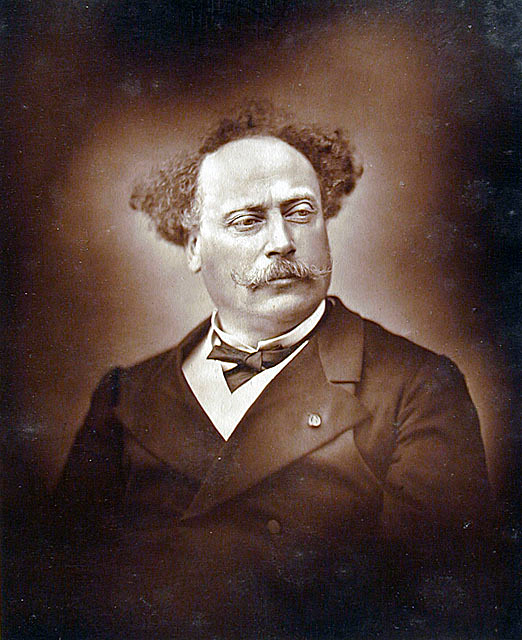
Alexandre
Dumas, fils
Dịch giả: Hải Nguyên
---
Tiếng Pháp:
La Dame aux Camilias
par Alexandre Dumas, fils
---
Tiếng Anh:
Camille
by Alexandre Dumas, fils - Translator: Sir Edmond Gosse (from
French to English) - The Project Gutenberg eBook of Camille
Chương 7
Những
loại bệnh như bệnh của Acmân, có được điều may mắn là sẽ giết chết người bệnh
ngay tức khắc hoặc sẽ được chữa lành rất nhanh chóng.
Mười
lăm ngày sau những biến cố tôi vừa kể trên, Acmân đã bình phục hẳn. Chúng tôi
trở thành hai người bạn rất thân. Trong thời gian anh ốm, tôi thường xuyên có mặt
ở cạnh anh, ngày tại phòng anh.
Mùa
xuân đến đem lại sự tràn ngập của cỏ cây, hoa lá, chim muông và những khúc hát
tình tứ. Cửa sổ phòng bạn tôi mở rộng, nhìn ra khu vườn tươi thắm mà những mùi
hương dịu dàng bay vào tận phòng anh.
Thầy
thuốc cho phép anh được ngồi dậy. Chúng tôi thường ngồi bên cửa sổ được mở rộng
nói chuyện với nhau vào những giờ nắng gay gắt nhất, từ trưa đến hai giờ chiều.
Tôi
giữ gìn không nhắc đến Macgơrit. Tôi luôn sợ cái tên đó sẽ đánh thức một kỷ niệm
buồn bã đã được ru ngủ dưới cái bề ngoài yên lành của bạn tôi. Nhưng Acmân trái
lại, hình như sung sướng được nhắc nhở đến nàng, không phải với một giọt lệ
trong mắt như ngày xưa, mà với một nụ cười hiền lành, làm tôi yên tâm về trạng
thái tâm hồn anh.
Tôi
để ý, từ khi đến thăm nghĩa trang lần cuối, từ khi cảnh tượng bốc mộ gây cho
anh một cơn xúc động dữ dội, sự đau đớn tinh thần nơi anh hình như đã được thay
thế dần dần bởi cơn bệnh thể xác. Cái chết của Macgơrit không còn hịên ra trước
mắt anh trong khung cảnh ngày trước nữa. Một thứ an ủi đã hình thành, sau khi
anh đã biết chắc chắn cái sự thật phũ phàng. Và để đẩy lui hình ảnh đen tối thường
xuất hiện nơi anh, anh đã đi sâu vào những kỷ niệm sung sướng của những ngày
thân ái với Macgơrit, và hình như chỉ còn muốn giữ lại những kỷ niệm đó mà
thôi.
Thân
thể anh bị suy kiệt quá nhiều vì bệnh sốt, ngay cả lúc đã lành bệnh rồi vẫn
không thể cho phép trí óc anh được xúc động mạnh. Và niềm vui mùa xuân của vũ
trụ chung quanh Acmân đã đưa tư tưởng anh trở về với những hình ảnh xinh tươi.
Anh
luôn luôn cưỡng lại, không chịu tin cho gia đình biết chuyện tai biến đã xảy ra
cho anh. Khi anh đã được cứu sống rồi, cha anh vẫn không hề biết gì về bệnh
tình của anh cả.
Một
buổi chiều, chúng tôi ngồi bên cửa sổ lâu hơn thường lệ. Thời tiết thật đẹp. Mặt
trời lặn trong một hoàng hôn xanh tươi và vàng rực. Tuy chúng tôi ở Paris,
nhưng màu xanh bao quanh như đã tách rời chúng tôi khỏi thế giới bên ngoài, và
thỉnh thoảng mới nghe âm vang một chiếc xe nào xa xa vọng đến xen lẫn vào giữa
câu chuyện của chúng tôi.
–
Cũng vào khoảng thời gian này trong năm, vào một buổi chiều như chiều hôm nay
tôi gặp Macgơrit – Acmân nói, anh như đang lắng nghe những ý nghĩ của chính
mình chứ không phải nghe những điều tôi nói với anh.
Tôi
không trả lời.
Anh
quay sang phía tôi, nói tiếp:
–
Thế nào tôi cũng phải kể cho anh nghe câu chuyện này. Anh sẽ viết thành một quyển
sách. Có thể người ta không tin quyển sách đó, nhưng viết nó ra có thể thú vị đấy.
–
Anh sẽ kể cho tôi nghe chuyện đó vào lúc khác, anh bạn ạ, anh chưa được khoẻ lắm
đâu.
–
Buổi chiều nay trời ấm áp tôi ăn hết một con gà gìo – anh nói với tôi và mỉm cười
– Tôi hết sốt rồi. Chúng ta không có việc gì để làm, tôi sẽ kể cho anh nghe tất
cả.
–
Vì anh nhất định muốn thế, tôi xin nghe.
–
Đó là một câu chuyện rất đơn giản. Tôi sẽ kể cho anh theo thứ tự những sự việc
đã xảy ra. Nếu sau này anh có làm một cái gì đó, thì tuỳ ý anh, kể khác đi cũng
được.
Dưới
đây là những điều anh đã kể cho tôi nghe. Và nếu tôi có sửa đổi chăng, thì chỉ
vài ba từ nào đó thôi trong câu chuyện cảm động này.
–
Vâng – Acmân nói và ngả đầu dựa vào lưng ghế bành – Vâng, đó là một buổi chiều
như chiều hôm nay. Tôi đã sống suốt ngày ở đồng quê với một người bạn của tôi,
Gatông R. . . Chiều đến, chúng tôi trở về Paris, và không biết làm gì nữa,
chúng tôi vào nhà hát Variêtê.
Trong
lúc nghỉ giải lao, chúng tôi ra ngoài. Ra đến hành lang, chúng tôi gặp một người
đàn bà đi qua và bạn tôi nghiêng mình chào.
–
Anh chào người nào đó? – tôi hỏi.
–
Macgơrit Gôchiê – bạn tôi đáp.
–
Hình như cô ta thay đổi nhiều, bởi vì tôi không nhận ra được. – Tôi nói với một
cảm xúc mà chốc nữa bạn sẽ hiểu.
–
Cô ta bị bệnh. Cô gái đáng thương ấy sẽ không còn sống lâu lắm đâu.
Tôi
vẫn còn nhớ rõ những lời nói đó, như vừa mới được nói ngày hôm qua đây.
Anh
nên biết, anh bạn thân mến, từ hai năm nay rồi, hình ảnh người con gái ấy, dù
chỉ một lần gặp gỡ, đã để lại nơi tôi một ấn tượng lạ lùng.
Không
hiểu tại sao tôi bỗng tái mặt và tim tôi đập dữ dội. Tôi có nói với một người bạn
thân chuyên về khoa học huyền bí. Anh ta gọi cảm xúc đó của tôi là “ái lực của
những truyền cảm”. Tôi thì nghĩ một cách đơn giản: định mệnh đã buộc tôi trở
thành người phải lòng Macgơrit, và tôi đã tiên cảm được điều đó.
Bao
giờ nàng cũng là người gây cho tôi một ấn tượng đặc biệt. Nhiều bạn thân của
tôi chứng kiến điều đó và cũng đã cười tôi rất nhiều khi biết ấn tượng ấy từ ai
đưa đến.
Lần
đầu tiên tôi thấy nàng là ở quảng trường Buôcx, tại cổng Xuyt. Một cỗ xe dở mui
dừng lại. Một người đàn bà ăn bận toàn màu trắng trên xe bước xuống. Những tiếng
thì thầm khen ngợi nổi lên đón nàng, khi nàng bước vào nhà hàng. Còn tôi như bị
đóng đinh tại chỗ, từ khi nàng đi vào đến khi nàng đi ra. Xuyên qua của kính,
tôi nhìn nàng lựa chọn những thứ nàng đến mua. Tôi có thể bước vào lắm. Nhưng
tôi không dám. Tôi biết người đàn bà ấy là ai, và tôi sợ nàng có thể đoán biết
lý do đã đưa tôi vào nhà hàng và sẽ cảm thấy khó chịu. Tuy nhiên, tôi không
nghĩ rằng tôi sẽ được gặp lại nàng.
Nàng
ăn mặc sang trọng. Một cái áo dài mutxơlin có tuy, một khăn choàng Ấn Độ hình
vuông, bốn góc có thêu hoa và kim tuyến, một nón rơm Italia và một cái khuyên độc
nhất làm bằng một sợi dây chuyền vàng lớn, thời trang của xã hội này.
Nàng
lại lên xe và đi. Một cậu con trai nhà hàng đứng ở cổng dõi mắt nhìn theo cô
khách quan trọng ấy. Tôi tiến lại gần cậu ta và yêu cầu cho biết tên người đàn
bà ấy.
–
Đó là cô Macgơrit Gôchiê – cậu ta trả lời.
Tôi
không dám hỏi địa chỉ và bỏ đi.
Kỷ
niệm về cuộc gặp gỡ ấy – bởi vì nó thật sự là một kỷ niệm – không ra khỏi đầu
óc tôi như nhiều cuộc gặp gỡ khác trước đây. Tôi tìm khắp nơi người đàn bà áo
trắng đẹp không khác gì một nữ hoàng đó.
Vài
ngày sau có một cuộc trình diễn lớn tại Ôpêra Cômic. Tôi đến dự. Người đầu tiên
tôi nhìn thấy trong lô trước sân khấu là Macgơrit Gôchiê.
Người
đàn ông trẻ đi với tôi cũng nhận ra nàng bởi vì anh ta vừa chỉ nàng, vừa nói với
tôi:
–
Xem kìa, một người con gái đẹp.
Vào
lúc đó Macgơrit nhìn về phía chúng tôi. Cô ta thấy bạn tôi và ra hiệu cho anh
ta đến gặp cô.
–
Tôi phải đến chào nàng – anh ta nói – Tôi sẽ trở lại trong chốc lát.
Tôi
không thể không nói với anh ta: “Anh sung sướng thật”.
–
Vì sao?
–
Được đến gặp người đàn bà đó.
–
Anh mê nàng rồi phải không?
–
Không – Tôi nói và đỏ mặt, bởi vì thật sự tôi không biết vì sao mình đã nói thế
– Nhưng tôi rất muốn được quen biết cô ta.
–
Anh đến với tôi, tôi sẽ giới thiệu.
–
Anh hãy xin phép cô ta đã.
–
Ồ! Có gì đâu. Không cần phải mệt trí với nàng, anh cứ đến với tôi.
Điều
anh ta vừa nói làm tôi khó chịu. Tôi run người khi nghĩ đến quả thật Macgơrit
không xứng đáng như tôi nghĩ về nàng.
Có
một câu chuyện ở quyển sách của Anphông Kar, nhan đề “Am Rauschen”: Một chiều một
người đàn ông đi theo một người đàn bà rất sang trọng. Mới gặp lần đầu, anh ta
đã trở thành kẻ si tình. Bởi nàng quá đẹp. Để được hôn bàn tay người đàn bà ấy,
anh cảm thấy có đủ sức mạnh quyết đoán được tất cả, đủ ý chí để chinh phục được
tất cả, đủ can đảm để làm được tất cả. Anh chỉ hơi dám nhìn chiếc bít tất xinh
xắn nơi chân mà nàng vén vạt áo để lộ ra vì sợ vạt áo dài buông chấm đất. Trong
khi anh mơ mộng về tất cả những gì anh phải làm để có được người đàn bà đó, thì
người đàn bà đó chặn anh dừng lại ở một góc đường, và hỏi anh muốn đến nhà nàng
không.
Anh
vội quay mặt đi và băng ngang qua đường buồn bã trở về nhà.
Tôi
nhớ lại câu chuyện đó, và tôi sẵn sàng để được đau khổ vì người đàn bà đó. Tôi
sợ nàng chấp nhận tôi quá nhanh, và trao cho tôi quá nhanh một tình yêu mà tôi
muốn đạt được bằng sự chờ đợi lâu dài hay phải chịu hy sinh một to lớn. Chúng
ta như thế đấy. Chúng ta – những con người! Và sung sướng thật, óc tưởng tượng
đã trao cái thi vị ấy lại cho các giác quan, và những dục vọng của xác thịt đã
chấp nhận sự nhân nhượng đó trước những ước mơ của tâm hồn.
Cuối
cùng, nếu người ta bảo tôi: “Anh sẽ có được người đàn bà ấy chiều nay và ngay
mai anh sẽ bị giết chết”, tôi sẽ chấp nhận. Nếu người ta bảo: “Anh hãy đưa ra
mười ngàn đồng vàng và anh sẽ là tình nhân của người đàn bà ấy”, tôi sẽ từ chối
và khóc. Không khác nào đứa bé khi tỉnh dậy bỗng thấy toà lâu đài ở giấc mơ
trong đêm tối đã tan biến mất rồi.
Tuy
nhiên, tôi muốn được quen biết nàng. Đó là một phương tiện, và đó cũng là
phương tiện độc nhất để tôi hiểu nàng như thế nào.
Tôi
nói với bạn tôi rằng cần được nàng đồng ý việc anh giới thiệu tôi với nàng. Và
tôi đi lại tha thẩn trong hành lang, tưởng tượng lúc nàng sẽ gặp tôi, và tôi
không biết giữ thái độ như thế nào trước cái nhìn của nàng.
Tôi
gắng sắp đặt trước những lời mà tôi sẽ nói với nàng. . .
Tình
yêu thật là một trò trẻ con tuyệt vời và cao cả.
Một
lát sau, bạn tôi lại trở xuống.
“Nàng
đang đợi chúng ta” – anh ta nói với tôi.
–
Chỉ có mình nàng? – tôi hỏi.
–
Có một người đàn bà khác nữa.
–
Không có đàn ông?
–
Không.
Bạn
tôi đi về phía cửa lớn nhà hát.
–
Ồ, không phải ngã đó! – Tôi nói với anh.
–
Chúng ta đi mua một ít quà. Nàng nhờ tôi.
Chúng
tôi đến hàng bán bánh kẹo trong hành lang Ôpêra.
Tôi
như muốn mua hết tất cả cửa hàng này và tôi nhìn xem có thể mua những gì để đặt
vào xách, thì bạn tôi bảo:
–
Nửa cân nho ướp lạnh.
–
Nàng có thích loại nho đó không?
–
Nàng không bao giờ ăn thứ gì khác. Điều này, tôi biết rất rõ.
Chúng
tôi bước ra khỏi cửa hàng. Anh nói tiếp:
–
À, anh biết tôi giới thiệu anh với một người đàn bà như thế nào không? Anh chớ
tưởng đây là một bà quận công. Nàng chỉ là một kỹ nữ với tất cả những gì thật
là phóng đãng, anh bạn thân mến ạ. Anh chẳng phải băn khoăn gì cả. Anh cứ tự do
nói toạc tất cả những ý nghĩ trong đầu anh ra.
–
Được, được! – Tôi ấp úng như thế và đi theo anh ta, tự nhủ thầm: Thế là sự say
mê của tôi sắp chấm dứt.
Khi
tôi bước vào trong lô, Macgơrit đang cười vang. Tôi muốn nàng buồn thì tốt hơn.
Bạn tôi giới thiệu tôi. Macgơrit nghiêng đầu chào tôi và nói:
–
Quà của tôi đâu?
–
Có đây.
Vừa
nhận quà, nàng vừa nhìn tôi. Tôi đưa mắt nhìn xuống, đỏ mặt.
Nàng
nghiêng đầu về phía người bạn gái ngồi gần bên, nói nhỏ vào tai người đó, và cả
hai phá lên cười lớn.
Chắc
chắn tôi là nguyên nhân của chuỗi cười đó. Sự bối rối nơi tôi nhân lên gấp bội.
Vào thời gian ấy, tôi có một người tình nhân, hạng tiểu tư sản, rất dịu dàng và
rất tình cảm. Tâm hồn đa cảm và những bức thư đượm buồn của nàng đã làm cho tôi
phải cười. Giờ đây tôi hiểu sự khó chịu mà tôi đã gây cho nàng, qua sự khó chịu
tôi đang cảm thấy, và trong khoảng năm phút, tôi bỗng yêu nàng hơn bất cứ một
ai có thể yêu một người đàn bà.
Macgơrit
ăn nho, không hề chú ý gì đến tôi cả.
Người
giới thiệu tôi không muốn để tôi trong vị trí đáng buồn cười ấy.
–
Macgơrit – anh nói – cô không nên ngạc nhiên khi thấy ông Đuyvan không nói gì với
cô cả. Cô đã làm cho anh ta điên đầu, đến nỗi anh ta không tìm ra được lời nào
để nói.
–
Tôi lại cứ tưởng ông ấy đã đưa anh đến đây, bởi vì nếu để anh đến đây một mình
thì có lẽ hơi buồn.
–
Nếu điều đó đúng, – tôi tiếp lời – tôi đã không yêu cầu ông Ecnec xin phép cô để
được giới thiệu tôi.
Đó
có thể chỉ là một phương cách để trì hoãn giây phút của định mệnh.
Chỉ
cần sống ít lâu với những cô gái như hạng Macgơrit, người ta sẽ hiểu được cái
thích thú các cô ưa dùng để đánh lệch hướng phán đoán và để trêu ghẹo, những
người các cô mới gặp lần đầu. Đương nhiên, đây là một sự trả thù những sự nhục
mạ mà các cô bắt buộc phải tiếp nhận từ phía những người các cô thường gặp hàng
ngày.
Vì
thế, để trả lời cho các cô, phải có một tập quán nào đó của thế giới các cô.
Cái tập quán đó, tôi không có. Thêm nữa, ý tưởng mà tôi tự tạo ra về Macgơrit
làm cho tôi thêm khó chịu về sự đùa cợt của nàng. Không một cái gì thuộc về người
đàn bà này có thể làm tôi thờ ơ cả. Vì thế, tôi đứng dậy, nói với cô ta bằng một
giọng không bình thường mà tôi không thể che giấu được:
–
Nếu đó là điều mà cô nghĩ về tôi, thưa cô, tôi chỉ còn việc xin cô tha lỗi cho
sự bất nhã của tôi, và xin cô tin chắc điều đó sẽ không lặp lại lần thứ hai.
Thế
là tôi chào và đi ra.
Tôi
vừa đóng cửa lại thì lại nghe một lần thứ ba nữa những tiếng cười phá lên. Lúc ấy
tôi rất muốn được kẻ nào đó thúc mạnh cùi tay vào người.
Tôi
trở về chỗ cũ.
Người
ta rung chuông báo hiệu sắp trình diễn.
Ecnec
trở lại ngồi gần bên tôi.
–
Anh làm sao thế? – anh ta vừa nói vừa ngồi xuống – các ả tưởng anh điên rồi.
–
Macgơrit nói gì khi tôi đã đi?
–
Cô ta cười và nói với tôi, cô ta chưa bao giờ gặp một người lẩn thẩn đến như
anh. Nhưng anh đừng nghĩ là mình đã bị đánh bại. Chỉ nên nhớ rằng đối với những
cô gái đó, anh không nên nghĩ đến danh dự và nề nếp. Các cô ả không hiểu gì về
cái gọi là thanh nhã và lịch sự cả. Đó cũng giống như những con chó mà người ta
tưới nước hoa cho, thế thôi. Chúng nghe mùi nước hoa khó chịu và sẽ lăn tòm xuống
nước để hết hôi.
–
Tóm lại, tôi cũng không cần – tôi gượng đáp với một giọng bình thản – Tôi sẽ
không bao giờ gặp lại người đàn bà đó. Nếu trước kia cô ta đã lôi cuốn tôi khi
tôi chưa biết cô ta, thì giờ đây, sau khi đã gặp cô ta, điều đó khác hẳn rồi.
–
Ồ! Tôi sẽ không ngạc nhiên khi nhìn thấy anh một ngày nào đó sẽ ngồi tận chỗ
trong cùng ở lô của cô ta. Và được nghe tin anh đã phá sản vì cô ta. Đồng ý anh
nói có lý, cô ta là một người mất dạy. Nhưng lại là một tình nhân xinh đẹp!
May
mắn là màn đã kéo lên và bạn tôi không nói nữa.
Kể
lại hôm đó người ta đã trình diễn những gì thì tôi xin chịu. Tất cả những gì
tôi nhớ, đó là thỉnh thoảng tôi lại đưa mắt nhìn lại nơi lô mà tôi vừa đột ngột
từ giã; ở đó các khuôn mặt những người khách mới cứ lần lượt kế tiếp nhau xuất
hiện.
Tuy
nhiên, tôi không thể nào không nghĩ đến Macgơrit. Một thứ tình cảm khác xâm chiếm
lấy tôi. Tôi phải làm điều đó để quên đi sự nhục mạ của nàng và cái đáng buồn
cười của tôi. Tôi tự nhủ, tôi sẵn sàng, bỏ hết của cải để có được người con gái
ấy và cái quyền giữ lại chỗ ngồi mà tôi vừa vội vàng từ bỏ.
Trước
khi buổi trình diễn chấm dứt, Macgơrit và người bạn gái của cô đã rời lô đi ra.
Ngoài
ý muốn, tôi cũng rời bỏ chỗ ngồi của tôi.
–
Anh về à? – Enec hỏi tôi.
–
Vâng.
–
Tại sao?
Ngay
lúc đó anh ta nhận thấy không còn ai ở trong lô của Macgơrit nữa, liền bảo:
–
Đi đi, chúc may mắn, hay đúng hơn là chúc anh may mắn hơn.
Tôi
bước ra.
Tôi
nghe ở cầu thang tiếng áo xào xạc và tiếng người nói cười. Tôi đứng sang một
bên và nhìn thấy hai người đàn bà bước ra cùng hai thanh niên. Họ không nhìn thấy
tôi.
Tại
tầng dười nhà hát, một thằng bé giúp việc tiến đến bên các ả.
–
Chú hãy bảo người đánh xe chờ ở hiệu cà phê Ănglê
–
Macgơrit nói – Chúng tôi sẽ đi bộ đến đó.
Vài
phút sau, đang đi như rình mò trên đường phố, tôi nhìn thấy qua cửa sổ một
phòng lớn khách sạn, Macgơrit dựa vào bao lơn, tỉa từng cánh một bông hoa trà ở
bó hoa của nàng.
Một
trong hai chàng thanh niên đi cùng nàng đang cúi xuống bên nàng và nói chuyện
thì thầm với nàng.
Tôi
vào nhà hàng, ngồi trong một phòng khách tầng thứ nhất, mắt không rời khung cửa
sổ nói trên.
Vào
một giờ sáng, Macgơrit lên xe với ba người bạn của mình.
Tôi
cũng lên một chiếc xe nhỏ và cho đi theo nàng.
Chiếc
xe dừng ở số 9 đường Antin.
Macgơrit
bước xuống xe và một mình đi vào nhà.
Dĩ
nhiên đó là một sự tình cờ. Nhưng sự tình cờ này làm cho tôi rất sung sướng.
Kể
từ ngày hôm đó tôi thường gặp mặt Macgơrit tại các nhà hát và quảng trường Xăng
Êlidê. Luôn luôn vẫn niềm vui tươi đó ở nàng và luôn luôn vẫn sự xúc động đó đối
với tôi.
Mười
lăm ngày trôi qua, tôi không gặp nàng ở đâu cả. Tôi tìm gặp Gatông hỏi thăm tin
tức về nàng.
–
Cô gái đáng thương đó đang bị bệnh – anh ta trả lời.
–
Cô ta bị bệnh gì?
–
Cô ta bị đau ngực. Cuộc sống của cô ta không cho phép cô ta lành bệnh được. Hiện
cô ta nằm liệt giường, nói đúng ra, cô đang chết dần.
Trái
tim thật lạ lùng.
Tôi
gần như cảm thấy thoả mãn trước căn bệnh của nàng.
Ngày
nào, tôi cũng đến hỏi thăm tin tức và bệnh tình của nàng, nhưng không bao giờ
ghi tên hoặc để danh thiếp lại. Vì thế, tôi được biết nàng đã bình phục và sắp
đi Banhêe dưỡng bệnh.
Thế
rồi, một thời gian trôi qua. Ấn tượng – nếu không phải là kỷ niệm – có vẻ như
phai mờ dần trong tâm trí tôi. Tôi đi du lịch. Những tập quán, những công việc
thế chỗ cho cái ý nghĩ kia. Nghĩ đến cuộc gặp gỡ đầu tiên đó, tôi chỉ thấy đây
là một trong những đam mê thường có khi người ta còn trẻ và sau này nghĩ lại
người ta sẽ mỉm cười.
Vả
chăng, thắng được kỷ niệm đó cũng chẳng có vinh dự gì. Bởi vì tôi đã đánh mất
hình ảnh Macgơrit từ khi nàng ra đi; và như tôi đã nói với bạn điều đó, khi
nàng đi qua bên tôi trong hành lang ở Variêtê, tôi không nhận ra nàng nữa.
Nàng
mang một tấm voan, đúng vậy.
Nhưng
trước đây, hai năm trước đây, nếu nàng có che giấu mặt nàng bằng cách nào, tôi
cũng vẫn nhận ra nàng.
Điều
này không thể ngăn tim tôi đập mạnh, khi tôi biết đó là nàng. Hai năm trôi qua
không gặp nàng và những điều mà sự xa cách đó đã đem lại vụt chốc tan biến ngay
như sương khói khi tay tôi chạm khẽ vạt áo nàng.
➖➖➖
Phần tiếng Pháp
La
Dame aux Camilias par Alexandre Dumas, fils
---
Chapitre VII
Les maladies comme celle dont Armand avait été
atteint ont cela d'agréable qu'elles tuent sur le coup ou se laissent vaincre
très vite.
Quinze
jours après les événements que je viens de raconter, Armand était en pleine
convalescence, et nous étions liés d'une étroite amitié. À peine si j'avais
quitté sa chambre tout le temps qu'avait duré sa maladie.
Le
printemps avait semé à profusion ses fleurs, ses feuilles, ses oiseaux, ses
chansons, et la fenêtre de mon ami s'ouvrait gaiement sur son jardin dont les
saines exhalaisons montaient jusqu'à lui.
Le
médecin avait permis qu'il se levât, et nous restions souvent à causer, assis
auprès de la fenêtre ouverte à l'heure où le soleil est le plus chaud, de midi
à deux heures.
Je
me gardais bien de l'entretenir de Marguerite, craignant toujours que ce nom ne
réveillât un triste souvenir endormi sous le calme apparent du malade; mais
Armand, au contraire, semblait prendre plaisir à parler d'elle, non plus comme
autrefois, avec des larmes dans les yeux, mais avec un doux sourire qui me
rassurait sur l'état de son âme.
J'avais
remarqué que, depuis sa dernière visite au cimetière, depuis le spectacle qui
avait déterminé en lui cette crise violente, la mesure de la douleur morale
semblait avoir été comblée par la maladie, et que la mort de Marguerite ne lui
apparaissait plus sous l'aspect du passé. Une sorte de consolation était
résultée de la certitude acquise, et pour chasser l'image sombre qui se
représentait souvent à lui, il s'enfonçait dans les souvenirs heureux de sa
liaison avec Marguerite, et ne semblait plus vouloir accepter que ceux-là.
Le
corps était trop épuisé par l'atteinte et même par la guérison de la fièvre
pour permettre à l'esprit une émotion violente, et la joie printanière et
universelle dont Armand était entouré reportait malgré lui sa pensée aux images
riantes.
Il
s'était toujours obstinément refusé à informer sa famille du danger qu'il
courait, et, lorsqu'il avait été sauvé, son père ignorait encore sa maladie.
Un
soir, nous étions restés à la fenêtre plus tard que de coutume; le temps avait
été magnifique et le soleil s'endormait dans un crépuscule éclatant d'azur et
d'or. Quoique nous fussions dans Paris, la verdure qui nous entourait semblait
nous isoler du monde, et à peine si, de temps en temps, le bruit d'une voiture
troublait notre conversation.
--C'est
à peu près à cette époque de l'année et le soir d'un jour comme celui-ci que je
connus Marguerite, me dit Armand, écoutant ses propres pensées et non ce que je
lui disais.
Je
ne répondis rien. Alors, il se retourna vers moi, et me dit:
--Il
faut pourtant que je vous raconte cette histoire; vous en ferez un livre auquel
on ne croira pas, mais qui sera peut-être intéressant à faire.
--Vous
me conterez cela plus tard, mon ami, lui dis-je; vous n'êtes pas encore assez
bien rétabli.
--La
soirée est chaude, j'ai mangé mon blanc de poulet, me dit-il en souriant; je
n'ai pas la fièvre, nous n'avons rien à faire, je vais tout vous dire.
--Puisque
vous le voulez absolument, j'écoute.
--C'est
une bien simple histoire, ajouta-t-il alors, et que je vous raconterai en
suivant l'ordre des événements. Si vous en faites quelque chose plus tard,
libre à vous de la conter autrement.
Voici
ce qu'il me raconta, et c'est à peine si j'ai changé quelques mots à ce
touchant récit.
--Oui,
reprit Armand, en laissant retomber sa tête sur le dos de son fauteuil, oui,
c'était par une soirée comme celle-ci! J'avais passé ma journée à la campagne
avec un de mes amis, Gaston R... Le soir, nous étions revenus à Paris, et, ne
sachant que faire, nous étions entrés au théâtre des Variétés.
Pendant
un entr'acte nous sortîmes, et, dans le corridor, nous vîmes passer une grande
femme que mon ami salua.
--Qui
saluez-vous donc là? lui demandai-je.
--Marguerite
Gautier, me dit-il.
--Il
me semble qu'elle est bien changée, car je ne l'ai pas reconnue, dis-je avec
une émotion que vous comprendrez tout à l'heure.
--Elle
a été malade; la pauvre fille n'ira pas loin.
Je
me rappelle ces paroles comme si elles m'avaient été dites hier.
Il
faut que vous sachiez, mon ami, que depuis deux ans la vue de cette fille,
lorsque je la rencontrais, me causait une impression étrange.
Sans
que je susse pourquoi, je devenais pâle et mon cœur battait violemment. J'ai un
de mes amis qui s'occupe de sciences occultes, et qui appellerait ce que
j'éprouvais l'affinité des fluides; moi, je crois tout simplement que j'étais
destiné à devenir amoureux de Marguerite, et que je le pressentais.
Toujours
est-il qu'elle me causait une impression réelle, que plusieurs de mes amis en
avaient été témoins, et qu'ils avaient beaucoup ri en reconnaissant de qui
cette impression me venait.
La
première fois que je l'avais vue, c'était place de la Bourse, à la porte de
Susse. Une calèche découverte y stationnait, et une femme vêtue de blanc en
était descendue. Un murmure d'admiration avait accueilli son entrée dans le
magasin. Quant à moi, je restai cloué à ma place, depuis le moment où elle
entra jusqu'au moment où elle sortit. À travers les vitres, je la regardai
choisir dans la boutique ce qu'elle venait y acheter. J'aurais pu entrer, mais
je n'osais. Je ne savais quelle était cette femme, et je craignais qu'elle ne
devinât la cause de mon entrée dans le magasin et ne s'en offensât. Cependant
je ne me croyais pas appelé à la revoir.
Elle
était élégamment vêtue; elle portait une robe de mousseline tout entourée de
volants, un châle de l'Inde carré aux coins brodés d'or et de fleurs de soie,
un chapeau de paille d'Italie et un unique bracelet, grosse chaîne d'or dont la
mode commençait à cette époque.
Elle
remonta dans sa calèche et partit.
Un
des garçons du magasin resta sur la porte, suivant des yeux la voiture de
l'élégante acheteuse. Je m'approchai de lui et le priai de me dire le nom de
cette femme.
--C'est
mademoiselle Marguerite Gautier, me répondit-il.
Je
n'osai pas lui demander l'adresse, et je m'éloignai.
Le
souvenir de cette vision, car c'en était une véritable, ne me sortit pas de
l'esprit, comme bien des visions que j'avais eues déjà, et je cherchais partout
cette femme blanche si royalement belle.
À
quelques jours de là, une grande représentation eut lieu à l'Opéra-Comique. J'y
allai. La première personne que j'aperçus dans une loge d'avant-scène de la
galerie fut Marguerite Gautier.
Le
jeune homme avec qui j'étais la reconnut aussi, car il me dit, en me la
nommant:
--Voyez
donc cette jolie fille.
En
ce moment, Marguerite lorgnait de notre côté; elle aperçut mon ami, lui sourit
et lui fit signe de venir lui faire visite.
--Je
vais lui dire bonsoir, me dit-il, et je reviens dans un instant.
Je
ne pus m'empêcher de lui dire:
--Vous
êtes bien heureux!
--De
quoi?
--D'aller
voir cette femme.
--Est-ce
que vous en êtes amoureux?
--Non,
dis-je en rougissant, car je ne savais vraiment pas à quoi m'en tenir
là-dessus; mais je voudrais bien la connaître.
--Venez
avec moi, je vous présenterai.
--Demandez-lui-en
d'abord la permission.
--Ah!
Pardieu, il n'y a pas besoin de se gêner avec elle; venez.
Ce
qu'il disait là me faisait peine. Je tremblais d'acquérir la certitude que
Marguerite ne méritait pas ce que j'éprouvais pour elle.
Il
y a dans un livre d'Alphonse Karr, intitulé: Am Rauchen, un homme qui suit, le
soir, une femme très élégante, et dont, à la première vue, il est devenu
amoureux, tant elle est belle. Pour baiser la main de cette femme, il se sent
la force de tout entreprendre, la volonté de tout conquérir, le courage de tout
faire. À peine s'il ose regarder le bas de jambe coquet qu'elle dévoile pour ne
pas souiller sa robe au contact de la terre. Pendant qu'il rêve à tout ce qu'il
ferait pour posséder cette femme, elle l'arrête au coin d'une rue et lui
demande s'il veut monter chez elle.
Il
détourne la tête, traverse la rue et rentre tout triste chez lui.
Je
me rappelais cette étude, et moi qui aurais voulu souffrir pour cette femme, je
craignais qu'elle ne m'acceptât trop vite et ne me donnât trop promptement un
amour que j'eusse voulu payer d'une longue attente ou d'un grand sacrifice.
Nous sommes ainsi, nous autres hommes; et il est bien heureux que l'imagination
laisse cette poésie aux sens, et que les désirs du corps fassent cette
concession aux rêves de l'âme.
Enfin,
on m'eût dit: vous aurez cette femme ce soir, et vous serez tué demain, j'eusse
accepté. On m'eût dit: donnez dix louis, et vous serez son amant, j'eusse
refusé et pleuré, comme un enfant qui voit s'évanouir au réveil le château
entrevu la nuit.
Cependant,
je voulais la connaître; c'était un moyen, et même le seul, de savoir à quoi
m'en tenir sur son compte.
Je
dis donc à mon ami que je tenais à ce qu'elle lui accordât la permission de me
présenter, et je rôdai dans les corridors, me figurant qu'à partir de ce moment
elle allait me voir, et que je ne saurais quelle contenance prendre sous son
regard.
Je
tâchais de lier à l'avance les paroles que j'allais lui dire.
Quel
sublime enfantillage que l'amour!
Un
instant après mon ami redescendit.
--Elle
nous attend, me dit-il.
--Est-elle
seule? Demandai-je.
--Avec
une autre femme.
--Il
n'y a pas d'hommes?
--Non.
--Allons.
Mon
ami se dirigea vers la porte du théâtre.
--Eh
bien, ce n'est pas par là, lui dis-je.
--Nous
allons chercher des bonbons. Elle m'en a demandé.
Nous
entrâmes chez un confiseur du passage de l'Opéra.
J'aurais
voulu acheter toute la boutique, et je regardais même de quoi l'on pouvait
composer le sac, quand mon ami demanda:
--Une
livre de raisins glacés.
--Savez-vous
si elle les aime?
--Elle
ne mange jamais d'autres bonbons, c'est connu.
«Ah!
continua-t-il quand nous fûmes sortis, savez-vous à quelle femme je vous
présente? Ne vous figurez pas que c'est à une duchesse, c'est tout simplement à
une femme entretenue, tout ce qu'il y a de plus entretenue, mon cher; ne vous
gênez donc pas, et dites tout ce qui vous passera par la tête.
--Bien,
bien, balbutiai-je, et je le suivis, en me disant que j'allais me guérir de ma
passion.
Quand
j'entrai dans la loge, Marguerite riait aux éclats.
J'aurais
voulu qu'elle fût triste.
Mon
ami me présenta. Marguerite me fit une légère inclination de tête, et dit:
--Et
mes bonbons?
--Les
voici.
En
les prenant, elle me regarda. Je baissai les yeux, je rougis.
Elle
se pencha à l'oreille de sa voisine, lui dit quelques mots tout bas, et toutes
deux éclatèrent de rire.
Bien
certainement j'étais la cause de cette hilarité; mon embarras en redoubla. À
cette époque, j'avais pour maîtresse une petite bourgeoise fort tendre et fort
sentimentale, dont le sentiment et les lettres mélancoliques me faisaient rire.
Je compris le mal que j'avais dû lui faire par celui que j'éprouvais, et,
pendant cinq minutes, je l'aimai comme jamais on n'aima une femme.
Marguerite
mangeait ses raisins sans plus s'occuper de moi.
Mon
introducteur ne voulut pas me laisser dans cette position ridicule.
--Marguerite,
fit-il, il ne faut pas vous étonner si M. Duval ne vous dit rien, vous le
bouleversez tellement qu'il ne trouve pas un mot.
--Je
crois plutôt que monsieur vous a accompagné ici parce que cela vous ennuyait
d'y venir seul.
--Si
cela était vrai, dis-je à mon tour, je n'aurais pas prié Ernest de vous
demander la permission de me présenter.
--Ce
n'était peut-être qu'un moyen de retarder le moment fatal.
Pour
peu que l'on ait vécu avec les filles du genre de Marguerite, on sait le
plaisir qu'elles prennent à faire de l'esprit à faux et à taquiner les gens
qu'elles voient pour la première fois. C'est sans doute une revanche des
humiliations qu'elles sont souvent forcées de subir de la part de ceux qu'elles
voient tous les jours.
Aussi
faut-il pour leur répondre une certaine habitude de leur monde, habitude que je
n'avais pas; puis, l'idée que je m'étais faite de Marguerite m'exagéra sa
plaisanterie. Rien ne m'était indifférent de la part de cette femme. Aussi je
me levai en lui disant, avec une altération de voix qu'il me fut impossible de
cacher complètement:
--Si
c'est là ce que vous pensez de moi, madame, il ne me reste plus qu'à vous
demander pardon de mon indiscrétion, et à prendre congé de vous en vous
assurant qu'elle ne se renouvellera pas.
Là-dessus,
je saluai et je sortis.
À
peine eus-je fermé la porte, que j'entendis un troisième éclat de rire.
J'aurais bien voulu que quelqu'un me coudoyât en ce moment.
Je
retournai à ma stalle.
On
frappa le lever de la toile.
Ernest
revint auprès de moi.
--Comme
vous y allez! me dit-il en s'asseyant; elles vous croient fou.
--Qu'a
dit Marguerite, quand j'ai été parti?
--Elle
a ri et m'a assuré qu'elle n'avait jamais rien vu d'aussi drôle que vous. Mais
il ne faut pas vous tenir pour battu; seulement ne faites pas à ces filles-là
l'honneur de les prendre au sérieux. Elles ne savent pas ce que c'est que
l'élégance et la politesse; c'est comme les chiens auxquels on met des parfums,
ils trouvent que cela sent mauvais et vont se rouler dans le ruisseau.
--Après
tout, que m'importe? dis-je en essayant de prendre un ton dégagé, je ne
reverrai jamais cette femme, et si elle me plaisait avant que je la connusse,
c'est bien changé maintenant que je la connais.
--Bah!
je ne désespère pas de vous voir un jour dans le fond de sa loge, et d'entendre
dire que vous vous ruinez pour elle. Du reste, vous aurez raison, elle est mal
élevée, mais c'est une jolie maîtresse à avoir.
Heureusement,
on leva le rideau et mon ami se tut. Vous dire ce que l'on jouait me serait
impossible. Tout ce que je me rappelle, c'est que de temps en temps je levais
les yeux sur la loge que j'avais si brusquement quittée, et que des figures de
visiteurs nouveaux s'y succédaient à chaque instant.
Cependant,
j'étais loin de ne plus penser à Marguerite. Un autre sentiment s'emparait de
moi. Il me semblait que j'avais son insulte et mon ridicule à faire oublier; je
me disais que, dussé-je y dépenser ce que je possédais, j'aurais cette fille et
prendrais de droit la place que j'avais abandonnée si vite.
Avant
que le spectacle fût terminé, Marguerite et son amie quittèrent leur loge.
Malgré
moi, je quittai ma stalle.
--Vous
vous en allez? me dit Ernest.
--Oui.
--Pourquoi?
En
ce moment, il s'aperçut que la loge était vide.
--Allez,
allez, dit-il, et bonne chance, ou plutôt meilleure chance.
Je
sortis.
J'entendis
dans l'escalier des frôlements de robes et des bruits de voix. Je me mis à
l'écart et je vis passer, sans être vu, les deux femmes et les deux jeunes gens
qui les accompagnaient.
Sous
le péristyle du théâtre se présenta à elles un petit domestique.
--Va
dire au cocher d'attendre à la porte du café Anglais, dit Marguerite; nous
irons à pied jusque-là.
Quelques
minutes après, en rôdant sur le boulevard, je vis, à une fenêtre d'un des
grands cabinets du restaurant, Marguerite, appuyée sur le balcon, effeuillant
un à un les camélias de son bouquet.
Un
des deux hommes était penché sur son épaule et lui parlait tout bas.
J'allai
m'installer à la Maison d'Or, dans les salons du premier étage, et je ne perdis
pas de vue la fenêtre en question.
À
une heure du matin, Marguerite remontait dans sa voiture avec ses trois amis.
Je
pris un cabriolet et je la suivis.
La
voiture s'arrêta rue d'Antin, nº 9.
Marguerite
en descendit et rentra seule chez elle.
C'était
sans doute un hasard, mais ce hasard me rendit bien heureux.
À
partir de ce jour, je rencontrai souvent Marguerite au spectacle, aux Champs-Elysées.
Toujours même gaieté chez elle, toujours même émotion chez moi.
Quinze
jours se passèrent cependant sans que je la revisse nulle part. Je me trouvai
avec Gaston, à qui je demandai de ses nouvelles.
--La
pauvre fille est bien malade, me répondit-il.
--Qu'a-t-elle
donc?
--Elle
a qu'elle est poitrinaire, et que, comme elle a fait une vie qui n'est pas
destinée à la guérir, elle est dans son lit et qu'elle se meurt.
Le
cœur est étrange; je fus presque content de cette maladie.
J'allai
tous les jours savoir des nouvelles de la malade, sans cependant m'inscrire, ni
laisser ma carte. J'appris ainsi sa convalescence et son départ pour Bagnères.
Puis,
le temps s'écoula, l'impression, sinon le souvenir, parut s'effacer peu à peu
de mon esprit. Je voyageai; des liaisons, des habitudes, des travaux prirent la
place de cette pensée, et, lorsque je songeais à cette première aventure, je ne
voulais voir ici qu'une de ces passions comme on en a lorsque l'on est tout
jeune, et dont on rit peu de temps après.
Du
reste, il n'y aurait pas eu de mérite à triompher de ce souvenir, car j'avais
perdu Marguerite de vue depuis son départ, et, comme je vous l'ai dit, quand
elle passa près de moi, dans le corridor des Variétés, je ne la reconnus pas.
Elle
était voilée, il est vrai; mais si voilée qu'elle eût été, deux ans plus tôt,
je n'aurais pas eu besoin de la voir pour la reconnaître: je l'aurais devinée.
Ce
qui n'empêcha pas mon cœur de battre quand je sus que c'était elle; et les deux
années passées sans la voir et les résultats que cette séparation avait paru
amener s'évanouirent dans la même fumée au seul toucher de sa robe.
➖➖➖
Phần tiếng Anh
Camille
by Alexandre Dumas, fils - Translator: Sir Edmond Gosse (from
French to English) - The Project Gutenberg eBook of Camille
---
Chapter VII
Illnesses
like Armand’s have one fortunate thing about them: they either kill outright or
are very soon overcome. A fortnight after the events which I have just related
Armand was convalescent, and we had already become great friends. During the
whole course of his illness I had hardly left his side.
Spring
was profuse in its flowers, its leaves, its birds, its songs; and my friend’s
window opened gaily upon his garden, from which a reviving breath of health
seemed to come to him. The doctor had allowed him to get up, and we often sat
talking at the open window, at the hour when the sun is at its height, from
twelve to two. I was careful not to refer to Marguerite, fearing lest the name
should awaken sad recollections hidden under the apparent calm of the invalid;
but Armand, on the contrary, seemed to delight in speaking of her, not as
formerly, with tears in his eyes, but with a sweet smile which reassured me as
to the state of his mind.
I
had noticed that ever since his last visit to the cemetery, and the sight which
had brought on so violent a crisis, sorrow seemed to have been overcome by
sickness, and Marguerite’s death no longer appeared to him under its former
aspect. A kind of consolation had sprung from the certainty of which he was now
fully persuaded, and in order to banish the sombre picture which often
presented itself to him, he returned upon the happy recollections of his
liaison with Marguerite, and seemed resolved to think of nothing else.
The
body was too much weakened by the attack of fever, and even by the process of
its cure, to permit him any violent emotions, and the universal joy of spring
which wrapped him round carried his thoughts instinctively to images of joy. He
had always obstinately refused to tell his family of the danger which he had
been in, and when he was well again his father did not even know that he had
been ill.
One
evening we had sat at the window later than usual; the weather had been superb,
and the sun sank to sleep in a twilight dazzling with gold and azure. Though we
were in Paris, the verdure which surrounded us seemed to shut us off from the
world, and our conversation was only now and again disturbed by the sound of a
passing vehicle.
“It
was about this time of the year, on the evening of a day like this, that I
first met Marguerite,” said Armand to me, as if he were listening to his own
thoughts rather than to what I was saying. I did not answer. Then turning
toward me, he said:
“I
must tell you the whole story; you will make a book out of it; no one will
believe it, but it will perhaps be interesting to do.”
“You
will tell me all about it later on, my friend,” I said to him; “you are not
strong enough yet.”
“It
is a warm evening, I have eaten my ration of chicken,” he said to me, smiling;
“I have no fever, we have nothing to do, I will tell it to you now.”
“Since
you really wish it, I will listen.”
This
is what he told me, and I have scarcely changed a word of the touching story.
Yes
(Armand went on, letting his head sink back on the chair), yes, it was just
such an evening as this. I had spent the day in the country with one of my
friends, Gaston R—. We returned to Paris in the evening, and not knowing what
to do we went to the Variétés. We went out during one of the entr’actes, and a
tall woman passed us in the corridor, to whom my friend bowed.
“Whom
are you bowing to?” I asked.
“Marguerite
Gautier,” he said.
“She
seems much changed, for I did not recognise her,” I said, with an emotion that
you will soon understand.
“She
has been ill; the poor girl won’t last long.”
I
remember the words as if they had been spoken to me yesterday.
I
must tell you, my friend, that for two years the sight of this girl had made a
strange impression on me whenever I came across her. Without knowing why, I
turned pale and my heart beat violently. I have a friend who studies the occult
sciences, and he would call what I experienced “the affinity of fluids”; as for
me, I only know that I was fated to fall in love with Marguerite, and that I
foresaw it.
It
is certainly the fact that she made a very definite impression upon me, that
many of my friends had noticed it and that they had been much amused when they
saw who it was that made this impression upon me.
The
first time I ever saw her was in the Place de la Bourse, outside Susse’s; an
open carriage was stationed there, and a woman dressed in white got down from
it. A murmur of admiration greeted her as she entered the shop. As for me, I
was rivetted to the spot from the moment she went in till the moment when she
came out again. I could see her through the shop windows selecting what she had
come to buy. I might have gone in, but I dared not. I did not know who she was,
and I was afraid lest she should guess why I had come in and be offended.
Nevertheless, I did not think I should ever see her again.
She
was elegantly dressed; she wore a muslin dress with many flounces, an Indian
shawl embroidered at the corners with gold and silk flowers, a straw hat, a
single bracelet, and a heavy gold chain, such as was just then beginning to be
the fashion.
She
returned to her carriage and drove away. One of the shopmen stood at the door
looking after his elegant customer’s carriage. I went up to him and asked him
what was the lady’s name.
“Mademoiselle
Marguerite Gautier,” he replied. I dared not ask him for her address, and went
on my way.
The
recollection of this vision, for it was really a vision, would not leave my
mind like so many visions I had seen, and I looked everywhere for this royally
beautiful woman in white.
A
few days later there was a great performance at the Opera Comique. The first
person I saw in one of the boxes was Marguerite Gautier.
The
young man whom I was with recognised her immediately, for he said to me,
mentioning her name: “Look at that pretty girl.”
At
that moment Marguerite turned her opera-glass in our direction and, seeing my
friend, smiled and beckoned to him to come to her.
“I
will go and say ‘How do you do?’ to her,” he said, “and will be back in a
moment.”
“I
could not help saying ‘Happy man!’”
“Why?”
“To
go and see that woman.”
“Are
you in love with her?”
“No,”
I said, flushing, for I really did not know what to say; “but I should very
much like to know her.”
“Come
with me. I will introduce you.”
“Ask
her if you may.”
“Really,
there is no need to be particular with her; come.”
What
he said troubled me. I feared to discover that Marguerite was not worthy of the
sentiment which I felt for her.
In
a book of Alphonse Karr entitled Am Rauchen, there is a man who one evening
follows a very elegant woman, with whom he had fallen in love with at first
sight on account of her beauty. Only to kiss her hand he felt that he had the
strength to undertake anything, the will to conquer anything, the courage to
achieve anything. He scarcely dares glance at the trim ankle which she shows as
she holds her dress out of the mud. While he is dreaming of all that he would
do to possess this woman, she stops at the corner of the street and asks if he
will come home with her. He turns his head, crosses the street, and goes sadly
back to his own house.
I
recalled the story, and, having longed to suffer for this woman, I was afraid
that she would accept me too promptly and give me at once what I fain would
have purchased by long waiting or some great sacrifice. We men are built like
that, and it is very fortunate that the imagination lends so much poetry to the
senses, and that the desires of the body make thus such concession to the
dreams of the soul. If anyone had said to me, You shall have this woman
to-night and be killed tomorrow, I would have accepted. If anyone had said to
me, you can be her lover for ten pounds, I would have refused. I would have
cried like a child who sees the castle he has been dreaming about vanish away
as he awakens from sleep.
All
the same, I wished to know her; it was my only means of making up my mind about
her. I therefore said to my friend that I insisted on having her permission to
be introduced to her, and I wandered to and fro in the corridors, saying to
myself that in a moment’s time she was going to see me, and that I should not
know which way to look. I tried (sublime childishness of love!) to string
together the words I should say to her.
A
moment after my friend returned. “She is expecting us,” he said.
“Is
she alone?” I asked.
“With
another woman.”
“There
are no men?”
“No.”
“Come,
then.”
My
friend went toward the door of the theatre.
“That
is not the way,” I said.
“We
must go and get some sweets. She asked me for some.”
We
went into a confectioner’s in the passage de l’Opera. I would have bought the
whole shop, and I was looking about to see what sweets to choose, when my
friend asked for a pound of raisins glaces.
“Do
you know if she likes them?”
“She
eats no other kind of sweets; everybody knows it.
“Ah,”
he went on when we had left the shop, “do you know what kind of woman it is
that I am going to introduce you to? Don’t imagine it is a duchess. It is
simply a kept woman, very much kept, my dear fellow; don’t be shy, say anything
that comes into your head.”
“Yes,
yes,” I stammered, and I followed him, saying to myself that I should soon cure
myself of my passion.
When
I entered the box Marguerite was in fits of laughter. I would rather that she
had been sad. My friend introduced me; Marguerite gave me a little nod, and
said, “And my sweets?”
“Here
they are.”
She
looked at me as she took them. I dropped my eyes and blushed.
She
leaned across to her neighbour and said something in her ear, at which both
laughed. Evidently I was the cause of their mirth, and my embarrassment
increased. At that time I had as mistress a very affectionate and sentimental
little person, whose sentiment and whose melancholy letters amused me greatly.
I realized the pain I must have given her by what I now experienced, and for
five minutes I loved her as no woman was ever loved.
Marguerite
ate her raisins glaces without taking any more notice of me. The friend who had
introduced me did not wish to let me remain in so ridiculous a position.
“Marguerite,”
he said, “you must not be surprised if M. Duval says nothing: you overwhelm him
to such a degree that he can not find a word to say.”
“I
should say, on the contrary, that he has only come with you because it would
have bored you to come here by yourself.”
“If
that were true,” I said, “I should not have begged Ernest to ask your
permission to introduce me.”
“Perhaps
that was only in order to put off the fatal moment.”
However
little one may have known women like Marguerite, one can not but know the
delight they take in pretending to be witty and in teasing the people whom they
meet for the first time. It is no doubt a return for the humiliations which
they often have to submit to on the part of those whom they see every day.
To
answer them properly, one requires a certain knack, and I had not had the
opportunity of acquiring it; besides, the idea that I had formed of Marguerite
accentuated the effects of her mockery. Nothing that came from her was
indifferent to me. I rose to my feet, saying in an altered voice, which I could
not entirely control:
“If
that is what you think of me, madame, I have only to ask your pardon for my
indiscretion, and to take leave of you with the assurance that it shall not
occur again.”
Thereupon
I bowed and quitted the box. I had scarcely closed the door when I heard a
third peal of laughter. It would not have been well for anybody who had elbowed
me at that moment.
I
returned to my seat. The signal for raising the curtain was given. Ernest came
back to his place beside me.
“What
a way you behaved!” he said, as he sat down. “They will think you are mad.”
“What
did Marguerite say after I had gone?”
“She
laughed, and said she had never seen anyone so funny. But don’t look upon it as
a lost chance; only do not do these women the honour of taking them seriously.
They do not know what politeness and ceremony are. It is as if you were to
offer perfumes to dogs—they would think it smelled bad, and go and roll in the
gutter.”
“After
all, what does it matter to me?” I said, affecting to speak in a nonchalant
way. “I shall never see this woman again, and if I liked her before meeting
her, it is quite different now that I know her.”
“Bah!
I don’t despair of seeing you one day at the back of her box, and of hearing
that you are ruining yourself for her. However, you are right, she hasn’t been
well brought up; but she would be a charming mistress to have.”
Happily,
the curtain rose and my friend was silent. I could not possibly tell you what
they were acting. All that I remember is that from time to time I raised my
eyes to the box I had quitted so abruptly, and that the faces of fresh visitors
succeeded one another all the time.
I
was far from having given up thinking about Marguerite. Another feeling had
taken possession of me. It seemed to me that I had her insult and my absurdity
to wipe out; I said to myself that if I spent every penny I had, I would win
her and win my right to the place I had abandoned so quickly.
Before
the performance was over Marguerite and her friend left the box. I rose from my
seat.
“Are
you going?” said Ernest.
“Yes.”
“Why?”
At
that moment he saw that the box was empty.
“Go,
go,” he said, “and good luck, or rather better luck.”
I
went out.
I
heard the rustle of dresses, the sound of voices, on the staircase. I stood
aside, and, without being seen, saw the two women pass me, accompanied by two
young men. At the entrance to the theatre they were met by a footman.
“Tell
the coachman to wait at the door of the Café Anglais,” said Marguerite. “We
will walk there.”
A
few minutes afterward I saw Marguerite from the street at a window of one of
the large rooms of the restaurant, pulling the camellias of her bouquet to
pieces, one by one. One of the two men was leaning over her shoulder and
whispering in her ear. I took up my position at the Maison-d’or, in one of the
first-floor rooms, and did not lose sight of the window for an instant. At one
in the morning Marguerite got into her carriage with her three friends. I took
a cab and followed them. The carriage stopped at No. 9, Rue d’Antin. Marguerite
got out and went in alone. It was no doubt a mere chance, but the chance filled
me with delight.
From
that time forward, I often met Marguerite at the theatre or in the
Champs-Elysées. Always there was the same gaiety in her, the same emotion in
me.
At
last a fortnight passed without my meeting her. I met Gaston and asked after
her.
“Poor
girl, she is very ill,” he answered.
“What
is the matter?”
“She
is consumptive, and the sort of life she leads isn’t exactly the thing to cure
her. She has taken to her bed; she is dying.”
The
heart is a strange thing; I was almost glad at hearing it.
Every
day I went to ask after her, without leaving my name or my card. I heard she
was convalescent and had gone to Bagnères.
Time
went by, the impression, if not the memory, faded gradually from my mind. I
travelled; love affairs, habits, work, took the place of other thoughts, and
when I recalled this adventure I looked upon it as one of those passions which
one has when one is very young, and laughs at soon afterward.
For
the rest, it was no credit to me to have got the better of this recollection,
for I had completely lost sight of Marguerite, and, as I told you, when she
passed me in the corridor of the Variétés, I did not recognise her. She was
veiled, it is true; but, veiled though she might have been two years earlier, I
should not have needed to see her in order to recognise her: I should have
known her intuitively. All the same, my heart began to beat when I knew that it
was she; and the two years that had passed since I saw her, and what had seemed
to be the results of that separation, vanished in smoke at the mere touch of
her dress.
➖➖➖


Không có nhận xét nào:
Đăng nhận xét