2025-06-21
Trà
hoa nữ (08)
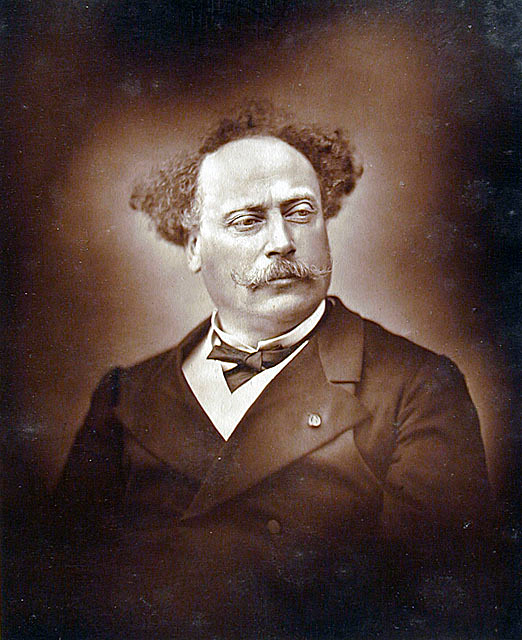
Alexandre
Dumas fils
Dịch giả: Hải Nguyên
---
Tiếng Pháp:
La Dame aux Camilias
par Alexandre Dumas, fils
---
Tiếng Anh:
Camille
by Alexandre Dumas, fils - Translator: Sir Edmond Gosse (from
French to English) - The Project Gutenberg eBook of Camille
Chương 8
Tuy
nhiên – sau một phút, Acmân nói tiếp – tôi vẫn hiểu, tôi còn yêu nàng và mạnh
hơn cả ngày trước. Và trong ý muốn được gặp lại Macgơrit còn có cả cái ý chí muốn
cho nàng biết, tôi đã cao giá hơn nàng một bậc.
Để
đạt được mục đích, con tim đã khôn ngoan viện dẫn bao nhiêu lý lẽ, lựa chọn bao
nhiêu con đường.
Vì
thế, tôi không thể đứng lâu hơn trong hành lang. Tôi trở về ngồi bên dàn nhạc
và nhìn nhanh khắp nhà hát để xem nàng ngồi ở lô nào.
Nàng
ngồi trước sân khấu, ở tầng dưới, và chỉ một mình thôi. Nàng thay đổi nhiều như
tôi đã nói với bạn. Tôi không còn tìm thấy trên môi nàng nụ cười hờ hững nữa.
Nàng đã ốm đau và nàng sẽ còn ốm đau nhiều.
Mặc
dầu đã tháng tư rồi, nàng vẫn ăn mặc như giữa mùa đông, toàn người đều nhung
len.
Tôi
nhìn nàng một cách rất chai lỳ, đến nỗi cái nhìn tôi đã thu hút cái nhìn của
nàng.
Nàng
nhìn tôi một lúc, rồi lấy ống nhòm đưa lên để nhìn cho rõ hơn và chắc chắn đã
ngờ ngợ nhận biết tôi, tuy không thể quyết chắc tôi là ai. Bơỉ vì khi nàng để
kính xuống, một nụ cười – cách chào duyên dáng của những người đàn bà – nở trên
đôi môi nàng và như chờ đợi một cái chào trả lời nơi tôi. Nhưng tôi không đáp lại,
như để cản lối nàng và tỏ ra tôi đã quên rồi khi nàng còn nhớ lại.
Nàng
tưởng đã lầm và quay đi nơi khác.
Màn
kéo lên.
Tôi
đã gặp Macgơrit nhiều lần ở rạp hát. Tôi không hề thấy nàng để ý một chút nào về
những gì người ta trình diễn.
Còn
đối với tôi, những điều trình diễn cũng không hấp dẫn tôi lắm. Tôi chỉ chú ý đến
nàng, nhưng lại cố gắng làm sao để nàng không thấy được điều đó.
Tôi
thấy nàng trao đổi cái nhìn với người ở lô trước mặt nàng. Tôi đưa mắt nhìn
theo và nhận ra một người đàn bà khá quen biết trong lô đó.
Người
đàn bà này xưa kia sống bằng nghề kỹ nữ, đã từng cố gắng qua nhiều sân khấu
nhưng không thành công. Và sau đó, do có nhiều mối quen biết với những người
đàn bà sang trọng ở Paris, bà ta chuyển sang nghề buôn bán và đã lập ra được một
nhà hàng thời trang.
Tôi
thấy nơi người đàn bà này một phương tiện tốt để giúp tôi gặp Macgơrit. Và nhân
một lúc người này nhìn về phía tôi, tôi đưa mắt và đưa tay chào.
Điều
tôi tiên đoán đã đến: bà ta gọi tôi đến lô của mình.
Người
đàn bà buôn thời trang này tên là Pruđăng Đuvecnoa, trạc bốn mười tuổi, mập mạp.
Với những người đàn bà như người này, chúng ta không cần gì nhiều đến tài ngoại
giao để được biết điều muốn biết, nhất là khi điều muốn biết đó lại đơn giản
như những điều tôi vừa nghĩ. Tôi, nhân lúc bà ta bắt đầu nhìn lại Macgơrit, liền
hỏi:
–
Bà nhìn ai thế?
–
Macgơrit Gôchiê.
–
Bà biết người đó?
–
Vâng, tôi là người chăm sóc thời trang cho cô ấy, và cô ấy là người láng giềng
của tôi.
–
Thế ra bà ở đường Antin?
–
Số 7. Cửa sổ phòng trang sức của cô ta đối diện với cửa sổ phòng tôi.
–
Người ta bảo cô ta là một cô gái rất duyên dáng.
–
Anh không biết cô ấy sao?
–
Không. Nhưng tôi muốn được quen biết cô.
–
Anh có muốn tôi bảo nàng đến lô chúng ta không?
–
Không. Nhưng tôi muốn bà giới thiệu tôi với cô ta.
–
Ở nhà cô?
–
Vâng.
–
Điều đó hơi khó.
–
Tại sao?
–
Bởi vì cô ta đang được một ông quận công già rất hay ghen che chở. – Được che
chở là một điều tốt.
–
Vâng, được che chở – Pruđăng đáp – ông già thật đáng thương, ông ta sẽ rất lúng
túng nếu phải làm tình nhân của cô ấy.
Pruđăng
kể cho tôi nghe Macgơrit đã quen biết ông quận công già ở Banhêe như thế nào.
–
Chính vì thế mà cô ta đến đây chỉ một mình?
–
Vâng, đúng.
–
Nhưng ai sẽ đưa cô ấy về?
–
Ông ta.
–
Vậy ông ta sắp đến?
–
Trong vài phút nữa.
–
Và ai đưa bà về?
–
Không ai cả.
–
Tôi xin được phép làm người đó.
–
Nhưng anh đang đi với một người bạn, tôi tin thế?
–
Thế thì chúng tôi cùng đưa bà về.
–
Bạn anh là ai thế?
–
Đó là một chàng trai dễ thương, rất láu lỉnh, hắn sẽ lấy làm vui sướng khi được
làm quen với bà.
–
Thế thì đồng ý nhé. Sau màn này, tôi biết đây là màn cuối, bốn chúng ta sẽ cùng
về.
–
Sẵn sàng, tôi sẽ đi báo trước cho bạn tôi biết.
–
Được, đi đi.
–
A! – Pruđăng nói, khi tôi sắp sửa bước ra – Kìa xem, ông quận công đã vào lô của
Macgơrit rồi.
Tôi
nhìn theo.
Quả
thật, một người đàn ông chừng bảy mươi tuổi vừa đến ngồi sau người đàn bà trẻ
đó và đưa cho nàng một túi quà. Nàng đang lấy quà ra và mỉm cười, rồi nàng đưa
túi quà ra phía trước lô, ra hiệu cho Pruđăng như hỏi:
–
Chị có dùng không?
–
Không – Pruđăng nói.
Macgơrit
thu túi quà về và quay lại, bắt đầu nói chuyện với ông quận công.
Kể
lại tất cả những chi tiết này, thật là trẻ con. Nhưng tất cả những gì liên quan
đến người con gái ấy đều hiện ra rõ ràng trong trí nhớ tôi, và hôm nay tôi
không thể nào không nhớ lại.
Tôi
bước xuống, báo cho Gatông biết trước việc tôi vừa sắp đặt cho anh ta và cho
tôi.
Anh
ta nhận lời.
Chúng
tôi rời chỗ ngồi để lên lô trên với bà Pruđăng Đuvecnoa.
Chúng
tôi vừa mở cửa phòng nhạc thì bắt buộc phải dừng lại để nhường lối cho Macgơrit
và ông quận công đi ra.
Tôi
sẵn sàng đổi mười năm đời tôi để được cái vị trí của ông già này.
Ra
đến lộ, ông ta đưa Macgơrit lên ngồi trên một cỗ xe bốn bánh do ông điều khiển.
Và cả hai khuất dạng theo nhịp tế nhanh của hai con ngựa cao đẹp.
Chúng
tôi bước vào lô của Pruđăng.
Khi
vở tuồng chấm dứt, chúng tôi xuống tìm một chiếc xe nhỏ để đưa chúng tôi đến số
7 đường Antin.
Đến
trước cửa, Pruđăng mời chúng tôi vào nhà, để cho xem những hàng hoá mà chúng
tôi không biết gì về giá trị của nó cả. Nhưng bà ta thì rất tự đắc. Hẳn bạn
cũng hiểu tôi đã nhận lời một cách vồn vã như thế nào.
Hình
như dần dần tôi đã tiến đến gần Macgơrit hơn. Tôi nhanh chóng đưa nàng vào đầu
đề câu chuyện.
–
Ông quận công già ở tại nhà người láng giềng của chị? – tôi hỏi Pruđăng.
–
Không! Không phải. Cô ta ở một mình thôi.
–
Như vậy cô ta sẽ buồn ghê gớm lắm – Gatông nói.
–
Gần như chiều nào chúng tôi cũng họp mặt với nhau. Hoặc khi đi đâu về, cô ấy lại
gọi tôi, Macgơrit không bao giờ ngủ trước hai giờ sáng, cô ta không thể ngủ sớm
hơn được.
–
Tại sao?
–
Bởi vì cô ta bị bệnh đau ngực và gần như lúc nào cũng bị sốt.
–
Cô ta không có tình nhân? – tôi hỏi.
–
Tôi không hề thấy ai ở lại, khi tôi ra về. Nhưng tôi không nói rằng không có
người nào đến, khi tôi đã đi rồi. Thường thường tôi gặp tai nhà cô một ông bá
tước N. . . nào đó. Ông này tin rằng công việc của mình có thể tiến triển tốt đẹp
bằng những cuộc viếng thăm Macgơrit vào lúc mười một giờ, và bằng cách gửi tặng
những nữ trang nàng thích. Nhưng nàng lại không muốn gặp mặt ông ta bất cứ ở
đâu. Nàng đã sai lầm; vì đó là một người đàn ông rất giàu. Thỉnh thoảng, tôi lại
bảo nàng: “Cô em ạ, đó là người đàn ông cần cho cô em!”. Nhưng vô hiệu. Nàng
quay lưng lại với tôi và trả lời rằng người đó đần độn lắm. Người đó đần, tôi đồng
ý. Nhưng cô ta sẽ có một địa vị. Chứ ông quận công già thì có thể chết nay mai.
Những người già đều ích kỷ. Gia đình ông luôn chỉ trích ông về tình thương đối
với Macgơrit. Đó là hai lý do để ông sẽ không cho nàng được thừa hưởng gì cả.
Tôi giảng giải cho cô ta. Cô ta trả lời: khi ông quận công chết, sẽ nhận lời bá
tước cũng không muộn gì.
-Sống
như nàng thật lạ lùng – Pruđăng nói tiếp – Tôi, nếu tôi biết rõ ông ta không hợp
với tôi, tôi sẽ không ngần ngại gì cho ông ấy cút nhanh đi cho rảnh. Ông già
kia thì rõ nhạt nhẽo. Ông gọi cô ta là con gái ông. Chăm sóc cho cô ta như một
đứa trẻ nhỏ. Ông luôn luôn bám bên lưng cô ta. Tôi tin chắc, vào giờ này, một
trong những người nhà của ông đang rình ngoài đường để xem có ai đi ra và nhất
là có ai đi vào nhà Macgơrit không.
–
A! Cô Macgơrit đáng thương – Gatông vừa nói, vừa ngồi lại bàn pianô và đánh một
điệu vanxơ – Tôi không biết điều đó. Tuy nhiên gần đây tôi thấy cô ta ít được
vui vẻ.
–
Xuỵt! – Pruđăng vừa nói vừa lắng tai nghe. Gatông dừng lại – Hình như cô ta gọi
tôi.
Chúng
tôi lắng nghe.
Quả
nhiên có tiếng gọi Pruđăng.
–
Thôi các ông đi đi cho! – Bà Đuvecnoa bảo chúng tôi.
–
A! Bà cho thế là tinh thần hiếu khách đấy à? – Gatông vừa cười vừa nói – Chúng
tôi chỉ đi khi nào chúng tôi muốn đi.
–
Tại sao chúng tôi phải đi?
–
Tôi sang Macgơrit.
–
Chúng tôi đợi ở đây.
–
Điều đó thì không thể được.
–
Thế thì chúng tôi đi cùng với bà.
–
Càng không được.
–
Tôi biết Macgơrit – Gatông nói – Tôi có thể đến thăm cô ta lắm chứ.
–
Nhưng Acmân không biết cô ta.
Tôi
sẽ giới thiệu anh ta.
–
Không thể được.
Chúng
tôi lại lắng nghe lần nữa tiếng Macgơrit gọi Pruđăng.
Pruđăng
chạy đến phòng trang sức. Tôi và Gatông đi theo. Bà ta mở cửa sổ ra.
Chúng
tôi đứng núp lại để bên ngoài đừng trông thấy.
–
Tôi đã gọi chị hơn mười phút rồi – Macgơrit nói từ cửa sổ nhà mình, với một giọng
hơi khó chịu.
–
Cô muốn tôi giúp gì?
–
Tôi muốn chị đến ngay lập tức.
–
Tại sao?
–
Bởi ông bá tước N. . . vẫn còn đó. Ông làm tôi chán chết được.
–
Tôi không thể đi ngay bây giờ được.
–
Ai ngăn cản chị?
–
Trong nhà tôi hiện có hai thanh niên, họ không chịu ra về.
–
Chị hãy bảo họ là chị cần đi.
–
Tôi đã nói với họ rồi.
–
Cũng được, hãy để họ ở đó. Khi họ thấy chị đi rồi, họ sẽ đi.
–
Sau khi đã xáo trộn tất cả mọi thứ ở đây?
–
Nhưng họ muốn gì?
–
Họ muốn gặp cô.
–
Thế họ tên gì?
–
Cô biết một người, ông Gatông R. . .
–
À, vâng. Tôi biết ông ấy. Và ông kia?
–
Acmân Đuyvan, cô không biết phải không?
–
Không. Nhưng cứ đưa họ đến. Tôi nghĩ ai cũng vẫn hơn ông bá tước. Tôi đang đợi.
Chị sang nhanh cho.
Macgơrit
đóng cửa sổ lại. Pruđăng cũng đóng cửa sổ lại.
Macgơrit,
đã có lần nhớ lại mặt tôi, nay lại không nhớ tên tôi. Tôi thích một kỷ niệm
không tốt đẹp đối với tôi hơn là sự lãng quên ấy.
–
Tôi biết chắc – Gatông nói – cô ta sẽ sung sướng khi được gặp chúng ta.
–
Rất sung sướng thì chưa hẳn đâu – Pruđăng vừa đáp vừa quàng lại khăn choàng và
để mũ lên đầu – Cô ta tiếp các anh để đuổi ông bá tước. Các anh phải cố gắng tỏ
ra lịch sự hơn ông bá tước. Nếu không, tôi hiểu Macgơrit lắm, cô ta sẽ lại gây
chuyện với tôi đấy.
Chúng
tôi đi theo Pruđăng, cùng đi xuống.
Tôi
run sợ. Tôi nghĩ cuộc viếng thăm này sẽ có một ảnh hưởng lớn đối với đời tôi.
Tôi
còn cảm động hơn cả buổi chiều tôi được giới thiệu với nàng tại nhà hát Ôpêra
Cômic.
Đến
cửa, tim tôi đập rất mạnh, đến nỗi các ý nghĩ trong đầu óc tôi biến đi đâu cả.
Tiếng
đàn pianô thoảng đến tai chúng tôi.
Pruđăng
gọi chuông.
Tiếng
đàn dừng lại.
Một
người đàn bà, có vẻ như một người bạn hơn là hầu phòng, ra mở cửa cho chúng
tôi.
Chúng
tôi vào phòng khách, rồi từ phòng khách đến phòng trang nhã (phòng khách đặc biệt
ở nhà các bà sang trọng).
Một
người thanh niên đứng dựa bên lò sưởi.
Macgơrit
ngồi trước đàn pianô, để những ngón tay chạy trên các phím và bắt đầu những bản
nhạc.
Cảnh
tượng ấy thật buồn tẻ. Người đàn ông thì bối rối trước sự bất lực của chính
mình, và người đàn bà thì chán ngán do sự viếng thăm của một con người mà mình
không ưa thích.
Nghe
tiếng Pruđăng, Macgơrit đứng dậy và tiến đến phía chúng tôi. Sau khi đã nhìn
Đuvecnoa một cách biết ơn, cô ta nói với chúng tôi:
–
Xin mời các ông vào, và hãy là những khách quý.
➖➖➖
Phần tiếng Pháp
La
Dame aux Camilias par Alexandre Dumas, fils
---
Chapitre VIII
Cependant,
continua Armand après une pause, tout en comprenant que j'étais encore
amoureux, je me sentais plus fort qu'autrefois, et, dans mon désir de me
retrouver avec Marguerite, il y avait aussi la volonté de lui faire voir que je
lui étais devenu supérieur.
Que
de routes prend et que de raisons se donne le cœur pour en arriver à ce qu'il
veut! Aussi, je ne pus rester longtemps dans les corridors, et je retournai
prendre ma place à l'orchestre, en jetant un coup d'œil rapide dans la salle,
pour voir dans quelle loge elle était.
Elle
était dans l'avant-scène du rez-de-chaussée, et toute seule. Elle était
changée, comme je vous l'ai dit, je ne retrouvais plus sur sa bouche son
sourire indifférent. Elle avait souffert, elle souffrait encore.
Quoiqu'on
fût déjà en avril, elle était encore vêtue comme en hiver et toute couverte de
velours.
Je
la regardais si obstinément que mon regard attira le sien.
Elle
me considéra quelques instants, prit sa lorgnette pour mieux me voir, et crut
sans doute me reconnaître, sans pouvoir positivement dire qui j'étais, car
lorsqu'elle reposa sa lorgnette, un sourire, ce charmant salut des femmes, erra
sur ses lèvres, pour répondre au salut qu'elle avait l'air d'attendre de moi;
mais je n'y répondis point, comme pour prendre barres sur elle et paraître
avoir oublié, quand elle se souvenait.
Elle
crut s'être trompée et détourna la tête.
On
leva le rideau.
J'ai
vu bien des fois Marguerite au spectacle, je ne l'ai jamais vue prêter la
moindre attention à ce qu'on jouait.
Quant
à moi, le spectacle m'intéressait aussi fort peu, et je ne m'occupais que
d'elle, mais en faisant tous mes efforts pour qu'elle ne s'en aperçût pas.
Je
la vis ainsi échanger des regards avec la personne occupant la loge en face de
la sienne; je portai mes yeux sur cette loge, et je reconnus dedans une femme
avec qui j'étais assez familier.
Cette
femme était une ancienne femme entretenue, qui avait essayé d'entrer au
théâtre, qui n'y avait pas réussi, et qui, comptant sur ses relations avec les
élégantes de Paris, s'était mise dans le commerce et avait pris un magasin de
modes.
Je
vis en elle un moyen de me rencontrer avec Marguerite, et je profitai d'un
moment où elle regardait de mon côté pour lui dire bonsoir de la main et des
yeux.
Ce
que j'avais prévu arriva, elle m'appela dans sa loge.
Prudence
Duvernoy, c'était l'heureux nom de la modiste, était une de ces grosses femmes
de quarante ans avec lesquelles il n'y a pas besoin d'une grande diplomatie
pour leur faire dire ce que l'on veut savoir, surtout quand ce que l'on veut
savoir est aussi simple que ce que j'avais à lui demander.
Je
profitai d'un moment où elle recommençait ses correspondances avec Marguerite
pour lui dire:
--Qui
regardez-vous ainsi?
--Marguerite
Gautier.
--Vous
la connaissez?
--Oui;
je suis sa modiste, et elle est ma voisine.
--Vous
demeurez donc rue d'Antin?
--Nº
7. La fenêtre de son cabinet de toilette donne sur la fenêtre du mien.
--On
dit que c'est une charmante fille.
--Vous
ne la connaissez pas?
--Non,
mais je voudrais bien la connaître.
--Voulez-vous
que je lui dise de venir dans notre loge?
--Non,
j'aime mieux que vous me présentiez à elle.
--Chez
elle?
--Oui.
--C'est
plus difficile.
--Pourquoi?
--Parce
qu'elle est protégée par un vieux duc très jaloux.
--Protégée
est charmant.
--Oui,
protégée, reprit Prudence. Le pauvre vieux, il serait bien embarrassé d'être
son amant.
Prudence
me raconta alors comment Marguerite avait fait connaissance du duc à Bagnères.
--C'est
pour cela, continuai-je, qu'elle est seule ici?
--Justement.
--Mais,
qui la reconduira?
--Lui.
--Il
va donc venir la prendre?
--Dans
un instant.
--Et
vous, qui vous reconduit?
--Personne.
--Je
m'offre.
--Mais
vous êtes avec un ami, je crois.
--Nous
nous offrons alors.
--Qu'est-ce
que c'est que votre ami?
--C'est
un charmant garçon, fort spirituel, et qui sera enchanté de faire votre
connaissance.
--Eh
bien, c'est convenu, nous partirons tous les quatre après cette pièce, car je
connais la dernière.
--Volontiers,
je vais prévenir mon ami.
--Allez.
--Ah!
me dit Prudence au moment où j'allais sortir, voilà le duc qui entre dans la
loge de Marguerite.
Je
regardai.
Un
homme de soixante-dix ans, en effet, venait de s'asseoir derrière la jeune
femme et lui remettait un sac de bonbons dans lequel elle puisa aussitôt en
souriant, puis elle l'avança sur le devant de sa loge en faisant à Prudence un
signe qui pouvait se traduire par:
--En
voulez-vous?
--Non,
fit Prudence.
Marguerite
reprit le sac et, se retournant, se mit à causer avec le duc.
Le
récit de tous ces détails ressemble à de l'enfantillage, mais tout ce qui avait
rapport à cette fille est si présent à ma mémoire, que je ne puis m'empêcher de
le rappeler aujourd'hui.
Je
descendis prévenir Gaston de ce que je venais d'arranger pour lui et pour moi.
Il
accepta.
Nous
quittâmes nos stalles pour monter dans la loge de Madame Duvernoy.
À
peine avions-nous ouvert la porte des orchestres que nous fûmes forcés de nous
arrêter pour laisser passer Marguerite et le duc qui s'en allaient.
J'aurais
donné dix ans de ma vie pour être à la place de ce vieux bonhomme.
Arrivé
sur le boulevard, il lui fit prendre place dans un phaéton qu'il conduisait
lui-même, et ils disparurent emportés au trot de deux superbes chevaux.
Nous
entrâmes dans la loge de Prudence.
Quand
la pièce fut finie, nous descendîmes prendre un simple fiacre qui nous
conduisit rue d'Antin, nº 7. A la porte de sa maison, Prudence nous offrit de
monter chez elle pour nous faire voir ses magasins que nous ne connaissions pas
et dont elle paraissait être très fière. Vous jugez avec quel empressement
j'acceptai.
Il
me semblait que je me rapprochais peu à peu de Marguerite. J'eus bientôt fait
retomber la conversation sur elle.
--Le
vieux duc est chez votre voisine? dis-je à Prudence.
--Non
pas; elle doit être seule.
--Mais
elle va s'ennuyer horriblement, dit Gaston.
--Nous
passons presque toutes nos soirées ensemble, ou, lorsqu'elle rentre, elle
m'appelle. Elle ne se couche jamais avant deux heures du matin. Elle ne peut
pas dormir plus tôt.
--Pourquoi?
--Parce
qu'elle est malade de la poitrine et qu'elle a presque toujours la fièvre.
--Elle
n'a pas d'amants? demandai-je.
--Je
ne vois jamais personne rester quand je m'en vais; mais je ne réponds pas qu'il
ne vient personne quand je suis partie; souvent je rencontre chez elle, le
soir, un certain comte de N... qui croit avancer ses affaires en faisant ses
visites à onze heures, en lui envoyant des bijoux tant qu'elle en veut; mais
elle ne peut pas le voir en peinture. Elle a tort, c'est un garçon très riche.
J'ai beau lui dire de temps en temps: ma chère enfant, c'est l'homme qu'il vous
faut! Elle qui m'écoute assez ordinairement, elle me tourne le dos et me répond
qu'il est trop bête. Qu'il soit bête, j'en conviens; mais ce serait pour elle
une position, tandis que ce vieux duc peut mourir d'un jour à l'autre. Les vieillards
sont égoïstes; sa famille lui reproche sans cesse son affection pour
Marguerite: voilà deux raisons pour qu'il ne lui laisse rien. Je lui fais de la
morale, à laquelle elle répond qu'il sera toujours temps de prendre le comte à
la mort du duc.
«Cela
n'est pas toujours drôle, continua Prudence, de vivre comme elle vit. Je sais
bien, moi, que cela ne m'irait pas et que j'enverrais bien vite promener le
bonhomme. Il est insipide, ce vieux; il l'appelle sa fille, il a soin d'elle
comme d'un enfant, il est toujours sur son dos. Je suis sûre qu'à cette heure
un de ses domestiques rôde dans la rue pour voir qui sort, et surtout qui
entre.
--Ah!
cette pauvre Marguerite! dit Gaston en se mettant au piano et en jouant une
valse, je ne savais pas cela, moi. Cependant je lui trouvais l'air moins gai
depuis quelque temps.
--Chut!
dit Prudence en prêtant l'oreille.
Gaston
s'arrêta.
--Elle
m'appelle, je crois.
Nous
écoutâmes.
En
effet, une voix appelait Prudence.
--Allons,
messieurs, allez-vous-en, nous dit madame Duvernoy.
--Ah!
c'est comme cela que vous entendez l'hospitalité, dit Gaston en riant, nous
nous en irons quand bon nous semblera.
--Pourquoi
nous en irions-nous?
--Je
vais chez Marguerite.
--Nous
attendrons ici.
--Cela
ne se peut pas.
--Alors,
nous irons avec vous.
--Encore
moins.
--Je
connais Marguerite, moi, fit Gaston, je puis bien aller lui faire une visite.
--Mais
Armand ne la connaît pas.
--Je
le présenterai.
--C'est
impossible.
Nous
entendîmes de nouveau la voix de Marguerite appelant toujours Prudence.
Celle-ci courut à son cabinet de toilette. Je l'y suivis avec Gaston. Elle
ouvrit la fenêtre.
Nous
nous cachâmes de façon à ne pas être vus du dehors.
--Il
y a dix minutes que je vous appelle, dit Marguerite de sa fenêtre et d'un ton
presque impérieux.
--Que
me voulez-vous?
--Je
veux que vous veniez tout de suite.
--Pourquoi?
--Parce
que le comte de N... est encore là et qu'il m'ennuie à périr.
--Je
ne peux pas maintenant.
--Qui
vous en empêche?
--J'ai
chez moi deux jeunes gens qui ne veulent pas s'en aller.
--Dites-leur
qu'il faut que vous sortiez.
--Je
le leur ai dit.
--Eh
bien, laissez-les chez vous; quand ils vous verront sortie, ils s'en iront.
--Après
avoir mis tout sens dessus dessous!
--Mais
qu'est-ce qu'ils veulent?
--Ils
veulent vous voir.
--Comment
se nomment-ils?
--Vous
en connaissez un, M. Gaston R...
--Ah!
oui, je le connais; et l'autre?
--M
Armand Duval. Vous ne le connaissez pas?
--Non;
mais amenez-les toujours, j'aime mieux tout que le comte. Je vous attends,
venez vite.
Marguerite
referma sa fenêtre, Prudence la sienne.
Marguerite,
qui s'était un instant rappelé mon visage, ne se rappelait pas mon nom.
J'aurais mieux aimé un souvenir à mon désavantage que cet oubli.
--Je
savais bien, dit Gaston, qu'elle serait enchantée de nous voir.
--Enchantée
n'est pas le mot, répondit Prudence en mettant son châle et son chapeau, elle
vous reçoit pour faire partir le comte. Tâchez d'être plus aimables que lui,
ou, je connais Marguerite, elle se brouillera avec moi.
Nous
suivîmes Prudence qui descendait.
Je
tremblais; il me semblait que cette visite allait avoir une grande influence
sur ma vie.
J'étais
encore plus ému que le soir de ma présentation dans la loge de l'Opéra-Comique.
En
arrivant à la porte de l'appartement que vous connaissez, le cœur me battait si
fort que la pensée m'échappait.
Quelques
accords de piano arrivaient jusqu'à nous.
Prudence
sonna.
Le
piano se tut.
Une
femme qui avait plutôt l'air d'une dame de compagnie que d'une femme de chambre
vint nous ouvrir.
Nous
passâmes dans le salon, du salon dans le boudoir, qui était à cette époque ce
que vous l'avez vu depuis.
Un
jeune homme était appuyé contre la cheminée.
Marguerite,
assise devant son piano, laissait courir ses doigts sur les touches, et
commençait des morceaux qu'elle n'achevait pas.
L'aspect
de cette scène était l'ennui, résultant pour l'homme de l'embarras de sa
nullité, pour la femme de la visite de ce lugubre personnage.
À
la voix de Prudence, Marguerite se leva, et, venant à nous après avoir échangé
un regard de remerciements avec madame Duvernoy, elle nous dit:
--Entrez,
messieurs, et soyez les bienvenus.
➖➖➖
Phần tiếng Anh
Camille
by Alexandre Dumas, fils - Translator: Sir Edmond Gosse (from
French to English) - The Project Gutenberg eBook of Camille
---
Chapter VIII
However
(continued Armand after a pause), while I knew myself to be still in love with
her, I felt more sure of myself, and part of my desire to speak to Marguerite
again was a wish to make her see that I was stronger than she.
How
many ways does the heart take, how many reasons does it invent for itself, in
order to arrive at what it wants!
I
could not remain in the corridor, and I returned to my place in the stalls,
looking hastily around to see what box she was in. She was in a ground-floor
box, quite alone. She had changed, as I have told you, and no longer wore an
indifferent smile on her lips. She had suffered; she was still suffering.
Though it was April, she was still wearing a winter costume, all wrapped up in
furs.
I
gazed at her so fixedly that my eyes attracted hers. She looked at me for a few
seconds, put up her opera-glass to see me better, and seemed to think she
recognised me, without being quite sure who I was, for when she put down her
glasses, a smile, that charming, feminine salutation, flitted across her lips,
as if to answer the bow which she seemed to expect; but I did not respond, so
as to have an advantage over her, as if I had forgotten, while she remembered.
Supposing herself mistaken, she looked away.
The
curtain went up. I have often seen Marguerite at the theatre. I never saw her
pay the slightest attention to what was being acted. As for me, the performance
interested me equally little, and I paid no attention to anything but her,
though doing my utmost to keep her from noticing it.
Presently
I saw her glancing across at the person who was in the opposite box; on
looking, I saw a woman with whom I was quite familiar. She had once been a kept
woman, and had tried to go on the stage, had failed, and, relying on her
acquaintance with fashionable people in Paris, had gone into business and taken
a milliner’s shop. I saw in her a means of meeting with Marguerite, and
profited by a moment in which she looked my way to wave my hand to her. As I
expected, she beckoned to me to come to her box.
Prudence
Duvernoy (that was the milliner’s auspicious name) was one of those fat women
of forty with whom one requires very little diplomacy to make them understand
what one wants to know, especially when what one wants to know is as simple as
what I had to ask of her.
I
took advantage of a moment when she was smiling across at Marguerite to ask
her, “Whom are you looking at?”
“Marguerite
Gautier.”
“You
know her?”
“Yes,
I am her milliner, and she is a neighbour of mine.”
“Do
you live in the Rue d’Antin?”
“No.
7. The window of her dressing-room looks on to the window of mine.”
“They
say she is a charming girl.”
“Don’t
you know her?”
“No,
but I should like to.”
“Shall
I ask her to come over to our box?”
“No,
I would rather for you to introduce me to her.”
“At
her own house?”
“Yes.
“That
is more difficult.”
“Why?”
“Because
she is under the protection of a jealous old duke.”
“‘Protection’
is charming.”
“Yes,
protection,” replied Prudence. “Poor old man, he would be greatly embarrassed
to offer her anything else.”
Prudence
then told me how Marguerite had made the acquaintance of the duke at Bagnères.
“That,
then,” I continued, “is why she is alone here?”
“Precisely.”
“But
who will see her home?”
“He
will.”
“He
will come for her?”
“In
a moment.”
“And
you, who is seeing you home?”
“No
one.”
“May
I offer myself?”
“But
you are with a friend, are you not?”
“May
we offer, then?”
“Who
is your friend?”
“A
charming fellow, very amusing. He will be delighted to make your acquaintance.”
“Well,
all right; we will go after this piece is over, for I know the last piece.”
“With
pleasure; I will go and tell my friend.”
“Go,
then. Ah,” added Prudence, as I was going, “there is the duke just coming into
Marguerite’s box.”
I
looked at him. A man of about seventy had sat down behind her, and was giving
her a bag of sweets, into which she dipped at once, smiling. Then she held it
out toward Prudence, with a gesture which seemed to say, “Will you have some?”
“No,”
signalled Prudence.
Marguerite
drew back the bag, and, turning, began to talk with the duke.
It
may sound childish to tell you all these details, but everything relating to
Marguerite is so fresh in my memory that I can not help recalling them now.
I
went back to Gaston and told him of the arrangement I had made for him and for
me. He agreed, and we left our stalls to go round to Mme. Duvernoy’s box. We
had scarcely opened the door leading into the stalls when we had to stand aside
to allow Marguerite and the duke to pass. I would have given ten years of my
life to have been in the old man’s place.
When
they were on the street he handed her into a phaeton, which he drove himself,
and they were whirled away by two superb horses.
We
returned to Prudence’s box, and when the play was over we took a cab and drove
to 7, Rue d’Antin. At the door, Prudence asked us to come up and see her
showrooms, which we had never seen, and of which she seemed very proud. You can
imagine how eagerly I accepted. It seemed to me as if I was coming nearer and
nearer to Marguerite. I soon turned the conversation in her direction.
“The
old duke is at your neighbour’s,” I said to Prudence.
“Oh,
no; she is probably alone.”
“But
she must be dreadfully bored,” said Gaston.
“We
spend most of our evening together, or she calls to me when she comes in. She
never goes to bed before two in the morning. She can’t sleep before that.”
“Why?”
“Because
she suffers in the chest, and is almost always feverish.”
“Hasn’t
she any lovers?” I asked.
“I
never see anyone remain after I leave; I don’t say no one ever comes when I am
gone. Often in the evening I meet there a certain Comte de N., who thinks he is
making some headway by calling on her at eleven in the evening, and by sending
her jewels to any extent; but she can’t stand him. She makes a mistake; he is
very rich. It is in vain that I say to her from time to time, ‘My dear child,
there’s the man for you.’ She, who generally listens to me, turns her back and
replies that he is too stupid. Stupid, indeed, he is; but it would be a
position for her, while this old duke might die any day. Old men are egoists;
his family are always reproaching him for his affection for Marguerite; there
are two reasons why he is likely to leave her nothing. I give her good advice,
and she only says it will be plenty of time to take on the count when the duke
is dead. It isn’t all fun,” continued Prudence, “to live like that. I know very
well it wouldn’t suit me, and I should soon send the old man about his business.
He is so dull; he calls her his daughter; looks after her like a child; and is
always in the way. I am sure at this very moment one of his servants is
prowling about in the street to see who comes out, and especially who goes in.”
“Ah,
poor Marguerite!” said Gaston, sitting down to the piano and playing a waltz.
“I hadn’t a notion of it, but I did notice she hasn’t been looking so gay
lately.”
“Hush,”
said Prudence, listening. Gaston stopped.
“She
is calling me, I think.”
We
listened. A voice was calling, “Prudence!”
“Come,
now, you must go,” said Mme. Duvernoy.
“Ah,
that is your idea of hospitality,” said Gaston, laughing; “we won’t go till we
please.”
“Why
should we go?”
“I
am going over to Marguerite’s.”
“We
will wait here.”
“You
can’t.”
“Then
we will go with you.”
“That
still less.”
“I
know Marguerite,” said Gaston; “I can very well pay her a call.”
“But
Armand doesn’t know her.”
“I
will introduce him.”
“Impossible.”
We
again heard Marguerite’s voice calling to Prudence, who rushed to her
dressing-room window. I followed with Gaston as she opened the window. We hid
ourselves so as not to be seen from outside.
“I
have been calling you for ten minutes,” said Marguerite from her window, in
almost an imperious tone of voice.
“What
do you want?”
“I
want you to come over at once.”
“Why?”
“Because
the Comte de N. is still here, and he is boring me to death.”
“I
can’t now.”
“What
is hindering you?”
“There
are two young fellows here who won’t go.”
“Tell
them that you must go out.”
“I
have told them.”
“Well,
then, leave them in the house. They will soon go when they see you have gone.”
“They
will turn everything upside down.”
“But
what do they want?”
“They
want to see you.”
“What
are they called?”
“You
know one, M. Gaston R.”
“Ah,
yes, I know him. And the other?”
“M.
Armand Duval; and you don’t know him.”
“No,
but bring them along. Anything is better than the count. I expect you. Come at
once.”
Marguerite
closed her window and Prudence hers. Marguerite, who had remembered my face for
a moment, did not remember my name. I would rather have been remembered to my
disadvantage than thus forgotten.
“I
knew,” said Gaston, “that she would be delighted to see us.”
“Delighted
isn’t the word,” replied Prudence, as she put on her hat and shawl. “She will
see you in order to get rid of the count. Try to be more agreeable than he is,
or (I know Marguerite) she will put it all down to me.”
We
followed Prudence downstairs. I trembled; it seemed to me that this visit was
to have a great influence on my life. I was still more agitated than on the
evening when I was introduced in the box at the Opera Comique. As we reached
the door that you know, my heart beat so violently that I was hardly able to
think.
We
heard the sound of a piano. Prudence rang. The piano was silent. A woman who
looked more like a companion than a servant opened the door. We went into the
drawing-room, and from that to the boudoir, which was then just as you have
seen it since. A young man was leaning against the mantel-piece. Marguerite,
seated at the piano, let her fingers wander over the notes, beginning scraps of
music without finishing them. The whole scene breathed boredom, the man
embarrassed by the consciousness of his nullity, the woman tired of her dismal
visitor. At the voice of Prudence, Marguerite rose, and coming toward us with a
look of gratitude to Mme. Duvernoy, said:
“Come
in, and welcome.”
➖➖➖


Không có nhận xét nào:
Đăng nhận xét