2025-06-28
Trà hoa nữ (09)
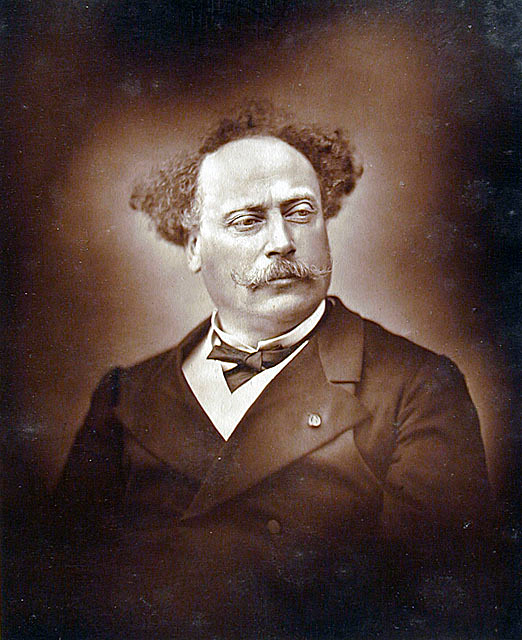
Alexandre
Dumas, fils
Dịch giả: Hải Nguyên
---
Tiếng Pháp:
La Dame aux Camilias
par Alexandre Dumas, fils
---
Tiếng Anh:
Camille
by Alexandre Dumas, fils - Translator: Sir Edmond Gosse (from
French to English) - The Project Gutenberg eBook of Camille
Chương 9
Chào
ông Gatông thân mến – Macgơrit nói với bạn tôi – Tôi rất vui sướng được tiếp
đón ông. Tại sao ông không vào lô của tôi ở Variêtê?
–
Tôi sợ bị xem là thiếu tế nhị.
–
Nhưng bạn thân cả mà – Macgơrit nhấn mạnh, như muốn nói cho những người có mặt ở
đó hiểu dù nàng có tiếp Gatông một cách thân mật, anh ta cũng chỉ là bạn thân
và luôn luôn chỉ là bạn – Những người bạn thân thiết nhau không bao giờ ngại
thiếu tế nhị đối với nhau!
–
Xin cô vui lòng cho tôi giới thiệu ông Acmân Đuyvan.
–
Tôi đã cho phép Pruđăng được làm điều đó.
–
Vả lại, thưa cô – tôi vừa nghiêng mình vừa nói những lời không được rõ ràng lắm
– Tôi từng vinh dự được giới thiệu với cô một lần rồi.
Con
mắt xinh đẹp của Macgơrit hình như đang cố tìm lại trong ký ức. Nhưng cô ta
không nhớ, hay có vẻ như không nhớ tý nào.
–
Thưa cô – tôi nói – tôi cảm ơn cô đã quên buổi giới thiệu đầu tiên đó. Bởi vì
hôm đó, tôi đã rất buồn cười và có lẽ đã làm phiền cô. Ngày ấy cách đây đã hai
năm, ở rạp Ôpêra Cômic, tôi cùng đi với Enec.
–
À! Tôi nhớ ra rồi! – Macgơrit nói tiếp và mỉm cười – không phải ông đáng buồn
cười, nhưng chính tôi là người ưa trêu chọc. Giờ đây tôi vẫn còn thói quen đó,
nhưng ít thôi. Thưa ông, chắc ông đã tha lỗi cho tôi? – Và cô đưa tay ra. Tôi
cúi xuống hôn.
–
Đúng vậy – cô ta nói – ông hãy tưởng tượng, tôi có cái tật xấu là muốn làm những
người tôi gặp lần đầu đều lúng túng. Cái đó thật ngốc. Thầy thuốc bảo tôi,
nguyên nhân là vì tôi hay nóng nảy và luôn luôn bệnh hoạn. Ông hãy tin như thế.
–
Nhưng trông cô có khoẻ mạnh.
–
Ôi! Tôi vừa bị ốm rất nặng.
–
Tôi có được biết. Tôi thường đến đây để hỏi thăm tin tức về cô và tôi sung sướng
được biết cô đang trong thời kỳ dưỡng bệnh.
–
Người ta chưa bao giờ đưa cho tôi một danh thiếp của ông.
–
Tôi không bao giờ để danh thiếp lại cả.
–
Phải chăng ông là người thanh niên ngày nào cũng đến hỏi thăm sức khỏe của tôi
trong lúc tôi bệnh và không bao giờ cho biết tên họ?
–
Vâng, chính tôi.
–
Thế thì, không phải ông đã tha thứ, mà ông còn rất khoan dung nữa. – Chắc ông
bá tước không thể làm được như thế! – Nàng vừa nói vừa quay sang phía ông bá tước
N. . . sau khi đã nhìn tôi, với một cái nhìn mà qua đó những người đàn bà bổ
túc thêm cho ý niệm của mình đối với một người đàn ông.
–
Tôi chỉ mới biết cô có hai tháng thôi – Ông bá tước trả lời.
–
Và ông này chỉ biết tôi mới năm phút thôi. Ông luôn trả lời ngớ ngẩn lắm!
Đàn
bà thật tàn nhẫn đối với những kẻ họ không yêu.
Ông
bá tước đỏ mặt và cắn chặt đôi môi.
Tôi
thương hại ông ta, bởi vì ông ta cũng si tình như tôi. Và sự thẳng thắn cứng rắn
của Macgơrit chắc làm cho ông khốn khổ lắm, nhất là trước mặt hai người khách lạ.
–
Cô đang đánh đàn khi chúng tôi đi vào – tôi nói tiếp để thay đổi câu chuyện – Nếu
được cô xem như chỗ quen biết cũ, cô cứ tự nhiên tiếp tục. Tôi rất vui sướng.
–
Ồ! – Cô ta vừa nói vừa ném mình lên ghế trường kỷ và ra hiệu cho chúng tôi ngồi
xuống – Gatông biết rõ tôi chơi thứ nhạc nào. Thật là tốt, khi chỉ có một mình
tôi và ông bá tước. Nhưng tôi không muốn các anh phải chịu một thứ cực hình như
thế.
–
Cô dành riêng cái ân huệ đó cho tôi? – Ông bá tước N. . . nói với một nụ cười
mà ông ta cố gắng làm cho nó có vẻ tế nhị và mỉa mai.
–
Ông thật sai lầm khi trách móc tôi. Đó chỉ là cái ân huệ độc nhất.
Nàng
đã cố tình ngăn không cho người đàn ông đáng thương này được nói một lời nào nữa
cả. Ông ta nhìn người đàn bà trẻ với cái nhìn thật sự van lơn.
–
Nói đi, Pruđăng – cô ta tiếp- chị đã làm điều tôi yêu cầu chưa?
–
Rồi.
–
Tốt lắm. Chị sẽ cho tôi biết sau. Chúng ta phải nói chuyện. Chị sẽ không được bỏ
đi khi chưa có ý kiến của tôi.
–
Chắc hẳn chúng tôi là những người không tế nhị, – tôi nói – Và giờ đây, chúng
tôi xin phép rút lui, Gatông và tôi.
–
Không nên chút nào cả. Điều đó không phải để nói với các anh. Trái lại, tôi muốn
các anh ở lại đây.
Ông
bá tước rút một cái đồng hồ đẹp ra và nhìn giờ: “Đã đến giờ tôi phải đến câu lạc
bộ rồi”, ông nói. Macgơrit không nói gì cả.
Ông
bá tước rời lò sưởi và đến bên nàng;
–
Xin chào tạm biệt.
Macgơrit
đứng dậy:
–
Xin chào bá tước thân mến, ông đã vội đi?
–
Vâng, tôi sợ làm phiền cô.
–
Hôm nay, ông cũng không làm phiền tôi hơn mấy hôm trước đâu. Bao giờ gặp lại
ông?
–
Khi nào cô cho phép.
–
Thế thì vĩnh biệt.
Thật
là tàn nhẫn. May mắn thay, ông bá tước đã nhận được một nền giáo dục tốt và có
một tư cách rất tốt. Ông cúi hôn bàn tay Macgơrit đưa ra một cách uể oải và bước
ra sau khi đã chào chúng tôi.
Lúc
bước ra ngưỡng cửa, ông quay lại nhìn Pruđăng.
Chị
này nhún vai với ý nghĩ: “Ông còn muốn gì? Tôi đã làm tất cả những gì có thể”.
–
Nanin! – Macgơrit kêu to – Hãy soi đèn cho bá tước.
Chúng
tôi nghe tiếng mở cửa và đóng cửa.
Cuối
cùng, Macgơrit xuất hiện và nói lớn: “Thế là ông ta đã đi rồi! Ông ta làm tôi
nhức cả óc”.
–
Cô nàng ơi! Pruđăng nói – Cô quá độc ác với ông ta. Ông ta là người rất tốt, và
rất hoà nhã đối với cô. Xem kìa, một cái đồng hồ để lại trên lò sưởi cho cô đó.
Cái đồng hồ này ít nhất cũng đánh giá ba ngàn franc, tôi tin chắc thế.
Và
bà Đuvecnoa đến bên lò sưởi, mân mê cái đồng hồ vừa nói vừa nhìn một cách thèm
muốn.
–
Chị bạn thân mến – Macgơrit nói và ngồi lại bên chiếc đàn pianô – khi tôi đem
cân một bên là những gì ông đã cho tôi và một bên là những gì ông đã nói với
tôi, tôi nghĩ rằng tôi đã bán những buổi tiếp chuyện của mình rất hạ giá.
–
Chàng trai đáng thương đó đã say mê cô.
–
Nếu tôi phải lắng nghe tất cả những người yêu tôi, tôi sẽ chẳng còn thì giờ để
ăn tối nữa.
Nàng
cho những ngón tay lướt trên phím đàn pianô và sau đó lại quay sang nói với
chúng tôi:
–
Các anh có dùng gì không? Tôi muốn một ít rượu dầm trái cây.
–
Và tôi, tôi sẽ ăn chút thịt gà giò – Pruđăng tiếp – nếu chúng tôi ăn tối.
–
Được lắm, chúng ta hãy đi ăn tối – Gatông nói.
–
Không chúng ta hãy ăn tại đây.
Cô
ta gọi chuông. Ninna chạy ra.
–
Hãy dọn bữa tối!
–
Thưa, cần những gì ạ?
–
Tuỳ ý chị. Nhưng nhanh lên, nhanh lên!
Ninna
bước ra.
–
Chính thế đấy. – Macgơrit vừa nói vừa nhảy như một đứa bé – Chúng ta sẽ ăn tối.
Nhớ lại cái ông bá tước ngốc ấy, phiền quá!
Càng
nhìn người đàn bà ấy, tôi càng cảm thấy say mê ngây ngất. Cô ta xinh đẹp đến mê
hồn. Ngay cả sự gầy yếu nơi cô cũng là một nét duyên dáng.
Tôi
đăm chiêu ngắm nàng.
Cái
gì đã xảy ra trong tôi vào lúc ấy? Thật khó mà giải thích. Tôi tràn ngập lòng
tha thứ đối với cuộc đời nàng, sự thán phục đối với nhan sắc nàng. Cái bằng chứng
không vụ lợi mà nàng đã bộc lộ qua sự từ chối một chàng trai sang trọng, giàu
có, sẵn sàng phá sản vì nàng diễn ra trước mắt tôi, đã xoá hết những lỗi lầm của
nàng trong quá khứ.
Trong
người đàn bà đó, có một cái gì như sự trong trắng ngây thơ.
Người
ta thấy nàng vẫn còn trinh trắng giữa cuộc sống tội lỗi. Dáng đi vững chãi,
thân hình mềm mại, lỗ mũi màu hồng nở nang, đôi mắt lớn với quầng thâm xanh, biểu
lộ một trong những bản chất nồng cháy, đang toả rộng một mùi hương đầy khoái cảm
không khác nào những lọ hương phương Đông, dù đậy kín thế nào cũng cho thoát ra
ít nhiều hương thơm của chất nước bên trong.
Cuối
cùng, hoặc do bản chất, hoặc do hậu quả của tình trạng đau yếu, thỉnh thoảng
trong đôi mắt người đàn bà ấy, những tia chớp của dục vọng loé lên, có thể xem
như ân huệ của Chúa đối với kẻ vào được nàng yêu thương. Nhưng, những kẻ đã yêu
thương Macgơrit thì không thể đếm hết được, và những kẻ được nàng yêu thương
thì chưa được bắt đầu tính.
Tóm
lại, người ta nhận thấy nơi người con gái ấy một nữ đồng trinh mà sự tình cờ
không đâu đã làm nên cô ả giang hồ; và cô ả giang hồ mà một tình cờ không đâu
có thể làm nên người nữ đồng trinh rất tình tứ và rất thanh khiết. Macgơrit vẫn
còn sự kiêu hãnh và tính độc lập. Hai tình cảm này, nếu bị thương tổn, có thể tạo
nên những gì mà chỉ sự tinh khiết mới có thể làm được. Tôi không nói gì cả.
Nhưng tâm hồn tôi như dồn cả vào trong tim tôi và tim tôi hiện lên trong đôi mắt
tôi.
–
Thế ra – nàng đột ngột nói tiếp – chính ông đến để biết tin tức về tôi, khi tôi
bị bệnh?
–
Vâng.
–
Ông có biết điều đó rất đáng quý không? Tôi có thể làm gì để cảm ơn ông?
–
Cho phép tôi thỉnh thoảng được đến thăm cô.
–
Xin tuỳ ý. Từ năm giờ đến sáu giờ, từ mười một giờ đến nửa đêm. Này, anh
Gatông, anh hãy đánh cho nghe bản “Khuyên mời vũ điệu Valse”.
–
Tại sao?
–
Trước hết là để làm tôi vui lòng, và sau đó, là bởi tôi không thể nào đánh hết
bản đó một mình được.
–
Vậy cái gì đã làm cô lúng túng?
–
Phần thứ ba, khúc chuyển sang “dấu thăng”.
Gatông
đứng dậy, tới ngồi trước pianô, và bắt đầu hoà khúc kỳ diệu của Uêbơ mà bản nhạc
đã mở sẵn trên giá.
Macgơrit,
một tay tựa vào pianô, đứng nhìn bản nhạc, đôi mắt theo dõi từng âm và nàng hát
theo với một giọng rất thấp. Khi Gatông đã đàn đến đoạn nàng chỉ cho anh biết,
nàng hát nho nhỏ, đưa những ngón tay nhè nhẹ chạy dài ở mặt chiếc pianô;
–
Đô, rê, mi, rê, đô, fa, mi, rê. . . đó chính là đoạn tôi không thể đàn được.
Anh hãy lặp lại.
Gatông
đàn lại, sau đó Macgơrit nói:
–
Bây giờ anh để tôi cố gắng thử xem – nàng ngồi vào chỗ và bắt đầu đánh đàn.
Nhưng những ngón tay nàng luôn luôn ngoan cố lầm lẫn trên những âm vừa nói
trên.
–
Lạ lùng thật! – nàng nói với một giọng thật trẻ con – Tôi chẳng làm thế nào
đánh đoạn đó được! Các anh có tin rằng, có lúc tôi ngồi mãi đến hai giờ sáng chỉ
vì bấy nhiêu. Và khi tôi nghĩ, cái ông bá tước ngốc ấy lại đánh đoạn đó thành
công mà không cần nhìn bản nhạc, thì tôi càng tức ông ta hơn. Có lẽ thế.
Rồi
nàng tập lại, nhưng vẫn không thể nào đàn được.
–
Quỷ tha ma bắt ông Uêbơ này, và âm nhạc, và cả những chiếc đàn pianô nữa! –
Nàng vừa nói vừa ném cuốn sách nhạc đến cuối phòng – Có ai hiểu giùm cho rằng
chẳng bao giờ tôi có thể chơi tám nốt thăng liên tiếp??
Nàng
vòng tay lại nhìn chúng tôi và giậm chân.
Máu
lên đỏ cả đôi má và một tiếng ho nhẹ làm đôi môi hé mở.
–
Coi chừng, coi chừng! – Pruđăng nói sau khi đã lấy mũ ra và đang chuốt lại mái
tóc rẽ trước một tấm gương lớn – Cô sẽ nổi tức lên và sẽ làm hại cô. Chúng ta
ăn thôi.
–
Thế thì tốt hơn. Tôi đói đến lả người rồi!
Macgơrit
gọi chuông rồi lại ngồi vào pianô, và bắt đầu hát nửa giọng một điệu hát phóng
đãng, vừa hát vừa đệm đàn không bối rối chút nào.
Gatông
biết bài hát đó và cả hai cùng hát như một tốp song ca.
–
Ôi! Đừng hát những thứ quái tởm ấy! – Tôi thân mật nói với Macgơrit bằng một giọng
van lơn.
–
Ồ! Anh rất trinh trắng! – Nàng nói với tôi, rồi mỉm cười và đưa bàn tay ra cho
tôi.
–
Tôi không nói cho tôi, mà cho chính cô.
Macgơrit
làm một điệu bộ, như để nói:
“Ôi!
Đã từ lâu lắm rồi! Tôi đã từ giã sự trinh trắng lâu lắm rồi!”
Vừa
lúc đó Nanin bước vào.
–
Bữa ăn tối đã sẵn sàng chưa? – Macgơrit hỏi.
–
Vâng, thưa bà, khoảng khắc nữa!
–
Nhân đây – Pruđăng nói với tôi – anh chưa từng thấy căn nhà này, đến đây tôi sẽ
chỉ cho anh xem. Anh phải biết phòng khách đẹp tuyệt. Macgơrit đi với chúng tôi
ít bước, rồi nàng gọi Gatông và cùng đi với anh ta vào phòng ăn, để xem bữa ăn
tối đã sẵn sàng chưa.
–
À – Pruđăng vừa nói lớn vừa nhìn lên một cái bệ, và cầm đưa ra một cái tượng nhỏ
– tôi không biết cậu nhỏ này ở đâu ra!
–
Cậu nhỏ nào?
–
Một chú chăn chiên nhỏ, cầm một cái lồng với một con chim.
–
Hãy lấy đi, nếu chị thích.
–
À, nhưng tôi sợ làm mất sự thích thú của cô.
–
Tôi muốn cho chị hầu phòng của tôi. Tôi thấy không đẹp chút nào cả. Nhưng nếu
chị thích chị cứ lấy đi.
Pruđăng
nghĩ đến món quà, chứ không phải cách người ta tặng. Chị lấy bức tượng để riêng
một bên và dẫn tôi đến phòng trang sức, nơi đó chị chỉ cho tôi hai bức tiểu hoạ
và nói:
–
Đó là bá tước G. . . rất say mê Macgơrit. Chính ông đã đem lại danh vọng cho cô
ta. Anh có biết ông ta không?
–
Không, và ông này? – tôi vừa hỏi vừa nhìn bức tiểu hoạ thứ hai.
–
Đó là công tước L. . . Ông ta buộc phải ra đi.
–
Tại sao?
–
Bởi vì ông ta đã gần như phá sản. Đó là một người rất yêu Macgơrit.
–
Và chắc hẳn nàng cũng yêu ông ra lắm?
–
Thật là một cô gái lạ đời. Người ta không bao giờ biết rõ cô ta muốn gì. Buổi
chiều khi ông ta đi cô ta vẫn ở rạp hát như thường lệ, tuy nhiên cô đã khóc nhiều,
lúc đưa tiễn.
Ngay
lúc đó, Nanin xuất hiện báo cho biết bữa ăn tối đã dọn rồi.
Khi
chúng tôi vào phòng ăn, Macgơrit đang đứng tựa vào vách và Gatông cầm tay nàng
thì thầm nói chuyện.
–
Anh điên rồi – Macgơrit trả lời- Anh biết rõ tôi không thích anh. Không phải
sau hai năm người ta biết một người đàn bà như tôi, rồi người ta đòi hỏi được
làm tình nhân. Chúng tôi thì, hoặc nhận lời tức khắc, hoặc chẳng bao giờ. Thôi
mời các ông ngồi lại bàn.
Rời
tay Gatông, Macgơrit mời anh ta ngồi bên phải và tôi ngồi bên trái, rồi nàng bảo
Nanin:
–
Trước khi ngồi chị hãy bảo nhà bếp, có ai gọi chuông cũng đừng mở cửa đấy.
Lời
căn dặn này đã đưa ra lúc một giờ sáng.
Chúng
tôi cười, chúng tôi uống, chúng tôi ăn rất nhiều trong bữa tối nay. Trong chốc
lát sự vui nhộn đã xuống đến mức giới hạn thấp nhất của nó. Và những lời nói, vốn
được một giới hạn nào đó cho là thích thú nhưng làm hoen ố những cái miệng đã
phát ra, thỉnh thoảng lại bị bật ra, trước sự tán thưởng của Nanin, Pruđăng và
Macgơrit. Gatông đã vui đùa thẳng thắn. Đó là một thanh niên có tâm hồn, nhưng
trí óc đã bị sai lạc ở mức nào đó, do những tập quán buổi đầu.
Có
một lúc tôi muốn giải buồn, làm cho tâm hồn tôi và tư tưởng tôi dửng dưng trước
cảnh tượng đang diễn ra trước mắt và nhận phần trong niềm vui đùa ấy, giống như
nhận một món ăn. Nhưng lần lần, tôi tách khỏi sự ồn ào đó. Ly tôi vẫn cứ đầy,
và tôi gần như sầu não nhìn thấy người con gái hai mười tuổi xinh tươi ấy ăn uống
nói năng không khác một phu khuân vác, và cười rộ lên càng lớn trước những lời
nói càng xằng bậy tục tĩu.
Tuy
nhiên, cách nói năng, ăn uống ấy, đối với những người khác là hậu quả của sự sa
đoạ, của tập quán, hay của sức mạnh; còn ở Macgơrit, hình như lại là một nhu cầu
để quên lãng một cơn sốt, một cơn căng thẳng thần kinh. Mỗi ly rượu sâm banh
làm má nàng đỏ lên như sốt và một cơn ho, nhè nhẹ lúc bắt đầu bữa ăn, đã trở
thành nặng nề, kéo dài, và khá dữ dội để bắt nàng phải ngả đầu trên ghế và lấy
tay ôm ngực mỗi khi phải ho lên.
Tôi
đau cái đau đớn đã gây nên cho cơ thể mảnh mai đó, bởi những sự bừa bãi, quá độ
hàng ngày.
Cuối
cùng một sự việc mà tôi đã tiên đoán và lo lắng đã xảy ra. Vào cuối bữa ăn.
Macgơrit bị một cơn ho dữ dội hơn tất cả những cơn từ khi tôi bước vào căn nhà
này. Hình như ngực nàng bị xé ở bên trong. Cô gái đáng thương hại đó, mặt đỏ rần,
nhắm mắt lại vì đau đớn và đưa khăn lên môi thấm một vết máu hoen đỏ. Thế rồi,
nàng đứng dậy và chạy sang phòng trang sức.
–
Cái gì thế, Macgơrit? – Gatông hỏi.
–
Cô ta cười nhiều quá, và khạc ra máu – Pruđăng nói – Ồ! Không sao cả, điều đó
thường xảy ra hàng ngày. Cô ta sẽ trở lại. Hãy để cho cô ta một mình thôi. Cô
ta thích như thế đấy.
Còn
tôi, tôi không thể ngồi đó. Trước sự ngạc nhiên của Pruđăng và Nanin đang gọi
tôi, tôi chạy theo Macgơrit.
➖➖➖
Phần tiếng Pháp
La
Dame aux Camilias par Alexandre Dumas, fils
---
Chapitre IX
--Bonsoir,
mon cher Gaston, dit Marguerite à mon compagnon, je suis bien aise de vous
voir. Pourquoi n'êtes-vous pas entré dans ma loge aux Variétés?
--Je
craignais d'être indiscret.
--Les
amis, et Marguerite appuya sur ce mot, comme si elle eût voulu faire comprendre
à ceux qui étaient là que, malgré la façon familière dont elle l'accueillait,
Gaston n'était et n'avait toujours été qu'un ami, les amis ne sont jamais
indiscrets.
--Alors,
vous me permettez de vous présenter M. Armand Duval!
--J'avais
déjà autorisé Prudence à le faire.
--Du
reste, madame, dis-je alors en m'inclinant et en parvenant à rendre des sons à
peu près intelligibles, j'ai déjà eu l'honneur de vous être présenté.
L'œil
charmant de Marguerite sembla chercher dans son souvenir, mais elle ne se
souvint point, ou parut ne point se souvenir.
--Madame,
repris-je alors, je vous suis reconnaissant d'avoir oublié cette première
présentation, car j'y fus très ridicule et dus vous paraître très ennuyeux.
C'était, il y a deux ans, à l'Opéra-Comique; j'étais avec Ernest de ***...
--Ah!
je me rappelle! reprit Marguerite avec un sourire. Ce n'est pas vous qui étiez
ridicule, c'est moi qui étais taquine, comme je le suis encore un peu, mais
moins cependant. Vous m'avez pardonné, monsieur?
Et
elle me tendit sa main que je baisai.
--C'est
vrai, reprit-elle. Figurez-vous que j'ai la mauvaise habitude de vouloir
embarrasser les gens que je vois pour la première fois. C'est très sot. Mon
médecin dit que c'est parce que je suis nerveuse et toujours souffrante: croyez
mon médecin.
--Mais
vous paraissez très bien portante.
--Oh!
j'ai été bien malade.
--Je
le sais.
--Qui
vous l'a dit?
--Tout
le monde le savait; je suis venu souvent savoir de vos nouvelles, et j'ai
appris avec plaisir votre convalescence.
--On
ne m'a jamais remis votre carte.
--Je
ne l'ai jamais laissée.
--Serait-ce
vous, ce jeune homme qui venait tous les jours s'informer de moi pendant ma
maladie, et qui n'a jamais voulu dire son nom?
--C'est
moi.
--Alors,
vous êtes plus qu'indulgent, vous êtes généreux. Ce n'est pas vous, comte, qui
auriez fait cela, ajouta-t-elle en se tournant vers M. de N..., et après avoir
jeté sur moi un de ces regards par lesquels les femmes complètent leur opinion
sur un homme.
--Je
ne vous connais que depuis deux mois, répliqua le comte.
--Et
monsieur qui ne me connaît que depuis cinq minutes! Vous répondez toujours des
niaiseries.
Les
femmes sont impitoyables avec les gens qu'elles n'aiment pas.
Le
comte rougit et se mordit les lèvres.
J'eus
pitié de lui, car il paraissait être amoureux comme moi, et la dure franchise
de Marguerite devait le rendre bien malheureux, surtout en présence de deux
étrangers.
--Vous
faisiez de la musique quand nous sommes entrés, dis-je alors pour changer la
conversation, ne me ferez-vous pas le plaisir de me traiter en vieille
connaissance, et ne continuerez-vous pas?
--Oh!
fit-elle en se jetant sur le canapé et en nous faisant signe de nous y asseoir,
Gaston sait bien quel genre de musique je fais. C'est bon quand je suis seule
avec le comte, mais je ne voudrais pas vous faire endurer pareil supplice.
--Vous
avez cette préférence pour moi? Répliqua M. de N... avec un sourire qu'il
essaya de rendre fin et ironique.
--Vous
avez tort de me la reprocher; c'est la seule.
Il
était décidé que ce pauvre garçon ne dirait pas un mot. Il jeta sur la jeune
femme un regard vraiment suppliant.
--Dites
donc, Prudence, continua-t-elle, avez-vous fait ce que je vous avais priée de
faire?
--Oui.
--C'est
bien, vous me conterez cela plus tard. Nous avons à causer, vous ne vous en
irez pas sans que je vous parle.
--Nous
sommes sans doute indiscrets, dis-je alors, et, maintenant que nous avons ou
plutôt que j'ai obtenu une seconde présentation pour faire oublier la première,
nous allons nous retirer, Gaston et moi.
--Pas
le moins du monde; ce n'est pas pour vous que je dis cela. Je veux au contraire
que vous restiez.
Le
comte tira une montre fort élégante, à laquelle il regarda l'heure:
--Il
est temps que j'aille au club, dit-il.
Marguerite
ne répondit rien.
Le
comte quitta alors la cheminée, et venant à elle:
--Adieu,
madame.
Marguerite
se leva.
--Adieu,
mon cher comte, vous vous en allez déjà?
--Oui,
je crains de vous ennuyer.
--Vous
ne m'ennuyez pas plus aujourd'hui que les autres jours. Quand vous verra-t-on?
--Quand
vous le permettrez.
--Adieu,
alors!
C'était
cruel, vous l'avouerez.
Le
comte avait heureusement une fort bonne éducation et un excellent caractère. Il
se contenta de baiser la main que Marguerite lui tendait assez nonchalamment,
et de sortir après nous avoir salués.
Au
moment où il franchissait la porte, il regarda Prudence.
Celle-ci
leva les épaules d'un air qui signifiait:
--Que
voulez-vous, j'ai fait tout ce que j'ai pu.
--Nanine!
cria Marguerite, éclaire M. le comte.
Nous
entendîmes ouvrir et fermer la porte.
--Enfin!
s'écria Marguerite en reparaissant, le voilà parti; ce garçon-là me porte
horriblement sur les nerfs.
--Ma
chère enfant, dit Prudence, vous êtes vraiment trop méchante avec lui, lui qui
est si bon et si prévenant pour vous. Voilà encore sur votre cheminée une
montre qu'il vous a donnée, et qui lui a coûté au moins mille écus, j'en suis
sûre.
Et
madame Duvernoy, qui s'était approchée de la cheminée, jouait avec le bijou
dont elle parlait, et jetait dessus des regards de convoitise.
--Ma
chère, dit Marguerite en s'asseyant à son piano quand je pèse d'un côté ce
qu'il me donne et de l'autre ce qu'il me dit, je trouve que je lui passe ses
visites bon marché.
--Ce
pauvre garçon est amoureux de vous.
--S'il
fallait que j'écoutasse tous ceux qui sont amoureux de moi, je n'aurais
seulement pas le temps de dîner.
Et
elle fit courir ses doigts sur le piano, après quoi se retournant elle nous
dit:
--Voulez-vous
prendre quelque chose? Moi, je boirais bien un peu de punch.
--Et
moi, je mangerais bien un peu de poulet, dit Prudence; si nous soupions?
--C'est
cela, allons souper, dit Gaston.
--Non,
nous allons souper ici.
Elle
sonna. Nanine parut.
--Envoie
chercher à souper.
--Que
faut-il prendre?
--Ce
que tu voudras, mais tout de suite, tout de suite.
Nanine
sortit.
--C'est
cela, dit Marguerite en sautant comme une enfant, nous allons souper. Que cet
imbécile de comte est ennuyeux!
Plus
je voyais cette femme, plus elle m'enchantait. Elle était belle à ravir. Sa
maigreur même était une grâce.
J'étais
en contemplation.
Ce
qui se passait en moi, j'aurais peine à l'expliquer. J'étais plein d'indulgence
pour sa vie, plein d'admiration pour sa beauté. Cette preuve de
désintéressement qu'elle donnait en n'acceptant pas un homme jeune, élégant et
riche, tout prêt à se ruiner pour elle, excusait à mes yeux toutes ses fautes
passées.
Il
y avait dans cette femme quelque chose comme de la candeur.
On
voyait qu'elle en était encore à la virginité du vice. Sa marche assurée, sa
taille souple, ses narines roses et ouvertes, ses grands yeux légèrement
cerclés de bleu, dénotaient une de ces natures ardentes qui répandent autour
d'elles un parfum de volupté, comme ces flacons d'Orient qui, si bien fermés
qu'ils soient, laissent échapper le parfum de la liqueur qu'ils renferment.
Enfin,
soit nature, soit conséquence de son état maladif, il passait de temps en temps
dans les yeux de cette femme des éclairs de désirs dont l'expansion eût été une
révélation du ciel pour celui qu'elle eût aimé. Mais ceux qui avaient aimé
Marguerite ne se comptaient plus, et ceux qu'elle avait aimés ne se comptaient
pas encore.
Bref,
on reconnaissait dans cette fille la vierge qu'un rien avait faite courtisane,
et la courtisane dont un rien eût fait la vierge la plus amoureuse et la plus
pure. Il y avait encore chez Marguerite de la fierté et de l'indépendance: deux
sentiments qui, blessés, sont capables de faire ce que fait la pudeur. Je ne
disais rien, mon âme semblait être passée toute dans mon cœur et mon cœur dans
mes yeux.
--Ainsi,
reprit-elle tout à coup, c'est vous qui veniez savoir de mes nouvelles quand
j'étais malade?
--Oui.
--Savez-vous
que c'est très beau, cela! Et que puis-je faire pour vous remercier?
--Me
permettre de venir de temps en temps vous voir.
--Tant
que vous voudrez, de cinq heures à six, de onze heures à minuit. Dites donc,
Gaston, jouez-moi l'Invitation à la valse.
--Pourquoi?
--Pour
me faire plaisir d'abord, et ensuite parce que je ne puis pas arriver à la
jouer seule.
--Qu'est-ce
qui vous embarrasse donc?
--La
troisième partie, le passage en dièse.
Gaston
se leva, se mit au piano et commença cette merveilleuse mélodie de Weber, dont
la musique était ouverte sur le pupitre.
Marguerite,
une main appuyée sur le piano, regardait le cahier, suivait des yeux chaque
note qu'elle accompagnait tout bas de la voix, et, quand Gaston en arriva au
passage qu'elle lui avait indiqué, elle chantonna en faisant aller ses doigts
sur le dos du piano:
--Ré,
mi, ré, do, ré, fa, mi, ré, voilà ce que je ne puis faire. Recommencez.
Gaston
recommença, après quoi Marguerite lui dit:
--Maintenant
laissez-moi essayer.
Elle
prit sa place et joua à son tour; mais ses doigts rebelles se trompaient
toujours sur l'une des notes que nous venons de dire.
--Est-ce
incroyable, dit-elle avec une véritable intonation d'enfant, que je ne puisse
pas arriver à jouer ce passage! Croiriez-vous que je reste quelquefois jusqu'à
deux heures du matin dessus! Et quand je pense que cet imbécile de comte le
joue sans musique et admirablement, c'est cela qui me rend furieuse contre lui,
je crois.
Et
elle recommença, toujours avec les mêmes résultats.
--Que
le diable emporte Weber, la musique et les pianos! dit-elle en jetant le cahier
à l'autre bout de la chambre; comprend-on que je ne puisse pas faire huit
dièses de suite?
Et
elle se croisait les bras en nous regardant et en frappant du pied.
Le
sang lui monta aux joues et une toux légère entr'ouvrit ses lèvres.
--Voyons,
voyons, dit Prudence, qui avait ôté son chapeau et qui lissait ses bandeaux
devant la glace, vous allez encore vous mettre en colère et vous faire mal;
allons souper, cela vaudra mieux; moi, je meurs de faim.
Marguerite
sonna de nouveau, puis elle se remit au piano et commença à demi-voix une
chanson libertine, dans l'accompagnement de laquelle elle ne s'embrouilla
point.
Gaston
savait cette chanson, et ils en firent une espèce de duo.
--Ne
chantez donc pas ces saletés-là, dis-je familièrement à Marguerite et avec un
ton de prière.
--Oh!
comme vous êtes chaste! me dit-elle en souriant et en me tendant la main.
--Ce
n'est pas pour moi, c'est pour vous.
Marguerite
fit un geste qui voulait dire: oh! il y a longtemps que j'en ai fini, moi, avec
la chasteté.
En
ce moment Nanine parut.
--Le
souper est-il prêt? demanda Marguerite.
--Oui,
madame, dans un instant.
--À
propos, me dit Prudence, vous n'avez pas vu l'appartement; venez, que je vous
le montre.
Vous
le savez, le salon était une merveille.
Marguerite
nous accompagna un peu, puis elle appela Gaston et passa avec lui dans la salle
à manger pour voir si le souper était prêt.
--Tiens,
dit tout haut Prudence en regardant sur une étagère et en y prenant une figure
de Saxe, je ne vous connaissais pas ce petit bonhomme-là!
--Lequel?
--Un
petit berger qui tient une cage avec un oiseau.
--Prenez-le,
s'il vous fait plaisir.
--Ah!
Mais je crains de vous en priver.
--Je
voulais le donner à ma femme de chambre, je le trouve hideux; mais puisqu'il
vous plaît, prenez-le.
Prudence
ne vit que le cadeau et non la manière dont il était fait. Elle mit son
bonhomme de côté, et m'emmena dans le cabinet de toilette, où, me montrant deux
miniatures qui se faisaient pendant, elle me dit:
--Voilà
le comte de G... qui a été très amoureux de Marguerite; c'est lui qui l'a
lancée. Le connaissez-vous?
--Non.
Et celui-ci? demandai-je en montrant l'autre miniature.
--C'est
le petit vicomte de L... il a été forcé de partir.
--Pourquoi?
--Parce
qu'il était à peu près ruiné. En voilà un qui aimait Marguerite!
--Et
elle l'aimait beaucoup sans doute?
--C'est
une si drôle de fille, on ne sait jamais à quoi s'en tenir. Le soir du jour où
il est parti, elle était au spectacle, comme d'habitude, et cependant elle
avait pleuré au moment du départ.
En
ce moment, Nanine parut, nous annonçant que le souper était servi.
Quand
nous entrâmes dans la salle à manger, Marguerite était appuyée contre le mur,
et Gaston, lui tenant les mains, lui parlait tout bas.
--Vous
êtes fou, lui répondait Marguerite, vous savez bien que je ne veux pas de vous.
Ce n'est pas au bout de deux ans que l'on connaît une femme comme moi, qu'on
lui demande à être son amant. Nous autres, nous nous donnons tout de suite ou
jamais. Allons, messieurs, à table.
Et,
s'échappant des mains de Gaston, Marguerite le fit asseoir à sa droite, moi à
sa gauche, puis elle dit à Nanine:
--Avant
de t'asseoir, recommande à la cuisine que l'on n'ouvre pas si l'on vient
sonner.
Cette
recommandation était faite à une heure du matin.
On
rit, on but et l'on mangea beaucoup à ce souper. Au bout de quelques instants,
la gaieté était descendue aux dernières limites, et ces mots qu'un certain
monde trouve plaisants et qui salissent toujours la bouche qui les dit
éclataient de temps à autre, aux grandes acclamations de Nanine, de Prudence et
de Marguerite. Gaston s'amusait franchement; c'était un garçon plein de cœur,
mais dont l'esprit avait été un peu faussé par les premières habitudes. Un
moment, j'avais voulu m'étourdir, faire mon cœur et ma pensée indifférents au
spectacle que j'avais sous les yeux et prendre ma part de cette gaieté qui
semblait un des mets du repas; mais peu à peu, je m'étais isolé de ce bruit,
mon verre était resté plein, et j'étais devenu presque triste en voyant cette
belle créature de vingt ans boire, parler comme un portefaix, et rire d'autant plus
que ce que l'on disait était plus scandaleux.
Cependant
cette gaieté, cette façon de parler et de boire, qui me paraissaient chez les
autres convives les résultats de la débauche, de l'habitude ou de la force, me
semblaient chez Marguerite un besoin d'oublier, une fièvre, une irritabilité
nerveuse. À chaque verre de vin de Champagne, ses joues se couvraient d'un
rouge fiévreux, et une toux, légère au commencement du souper, était devenue à
la longue assez forte pour la forcer à renverser sa tête sur le dos de sa
chaise et à comprimer sa poitrine dans ses mains toutes les fois qu'elle
toussait.
Je
souffrais du mal que devaient faire à cette frêle organisation ces excès de
tous les jours.
Enfin
arriva une chose que j'avais prévue et que je redoutais. Vers la fin du souper,
Marguerite fut prise d'un accès de toux plus fort que tous ceux qu'elle avait
eus depuis que j'étais là. Il me sembla que sa poitrine se déchirait
intérieurement. La pauvre fille devint pourpre, ferma les yeux sous la douleur
et porta à ses lèvres sa serviette qu'une goutte de sang rougit. Alors elle se
leva et courut dans son cabinet de toilette.
--Qu'a
donc Marguerite? demanda Gaston.
--Elle
a qu'elle a trop ri et qu'elle crache le sang, fit Prudence. Oh! ce ne sera
rien, cela lui arrive tous les jours. Elle va revenir. Laissons-la seule, elle
aime mieux cela.
Quant
à moi, je ne pus y tenir, et, au grand ébahissement de Prudence et de Nanine
qui me rappelaient, j'allai rejoindre Marguerite.
➖➖➖
Phần tiếng Anh
Camille
by Alexandre Dumas, fils - Translator: Sir Edmond Gosse (from
French to English) - The Project Gutenberg eBook of Camille
---
Chapter IX
“Good-evening,
my dear Gaston,” said Marguerite to my companion. “I am very glad to see you.
Why didn’t you come to see me in my box at the Variétés?”
“I
was afraid it would be indiscreet.”
“Friends,”
and Marguerite lingered over the word, as if to intimate to those who were
present that in spite of the familiar way in which she greeted him, Gaston was
not and never had been anything more than a friend, “friends are always
welcome.”
“Then,
will you permit me to introduce M. Armand Duval?”
“I
had already authorized Prudence to do so.”
“As
far as that goes, madame,” I said, bowing, and succeeding in getting more or
less intelligible sounds out of my throat, “I have already had the honour of
being introduced to you.”
Marguerite’s
beautiful eyes seemed to be looking back in memory, but she could not, or
seemed not to, remember.
“Madame,”
I continued, “I am grateful to you for having forgotten the occasion of my
first introduction, for I was very absurd and must have seemed to you very
tiresome. It was at the Opera Comique, two years ago; I was with Ernest de ——.”
“Ah,
I remember,” said Marguerite, with a smile. “It was not you who were absurd; it
was I who was mischievous, as I still am, but somewhat less. You have forgiven
me?”
And
she held out her hand, which I kissed.
“It
is true,” she went on; “you know I have the bad habit of trying to embarrass
people the first time I meet them. It is very stupid. My doctor says it is
because I am nervous and always ill; believe my doctor.”
“But
you seem quite well.”
“Oh!
I have been very ill.”
“I
know.”
“Who
told you?”
“Every
one knew it; I often came to inquire after you, and I was happy to hear of your
convalescence.”
“They
never gave me your card.”
“I
did not leave it.”
“Was
it you, then, who called every day while I was ill, and would never leave your
name?”
“Yes,
it was I.”
“Then
you are more than indulgent, you are generous. You, count, wouldn’t have done
that,” said she, turning toward M. de N., after giving me one of those looks in
which women sum up their opinion of a man.
“I
have only known you for two months,” replied the count.
“And
this gentleman only for five minutes. You always say something ridiculous.”
Women
are pitiless toward those whom they do not care for. The count reddened and bit
his lips.
I
was sorry for him, for he seemed, like myself, to be in love, and the bitter
frankness of Marguerite must have made him very unhappy, especially in the
presence of two strangers.
“You
were playing the piano when we came in,” I said, in order to change the
conversation. “Won’t you be so good as to treat me as an old acquaintance and
go on?”
“Oh,”
said she, flinging herself on the sofa and motioning to us to sit down, “Gaston
knows what my music is like. It is all very well when I am alone with the
count, but I won’t inflict such a punishment on you.”
“You
show me that preference?” said M. de N., with a smile which he tried to render
delicately ironical.
“Don’t
reproach me for it. It is the only one.” It was fated that the poor man was not
to say a single word. He cast a really supplicating glance at Marguerite.
“Well,
Prudence,” she went on, “have you done what I asked you to do?”
“Yes.
“All
right. You will tell me about it later. We must talk over it; don’t go before I
can speak with you.”
“We
are doubtless intruders,” I said, “and now that we, or rather I, have had a
second introduction, to blot out the first, it is time for Gaston and me to be
going.”
“Not
in the least. I didn’t mean that for you. I want you to stay.”
The
count took a very elegant watch out of his pocket and looked at the time. “I
must be going to my club,” he said. Marguerite did not answer. The count
thereupon left his position by the fireplace and going up to her, said: “Adieu,
madame.”
Marguerite
rose. “Adieu, my dear count. Are you going already?”
“Yes,
I fear I am boring you.”
“You
are not boring me to-day more than any other day. When shall I be seeing you?”
“When
you permit me.”
“Good-bye,
then.”
It
was cruel, you will admit. Fortunately, the count had excellent manners and was
very good-tempered. He merely kissed Marguerite’s hand, which she held out to
him carelessly enough, and, bowing to us, went out.
As
he crossed the threshold, he cast a glance at Prudence. She shrugged her
shoulders, as much as to say:
“What
do you expect? I have done all I could.”
“Nanine!”
cried Marguerite. “Light M. le Comte to the door.”
We
heard the door open and shut.
“At
last,” cried Marguerite, coming back, “he has gone! That man gets frightfully
on my nerves!”
“My
dear child,” said Prudence, “you really treat him too badly, and he is so good
and kind to you. Look at this watch on the mantel-piece, that he gave you: it
must have cost him at least three thousand francs, I am sure.”
And
Mme. Duvernoy began to turn it over, as it lay on the mantel-piece, looking at
it with covetous eyes.
“My
dear,” said Marguerite, sitting down to the piano, “when I put on one side what
he gives me and on the other what he says to me, it seems to me that he buys
his visits very cheap.”
“The
poor fellow is in love with you.”
“If
I had to listen to everybody who was in love with me, I shouldn’t have time for
my dinner.”
And
she began to run her fingers over the piano, and then, turning to us, she said:
“What
will you take? I think I should like a little punch.”
“And
I could eat a little chicken,” said Prudence. “Suppose we have supper?”
“That’s
it, let’s go and have supper,” said Gaston.
“No,
we will have supper here.”
She
rang, and Nanine appeared.
“Send
for some supper.”
“What
must I get?”
“Whatever
you like, but at once, at once.”
Nanine
went out.
“That’s
it,” said Marguerite, jumping like a child, “we’ll have supper. How tiresome
that idiot of a count is!”
The
more I saw her, the more she enchanted me. She was exquisitely beautiful. Her
slenderness was a charm. I was lost in contemplation.
What
was passing in my mind I should have some difficulty in explaining. I was full
of indulgence for her life, full of admiration for her beauty. The proof of
disinterestedness that she gave in not accepting a rich and fashionable young
man, ready to waste all his money upon her, excused her in my eyes for all her
faults in the past.
There
was a kind of candour in this woman. You could see she was still in the
virginity of vice. Her firm walk, her supple figure, her rosy, open nostrils,
her large eyes, slightly tinged with blue, indicated one of those ardent
natures which shed around them a sort of voluptuous perfume, like Eastern
vials, which, close them as tightly as you will, still let some of their
perfume escape. Finally, whether it was simple nature or a breath of fever,
there passed from time to time in the eyes of this woman a glimmer of desire,
giving promise of a very heaven for one whom she should love. But those who had
loved Marguerite were not to be counted, nor those whom she had loved.
In
this girl there was at once the virgin whom a mere nothing had turned into a
courtesan, and the courtesan whom a mere nothing would have turned into the
most loving and the purest of virgins. Marguerite had still pride and
independence, two sentiments which, if they are wounded, can be the equivalent
of a sense of shame. I did not speak a word; my soul seemed to have passed into
my heart and my heart into my eyes.
“So,”
said she all at once, “it was you who came to inquire after me when I was ill?”
“Yes.”
“Do
you know, it was quite splendid of you! How can I thank you for it?”
“By
allowing me to come and see you from time to time.”
“As
often as you like, from five to six, and from eleven to twelve. Now, Gaston,
play the Invitation à la Valse.”
“Why?”
“To
please me, first of all, and then because I never can manage to play it
myself.”
“What
part do you find difficult?”
“The
third part, the part in sharps.”
Gaston
rose and went to the piano, and began to play the wonderful melody of Weber,
the music of which stood open before him.
Marguerite,
resting one hand on the piano, followed every note on the music, accompanying
it in a low voice, and when Gaston had come to the passage which she had
mentioned to him, she sang out, running her fingers along the top of the piano:
“Do,
re, mi, do, re, fa, mi, re; that is what I can not do. Over again.”
Gaston
began over again, after which Marguerite said:
“Now,
let me try.”
She
took her place and began to play; but her rebellious fingers always came to
grief over one of the notes.
“Isn’t
it incredible,” she said, exactly like a child, “that I can not succeed in
playing that passage? Would you believe that I sometimes spend two hours of the
morning over it? And when I think that that idiot of a count plays it without
his music, and beautifully, I really believe it is that that makes me so
furious with him.” And she began again, always with the same result.
“The
devil take Weber, music, and pianos!” she cried, throwing the music to the
other end of the room. “How can I play eight sharps one after another?” She
folded her arms and looked at us, stamping her foot. The blood flew to her
cheeks, and her lips half opened in a slight cough.
“Come,
come,” said Prudence, who had taken off her hat and was smoothing her hair
before the glass, “you will work yourself into a rage and do yourself harm.
Better come and have supper; for my part, I am dying of hunger.”
Marguerite
rang the bell, sat down to the piano again, and began to hum over a very risky
song, which she accompanied without difficulty. Gaston knew the song, and they
gave a sort of duet.
“Don’t
sing those beastly things,” I said to Marguerite, imploringly.
“Oh,
how proper you are!” she said, smiling and giving me her hand. “It is not for
myself, but for you.”
Marguerite
made a gesture as if to say, “Oh, it is long since that I have done with
propriety!” At that moment Nanine appeared.
“Is
supper ready?” asked Marguerite. “Yes, madame, in one moment.”
“Apropos,”
said Prudence to me, “you have not looked round; come, and I will show you.” As
you know, the drawing-room was a marvel.
Marguerite
went with us for a moment; then she called Gaston and went into the dining-room
with him to see if supper was ready.
“Ah,”
said Prudence, catching sight of a little Saxe figure on a side-table, “I never
knew you had this little gentleman.”
“Which?”
“A
little shepherd holding a bird-cage.”
“Take
it, if you like it.”
“I
won’t deprive you of it.”
“I
was going to give it to my maid. I think it hideous; but if you like it, take
it.”
Prudence
only saw the present, not the way in which it was given. She put the little
figure on one side, and took me into the dressing-room, where she showed me two
miniatures hanging side by side, and said:
“That
is the Comte de G., who was very much in love with Marguerite; it was he who
brought her out. Do you know him?”
“No.
And this one?” I inquired, pointing to the other miniature.
“That
is the little Vicomte de L. He was obliged to disappear.”
“Why?”
“Because
he was all but ruined. That’s one, if you like, who loved Marguerite.”
“And
she loved him, too, no doubt?”
“She
is such a queer girl, one never knows. The night he went away she went to the
theatre as usual, and yet she had cried when he said good-bye to her.”
Just
then Nanine appeared, to tell us that supper was served.
When
we entered the dining-room, Marguerite was leaning against the wall, and
Gaston, holding her hands, was speaking to her in a low voice.
“You
are mad,” replied Marguerite. “You know quite well that I don’t want you. It is
no good at the end of two years to make love to a woman like me. With us, it is
at once, or never. Come, gentlemen, supper!”
And,
slipping away from Gaston, Marguerite made him sit on her right at table, me on
her left, then called to Nanine:
“Before
you sit down, tell them in the kitchen not to open to anybody if there is a
ring.”
This
order was given at one o’clock in the morning.
We
laughed, drank, and ate freely at this supper. In a short while mirth had
reached its last limit, and the words that seem funny to a certain class of
people, words that degrade the mouth that utters them, were heard from time to
time, amidst the applause of Nanine, of Prudence, and of Marguerite. Gaston was
thoroughly amused; he was a very good sort of fellow, but somewhat spoiled by
the habits of his youth. For a moment I tried to forget myself, to force my
heart and my thoughts to become indifferent to the sight before me, and to take
my share of that gaiety which seemed like one of the courses of the meal. But
little by little I withdrew from the noise; my glass remained full, and I felt
almost sad as I saw this beautiful creature of twenty drinking, talking like a
porter, and laughing the more loudly the more scandalous was the joke.
Nevertheless,
this hilarity, this way of talking and drinking, which seemed to me in the
others the mere results of bad company or of bad habits, seemed in Marguerite a
necessity of forgetting, a fever, a nervous irritability. At every glass of
champagne her cheeks would flush with a feverish colour, and a cough, hardly
perceptible at the beginning of supper, became at last so violent that she was
obliged to lean her head on the back of her chair and hold her chest in her
hands every time that she coughed. I suffered at the thought of the injury to
so frail a constitution which must come from daily excesses like this. At
length, something which I had feared and foreseen happened. Toward the end of
supper Marguerite was seized by a more violent fit of coughing than any she had
had while I was there. It seemed as if her chest were being torn in two. The
poor girl turned crimson, closed her eyes under the pain, and put her napkin to
her lips. It was stained with a drop of blood. She rose and ran into her dressing-room.
“What
is the matter with Marguerite?” asked Gaston.
“She
has been laughing too much, and she is spitting blood. Oh, it is nothing; it
happens to her every day. She will be back in a minute. Leave her alone. She
prefers it.”
I
could not stay still; and, to the consternation of Prudence and Nanine, who
called to me to come back, I followed Marguerite.
➖➖➖


Không có nhận xét nào:
Đăng nhận xét