2025-07-05
Trà
hoa nữ (10)
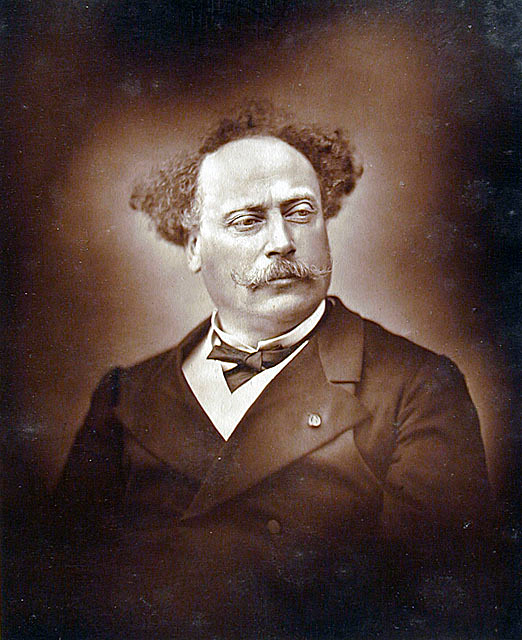
Alexandre
Dumas, fils
Dịch giả: Hải Nguyên
---
Tiếng Pháp:
La Dame aux Camilias
par Alexandre Dumas, fils
---
Tiếng Anh:
Camille
by Alexandre Dumas, fils - Translator: Sir Edmond Gosse (from
French to English) - The Project Gutenberg eBook of Camille
~
Chương 10
Phòng
nàng chỉ được chiếu sáng bởi một ngọn nến độc nhất trên bàn. Ngả người trên chiếc
ghế dài lớn, áo nhăn nhúm, nàng để một tay trên tim và tay kia buông thõng xuống.
Trên bàn, đặt một cái thau nhỏ bằng bạc, đựng nửa thau nước, trong nước loáng
thoáng những sợi máu nhỏ.
Macgơrit
mặt xanh xao, miệng nửa mở, cố gắng lấy lại hơi sức. Thỉnh thoảng, ngực nàng
căng lên, thở một hơi dài, hình như nhờ thế nàng đỡ hơn được chút xíu và trong
giây phút có được cảm giác dễ chịu.
Tôi
đến gần nàng, nàng không một cử động. Tôi ngồi xuống và cầm lấy bàn tay nàng
đang để trên ghế dài:
–
À! Anh đó à? – nàng nói với tôi và mỉm cười.
Hình
như tôi có vẻ hơi lo lắng, bởi vì nàng nói:
–
Anh cũng thấy đau hay sao?
–
Không, nhưng cô còn đau lắm không?
–
Rất ít – và nàng lấy chiếc khăn nhỏ lau những giọt nước mắt, mà cơn ho đã lùa
lên đôi mắt- Giờ đây, tôi đã quen lắm rồi.
–
Nhưng cô tự giết cô – tôi nói với một giọng xúc động – Tôi muốn làm bạn, người thân
của cô, để ngăn cản không để cho cô phải tự làm khổ thân mình như thế.
–
À! Điều đó, thật ra anh không phải bận tâm lo lắng – nàng đáp lại với giọng hơi
chua chát – Anh thấy không, những kẻ khác có để ý đến tôi đâu, chính là vì họ
biết rõ, không còn cách gì để chữa bệnh này được cả.
Một
lát sau, cô đứng dậy, cầm ngọn nến đặt lên lò sưởi và đến soi mình trong tấm
gương lớn.
–
Tôi xanh xao quá – nàng vừa nói vừa sửa áo lại và đưa tay vuốt những sợi tóc rối
– À thôi! Chúng ta hãy trở lại bàn ăn. Anh đi chứ?
Nhưng
tôi vẫn ngồi, không cử động.
Cô
ta hiểu nỗi xúc động mà cảnh tượng vừa qua đã gây cho tôi, bởi vì cô tiến đến gần
tôi, đưa bàn tay cho tôi và nói:
–
Xem kìa, chúng ta đi chứ?
Tôi
cầm lấy tay cô, đưa bàn tay lên môi hôn. Ngoài ý muốn, hai giọt lệ ngưng đọng
trong mắt tôi đã rơi xuống.
–
Ô kìa! Anh trẻ con thế! – Cô vừa nói, vừa ngồi xuống bên tôi – Anh lại khóc, vì
sao thế?
–
Tôi có vẻ ngờ nghệch, nhưng điều tôi vừa trông thấy đã làm tôi đau đớn quá.
–
Anh thật tốt bụng! Anh muốn gì? Tôi không thể ngủ được. Tôi phải tìm cách giải
khuây một ít. Vả chăng, những người con gái như tôi, thêm hay bớt một người, có
hề gì? Các thầy thuốc bảo tôi, máu tôi khạc ra từ khí quản. Tôi có vẻ hơi tin.
Đó là tất cả nhưng gì tôi có thể giúp các ông ấy.
–
Hãy nghe đây, Macgơrit – tôi nói với một nhiệt tình không thể giấu được – Tôi
không biết ảnh hưởng của cô đối với đời tôi sẽ như thế nào. Nhưng tôi biết rằng,
không có một người nào, ngay cả em gái tôi, được tôi chăm sóc như cô. Điều đó hẳn
được bắt đầu khi tôi gặp cô. Vậy, nhân danh thượng đế, cô hãy chăm sóc cô, và
không nên sống như cô đã sống.
–
Nếu tôi tự chăm sóc tôi, tôi sẽ chết mất. Điều giúp tôi đứng vững, chính là cuộc
đời náo động tôi đang sống. Thênm nữa, tự chăm sóc mình, điều đó rất cần cho những
người đàn bà sang trọng, có gia đình và bạn hữu. Còn như chúng tôi, khi chúng
tôi không còn ích gì cho sự hào nhoáng hay vui thú của những tình nhân chúng
tôi, thì họ bỏ chúng tôi. Và những đêm dài nối tiếp những ngày dài. Tôi biết rõ
như thế, tôi có lúc nằm trên giường bệnh hai tháng, và sau tuần thứ ba không
còn người nào đến thăm tôi nữa.
–
Quả thật tôi không là gì cả đối với cô – tôi nói – Nhưng nếu cô bằng lòng, tôi
sẽ chăm sóc cô như một người anh. Tôi sẽ không rời bỏ cô, và tôi sẽ giúp cô
lành bệnh. Thế rồi, khi lấy lại sức khoẻ, cô sẽ trở lại cuộc đời cô đã sống, nếu
cô muốn. Nhưng tôi chắc chắn cô sẽ thích một cuộc đời êm đềm, nó sẽ giúp cô
sung sướng hơn và giữ cô xinh đẹp lâu dài.
–
Bây giờ anh nghĩ như thế, bởi vì anh vừa uống rượu đấy. Nhưng anh sẽ không có sự
kiên nhẫn như anh vừa nói đó đâu.
–
Cho phép tôi được nói với cô, Macgơrit, cô đã ốm suốt hai tháng, và trong hai
tháng đó, tôi đã đến ngày một, để được biết tin tức về cô.
–
Đúng vậy, nhưng tại sao anh không lên nhà?
–
Bởi vì tôi chưa được biết cô.
–
Người ta cần giữ ý như thế với một người con gái như tôi không?
–
Người ta luôn giữ ý đối với mỗi người đàn bà. Ít ra, đó là ý kiến của tôi.
–
Thế thì anh sẽ chăm sóc tôi?
–
Vâng.
–
Anh sẽ ở bên tôi suốt ngày?
–
Bất kỳ lúc nào, nếu điều đó không làm phiền lòng cô.
–
Anh gọi tên thái độ ấy là gì?
–
Sự tận tuỵ.
–
Và sự tận tuỵ đó từ đâu đến?
–
Từ một sự thông cảm không thể cưỡng lại của tôi đối với cô.
–
Thế nghĩa là anh yêu tôi? Nói ngay đi, có phải đơn giản hơn không?
–
Có thể là thế? Nhưng nếu như có một ngày tôi phải nói điều đó, thì ngày đó
không phải là ngày hôm nay.
–
Tốt hơn, đừng bao giờ anh nói điều đó với tôi cả.
–
Tại sao vậy?
–
Bởi vì điều đó chỉ có thể đưa đến hai hậu quả.
–
Như thế nào?
–
Hoặc tôi không chấp nhận, thế là anh sẽ giận tôi: hoặc tôi chấp nhận, thế là
anh sẽ có một tình nhân đáng buồn. Một người đàn bà cau có, bệnh hoạn, buồn tẻ,
hay vui một nỗi vui còn đáng buồn hơn cả sự ưu phiền. Một người đàn bà ho ra
máu, và tiêu phí một trăm nghìn frăng mỗi năm. Điều đó rất tốt đối với một ông
già rất giàu như ông quận công. Nhưng rất phiền chán đối với một chàng trai trẻ
như anh. Và bằng chứng là tất cả những tình nhân trẻ của tôi ngày xưa đều đã rời
bỏ tôi rất nhanh chóng.
Tôi
không trả lời gì cả, chỉ lắng nghe. Sự thành thật đó gần như là một lời thú tội.
Cuộc đời đau đớn ấy, tôi hé thấy dưới màn sáng đang chói rạng đang che phủ, và
người con gái khốn khổ đó đã chạy trốn thực tại trong sự sa đoạ, say sưa và mất
ngủ. Tất cả những điều đó xúc động tôi đặc biệt, đến nỗi tôi không tìm ra được
lời nào để nói.
–
À thôi – Macgơrit nói tiếp – chúng ta đã nói những chuyện trẻ con quá. Đưa tay
cho tôi, và chúng ta trở vào phòng ăn. Người ta không nên biết sự vắng mặt của
chúng ta mang ý nghĩa gì.
–
Vào đi, nếu cô muốn. Nhưng xin lỗi cô, cho phép tôi được ngồi lại đây.
–
Tại sao?
–
Bởi vì sự vui đùa của cô làm tôi đau xót quá.
–
Thế tôi sẽ buồn bã.
–
Nghe đây, Macgơrit, hãy cho tôi nói với cô một điều mà hẳn nhiều người đã thường
nói với cô rồi. Và do đó, thói quen để nghe nó có thể cản trở niềm tin nơi cô.
Nhưng không vì thế mà kém thiết thực. Và tôi xin sẽ không bao giờ lặp lại với
cô nữa.
–
Đó là. . . – nàng nói với một nụ cười không khác gì những bà mẹ đang lắng nghe
một sự rồ dại của con cái mình.
–
Đó là, từ khi tôi trông thấy cô, tôi không thể hiểu thế nào và tại sao, nhưng
cô đã chiếm một chỗ trong cuộc đời tôi. Tôi đã xua đuổi một cách vô ích hình ảnh
cô trong tư tưởng tôi. Hình ảnh đó cứ trở lại mãi. Chính hôm nay, khi tôi gặp lại
cô sau hai năm xa cách, cô đã đi một bước càng sâu hơn vào tâm trí tôi. Cuối
cùng giờ đây cô tiếp tôi, tôi được biết cô. Tôi biết tất cả những gì khác thường
nơi cô. Cô trở nên cần thiết đối với tôi; và tôi sẽ điên mất, không phải chỉ vì
cô không yêu thương tôi, mà ngày cả khi nếu cô không để cho tôi được phép yêu
thương cô.
–
Nhưng đáng buồn cho anh, tôi sẽ nói cho anh biết điều mà bà Đ. . . đã nói. Vậy
chắc anh giàu lắm. Anh phải biết, tôi tiêu sáu, bảy ngàn frăng mỗi tháng. Sự
tiêu phí đó đã trở thành cần thiết đối với đời tôi. Anh không hiểu nổi, anh bạn
đáng thương của tôi. Tôi sẽ làm phá sản anh không mấy chốc; và gia đình anh sẽ
cấm không cho anh sống bên cạnh một con người như tôi. Anh hãy yêu thương tôi
như một người bạn và không thể khác hơn. Anh hãy đến thăm tôi. Chúng ta sẽ cười
đùa, chúng ta sẽ nói chuyện với nhau. Nhưng anh không nên phóng đại giá trị của
tôi. Bởi vì thật ra, tôi không đáng giá là bao. Anh có một tấm lòng vàng. Anh cần
được thương yêu. Anh còn trẻ lắm, và quá đa cảm để sống trong thế giới của
chúng tôi. Anh hãy cưới một người vợ. Anh thấy chứ. Tôi nói thẳng thắn với anh,
như một người bạn.
–
Ối chào! Các bạn nói gì đó? – Pruđăng la to. Chúng tôi không nghe tiếng bước
chân chị đến và chị hiện ra ở cửa phòng với mái tóc búng rối và áo hở rộng cổ.
Tôi biết sự lôi thôi đó là do bàn tay của Gatông.
–
Chúng tôi nói lý lẽ với nhau, – Macgơrit nói – chị hãy để chúng tôi ở đây một
lát. Chúng tôi sẽ đến gặp chị chốc nữa.
–
Được, được. Cô cậu cứ nói chuyện đi! – Pruđăng vừa nói vừa bước ra và đóng mạnh
cửa phòng như để nhấn mạnh những lời nói sau cùng của mình.
–
Thế nhé – Macgơrit nói tiếp, khi chúng tôi còn lại một mình – Anh đừng yêu tôi
nữa.
–
Tôi sẽ đi.
–
Đến nước đó sao?
Tôi
đã tiến quá sâu để có thể lui lại. Vả chăng, người con gái ấy đã làm tôi nhức đầu.
Sự lẫn lộn vui buồn, trinh trắng, sa đoạ; ngay cả cái bệnh đang phát triển nơi
nàng, tính mẫn cảm cũng như tính dễ kích động nơi nàng, tất cả làm cho tôi hiểu,
nếu ngay từ đầu, tôi không chinh phục được bản chất hay quên và nhẹ dạ của
nàng, nàng sẽ vụt khỏi tay tôi mãi mãi.
–
Xem nào! Anh nói nghiêm chỉnh đấy chứ!
–
Rất nghiêm túc.
–
Nhưng tại sao anh không nói điều đó với tôi sớm hơn?
–
Tôi có thể nói vào lúc nào được?
–
Ngày ngày hôm sau, khi anh đã được giới thiệu với tôi tại nhà hát Ôpêra Cômic.
–
Tôi nghĩ rằng cô sẽ tiếp tôi một cách khó chịu nếu tôi đến thăm cô.
–
Tại sao?
–
Bởi vì tối hôm ấy tôi có vẻ ngờ nghệch quá.
–
Điều đó đúng đấy. Nhưng tuy thế, anh đã yêu tôi ngay từ ngày ấy?
–
Vâng.
–
Điều đó chắc không ngăn cấm anh đi nghỉ và ngủ ngon, yên ổn sau một đêm hát.
Chúng tôi hiểu những tình yêu lớn lao đó là như thế nào rồi.
–
Thế đấy. Chính là điều cô lầm. Cô có biết chiều hôm ấy, từ rạp Ôpêra Cômic ra,
tôi làm gì không?
–
Không.
–
Tôi đã đợi cô ở hiệu cà phê Ănglê. Tôi theo dõi chiếc xe đưa cô và ba người bạn
của cô về. Khi thấy cô một mình xuống xe và đi vào nhà, tôi rất sung sướng.
Macgơrit
bỗng cười lên.
–
Cô cười gì thế?
–
Không gì cả.
–
Cô cho tôi biết đi, tôi van cô. Nếu không, tôi nghĩ cô đã chế nhạo tôi.
–
Anh không giận chứ?
–
Tôi có quyền gì để nóng giận.
–
Thế nghĩa là có lý do để tôi trở về nhà một mình.
–
Lý do gì?
–
Người ta đợi tôi ở nhà.
Cô
cho tôi một nhát dao cũng không làm tôi đau đớn đến thế. Tôi đứng dậy, đưa tay
chào:
–
Xin từ biệt – tôi nói.
–
Tôi biết rõ anh giận tôi rồi – cô nói – Nhưng người đàn ông vẫn thường điên rồ
để muốn biết những cái làm cho họ thêm mệt trí.
–
Nhưng tôi đoán chắc – tôi nói tiếp với một giọng lạnh lùng, để chứng tỏ tôi
thoát hẳn khỏi sự đam mê của mình – tôi quả quyết với cô, tôi không nổi giận vì
có người đợi cô. Đó là việc rất tự nhiên. Cũng như rất tự nhiên tôi bỏ đi lúc
ba giờ sáng.
–
Vậy cũng có người đang đợi anh ở nhà?
–
Không, nhưng tôi phải đi.
–
Thế thì xin từ biệt.
–
Cô đuổi tôi?
–
Không phải thế!
–
Tại sao cô làm cho tôi khổ?
–
Tôi làm cho anh khổ ở chỗ nào?
–
Cô bảo có người đợi cô.
–
Tôi không thể nhịn được cười, khi nghĩ anh đã rất sung sướng khi thấy tôi về một
mình. Vì người ta có nhiều lý do lắm.
–
Người ta thường tạo nên niềm vui từ một trò trẻ con. Phá huỷ niềm vui đó, thật
là tàn ác. Vì để nó tồn tại, người ta có thể làm cho kẻ tìm ra niềm vui đó được
sung sướng hơn.
–
Nhưng anh nghĩ anh đang nói chuyện với ai? Tôi không phải là một cô gái đồng
trinh, cũng không phải là bà quận chúa. Tôi chỉ biết anh hôm nay và không nợ nần
gì anh về những hành động của tôi. Cho rằng một ngày kia, tôi sẽ trở thành tình
nhân của anh, thì anh cũng cần biết, tôi còn có những tình nhân khác nữa. Nếu
anh đã làm phiền tôi vì những chuyện ghen tị của anh giờ đây, thì sau này, trò
ghen tị đó sẽ ra sao nữa! Tôi chưa hề thấy một người đàn ông nào như anh.
–
Bởi vì chưa một người đàn ông nào yêu cô như tôi yêu cô.
–
Xem này, nói thẳng đi, anh có thật sự yêu tôi nhiều đến thế không?
–
Với tất cả khả năng người ta có thể yêu được. Tôi tin thế.
–
Và điều đó có từ bao giờ rồi.
–
Từ ngày tôi trông thấy cô bước xuống xe, đi vào Xuyt, cách đây ba năm.
–
Anh có biết rằng đó là một điều rất cao quý không? Vậy tôi phải làm gì để đến
đáp tình yêu lớn lao ấy?
–
Cô phải yêu tôi một ít – Tôi nói với nhịp tim đập mạnh, như muốn ngăn chặn lời
tôi. Bởi vì mặc dầu có những nụ cười như có ý nhạo báng mà nàng giữ trong suốt
buổi nói chuyện, hình như Macgơrit đã bắt đầu chia sẻ sự xúc động của tôi. Và
tôi dần dần đi đến cái phút mà tôi chờ đợi từ lâu.
–
Nhưng còn ông quận công?
–
Ông quận công nào?
–
Ông già ghen tuông của tôi.
–
Ông ấy sẽ không biết gì cả!
–
Nhưng nếu ông ta biết?
–
Ông sẽ tha thứ cho cô.
–
Ồ không! Ông sẽ bỏ rơi tôi và tôi sẽ như thế nào?
–
Cô có thể hy sinh sự từ bỏ ấy cho một người khác.
–
Tại sao anh biết được?
–
Bởi vì cô đã dặn đừng để ai vào nhà đêm nay.
–
Đúng vậy, nhưng người đó là một người bạn đàng hoàng.
–
Nhưng cô chẳng để ý gì lắm đâu. Bởi vì cô đã cấm ông đến nhà giờ này.
–
Anh không thể là người chỉ trích tôi điều đó. Bởi vì chính để tiếp các anh,
anh, và bạn của anh, mà tôi làm như vậy.
Dần
dần, tôi tiến gần Macgơrit, đưa tay choàng lấy người nàng, và tôi cảm thấy thân
hình mềm mại của nàng dựa nặng vào tôi.
–
Nếu cô biết tôi yêu cô chừng nào! – Tôi nói nho nhỏ bên tai nàng.
–
Đúng thật vậy sao?
–
Tôi xin thề.
–
Anh có thể hứa với tôi rằng anh sẽ làm tất cả theo ý muốn của tôi mà không cần
nói một lời, không cần cho tôi những chỉ dẫn, không cần chất vấn tôi gì cả? Như
thế có thể tôi sẽ yêu anh.
–
Tôi sẽ làm tất cả những gì cô muốn.
–
Nhưng tôi nói cho anh biết trước, tôi muốn sống tự do và làm tất cả những gì
tôi thích; không phải cho anh biết bất cứ một chi tiết nhỏ nào của cuộc đời
tôi. Đã lâu rồi, tôi đi tìm một nhân tình trẻ, không nghị lực, yêu mà không
nghi kỵ, được yêu nhưng không có quyền gì. Tôi chưa bao giờ tìm được người như
thế. Những người đàn ông đáng lẽ phải thoả mãn khi được người ta cho họ nhiều
điều mà có lẽ họ chỉ dám ao ước có được một lần, đã đòi hỏi những tình nhân họ
phải cho họ biết về hiện tại, về quá khứ và ngày cả về tương lai nữa. Những người
đàn ông đó, càng trở nên quen thuộc, lại càng muốn ngự trị và trở thành khó
tính, muốn người ta cho họ tất cả những gì họ muốn. Nếu giờ đây tôi quyết định
có một tình nhân mới, tôi muốn người đó phải có ba đặc tính hiếm có này; anh ta
phải tin tưởng, phải biết chiều chuộng, phải kín đáo.
–
Được lắm, tôi sẽ làm tất cả những gì cô muốn.
–
Chúng ta sẽ xem.
–
Và khi nào chúng ta sẽ xem?
–
Sau này.
–
Tại sao.
–
Bởi vì – Macgơrit vừa nói vừa gỡ cánh tay tôi ra, cầm một bó hoa trà đỏ lớn cô
đã đem về từ sáng, lấy một bông hoa trà cắm lên nút áo tôi, và nói – bởi vì người
ta không bao giờ có thể thực hiện những giao ước ngay ngày người ta ký.
Điều
này thì dễ hiểu thôi.
–
Khi nào tôi sẽ gặp lại cô? – Vừa nói tôi vừa ôm chặt nàng trong hai cánh tay.
–
Khi nào cánh hoa trà này đổi sắc.
–
Lúc nào nó sẽ đổi sắc?
–
Ngày mai, từ 11 giờ đến nửa đêm. Anh bằng lòng chứ?
–
Cô còn hỏi tôi điều đó ư?
–
Không một lời nào về chuyện này với bạn của anh, hay với Pruđăng hoặc bất cứ
người nào khác.
–
Tôi xin hứa với cô.
–
Giờ đây, hãy hôn tôi đi và chúng ta sẽ trở vào phòng ăn.
–
Cô ta đưa môi cho tôi hôn, vuốt lại mái tóc. Và chúng tôi bước ra khỏi phòng,
cô vừa đi vừa hát. Tôi như điên dại nửa người.
Vào
phòng khách, nàng dừng lại nói nhỏ với tôi:
–
Vừa rồi chắc anh ngạc nhiên khi thấy tôi sẵn sàng nhận lời anh ngay tức khắc.
Anh có biết như thế là vì sao không?
Nàng
cầm lấy tay tôi và đặt lên tim nàng, nơi tôi nghe những tiếng đập liên hồi, rồi
nói tiếp:
–
Là vì cuộc sống của tôi ngắn ngủi hơn những kẻ khác, nên tôi tự hứa sẽ sống vội
vàng hơn.
–
Đừng nói với tôi như thế, tôi năn nỉ cô.
–
Ồ! Anh hãy tự an ủi – nàng vừa tiếp vừa cười – nếu tôi còn sống một thời gian nữa,
tôi sẽ sống lâu hơn là yêu tôi.
Và
bước vào phòng ăn, nàng vừa đi vừa hát.
–
Nanin đâu rồi? – Nàng nói khi chỉ nhìn thấy có Gatông và Pruđăng.
–
Nanin ngủ trong phòng cô, đang đợi cô vào ngủ đó – Pruđăng trả lời.
–
Con bé tội nghiệp! Tôi giết chết nó mất! Thôi, giờ đây xin mời các ông về, đã đến
giờ rồi.
Mười
phút sau Gatông và tôi ra về. Macgơrit siết chặt tay tôi, chào tạm biệt. Chỉ
còn lại một mình Pruđăng
–
À này – Gatông hỏi khi chúng tôi đã ra ngoài – anh nghĩ gì về Macgơrit?
–
Đúng là một thiên thần. Tôi điên lên vì nàng.
–
Tôi nghi ngờ điều đó. Anh có nói điều đó cho nàng nghe chứ?
–
Có.
–
Và nàng có hứa là tin lời anh không?
–
Không.
–
Không giống như Pruđăng.
–
Cô ả có hứa với anh ?
–
Nàng còn đi xa hơn, anh bạn ạ! Người ta sẽ không thể tin được, nhưng quả thật
nàng vẫn còn đáng giá lắm, Nàng Đuvecnoa to lớn ấy!
➖➖➖
Phần tiếng Pháp
La
Dame aux Camilias par Alexandre Dumas, fils
---
Chapitre X
La
chambre où elle s'était réfugiée n'était éclairée que par une seule bougie
posée sur une table. Renversée sur un grand canapé, sa robe défaite, elle
tenait une main sur son cœur et laissait pendre l'autre. Sur la table il y
avait une cuvette d'argent à moitié pleine d'eau; cette eau était marbrée de
filets de sang.
Marguerite,
très pâle et la bouche entr'ouverte, essayait de reprendre haleine. Par
moments, sa poitrine se gonflait d'un long soupir qui, exhalé, paraissait la
soulager un peu, et la laissait pendant quelques secondes dans un sentiment de
bien-être.
Je
m'approchai d'elle, sans qu'elle fît un mouvement, je m'assis et pris celle de
ses mains qui reposait sur le canapé.
--Ah!
c'est vous? me dit-elle avec un sourire.
Il
paraît que j'avais la figure bouleversée, car elle ajouta:
--Est-ce
que vous êtes malade aussi?
--Non;
mais vous, souffrez-vous encore?
--Très
peu; et elle essuya avec son mouchoir les larmes que la toux avait fait venir à
ses yeux; je suis habituée à cela maintenant.
--Vous
vous tuez, madame, lui dis-je alors d'une voix émue; je voudrais être votre
ami, votre parent, pour vous empêcher de vous faire mal ainsi.
--Ah!
cela ne vaut vraiment pas la peine que vous vous alarmiez, répliqua-t-elle d'un
ton un peu amer; voyez si les autres s'occupent de moi: c'est qu'ils savent
bien qu'il n'y a rien à faire à ce mal-là.
Après
quoi elle se leva et, prenant la bougie, elle la mit sur la cheminée et se
regarda dans la glace.
--Comme
je suis pâle! dit-elle en rattachant sa robe et en passant ses doigts sur ses
cheveux délissés. Ah! bah! allons nous remettre à table. Venez-vous?
Mais
j'étais assis et je ne bougeais pas.
Elle
comprit l'émotion que cette scène m'avait causée, car elle s'approcha de moi
et, me tendant la main, elle me dit:
--Voyons,
venez.
Je
pris sa main, je la portai à mes lèvres en la mouillant malgré moi de deux
larmes longtemps contenues.
--Eh
bien, mais êtes-vous enfant! dit-elle en se rasseyant auprès de moi; voilà que
vous pleurez! Qu'avez-vous?
--Je
dois vous paraître bien niais, mais ce que je viens de voir m'a fait un mal
affreux.
--Vous
êtes bien bon! Que voulez-vous? Je ne puis pas dormir, il faut bien que je me
distraie un peu. Et puis des filles comme moi, une de plus ou de moins,
qu'est-ce que cela fait? Les médecins me disent que le sang que je crache vient
des bronches; j'ai l'air de les croire, c'est tout ce que je puis faire pour
eux.
--Écoutez,
Marguerite, dis-je alors avec une expansion que je ne pus retenir, je ne sais
pas l'influence que vous devez prendre sur ma vie, mais ce que je sais, c'est
qu'à l'heure qu'il est, il n'y a personne, pas même ma sœur, à qui je
m'intéresse comme à vous. C'est ainsi depuis que je vous ai vue. Eh bien, au
nom du ciel, soignez-vous, et ne vivez plus comme vous le faites.
--Si
je me soignais, je mourrais. Ce qui me soutient, c'est la vie fiévreuse que je
mène. Puis, se soigner, c'est bon pour les femmes du monde qui ont une famille
et des amis; mais nous, dès que nous ne pouvons plus servir à la vanité ou au
plaisir de nos amants, ils nous abandonnent, et les longues soirées succèdent
aux longs jours. Je le sais bien, allez, j'ai été deux mois dans mon lit; au
bout de trois semaines, personne ne venait plus me voir.
--Il
est vrai que je ne vous suis rien, repris-je; mais si vous le vouliez je vous
soignerais comme un frère, je ne vous quitterais pas, et je vous guérirais.
Alors, quand vous en auriez la force, vous reprendriez la vie que vous menez,
si bon vous semblait; mais j'en suis sûr, vous aimeriez mieux une existence
tranquille qui vous ferait plus heureuse et vous garderait jolie.
--Vous
pensez comme cela ce soir, parce que vous avez le vin triste, mais vous
n'auriez pas la patience dont vous vous vantez.
--Permettez-moi
de vous dire, Marguerite, que vous avez été malade pendant deux mois, et que,
pendant ces deux mois, je suis venu tous les jours savoir de vos nouvelles.
--C'est
vrai; mais pourquoi ne montiez-vous pas?
--Parce
que je ne vous connaissais pas alors.
--Est-ce
qu'on se gêne avec une fille comme moi?
--On
se gêne toujours avec une femme; c'est mon avis du moins.
--Ainsi,
vous me soigneriez?
--Oui.
--Vous
resteriez tous les jours auprès de moi?
--Oui.
--Et
même toutes les nuits?
--Tout
le temps que je ne vous ennuierais pas.
--Comment
appelez-vous cela?
--Du
dévouement.
--Et
d'où vient ce dévouement?
--D'une
sympathie irrésistible que j'ai pour vous.
--Ainsi
vous êtes amoureux de moi? dites-le tout de suite, c'est bien plus simple.
--C'est
possible; mais si je dois vous le dire un jour, ce n'est pas aujourd'hui.
--Vous
ferez mieux de ne me le dire jamais.
--Pourquoi?
--Parce
qu'il ne peut résulter que deux choses de cet aveu.
--Lesquelles?
--Ou
que je ne vous accepte pas, alors vous m'en voudrez, ou que je vous accepte,
alors vous aurez une triste maîtresse; une femme nerveuse, malade, triste, ou
gaie d'une gaieté plus triste que le chagrin, une femme qui crache le sang et
qui dépense cent mille francs par an, c'est bon pour un vieux richard comme le
duc; mais c'est bien ennuyeux pour un jeune homme comme vous, et la preuve,
c'est que tous les jeunes amants que j'ai eus m'ont bien vite quittée.
Je
ne répondais rien: j'écoutais. Cette franchise qui tenait presque de la
confession, cette vie douloureuse que j'entrevoyais sous le voile doré qui la
couvrait, et dont la pauvre fille fuyait la réalité dans la débauche, l'ivresse
et l'insomnie, tout cela m'impressionnait tellement que je ne trouvais pas une
seule parole.
--Allons,
continua Marguerite, nous disons là des enfantillages. Donnez-moi la main et
rentrons dans la salle à manger. On ne doit pas savoir ce que notre absence
veut dire.
--Rentrez,
si bon vous semble, mais je vous demande la permission de rester ici.
--Pourquoi?
--Parce
que votre gaieté me fait trop de mal.
--Eh
bien, je serai triste.
--Tenez,
Marguerite, laissez-moi vous dire une chose que l'on vous a dite souvent sans
doute, et à laquelle l'habitude de l'entendre vous empêchera peut-être
d'ajouter foi, mais qui n'en est pas moins réelle, et que je ne vous répéterai
jamais.
--C'est?...
dit-elle avec le sourire que prennent les jeunes mères pour écouter une folie
de leur enfant.
--C'est
que, depuis que je vous ai vue, je ne sais comment ni pourquoi, vous avez pris
une place dans ma vie; c'est que j'ai eu beau chasser votre image de ma pensée,
elle y est toujours revenue; c'est qu'aujourd'hui, quand je vous ai rencontrée,
après être resté deux ans sans vous voir, vous avez pris sur mon cœur et mon
esprit un ascendant plus grand encore; c'est qu'enfin, maintenant que vous
m'avez reçu, que je vous connais, que je sais tout ce qu'il y a d'étrange en
vous, vous m'êtes devenue indispensable, et que je deviendrai fou, non pas seulement
si vous ne m'aimez pas, mais si vous ne me laissez pas vous aimer.
--Mais,
malheureux que vous êtes, je vous dirai ce que disait madame D...: vous êtes
donc bien riche! Mais vous ne savez donc pas que je dépense six ou sept mille
francs par mois, et que cette dépense est devenue nécessaire à ma vie? mais
vous ne savez donc pas, mon pauvre ami, que je vous ruinerais en un rien de
temps, et que votre famille vous ferait interdire pour vous apprendre à vivre
avec une créature comme moi? Aimez-moi bien, comme un bon ami, mais pas
autrement. Venez me voir, nous rirons, nous causerons; mais ne vous exagérez
pas ce que je vaux, car je ne vaux pas grand-chose. Vous avez un bon cœur, vous
avez besoin d'être aimé, vous êtes trop jeune et trop sensible pour vivre dans
notre monde. Prenez une femme mariée. Vous voyez que je suis une bonne fille et
que je vous parle franchement.
--Ah
çà! que diable faites-vous là? cria Prudence, que nous n'avions pas entendue
venir, et qui apparaissait sur le seuil de la chambre avec ses cheveux à moitié
défaits et sa robe ouverte. Je reconnaissais dans ce désordre la main de
Gaston.
--Nous
parlons raison, dit Marguerite, laissez-nous un peu; nous vous rejoindrons tout
à l'heure.
--Bien,
bien, causez, mes enfants, dit Prudence en s'en allant et en fermant la porte
comme pour ajouter encore au ton dont elle avait prononcé ces dernières
paroles.
--Ainsi,
c'est convenu, reprit Marguerite, quand nous fûmes seuls, vous ne m'aimerez
plus?
--Je
partirai.
--C'est
à ce point-là?
J'étais
trop avancé pour reculer, et d'ailleurs cette fille me bouleversait. Ce mélange
de gaieté, de tristesse, de candeur, de prostitution, cette maladie même qui
devait développer chez elle la sensibilité des impressions comme l'irritabilité
des nerfs, tout me faisait comprendre que si, dès la première fois, je ne
prenais pas d'empire sur cette nature oublieuse et légère, elle était perdue
pour moi.
--Voyons,
c'est donc sérieux ce que vous dites? fit-elle.
--Très
sérieux.
--Mais
pourquoi ne m'avez-vous pas dit cela plus tôt?
--Quand
vous l'aurais-je dit?
--Le
lendemain du jour où vous m'avez été présenté à l'Opéra-Comique.
--Je
crois que vous m'auriez fort mal reçu, si j'étais venu vous voir.
--Pourquoi?
--Parce
que j'avais été stupide la veille.
--Cela,
c'est vrai. Mais cependant vous m'aimiez déjà à cette époque?
--Oui.
--Ce
qui ne vous a pas empêché d'aller vous coucher et de dormir bien tranquillement
après le spectacle. Nous savons ce que sont ces grands amours-là.
--Eh
bien, c'est ce qui vous trompe. Savez-vous ce que j'ai fait le soir de
l'Opéra-Comique?
--Non.
--Je
vous ai attendue à la porte du café Anglais. J'ai suivi la voiture qui vous a
emmenés, vous et vos trois amis, et, quand je vous ai vue descendre seule et
rentrer seule chez vous, j'ai été bien heureux.
Marguerite
se mit à rire.
--De
quoi riez-vous?
--De
rien.
--Dites-le-moi,
je vous en supplie, ou je vais croire que vous vous moquez encore de moi.
--Vous
ne vous fâcherez pas?
--De
quel droit me fâcherais-je?
--Eh
bien, il y avait une bonne raison pour que je rentrasse seule.
--Laquelle?
--On
m'attendait ici.
Elle
m'eût donné un coup de couteau qu'elle ne m'eût pas fait plus de mal. Je me
levai, et, lui tendant la main:
--Adieu,
lui dis-je.
--Je
savais bien que vous vous fâcheriez, dit-elle. Les hommes ont la rage de
vouloir apprendre ce qui doit leur faire de la peine.
--Mais
je vous assure, ajoutai-je d'un ton froid, comme si j'avais voulu prouver que
j'étais à jamais guéri de ma passion, je vous assure que je ne suis pas fâché.
Il était tout naturel que quelqu'un vous attendît, comme il est tout naturel
que je m'en aille à trois heures du matin.
--Est-ce
que vous avez aussi quelqu'un qui vous attend chez vous?
--Non,
mais il faut que je parte.
--Adieu,
alors.
--Vous
me renvoyez?
--Pas
le moins du monde.
--Pourquoi
me faites-vous de la peine?
--Quelle
peine vous ai-je faite?
--Vous
me dites que quelqu'un vous attendait.
--Je
n'ai pas pu m'empêcher de rire à l'idée que vous aviez été si heureux de me
voir rentrer seule, quand il y avait une si bonne raison pour cela.
--On
se fait souvent une joie d'un enfantillage, et il est méchant de détruire cette
joie, quand, en la laissant subsister, on peut rendre plus heureux encore celui
qui la trouve.
--Mais
à qui croyez-vous donc avoir affaire? Je ne suis ni une vierge ni une duchesse.
Je ne vous connais que d'aujourd'hui et ne vous dois pas compte de mes actions.
En admettant que je devienne un jour votre maîtresse, il faut que vous sachiez
bien que j'ai eu d'autres amants que vous. Si vous me faites déjà des scènes de
jalousie avant, qu'est-ce que ce sera donc après, si jamais l'après existe! Je
n'ai jamais vu un homme comme vous.
--C'est
que personne ne vous a jamais aimée comme je vous aime.
--Voyons,
franchement, vous m'aimez donc bien?
--Autant
qu'il est possible d'aimer, je crois.
--Et
cela dure depuis...?
--Depuis
un jour que je vous ai vue descendre de calèche et entrer chez Susse, il y a
trois ans.
--Savez-vous
que c'est très beau? Eh bien, que faut-il que je fasse pour reconnaître ce
grand amour?
--Il
faut m'aimer un peu, dis-je avec un battement de cœur qui m'empêchait presque
de parler; car, malgré les sourires demi-moqueurs dont elle avait accompagné
toute cette conversation, il me semblait que Marguerite commençait à partager
mon trouble, et que j'approchais de l'heure attendue depuis si longtemps.
--Eh
bien, et le duc?
--Quel
duc?
--Mon
vieux jaloux.
--Il
n'en saura rien.
--Et
s'il le sait?
--Il
vous pardonnera.
--Hé
non! Il m'abandonnera, et qu'est-ce que je deviendrai?
--Vous
risquez bien cet abandon pour un autre.
--Comment
le savez-vous?
--Par
la recommandation que vous avez faite de ne laisser entrer personne cette nuit.
--C'est
vrai; mais celui-là est un ami sérieux.
--Auquel
vous ne tenez guère, puisque vous lui faites défendre votre porte à pareille
heure.
--Ce
n'est pas à vous de me le reprocher, puisque c'était pour vous recevoir, vous
et votre ami.
Peu
à peu je m'étais rapproché de Marguerite, j'avais passé mes mains autour de sa
taille et je sentais son corps souple peser légèrement sur mes mains jointes.
--Si
vous saviez comme je vous aime! lui disais-je tout bas.
--Bien
vrai?
--Je
vous jure.
--Eh
bien, si vous me promettez de faire toutes mes volontés sans dire un mot, sans
me faire une observation, sans me questionner, je vous aimerai peut-être.
--Tout
ce que vous voudrez!
--Mais
je vous en préviens, je veux être libre de faire ce que bon me semblera, sans
vous donner le moindre détail sur ma vie. Il y a longtemps que je cherche un
amant jeune, sans volonté, amoureux sans défiance, aimé sans droits. Je n'ai
jamais pu en trouver un. Les hommes, au lieu d'être satisfaits qu'on leur
accorde longtemps ce qu'ils eussent à peine espéré obtenir une fois, demandent
à leur maîtresse compte du présent, du passé et de l'avenir même. À mesure
qu'ils s'habituent à elle, ils veulent la dominer, et ils deviennent d'autant
plus exigeants qu'on leur donne tout ce qu'ils veulent. Si je me décide à
prendre un nouvel amant maintenant, je veux qu'il ait trois qualités bien
rares, qu'il soit confiant, soumis et discret.
--Eh
bien, je serai tout ce que vous voudrez.
--Nous
verrons.
--Et
quand verrons-nous?
--Plus
tard.
--Pourquoi?
--Parce
que, dit Marguerite en se dégageant de mes bras et en prenant dans un gros
bouquet de camélias rouges apporté le matin un camélia qu'elle passa à ma
boutonnière, parce qu'on ne peut pas toujours exécuter les traités le jour où
on les signe. C'est facile à comprendre.
--Et
quand vous reverrai-je? dis-je en la pressant dans mes bras.
--Quand
ce camélia changera de couleur.
--Et
quand changera-t-il de couleur?
--Demain,
de onze heures à minuit. Êtes-vous content?
--Vous
me le demandez?
--Pas
un mot de tout cela ni à votre ami, ni à Prudence, ni à qui que ce soit.
--Je
vous le promets.
--Maintenant,
embrassez-moi et rentrons dans la salle à manger.
Elle
me tendit ses lèvres, lissa de nouveau ses cheveux, et nous sortîmes de cette
chambre, elle en chantant, moi à moitié fou.
Dans
le salon elle me dit tout bas, en s'arrêtant:
--Cela
doit vous paraître étrange que j'aie l'air d'être prête à vous accepter ainsi
tout de suite; savez-vous d'où cela vient? Cela vient, continua-t-elle en
prenant ma main et en la posant contre son cœur, dont je sentis les
palpitations violentes et répétées, cela vient de ce que, devant vivre moins
longtemps que les autres, je me suis promis de vivre plus vite.
--Ne
me parlez plus de la sorte, je vous en supplie.
--Oh!
consolez-vous, continua-t-elle en riant. Si peu de temps que j'aie à vivre, je
vivrai plus longtemps que vous ne m'aimerez.
Et
elle entra en chantant dans la salle à manger.
--Où
est Nanine? dit-elle en voyant Gaston et Prudence seuls.
--Elle
dort dans votre chambre, en attendant que vous vous couchiez, répondit
Prudence.
--La
malheureuse! Je la tue! Allons, messieurs, retirez-vous; il est temps.
Dix
minutes après, Gaston et moi nous sortions. Marguerite me serrait la main en me
disant adieu et restait avec Prudence.
--Eh
bien, me demanda Gaston, quand nous fûmes dehors, que dites-vous de Marguerite?
--C'est
un ange, et j'en suis fou.
--Je
m'en doutais; le lui avez-vous dit?
--Oui.
--Et
vous a-t-elle promis de vous croire.
--Non.
--Ce
n'est pas comme Prudence.
--Elle
vous l'a promis?
--Elle
a fait mieux, mon cher! On ne le croirait pas, elle est encore très bien, cette
grosse Duvernoy!
➖➖➖
Phần tiếng Anh
Camille
by Alexandre Dumas, fils - Translator: Sir Edmond Gosse (from
French to English) - The Project Gutenberg eBook of Camille
---
Chapter X
The
room to which she had fled was lit only by a single candle. She lay back on a
great sofa, her dress undone, holding one hand on her heart, and letting the
other hang by her side. On the table was a basin half full of water, and the
water was stained with streaks of blood.
Very
pale, her mouth half open, Marguerite tried to recover breath. Now and again
her bosom was raised by a long sigh, which seemed to relieve her a little, and
for a few seconds she would seem to be quite comfortable.
I
went up to her; she made no movement, and I sat down and took the hand which
was lying on the sofa.
“Ah!
it is you,” she said, with a smile.
I
must have looked greatly agitated, for she added:
“Are
you unwell, too?”
“No,
but you: do you still suffer?”
“Very
little;” and she wiped off with her handkerchief the tears which the coughing
had brought to her eyes; “I am used to it now.”
“You
are killing yourself, madame,” I said to her in a moved voice. “I wish I were a
friend, a relation of yours, that I might keep you from doing yourself harm
like this.”
“Ah!
it is really not worth your while to alarm yourself,” she replied in a somewhat
bitter tone; “see how much notice the others take of me! They know too well
that there is nothing to be done.”
Thereupon
she got up, and, taking the candle, put it on the mantel-piece and looked at
herself in the glass.
“How
pale I am!” she said, as she fastened her dress and passed her fingers over her
loosened hair. “Come, let us go back to supper. Are you coming?”
I
sat still and did not move.
She
saw how deeply I had been affected by the whole scene, and, coming up to me,
held out her hand, saying:
“Come
now, let us go.”
I
took her hand, raised it to my lips, and in spite of myself two tears fell upon
it.
“Why,
what a child you are!” she said, sitting down by my side again. “You are
crying! What is the matter?”
“I
must seem very silly to you, but I am frightfully troubled by what I have just
seen.”
“You
are very good! What would you have of me? I can not sleep. I must amuse myself
a little. And then, girls like me, what does it matter, one more or less? The
doctors tell me that the blood I spit up comes from my throat; I pretend to
believe them; it is all I can do for them.”
“Listen,
Marguerite,” I said, unable to contain myself any longer; “I do not know what
influence you are going to have over my life, but at this present moment there
is no one, not even my sister, in whom I feel the interest which I feel in you.
It has been just the same ever since I saw you. Well, for Heaven’s sake, take
care of yourself, and do not live as you are living now.”
“If
I took care of myself I should die. All that supports me is the feverish life I
lead. Then, as for taking care of oneself, that is all very well for women with
families and friends; as for us, from the moment we can no longer serve the
vanity or the pleasure of our lovers, they leave us, and long nights follow
long days. I know it. I was in bed for two months, and after three weeks no one
came to see me.”
“It
is true I am nothing to you,” I went on, “but if you will let me, I will look
after you like a brother, I will never leave your side, and I will cure you.
Then, when you are strong again, you can go back to the life you are leading,
if you choose; but I am sure you will come to prefer a quiet life, which will
make you happier and keep your beauty unspoiled.”
“You
think like that to-night because the wine has made you sad, but you would never
have the patience that you pretend to.”
“Permit
me to say, Marguerite, that you were ill for two months, and that for two
months I came to ask after you every day.”
“It
is true, but why did you not come up?”
“Because
I did not know you then.”
“Need
you have been so particular with a girl like me?”
“One
must always be particular with a woman; it is what I feel, at least.”
“So
you would look after me?”
“Yes.”
“You
would stay by me all day?”
“Yes.
“And
even all night?”
“As
long as I did not weary you.”
“And
what do you call that?”
“Devotion.”
“And
what does this devotion come from?”
“The
irresistible sympathy which I have for you.”
“So
you are in love with me? Say it straight out, it is much more simple.”
“It
is possible; but if I am to say it to you one day, it is not to-day.”
“You
will do better never to say it.”
“Why?”
“Because
only one of two things can come of it.”
“What?”
“Either
I shall not accept: then you will have a grudge against me; or I shall accept:
then you will have a sorry mistress; a woman who is nervous, ill, sad, or gay
with a gaiety sadder than grief, a woman who spits blood and spends a hundred
thousand francs a year. That is all very well for a rich old man like the duke,
but it is very bad for a young man like you, and the proof of it is that all
the young lovers I have had have very soon left me.” I did not answer; I
listened. This frankness, which was almost a kind of confession, the sad life,
of which I caught some glimpse through the golden veil which covered it, and
whose reality the poor girl sought to escape in dissipation, drink, and
wakefulness, impressed me so deeply that I could not utter a single word.
“Come,”
continued Marguerite, “we are talking mere childishness. Give me your arm and
let us go back to the dining-room. They won’t know what we mean by our
absence.”
“Go
in, if you like, but allow me to stay here.”
“Why?”
“Because
your mirth hurts me.”
“Well,
I will be sad.”
“Marguerite,
let me say to you something which you have no doubt often heard, so often that
the habit of hearing it has made you believe it no longer, but which is none
the less real, and which I will never repeat.”
“And
that is...?” she said, with the smile of a young mother listening to some
foolish notion of her child.
“It
is this, that ever since I have seen you, I know not why, you have taken a
place in my life; that, if I drive the thought of you out of my mind, it always
comes back; that when I met you to-day, after not having seen you for two
years, you made a deeper impression on my heart and mind than ever; that, now
that you have let me come to see you, now that I know you, now that I know all
that is strange in you, you have become a necessity of my life, and you will
drive me mad, not only if you will not love me, but if you will not let me love
you.”
“But,
foolish creature that you are, I shall say to you, like Mme. D., ‘You must be
very rich, then!’ Why, you don’t know that I spend six or seven thousand francs
a month, and that I could not live without it; you don’t know, my poor friend,
that I should ruin you in no time, and that your family would cast you off if
you were to live with a woman like me. Let us be friends, good friends, but no
more. Come and see me, we will laugh and talk, but don’t exaggerate what I am
worth, for I am worth very little. You have a good heart, you want someone to
love you, you are too young and too sensitive to live in a world like mine.
Take a married woman. You see, I speak to you frankly, like a friend.”
“But
what the devil are you doing there?” cried Prudence, who had come in without
our hearing her, and who now stood just inside the door, with her hair half
coming down and her dress undone. I recognised the hand of Gaston.
“We
are talking sense,” said Marguerite; “leave us alone; we will be back soon.”
“Good,
good! Talk, my children,” said Prudence, going out and closing the door behind
her, as if to further emphasize the tone in which she had said these words.
“Well,
it is agreed,” continued Marguerite, when we were alone, “you won’t fall in
love with me?”
“I
will go away.”
“So
much as that?”
I
had gone too far to draw back; and I was really carried away. This mingling of
gaiety, sadness, candour, prostitution, her very malady, which no doubt
developed in her a sensitiveness to impressions, as well as an irritability of
nerves, all this made it clear to me that if from the very beginning I did not
completely dominate her light and forgetful nature, she was lost to me.
“Come,
now, do you seriously mean what you say?” she said.
“Seriously.”
“But
why didn’t you say it to me sooner?”
“When
could I have said it?”
“The
day after you had been introduced to me at the Opera Comique.”
“I
thought you would have received me very badly if I had come to see you.”
“Why?”
“Because
I had behaved so stupidly.”
“That’s
true. And yet you were already in love with me.”
“Yes.”
“And
that didn’t hinder you from going to bed and sleeping quite comfortably. One
knows what that sort of love means.”
“There
you are mistaken. Do you know what I did that evening, after the Opera
Comique?”
“No.”
“I
waited for you at the door of the Café Anglais. I followed the carriage in
which you and your three friends were, and when I saw you were the only one to
get down, and that you went in alone, I was very happy.”
Marguerite
began to laugh.
“What
are you laughing at?”
“Nothing.”
“Tell
me, I beg of you, or I shall think you are still laughing at me.”
“You
won’t be cross?”
“What
right have I to be cross?”
“Well,
there was a sufficient reason why I went in alone.”
“What?”
“Some
one was waiting for me here.”
If
she had thrust a knife into me she would not have hurt me more. I rose, and
holding out my hand, “Goodbye,” said I.
“I
knew you would be cross,” she said; “men are frantic to know what is certain to
give them pain.”
“But
I assure you,” I added coldly, as if wishing to prove how completely I was
cured of my passion, “I assure you that I am not cross. It was quite natural
that someone should be waiting for you, just as it is quite natural that I
should go from here at three in the morning.”
“Have
you, too, someone waiting for you?”
“No,
but I must go.”
“Good-bye,
then.”
“You
send me away?”
“Not
the least in the world.”
“Why
are you so unkind to me?”
“How
have I been unkind to you?”
“In
telling me that someone was waiting for you.”
“I
could not help laughing at the idea that you had been so happy to see me come
in alone when there was such a good reason for it.”
“One
finds pleasure in childish enough things, and it is too bad to destroy such a
pleasure when, by simply leaving it alone, one can make somebody so happy.”
“But
what do you think I am? I am neither maid nor duchess. I didn’t know you till
to-day, and I am not responsible to you for my actions. Supposing one day I
should become your mistress, you are bound to know that I have had other lovers
besides you. If you make scenes of jealousy like this before, what will it be
after, if that after should ever exist? I never met anyone like you.”
“That
is because no one has ever loved you as I love you.”
“Frankly,
then, you really love me?”
“As
much as it is possible to love, I think.”
“And
that has lasted since—?”
“Since
the day I saw you go into Susse’s, three years ago.”
“Do
you know, that is tremendously fine? Well, what am I to do in return?”
“Love
me a little,” I said, my heart beating so that I could hardly speak; for, in
spite of the half-mocking smiles with which she had accompanied the whole
conversation, it seemed to me that Marguerite began to share my agitation, and
that the hour so long awaited was drawing near.
“Well,
but the duke?”
“What
duke?”
“My
jealous old duke.”
“He
will know nothing.”
“And
if he should?”
“He
would forgive you.”
“Ah,
no, he would leave me, and what would become of me?”
“You
risk that for someone else.”
“How
do you know?”
“By
the order you gave not to admit anyone to-night.”
“It
is true; but that is a serious friend.”
“For
whom you care nothing, as you have shut your door against him at such an hour.”
“It
is not for you to reproach me, since it was in order to receive you, you and
your friend.”
Little
by little I had drawn nearer to Marguerite. I had put my arms about her waist,
and I felt her supple body weigh lightly on my clasped hands.
“If
you knew how much I love you!” I said in a low voice.
“Really
true?”
“I
swear it.”
“Well,
if you will promise to do everything I tell you, without a word, without an
opinion, without a question, perhaps I will say yes.”
“I
will do everything that you wish!”
“But
I forewarn you I must be free to do as I please, without giving you the
slightest details what I do. I have long wished for a young lover, who should
be young and not self-willed, loving without distrust, loved without claiming
the right to it. I have never found one. Men, instead of being satisfied in
obtaining for a long time what they scarcely hoped to obtain once, exact from
their mistresses a full account of the present, the past, and even the future.
As they get accustomed to her, they want to rule her, and the more one gives
them the more exacting they become. If I decide now on taking a new lover, he
must have three very rare qualities: he must be confiding, submissive, and
discreet.”
“Well,
I will be all that you wish.”
“We
shall see.”
“When
shall we see?”
“Later
on.”
“Why?”
“Because,”
said Marguerite, releasing herself from my arms, and, taking from a great bunch
of red camellias a single camellia, she placed it in my buttonhole, “because
one can not always carry out agreements the day they are signed.”
“And
when shall I see you again?” I said, clasping her in my arms.
“When
this camellia changes colour.”
“When
will it change colour?”
“To-morrow
night between eleven and twelve. Are you satisfied?”
“Need
you ask me?”
“Not
a word of this either to your friend or to Prudence, or to anybody whatever.”
“I
promise.”
“Now,
kiss me, and we will go back to the dining-room.”
She
held up her lips to me, smoothed her hair again, and we went out of the room,
she singing, and I almost beside myself.
In
the next room she stopped for a moment and said to me in a low voice:
“It
must seem strange to you that I am ready to take you at a moment’s notice.
Shall I tell you why? It is,” she continued, taking my hand and placing it
against her heart so that I could feel how rapidly and violently it palpitated;
“it is because I shall not live as long as others, and I have promised myself
to live more quickly.”
“Don’t
speak to me like that, I entreat you.”
“Oh,
make yourself easy,” she continued, laughing; “however short a time I have to
live, I shall live longer than you will love me!”
And
she went singing into the dining-room.
“Where
is Nanine?” she said, seeing Gaston and Prudence alone.
“She
is asleep in your room, waiting till you are ready to go to bed,” replied
Prudence.
“Poor
thing, I am killing her! And now gentlemen, it is time to go.”
Ten
minutes after, Gaston and I left the house. Marguerite shook hands with me and
said good-bye. Prudence remained behind.
“Well,”
said Gaston, when we were in the street, “what do you think of Marguerite?”
“She
is an angel, and I am madly in love with her.”
“So
I guessed; did you tell her so?”
“Yes.”
“And
did she promise to believe you?”
“No.”
“She
is not like Prudence.”
“Did
she promise to?”
“Better
still, my dear fellow. You wouldn’t think it; but she is still not half bad,
poor old Duvernoy!”
➖➖➖


Không có nhận xét nào:
Đăng nhận xét