2026-07-19
Trà
hoa nữ (12)
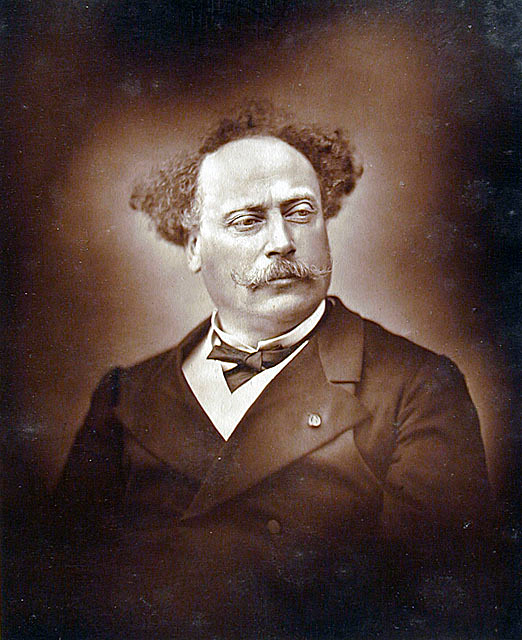
Alexandre
Dumas, fils
Dịch giả: Hải Nguyên
---
Tiếng Pháp:
La Dame aux Camilias
par Alexandre Dumas, fils
---
Tiếng Anh:
Camille
by Alexandre Dumas, fils - Translator: Sir Edmond Gosse (from
French to English) - The Project Gutenberg eBook of Camille
~
Chương 12
Vào
năm giờ sáng, khi ánh sáng ban ngày bắt đầu xuất hiện xuyên qua những tấm màn,
Macgơrit nói với tôi:
–
Anh hãy tha lỗi, vì em phải mời anh ra về, nhưng không thể khác được. Sáng nào,
ông quận công cũng đến. Người ta sẽ cho ông ấy biết là em đang ngủ khi ông đến,
và có lẽ ông sẽ đợi cho đến lúc em dậy.
Tôi
ôm đầu Macgơrit vào trong hai bàn tay. Những sợi tóc nàng rối tung, xoã xuống
quanh người, tôi hôn nàng một lần cuối cùng và nói:
–
Bao giờ anh được gặp lại em?
–
Thế này nhé – nàng nói – Anh hãy cầm chiếc chìa khoá mạ vàng để trên lò sưởi, đến
mở cửa kia, rồi đem chìa khoá lại đây và đi đi. Nội trong ngày, anh sẽ nhận được
một lá thư và những mệnh lệnh của em. Bởi vì, anh biết đó, anh phải vâng lời em
một cách mù quáng.
–
Vâng. Nhưng nếu anh muốn đòi hỏi em một điều gì đó?
–
Điều gì vậy?
–
Em hãy để anh giữ chìa khoá này.
–
Em chưa làm điều đó với bất cứ một ai.
–
Thế thì hãy làm điều đó cho anh. Và anh thề với em, anh không yêu em như những
kẻ khác yêu em.
–
Thôi được, anh hãy giữ lấy. Nhưng em cho anh biết trước, tất cả đều tuỳ em, chiếc
chìa khoá sẽ không ích gì với anh cả.
–
Có những chốt phía bên trong cửa.
–
Độc ác!
–
Em sẽ cho lấy những chốt ra.
–
Vậy thì, em yêu anh một ít chứ?
–
Em không biết nói thế nào. Nhưng hình như là thế. Giờ đây anh đi đi. Em buồn ngủ
quá.
Chúng
tôi ngồi lại thêm vài giây nữa trong vòng tay nhau, rồi tôi ra đi.
Đường
phố vắng vẻ. Cả thành phố còn chìm trong giấc ngủ. Một bầu không khí mát dịu
lan tràn khắp phố phường và tiếng động của con người, trong vài giờ nữa sẽ toả
ra khắp nẻo.
Hình
như cái thành phố đang ngủ thuộc về tôi. Tôi tìm kiếm trong trí nhớ những người
trước đây tôi thèm muốn hạnh phúc của họ và tôi không tìm ra một người nào để
đem so sánh được rằng tôi lại không hạnh phúc hơn họ.
Được
yêu bởi một người con gái trinh trắng, đem lại cho người ấy lần đầu tiên những
bí mật của tình yêu, đúng là một hạnh phúc lớn. Nhưng đó chỉ là một điều giản dị
nhất đời. Chiếm được một trái tim không quen với những sự tấn công, đó là đi
vào một thành phố bỏ ngỏ và không quân đội canh giữ. Giáo dục, ý thức về bổn phận
và gia đình là những canh phòng dũng mãnh, nhưng không có người canh phòng hăng
hái đến mấy mà một cô gái mười sáu tuổi không thể lừa phỉnh được. Cô gái này,
qua tiếng nói của người yêu, đã cảm nhận được những lời khuyên đầu tiên của tạo
hoá về tình yêu, những lời khuyên này càng có vẻ thuần khiết bao nhiêu thì càng
mãnh liệt bấy nhiêu.
Người
con gái càng lớn lên trong đạo đức chừng nào, càng tự buông mình dễ dàng chừng ấy,
nếu không cho người tình, thì ít nhất cũng cho ái tình. Bởi vì, cô ta không có
cả sự nghi ngờ lẫn nghị lực, và được cô yêu thương là một thắng lợi mà người
đàn ông nào hai mươi lăm tuổi cũng có thể làm được, khi họ muốn.
Và
điều này quá đúng, nên bạn thấy người ta đã bao vây, những thiếu nữ bằng biết
bao nhiêu sự cạnh giữ và những thành luỹ! Nhưng những tu viện không có những bức
tường qua cao, những bà mẹ không có những chiếc chìa khoá đủ chắc, tôn giáo
không có những nghĩa vụ đủ thường xuyên để giam giữ nhưng con chim xinh đẹp đó
trong lồng: Thêm nữa, người ta cũng chẳng thèm nhọc sức vứt lên lồng chim một
ít bông hoa. Bởi thế, các cô gái đó thèm muốn cái thế giới mà người ta che giấu.
Các cô tin chắc rằng thế giới này rất là cám dỗ. Và các cô phải tìm kiếm lắng
nghe tiếng nói đầu tiên, qua những chấn song, đến cả những bí mật của thế giới
đó, và ban phép lành cho bàn tay đầu tiên đã vén lên một góc bức màn bí ẩn của
nó.
Nhưng
để được yêu thương thực sự của một kỹ nữ, đó là một chiến thắng khó khăn hơn
nhiều. Ở những con người này, thể xác đã giũa mòn tâm hồn, giác quan và đốt
cháy trái tim, sự truỵ lạc bọc kín tình cảm trong một lớp áo giáp bằng sắt. Những
lời nói với họ, họ đã biết từ lâu rồi. Những phương tiện người ta dùng đến, họ
đã hiểu cả rồi. Cả tình yêu mà họ gây cảm hứng, họ cũng đã bán nó rồi. Họ
thương yêu vì nghề nghiệp, chứ không phải vì tình cảm. Họ được giữ gìn, bảo vệ
kỹ lưỡng bởi những tính toán hơn hẳn một nữ đồng trinh được gìn giữ bởi người mẹ
hay bởi tu viện. Vì thế, họ đã phát minh ra tiếng “bất thường” cho những tình
yêu không buôn bán mà thỉnh thoảng họ tạo nên như một sự yên nghỉ, một sự tha
thứ hay một niềm an ủi. Không khác nào những người cho vay nặng lãi đã bòn rút
tiền của hàng ngàn người và tin rằng mình đã chuộc hết tội lỗi, vì một ngày nào
đó, đã đem cho một kẻ khốn nạn đang chết đói nào đó hai mươi lăm frăng không
đòi hỏi tiền lời, cũng không đòi hỏi biên lai. Vả lại, khi Thượng Đế cho phép một
kỹ nữ được biết đến tình yêu, cái tình yêu đó ban đầu giống như một sự tha thứ,
gần như luôn luôn trở thành một điều trừng phạt đối với cô ả. Không có sự tha
thứ nào lại không kèm theo hình phạt. Khi một người mà quá khứ đáng chê trách,
bỗng dưng cảm thấy bị xâm chiếm bởi một tình yêu sâu đậm chân thực, không cưỡng
lại được, một tình yêu mà người đó chẳng bao giờ tin rằng mình có thể có; khi
người đó đã thú nhận cái tình yêu đó rồi thì người đàn ông được yêu như thế đã
chế ngự người đàn bà ấy đến mức độ nào rồi! Người đàn ông đó cảm thấy mạnh hơn
bao giờ hết, và với quyền lực tàn nhẫn, được phép nói với người đàn bà: “Cô
không đối xử với tình yêu khác hơn là cô đã đối xử với tiền bạc”.
Thế
là những người đàn bà này không còn biết vin vào những bằng chứng nào nữa. Một
đứa trẻ trong một chuyện ngụ ngôn, sau khi nô đùa thật lâu trong cánh đồng,
vùng la lớn: “Có sói! Cứu tôi với!” để phá rối những người đang làm việc; một
ngày kia đã bị một con sói vồ và không làm sao cho những kẻ trước đây thường bị
lừa có thể tin rằng lần này những tiếng kêu cứu của mình thật. Đối với những cô
gái khốn khổ kia cũng như thế, khi họ yêu thương một cách nghiêm chỉnh. Các cô
đã nói dối quá nhiều lần rồi, người ta không còn có thể tin ở các cô nữa.
Và
các cô bị nhai ngấu nghiến bởi tình yêu, giữa sự hối hận của chính các cô.
Do
đó, chúng ta thấy được những sự hy sinh cao cả và những chốn tu hành khắc khổ,
mà một vài người trong số họ đã nêu được những gương sáng.
Nhưng
khi người đàn ông đã gây được cái tình yêu cứu rỗi có một tâm hồn khá cao thượng
để chấp nhận nó, không cần nhớ đến quá khứ khi người đó lăn xả vào; và cuối
cùng, khi người đó yêu như người đó đã được yêu, người đàn ông ấy sẽ chỉ trong
một lần, làm cạn tất cả những cảm xúc trần tục của mình. Và sau cái tình yêu
đó, quả tim anh ta sẽ đóng kín trước bất cứ mối tình nào khác.
Những
suy tư đó không đến trong tâm trí tôi vào buổi sáng khi tôi trở về nhà. Chúng
có lẽ chỉ là sự tiên cảm của những điều sẽ đến với tôi. Và mặc cho tình yêu của
tôi đối với Macgơrit, tôi đã không thấy được, dù chỉ thoáng qua, những hậu quả
tương tự. Những suy nghĩ đó, hôm nay mới đến với tôi. Tất cả đều đã được kết
thúc, không thể nào trở lại. Những suy nghĩ đó là hậu quả tự nhiên của những
cái gì đã xảy ra.
Nhưng
giờ đây, chúng ta hãy trở về, tôi sung sướng đến điên người, khi nghĩ rằng những
ngăn cách đặt ra giữa tôi và Macgơrit do trí tưởng tượng của tôi vẽ ra đều tan
biến cả, rằng tôi sẽ có nàng, tôi đã chiếm được một chỗ nào đó trong tư tưởng
nàng, tôi đã có trong túi tôi chiếc chìa khoá đó. . . Tôi thoả mãn trước cuộc đời,
tôi đã tự phụ về tôi, và tôi biết ơn Thượng Đế đã ban cho tôi tất cả những thứ
đó.
Một
ngày nào đó, một người trai trẻ đi trên đường phố, bỗng chạm nhầm một người đàn
bà. Anh ta nhìn, anh ta quay đầu lại, rồi bỏ đi.
Người
đàn bà ấy, anh ta không quen biết. Người đàn bà ấy có những thú vui, những đau
buồn, những mối tình mà anh không dự vào một chút nào cả. Anh không sống vì người
đàn bà đó, và có lẽ, nếu anh nói với người đàn bà đó, người đàn bà đó sẽ chế giễu
anh, cũng như Macgơrit đã chế giễu tôi. Những tuần lễ, những tháng, những năm
trôi qua. Và bỗng nhiên khi hai người đi theo định mệnh của mình trong một trật
tự khác biệt, sự ngẫu nhiên dẫn họ về đối diện với nhau. Nhưng người đàn bà trở
thành người tình của chàng trai đó, yêu thương anh. Thế nào? Tại sao? Hai người
đó như nhập làm một. Thân hình vừa mới nhen nhúm đã hình như thường xuyên hiện
hữu với họ tự bao giờ. Và tất cả những gì từng xảy ra trước đó, đã mờ xoá trong
trí nhớ của hai người. Thật là lạ lùng. Nhưng chúng ta phải thú nhận điều đó.
Cũng
như tôi, tôi không còn nhớ tôi đã sống cái đêm đó như thế nào. Toàn thân tôi toả
rạng niềm vui, khi nhớ lại những lời trao đổi trong cái đêm ban đầu đó. Hoặc là
Macgơrit đã khôn khéo lừa phỉnh, hoặc là nàng đã có những say đắm đột ngột đối
với tôi. Những say đắm này đã bộc lộ trong cái hôn đầu tiên. Rồi đôi khi nó
cũng chết đi, như nó đã được sinh ra.
Càng
nghĩ những điều đó, tôi càng tự nhủ rằng Macgơrit không có một lý do nào để biểu
lộ giả tạo một tình yêu mà nàng không cảm thấy. Tôi tự nhủ, những người đàn bà
có hai cách thương yêu, và cách này có thể từ cách kia mà ra. Họ thương yêu hoặc
với trái tim, hoặc vì nhục dục. Nhiều khi một người đàn bà chấp nhận một tình
nhân chỉ vì để vâng theo mệnh lệnh của các giác quan, bỗng biết được, không hề
mong đợi, những bí mật của tình yêu phi vật chất, và rồi chỉ sống với trái tim.
Và nhiều khi một thiếu nữ chỉ tìm trong hôn nhân sự hoà hợp của hai tình thương
thuần tuý, bỗng tiếp nhận được sự hiện hữu của tình yêu vật chất – cái kết cục
mãnh liệt từ những ấn tượng trong trắng nhất của tâm hồn.
Tôi
ngủ thiếp đi giữa những ý nghĩ đó. Tôi bị đánh thức bởi một lá thư của Macgơrit
với những dòng chữ sau đây:
“Đây,
những mệnh lệnh của em. Chiều nay, ở Vôđơvin. Anh hãy đến vào lúc nghỉ giải lao
hồi thứ ba”.
Tôi
cất tờ giấy đó trong ngăn kéo, để được luôn luôn nhìn thấy cái thực tại ấy dưới
bàn tay trong trường hợp tôi nghi ngờ, và điều này thỉnh thoảng đã xảy ra.
Cô
không bảo tôi đến gặp ban ngày, nên tôi e ngại không đến nhà cô. Nhưng tôi có một
ước muốn rất lớn là được gặp cô trước buổi tối. Tôi đến Xăng Êlidê. Nơi đó, như
đêm qua, tôi lại thấy cô đi qua rồi lại đi về.
Lúc
bảy giờ, tôi đã có mặt ở Vôđơvin. Không bao giờ tôi đến rạp hát sớm đến thế.
Tất
cả các lô lần lượt đầy người. Chỉ một lô vẫn còn trống; lô trước sân khấu, ở tầng
trệt.
Bắt
đầu hồi thứ ba, tôi nghe cánh cửa lô ấy mở ra và Macgơrit xuất hiện.
Nàng
đi ngay phía trước, nhìn xuống dàn nhạc tìm kiếm. Thấy tôi ở đó, nàng đưa mắt
nhìn tôi cảm ơn.
Tối
hôm đó, nàng đẹp lạ lùng.
Phải
chăng tôi là nguyên nhân của sự trang điểm đó? Nàng đã yêu tôi đến mức nào để
tin rằng nàng càng đẹp, tôi càng sung sướng? Tôi vẫn chưa biết được, nhưng nếu
ý nghĩ nàng như thế, thì nàng đã thành công. Bởi vì khi nàng xuất hiện, những
cái đầu người như dựa vào nhau gợn sóng, và các diễn viên đang trên sân khấu,
cũng đã đưa mắt nhìn con người mà sự xuất hiện làm xôn xao bao nhiêu khán giả.
Và
tôi đã có cái chìa khoá căn phòng người đàn bà ấy. Trong ba hay bốn giờ nữa
nàng sẽ là của tôi.
Người
ta chê bai những kẻ đã phá sản vì những nữ diễn viên và những gái giang hồ. Điều
làm tôi ngạc nhiên, là những người đàn ông đó đã không vì những người đàn bà ấy
mà hành động hai mươi lần điên rồ hơn. Phải sống như tôi cuộc sống đó, để biết
những khoe khoang nhỏ nhặt hàng ngày mà những người đàn bà dành cho họ đã gắn
chặt đến thế nào trong trái tim họ, bởi vì chúng ta không có lời nào khác, để
nói đến tình yêu của người đàn ông đó đối với người đàn bà họ yêu.
Pruđăng
ngồi vào trong lô. Và một người đàn ông mà tôi biết, đó là bá tước G. . . ngồi ở
cuối lô.
Thấy
người này, một luồng giá lạnh đi qua tim tôi.
Dĩ
nhiên, Macgơrit nhận thấy ấn tượng gây nên nơi tôi, bởi sự hiện diện của người
đàn ông trong lô nàng. Bởi vì nàng lại mỉm cười với tôi lần nữa, và quay lưng lại
bá tước, nàng có vẻ như chăm chú nhìn vở kịch đang diễn. Đến lần nghỉ giải lao
hồi thứ ba, nàng quay lại nói vài tiếng. Ông bá tước đứng dậy, rời lô. Và
Macgơrit ra hiệu cho tôi đến gặp nàng.
–
Xin chào! – Nàng nói với tôi khi tôi bước vào và đưa tay cho tôi.
–
Xin chào! – Tôi đáp, vừa cho Macgơrit, vừa cho Pruđăng.
–
Mời anh ngồi.
–
Nhưng tôi chiếm chỗ của một người. Bá tước G. . . sẽ trở lại chứ?
–
Vâng, tôi đã nhờ ông đi lấy một ít quà, để chúng ta có thể nói chuyện với nhau
trong chốc lát. Bà Đuvecnoa là chỗ thân tình.
Macgơrit
vừa nói vừa đứng dậy, đi trở vào phía bóng tối của lô, ôm hôn lên trán tôi và hỏi:
–
Tối nay anh có chuyện gì vậy?
–
Tôi hơi mệt một tí.
–
Vậy anh phải đi nằm đi – nàng đáp lại, với một vẻ hơi mỉa mai rất hợp với cái đầu
thon nhỏ và tinh ranh của nàng.
–
Ở đâu?
–
Ở nhà anh ấy.
–
Cô biết rõ, tôi sẽ không ngủ được ở đó.
–
Thế thì không nên làm nũng với chúng tôi ở đây chỉ vì anh thấy một người đàn
ông ở trong lô tôi.
–
Không phải vì lẽ ấy đâu.
–
Không, em biết lắm, và anh sai rồi. Thôi chúng ta đừng nói đến điều ấy nữa. Sau
buổi hát, anh hãy đến nhà Pruđăng. Anh hãy đợi ở đó, cho đến khi nào em gọi
anh. Anh hiểu chứ?
–
Vâng.
Tôi
có thể không vâng lời nàng được chăng?
–
Anh vẫn yêu em luôn luôn chứ? – Cô nói tiếp.
–
Cô còn hỏi tôi điều đó?
–
Anh có nghĩ đến em không?
–
Suốt cả ngày.
–
Anh có biết, em lo sợ sẽ yêu anh mất không? Anh hãy hỏi lại Pruđăng thì rõ.
–
A! Thật là mệt quá – cô gái lớn mập này trả lời.
–
Bây giờ, anh hãy trở về chỗ cũ của anh. Ông bá tước sắp vào. Và ông ta gặp anh ở
đây không lợi ích gì.
–
Tại sao?
–
Bởi vì nhìn thấy ông ta, anh sẽ khó chịu.
–
Không. Nếu cô bảo tôi rằng cô muốn đến Vôđơvin chiều nay, tôi cũng có thể thuê
cái lô này cho cô như ông ta.
–
Khốn nỗi ông ta đã thuê cái lô này cho em mà em không hề đòi hỏi. Và ông ta xin
được cùng đi với em. Anh biết rõ chứ, em không thể từ chối. Tất cả điều em có
thể làm, là viết thư cho anh, để anh biết em ở đâu, để anh có thể thấy em. Và bởi
vì chính em, em cũng có cái mong muốn được nhìn lại anh sớm hơn.
–
Anh có lỗi, xin thứ lỗi cho anh.
–
Tốt quá! Hãy vui vẻ trở về chỗ anh đi. Và nhất là đừng có ghen nữa.
Cô
ôm hôn tôi lần nữa. Và tôi đi ra.
Trong
hành lang, tôi gặp ông bá tước đang đi trở vào.
Tôi
trở lại chỗ ngồi của tôi.
Nói
cho cùng sự hiện diện của ông G. . . trong lô của Macgơrit là một chuyện dễ hiểu
thôi. Ông đã là người tình của nàng, ông thuê cho hàng một cái lô, ông cùng đi
với nàng đến rạp hát. Tất cả những cái đó là đương nhiên. Và khi tôi có người
tình là một cô gái như Macgơrit, tôi phải chấp nhận những thói quen của nàng.
Phần còn lại của đêm đó, xem ra, tôi vẫn chịu không ít khốn khổ. Tôi rất buồn
lúc đi ra, sau khi đã thấy Pruđăng, bá tước G. . . và Macgơrit lên chiếc xe chờ
họ ở trước cửa.
Tuy
thế, mười lăm phút sau, tôi có mặt tại nhà Pruđăng, chị ta vừa mới về.
➖➖➖
Phần tiếng Pháp
La
Dame aux Camilias par Alexandre Dumas, fils
---
Chapitre XII
À
cinq heures du matin, quand le jour commença à paraître à travers les rideaux,
Marguerite me dit:
--Pardonne-moi
si je te chasse, mais il le faut. Le duc vient tous les matins; on va lui
répondre que je dors, quand il va venir, et il attendra peut-être que je me
réveille.
Je
pris dans mes mains la tête de Marguerite, dont les cheveux défaits ruisselaient
autour d'elle, et je lui donnai un dernier baiser, en lui disant:
--Quand
te reverrai-je?
--Écoute,
reprit-elle, prends cette petite clef dorée qui est sur la cheminée, va ouvrir
cette porte; rapporte la clef ici et va-t'en. Dans la journée, tu recevras une
lettre et mes ordres, car tu sais que tu dois obéir aveuglément.
--Oui,
et si je demandais déjà quelque chose?
--Quoi
donc?
--Que
tu me laissasses cette clef.
--Je
n'ai jamais fait pour personne ce que tu me demandes là.
--Eh
bien, fais-le pour moi, car je te jure que, moi, je ne t'aime pas comme les
autres t'aimaient.
--Eh
bien, garde-la; mais je te préviens qu'il ne dépend que de moi que cette clef
ne te serve à rien.
--Pourquoi?
--Il
y a des verrous en dedans de la porte.
--Méchante!
--Je
les ferai ôter.
--Tu
m'aimes donc un peu?
--Je
ne sais pas comment cela se fait, mais il me semble que oui. Maintenant
va-t'en; je tombe de sommeil.
Nous
restâmes quelques secondes dans les bras l'un de l'autre, et je partis.
Les
rues étaient désertes, la grande ville dormait encore, une douce fraîcheur
courait dans ces quartiers que le bruit des hommes allait envahir quelques
heures plus tard.
Il
me sembla que cette ville endormie m'appartenait; je cherchais dans mon
souvenir les noms de ceux dont j'avais jusqu'alors envié le bonheur; et je ne
m'en rappelais pas un sans me trouver plus heureux que lui.
Être
aimé d'une jeune fille chaste, lui révéler le premier cet étrange mystère de
l'amour, certes, c'est une grande félicité, mais c'est la chose du monde la
plus simple. S'emparer d'un cœur qui n'a pas l'habitude des attaques, c'est
entrer dans une ville ouverte et sans garnison. L'éducation, le sentiment des
devoirs et la famille sont de très fortes sentinelles; mais il n'y a
sentinelles si vigilantes que ne trompe une fille de seize ans, à qui, par la
voix de l'homme qu'elle aime, la nature donne ses premiers conseils d'amour qui
sont d'autant plus ardents qu'ils paraissent plus purs.
Plus
la jeune fille croit au bien, plus elle s'abandonne facilement, sinon à
l'amant, du moins à l'amour, car étant sans défiance, elle est sans force, et
se faire aimer d'elle est un triomphe que tout homme de vingt-cinq ans pourra
se donner quand il voudra. Et cela est si vrai que voyez comme on entoure les
jeunes filles de surveillance et de remparts! Les couvents n'ont pas de murs
assez hauts, les mères de serrures assez fortes, la religion de devoirs assez
continus pour renfermer tous ces charmants oiseaux dans leur cage, sur laquelle
on ne se donne même pas la peine de jeter des fleurs. Aussi comme elles doivent
désirer ce monde qu'on leur cache, comme elles doivent croire qu'il est
tentant, comme elles doivent écouter la première voix qui, à travers les
barreaux, vient leur en raconter les secrets, et bénir la main qui lève, la première,
un coin du voile mystérieux.
Mais
être réellement aimé d'une courtisane, c'est une victoire bien autrement
difficile. Chez elles, le corps a usé l'âme, les sens ont brûlé le cœur, la
débauche a cuirassé les sentiments. Les mots qu'on leur dit, elles les savent
depuis longtemps; les moyens que l'on emploie, elles les connaissent, l'amour
même qu'elles inspirent, elles l'ont vendu. Elles aiment par métier et non par
entraînement. Elles sont mieux gardées par leurs calculs qu'une vierge par sa
mère et son couvent; aussi ont-elles inventé le mot caprice pour ces amours
sans trafic qu'elles se donnent de temps en temps comme repos, comme excuse, ou
comme consolation; semblables à ces usuriers qui rançonnent mille individus, et
qui croient tout racheter en prêtant un jour vingt francs à quelque pauvre
diable qui meurt de faim, sans exiger d'intérêt et sans lui demander de reçu.
Puis,
quand Dieu permet l'amour à une courtisane, cet amour, qui semble d'abord un
pardon, devient presque toujours pour elle un châtiment. Il n'y a pas
d'absolution sans pénitence. Quand une créature, qui a tout son passé à se
reprocher, se sent tout à coup prise d'un amour profond, sincère, irrésistible,
dont elle ne se fût jamais crue capable; quand elle a avoué cet amour, comme
l'homme aimé ainsi la domine! Comme il se sent fort avec ce droit cruel de lui
dire: «vous ne faites pas plus pour de l'amour que vous n'avez fait pour de
l'argent.»
Alors
elles ne savent quelles preuves donner. Un enfant, raconte la fable, après
s'être longtemps amusé dans un champ à crier: «au secours!» Pour déranger des
travailleurs, fut dévoré un jour par un ours, sans que ceux qu'il avait trompés
si souvent crussent cette fois aux cris réels qu'il poussait. Il en est de même
de ces malheureuses filles, quand elles aiment sérieusement. Elles ont menti
tant de fois qu'on ne veut plus les croire, et elles sont, au milieu de leurs
remords, dévorées par leur amour.
De
là, ces grands dévouements, ces austères retraites dont quelques-unes ont donné
l'exemple.
Mais,
quand l'homme qui inspire cet amour rédempteur a l'âme assez généreuse pour
l'accepter sans se souvenir du passé, quand il s'y abandonne, quand il aime
enfin, comme il est aimé, cet homme épuise d'un coup toutes les émotions
terrestres, et après cet amour son cœur sera fermé à tout autre.
Ces
réflexions, je ne les faisais pas le matin où je rentrais chez moi. Elles
n'eussent pu être que le pressentiment de ce qui allait m'arriver, et malgré
mon amour pour Marguerite, je n'entrevoyais pas de semblables conséquences;
aujourd'hui je les fais. Tout étant irrévocablement fini, elles résultent
naturellement de ce qui a eu lieu.
Mais
revenons au premier jour de cette liaison. Quand je rentrai, j'étais d'une
gaieté folle. En songeant que les barrières placées par mon imagination entre
Marguerite et moi avaient disparu, que je la possédais, que j'occupais un peu
sa pensée, que j'avais dans ma poche la clef de son appartement et le droit de
me servir de cette clef, j'étais content de la vie, fier de moi, et j'aimais
Dieu qui permettait tout cela.
Un
jour, un jeune homme passe dans une rue, il y coudoie une femme, il la regarde,
il se retourne, il passe. Cette femme, il ne la connaît pas, elle a des
plaisirs, des chagrins, des amours où il n'a aucune part. Il n'existe pas pour
elle, et peut-être, s'il lui parlait, se moquerait-elle de lui comme Marguerite
avait fait de moi. Des semaines, des mois, des années s'écoulent, et tout à
coup, quand ils ont suivi chacun leur destinée dans un ordre différent, la
logique du hasard les ramène en face l'un de l'autre. Cette femme devient la
maîtresse de cet homme et l'aime. Comment? Pourquoi? Leurs deux existences n'en
font plus qu'une; à peine l'intimité existe-t-elle, qu'elle leur semble avoir existé
toujours, et tout ce qui a précédé s'efface de la mémoire des deux amants.
C'est curieux, avouons-le.
Quant
à moi, je ne me rappelais plus comment j'avais vécu avant la veille. Tout mon
être s'exaltait en joie au souvenir des mots échangés pendant cette première
nuit. Ou Marguerite était habile à tromper, ou elle avait pour moi une de ces
passions subites qui se révèlent dès le premier baiser, et qui meurent
quelquefois, du reste, comme elles sont nées.
Plus
j'y réfléchissais, plus je me disais que Marguerite n'avait aucune raison de
feindre un amour qu'elle n'aurait pas ressenti, et je me disais aussi que les
femmes ont deux façons d'aimer qui peuvent résulter l'une de l'autre: elles
aiment avec le cœur ou avec les sens. Souvent une femme prend un amant pour
obéir à la seule volonté de ses sens, et apprend, sans s'y être attendue, le
mystère de l'amour immatériel et ne vit plus que par son cœur; souvent une
jeune fille, ne cherchant dans le mariage que la réunion de deux affections
pures, reçoit cette soudaine révélation de l'amour physique, cette énergique
conclusion des plus chastes impressions de l'âme.
Je
m'endormis au milieu de ces pensées. Je fus réveillé par une lettre de
Marguerite, lettre contenant ces mots:
«Voici
mes ordres: ce soir au Vaudeville. Venez pendant le troisième entr'acte.
«M.
G.»
Je
serrai ce billet dans un tiroir, afin d'avoir toujours la réalité sous la main,
dans le cas où je douterais, comme cela m'arrivait par moments.
Elle
ne me disait pas de l'aller voir dans le jour, je n'osai me présenter chez
elle; mais j'avais un si grand désir de la rencontrer avant le soir que j'allai
aux Champs-Elysées, où, comme la veille, je la vis passer et redescendre.
À
sept heures, j'étais au Vaudeville.
Jamais
je n'étais entré si tôt dans un théâtre.
Toutes
les loges s'emplirent les unes après les autres. Une seule restait vide:
l'avant-scène du rez-de-chaussée.
Au
commencement du troisième acte, j'entendis ouvrir la porte de cette loge, sur
laquelle j'avais presque constamment les yeux fixés, Marguerite parut.
Elle
passa tout de suite sur le devant, chercha à l'orchestre, m'y vit et me
remercia du regard.
Elle
était merveilleusement belle ce soir-là.
Etais-je
la cause de cette coquetterie? M'aimait-elle assez pour croire que, plus je la
trouverais belle, plus je serais heureux? Je l'ignorais encore; mais si telle
avait été son intention, elle réussissait, car, lorsqu'elle se montra, les
têtes ondulèrent les unes vers les autres, et l'acteur alors en scène regarda
lui-même celle qui troublait ainsi les spectateurs par sa seule apparition.
Et
j'avais la clef de l'appartement de cette femme, et dans trois ou quatre heures
elle allait de nouveau être à moi.
On
blâme ceux qui se ruinent pour des actrices et des femmes entretenues; ce qui
m'étonne, c'est qu'ils ne fassent pas pour elles vingt fois plus de folies. Il
faut avoir vécu, comme moi, de cette vie-là, pour savoir combien les petites
vanités de tous les jours qu'elles donnent à leur amant soudent fortement dans
le cœur, puisque nous n'avons pas d'autre mot, l'amour qu'il a pour elle.
Prudence
prit place ensuite dans la loge, et un homme que je reconnus pour le comte de
G... s'assit au fond.
À
sa vue, un froid me passa sur le cœur.
Sans
doute, Marguerite s'apercevait de l'impression produite sur moi par la présence
de cet homme dans sa loge, car elle me sourit de nouveau, et tournant le dos au
comte, elle parut fort attentive à la pièce. Au troisième entr'acte, elle se
retourna, dit deux mots; le comte quitta la loge, et Marguerite me fit signe de
venir la voir.
--Bonsoir!
me dit-elle quand j'entrai, et elle me tendit la main.
--Bonsoir!
répondis-je en m'adressant à Marguerite et à Prudence.
--Asseyez-vous.
--Mais
je prends la place de quelqu'un. Est-ce que M. le comte de G... ne va pas
revenir?
--Si;
je l'ai envoyé me chercher des bonbons pour que nous puissions causer seuls un
instant. Madame Duvernoy est dans la confidence.
--Oui,
mes enfants, dit celle-ci; mais soyez tranquilles, je ne dirai rien.
--Qu'avez-vous
donc ce soir? dit Marguerite en se levant et en venant dans l'ombre de la loge
m'embrasser sur le front.
--Je
suis un peu souffrant.
--Il
faut aller vous coucher, reprit-elle avec cet air ironique si bien fait pour sa
tête fine et spirituelle.
--Où?
--Chez
vous.
--Vous
savez bien que je n'y dormirai pas.
--Alors,
il ne faut pas venir nous faire la moue ici parce que vous avez vu un homme
dans ma loge.
--Ce
n'est pas pour cette raison.
--Si
fait, je m'y connais, et vous avez tort; ainsi ne parlons plus de cela. Vous
viendrez après le spectacle chez Prudence, et vous y resterez jusqu'à ce que je
vous appelle. Entendez-vous?
--Oui.
Est-ce
que je pouvais désobéir?
--Vous
m'aimez toujours? reprit-elle.
--Vous
me le demandez!
--Vous
avez pensé à moi?
--Tout
le jour.
--Savez-vous
que je crains décidément de devenir amoureuse de vous? demandez plutôt à
Prudence.
--Ah!
répondit la grosse fille, c'en est assommant.
--Maintenant,
vous allez retourner à votre stalle; le comte va rentrer, et il est inutile
qu'il vous trouve ici.
--Pourquoi?
--Parce
que cela vous est désagréable de le voir.
--Non;
seulement si vous m'aviez dit désirer venir au Vaudeville ce soir, j'aurais pu
vous envoyer cette loge aussi bien que lui.
--Malheureusement,
il me l'a apportée sans que je la lui demande, en m'offrant de m'accompagner.
Vous le savez très bien, je ne pouvais pas refuser. Tout ce que je pouvais
faire, c'était de vous écrire où j'allais pour que vous me vissiez, et parce
que moi-même j'avais du plaisir à vous revoir plus tôt; mais, puisque c'est
ainsi que vous me remerciez, je profite de la leçon.
--J'ai
tort, pardonnez-moi.
--À
la bonne heure, retournez gentiment à votre place, et surtout ne faites plus le
jaloux.
Elle
m'embrassa de nouveau, et je sortis.
Dans
le couloir, je rencontrai le comte qui revenait.
Je
retournai à ma stalle.
Après
tout, la présence de M. de G... dans la loge de Marguerite était la chose la
plus simple. Il avait été son amant, il lui apportait une loge, il
l'accompagnait au spectacle, tout cela était fort naturel, et, du moment où
j'avais pour maîtresse une fille comme Marguerite, il me fallait bien accepter
ses habitudes.
Je
n'en fus pas moins très malheureux le reste de la soirée, et j'étais fort
triste en m'en allant, après avoir vu Prudence, le comte et Marguerite monter
dans la calèche qui les attendait à la porte.
Et
cependant, un quart d'heure après, j'étais chez Prudence. Elle rentrait à
peine.
➖➖➖
Phần tiếng Anh
Camille
by Alexandre Dumas, fils - Translator: Sir Edmond Gosse (from
French to English) - The Project Gutenberg eBook of Camille
---
Chapter XII
At
five o’clock in the morning, as the light began to appear through the curtains,
Marguerite said to me: “Forgive me if I send you away; but I must. The duke
comes every morning; they will tell him, when he comes, that I am asleep, and
perhaps he will wait until I wake.”
I
took Marguerite’s head in my hands; her loosened hair streamed about her; I
gave her a last kiss, saying: “When shall I see you again?”
“Listen,”
she said; “take the little gilt key on the mantelpiece, open that door; bring
me back the key and go. In the course of the day you shall have a letter, and
my orders, for you know you are to obey blindly.”
“Yes;
but if I should already ask for something?”
“What?”
“Let
me have that key.”
“What
you ask is a thing I have never done for anyone.”
“Well,
do it for me, for I swear to you that I don’t love you as the others have loved
you.”
“Well,
keep it; but it only depends on me to make it useless to you, after all.”
“How?”
“There
are bolts on the door.”
“Wretch!”
“I
will have them taken off.”
“You
love, then, a little?”
“I
don’t know how it is, but it seems to me as if I do! Now, go; I can’t keep my
eyes open.”
I
held her in my arms for a few seconds and then went.
The
streets were empty, the great city was still asleep, a sweet freshness
circulated in the streets that a few hours later would be filled with the noise
of men. It seemed to me as if this sleeping city belonged to me; I searched my
memory for the names of those whose happiness I had once envied; and I could
not recall one without finding myself the happier.
To
be loved by a pure young girl, to be the first to reveal to her the strange
mystery of love, is indeed a great happiness, but it is the simplest thing in
the world. To take captive a heart which has had no experience of attack, is to
enter an unfortified and ungarrisoned city. Education, family feeling, the
sense of duty, the family, are strong sentinels, but there are no sentinels so
vigilant as not to be deceived by a girl of sixteen to whom nature, by the
voice of the man she loves, gives the first counsels of love, all the more
ardent because they seem so pure.
The
more a girl believes in goodness, the more easily will she give way, if not to
her lover, at least to love, for being without mistrust she is without force,
and to win her love is a triumph that can be gained by any young man of
five-and-twenty. See how young girls are watched and guarded! The walls of
convents are not high enough, mothers have no locks strong enough, religion has
no duties constant enough, to shut these charming birds in their cages, cages
not even strewn with flowers. Then how surely must they desire the world which
is hidden from them, how surely must they find it tempting, how surely must
they listen to the first voice which comes to tell its secrets through their
bars, and bless the hand which is the first to raise a corner of the mysterious
veil!
But
to be really loved by a courtesan: that is a victory of infinitely greater
difficulty. With them the body has worn out the soul, the senses have burned up
the heart, dissipation has blunted the feelings. They have long known the words
that we say to them, the means we use; they have sold the love that they
inspire. They love by profession, and not by instinct. They are guarded better
by their calculations than a virgin by her mother and her convent; and they
have invented the word caprice for that unbartered love which they allow
themselves from time to time, for a rest, for an excuse, for a consolation,
like usurers, who cheat a thousand, and think they have bought their own
redemption by once lending a sovereign to a poor devil who is dying of hunger
without asking for interest or a receipt.
Then,
when God allows love to a courtesan, that love, which at first seems like a
pardon, becomes for her almost without penitence. When a creature who has all
her past to reproach herself with is taken all at once by a profound, sincere,
irresistible love, of which she had never felt herself capable; when she has
confessed her love, how absolutely the man whom she loves dominates her! How
strong he feels with his cruel right to say: You do no more for love than you
have done for money. They know not what proof to give. A child, says the fable,
having often amused himself by crying “Help! a wolf!” in order to disturb the
labourers in the field, was one day devoured by a Wolf, because those whom he
had so often deceived no longer believed in his cries for help. It is the same
with these unhappy women when they love seriously. They have lied so often that
no one will believe them, and in the midst of their remorse they are devoured
by their love.
Hence
those great devotions, those austere retreats from the world, of which some of
them have given an example.
But
when the man who inspires this redeeming love is great enough in soul to
receive it without remembering the past, when he gives himself up to it, when,
in short, he loves as he is loved, this man drains at one draught all earthly
emotions, and after such a love his heart will be closed to every other.
I
did not make these reflections on the morning when I returned home. They could
but have been the presentiment of what was to happen to me, and, despite my
love for Marguerite, I did not foresee such consequences. I make these
reflections to-day. Now that all is irrevocably ended, they arise naturally out
of what has taken place.
But
to return to the first day of my liaison. When I reached home I was in a state
of mad gaiety. As I thought of how the barriers which my imagination had placed
between Marguerite and myself had disappeared, of how she was now mine; of the
place I now had in her thoughts, of the key to her room which I had in my
pocket, and of my right to use this key, I was satisfied with life, proud of
myself, and I loved God because he had let such things be.
One
day a young man is passing in the street, he brushes against a woman, looks at
her, turns, goes on his way. He does not know the woman, and she has pleasures,
griefs, loves, in which he has no part. He does not exist for her, and perhaps,
if he spoke to her, she would only laugh at him, as Marguerite had laughed at
me. Weeks, months, years pass, and all at once, when they have each followed
their fate along a different path, the logic of chance brings them face to
face. The woman becomes the man’s mistress and loves him. How? why? Their two
existences are henceforth one; they have scarcely begun to know one another
when it seems as if they had known one another always, and all that had gone
before is wiped out from the memory of the two lovers. It is curious, one must
admit.
As
for me, I no longer remembered how I had lived before that night. My whole
being was exalted into joy at the memory of the words we had exchanged during
that first night. Either Marguerite was very clever in deception, or she had
conceived for me one of those sudden passions which are revealed in the first
kiss, and which die, often enough, as suddenly as they were born.
The
more I reflected the more I said to myself that Marguerite had no reason for
feigning a love which she did not feel, and I said to myself also that women
have two ways of loving, one of which may arise from the other: they love with
the heart or with the senses. Often a woman takes a lover in obedience to the
mere will of the senses, and learns without expecting it the mystery of
immaterial love, and lives henceforth only through her heart; often a girl who
has sought in marriage only the union of two pure affections receives the
sudden revelation of physical love, that energetic conclusion of the purest
impressions of the soul.
In
the midst of these thoughts I fell asleep; I was awakened by a letter from
Marguerite containing these words:
“Here
are my orders: To-night at the Vaudeville.
“Come
during the third entr’acte.”
I
put the letter into a drawer, so that I might always have it at hand in case I
doubted its reality, as I did from time to time.
She
did not tell me to come to see her during the day, and I dared not go; but I
had so great a desire to see her before the evening that I went to the
Champs-Elysées, where I again saw her pass and repass, as I had on the previous
day.
At
seven o’clock I was at the Vaudeville. Never had I gone to a theatre so early.
The boxes filled one after another. Only one remained empty, the stage box. At
the beginning of the third act I heard the door of the box, on which my eyes
had been almost constantly fixed, open, and Marguerite appeared. She came to
the front at once, looked around the stalls, saw me, and thanked me with a
look.
That
night she was marvellously beautiful. Was I the cause of this coquetry? Did she
love me enough to believe that the more beautiful she looked the happier I
should be? I did not know, but if that had been her intention she certainly
succeeded, for when she appeared all heads turned, and the actor who was then
on the stage looked to see who had produced such an effect on the audience by
her mere presence there.
And
I had the key of this woman’s room, and in three or four hours she would again
be mine!
People
blame those who let themselves be ruined by actresses and kept women; what
astonishes me is that twenty times greater follies are not committed for them.
One must have lived that life, as I have, to know how much the little vanities
which they afford their lovers every day help to fasten deeper into the heart,
since we have no other word for it, the love which he has for them.
Prudence
next took her place in the box, and a man, whom I recognised as the Comte de
G., seated himself at the back. As I saw him, a cold shiver went through my
heart.
Doubtless
Marguerite perceived the impression made on me by the presence of this man, for
she smiled to me again, and, turning her back to the count, appeared to be very
attentive to the play. At the third entr’acte she turned and said two words:
the count left the box, and Marguerite beckoned to me to come to her.
“Good-evening,”
she said as I entered, holding out her hand.
“Good-evening,”
I replied to both Marguerite and Prudence.
“Sit
down.”
“But
I am taking someone’s place. Isn’t the Comte de G. coming back?”
“Yes;
I sent him to fetch some sweets, so that we could talk by ourselves for a
moment. Mme. Duvernoy is in on the secret.”
“Yes,
my children,” said she; “have no fear. I shall say nothing.”
“What
is the matter with you to-night?” said Marguerite, rising and coming to the
back of the box and kissing me on the forehead.
“I
am not very well.”
“You
should go to bed,” she replied, with that ironical air which went so well with
her delicate and witty face.
“Where?”
“At
home.”
“You
know that I shouldn’t be able to sleep there.”
“Well,
then, it won’t do for you to come and be pettish here because you have seen a
man in my box.”
“It
is not for that reason.”
“Yes,
it is. I know; and you are wrong, so let us say no more about it. You will go
back with Prudence after the theatre, and you will stay there till I call. Do
you understand?”
“Yes.”
How
could I disobey?
“You
still love me?”
“Can
you ask?”
“You
have thought of me?”
“All
day long.”
“Do
you know that I am really afraid that I shall get very fond of you? Ask
Prudence.”
“Ah,”
said she, “it is amazing!”
“Now,
you must go back to your seat. The count will be coming back, and there is
nothing to be gained by his finding you here.”
“Because
you don’t like seeing him.”
“No;
only if you had told me that you wanted to come to the Vaudeville to-night I
could have got this box for you as well as he.”
“Unfortunately,
he got it for me without my asking him, and he asked me to go with him; you
know well enough that I couldn’t refuse. All I could do was to write and tell
you where I was going, so that you could see me, and because I wanted to see
you myself; but since this is the way you thank me, I shall profit by the
lesson.”
“I
was wrong; forgive me.”
“Well
and good; and now go back nicely to your place, and, above all, no more
jealousy.”
She
kissed me again, and I left the box. In the passage I met the count coming
back. I returned to my seat.
After
all, the presence of M. de G. in Marguerite’s box was the most natural thing in
the world. He had been her lover, he sent her a box, he accompanied her to the
theatre; it was all quite natural, and if I was to have a mistress like
Marguerite I should have to get used to her ways.
Nonetheless,
I was very unhappy all the rest of the evening, and went away very sadly after
having seen Prudence, the count, and Marguerite get into the carriage, which
was waiting for them at the door.
However,
a quarter of an hour later I was at Prudence’s. She had only just got in.
➖➖➖


Không có nhận xét nào:
Đăng nhận xét