2025-07-26
Trà
hoa nữ (13)
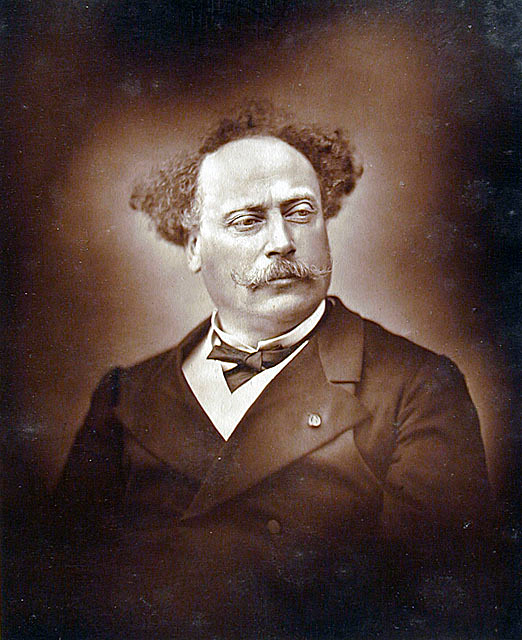
Alexandre
Dumas, fils
Dịch giả: Hải Nguyên
---
Tiếng Pháp:
La Dame aux Camilias
par Alexandre Dumas, fils
---
Tiếng Anh:
Camille
by Alexandre Dumas, fils - Translator: Sir Edmond Gosse (from
French to English) - The Project Gutenberg eBook of Camille
Chương 13
Anh
đến cũng nhanh, gần như chúng tôi – Pruđăng nói.
–
Vâng – tôi trả lời như máy – Macgơrit ở đâu?
–
Ở nhà cô.
–
Một mình thôi?
–
Với ông G. . .
Tôi
sải từng bước dài trong phòng khách.
–
Thế anh cần gì?
–
Chị nghĩ tôi chờ ở đây, mãi đến khi ông G. . . ra khỏi nhà Macgơrit thì có ngố
lắm không?
–
Anh cũng thế, anh không có lý chút nào. Anh hiểu chứ. Macgơrit không thể đuổi
ông bá tước ra khỏi nhà. Ông G. . . đã quen cô từ rất lâu. Ông đã chi cho cô rất
nhiều tiền. Và ông sẽ còn chi nữa cho cô. Macgơrit chi tiêu hơn một trăm ngàn
frăng mỗi năm. Cô ta có nhiều nợ. Ông quận công gửi cho cô ta tất cả những gì
mà cô đòi hỏi. Nhưng cô không bao giờ dám đòi hỏi tất cả những gì cô cần. Cô
không thể gây rối với ông bá tước đã chi cho cô ít nhất khoảng chục ngàn frăng
mỗi năm. Macgơrit yêu anh lắm, anh bạn thân mến. Nhưng sự dan díu giữa anh và
cô, trong phạm vi lợi ích của cô và lợi ích của anh, không thể nghiêm túc được.
Không thể với bảy hay tám ngàn frăng trợ giúp, anh có thể bảo đảm được sự xa xỉ
của cô gái đó. Số tiền đó không đủ để bảo quản chiếc xe ngựa của cô ta. Anh hãy
chấp nhận Macgơrit, như cô ta trong hiện tại, một cô gái thông minh xinh đẹp.
Anh hãy là người tình của cô trong một tháng, hai tháng. Anh hãy đem đến cho cô
ta những bó hoa, những quà tặng và những lô hát. Nhưng anh không nên đặt thêm
vào đầu anh cái gì khác nữa, và không nên cho cô ta thấy những cảnh ghen tuông
lố bịch. Anh có biết anh giao thiệp với một người như thế nào không? Macgơrit
không phải là một mẫu mực đạo đức. Anh được lòng cô, anh yêu cô, anh không nên
băn khoăn gì hơn nữa. Tôi thấy anh hay hay với tính hay hờn dỗi ấy! Anh đã có
được một tình nhân duyên dáng nhất ở Paris. Cô đã tiếp anh trong một căn phòng
lộng lẫy. Cô mang đầy kim cương. Cô không làm tốn của anh một đồng xu. Anh nghĩ
xem. Thế mà anh không bằng lòng! Thật quá lắm! Anh đòi hỏi nhiều quá.
–
Chị có lý. Nhưng có cái gì đó mạnh hơn tôi. Ý nghĩ người đàn ông đó là tình
nhân của cô ta làm cho tôi đau đớn vô cùng.
–
Trước hết – Pruđăng tiếp – người đó có còn là tình nhân của cô ấy nữa không? Đó
là một người đàn ông cô ta cần, chỉ thế thôi. Đã hai ngày rồi cô ta đóng cửa,
không tiếp ông ta. Sáng nay, ông ra lại đến, cô ta không còn cách nào khác là
chấp nhận cái lô đã thuê và để ông ta được đi cùng. Ông ta đã dẫn cô trở về, đã
lên nhà cô chốc lát. Ông sẽ không ở lại, bởi vì anh đang chờ đây. Tất cả những
cái đó đều rất tự nhiên đối với tôi. Vả lại, anh đã chấp nhận ông quận công kia
mà.
–
Vâng, nhưng đó là một ông già. Và tôi tin chắc Macgơrit không phải là tình nhân
của ông ấy. Hơn nữa, người ta có thể chấp nhận một sự dan díu mà không chấp nhận
đến hai. Sự dễ dãi đó quả đúng như một điều tính toán và nó đưa con người đã đồng
ý sự chấp nhận đó, ngay cả khi vì tình yêu, tới gần những kẻ ở hạng thấp hơn,
xem sự chấp nhận là một nghề nghiệp và rút ra lợi lộc từ cái nghề đó.
–
Ồ, anh bạn, anh lạc hậu quá! Tôi đã từng thấy biết bao nhiều người quý phái nhất,
sang trọng nhất, giàu có nhất, đã làm điều tôi khuyên anh không một chút khó nhọc,
không hổ thẹn, không hối hận! Và điều đó, ngày nào cũng xảy ra. Nhưng anh nghĩ,
làm thể nào để những cô gái giang hồ ở Paris có thể giữ vững nếp sống sang trọng
của các cô, nếu các cô không chấp nhận ba hay bốn tình nhân cùng một lúc? Không
có tài sản nào dù cho lớn đến mấy đi nữa có thể, chỉ một mình nó, cung cấp đủ
những chi phí của một người đàn bà như Macgơrit. Một tài sản chừng năm trăm
ngàn frăng lợi tức là một tài sản lớn ở nước Pháp. Nghe đây ông bạn, năm trăm
ngàn frăng lợi tức sẽ là không đủ để chi tiêu. Và đây là lý do tại sao: một người
có một lợi tức như thế, dĩ nhiên, có một ngôi nhà sắp đặt, những con ngựa, những
người giúp việc, những chiếc xe, những cuộc đi săn, những bạn hữu. Thường thì,
những người đó đều có vợ, có con, phải đi đây đi đó, phải bài bạc, du lịch và
gì gì nữa. . . tôi nào có biết! Tất cả những thói quen đó, đã có rồi. Và như thế,
người đó không thể vứt bỏ đi được mà khỏi bị xem như đã phá sản và không gây
tai tiếng. Tính toán tất cả với năm trăm ngàn frăng mỗi năm, và thế cũng là đã
quá nhiều. Thế thì phải có những mối tình khác để bổ túc cho chi phí hàng năm của
người đàn bà. Với Macgơrit, điều này có nhiều thuận lợi hơn. Cô ta nhờ một phép
lạ của trời, đã rơi vào một ông nhà giàu có đến cả chục triệu, mà vợ và con gái
đều chết cả. Ông ta lại cũng toàn có những đứa cháu cũng giàu có. Ông đã cho cô
ta tất cả những gì cô muốn, và chẳng cần đòi hỏi ở cô điều gì cả. Nhưng cô ta
không thể xin quá bảy mươi ngàn frăng mỗi năm, và tôi chắc chắn, nếu cô ta đòi
hỏi nhiều hơn nữa, thì mặc cho sự giàu có và tình thương đối với cô ta, ông
cũng sẽ từ chối.
Tất
cả những thanh niên có từ hai mươi đến ba mươi ngàn frăng lợi tức ở Paris,
nghĩa là có vừa đủ để có thể sống trong thế giới họ lui tới, hiểu rất rõ, khi họ
là tình nhân của một người đàn bà như Macgơrit, số tiền họ cho người ấy không đủ
để trả tiền thuê nhà và thuê người giúp việc. Những người này không nói với cô
ta rằng họ biết điều đó. Họ có vẻ như không biết gì cả. Và khi họ đã cạn rồi,
thì họ bỏ đi. Nếu họ huênh hoang muốn trang trải mọi sự, họ sẽ phá sản như những
đứa ngu ngốc và sẽ chết ở Phi Châu, sau khi để lại trăm ngàn frăng nợ ở Paris.
Anh tin là người đàn bà kia biết ơn họ? Không một tí ơn nghĩa nào cả. Trái lại,
cô ta bảo, cô ta đã hy sinh địa vị của mình cho họ, và trong khi đi với họ, cô
ta đã thiệt thòi về tiền bạc. Than ôi! Những chi tiết đó làm anh ngạc nhiên phải
không? Đúng vậy. Anh là một thằng đàn ông có duyên mà tôi thương với tất cả tấm
lòng. Tôi đã sống từ hai mươi năm nay giữa những cô gái giang hồ, tôi biết các
cô là thế nào và các cô đáng giá như thế nào. Tôi không muốn thấy anh đặt thành
quan trọng cái bất thường nhất thời của một người con gái đẹp đối với anh.
Pruđăng
nói tiếp:
–
Hơn nữa, ngoài điều đó ra, chúng ta hãy cứ chấp nhận rằng Macgơrit yêu anh đến
nỗi có thể từ chối ông bá tước và ông quận công, trong trường hợp ông này biết
được sự dan díu của cô và bảo cô phải lựa chọn giữa anh và ông ta. Sự hy sinh của
cô đối với anh sẽ rất to lớn, không chối cãi được. Vậy về phía anh, anh sẽ đền
bù lại sự hy sinh tương đương nào? Rồi khi sự chán chường đã đến, khi cuối
cùng, anh thấy anh không còn sự ham muốn nữa, anh sẽ làm gì để đền bù lại việc
anh đã làm cho cô ta thiệt thòi? Không có gì cả. Anh đã tách rời cô ta khỏi cái
thế giới mà trong đó là cả tài sản và tương lai của cô ta. Cô ta sẽ cho anh những
năm đẹp đẽ nhất của cuộc đời và cô ta sẽ bị lãng quên. Hoặc anh sẽ là một người
đàn ông tầm thường, thế là anh vứt cả quá khứ vào mặt cô ta. Anh sẽ bảo cô ta
khi từ giã rằng anh chỉ làm như tất cả những tình nhân khác, và anh sẽ bỏ mặc
cô ta trong sự đói nghèo khổ đương nhiên. Hoặc anh sẽ là một người đàn lương
thiện, anh bắt buộc phải giữ nàng bên anh, và anh sẽ tự chuốc hoạ cho chính
anh. Bởi vì sự dan díu đó có thể tha thứ được ở một thanh niên, nhưng không thể
chấp nhận được nơi người đứng tuổi. Cô ta trở thành một chướng ngại cho tất cả.
Cô ta không cho phép tạo nên một gia đình, hay tạo nên một tham vọng, những mối
tình thứ hai và cuối cùng của người đàn ông. Vậy hãy tin tôi, anh bạn ạ, hãy chấp
nhận sự vật đúng với giá trị của nó, những người đàn bà như những người đàn bà,
và không cho phép một cô gái giang hồ được tự nhận là chủ nợ của anh, bất cứ ở
phương diện nào!
Lời
lẽ được nói ra thực sự không ngoan, với một lý luận mà tôi không ngờ Pruđăng có
thể có. Tôi không tìm ra lý lẽ nào để trả lời, ngoài việc thừa nhận chị ta có
lý. Tôi đưa tay bắt tay chị ta và cảm ơn những lời khuyên bảo.
–
Vững vàng nhé! – Chị ta nói với tôi – Anh hãy đuổi xa những lý thuyết sai trái
đó đi và hãy tươi cười. Cuộc đời là đẹp, anh bạn thân mến, tuỳ theo mặt kính
xuyên qua đó người ta nhìn cuộc đời. Anh hãy đến hỏi ý kiến Gatông. Bạn anh là
một người nổi bật đối với tôi, hiểu được tình yêu như tôi đã hiểu. Có một điều
anh phải tin chắc, nếu không anh sẽ trở thành một thằng con trai vô vị: Ngay
lúc này, gần đây, một cô gái đẹp đang trông đợi người đàn ông ở nhà nàng cút
đi, đang nghĩ đến anh và sẽ giữ anh ở lại suốt đêm, yêu quý anh. Tôi tin chắc
như thế. Và bây giờ, anh hãy ra đứng cạnh cửa sổ với tôi, hãy nhìn ông bá tước
sắp đi ra và nhường chỗ lại cho chúng ta.
Pruđăng
mở một cánh cửa ra. Chúng tôi dựa tay trên bao lơn, cùng đứng bên cạnh nhau.
Chị
ta nhìn những người đi đường, lúc này đã rất thưa thớt. Còn tôi, tôi đang mơ mộng.
Tất
cả những gì chị ta nói quay vù vù trong đầu tôi. Và tôi không thể chấp nhận
Pruđăng có lý. Nhưng tình yêu chân thực nơi tôi đối với Macgơrit khó hoà hợp với
lập luận đó. Thỉnh thoảng tôi lại thở ra, làm cho Pruđăng quay lại nhìn và nhún
vai, như một người thầy thuốc thất vọng trước một bệnh nhân.
“Người
nhận thấy cuộc đời thật ngắn ngủi – tôi tự nhủ, – xuyên qua sự nhanh chóng của
những cảm giác”. Tôi chỉ biết Macgơrit từ hai ngày nay, cô ta chỉ là tình nhân
của tôi từ ngày hôm qua. Nhưng cô ta đã xâm nhập vào tư tưởng tôi, vào trái tim
tôi, vào cuộc đời tôi, quá sâu đậm đến nỗi cuộc viếng thăm của ông bá tước G. .
. đối với tôi đã thành tai hại.
Cuối
cùng, ông bá tước đi ra, lên xe và biến mất. Pruđăng đóng cửa sổ lại.
Vừa
lúc đó, Macgơrit gọi chúng tôi:
–
Các bạn đến nhanh lên. Đã đặt bàn ăn rồi. Chúng ta sẽ ăn tối.
Khi
tôi vào nhà, Macgơrit chạy đến, nhảy chồm lên ôm cổ tôi, hôn tôi say đắm.
–
Chúng ta cau có luôn luôn phải không? – nàng nói với tôi.
–
Không đã chấm dứt rồi – Pruđăng đáp – Tôi đã cho anh ta một bài luân lý và anh
ta hứa sẽ ngoan hơn.
–
Quý hoá lắm!
Ngoài
ý muốn, tôi đưa mắt nhìn lên giường nàng. Không có gì xáo động cả. Còn
Macgơrit, nàng đã choàng vào người cái áo khoác màu trắng rồi.
Chúng
tôi ngồi vào bàn.
Duyên
dáng, dịu dàng, cởi mở, Macgơrit có tất cả.
Thỉnh
thoảng tôi tự thấy mình bắt buộc phải hiểu rằng tôi không có quyền đòi hỏi nơi
nàng cái gì khác, rằng nhiều người sẽ cảm thấy sung sướng nếu được ở địa vị
tôi. Và như người chăn chiên của Vyyếtgin, tôi chỉ việc vui hưởng những giờ
nhàn rỗi mà một thần linh, hay đúng hơn, một nữ thần, đã đem lại cho tôi.
Tôi
cố gắng đem thực hành những lý thuyết của Pruđăng và cũng vui vẻ như hai người
bạn gái của tôi. Nhưng những điều mà ở hai người bạn gái này là tự nhiên, thì
nơi tôi, lại là sự cố gắng, và cái cười gượng ép của tôi, mà các cô hiểu lầm là
thành thực, đang đi sát bên những giọt lệ.
Cuối
cùng bữa ăn tối chấm dứt. Tôi ở lại một mình với Macgơrit. Theo thói quen, nàng
đến ngồi trên tấm thảm trước lò sưởi và nhìn ngọn lửa trong lò với một vẻ buồn
bã.
Nàng
suy tư. Về điều gì? Tôi không hiểu. Tôi nhìn nàng thương cảm và gần như sợi hãi
nghĩ đến điều tôi sẵn sàng đau đớn thay cho nàng.
–
Anh biết em đang nghĩ gì không?
–
Không.
–
Về một sự sắp đặt mà em đã tìm thấy.
–
Sắp đặt về cái gì?
–
Em không thể nói cho anh biết được. Nhưng em có thể cho anh biết kết quả. Kết
quả là từ đây đến một tháng nữa, em sẽ được tự do. Em không còn nợ nần gì cả.
Và chúng ta sẽ được cùng đi nghỉ mùa hè ở thôn quê.
–
Em không thể cho anh biết em đã làm như thế nào à?
–
Không. Chỉ cần anh thương em như em đã thương anh, và mọi sự sẽ tốt đẹp hơn.
–
Chỉ mình em tìm được sự sắp đặt đó?
–
Vâng.
–
Và sẽ thực hiện một mình?
–
Chỉ một mình em, sẽ có những phiền phức – Macgơrit nói với một nụ cười không
bao giờ tôi quên được – Nhưng chúng ta sẽ cùng chia lợi tức.
Tôi
không thể không đỏ mặt, khi nghe đến chữ lợi tức. Tôi nhớ đến chuyện Manông
Lexcô cùng ăn với Đêgriơ tiền của ông B. . .
Tôi
trả lời với giọng hơi cứng rắn và đứng dậy:
–
Em cho phép anh, Macgơrit thân mến, chỉ nhận những cái lợi tức do những cuộc
kinh doanh anh nghĩ ra, và tự anh khai thác lấy.
–
Điều đó nghĩa là thế nào?
–
Điều đó nghĩa là, anh rất nghi ngờ ông bá tước G. . . là người chung công việc
với em trong cuộc làm ăn đó, mà anh sẽ không chấp nhận dự vào, hay thu nhận những
món lợi.
–
Anh là một đứa con nít. Em tin anh yêu em. Em đã lầm. Thôi được.
Ngay
lúc đó, cô đứng dậy, đến mở pianô ra và bắt đầu đánh bài “Khuyên mời vũ điệu”
cho đến đoạn luôn luôn làm cho cô phải dừng lại chỗ những điệu lên cao.
Phải
chăng đó là thói quen, hay vì muốn nhắc cho tôi nhớ lại ngày chúng tôi đã gặp
nhau? Tất cả những gì tôi biết là chính cái nhạc điệu đó đã đưa những kỷ niệm
ngày trước trở về với tôi. Tôi tiến lại gần nàng, đưa hai tay ôm lấy đầu nàng,
và tôi hôn nàng.
–
Em tha lỗi cho anh chứ? – tôi nói.
–
Anh đã thấy rồi đó – nàng đáp lại – nhưng anh hãy để ý, chúng ta mới chỉ yêu
nhau đến ngày thứ hai và em đã có cái để tha lỗi cho anh. Anh không giữ đúng những
điều đã hứa: “Vâng lời mù quáng”.
–
Anh có thể làm gì, Macgơrit? Anh yêu em nhiều. Anh ghen tị từng tý đối với những
ý nghĩ của em. Điều em đề nghị với anh lúc nãy làm anh vui mừng đến điên đầu.
Nhưng cái bí ẩn liên quan tới sự thực hiện ý định đó như siết chặt trái tim
anh.
–
Xem nào. Chúng ta lý luận một chút – nàng vừa nói, vừa nắm lấy hai bàn tay tôi
và nhìn tôi, cười với một nụ cười duyên dáng mà tôi không thể nào cưỡng lại được
– Anh yêu em có phải không? Anh sẽ sung sướng được sống ba hay bốn tháng ở thôn
quê chỉ với mình em. Em cũng thế, em sẽ sung sướng với sự sống cô đơn chung cho
hai người. Không phải chỉ sung sướng với sự sống cô đơn chỉ với hai người.
Không phải chỉ sung sướng mà thôi, em lại còn cần điều đó cho sức khoẻ của em nữa.
Em không thể rời Paris trong một thời gian lâu thế mà không sắp xếp lại công việc
của em. Và những công việc của một người đàn bà như em bao giờ cũng rất bề bộn,
phức tạp. Tuy nhiên, em đã tìm được phương cách để làm ổn thoả tất cả những
công việc của em, và tình yêu của em đối với anh. Vâng, anh đừng cười em đã yêu
anh như điên dại. Ấy thế mà anh lại làm ra vẻ bề trên và nói với em bằng những
lời nặng nề. Con nít, ba lần con nít. Anh chỉ cần nhớ: em yêu anh. Và anh không
phải lo lắng e ngại gì cả. Đồng ý chứ? Được không?
–
Tất cả những gì em muốn đều được anh đồng ý, em đã biết rõ rồi mà.
–
Thế là không đến một tháng nữa, chúng ta sẽ về một làng quê nào đó. Chúng ta sẽ
đi dạo chơi ở bờ sông và uống sữa tươi. Điều đó đối với anh, có vẻ lạ lùng lắm.
Em, Macgơrit Gôchiê, lại nói như thế đó. Anh ạ, cái đời sống ở Paris này hình
như đã làm cho em rất sung sướng những vẫn không đốt cháy em được. Em đã chán
ngán và em đã có những ước muốn đột ngột hướng về một cuộc sống yên lặng hơn,
có thể nhắc lại cho em thời thơ ấu. Người ta luôn luôn có một thơ ấu, mặc dù
sau này sẽ là như thế nào. Ôi! Anh hãy yên tâm. Em sẽ không bao giờ bảo anh, em
là con gái của một ông đại tá về hưu, em đã từng được nuôi dưỡng ở Xanh Đơni.
Em là một đứa con gái khốn khổ ở thôn quê, và cách đây sáu năm em chưa viết được
ngay chính cái tên của em. Anh đã yên tâm chưa? Chính thế đấy. Tại sao anh lại
là người đầu tiên mà em đề nghị cùng chia sẻ niềm vui của ước vọng đã đến với
em? Không nghi ngờ gì cả, bởi vì em đã nhận thấy được anh yêu em vì em, chứ
không vì anh. Còn những kẻ khác, chỉ yêu em vì sự ích kỷ của họ.
Em
thường về thôn quê. Nhưng chẳng bao giờ về theo như ý muốn. Chính em tin ở anh,
để tạo nên cái hạnh phúc đơn sơ kia. Vậy anh không nên độc ác mà hãy ban cho em
cái hạnh phúc đó.
Anh
hãy tự nhủ: “Nàng không thể sống lâu hơn được. Một ngày kia, tôi sẽ hối hận, nếu
không làm cho nàng cái việc đầu tiên mà nàng yêu cầu, mà việc đó lại rất dễ
làm”.
Trả
lời thế nào cho những lời nói như vậy? Nhất là khi kỷ niệm sau đêm ân ái đầu
tiên vẫn còn nồng nàn và người ta đang trong sự chờ đợi đêm thứ hai.
Một
giờ sau, tôi ôm Macgơrit vào giữa vòng tay và nếu nàng yêu cầu tôi phạm một tội
ác, hẳn tôi đã vâng lời nàng.
Sáu
giờ sáng, tôi ra đi. Trước khi ra đi, tôi nói với nàng:
–
Đêm nay gặp lại.
Nàng
ôm tôi rất chặt. Nhưng nàng không trả lời.
Ngày
hôm đó, tôi nhận được một lá thư với những dòng sau đây:
“Bé
yêu: Em hơi đau và thầy thuốc bảo em cần nghỉ ngơi. Đêm nay, em sẽ nghỉ sớm và
không tiếp anh được. Nhưng để bù lại, trưa mai em sẽ chờ đón anh. Em yêu anh”.
Thoáng
nghĩ đầu tiên của tôi “Nàng lừa dối tôi”.
Mồ
hôi lạnh toát lên trán tôi. Tôi đã yêu người đàn bà đó thái quá, đến nỗi chỉ một
điều nghi ngờ thôi đủ làm cho tôi phải rối loạn.
Tuy
nhiên, tôi phải biết, biến cố ấy có thể xảy ra gần như ngày một, đối với
Macgơrit. Và điều đó cũng thường xảy ra đối với những người tình khác của tôi,
nhưng không làm tôi phải bận tâm đến thế. Vậy thì do đâu mà cái uy lực của người
đàn bà này đối với tôi lại đặc biệt như vậy?
Thế
là tôi nghĩ, tôi đã có cái chìa khoá của nhà nàng. Tôi có thể đến thăm nàng như
thường lệ. Bằng cách ấy, tôi có thể nhanh chóng biết được sự thật. Và nếu tôi bắt
gặp một người nào đó ở nhà nàng, tôi sẽ cho hắn một cái tát.
Trong
lúc chờ đợi, tôi đến Xăng Êlidê. Tôi ở đó bốn giờ liền. Nàng không xuất hiện.
Chiều đến, tôi đi tìm khắp các rạp hát nàng thường đến. Không có bóng nàng ở rạp
nào cả.
Mười
một giờ, tôi đến đường phố Antin.
Không
thấy ánh đèn qua cửa sổ nhà Macgơrit. Tuy thế, tôi vẫn gọi chuông.
Người
gác cổng hỏi tôi đi đâu.
–
Đến nhà cô Giôchiê – tôi trả lời.
–
Cô ấy chưa về.
–
Tôi sẽ lên nhà để đợi.
–
Không có ai trong nhà cả.
Dĩ
nhiên đó là một sự từ chối mà tôi có thể không chấp nhận, bởi vì tôi có chìa
khoá. Nhưng sợ một sự ồn ào tai tiếng nên tôi đi ra.
Tôi
không thể trở về nhà. Tôi không thể rời con đường này. Tôi không thể đi khuất,
không nhìn vào nhà Macgơrit. Hình như tôi còn có cái gì đó cần phải biết, hay
ít ra, những nghi ngờ của tôi đang chờ đợi được xác nhận.
Vào
nửa đêm, một xe ngựa hai chỗ ngồi mà tôi từng biết rõ, dừng lại trước ngôi nhà
số 9.
Bá
tước G. . . bước xuống xe đi vào trong nhà, sau khi đã cho phép xe được trở về.
Trong
giây phút nào đó, tôi đã hy vọng rằng, cũng như đối với tôi, người ta sẽ bảo
ông ta là Macgơrit không có ở nhà, và tôi sẽ thấy ông ta trở ra. Nhưng mãi cho
đến bốn giờ sáng, tôi vẫn chờ đợi và không thấy điều gì như vậy.
Tôi
đã đau đớn nhiều từ ba tuần nay, nhưng điều đó chẳng có nghĩa lý gì, nếu đem so
sánh với sự đau đớn của tôi trong đêm đó.
➖➖➖
Phần tiếng Pháp
La
Dame aux Camilias par Alexandre Dumas, fils
---
Chapitre XIII
--Vous
êtes venu presque aussi vite que nous, me dit Prudence.
--Oui,
répondis-je machinalement. Où est Marguerite?
--Chez
elle.
--Toute
seule?
--Avec
M. de G...
Je
me promenai à grands pas dans le salon.
--Eh
bien, qu'avez-vous?
--Croyez-vous
que je trouve drôle d'attendre ici que M. de G... sorte de chez Marguerite?
--Vous
n'êtes pas raisonnable non plus. Comprenez donc que Marguerite ne peut pas
mettre le comte à la porte. M. de G... a été longtemps avec elle, il lui a
toujours donné beaucoup d'argent; il lui en donne encore. Marguerite dépense
plus de cent mille francs par an; elle a beaucoup de dettes. Le duc lui envoie
ce qu'elle lui demande, mais elle n'ose pas toujours lui demander tout ce dont
elle a besoin. Il ne faut pas qu'elle se brouille avec le comte qui lui fait
une dizaine de mille francs par an au moins. Marguerite vous aime bien, mon
cher ami, mais votre liaison avec elle, dans son intérêt et dans le vôtre, ne
doit pas être sérieuse. Ce n'est pas avec vos sept ou huit mille francs de
pension que vous soutiendrez le luxe de cette fille-là; ils ne suffiraient pas
à l'entretien de sa voiture. Prenez Marguerite pour ce qu'elle est, pour une
bonne fille spirituelle et jolie; soyez son amant pendant un mois, deux mois;
donnez-lui des bouquets, des bonbons et des loges; mais ne vous mettez rien de
plus en tête, et ne lui faites pas des scènes de jalousie ridicule. Vous savez
bien à qui vous avez affaire; Marguerite n'est pas une vertu. Vous lui plaisez,
vous l'aimez bien, ne vous inquiétez pas du reste. Je vous trouve charmant de
faire le susceptible! Vous avez la plus agréable maîtresse de Paris! Elle vous
reçoit dans un appartement magnifique, elle est couverte de diamants, elle ne
vous coûtera pas un sou, si vous le voulez, et vous n'êtes pas content. Que diable!
Vous en demandez trop.
--Vous
avez raison, mais c'est plus fort que moi, l'idée que cet homme est son amant
me fait un mal affreux.
--D'abord,
reprit Prudence, est-il encore son amant? C'est un homme dont elle a besoin,
voilà tout. Depuis deux jours, elle lui fait fermer sa porte; il est venu ce
matin, elle n'a pas pu faire autrement que d'accepter sa loge et de le laisser
l'accompagner. Il l'a reconduite, il monte un instant chez elle, il n'y reste
pas, puisque vous attendez ici. Tout cela est bien naturel, il me semble.
D'ailleurs vous acceptez bien le duc?
--Oui,
mais celui-là est un vieillard, et je suis sûr que Marguerite n'est pas sa
maîtresse. Puis, on peut souvent accepter une liaison et n'en pas accepter
deux. Cette facilité ressemble trop à un calcul et rapproche l'homme qui y
consent, même par amour, de ceux qui, un étage plus bas, font un métier de ce
consentement et un profit de ce métier.
--Ah!
Mon cher, que vous êtes arriéré! Combien en ai-je vus, et des plus nobles, des
plus élégants, des plus riches, faire ce que je vous conseille et cela, sans
efforts, sans honte, sans remords! Mais cela se voit tous les jours. Mais
comment voudriez-vous que les femmes entretenues de Paris fissent pour soutenir
le train qu'elles mènent, si elles n'avaient pas trois ou quatre amants à la
fois? Il n'y a pas de fortune, si considérable qu'elle soit, qui puisse
subvenir seule aux dépenses d'une femme comme Marguerite. Une fortune de cinq
cent mille francs de rente est une fortune énorme en France; eh bien, mon cher
ami, cinq cent mille francs de rente n'en viendraient pas à bout, et voici pourquoi:
un homme qui a un pareil revenu a une maison montée, des chevaux, des
domestiques, des voitures, des chasses, des amis; souvent il est marié, il a
des enfants, il fait courir, il joue, il voyage, que sais-je, moi! Toutes ces
habitudes sont prises de telle façon qu'il ne peut s'en défaire sans passer
pour être ruiné et sans faire scandale. Tout compte fait, avec cinq cent mille
francs par an, il ne peut pas donner à une femme plus de quarante ou cinquante
mille francs dans l'année, et encore c'est beaucoup. Eh bien, d'autres amours
complètent la dépense annuelle de la femme. Avec Marguerite, c'est encore plus commode;
elle est tombée par un miracle du ciel sur un vieillard riche à dix millions,
dont la femme et la fille sont mortes, qui n'a plus que des neveux riches
eux-mêmes, qui lui donne tout ce qu'elle veut sans rien lui demander en
échange; mais elle ne peut pas lui demander plus de soixante-dix mille francs
par an, et je suis sûre que si elle lui en demandait davantage, malgré sa
fortune et l'affection qu'il a pour elle, il le lui refuserait.
«Tous
ces jeunes gens ayant vingt ou trente mille livres de rente à Paris,
c'est-à-dire à peine de quoi vivre dans le monde qu'ils fréquentent, savent
très bien, quand ils sont les amants d'une femme comme Marguerite, qu'elle ne
pourrait pas seulement payer son appartement et ses domestiques avec ce qu'ils
lui donnent. Ils ne lui disent pas qu'ils le savent, ils ont l'air de ne rien
voir, et quand ils en ont assez ils s'en vont. S'ils ont la vanité de suffire à
tout, ils se ruinent comme des sots et vont se faire tuer en Afrique après
avoir laissé cent mille francs de dettes à Paris. Croyez-vous que la femme leur
en soit reconnaissante? Pas le moins du monde. Au contraire, elle dit qu'elle
leur a sacrifié sa position et que, pendant qu'elle était avec eux, elle
perdait de l'argent. Ah! vous trouvez tous ces détails honteux, n'est-ce pas?
Ils sont vrais. Vous êtes un charmant garçon, que j'aime de tout mon cœur; je
vis depuis vingt ans parmi les femmes entretenues, je sais ce qu'elles sont et
ce qu'elles valent, et je ne voudrais pas vous voir prendre au sérieux le
caprice qu'une jolie fille a pour vous.
«Puis,
outre cela, admettons, continua Prudence, que Marguerite vous aime assez pour
renoncer au comte et au duc, dans le cas où celui-ci s'apercevrait de votre
liaison et lui dirait de choisir entre vous et lui, le sacrifice qu'elle vous
ferait serait énorme, c'est incontestable. Quel sacrifice égal pourriez-vous
lui faire, vous? Quand la satiété serait venue, quand vous n'en voudriez plus
enfin, que feriez-vous pour la dédommager de ce que vous lui auriez fait
perdre? Rien. Vous l'auriez isolée du monde dans lequel étaient sa fortune et son
avenir, elle vous aurait donné ses plus belles années, et elle serait oubliée.
Ou vous seriez un homme ordinaire, alors, lui jetant son passé à la face, vous
lui diriez qu'en la quittant vous ne faites qu'agir comme ses autres amants, et
vous l'abandonneriez à une misère certaine; ou vous seriez un honnête homme,
et, vous croyant forcé de la garder auprès de vous, vous vous livreriez
vous-même à un malheur inévitable, car cette liaison, excusable chez le jeune
homme, ne l'est plus chez l'homme mûr. Elle devient un obstacle à tout, elle ne
permet ni la famille, ni l'ambition, ces secondes et dernières amours de l'homme.
Croyez-m'en donc, mon ami, prenez les choses pour ce qu'elles valent, les
femmes pour ce qu'elles sont, et ne donnez pas à une fille entretenue le droit
de se dire votre créancière en quoi que ce soit.
C'était
sagement raisonné et d'une logique dont j'aurais cru Prudence incapable. Je ne
trouvai rien à lui répondre, sinon qu'elle avait raison; je lui donnai la main
et la remerciai de ses conseils.
--Allons,
allons, me dit-elle, chassez-moi ces mauvaises théories, et riez; la vie est
charmante, mon cher, c'est selon le verre par lequel on la regarde. Tenez,
consultez votre ami Gaston, en voilà un qui me fait l'effet de comprendre
l'amour comme je le comprends. Ce dont il faut que vous soyez convaincu, sans
quoi vous deviendrez un garçon insipide, c'est qu'il y a à côté d'ici une belle
fille qui attend impatiemment que l'homme qui est chez elle s'en aille, qui
pense à vous, qui vous garde sa nuit et qui vous aime, j'en suis certaine.
Maintenant venez vous mettre à la fenêtre avec moi, et regardons partir le
comte qui ne va pas tarder à nous laisser la place.
Prudence
ouvrit une fenêtre, et nous nous accoudâmes à côté l'un de l'autre sur le
balcon.
Elle
regardait les rares passants, moi je rêvais.
Tout
ce qu'elle m'avait dit me bourdonnait dans la tête, et je ne pouvais m'empêcher
de convenir qu'elle avait raison; mais l'amour réel que j'avais pour Marguerite
avait peine à s'accommoder de cette raison-là. Aussi poussais-je de temps en
temps des soupirs qui faisaient retourner Prudence, et lui faisaient hausser
les épaules comme un médecin qui désespère d'un malade.
«Comme
on s'aperçoit que la vie doit être courte, disais-je en moi-même, par la
rapidité des sensations! Je ne connais Marguerite que depuis deux jours, elle
n'est ma maîtresse que depuis hier, et elle a déjà tellement envahi ma pensée,
mon cœur et ma vie, que la visite de ce comte de G... est un malheur pour moi.»
Enfin
le comte sortit, remonta dans sa voiture et disparut. Prudence ferma sa
fenêtre.
Au
même moment Marguerite nous appelait.
--Venez
vite, on met la table, disait-elle, nous allons souper.
Quand
j'entrai chez elle, Marguerite courut à moi, me sauta au cou et m'embrassa de
toutes ses forces.
--Sommes-nous
toujours maussade? me dit-elle.
--Non,
c'est fini, répondit Prudence, je lui ai fait de la morale, et il a promis
d'être sage.
--À
la bonne heure!
Malgré
moi, je jetai les yeux sur le lit, il n'était pas défait; quant à Marguerite,
elle était déjà en peignoir blanc.
On
se mit à table.
Charme,
douceur, expansion, Marguerite avait tout, et j'étais bien forcé de temps en
temps de reconnaître que je n'avais pas le droit de lui demander autre chose;
que bien des gens seraient heureux à ma place, et que, comme le berger de
Virgile, je n'avais qu'à jouir des loisirs qu'un dieu ou plutôt qu'une déesse
me faisait.
J'essayai
de mettre en pratique les théories de Prudence et d'être aussi gai que mes deux
compagnes; mais ce qui chez elles était nature, chez moi était effort, et le
rire nerveux que j'avais, et auquel elles se trompèrent, touchait de bien près
aux larmes.
Enfin
le souper cessa, et je restai seul avec Marguerite. Elle alla, comme elle en
avait l'habitude, s'asseoir sur son tapis devant le feu et regarder d'un air
triste la flamme du foyer.
Elle
songeait! A quoi? Je l'ignore; moi, je la regardais avec amour et presque avec
terreur en pensant à ce que j'étais prêt à souffrir pour elle.
--Sais-tu
à quoi je pensais?
--Non.
--À
une combinaison que j'ai trouvée.
--Et
quelle est cette combinaison?
--Je
ne puis pas encore te la confier, mais je puis te dire ce qui en résulterait.
Il en résulterait que dans un mois d'ici je serais libre, je ne devrais plus
rien, et nous irions passer ensemble l'été à la campagne.
--Et
vous ne pouvez pas me dire par quel moyen?
--Non,
il faut seulement que tu m'aimes comme je t'aime, et tout réussira.
--Et
c'est vous seule qui avez trouvé cette combinaison?
--Oui.
--Et
vous l'exécuterez seule?
--Moi
seule aurai les ennuis, me dit Marguerite avec un sourire que je n'oublierai
jamais, mais nous partagerons les bénéfices.
Je
ne pus m'empêcher de rougir à ce mot de bénéfices; je me rappelai Manon Lescaut
mangeant avec Desgrieux l'argent de M. de B...
Je
répondis d'un ton un peu dur et en me levant:
--Vous
me permettrez, ma chère Marguerite, de ne partager les bénéfices que des
entreprises que je conçois et que j'exploite moi-même.
--Qu'est-ce
que cela signifie?
--Cela
signifie que je soupçonne fort M. le comte de G... d'être votre associé dans
cette heureuse combinaison dont je n'accepte ni les charges ni les bénéfices.
--Vous
êtes un enfant. Je croyais que vous m'aimiez, je me suis trompée, c'est bien.
Et,
en même temps, elle se leva, ouvrit son piano et se remit à jouer l'Invitation
à la valse, jusqu'à ce fameux passage en majeur qui l'arrêtait toujours.
Etait-ce
par habitude, ou pour me rappeler le jour où nous nous étions connus? Tout ce
que je sais, c'est qu'avec cette mélodie les souvenirs me revinrent, et,
m'approchant d'elle, je lui pris la tête entre mes mains et l'embrassai.
--Vous
me pardonnez? Lui dis-je.
--Vous
le voyez bien, me répondit-elle; mais remarquez que nous n'en sommes qu'au
second jour, et que déjà j'ai quelque chose à vous pardonner. Vous tenez bien
mal vos promesses d'obéissance aveugle.
--Que
voulez-vous, Marguerite, je vous aime trop, et je suis jaloux de la moindre de
vos pensées. Ce que vous m'avez proposé tout à l'heure me rendrait fou de joie,
mais le mystère qui précède l'exécution de ce projet me serre le cœur.
--Voyons,
raisonnons un peu, reprit-elle en me prenant les deux mains et en me regardant
avec un charmant sourire auquel il m'était impossible de résister; vous
m'aimez, n'est-ce pas? et vous seriez heureux de passer trois ou quatre mois à
la campagne avec moi seule; moi aussi, je serais heureuse de cette solitude à
deux, non seulement j'en serais heureuse, mais j'en ai besoin pour ma santé. Je
ne puis quitter Paris pour un si long temps sans mettre ordre à mes affaires,
et les affaires d'une femme comme moi sont toujours très embrouillées; eh bien,
j'ai trouvé le moyen de tout concilier, mes affaires et mon amour pour vous,
oui, pour vous, ne riez pas, j'ai la folie de vous aimer! Et voilà que vous
prenez vos grands airs et me dites des grands mots. Enfant, trois fois enfant, rappelez-vous
seulement que je vous aime, et ne vous inquiétez de rien.--Est-ce convenu,
voyons?
--Tout
ce que vous voulez est convenu, vous le savez bien.
--Alors,
avant un mois, nous serons dans quelque village, à nous promener au bord de
l'eau et à boire du lait. Cela vous semble étrange que je parle ainsi, moi,
Marguerite Gautier; cela vient, mon ami, de ce que quand cette vie de Paris,
qui semble me rendre si heureuse, ne me brûle pas, elle m'ennuie, et alors j'ai
des aspirations soudaines vers une existence plus calme qui me rappellerait mon
enfance. On a toujours eu une enfance, quoi que l'on soit devenue. Oh! soyez
tranquille, je ne vais pas vous dire que je suis la fille d'un colonel en
retraite et que j'ai été élevée à Saint-Denis. Je suis une pauvre fille de la
campagne, et je ne savais pas écrire mon nom il y a six ans. Vous voilà
rassuré, n'est-ce pas? Pourquoi est-ce à vous le premier à qui je m'adresse
pour partager la joie du désir qui m'est venu? Sans doute parce que j'ai reconnu
que vous m'aimiez pour moi et non pour vous, tandis que les autres ne m'ont
jamais aimée que pour eux.
«J'ai
été bien souvent à la campagne, mais jamais comme j'aurais voulu y aller. C'est
sur vous que je compte pour ce bonheur facile, ne soyez donc pas méchant et
accordez-le-moi. Dites-vous ceci: elle ne doit pas vivre vieille, et je me
repentirais un jour de n'avoir pas fait pour elle la première chose qu'elle m'a
demandée, et qu'il était si facile de faire.
Que
répondre à de pareilles paroles, surtout avec le souvenir d'une première nuit
d'amour, et dans l'attente d'une seconde?
Une
heure après, je tenais Marguerite dans mes bras, et elle m'eût demandé de
commettre un crime que je lui eusse obéi.
À
six heures du matin je partis, et avant de partir je lui dis:
--À
ce soir?
Elle
m'embrassa plus fort, mais elle ne me répondit pas.
Dans
la journée, je reçus une lettre qui contenait ces mots:
«Cher
enfant, je suis un peu souffrante, et le médecin m'ordonne le repos. Je me
coucherai de bonne heure ce soir et ne vous verrai pas. Mais, pour vous
récompenser, je vous attendrai demain à midi. Je vous aime.»
Mon
premier mot fut: «elle me trompe!»
Une
sueur glacée passa sur mon front, car j'aimais déjà trop cette femme pour que
ce soupçon ne me bouleversât point.
Et
cependant je devais m'attendre à cet événement presque tous les jours avec
Marguerite, et cela m'était arrivé souvent avec mes autres maîtresses, sans que
je m'en préoccupasse fort. D'où venait donc l'empire que cette femme prenait
sur ma vie?
Alors
je songeai, puisque j'avais la clef de chez elle, à aller la voir comme de
coutume. De cette façon, je saurais bien vite la vérité, et, si je trouvais un
homme, je le souffletterais.
En
attendant, j'allai aux Champs-Elysées. J'y restai quatre heures. Elle ne parut
pas. Le soir, j'entrai dans tous les théâtres où elle avait l'habitude d'aller.
Elle n'était dans aucun.
À
onze heures, je me rendis rue d'Antin.
Il
n'y avait pas de lumière aux fenêtres de Marguerite. Je sonnai néanmoins. Le
portier me demanda où j'allais.
--Chez
mademoiselle Gautier, lui dis-je.
--Elle
n'est pas rentrée.
--Je
vais monter l'attendre.
--Il
n'y a personne chez elle.
Evidemment
c'était là une consigne que je pouvais forcer puisque j'avais la clef, mais je
craignis un esclandre ridicule, et je sortis.
Seulement,
je ne rentrai pas chez moi, je ne pouvais quitter la rue, et ne perdais pas des
yeux la maison de Marguerite. Il me semblait que j'avais encore quelque chose à
apprendre, ou du moins que mes soupçons allaient se confirmer.
Vers
minuit, un coupé que je connaissais bien s'arrêta vers le numéro 9.
Le
comte de G... en descendit et entra dans la maison, après avoir congédié sa
voiture.
Un
moment j'espérai que, comme à moi, on allait lui dire que Marguerite n'était
pas chez elle, et que j'allais le voir sortir; mais à quatre heures du matin
j'attendais encore.
J'ai
bien souffert depuis trois semaines, mais ce n'est rien, je crois, en
comparaison de ce que je souffris cette nuit-là.
➖➖➖
Phần tiếng Anh
Camille
by Alexandre Dumas, fils - Translator: Sir Edmond Gosse (from
French to English) - The Project Gutenberg eBook of Camille
---
Chapter XIII
“You
have come almost as quickly as we,” said Prudence.
“Yes,”
I answered mechanically. “Where is Marguerite?”
“At
home.”
“Alone?”
“With
M. de G.”
I
walked to and fro in the room.
“Well,
what is the matter?”
“Do
you think it amuses me to wait here till M. de G. leaves Marguerite’s?”
“How
unreasonable you are! Don’t you see that Marguerite can’t turn the count out of
doors? M. de G. has been with her for a long time; he has always given her a
lot of money; he still does. Marguerite spends more than a hundred thousand
francs a year; she has heaps of debts. The duke gives her all that she asks
for, but she does not always venture to ask him for all that she is in want of.
It would never do for her to quarrel with the count, who is worth to her at
least ten thousand francs a year. Marguerite is very fond of you, my dear
fellow, but your liaison with her, in her interests and in yours, ought not to
be serious. You with your seven or eight thousand francs a year, what could you
do toward supplying all the luxuries which a girl like that is in need of? It
would not be enough to keep her carriage. Take Marguerite for what she is, for
a good, bright, pretty girl; be her lover for a month, two months; give her
flowers, sweets, boxes at the theatre; but don’t get any other ideas into your
head, and don’t make absurd scenes of jealousy. You know whom you have to do
with; Marguerite isn’t a saint. She likes you, you are very fond of her; let
the rest alone. You amaze me when I see you so touchy; you have the most
charming mistress in Paris. She receives you in the greatest style, she is
covered with diamonds, she needn’t cost you a penny, unless you like, and you
are not satisfied. My dear fellow, you ask too much!”
“You
are right, but I can’t help it; the idea that that man is her lover hurts me
horribly.”
“In
the first place,” replied Prudence; “is he still her lover? He is a man who is
useful to her, nothing more. She has closed her doors to him for two days; he
came this morning—she could not but accept the box and let him accompany her.
He saw her home; he has gone in for a moment, he is not staying, because you
are waiting here. All that, it seems to me, is quite natural. Besides, you
don’t mind the duke.”
“Yes;
but he is an old man, and I am sure that Marguerite is not his mistress. Then,
it is all very well to accept one liaison, but not two. Such easiness in the
matter is very like calculation, and puts the man who consents to it, even out
of love, very much in the category of those who, in a lower stage of society,
make a trade of their connivance, and a profit of their trade.”
“Ah,
my dear fellow, how old-fashioned you are! How many of the richest and most
fashionable men of the best families I have seen quite ready to do what I
advise you to do, and without an effort, without shame, without remorse! Why,
one sees it every day. How do you suppose the kept women in Paris could live in
the style they do, if they had not three or four lovers at once? No single
fortune, however large, could suffice for the expenses of a woman like
Marguerite. A fortune of five hundred thousand francs a year is, in France, an
enormous fortune; well, my dear friend, five hundred thousand francs a year
would still be too little, and for this reason: a man with such an income has a
large house, horses, servants, carriages; he shoots, has friends, often he is
married, he has children, he races, gambles, travels, and what not. All these
habits are so much a part of his position that he can not forego them without
appearing to have lost all his money, and without causing scandal. Taking it
all round, with five hundred thousand francs a year he can not give a woman
more than forty or fifty thousand francs in the year, and that is already a
good deal. Well, other lovers make up for the rest of her expenses. With
Marguerite, it is still more convenient; she has chanced by a miracle on an old
man worth ten millions, whose wife and daughter are dead; who has only some
nephews, themselves rich, and who gives her all she wants without asking
anything in return. But she can not ask him for more than seventy thousand francs
a year; and I am sure that if she did ask for more, despite his health and the
affection he has for her he would not give it to her.
“All
the young men of twenty or thirty thousand francs a year at Paris, that is to
say, men who have only just enough to live on in the society in which they mix,
know perfectly well, when they are the lovers of a woman like Marguerite, that
she could not so much as pay for the rooms she lives in and the servants who
wait upon her with what they give her. They do not say to her that they know
it; they pretend not to see anything, and when they have had enough of it they
go their way. If they have the vanity to wish to pay for everything they get
ruined, like the fools they are, and go and get killed in Africa, after leaving
a hundred thousand francs of debt in Paris. Do you think a woman is grateful to
them for it? Far from it. She declares that she has sacrificed her position for
them, and that while she was with them she was losing money. These details seem
to you shocking? Well, they are true. You are a very nice fellow; I like you
very much. I have lived with these women for twenty years; I know what they are
worth, and I don’t want to see you take the caprice that a pretty girl has for
you too seriously.
“Then,
besides that,” continued Prudence; “admit that Marguerite loves you enough to
give up the count or the duke, in case one of them were to discover your
liaison and to tell her to choose between him and you, the sacrifice that she
would make for you would be enormous, you can not deny it. What equal sacrifice
could you make for her, on your part, and when you had got tired of her, what
could you do to make up for what you had taken from her? Nothing. You would
have cut her off from the world in which her fortune and her future were to be
found; she would have given you her best years, and she would be forgotten.
Either you would be an ordinary man, and, casting her past in her teeth, you
would leave her, telling her that you were only doing like her other lovers,
and you would abandon her to certain misery; or you would be an honest man,
and, feeling bound to keep her by you, you would bring inevitable trouble upon
yourself, for a liaison which is excusable in a young man, is no longer
excusable in a man of middle age. It becomes an obstacle to every thing; it
allows neither family nor ambition, man’s second and last loves. Believe me,
then, my friend, take things for what they are worth, and do not give a kept
woman the right to call herself your creditor, no matter in what.”
It
was well argued, with a logic of which I should have thought Prudence
incapable. I had nothing to reply, except that she was right; I took her hand
and thanked her for her counsels.
“Come,
come,” said she, “put these foolish theories to flight, and laugh over them.
Life is pleasant, my dear fellow; it all depends on the colour of the glass
through which one sees it. Ask your friend Gaston; there’s a man who seems to
me to understand love as I understand it. All that you need think of, unless
you are quite a fool, is that close by there is a beautiful girl who is waiting
impatiently for the man who is with her to go, thinking of you, keeping the
whole night for you, and who loves you, I am certain. Now, come to the window
with me, and let us watch for the count to go; he won’t be long in leaving the
coast clear.”
Prudence
opened the window, and we leaned side by side over the balcony. She watched the
few passers, I reflected. All that she had said buzzed in my head, and I could
not help feeling that she was right; but the genuine love which I had for
Marguerite had some difficulty in accommodating itself to such a belief. I
sighed from time to time, at which Prudence turned, and shrugged her shoulders
like a physician who has given up his patient.
“How
one realizes the shortness of life,” I said to myself, “by the rapidity of
sensations! I have only known Marguerite for two days, she has only been my
mistress since yesterday, and she has already so completely absorbed my
thoughts, my heart, and my life that the visit of the Comte de G. is a
misfortune for me.”
At
last the count came out, got into his carriage and disappeared. Prudence closed
the window. At the same instant Marguerite called to us:
“Come
at once,” she said; “they are laying the table, and we’ll have supper.”
When
I entered, Marguerite ran to me, threw her arms around my neck and kissed me
with all her might.
“Are
we still sulky?” she said to me.
“No,
it is all over,” replied Prudence. “I have given him a talking to, and he has
promised to be reasonable.”
“Well
and good.”
In
spite of myself I glanced at the bed; it was not unmade. As for Marguerite, she
was already in her white dressing-gown. We sat down to table.
Charm,
sweetness, spontaneity, Marguerite had them all, and I was forced from time to
time to admit that I had no right to ask of her anything else; that many people
would be very happy to be in my place; and that, like Virgil’s shepherd, I had
only to enjoy the pleasures that a god, or rather a goddess, set before me.
I
tried to put in practice the theories of Prudence, and to be as gay as my two
companions; but what was natural in them was on my part an effort, and the
nervous laughter, whose source they did not detect, was nearer to tears than to
mirth.
At
last the supper was over and I was alone with Marguerite. She sat down as usual
on the hearthrug before the fire and gazed sadly into the flames. What was she
thinking of? I know not. As for me, I looked at her with a mingling of love and
terror, as I thought of all that I was ready to suffer for her sake.
“Do
you know what I am thinking of?”
“No.”
“Of
a plan that has come into my head.”
“And
what is this plan?”
“I
can’t tell you yet, but I can tell you what the result would be. The result
would be that in a month I should be free, I should have no more debts, and we
could go and spend the summer in the country.”
“And
you can’t tell me by what means?”
“No,
only love me as I love you, and all will succeed.”
“And
have you made this plan all by yourself?”
“Yes.”
“And
you will carry it out all by yourself?”
“I
alone shall have the trouble of it,” said Marguerite, with a smile which I
shall never forget, “but we shall both partake its benefits.”
I
could not help flushing at the word benefits; I thought of Manon Lescaut
squandering with Desgrieux the money of M. de B.
I
replied in a hard voice, rising from my seat:
“You
must permit me, my dear Marguerite, to share only the benefits of those
enterprises which I have conceived and carried out myself.”
“What
does that mean?”
“It
means that I have a strong suspicion that M. de G. is to be your associate in
this pretty plan, of which I can accept neither the cost nor the benefits.”
“What
a child you are! I thought you loved me. I was mistaken; all right.”
She
rose, opened the piano and began to play the “Invitation à la Valse”, as far as
the famous passage in the major which always stopped her. Was it through force
of habit, or was it to remind me of the day when we first met? All I know is
that the melody brought back that recollection, and, coming up to her, I took
her head between my hands and kissed her. “You forgive me?” I said.
“You
see I do,” she answered; “but observe that we are only at our second day, and
already I have had to forgive you something. Is this how you keep your promise
of blind obedience?”
“What
can I do, Marguerite? I love you too much and I am jealous of the least of your
thoughts. What you proposed to me just now made me frantic with delight, but
the mystery in its carrying out hurts me dreadfully.”
“Come,
let us reason it out,” she said, taking both my hands and looking at me with a
charming smile which it was impossible to resist, “You love me, do you not? and
you would gladly spend two or three months alone with me in the country? I too
should be glad of this solitude à deux, and not only glad of it, but my health
requires it. I can not leave Paris for such a length of time without putting my
affairs in order, and the affairs of a woman like me are always in great
confusion; well, I have found a way to reconcile everything, my money affairs
and my love for you; yes, for you, don’t laugh; I am silly enough to love you!
And here you are taking lordly airs and talking big words. Child, thrice child,
only remember that I love you, and don’t let anything disturb you. Now, is it
agreed?”
“I
agree to all you wish, as you know.”
“Then,
in less than a month’s time we shall be in some village, walking by the river
side, and drinking milk. Does it seem strange that Marguerite Gautier should
speak to you like that? The fact is, my friend, that when this Paris life,
which seems to make me so happy, doesn’t burn me, it wearies me, and then I
have sudden aspirations toward a calmer existence which might recall my
childhood. One has always had a childhood, whatever one becomes. Don’t be
alarmed; I am not going to tell you that I am the daughter of a colonel on
half-pay, and that I was brought up at Saint-Denis. I am a poor country girl,
and six years ago I could not write my own name. You are relieved, aren’t you?
Why is it you are the first whom I have ever asked to share the joy of this
desire of mine? I suppose because I feel that you love me for myself and not
for yourself, while all the others have only loved me for themselves.
“I
have often been in the country, but never as I should like to go there. I count
on you for this easy happiness; do not be unkind, let me have it. Say this to
yourself: ‘She will never live to be old, and I should some day be sorry for
not having done for her the first thing she asked of me, such an easy thing to
do!’”
What
could I reply to such words, especially with the memory of a first night of
love, and in the expectation of a second?
An
hour later I held Marguerite in my arms, and, if she had asked me to commit a
crime, I would have obeyed her.
At
six in the morning I left her, and before leaving her I said: “Till to-night!”
She kissed me more warmly than ever, but said nothing.
During
the day I received a note containing these words:
“DEAR
CHILD: I am not very well, and the doctor has ordered quiet. I shall go to bed
early to-night and shall not see you. But, to make up, I shall expect you
to-morrow at twelve. I love you.”
My
first thought was: She is deceiving me!
A
cold sweat broke out on my forehead, for I already loved this woman too much
not to be overwhelmed by the suspicion. And yet, I was bound to expect such a
thing almost any day with Marguerite, and it had happened to me often enough
with my other mistresses, without my taking much notice of it. What was the
meaning of the hold which this woman had taken upon my life?
Then
it occurred to me, since I had the key, to go and see her as usual. In this way
I should soon know the truth, and if I found a man there I would strike him in
the face.
Meanwhile
I went to the Champs-Elysées. I waited there four hours. She did not appear. At
night I went into all the theatres where she was accustomed to go. She was in
none of them.
At
eleven o’clock I went to the Rue d’Antin. There was no light in Marguerite’s
windows. All the same, I rang. The porter asked me where I was going.
“To
Mlle. Gautier’s,” I said.
“She
has not come in.”
“I
will go up and wait for her.”
“There
is no one there.”
Evidently
I could get in, since I had the key, but, fearing foolish scandal, I went away.
Only I did not return home; I could not leave the street, and I never took my
eyes off Marguerite’s house. It seemed to me that there was still something to
be found out, or at least that my suspicions were about to be confirmed.
About
midnight a carriage that I knew well stopped before No. 9. The Comte de G. got
down and entered the house, after sending away the carriage. For a moment I
hoped that the same answer would be given to him as to me, and that I should
see him come out; but at four o’clock in the morning I was still awaiting him.
I
have suffered deeply during these last three weeks, but that is nothing, I
think, in comparison with what I suffered that night.
➖➖➖


Không có nhận xét nào:
Đăng nhận xét