2025-08-02
Trà
hoa nữ (14)
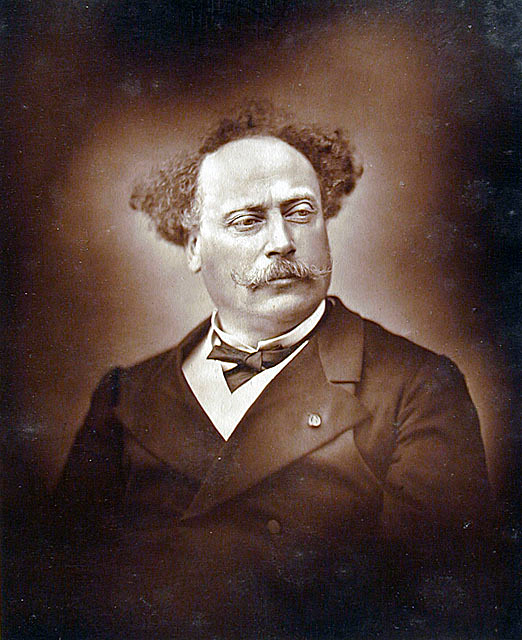
Alexandre Dumas, fils
Dịch giả: Hải Nguyên
---
Tiếng Pháp:
La Dame aux Camilias
par Alexandre Dumas, fils
---
Tiếng Anh:
Camille
by Alexandre Dumas, fils - Translator: Sir Edmond Gosse (from
French to English) - The Project Gutenberg eBook of Camille
Chương 14
Trở
về nhà, tôi bắt đầu khóc như một đứa trẻ. Không có người nào mà ít nhất đã
không bị lừa gạt một lần trong đời và không biết nỗi đau khổ khi bị lừa dối là
đến như thế nào.
Tôi
tự nhủ – với sức nặng của những quyết định hình thành trong cơn sốt, mà người
ta luôn luôn tin có đủ sức mạnh để giữ được – phải cắt đứt dứt khoát với mối
tình ấy. Và trong tâm trạng bực bội, tôi chờ đợi ngày hôm sau, để đi kiếm một
chuyến xe trở về nhà với cha tôi và em tôi, hai tình yêu mà tôi tin chắc không
bao giờ lừa dối tôi.
Tuy
nhiên, tôi không muốn ra đi mà không cho Macgơrit biết rõ tôi đã ra đi. Chỉ có
người đàn ông nào dứt khoát không yêu tình nhân nữa mới có thể từ giã mà không
cần viết thư từ gửi lại.
Tôi
viết đi viết lại hai mươi lá thư trong đầu tôi.
Tôi
đã dan díu với một cô gái giang hồ giống như tất cả những cô gái giang hồ khác.
Tôi đã thi vị hoá cô gái này thái quá. Cô đã đối xử với tôi như một đứa học
trò. Và để lừa gạt tôi, cô đã dùng một mưu mẹo đơn giản và hỗn láo. Điều này đã
rõ ràng. Lòng tự ái của tôi sôi lên. Phải từ bỏ người đàn bà này và không cho
nàng hưởng sự thoả mãn được biết cuộc đổ vỡ này đã làm cho tôi đau khổ. Và đây,
những gì tôi đã viết, với những nét chữ rất hào hoa và những giọt lệ điên cuồng
khổ đau trong đôi mắt.
“Em
Macgơrit thân mến!
Anh
hy vọng sự mệt mỏi của em ngày qua cũng chẳng là bao nhiêu. Anh đã đợi đến mười
một giờ đêm, để được biết những tin tức về em. Và người ta đã trả lời anh rằng
không thể vào nhà. Và người ta trả lời anh rằng em không về nhà. Ông G. . .
sung sướng hơn anh bởi vì ông ta đến sau anh chốc lát. Và mãi đến bốn giờ sáng,
ông ta hãy còn tại nhà em.
Hãy
tha lỗi cho anh về những giờ buồn tẻ mà anh đã đem lại cho em. Và em hãy tin chắc,
anh sẽ không bao giờ quên những giây phút sung sướng mà anh đã nợ em.
Hôm
nay, anh rất muốn đến để biết những tin tức về em. Nhưng anh phải chuẩn bị trở
về với cha anh.
Xin
vĩnh biệt em, Macgơrit thân yêu của anh. Anh không đủ giàu sang để yêu em,
nhưng anh mơ ước cũng không phải nghèo khổ để yêu em như em muốn. Vậy chúng ta
hãy quên đi: Em, cái tên một người đối với em gần như xa lạ và anh, một hạnh
phúc đã trở thành không thể có được.
Anh
gửi lại em cái chìa khoá: nó chưa hề được anh dùng lần nào. Và nó sẽ có ích cho
em, nếu em thường bị ốm, như em đã ốm đau ngày hôm qua”.
Anh
thấy chưa, tôi không đủ nghị lực để chấm dứt cái thư đó mà không có chút mỉa
mai cay cú. Điều này chứng tỏ tôi vẫn còn yêu nàng.
Tôi
đọc đi đọc lại mười lần lá thư đó, và ý nghĩ lá thư này sẽ làm khổ Macgơrit đem
lại cho tôi một chút êm dịu. Tôi cố gắng tỏ ra đã dạn dày trong những tình cảm
được bộc lộ. Vào lúc tám giờ, khi người giúp việc đến, tôi trao cho anh ta lá
thư để anh ta đem đi tức khắc.
–
Có phải chờ thư trả lời không? – Jôdép hỏi (Người giúp việc tôi tên là Jôdép,
cũng như tất cả những người giúp việc khác).
–
Nếu người ta hỏi anh có cần trả lời không, anh hãy bảo: anh không biết gì cả,
và anh cứ chờ đợi.
Tôi
hy vọng nàng sẽ trả lời.
Thật
chúng ta đều khốn nạn và hèn yếu cả.
Trong
suốt thời gian người giúp việc tôi đi, tôi cảm thấy rất bối rối. Khi thì nhớ lại
Macgơrit đã đến với tôi như thế nào; tôi tự hỏi, tôi lấy quyền gì để viết cho
nàng một lá thư bất nhã như thế, trong lúc nàng có thể trả lời cho tôi biết
không phải ông G. . . đã lừa tôi mà chính tôi đã lừa ông G. . . Chính cái lập
luận này đã cho phép những người đàn bà có nhiều tình nhân. Khi thì nhớ lại những
lời thề thốt của cô gái ấy, tôi nghĩ lá thư của tôi vẫn còn hiền lành quá, và
tôi không tìm ra những lời lẽ cứng rắn hơn để tạt vào mặt người đàn bà có đã phỉ
báng một tình yêu rất chân thành như tình yêu của tôi. Rồi tôi tự nhủ, có lẽ tốt
hơn tôi đừng nên viết lá thư đó, mà nên đến ngay nhà nàng, trong ngày hôm nay,
và bằng cách đó, tôi sẽ sung sướng đón nhận những giọt lệ mà tôi phải làm cho
nàng đổ ra.
Cuối
cùng, tôi tự hỏi nàng sẽ trả lời tôi như thế nào, và sẵn sàng tin nàng sẽ xin lỗi
tôi.
Jôdép
trở về.
–
Thế nào? – tôi hỏi.
–
Thưa ông, bà ta đang ngủ và vẫn còn ngủ. Nhưng nếu khi nào bà dậy, người nhà sẽ
trao thư lại và nếu có trả lời, người nhà sẽ đem đến.
Nàng
ngủ.
Hai
mươi lần tôi suýt cho người đi lấy lại bức thư. Nhưng tôi luôn luôn tự nhủ: “Có
lẽ người ta đã đưa cho nàng rồi”, và tôi bắt đầu cảm thấy hối hận.
Càng
gần đến giờ để đón nhận thư trả lời của nàng, tôi lại càng hối hận vì đã lỡ viết
thư.
Mười
giờ, mười một giờ, mười hai giờ. Chuông reo vang.
Mười
hai giờ, tôi suýt đến nơi hẹn, như không có việc gì xảy ra cả. Rốt cuộc, tôi chẳng
biết làm thế nào để thoát ra khỏi cái vòng sắt nó đang siết chặt người tôi.
Thế
là tôi với sự mê tín của những người đang chờ đợi: nếu tôi ra đi chốc lát, đến
lúc trở về tôi sẽ tìm được câu trả lời. Những câu trả lời, được chờ một cách bực
bội, luôn luôn đến khi người ta không có ở nhà mình.
Tôi
đi ra, với cái cớ đi ăn trưa.
Đáng
lẽ ăn trưa tại tiệm cà phê Foa ở góc đại lộ theo thói quen, tôi lại đến ăn trưa
tại Pale Roazal, và đi qua đường phố Antin. Mỗi lần, từ xa trông thấy một người
đàn bà, tôi lại tưởng chính Nanin đem thư trả lời tôi. Tôi qua đường phố Antin.
Không hề gặp một người chạy việc nào cả. Tôi đên Pale Roazal, vào phòng ăn. Một
người bồi đem thức ăn lại, hay đúng hơn, anh ta dọn thứ gì tuỳ ý, bởi vì tôi
không ăn.
Ngoài
ý muốn, cặp mắt tôi cứ luôn luôn nhìn vào đồng hồ.
Tôi
trở về, tin chắc rằng tôi sẽ nhận được thư của Macgơrit.
Người
gác cổng không nhận được gì cả. Tôi lại hy vọng nơi người giúp việc. Người này
trả lời không hề thấy người nào đến từ lúc tôi ra đi đến giờ.
Nếu
Macgơrit trả lời tôi, nàng đã trả lời từ lâu rồi.
Thế
là tôi bắt đầu hối tiếc về những lời lẽ trong thư của tôi. Đáng lẽ tôi phải im
lặng hoàn toàn. Điều này, dĩ nhiên, có thể đem lại một sự lo lắng nào đó cho
nàng. Bởi vì không thấy tôi đến nơi hẹn tối hôm trước, chắc nàng sẽ hỏi tôi lý
do vắng mặt ấy, và chỉ đến lúc đó, tôi mới nên nói cho nàng biết những lý do. Bằng
cách ấy, nàng không thể làm thế nào khác hơn là tự minh oan cho nàng. Và điều
tôi muốn là chính nàng phải tự minh oan cho nàng. Tôi đã nhận thấy trước dù những
lý lẽ mà nàng đưa ra để phân trần như thế nào đi nữa, tôi cũng sẽ tin vào
chúng. Và thà rằng tôi sẽ chấp nhận tất cả, còn hơn không được gặp lại nàng nữa.
Tôi
đi đến chỗ tin rằng chính nàng sẽ đến nhà tôi. Nhưng giờ khắc cứ trôi qua, và
nàng không đến.
Dĩ
nhiên, Macgơrit không giống như tất cả những người đàn bà khác. Bởi vì rất ít
người nhận được một lá thư như tôi viết mà lại không trả lời một điểm nào cả.
Vào
lúc năm giờ, tôi chạy đến Xăng Êlidê. Nếu tôi gặp nàng, tôi nghĩ, tôi sẽ tỏ ra
lạnh nhạt, và nàng sẽ tin chắc tôi không còn nghĩ đến nàng nữa.
Đến
khúc quanh đường phố Roazal, tôi thấy nàng đi qua trên một cỗ xe. Sự gặp gỡ quá
đột ngột làm tôi tái người. Tôi không biết nàng thấy được nỗi xúc động của tôi
không. Tôi quá bối rối, đến nỗi chỉ thấy cái xe nàng thôi.
Tôi
tiếp tục đi dạo trong Xăng Êlidê. Tôi nhìn những quảng cáo của các rạp hát. Bởi
vì tôi còn hy vọng gặp nàng.
Ở
Pale Roazal có một cuộc trình diễn lần đầu tiên. Tất nhiên Macgơrit sẽ đến xem.
Tôi
có mặt ở rạp hát lúc bảy giờ.
Tất
cả các lô đều đông người. Nhưng Macgơrit không có mặt.
Thế
là tôi rời khỏi Pale Roazal và đi đến tất cả các rạp hát mà nàng thường đến xem
ở Vôđơvin, ở Variêtê, ở Ôpêra Cômic.
Không
thấy nàng ở đâu cả.
Hoặc
lá thư tôi đã làm cho nàng khổ tâm, đến nỗi nàng không đi xem hát nữa. Hoặc là
nàng sợ phải gặp lại tôi và tránh một sự giải thích.
Đó
là điều mà lòng kiêu hãnh của tôi đã gợi ra trong trí tôi, khi tôi đang đi trên
đại lộ thì gặp Gatông. Anh ta hỏi tôi từ đâu đi đến.
–
Từ Pale Roazal – tôi trả lời.
–
Còn tôi từ rạp Ôpêra – anh ta nói – Tôi tưởng anh cũng ở đó chứ.
–
Tại sao? Bởi vì Macgơrit ở đó.
–
Nàng có ở đó?
–
Vâng.
–
Chỉ một mình?
–
Không, với một bạn gái.
–
Không còn ai nữa?
–
Bá tước G. . . có vào lô nàng trong chốc lát. Nhưng nàng đã đi ra với ông quận
công. Trong giây phút tôi chờ thấy anh xuất hiện ở đó. Bên cạnh tôi có một chỗ
ngồi mà trong suốt buổi tối được bỏ trống. Tôi tin chắc là anh đã thuê.
–
Nhưng tại sao Macgơrit đến đâu tôi phải đến đó?
–
Bởi vì anh là tình nhân của nàng, trời ơi!
–
Ai đã bảo anh điều đó?
–
Pruđăng, tôi đã gặp cô ta ngày hôm qua. Tôi khen anh bạn đấy, anh bạn ạ. Đó là
một tình nhân trẻ đẹp mà không phải ai muốn cũng được cả đâu. Hãy bám lấy. Cô
ta sẽ là vinh dự cho anh đấy!
Cái
suy nghĩ đơn giản của Gatông đã cho tôi thấy những ngờ vực của tôi thật là lố bịch.
Nếu
tôi gặp anh ta đêm qua và nếu anh ta nói với tôi như thế, chắc chắn sáng nay
tôi đã không viết lá thư ngu ngốc đó rồi.
Tôi
muốn đến nhà Pruđăng và nhờ chị đến nói với Macgơrit là tôi muốn gặp nàng.
Nhưng tôi sợ để trả thù lại nàng sẽ trả lời là không tiếp tôi. Thế là, tôi trở
về nhà, sau khi đi qua đường phố Antin.
Một
lần nữa, tôi phải hỏi người gác cổng có thư cho tôi không.
Không
có gì cả.
Lúc
đi nằm, tôi tự nhủ rằng có lẽ nàng muốn xem tôi sẽ làm gì thêm nữa, hay tôi sẽ
rút lại lá thư hôm nay. Nhưng không thấy tôi viết gì thêm cho nàng, ngày mai
nàng sẽ viết thư cho tôi.
Đêm
hôm ấy, tôi vô cùng hối hận về việc tôi đã làm. Tôi ở nhà một mình, không ngủ
được, dằn vặt vì những lo lắng và hờn ghen. Nếu để sự việc tiến triển theo con
đường bình thường, tự nhiên của nó, tôi đã có thể đến bên Macgơrit, nghe những
lời êm ái mà tôi chỉ được nghe có hai lần, và giờ đây, trong cô đơn, chúng như
làm cháy thân xác tôi.
Điều
đáng sợ là trong lúc đó, tôi nhận ra tôi là kẻ có lỗi. Quả vậy, tất cả đều nói
lên rằng Macgơrit yêu tôi. Trước tiên, cái dự định sẽ sống mùa hè chỉ với tôi tại
thôn quê. Rồi đến một điều chắc chắn là không có gì phải bắt buộc nàng phải là
tình nhân của tôi. Bởi vì tài sản của tôi không đủ cho những nhu cầu và ngay cả
cho những chi phí bất thường của nàng. Vậy thì nàng chỉ có hy vọng tìm thấy nơi
tôi một tình thương chân thành, có thể làm cho nàng được an ủi trong lúc nàng
phải sống giữa tình yêu và tiền bạc. Thế mà chỉ đến ngày thứ hai, tôi đã phá vỡ
hy vọng đó, tôi đã đền đáp lại bằng sự mỉa mai cay đắng cái tình yêu được chấp
nhận trong hai đêm. Điều tôi làm không chỉ lố bịch mà còn bất nhã. Tôi trả tiền
cho người đàn bà đó chưa, để được quyền chê trách cuộc sống của nàng? Rút lui từ
sau ngày thứ hai, tôi có vẻ như một gã ăn bám tình yêu sợ người ta bắt trả tiền
bữa ăn tối. Thế đấy! Tôi quen biết Macgơrit mới ba mươi sau giờ. Tôi là tình
nhân của nàng mới hai mươi bốn giờ. Và tôi bắt đầu hờn dỗi ghen tuông. Đáng lẽ
tôi phải cảm thấy quá sung sướng khi được nàng san sẻ tình yêu cho tôi thì tôi
lại muốn tất cả, và bắt nàng phải cắt đứt ngày tất cả những liên hệ trong quá
khứ đồng thời cũng là nguồn lợi cho tương lai của nàng. Tôi có gì để trách cứ
nàng? Không có gì cả. Nàng đã viết cho tôi là nàng bị ốm trong khi nàng có thể
nói một cách trắng trợn, và sự thẳng thắn hì hợm của một số đàn bà, rằng nàng bận
tiếp một tình nhân khác. Đáng lẽ phải tin ở thư nàng, đáng lẽ phải đi dạo trên
tất cả đường phố Paris, trừ đường Antin, đáng lẽ phải đi dự dạ hội với những bạn
hữu, và ngày mai đúng giờ đã hẹn, có mặt tại nhà nàng thì tôi lại bắt chước
Ôtenlô. Tôi đi rình rập dò xét nàng. Tôi tin sẽ trừng phạt được nàng bằng cách
không gặp nàng nữa. Nhưng nàng có thể sung sướng trước sự dứt khoát đó và có thể
thấy tôi là đứa rất ngu ngốc. Sự im lặng của nàng, không phải là sự trả đũa, mà
chính là sự khinh bỉ.
Đáng
lẽ tôi phải đem lại cho Macgơrit một món quà, để nàng không nghi ngờ gì về lòng
độ lượng của tôi. Món quà này cho phép tôi xem nàng nhưng một cô gái giang hồ
và có thể từ giã không nợ nần gì với nàng nữa. Nhưng tôi nghĩ, làm như thế tôi
sẽ nhục mạ tình yêu, nếu không phải là tình yêu của nàng đối với tôi, thì ít ra
nó cũng là tình yêu của tôi đối với nàng. Bởi vì, tình yêu đó rất trong sạch và
không chấp nhận sự chia sẻ. Không thể trả giá bằng một món quà tặng dù quà tặng
này có đáng giá gấp mấy đi nữa cái hạnh phúc mà người ta đã cho, dù cái hạnh
phúc này ngắn ngủi mấy đi nữa.
Đó
là những điêu tôi đã nghĩ suốt đêm. Mỗi giây mỗi phút trôi qua, tôi lại càng sẵn
sàng để đến nói với Macgơrit điều ấy.
Trời
đã sáng rồi. Tôi vẫn chưa ngủ. Tôi sốt. Tôi không thể nghĩ điều gì khác ngoài
Macgơrit ra.
Như
anh hiểu, phải đứng hẳn về một phía dứt khoát. Phải chấm dứt hoặc với người đàn
bà này, hoặc với những băn khoăn của tôi, nếu nàng vẫn còn đồng ý tiếp tôi.
Nhưng
người ta luôn luôn trì hoãn để chọn một thái độ dứt khoát. Không thể ở nhà được,
cũng không dám đến Macgơrit. Tôi gắng tìm một phương cách để gặp nàng, phương
cách mà lòng tự ái của tôi có thể cho rằng đó là sự ngẫu nhiên trong trường hợp
thành công được.
Đã
chín giờ, tôi chạy đến nhà Pruđăng. Bà ta hỏi tôi lý do về cuộc viếng thăm vào
sáng sớm đó.
Tôi
không dám trả lời một cách thẳng thắn lý do tôi đến. Tôi trả lời rằng tôi đã đi
ra phố sớm để giữ một chỗ ngồi trên chuyến xe về C. . . nơi cha tôi hiện ở.
–
Anh sung sướng thật – bà ta nói – khi rời xa Paris, trong một buổi đẹp trời như
hôm nay.
Tôi
nhìn Pruđăng, tự nhủ phải chăng bà ta đã chế nhạo tôi.
Nhưng
vẻ mặt của Pruđăng rất nghiêm trang.
–
Anh sẽ đến chào Macgơrit chứ? – Bà ta nói tiếp với giọng nghiêm trang.
–
Không.
–
Anh làm thế là đúng.
–
Chị cho là đúng?
–
Dĩ nhiên. Bởi vì anh đã đoạn giao với nàng thì gặp lại ích gì?
–
Vậy chị đã biết sự đổ vỡ giữa chúng tôi?
–
Cô ta đã cho tôi xem lá thư của anh.
–
Cô ấy nói gì với chị?
–
Cô ta nói với tôi: “Chị Pruđăng thân mến, người chị đỡ đầu không lịch sự. Người
ta nghĩ những bức thư kiểu đó, nhưng không bao giờ người ta viết ra”.
–
Cô ta nói với giọng thế nào?
–
Vừa cười, cô ta vừa nói thêm: “Anh ta ăn tối hai lần tại nhà tôi, và anh ta
không hề nghĩ đến việc thăm tôi để đáp lễ”.
Thế
đó, hậu quả mà lá thư và sự ghen tuông của tôi đã mang lại. Tôi bị hạ nhục một
cách tàn nhẫn, bởi sự kiêu ngạo trong tình yêu của mình.
–
Chiều ngày qua, cô ta đã làm gì?
–
Cô ta đi xem hát ở Ôpêra.
–
Tôi biết điều đó. Và sau đó?
–
Cô ta ăn tối ở nhà.
–
Chỉ một mình?
–
Với bá tước G. . . tôi nghĩ vậy.
Như
vậy sự đoạn giao của tôi không thay đổi gì cả trong nếp sống của Macgơrit.
Chính
trong những trường hợp ấy, một số người có thể bảo bạn: “Không nên nghĩ đến người
đàn bà đó nữa. Người ta không yêu anh đâu”.
Tôi
gượng cười và nói với Pruđăng.
–
Tôi rất bằng lòng khi được biết Macgơrit không buồn bã gì cả về chuyện tôi.
–
Và nàng rất có lý. Anh đã làm điều anh phải làm. Anh đã có lý hơn cô ta. Bởi vì
người con gái đó yêu anh. Cô ta chỉ nói chuyện về anh, và rất có thể sẽ phạm một
điều điên rồ nào đó.
–
Cô ta yêu tôi? Vậy thì sao cô ta không trả lời thư tôi?
–
Bởi vì cô ta hiểu rằng cô ta sai lầm vì đã yêu anh. Hơn nữa, những người đàn
bà, đôi khi cho phép người ta gạ gẫm tình yêu, nhưng không bao giờ cho phép người
ta làm thương tổn lòng tự ái của họ. Và người ta sẽ làm tổn thương lòng tự ái của
một người đàn bà, nếu sau hai ngày được làm tình nhân lại giã từ, dù với lý do
nào được đưa ra để biện hộ cho sự đoạn giao đó. Tôi hiểu Macgơrit, cô ta có thể
chết, còn hơn phải trả lời thư anh.
–
Thế thì bây giờ tôi phải làm gì?
–
Không cần làm gì cả. Cô ta sẽ quên anh. Anh sẽ quên cô ta. Các bạn sẽ không có
gì để oán trách nhau cả.
–
Nhưng nếu tôi viết thư để xin nàng tha lỗi cho?
–
Anh hãy xem lại kỹ. Có thể cô ta sẽ tha lỗi cho anh.
Tôi
gần như muốn nhảy lên ôm hôn Pruđăng.
Mười
lăm phút sau, tôi đã về đến nhà và tôi viết thư cho Macgơrit.
“Có
người hối hận vì một lá thư đã viết ngày qua. Ngày mai, người ấy sẽ bỏ đi, nếu
cô không tha lỗi cho hắn. Và giờ đây, người ấy muốn được biết bao giờ người ấy
có thể đến đặt sự hối lỗi dưới chân cô.
Khi
nào người ấy có thể gặp cô, chỉ một mình cô thôi? Bởi vì cô biết, những lời thú
tội cần được đưa ra không người chứng kiến”.
Tôi
xếp bài văn xuôi ấy lại và bảo Jôdép mang đến trao cho Macgơrit. Macgơrit cho
biết nàng sẽ trả lời thư ấy sau.
Tôi
chỉ ra đi khỏi nhà một chút để ăn chiều. Mãi đến khoảng mười một giờ đêm, tôi vẫn
chưa nhận được thư trả lời.
Thế
là tôi quyết định không kéo dài sự đau khổ nữa và ngày hôm sau sẽ lên đường.
Biết
chăng nếu đi nằm cũng không ngủ được, tôi bắt đầu sửa soạn hành lý.
➖➖➖
Phần tiếng Pháp
La
Dame aux Camilias par Alexandre Dumas, fils
---
Chapitre XIV
Rentré
chez moi, je me mis à pleurer comme un enfant. Il n'y a pas d'homme qui n'ait
été trompé au moins une fois, et qui ne sache ce que l'on souffre.
Je
me dis, sous le poids de ces résolutions de la fièvre que l'on croit toujours
avoir la force de tenir, qu'il fallait rompre immédiatement avec cet amour, et
j'attendis le jour avec impatience pour aller retenir ma place, retourner
auprès de mon père et de ma sœur, double amour dont j'étais certain, et qui ne
me tromperait pas, lui.
Cependant
je ne voulais pas partir sans que Marguerite sût bien pourquoi je partais.
Seul, un homme qui n'aime décidément plus sa maîtresse la quitte sans lui
écrire.
Je
fis et refis vingt lettres dans ma tête.
J'avais
eu affaire à une fille semblable à toutes les filles entretenues, je l'avais
beaucoup trop poétisée, elle m'avait traité en écolier, en employant, pour me
tromper, une ruse d'une simplicité insultante, c'était clair. Mon amour-propre
prit alors le dessus. Il fallait quitter cette femme sans lui donner la
satisfaction de savoir ce que cette rupture me faisait souffrir, et voici ce
que je lui écrivis de mon écriture la plus élégante, et des larmes de rage et
de douleur dans les yeux:
«Ma
chère Marguerite,
«J'espère
que votre indisposition d'hier aura été peu de chose. J'ai été, à onze heures
du soir, demander de vos nouvelles, et l'on m'a répondu que vous n'étiez pas
rentrée. M. de G... a été plus heureux que moi, car il s'est présenté quelques
instants après, et à quatre heures du matin il était encore chez vous.
«Pardonnez-moi
les quelques heures ennuyeuses que je vous ai fait passer, et soyez sûre que je
n'oublierai jamais les moments heureux que je vous dois.
«Je
serais bien allé savoir de vos nouvelles aujourd'hui, mais je compte retourner
près de mon père.
«Adieu,
ma chère Marguerite; je ne suis ni assez riche pour vous aimer comme je le
voudrais, ni assez pauvre pour vous aimer comme vous le voudriez. Oublions
donc, vous, un nom qui doit vous être à peu près indifférent, moi, un bonheur
qui me devient impossible.
«Je
vous renvoie votre clef, qui ne m'a jamais servi et qui pourra vous être utile,
si vous êtes souvent malade comme vous l'étiez hier.»
Vous
le voyez, je n'avais pas eu la force de finir cette lettre sans une impertinente
ironie, ce qui prouvait combien j'étais encore amoureux.
Je
lus et relus dix fois cette lettre, et l'idée qu'elle ferait de la peine à
Marguerite me calma un peu. J'essayai de m'enhardir dans les sentiments qu'elle
affectait, et quand, à huit heures, mon domestique entra chez moi, je la lui
remis pour qu'il la portât tout de suite.
--Faudra-t-il
attendre une réponse? Me demanda Joseph (mon domestique s'appelait Joseph,
comme tous les domestiques).
--Si
l'on vous demande s'il y a une réponse, vous direz que vous n'en savez rien et
vous attendrez.
Je
me rattachais à cette espérance qu'elle allait me répondre.
Pauvres
et faibles que nous sommes!
Tout
le temps que mon domestique resta dehors, je fus dans une agitation extrême.
Tantôt me rappelant comment Marguerite s'était donnée à moi, je me demandais de
quel droit je lui écrivais une lettre impertinente, quand elle pouvait me
répondre que ce n'était pas M. de G... qui me trompait, mais moi qui trompais
M. de G...; raisonnement qui permet à bien des femmes d'avoir plusieurs amants.
Tantôt, me rappelant les serments de cette fille, je voulais me convaincre que
ma lettre était trop douce encore et qu'il n'y avait pas d'expressions assez
fortes pour flétrir une femme qui se riait d'un amour aussi sincère que le
mien. Puis, je me disais que j'aurais mieux fait de ne pas lui écrire, d'aller chez
elle dans la journée, et que, de cette façon, j'aurais joui des larmes que je
lui aurais fait répandre.
Enfin,
je me demandais ce qu'elle allait me répondre, déjà prêt à croire l'excuse
qu'elle me donnerait.
Joseph
revint.
--Eh
bien? Lui dis-je.
--Monsieur,
me répondit-il, madame était couchée et dormait encore, mais dès qu'elle
sonnera, on lui remettra la lettre, et s'il y a une réponse on l'apportera.
Elle
dormait!
Vingt
fois je fus sur le point de renvoyer chercher cette lettre, mais je me disais
toujours:
--On
la lui a peut-être déjà remise, et j'aurais l'air de me repentir.
Plus
l'heure à laquelle il était vraisemblable qu'elle me répondît approchait, plus
je regrettais d'avoir écrit.
Dix
heures, onze heures, midi sonnèrent.
À
midi, je fus au moment d'aller au rendez-vous, comme si rien ne s'était passé.
Enfin, je ne savais qu'imaginer pour sortir du cercle de fer qui m'étreignait.
Alors,
je crus, avec cette superstition des gens qui attendent, que, si je sortais un
peu, à mon retour je trouverais une réponse. Les réponses impatiemment
attendues arrivent toujours quand on n'est pas chez soi.
Je
sortis sous prétexte d'aller déjeuner.
Au
lieu de déjeuner au café Foy, au coin du boulevard, comme j'avais l'habitude de
le faire, je préférai aller déjeuner au Palais-Royal et passer par la rue
d'Antin. Chaque fois que de loin j'apercevais une femme, je croyais voir Nanine
m'apportant une réponse. Je passai rue d'Antin sans avoir même rencontré un
commissionnaire. J'arrivai au Palais-Royal, j'entrai chez Véry. Le garçon me
fit manger ou plutôt me servit ce qu'il voulut, car je ne mangeai pas.
Malgré
moi, mes yeux se fixaient toujours sur la pendule.
Je
rentrai, convaincu que j'allais trouver une lettre de Marguerite.
Le
portier n'avait rien reçu. J'espérais encore dans mon domestique. Celui-ci
n'avait vu personne depuis mon départ.
Si
Marguerite avait dû me répondre, elle m'eût répondu depuis longtemps.
Alors,
je me mis à regretter les termes de ma lettre; j'aurais dû me taire
complètement, ce qui eût sans doute fait faire une démarche à son inquiétude;
car, ne me voyant pas venir au rendez-vous la veille, elle m'eût demandé les
raisons de mon absence, et alors seulement j'eusse dû les lui donner. De cette
façon, elle n'eût pu faire autrement que de se disculper, et ce que je voulais,
c'était qu'elle se disculpât. Je sentais déjà que, quelques raisons qu'elle
m'eût objectées, je les aurais crues, et que j'aurais mieux tout aimé que de ne
plus la voir.
J'en
arrivai à croire qu'elle allait venir elle-même chez moi, mais les heures se
passèrent et elle ne vint pas.
Décidément,
Marguerite n'était pas comme toutes les femmes, car il y en a bien peu qui, en
recevant une lettre semblable à celle que je venais d'écrire, ne répondent pas
quelque chose.
À
cinq heures, je courus aux Champs-Elysées.
--Si
je la rencontre, pensais-je, j'affecterai un air indifférent, et elle sera
convaincue que je ne songe déjà plus à elle.
Au
tournant de la rue Royale, je la vis passer dans sa voiture; la rencontre fut
si brusque que je pâlis. J'ignore si elle vit mon émotion; moi, j'étais si
troublé que je ne vis que sa voiture.
Je
ne continuai pas ma promenade aux Champs-Elysées. Je regardai les affiches des
théâtres, car j'avais encore une chance de la voir.
Il
y avait une première représentation au Palais-Royal. Marguerite devait
évidemment y assister.
J'étais
au théâtre à sept heures.
Toutes
les loges s'emplirent, mais Marguerite ne parut pas.
Alors,
je quittai le Palais-Royal, et j'entrai dans tous les théâtres où elle allait
le plus souvent, au Vaudeville, aux Variétés, à l'Opéra-Comique.
Elle
n'était nulle part.
Ou
ma lettre lui avait fait trop de peine pour qu'elle s'occupât de spectacle, ou
elle craignait de se trouver avec moi, et voulait éviter une explication.
Voilà
ce que ma vanité me soufflait sur le boulevard, quand je rencontrai Gaston qui
me demanda d'où je venais.
--Du
Palais-Royal.
--Et
moi de l'Opéra, me dit-il; je croyais même vous y voir.
--Pourquoi?
--Parce
que Marguerite y était.
--Ah!
Elle y était?
--Oui.
--Seule?
--Non,
avec une de ses amies.
--Voilà
tout?
--Le
comte de G... est venu un instant dans sa loge; mais elle s'en est allée avec
le duc. À chaque instant, je croyais vous voir paraître. Il y avait à côté de
moi une stalle qui est restée vide toute la soirée, et j'étais convaincu
qu'elle était louée par vous.
--Mais
pourquoi irais-je où Marguerite va?
--Parce
que vous êtes son amant, pardieu!
--Et
qui vous a dit cela?
--Prudence,
que j'ai rencontrée hier. Je vous en félicite, mon cher; c'est une jolie
maîtresse que n'a pas qui veut. Gardez-la, elle vous fera honneur.
Cette
simple réflexion de Gaston me montra combien mes susceptibilités étaient
ridicules.
Si
je l'avais rencontré la veille et qu'il m'eût parlé ainsi, je n'eusse certainement
pas écrit la sotte lettre du matin.
Je
fus au moment d'aller chez Prudence et de l'envoyer dire à Marguerite que
j'avais à lui parler; mais je craignis que pour se venger elle ne me répondît
qu'elle ne pouvait pas me recevoir, et je rentrai chez moi après être passé par
la rue d'Antin.
Je
demandai de nouveau à mon portier s'il avait une lettre pour moi.
Rien!
Elle aura voulu voir si je ferais quelque nouvelle démarche et si je
rétracterais ma lettre aujourd'hui, me dis-je en me couchant; mais, voyant que
je ne lui écris pas, elle m'écrira demain.
Ce
soir-là surtout je me repentis de ce que j'avais fait. J'étais seul chez moi,
ne pouvant dormir, dévoré d'inquiétude et de jalousie quand, en laissant suivre
aux choses leur véritable cours, j'aurais dû être auprès de Marguerite et
m'entendre dire les mots charmants que je n'avais entendus que deux fois, et
qui me brûlaient les oreilles dans ma solitude.
Ce
qu'il y avait d'affreux dans ma situation, c'est que le raisonnement me donnait
tort; en effet, tout me disait que Marguerite m'aimait. D'abord, ce projet de
passer un été avec moi seul à la campagne, puis cette certitude que rien ne la
forçait à être ma maîtresse, puisque ma fortune était insuffisante à ses
besoins et même à ses caprices. Il n'y avait donc eu chez elle que l'espérance
de trouver en moi une affection sincère, capable de la reposer des amours
mercenaires au milieu desquelles elle vivait, et dès le second jour je
détruisais cette espérance, et je payais en ironie impertinente l'amour accepté
pendant deux nuits. Ce que je faisais était donc plus que ridicule, c'était indélicat.
Avais-je seulement payé cette femme, pour avoir le droit de blâmer sa vie, et
n'avais-je pas l'air, en me retirant dès le second jour, d'un parasite d'amour
qui craint qu'on ne lui donne la carte de son dîner? Comment! Il y avait
trente-six heures que je connaissais Marguerite; il y en avait vingt-quatre que
j'étais son amant, et je faisais le susceptible; et au lieu de me trouver trop
heureux qu'elle partageât pour moi, je voulais avoir tout à moi seul, et la
contraindre à briser d'un coup les relations de son passé qui étaient les
revenus de son avenir. Qu'avais-je à lui reprocher? Rien. Elle m'avait écrit qu'elle
était souffrante, quand elle eût pu me dire tout crûment, avec la hideuse
franchise de certaines femmes, qu'elle avait un amant à recevoir; et au lieu de
croire à sa lettre, au lieu d'aller me promener dans toutes les rues de Paris,
excepté dans la rue d'Antin; au lieu de passer ma soirée avec mes amis et de me
présenter le lendemain à l'heure qu'elle m'indiquait, je faisais l'Othello, je
l'espionnais, et je croyais la punir en ne la voyant plus. Mais elle devait
être enchantée au contraire de cette séparation; mais elle devait me trouver souverainement
sot, et son silence n'était pas même de la rancune; c'était du dédain.
J'aurais
dû alors faire à Marguerite un cadeau qui ne lui laissât aucun doute sur ma
générosité, et qui m'eût permis, la traitant comme une fille entretenue, de me
croire quitte avec elle; mais j'eusse cru offenser par la moindre apparence de
trafic, sinon l'amour qu'elle avait pour moi, du moins l'amour que j'avais pour
elle, et puisque cet amour était si pur qu'il n'admettait pas le partage, il ne
pouvait payer par un présent, si beau qu'il fût, le bonheur qu'on lui avait
donné, si court qu'eût été ce bonheur.
Voilà
ce que je me répétais la nuit, et ce qu'à chaque instant j'étais prêt à aller
dire à Marguerite.
Quand
le jour parut, je ne dormais pas encore, j'avais la fièvre; il m'était
impossible de penser à autre chose qu'à Marguerite.
Comme
vous le comprenez, il fallait prendre un parti décisif, et en finir avec la
femme ou avec mes scrupules, si toutefois elle consentait encore à me recevoir.
Mais,
vous le savez, on retarde toujours un parti décisif: aussi, ne pouvant rester
chez moi, n'osant me présenter chez Marguerite, j'essayai un moyen de me
rapprocher d'elle, moyen que mon amour-propre pourrait mettre sur le compte du
hasard, dans le cas où il réussirait.
Il
était neuf heures; je courus chez Prudence, qui me demanda à quoi elle devait
cette visite matinale.
Je
n'osai pas lui dire franchement ce qui m'amenait. Je lui répondis que j'étais
sorti de bonne heure pour retenir une place à la diligence de C..., où
demeurait mon père.
--Vous
êtes bien heureux, me dit-elle, de pouvoir quitter Paris par ce beau temps-là.
Je
regardai Prudence, me demandant si elle se moquait de moi.
Mais
son visage était sérieux.
--Irez-vous
dire adieu à Marguerite? reprit-elle toujours sérieusement.
--Non.
--Vous
faites bien.
--Vous
trouvez?
--Naturellement.
Puisque vous avez rompu avec elle, à quoi bon la revoir?
--Vous
savez donc notre rupture?
--Elle
m'a montré votre lettre.
--Et
que vous a-t-elle dit?
--Elle
m'a dit: «Ma chère Prudence, votre protégé n'est pas poli: on pense ces
lettres-là, mais on ne les écrit pas!»
--Et
de quel ton vous a-t-elle dit cela?
--En
riant et elle a ajouté: «Il a soupé deux fois chez moi, et il ne me fait même
pas de visite de digestion.»
Voilà
l'effet que ma lettre et mes jalousies avaient produit. Je fus cruellement
humilié dans la vanité de mon amour.
--Et
qu'a-t-elle fait hier au soir?
--Elle
est allée à l'opéra.
--Je
le sais. Et ensuite?
--Elle
a soupé chez elle.
--Seule?
--Avec
le comte de G..., je crois.
Ainsi
ma rupture n'avait rien changé dans les habitudes de Marguerite.
C'est
pour ces circonstances-là que certaines gens vous disent: «Il fallait ne plus
penser à cette femme qui ne vous aimait pas.»
--Allons,
je suis bien aise de voir que Marguerite ne se désole pas pour moi, repris-je
avec un sourire forcé.
--Et
elle a grandement raison. Vous avez fait ce que vous deviez faire, vous avez
été plus raisonnable qu'elle, car cette fille-là vous aimait, elle ne faisait
que parler de vous, et aurait été capable de quelque folie.
--Pourquoi
ne m'a-t-elle pas répondu, puisqu'elle m'aime?
--Parce
qu'elle a compris qu'elle avait tort de vous aimer. Puis les femmes permettent
quelquefois qu'on trompe leur amour, jamais qu'on blesse leur amour-propre, et
l'on blesse toujours l'amour-propre d'une femme quand, deux jours après qu'on
est son amant, on la quitte, quelles que soient les raisons que l'on donne à
cette rupture. Je connais Marguerite, elle mourrait plutôt que de vous
répondre.
--Que
faut-il que je fasse alors?
--Rien.
Elle vous oubliera, vous l'oublierez, et vous n'aurez rien à vous reprocher
l'un à l'autre.
--Mais
si je lui écrivais pour lui demander pardon?
--Gardez-vous-en
bien, elle vous pardonnerait.
Je
fus sur le point de sauter au cou de Prudence.
Un
quart d'heure après, j'étais rentré chez moi et j'écrivais à Marguerite:
«Quelqu'un
qui se repent d'une lettre qu'il a écrite hier, qui partira demain si vous ne
lui pardonnez, voudrait savoir à quelle heure il pourra déposer son repentir à
vos pieds.
«Quand
vous trouvera-t-il seule? Car, vous le savez, les confessions doivent être
faites sans témoins.»
Je
pliai cette espèce de madrigal en prose, et je l'envoyai par Joseph, qui remit
la lettre à Marguerite elle-même, laquelle lui répondit qu'elle répondrait plus
tard.
Je
ne sortis qu'un instant pour aller dîner, et à onze heures du soir je n'avais
pas encore de réponse.
Je
résolus alors de ne pas souffrir plus longtemps et de partir le lendemain.
En
conséquence de cette résolution, convaincu que je ne m'endormirais pas si je me
couchais, je me mis à faire mes malles.
➖➖➖
Phần tiếng Anh
Camille
by Alexandre Dumas, fils - Translator: Sir Edmond Gosse (from
French to English) - The Project Gutenberg eBook of Camille
---
Chapter XIV
When
I reached home I began to cry like a child. There is no man to whom a woman has
not been unfaithful, once at least, and who will not know what I suffered.
I
said to myself, under the weight of these feverish resolutions which one always
feels as if one had the force to carry out, that I must break with my amour at
once, and I waited impatiently for daylight in order to set out forthwith to
rejoin my father and my sister, of whose love at least I was certain, and
certain that that love would never be betrayed.
However,
I did not wish to go away without letting Marguerite know why I went. Only a
man who really cares no more for his mistress leaves her without writing to
her. I made and remade twenty letters in my head. I had had to do with a woman
like all other women of the kind. I had been poetizing too much. She had
treated me like a school-boy, she had used in deceiving me a trick which was
insultingly simple. My self-esteem got the upper hand. I must leave this woman
without giving her the satisfaction of knowing that she had made me suffer, and
this is what I wrote to her in my most elegant handwriting and with tears of
rage and sorrow in my eyes:
“MY
DEAR MARGUERITE: I hope that your indisposition yesterday was not serious. I
came, at eleven at night, to ask after you, and was told that you had not come
in. M. de G. was more fortunate, for he presented himself shortly afterward,
and at four in the morning he had not left.
“Forgive
me for the few tedious hours that I have given you, and be assured that I shall
never forget the happy moments which I owe to you.
“I
should have called to-day to ask after you, but I intend going back to my
father’s.
“Good-bye,
my dear Marguerite. I am not rich enough to love you as I would nor poor enough
to love you as you would. Let us then forget, you a name which must be
indifferent enough to you, I a happiness which has become impossible.
“I
send back your key, which I have never used, and which might be useful to you,
if you are often ill as you were yesterday.”
As
you will see, I was unable to end my letter without a touch of impertinent
irony, which proved how much in love I still was.
I
read and reread this letter ten times over; then the thought of the pain it
would give to Marguerite calmed me a little. I tried to persuade myself of the
feelings which it professed; and when my servant came to my room at eight
o’clock, I gave it to him and told him to take it at once.
“Shall
I wait for an answer?” asked Joseph (my servant, like all servants, was called
Joseph).
“If
they ask whether there is a reply, you will say that you don’t know, and wait.”
I
buoyed myself up with the hope that she would reply. Poor, feeble creatures
that we are! All the time that my servant was away I was in a state of extreme
agitation. At one moment I would recall how Marguerite had given herself to me,
and ask myself by what right I wrote her an impertinent letter, when she could
reply that it was not M. de G. who supplanted me, but I who had supplanted M.
de G.: a mode of reasoning which permits many women to have many lovers. At
another moment I would recall her promises, and endeavour to convince myself
that my letter was only too gentle, and that there were not expressions
forcible enough to punish a woman who laughed at a love like mine. Then I said
to myself that I should have done better not to have written to her, but to
have gone to see her, and that then I should have had the pleasure of seeing
the tears that she would shed. Finally, I asked myself what she would reply to
me; already prepared to believe whatever excuse she made.
Joseph
returned.
“Well?”
I said to him.
“Sir,”
said he, “madame was not up, and still asleep, but as soon as she rings the
letter will be taken to her, and if there is any reply it will be sent.”
She
was asleep!
Twenty
times I was on the point of sending to get the letter back, but every time I
said to myself: “Perhaps she will have got it already, and it would look as if
I have repented of sending it.”
As
the hour at which it seemed likely that she would reply came nearer, I
regretted more and more that I had written. The clock struck, ten, eleven,
twelve. At twelve I was on the point of keeping the appointment as if nothing
had happened. In the end I could see no way out of the circle of fire which
closed upon me.
Then
I began to believe, with the superstition which people have when they are
waiting, that if I went out for a little while, I should find an answer when I
got back. I went out under the pretext of going to lunch.
Instead
of lunching at the Café Foy, at the corner of the Boulevard, as I usually did,
I preferred to go to the Palais Royal and so pass through the Rue d’Antin.
Every time that I saw a woman at a distance, I fancied it was Nanine bringing
me an answer. I passed through the Rue d’Antin without even coming across a
commissionaire. I went to Very’s in the Palais Royal. The waiter gave me
something to eat, or rather served up to me whatever he liked, for I ate
nothing. In spite of myself, my eyes were constantly fixed on the clock. I
returned home, certain that I should find a letter from Marguerite.
The
porter had received nothing, but I still hoped in my servant. He had seen no
one since I went out.
If
Marguerite had been going to answer me she would have answered long before.
Then
I began to regret the terms of my letter; I should have said absolutely
nothing, and that would undoubtedly have aroused her suspicions, for, finding
that I did not keep my appointment, she would have inquired the reason of my
absence, and only then I should have given it to her. Thus, she would have had
to exculpate herself, and what I wanted was for her to exculpate herself. I
already realized that I should have believed whatever reasons she had given me,
and anything was better than not to see her again.
At
last I began to believe that she would come to see me herself; but hour
followed hour, and she did not come.
Decidedly
Marguerite was not like other women, for there are few who would have received
such a letter as I had just written without answering it at all.
At
five, I hastened to the Champs-Elysées. “If I meet her,” I thought, “I will put
on an indifferent air, and she will be convinced that I no longer think about
her.”
As
I turned the corner of the Rue Royale, I saw her pass in her carriage. The
meeting was so sudden that I turned pale. I do not know if she saw my emotion;
as for me, I was so agitated that I saw nothing but the carriage.
I
did not go any farther in the direction of the Champs-Elysées. I looked at the
advertisements of the theatres, for I had still a chance of seeing her. There
was a first night at the Palais Royal. Marguerite was sure to be there. I was
at the theatre by seven. The boxes filled one after another, but Marguerite was
not there. I left the Palais Royal and went to all the theatres where she was
most often to be seen: to the Vaudeville, the Variétés, the Opera Comique. She
was nowhere.
Either
my letter had troubled her too much for her to care to go to the theatre, or
she feared to come across me, and so wished to avoid an explanation. So my
vanity was whispering to me on the boulevards, when I met Gaston, who asked me
where I had been.
“At
the Palais Royal.”
“And
I at the Opera,” said he; “I expected to see you there.”
“Why?”
“Because
Marguerite was there.”
“Ah,
she was there?”
“Yes.
“Alone?”
“No;
with another woman.”
“That
all?”
“The
Comte de G. came to her box for an instant; but she went off with the duke. I
expected to see you every moment, for there was a stall at my side which
remained empty the whole evening, and I was sure you had taken it.”
“But
why should I go where Marguerite goes?”
“Because
you are her lover, surely!”
“Who
told you that?”
“Prudence,
whom I met yesterday. I give you my congratulations, my dear fellow; she is a
charming mistress, and it isn’t everybody who has the chance. Stick to her; she
will do you credit.”
These
simple reflections of Gaston showed me how absurd had been my susceptibilities.
If I had only met him the night before and he had spoken to me like that, I
should certainly not have written the foolish letter which I had written.
I
was on the point of calling on Prudence, and of sending her to tell Marguerite
that I wanted to speak to her; but I feared that she would revenge herself on
me by saying that she could not see me, and I returned home, after passing
through the Rue d’Antin. Again I asked my porter if there was a letter for me.
Nothing! She is waiting to see if I shall take some fresh step, and if I
retract my letter of to-day, I said to myself as I went to bed; but, seeing
that I do not write, she will write to me to-morrow.
That
night, more than ever, I reproached myself for what I had done. I was alone,
unable to sleep, devoured by restlessness and jealousy, when by simply letting
things take their natural course I should have been with Marguerite, hearing
the delicious words which I had heard only twice, and which made my ears burn
in my solitude.
The
most frightful part of the situation was that my judgment was against me; as a
matter of fact, everything went to prove that Marguerite loved me. First, her
proposal to spend the summer with me in the country, then the certainty that
there was no reason why she should be my mistress, since my income was
insufficient for her needs and even for her caprices. There could not then have
been on her part anything but the hope of finding in me a sincere affection,
able to give her rest from the mercenary loves in whose midst she lived; and on
the very second day I had destroyed this hope, and paid by impertinent irony
for the love which I had accepted during two nights. What I had done was
therefore not merely ridiculous, it was indelicate. I had not even paid the
woman, that I might have some right to find fault with her; withdrawing after
two days, was I not like a parasite of love, afraid of having to pay the bill
of the banquet? What! I had only known Marguerite for thirty-six hours; I had
been her lover for only twenty-four; and instead of being too happy that she
should grant me all that she did, I wanted to have her all to myself, and to
make her sever at one stroke all her past relations which were the revenue of
her future. What had I to reproach in her? Nothing. She had written to say she
was unwell, when she might have said to me quite crudely, with the hideous
frankness of certain women, that she had to see a lover; and, instead of
believing her letter, instead of going to any street in Paris except the Rue
d’Antin, instead of spending the evening with my friends, and presenting myself
next day at the appointed hour, I was acting the Othello, spying upon her, and
thinking to punish her by seeing her no more. But, on the contrary, she ought
to be enchanted at this separation. She ought to find me supremely foolish, and
her silence was not even that of rancour; it was contempt.
I
might have made Marguerite a present which would leave no doubt as to my
generosity and permit me to feel properly quits of her, as of a kept woman, but
I should have felt that I was offending by the least appearance of trafficking,
if not the love which she had for me, at all events the love which I had for
her, and since this love was so pure that it could admit no division, it could
not pay by a present, however generous, the happiness that it had received,
however short that happiness had been.
That
is what I said to myself all night long, and what I was every moment prepared
to go and say to Marguerite. When the day dawned I was still sleepless. I was
in a fever. I could think of nothing but Marguerite.
As
you can imagine, it was time to take a decided step, and finish either with the
woman or with one’s scruples, if, that is, she would still be willing to see
me. But you know well, one is always slow in taking a decided step; so, unable
to remain within doors and not daring to call on Marguerite, I made one attempt
in her direction, an attempt that I could always look upon as a mere chance if
it succeeded.
It
was nine o’clock, and I went at once to call upon Prudence, who asked to what
she owed this early visit. I dared not tell her frankly what brought me. I
replied that I had gone out early in order to reserve a place in the diligence
for C., where my father lived.
“You
are fortunate,” she said, “in being able to get away from Paris in this fine
weather.”
I
looked at Prudence, asking myself whether she was laughing at me, but her face
was quite serious.
“Shall
you go and say good-bye to Marguerite?” she continued, as seriously as before.
“No.”
“You
are quite right.”
“You
think so?”
“Naturally.
Since you have broken with her, why should you see her again?”
“You
know it is broken off?”
“She
showed me your letter.”
“What
did she say about it?”
“She
said: ‘My dear Prudence, your protégé is not polite; one thinks such letters,
one does not write them.”’
“In
what tone did she say that?”
“Laughingly,”
and she added: “He has had supper with me twice, and hasn’t even called.”
That,
then, was the effect produced by my letter and my jealousy. I was cruelly
humiliated in the vanity of my affection.
“What
did she do last night?”
“She
went to the opera.”
“I
know. And afterward?”
“She
had supper at home.”
“Alone?”
“With
the Comte de G., I believe.”
So
my breaking with her had not changed one of her habits. It is for such reasons
as this that certain people say to you: Don’t have anything more to do with the
woman; she cares nothing about you.
“Well,
I am very glad to find that Marguerite does not put herself out for me,” I said
with a forced smile.
“She
has very good reason not to. You have done what you were bound to do. You have
been more reasonable than she, for she was really in love with you; she did
nothing but talk of you. I don’t know what she would not have been capable of
doing.”
“Why
hasn’t she answered me, if she was in love with me?”
“Because
she realizes she was mistaken in letting herself love you. Women sometimes
allow you to be unfaithful to their love; they never allow you to wound their
self-esteem; and one always wounds the self-esteem of a woman when, two days
after one has become her lover, one leaves her, no matter for what reason. I
know Marguerite; she would die sooner than reply.”
“What
can I do, then?”
“Nothing.
She will forget you, you will forget her, and neither will have any reproach to
make against the other.”
“But
if I write and ask her forgiveness?”
“Don’t
do that, for she would forgive you.”
I
could have flung my arms round Prudence’s neck.
A
quarter of an hour later I was once more in my own quarters, and I wrote to
Marguerite:
“Some
one, who repents of a letter that he wrote yesterday and who will leave Paris
to-morrow if you do not forgive him, wishes to know at what hour he might lay
his repentance at your feet.
“When
can he find you alone? for, you know, confessions must be made without
witnesses.”
I
folded this kind of madrigal in prose, and sent it by Joseph, who handed it to
Marguerite herself; she replied that she would send the answer later.
I
only went out to have a hasty dinner, and at eleven in the evening no reply had
come. I made up my mind to endure it no longer, and to set out next day. In
consequence of this resolution, and convinced that I should not sleep if I went
to bed, I began to pack up my things.
➖➖➖


Không có nhận xét nào:
Đăng nhận xét