2025-08-09
Trà
hoa nữ (15)
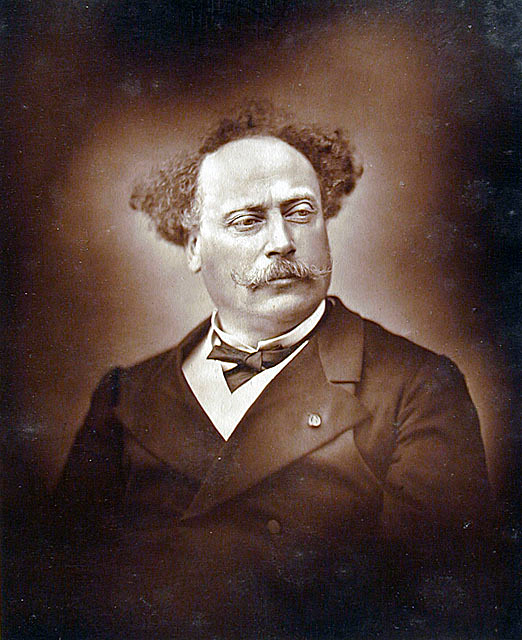
Alexandre Dumas, fils
Dịch giả: Hải Nguyên
---
Tiếng Pháp:
La Dame aux Camilias
par Alexandre Dumas, fils
---
Tiếng Anh:
Camille
by Alexandre Dumas, fils - Translator: Sir Edmond Gosse (from
French to English) - The Project Gutenberg eBook of Camille
Chương 15
Đã
gần một giờ rồi, Jôdép và tôi đang sửa soạn cho mọi việc cho chuyến đi thì có
người gọi chuông dữ dội trước cửa.
–
Có mở cửa không? – Jôdép hỏi tôi.
–
Cứ mở cửa đi – tôi bảo, và tự hỏi không biết ai giờ này còn đến nhà tôi. Tôi
không dám tin đó là Macgơrit.
–
Thưa ông – Jôdép vừa vào vừa nói – có hai người đàn bà.
–
Chúng tôi đây, Acmân – một giọng nói vang lên và tôi hiểu ngay đó là tiếng
Pruđăng.
Tôi
bước ra khỏi phòng.
Pruđăng
đang đứng nhìn những đồ vật trong phòng khách. Macgơrit ngồi trên ghế dài trầm
tư.
Tôi
bước vào, đi đến bên nàng. Tôi quỳ xuống. Tôi cầm lấy hai bàn tay nàng và rất
xúc động: “Tha lỗi cho anh!” .
Nàng
ôm hôn lên trán tôi, nói:
–
Thế là đã ba lần em tha lỗi cho anh.
–
Anh đang chuẩn bị sáng mai đi.
–
Thế thì cuộc viếng thăm của em có thể thay đổi quyết định của anh chăng? Em đến
đây không phải để ngăn cản không cho anh rời Paris. Em đến đây, bởi vì suốt
ngày em không có thì giờ trả lời anh. Và em không muốn để anh nghĩ rằng em đã
giận anh. Chị Pruđăng không muốn em đến. Có thể em sẽ phá rối anh.
–
Em phá rối anh ư, Macgơrit? Bằng cách nào?
–
Ôi trời! Anh có thế có một người đàn bà trong nhà – Pruđăng đáp- nếu hai người
khác đến nữa thì chắc làm phiền.
Trong
lúc Pruđăng nhận xét như thế, Macgơrit nhìn tôi một cách chăm chú.
–
Chị Pruđăng thân mến – tôi đáp – chị không hiểu chị vừa nói gì sao?
–
Căn phòng này trông xinh lắm – Pruđăng nói – Thế người ta có thể xem phòng ngủ
được không?
–
Được chứ!
Pruđăng
đi vào phòng ngủ của tôi. Không phải để thăm phòng, nhưng để xoá bỏ cái dại dột
chị vừa nói ra. Và để chúng tôi lại một mình, tôi và Macgơrit.
–
Tại sao em lại đem Pruđăng đến đây? – tôi hỏi.
–
Bởi vì chị ta cùng đi xem hát với em, và để lúc ra về có người đi với em.
–
Chẳng phải đã có anh rồi đó sao?
–
Vâng, nhưng em không muốn quấy rầy anh, hơn nữa em tin chắc khi đưa đến cửa nhà
em, anh sẽ xin lên nhà. Và vì em không thể chấp nhận điều đó được, em không muốn
anh sẽ bỏ đi với cái quyền được bắt lỗi em vì đã từ chối.
–
Nhưng tại sao em không thể tiếp anh được?
–
Bởi vì em bị canh giữ rất kỹ, và chỉ một chút nghi ngờ nào đó cũng đủ làm hại
cho em rất lớn.
–
Đó có phải là lý do độc nhất không?
–
Nếu còn lý do nào khác, em sẽ cho anh biết. Chúng ta sẽ không còn những bí mật
riêng tư của anh hay của em nữa.
–
Thế thì Macgơrit ạ, anh không muốn quanh co nhiều, anh muốn nói thẳng với em.
Em có yêu anh chút nào không?
–
Rất nhiều.
–
Thế thì, tại sao em lừa dối anh?
–
Anh bạn thân mến ơi! Nếu em là bà quận công này hay bà quận công nọ, nếu em có
hai trăm ngàn frăng lợi tức, em là tình nhân của anh mà còn có một tình nhân
khác, lúc bấy giờ anh có quyền hỏi em tại sao em lừa dối anh. Nhưng em là
Macgơrit Gôchiê, em có bốn mươi ngàn frăng tiền nợ, không có một đồng xu tài sản
nào cả. Và em phải chi tiêu mỗi năm một trăm ngàn frăng. Câu hỏi của anh trở
nên thừa và câu trả lời của em trở nên vô ích.
–
Đúng thế – tôi vừa đáp vừa ngả đầu lên gối Macgơrit – nhưng anh yêu em như một
thằng điên.
–
Thế thì anh bạn thân mến ơi! Anh cần yêu em ít hơn một tí, hiểu em nhiều hơn phần
nào. Lá thư của anh làm em khổ tâm rất nhiều. Nếu em có tự do, trước tiên là
ngày hôm đó, em không tiếp ông bá tước hay sau khi đã tiếp ông ta, em sẽ đến
xin lỗi anh, như anh lúc nãy. Và sau này, em sẽ không có một tình nhân nào khác
ngoài anh. Có lúc em tin, em có thể tự cho em cái hạnh phúc đó trong sáu tháng.
Anh lại không muốn điều đó. Anh muốn biết cho được những phương tiện. Ôi! Chúa
ơi! Những phương tiện, điều đó đoán ra rất dễ. Đó là một sự hy sinh lớn hơn anh
có thể tượng mà em phải chịu đựng để sử dụng những phương tiện này. Em có thể
nói với anh: “Em cần hai mươi ngàn frăng” không? Anh đã si mê em. Anh có thể
tìm ra được, bất chấp sau này anh có trách cứ em. Nhưng em không muốn phải nợ
anh cái gì cả. Anh không hiểu sự tế nhị đó. Mà đó là một sự tế nhị. Chúng em
đây, khi chúng em còn chút ít tâm hồn, chúng em sẽ đặt cho những lời nói và sự
vật một ý nghĩa, mà những người đàn bà khác không biết được. Như vậy, em lặp lại
với anh rằng về phần Macgơrit Gôchiê, cái phương tiện mà nàng tìm ra để trả những
món nợ, không phải đòi hỏi đến tiền bạc của anh, là một sự tế nhị mà anh phải
chấp nhận, không được nói năng gì cả. Nếu anh chỉ mới biết em ngày hôm nay, anh
phải sung sướng vì điều em đã hứa hẹn với anh, và anh không nên hỏi gì về công
việc mà em đã làm ngày hôm kia. Thỉnh thoảng chúng em phải mua cho kỳ được sự
thoả mãn của tâm hồn, dựa vào những hy sinh của thể xác chúng em; và chúng em
càng đau khổ hơn sau đó, khi sự thoả mãn vượt khỏi tầm tay mình.
Tôi
lắng nghe, và tôi nhìn Macgơrit với sự thán phục. Con người kỳ diệu ấy, trước
đây tôi ao ước được hôn chân nàng, nay lại bằng lòng để tôi đi vào tâm tưởng và
dành cho tôi một vai trò trong đời sống của nàng. Vậy mà tôi vẫn chưa bằng lòng
những điều nàng đã cho. Tôi tự hỏi, lòng ham muốn ở đàn ông có giới hạn chăng,
khi cứ được thoả mãn nhanh chóng như tôi đã được thoả mãn, thì nói lại đòi hỏi
những điều khác.
Nàng
nói tiếp:
–
Đúng vậy, chúng em đây, những sinh vật của ngẫu nhiên, chúng em có những dục vọng
quái dị và những tình yêu không tưởng nổi. Chúng em tự cho chúng em, khi là
sinh vật này, khi là vật khác. Có những kẻ đã bị phá sản và sẽ không nhận được
gì hơn ở chúng em cả. Có những kẻ khác đã chinh phục được chúng em chỉ bằng một
bó hoa. Quả tim chúng em có nhiều cái bất thường: đó là sự giải trí độc nhất và
cũng là sự tha thứ độc nhất. Em đã hiến dâng cho anh mau hơn đối với bất cứ một
ai. Em xin thề với anh. Tại sao? Bởi vì khi thấy em khạc ra máu, anh đã cầm tay
em. Bởi vì anh đã khóc. Bởi vì anh là con người duy nhất thật sự lo lắng cho
em. Em sẽ kể cho anh nghe một câu chuyện điên rồ. Ngày xưa, em có một con chó
nhỏ. Nó nhìn em với một vẻ buồn bã mỗi khi em ho. Đó là một con vật độc nhất mà
em yêu quý.
Khi
nó chết, em khóc nó có lẽ nhiều hơn cái chết của mẹ em. Quả thật, mẹ em đã đánh
đập em suốt mười hai năm trong cuộc đời của mẹ. Như thế, em đã yêu anh ngay tức
khắc, cũng như em đã yêu con chó của em vậy. Nếu người ta biết, họ có thể có được
gì với giá một giọt lệ, họ sẽ được yêu quý hơn, và chúng em sẽ ít bị hủy hoại
hơn.
Lá
thư của anh đã phản anh. Nó bộc lộ cho em biết, anh không có tất cả sự thông
minh, tế nhị của con tim. Lá thư này đã làm hại anh nhiều trong tình yêu của em
đối với anh hơn bất cứ điều gì anh có thể làm. Đó chính là sự ghen tuông, đúng
thế, nhưng là sự ghen tuông mỉa mai xấc xược. Khi nhận được thư anh, em đã buồn.
Em tình gặp anh vào buổi trưa, ăn trưa với anh. Cuối cùng, nhờ sự gặp gỡ đó mà
xoá sạch một tư tưởng đang luôn luôn ám ảnh em.
Macgơrit
nói tiếp:
–
Lại còn điều này nữa, anh là con người duy nhất mà em hiểu ngay là em có thể
suy nghĩ, nói năng một cách thoải mái trước mặt anh. Tất cả những người vây
chung quanh những cô gái như em đều có cái thích thú dò xét từng lời nói nhỏ nhặt,
rút ra những kết luận từ những cử chỉ không ý nghĩa gì. Đương nhiên, chúng em
không có bạn hữu. Chúng em có những tình nhân ích kỷ. Họ phung phí tài sản của
họ, không phải do chúng em như họ nói mà do tính hênh hoang của chính họ.
Đối
với những con người như thế, chúng em phải vui lên, khi họ vui, ăn khoẻ lên khi
họ muốn ăn với chúng em. Chúng em không được phép có một trái tim, nếu cưỡng lại,
chúng em sẽ bị chế giễu và bị suy sụp lòng tin cậy.
Chúng
em không còn là chúng em nữa. Chúng em không phải con người mà là những đồ vật.
Chúng em là những con người đứng đầu tiên trong lòng tự ái của họ, là những người
đứng sau cùng trong sự quý mến của họ. Chúng em có những bạn gái như Pruđăng vậy.
Những người đàn bà trước chuyên nghiệp kỹ nữ, ngày này vẫn thích được xài phí,
nhưng tuổi tác của họ không cho phép nữa. Thế là họ trở thành những người bạn của
chúng em, hay đúng hơn, những người cùng bàn ăn với chúng em. Tình bạn của họ
đi đến chỗ nô dịch và chẳng bao giờ không vụ lợi. Họ không bao giờ đưa cho bạn
lời khuyên không có lợi nhuận. Chúng em
có thêm mười tình nhân nữa cũng chẳng quan trọng gì đối với những người đàn bà ấy;
miễn sao họ có thêm những chiếc áo dài hay một vòng đeo tay, và thỉnh thoảng họ
có thể đi dạo trong những chiếc xe của chúng em, có thể đến ngồi trong lô của
chúng em ở rạp hát. Họ nhận lại những bó hoa ngày hôm qua của chúng em và họ mượn
chúng em những chiếc áo casơmia. Không bao giờ giúp chúng em một công việc nào,
dù nhỏ đến mấy mà họ không đòi hỏi được trả công gấp đôi. Chính mắt anh đã thấy
buổi chiều Pruđăng đem về cho em sáu ngàn frăng mà em đã yêu cầu chị ta đến hỏi
nơi ông quận công. Chị ta mượn lại năm trăm frăng để chẳng bao giờ trả lại hay
sẽ trả bằng những cái mũ chẳng bao giờ em dùng đến, thế thôi.
Như
vậy, chúng em không thể, hay đúng hơn em – một người hay buồn và luôn bệnh hoạn
– chỉ có thể có một hạnh phúc, đó là tìm một người đàn ông khá cao thượng để đừng
tra hỏi em về trách nhiệm đối với cuộc đời em, và trở thành người tình của tâm
hồn hơn là của thân thể em. Con người đó, em đã tìm thấy nơi quận công. Nhưng
ông quận công đã già, và tuổi già không che chở được ai, không an ủi được ai.
Em muốn tin rằng mình có thể chấp nhận cuộc đời mà ông ta tạo nên cho em. Nhưng
anh nghĩ thế nào? Em chết dần vì buồn chán để tự thiêu rụi đi sao? Thế thì thà
nhảy vào đám lửa đang bùng cháy còn hơn là phải chết ngạt dần mòn trong than hồng.
Thế
là em gặp anh. Anh trẻ trung, hăng hái, sung sướng. Em cố gắng tạo anh thành
con người mà em đã chờ đợi giữa nỗi cô đơn náo nhiệt của đời em. Em yêu anh,
không phải yêu con người anh như hiện nay, mà là con người như người ta ước muốn.
Anh không chấp nhận vai trò ấy. Anh đã vứt vai trò ấy, xem như không xứng đáng
với anh. Anh là một người tình nhân tầm thường. Hãy làm như những người khác vậy:
Hãy trả tiền công cho em; và chúng ta đừng nói gì nữa.
Sau
những lời thú nhận dài đó, Macgơrit mệt mỏi ngả người vào chiếc ghế dài và đưa
chiếc khăn lên môi để làm giảm một cơn ho nhẹ.
–
Xin lỗi – tôi nói nho nhỏ – Anh đã hiểu tất cả điều đó. Nhưng anh muốn được
nghe từ chính em nói, Macgơrit yêu quí. Chúng ta hãy quên những gì còn lại và
chúng ta chỉ cần nhớ một điều: Chúng ta còn trẻ và chúng ta yêu nhau. Macgơrit,
em hãy sử dụng anh tùy theo ý em muốn. Anh là nô lệ của em, là con chó nhỏ của
em. Nhưng nhân danh Thượng đế, em hãy xé lá thư của anh và đừng để anh ra đi
vào ngày mai, anh sẽ chết mất.
Macgơrit
rút lá thư của tôi từ phía trên áo ra đưa lại cho tôi và nói vơi nụ cười hiền
lành không bao giờ tôi quên được:
–
Anh cầm lấy đi, em đem lại cho anh đây.
Tôi
xé lá thư đó và ứa nước mắt cúi hôn bàn tay đã trả lại lá thư cho tôi.
Vừa
lúc đó, pruđăng lại xuất hiện.
–
Chị pruđăng, chị biết anh ấy yêu cầu gì không?
–
Macgớit nói
–
Anh ta yêu cầu cô thứ lỗi.
–
Đúng thế.
–
Và cô đã tha lỗi cho anh ta?
–
Phải tha thứ chứ sao. Nhưng anh ấy còn muốn cái khác nữa?
–
Cái gì vậy?
–
Anh ấy muốn đến ăn tối với chúng ta.
–
Và cô bằng lòng chứ?
–
Chị nghĩ thế nào?
–
Tôi nghĩ đây là hai đứa trẻ thơ, đứa nào cũng như đứa kia, đều không có đầu óc
cả. Nhưng tôi cũng nghĩ, tôi đang rất đói bụng. Và cô chấp nhận càng sớm, chúng
ta càng có thể ăn sớm hơn.
–
Thôi, chúng ta đi! – Macgơrit nói – Ba chúng ta hãy lên xe. À, – Cô nói tiếp và
quay sang phía tôi- Nanin chắc ngủ rồi. Anh sẽ mở cửa. Hãy cầm chìa khoá của em
và cố gắng đừng làm mất nữa nhé.
Tôi
ôm hôn Macgơrit đến ngạt thở.
Jôdép
bước vào:
–
Thưa ông – anh ta nói với vẻ đầy thoả mãn – hành lý đã sắp xếp xong rồi.
–
Hoàn toàn xong?
–
Vâng, thưa ông.
–
Thế thì được. Hãy mở ra lại. Tôi không đi nữa.
➖➖➖
Phần tiếng Pháp
La
Dame aux Camilias par Alexandre Dumas, fils
---
Chapitre XV
Il
y avait à peu près une heure que Joseph et moi nous préparions tout pour mon
départ, lorsqu'on sonna violemment à ma porte.
--Faut-il
ouvrir? me dit Joseph.
--Ouvrez,
lui dis-je, me demandant qui pouvait venir à pareille heure chez moi, et
n'osant croire que ce fût Marguerite.
--Monsieur,
me dit Joseph en rentrant, ce sont deux dames.
--C'est
nous, Armand, me cria une voix que je reconnus pour celle de Prudence.
Je
sortis de ma chambre.
Prudence,
debout, regardait les quelques curiosités de mon salon; Marguerite, assise sur
le canapé, réfléchissait.
Quand
j'entrai, j'allai à elle, je m'agenouillai, je lui pris les deux mains, et,
tout ému, je lui dis: pardon.
Elle
m'embrassa au front et me dit:
--Voilà
déjà trois fois que je vous pardonne.
--J'allais
partir demain.
--En
quoi ma visite peut-elle changer votre résolution? Je ne viens pas pour vous
empêcher de quitter Paris. Je viens parce que je n'ai pas eu dans la journée le
temps de vous répondre, et que je n'ai pas voulu vous laisser croire que je
fusse fâchée contre vous. Encore Prudence ne voulait-elle pas que je vinsse;
elle disait que je vous dérangerais peut-être.
--Vous,
me déranger, vous, Marguerite! Et comment?
--Dame!
Vous pouviez avoir une femme chez vous, répondit Prudence, et cela n'aurait pas
été amusant pour elle d'en voir arriver deux.
Pendant
cette observation de Prudence, Marguerite me regardait attentivement.
--Ma
chère Prudence, répondis-je, vous ne savez pas ce que vous dites.
--C'est
qu'il est très gentil votre appartement, répliqua Prudence; peut-on voir la
chambre à coucher!
--Oui.
Prudence
passa dans ma chambre, moins pour la visiter que pour réparer la sottise
qu'elle venait de dire, et nous laisser seuls, Marguerite et moi.
--Pourquoi
avez-vous amené Prudence? lui dis-je alors.
--Parce
qu'elle était avec moi au spectacle, et qu'en partant d'ici je voulais avoir
quelqu'un pour m'accompagner.
--N'étais-je
pas là?
--Oui;
mais outre que je ne voulais pas vous déranger, j'étais bien sûre qu'en venant
jusqu'à ma porte, vous me demanderiez à monter chez moi, et, comme je ne
pouvais pas vous l'accorder, je ne voulais pas que vous partissiez avec le
droit de me reprocher un refus.
--Et
pourquoi ne pouviez-vous pas me recevoir?
--Parce
que je suis très surveillée, et que le moindre soupçon pourrait me faire le
plus grand tort.
--Est-ce
bien la seule raison?
--S'il
y en avait une autre, je vous la dirais; nous n'en sommes plus à avoir des
secrets l'un pour l'autre.
--Voyons,
Marguerite, je ne veux pas prendre plusieurs chemins pour en arriver à ce que
je veux vous dire. Franchement, m'aimez-vous un peu?
--Beaucoup.
--Alors,
pourquoi m'avez-vous trompé?
--Mon
ami, si j'étais madame la duchesse telle ou telle, si j'avais deux cent mille
livres de rente, que je fusse votre maîtresse et que j'eusse un autre amant que
vous, vous auriez le droit de me demander pourquoi je vous trompe; mais je suis
mademoiselle Marguerite Gautier, j'ai quarante mille francs de dettes, pas un
sou de fortune, et je dépense cent mille francs par an; votre question devient
oiseuse et ma réponse inutile.
--C'est
juste, dis-je en laissant tomber ma tête sur les genoux de Marguerite; mais moi
je vous aime comme un fou.
--Eh
bien, mon ami, il fallait m'aimer un peu moins ou me comprendre un peu mieux.
Votre lettre m'a fait beaucoup de peine. Si j'avais été libre, d'abord je
n'aurais pas reçu le comte avant-hier, ou, l'ayant reçu, je serais venue vous
demander le pardon que vous me demandiez tout à l'heure, et je n'aurais pas à
l'avenir d'autre amant que vous. J'ai cru un moment que je pourrais me donner
ce bonheur-là pendant six mois; vous ne l'avez pas voulu; vous teniez à
connaître les moyens, eh! mon Dieu, les moyens étaient bien faciles à deviner.
C'était un sacrifice plus grand que vous ne croyez que je faisais en les
employant. J'aurais pu vous dire: j'ai besoin de vingt mille francs; vous étiez
amoureux de moi, vous les eussiez trouvés, au risque de me les reprocher plus
tard. J'ai mieux aimé ne rien vous devoir; vous n'avez pas compris cette délicatesse,
car c'en est une. Nous autres, quand nous avons encore un peu de cœur, nous
donnons aux mots et aux choses une extension et un développement inconnus aux
autres femmes; je vous répète donc que, de la part de Marguerite Gautier, le
moyen qu'elle trouvait de payer ses dettes sans vous demander l'argent
nécessaire pour cela était une délicatesse dont vous devriez profiter sans rien
dire. Si vous ne m'aviez connue qu'aujourd'hui, vous seriez trop heureux de ce
que je vous promettrais, et vous ne me demanderiez pas ce que j'ai fait avant-hier.
Nous sommes quelquefois forcées d'acheter une satisfaction pour notre âme aux
dépens de notre corps, et nous souffrons bien davantage quand, après, cette
satisfaction nous échappe.
J'écoutais
et je regardais Marguerite avec admiration. Quand je songeais que cette
merveilleuse créature, dont j'eusse envié autrefois de baiser les pieds,
consentait à me faire entrer pour quelque chose dans sa pensée, à me donner un
rôle dans sa vie, et que je ne me contentais pas encore de ce qu'elle me
donnait, je me demandais si le désir de l'homme a des bornes, quand, satisfait
aussi promptement que le mien l'avait été, il tend encore à autre chose.
--C'est
vrai, reprit-elle; nous autres créatures du hasard, nous avons des désirs
fantasques et des amours inconcevables. Nous nous donnons tantôt pour une
chose, tantôt pour une autre. Il y a des gens qui se ruineraient sans rien
obtenir de nous, il y en a d'autres qui nous ont avec un bouquet. Notre cœur a
des caprices; c'est sa seule distraction et sa seule excuse. Je me suis donnée
à toi plus vite qu'à aucun homme, je te le jure; pourquoi? parce que me, voyant
cracher le sang, tu m'as pris la main, parce que tu as pleuré, parce que tu es
la seule créature humaine qui ait bien voulu me plaindre. Je vais te dire une
folie, mais j'avais autrefois un petit chien qui me regardait d'un air tout
triste quand je toussais; c'est le seul être que j'aie aimé.
«Quand
il est mort, j'ai plus pleuré qu'à la mort de ma mère. Il est vrai qu'elle
m'avait battue pendant douze ans de sa vie. Eh bien, je t'ai aimé tout de suite
autant que mon chien. Si les hommes savaient ce qu'on peut avoir avec une
larme, ils seraient plus aimés et nous serions moins ruineuses.
«Ta
lettre t'a démenti, elle m'a révélé que tu n'avais pas toutes les intelligences
du cœur, elle t'a fait plus de tort dans l'amour que j'avais pour toi que tout
ce que tu aurais pu me faire. C'était de la jalousie, il est vrai, mais de la
jalousie ironique et impertinente. J'étais déjà triste, quand j'ai reçu cette
lettre, je comptais te voir à midi, déjeuner avec toi, effacer par ta vue une
incessante pensée que j'avais, et qu'avant de te connaître j'admettais sans
effort.
«Puis,
continua Marguerite, tu étais la seule personne devant laquelle j'avais cru
comprendre tout de suite que je pouvais penser et parler librement. Tous ceux
qui entourent les filles comme moi ont intérêt à scruter leurs moindres
paroles, à tirer une conséquence de leurs plus insignifiantes actions. Nous
n'avons naturellement pas d'amis. Nous avons des amants égoïstes qui dépensent
leur fortune non pas pour nous, comme ils le disent, mais pour leur vanité.
«Pour
ces gens-là, il faut que nous soyons gaies quand ils sont joyeux, bien
portantes quand ils veulent souper, sceptiques comme ils le sont. Il nous est
défendu d'avoir du cœur sous peine d'être huées et de ruiner notre crédit.
«Nous
ne nous appartenons plus. Nous ne sommes plus des êtres, mais des choses. Nous
sommes les premières dans leur amour-propre, les dernières dans leur estime.
Nous avons des amies, mais ce sont des amies comme Prudence, des femmes jadis
entretenues qui ont encore des goûts de dépense que leur âge ne leur permet
plus. Alors elles deviennent nos amies ou plutôt nos commensales. Leur amitié
va jusqu'à la servitude, jamais jusqu'au désintéressement. Jamais elles ne vous
donneront qu'un conseil lucratif. Peu leur importe que nous ayons dix amants de
plus, pourvu qu'elles y gagnent des robes ou un bracelet, et qu'elles puissent de
temps en temps se promener dans notre voiture et venir au spectacle dans notre
loge. Elles ont nos bouquets de la veille et nous empruntent nos cachemires.
Elles ne nous rendent jamais un service, si petit qu'il soit, sans se le faire
payer le double de ce qu'il vaut. Tu l'as vu toi-même le soir où Prudence m'a
apporté six mille francs que je l'avais priée d'aller demander pour moi au duc,
elle m'a emprunté cinq cents francs qu'elle ne me rendra jamais ou qu'elle me
payera en chapeaux qui ne sortiront pas de leurs cartons.
«Nous
ne pouvons donc avoir, ou plutôt je ne pouvais donc avoir qu'un bonheur,
c'était, triste comme je le suis quelquefois, souffrante comme je le suis
toujours, de trouver un homme assez supérieur pour ne pas me demander compte de
ma vie, et pour être l'amant de mes impressions bien plus que de mon corps. Cet
homme, je l'avais trouvé dans le duc, mais le duc est vieux, et la vieillesse
ne protège ni ne console. J'avais cru pouvoir accepter la vie qu'il me faisait;
mais que veux-tu? Je périssais d'ennui et pour faire tant que d'être consumée,
autant se jeter dans un incendie que de s'asphyxier avec du charbon.
«Alors
je t'ai rencontré, toi, jeune, ardent, heureux, et j'ai essayé de faire de toi
l'homme que j'avais appelé au milieu de ma bruyante solitude. Ce que j'aimais
en toi, ce n'était pas l'homme qui était, mais celui qui devait être. Tu
n'acceptes pas ce rôle, tu le rejettes comme indigne de toi, tu es un amant
vulgaire; fais comme les autres, paie-moi et n'en parlons plus.
Marguerite,
que cette longue confession avait fatiguée, se rejeta sur le dos du canapé, et
pour éteindre un faible accès de toux, porta son mouchoir à ses lèvres et
jusqu'à ses yeux.
--Pardon,
pardon, murmurai-je, j'avais compris tout cela, mais je voulais te l'entendre
dire, ma Marguerite adorée. Oublions le reste et ne nous souvenons que d'une
chose: c'est que nous sommes l'un à l'autre, que nous sommes jeunes et que nous
nous aimons.
«Marguerite,
fais de moi tout ce que tu voudras, je suis ton esclave, ton chien; mais, au
nom du ciel, déchire la lettre que je t'ai écrite et ne me laisse pas partir
demain; j'en mourrais.
Marguerite
tira ma lettre du corsage de sa robe et, me la remettant, me dit avec un
sourire d'une douceur ineffable:
--Tiens,
je te la rapportais.
Je
déchirai la lettre et je baisai avec des larmes la main qui me la rendait.
En
ce moment Prudence reparut.
--Dites
donc, Prudence, savez-vous ce qu'il me demande? fit Marguerite.
--Il
vous demande pardon.
--Justement.
--Et
vous pardonnez?
--Il
le faut bien, mais il veut encore autre chose.
--Quoi
donc?
--Il
veut venir souper avec nous.
--Et
vous y consentez?
--Qu'en
pensez-vous?
--Je
pense que vous êtes deux enfants, qui n'avez de tête ni l'un ni l'autre. Mais
je pense aussi que j'ai très faim et que plus tôt vous consentirez, plus tôt
nous souperons.
--Allons,
dit Marguerite, nous tiendrons trois dans ma voiture. Tenez, ajouta-t-elle en
se tournant vers moi, Nanine sera couchée, vous ouvrirez la porte, prenez ma
clef, et tâchez de ne plus la perdre.
J'embrassai
Marguerite à l'étouffer.
Joseph
entra là-dessus.
--Monsieur,
me dit-il de l'air d'un homme enchanté de lui, les malles sont faites.
--Entièrement?
--Oui,
monsieur.
--Eh
bien, défaites-les: je ne pars pas.
➖➖➖
Phần tiếng Anh
Camille
by Alexandre Dumas, fils - Translator: Sir Edmond Gosse (from
French to English) - The Project Gutenberg eBook of Camille
---
Chapter XV
It
was hardly an hour after Joseph and I had begun preparing for my departure,
when there was a violent ring at the door.
“Shall
I go to the door?” said Joseph.
“Go,”
I said, asking myself who it could be at such an hour, and not daring to
believe that it was Marguerite.
“Sir,”
said Joseph coming back to me, “it is two ladies.”
“It
is we, Armand,” cried a voice that I recognised as that of Prudence.
I
came out of my room. Prudence was standing looking around the place;
Marguerite, seated on the sofa, was meditating. I went to her, knelt down, took
her two hands, and, deeply moved, said to her, “Pardon.”
She
kissed me on the forehead, and said:
“This
is the third time that I have forgiven you.”
“I
should have gone away to-morrow.”
“How
can my visit change your plans? I have not come to hinder you from leaving
Paris. I have come because I had no time to answer you during the day, and I
did not wish to let you think that I was angry with you. Prudence didn’t want
me to come; she said that I might be in the way.”
“You
in the way, Marguerite! But how?”
“Well,
you might have had a woman here,” said Prudence, “and it would hardly have been
amusing for her to see two more arrive.”
During
this remark Marguerite looked at me attentively.
“My
dear Prudence,” I answered, “you do not know what you are saying.”
“What
a nice place you’ve got!” Prudence went on. “May we see the bedroom?”
“Yes.”
Prudence
went into the bedroom, not so much to see it as to make up for the foolish
thing which she had just said, and to leave Marguerite and me alone.
“Why
did you bring Prudence?” I asked her.
“Because
she was at the theatre with me, and because when I leave here I want to have
someone to see me home.”
“Could
not I do?”
“Yes,
but, besides not wishing to put you out, I was sure that if you came as far as
my door you would want to come up, and as I could not let you, I did not wish
to let you go away blaming me for saying ‘No.’”
“And
why could you not let me come up?”
“Because
I am watched, and the least suspicion might do me the greatest harm.”
“Is
that really the only reason?”
“If
there were any other, I would tell you; for we are not to have any secrets from
one another now.”
“Come,
Marguerite, I am not going to take a roundabout way of saying what I really
want to say. Honestly, do you care for me a little?”
“A
great deal.”
“Then
why did you deceive me?”
“My
friend, if I were the Duchess So and So, if I had two hundred thousand francs a
year, and if I were your mistress and had another lover, you would have the
right to ask me; but I am Mlle. Marguerite Gautier, I am forty thousand francs
in debt, I have not a penny of my own, and I spend a hundred thousand francs a
year. Your question becomes unnecessary and my answer useless.”
“You
are right,” I said, letting my head sink on her knees; “but I love you madly.”
“Well,
my friend, you must either love me a little less or understand me a little
better. Your letter gave me a great deal of pain. If I had been free, first of
all I would not have seen the count the day before yesterday, or, if I had, I
should have come and asked your forgiveness as you ask me now, and in future I
should have had no other lover but you. I fancied for a moment that I might
give myself that happiness for six months; you would not have it; you insisted
on knowing the means. Well, good heavens, the means were easy enough to guess!
In employing them I was making a greater sacrifice for you than you imagine. I
might have said to you, ‘I want twenty thousand francs’; you were in love with
me and you would have found them, at the risk of reproaching me for it later
on. I preferred to owe you nothing; you did not understand the scruple, for
such it was. Those of us who are like me, when we have any heart at all, we
give a meaning and a development to words and things unknown to other women; I
repeat, then, that on the part of Marguerite Gautier the means which she used
to pay her debts without asking you for the money necessary for it, was a
scruple by which you ought to profit, without saying anything. If you had only
met me to-day, you would be too delighted with what I promised you, and you
would not question me as to what I did the day before yesterday. We are
sometimes obliged to buy the satisfaction of our souls at the expense of our
bodies, and we suffer still more, when, afterward, that satisfaction is denied
us.”
I
listened, and I gazed at Marguerite with admiration. When I thought that this
marvellous creature, whose feet I had once longed to kiss, was willing to let
me take my place in her thoughts, my part in her life, and that I was not yet
content with what she gave me, I asked if man’s desire has indeed limits when,
satisfied as promptly as mine had been, it reached after something further.
“Truly,”
she continued, “we poor creatures of chance have fantastic desires and
inconceivable loves. We give ourselves now for one thing, now for another.
There are men who ruin themselves without obtaining the least thing from us;
there are others who obtain us for a bouquet of flowers. Our hearts have their
caprices; it is their one distraction and their one excuse. I gave myself to
you sooner than I ever did to any man, I swear to you; and do you know why?
Because when you saw me spitting blood you took my hand; because you wept;
because you are the only human being who has ever pitied me. I am going to say
a mad thing to you: I once had a little dog who looked at me with a sad look
when I coughed; that is the only creature I ever loved. When he died I cried
more than when my mother died. It is true that for twelve years of her life she
used to beat me. Well, I loved you all at once, as much as my dog. If men knew
what they can have for a tear, they would be better loved and we should be less
ruinous to them.
“Your
letter undeceived me; it showed me that you lacked the intelligence of the
heart; it did you more harm with me than anything you could possibly have done.
It was jealousy certainly, but ironical and impertinent jealousy. I was already
feeling sad when I received your letter. I was looking forward to seeing you at
twelve, to having lunch with you, and wiping out, by seeing you, a thought
which was with me incessantly, and which, before I knew you, I had no
difficulty in tolerating.
“Then,”
continued Marguerite, “you were the only person before whom it seemed to me,
from the first, that I could think and speak freely. All those who come about
women like me have an interest in calculating their slightest words, in
thinking of the consequences of their most insignificant actions. Naturally we
have no friends. We have selfish lovers who spend their fortunes, not on us, as
they say, but on their own vanity. For these people we have to be merry when
they are merry, well when they want to sup, sceptics like themselves. We are
not allowed to have hearts, under penalty of being hooted down and of ruining
our credit.
“We
no longer belong to ourselves. We are no longer beings, but things. We stand
first in their self-esteem, last in their esteem. We have women who call
themselves our friends, but they are friends like Prudence, women who were once
kept and who have still the costly tastes that their age does not allow them to
gratify. Then they become our friends, or rather our guests at table. Their
friendship is carried to the point of servility, never to that of
disinterestedness. Never do they give you advice which is not lucrative. It
means little enough to them that we should have ten lovers extra, as long as
they get dresses or a bracelet out of them, and that they can drive in our
carriage from time to time or come to our box at the theatre. They have our
last night’s bouquets, and they borrow our shawls. They never render us a
service, however slight, without seeing that they are paid twice its value. You
yourself saw when Prudence brought me the six thousand francs that I had asked
her to get from the duke, how she borrowed five hundred francs, which she will
never pay me back, or which she will pay me in hats, which will never be taken
out of their boxes.
“We
can not, then, have, or rather I can not have more than one possible kind of
happiness, and this is, sad as I sometimes am, suffering as I always am, to
find a man superior enough not to ask questions about my life, and to be the
lover of my impressions rather than of my body. Such a man I found in the duke;
but the duke is old, and old age neither protects nor consoles. I thought I
could accept the life which he offered me; but what would you have? I was dying
of ennui, and if one is bound to be consumed, it is as well to throw oneself
into the flames as to be asphyxiated with charcoal.
“Then
I met you, young, ardent, happy, and I tried to make you the man I had longed
for in my noisy solitude. What I loved in you was not the man who was, but the
man who was going to be. You do not accept the position, you reject it as
unworthy of you; you are an ordinary lover. Do like the others; pay me, and say
no more about it.”
Marguerite,
tired out with this long confession, threw herself back on the sofa, and to
stifle a slight cough put up her handkerchief to her lips, and from that to her
eyes.
“Pardon,
pardon,” I murmured. “I understood it all, but I wanted to have it from your
own lips, my beloved Marguerite. Forget the rest and remember only one thing:
that we belong to one another, that we are young, and that we love. Marguerite,
do with me as you will; I am your slave, your dog, but in the name of heaven
tear up the letter which I wrote to you and do not make me leave you to-morrow;
it would kill me.”
Marguerite
drew the letter from her bosom, and handing it to me with a smile of infinite
sweetness, said:
“Here
it is. I have brought it back.”
I
tore the letter into fragments and kissed with tears the hand that gave it to
me.
At
this moment Prudence reappeared.
“Look
here, Prudence; do you know what he wants?” said Marguerite.
“He
wants you to forgive him.”
“Precisely.”
“And
you do?”
“One
has to; but he wants more than that.”
“What,
then?”
“He
wants to have supper with us.”
“And
do you consent?”
“What
do you think?”
“I
think that you are two children who haven’t an atom of sense between you; but I
also think that I am very hungry, and that the sooner you consent the sooner we
shall have supper.”
“Come,”
said Marguerite, “there is room for the three of us in my carriage.”
“By
the way,” she added, turning to me, “Nanine will be gone to bed. You must open
the door; take my key, and try not to lose it again.”
I
embraced Marguerite until she was almost stifled.
Thereupon
Joseph entered.
“Sir,”
he said, with the air of a man who is very well satisfied with himself, “the
luggage is packed.”
“All
of it?”
“Yes,
sir.”
“Well,
then, unpack it again; I am not going.”
➖➖➖


Không có nhận xét nào:
Đăng nhận xét