2025-08-16
Trà
hoa nữ (16)
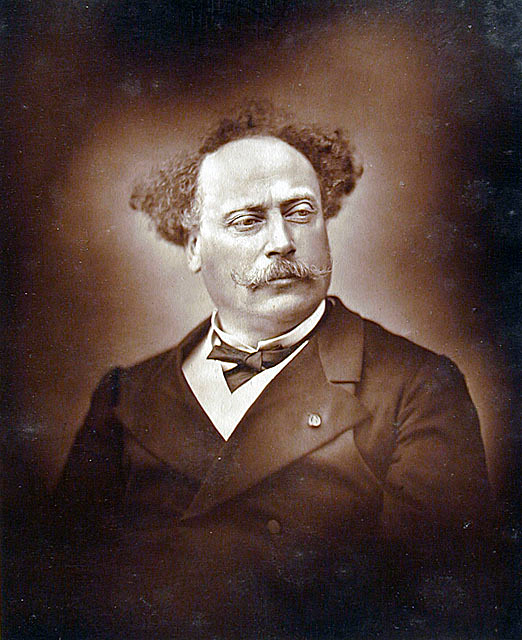
---
Tiếng
Pháp:
La
Dame aux Camilias
par Alexandre Dumas, fils
---
Tiếng
Anh:
Camille by Alexandre Dumas, fils - Translator:
Sir Edmond Gosse (from French to English) - The Project Gutenberg eBook
of Camille
Chương 16
Tôi
có thể – Acmân nói – kể lại cho anh nghe chỉ trong vài dòng câu buổi đầu dan
díu đó. Nhưng tôi muốn anh thấy được rõ ràng, do những biến cố nào, và từng nấc
bậc ra sao, chúng tôi đã đi đến đó. Tôi chấp nhận tất cả những gì Macgơrit muốn,
và Macgơrit chỉ có thể sống với tôi mà thôi.
Chính
ngày hôm sau, tiếp theo buổi chiều đến thăm, tôi gửi nàng cuốn Manông Lexcô.
Kể
từ giây phút ấy, bởi vì tôi không thể thay đổi nếp sống của tình nhân tôi nên
tôi phải thay đổi nếp sống của mình. Tôi muốn trước hết đừng để trí óc có thì
giờ suy nghĩ về vai trò mình chấp nhận. Bởi vì, ngoài ý muốn, tôi cảm thấy rất
buồn. Cuộc đời tôi, thường ngày rất bình thản, đột nhiên mang vẻ ồn ào và lộn xộn.
Anh hiểu, dù không vụ lợi đến đâu, tình yêu của một cô gái giang hồ không phải
không làm ta hao tổn gì cả. Không có gì đắt tiền: những chi phí bất thường về
hoa, về những lô hát, những bữa ăn tối, những buổi đi chơi ở đồng quê mà người
ta không bao giờ có thể nào từ chối đối với một tình nhân.
Như
tôi đã nói với bạn, tôi không có tài sản. Cha tôi làm tổng đốc thuế vụ ở C. . .
Ông nổi tiếng là trung trực. Nhờ thế, ông đã tìm ra số tiền ký gửi cần thiết để
được đảm nhận chức vụ. Mỗi năm, ông nhận được bốn mươi ngàn frăng và như thế
sau mười năm. Ông đã hoàn lại được tiền vay mượn để ký gửi. Và đã lo dành dụm
món của hồi môn cho em gái tôi. Cha tôi là con người đáng kính nhất mà chúng
tôi có thể tìm thấy. Mẹ tôi lúc chết, để lại sáu ngàn frăng lợi tức. Cha tôi đã
đem chia cho tôi và em gái tôi, ngày ông nhận được chức vụ. Rồi khi tôi được
hai mươi mốt tuổi, ông đem nhập vào số tiền lời nhỏ ấy một trợ cấp hàng năm là
năm ngàn frăng và tin chắc với tám ngàn frăng đó, tôi có thể sống sung sướng ở
Paris, nếu bên cạnh tiền lời ấy, tôi biết tạo cho mình một địa vị trong toà án
hay trong ngành y. Như thế, tôi đến Paris học luật và đã thành luật sư. Rồi
cũng như đa số thanh niên khác, tôi cất bằng vào túi và theo đòi nếp sống nhàn
rỗi ở Paris. Những chi tiêu của tôi rất khiêm tốn. Tôi tiêu trong tám tháng hết
sạch tiền lời của tôi trong suốt một năm. Bốn tháng mùa hè còn lại, tôi trở về ở
với cha tôi. Nói tóm lại, tôi đã tiêu khoảng mười hai ngàn frăng tiền lời. Và
tôi được tiếng là một đứa con tốt. Vả chăng, tôi không mắc nợ một xu nào.
Đó
là hoàn cảnh của tôi, ngày tôi bắt đầu quen với Macgơrit.
Bạn
hiểu cho, ngoài ý muốn, chi tiêu hàng ngày của tôi cứ lên dần. Macgơrit, bản
tính rất bất thường và thuộc vào hạng những người đàn bà không bao giờ chịu
nhìn nhận rằng hàng ngàn cuộc giải trí kết hợp thành cuộc đời họ, đã tạo nên một
chi phí lớn lao đáng kể. Hậu quả, vì muốn được gần tôi, trong một thời gian
dài, buổi sáng cô viết thư cho tôi rằng sẽ ăn chiều với tôi, không phải tại nhà
cô, mà tại một khách sạn, hoặc ở Paris, hoặc ở thôn quê. Tôi đến đưa nàng đi.
Chúng tôi đi ăn chiều, đi xem hát. Chúng tôi cũng thường ăn tối. Tính ra, tôi
đã tiêu mỗi buổi chiều hết bốn hay năm đồng vàng. Nghĩa là khoảng hai ngàn rưỡi
hay ba ngàn frăng mỗi tháng. Thế có nghĩa là số tiền để sống một năm, tôi chỉ
tiêu trong ba tháng rưỡi. Và điều này bắt buộc tôi, hoặc phải đi vay nợ, hoặc
phải giã từ Macgơrit.
Thế
nhưng, tôi đã chấp nhận tất cả, trừ giải pháp cuối cùng.
Bạn
tha lỗi cho, nếu tôi đưa ra đây tất cả những chi tiết đó. Nhưng bạn sẽ thấy, những
chi tiết đó là do nguyên nhân của những biến cố sẽ đến sau này. Điều tôi kể với
bạn là một chuyện có thật, đơn giản, và tôi cũng để nguyên tính ngây thơ của những
chi tiết, tính giản dị ở những diễn biến của nó.
Như
vậy tôi hiểu, không một cái gì có thể làm tôi quên được tình nhân của tôi, và
tôi phải tìm cho kỳ được một phương tiện để cung cấp những chi tiêu mà nàng đã
tạo cho tôi. Thế là mối tình đó đã đảo lộn tôi, đến nỗi những giây phút tôi sống
xa Macgơrit đã thành những năm tháng dài, và tôi cảm thấy cần phải đốt cháy những
giây phút đó, một cách hết sức gấp rút, để không nhận ra rằng, tôi đã sống những
giây phút đó.
Tôi
bắt đầu vay mượn, năm hay sáu ngàn frăng trong số vốn nhỏ của tôi. Tôi bắt đầu
cờ bạc. Bởi vì từ ngày người ta giải tán những sòng bạc cố định, thì thiên hạ
đánh bạc khắp nơi. Ngày trước, khi người ta vào Fratcati, người ta hy vọng làm
giàu ở đó: người ta cờ bạc để kiếm tiền, và nếu thua thì tự an ủi có rằng lúc
có thể ăn được. Nhưng bây giờ, trừ những sòng thực thụ còn có một sự nghiêm khắc
nào đó để sòng phẳng, người ta gần như chắc chắn rằng khi ăn được một số tiền lớn,
sẽ không thể nhận được số tiền đó. Thiên hạ hiểu dễ dàng tại sao.
Cờ
bạc chỉ diễn ra giữa những thanh niên rất cần tiền bạc và không đủ tài sản cần
thiết để sống cuộc đời họ đang sống. Vì thế họ đánh bạc và hậu quả đương nhiên
là: hoặc họ ăn, thế là những người thua đã giúp họ trả tiền thuê ngựa, tiền chu
cấp cho những tình nhân của họ, điều này quả thật là rất khó coi; hoặc họ thua,
thế là nợ nần dồn dập. Những sự giao thiệp bắt đầu quanh tấm thảm xanh kết thúc
bằng những cuộc cãi cọ, trong đó danh dự và mạng sống luôn bị xâu xé ít nhiều.
Và khi người ta là một con người lương thiện, không có tội lỗi nào khác ngoài
cái tội không có hai trăm ngàn frăng lợi tức.
Tôi
không nói đến những kẻ trộm cắp trong các sòng bạc. Một ngày nào đó, người ta sẽ
được tin chúng phải ra đi, hay phải nhận một sự trừng phạt.
Như
thế là tôi lăn xả vào cái cuộc sống quay cuồng, náo nhiệt, nảy lửa như hoả diệm
sơn mà trước kia tôi sợ hãi mỗi khi nghĩ đến. Ngày nay, đối với tôi, nó đã
thành sự bổ túc không thể thiếu được cho tình yêu của tôi đối với Macgơrit. Bạn
nghĩ, tôi phải làm gì bây giờ?
Những
đêm không ngủ ở đường Antin, nếu phải ngủ ở nhà, tôi sẽ không bao giờ ngủ được.
Lòng ghen tuông bắt tôi phải thức suốt đêm, đốt cháy tư tưởng tôi, làm sôi máu
tôi. Khi đi đánh bạc, cờ bạc làm tôi quên được trong giây phút cuồng nhiệt xâm
chiếm tim tôi và dẫn nó đến một sự say đắm mà lợi ích đã bám chặt lấy tôi ngoài
ý muốn, mãi cho đến lúc chuông đồng hồ đổ, lúc mà tôi phải trở về bên cạnh tình
nhân của tôi. Chính như thế đó, tôi hiểu được cái dữ dội trong tình yêu của
tôi. Ăn hay thua, tôi cũng từ giã không thương tiếc sòng bạc, đồng thời lại
thương hại những người còn ngồi lại đó. Vì họ sẽ không được cái hạnh phúc như
tôi khi ra khỏi sòng bạc.
Đối
với nhiều người, bài bạc là một nhu cầu. Đối với tôi, đó là một phương thuốc.
Khi
nào không yêu Macgơrit nữa, khi ấy tôi cũng sẽ không còn mê cờ bạc nữa.
Vì
thế, giữa tất cả những sự kiện đó, tôi vẫn giữ được một sự tỉnh táo khá hơn.
Tôi chỉ thua cái gì tôi có thể trả được và tôi chỉ ăn cái gì tôi có thể thua được.
Vả
chăng, sự may mắn ưu đãi tôi. Tôi không thiếu nợ, và tôi chỉ tiêu gấp ba lần số
tiền khi tôi chưa đánh bạc. Không dễ gì cưỡng lại được một cuộc sống đã cho
phép tôi được thoả mãn hàng ngàn bất thường của Macgơrit mà không làm tôi lận đận
túng thiếu. Còn nàng, vẫn luôn luôn yêu tôi, có thể yêu nhiều hơn nữa.
Như
tôi đã nói với bạn, lúc đầu tôi chỉ được tiếp từ khuya cho đến sáu giờ sáng. Rồi
thỉnh thoảng, tôi được chấp nhận vào trong những lô xem hát. Thỉnh thoảng nàng
lại đến ăn chiều với tôi. Có hôm, tôi rời nhà nàng ra đi lúc tám giờ sáng, có
hôm tôi ở lại mãi cho đến trưa.
Trong
lúc chờ đợi một biến dạng về tinh thần, một đổi dạng về thể chất đã bắt đầu thấy
nơi Macgơrit. Tôi đã bắt đầu chăm sóc, giúp nàng lành bệnh. Và cô gái đáng
thương đó, đoán được mục đích của tôi, đã vâng chiều theo ý tôi để tỏ lòng biết
ơn. Tôi đã nhẹ nhàng, không va chạm, không khó khăn, đưa nàng thoát khỏi gần hết
những thói quen cũ. Tôi đưa nàng đến gặp người thầy thuốc của tôi. Ông ta cho
biết, chỉ có sự nghỉ ngơi yên tĩnh mới có thể bảo vệ được sức khoẻ cho nàng.
Macgơrit, ngoài ý muốn, đã quen dần với nếp sống mới mà nàng đã cảm thấy có hiệu
quả tốt đẹp. Nàng bắt đầu một vài đêm chịu sống ở nhà. Hoặc khi nào trời tối,
Macgơrit choàng mình trong chiếc casơmia, phủ một tấm voan mỏng, và chúng tôi
cùng đi bộ như hai đứa trẻ suốt cả buổi chiều trên những con đường nhỏ có bóng
râm ở Xăng Êlidê. Nàng trở về nhà hơi mệt mỏi, dùng bữa tối nhẹ rồi đi nằm, sau
khi đã chơi một vài bản nhạc hay đọc ít trang sách, điều mà trước đây nàng chưa
bao giờ làm. Những tiếng ho mỗi khi nghe như xé lồng ngực tôi dần dần biến đi hết.
Được
sáu tuần, vấn đề ông bá tước xem như đã dứt khoát: ông ta đã bị hy sinh hoàn
toàn. Chỉ có ông quận công còn buộc tôi phải giấu những liên hệ với Macgơrit.
Nên nói thêm, thường thường ông quận công cũng bị từ chối, lúc tôi có mặt tại
nhà nàng. Người nhà lấy cớ nàng đang ngủ cấm không cho người ta đánh thức.
Rốt
cuộc, do thói quen và ngay cả nhu cầu của Macgơrit muốn gặp tôi luôn, đã đưa
tôi đến chỗ từ giã sòng bạc đúng lúc mà một người chơi rành nghề phải từ giã.
Tính toán lại với những số tiền ăn được, tôi đã có được khoảng mười ngàn frăng.
Số tiền này, đối với tôi, như một cái vốn để chi tiêu mãi.
Đến
thời điểm tôi vẫn thường về thăm cha và em gái tôi, tôi không về. Vì thế, tôi
đã nhận được những bức thư của cha và em tôi nhắc nhở và yêu cầu tôi nên về
thăm nhà.
Để
đáp lại những yêu cầu đó, tôi cố gắng trả lời cho êm chuyện, luôn luôn lặp đi lặp
lại rằng tôi khoẻ mạnh, tôi không cần tiền. Hai điều mà tôi tin sẽ an ủi được
cha tôi về sự chậm trễ viếng thăm hàng năm của tôi
Một
ngày kia, trời vừa sáng, Macgơrit thức dậy dưới ánh mặt trời rực rỡ, nhảy xuống
giường và hỏi tôi có đồng ý đưa nàng về thôn quê suốt ngày không.
Nàng
cho tìm Pruđăng. Ba chúng tôi cùng đi, sau khi Macgơrit đã căn dặn Nanin nói với
ông quận công biết rằng nàng cần đi chơi ngày hôm nay và đã về nông thôn với và
Đuvecnoa.
Ngoài
việc sự có mặt của Đuvecnoa là cần thiết để làm yên tâm ông quận công già,
Pruđăng còn là một người đàn bà gần như để dành cho những cuộc đi du ngoạn ở
nông thôn. Với tính luôn luôn vui vẻ và ăn uống bao giờ cũng ngon lành, chị này
đã đem lại niềm vui cho những người cùng đi. Hơn nữa, chị ta rất rành trong việc
lựa chọn trứng, sữa, trái xơri, thịt thỏ nấu xốt, nói chung tất cả những gì cần
cho một bữa ăn trưa ở vùng phụ cận Paris.
Bây
giờ, chỉ cần biết chúng tôi phải đi đâu.
Lại
cũng chính Pruđăng giải quyết những bối rối của chúng tôi.
–
Có phải các bạn muốn đi đến đồng quê thực sự không? – Chị ta hỏi.
–
Đúng thế.
–
Thế thì chúng ta đến Bugival ở Poan đuy Rua, nơi có quán goá phụ Acnul. Acmân,
anh hãy đi thuê một chiếc xe.
Một
giờ rưỡi sau, chúng tôi đã tới nhà goá phụ Acnul. Các ngày trong tuần và là nơi
ăn nhậu của ngày chủ nhật. Từ một khu vườn cao ngang tầng lầu thứ nhất một ngôi
nhà bình thường, người ta khám phá được một cảnh trí thật sự huy hoàng. Phía
trái, cái cổng Macti dừng lại ở cuối chân trời; phía mặt, cái nhìn trải rộng
trên những ngọn đồi trùng điệp. Và con sông nhỏ – gần như không chuyển động
trong vùng này – giống hình một dải lụa trắng dài, rộng chập chờn gợn sóng giữa
cánh đồng Gabillông và đảo Croaxi, được ru ngủ vĩnh viễn trong tiếng run rẩy của
những cây bạch dương cao lớn và lời thì thầm của những cây liễu.
Xa
xa trong ánh sáng mặt trời, nổi lên những ngôi nhà nhỏ màu trắng, ngói đỏ và những
công xưởng – vì ở xa nên đã mất đi cái tính chất cứng rắn và thương mại – đã
hoàn thành bức tranh phong cảnh ấy một cách tuyệt vời.
Nơi
tận cùng là Paris chìm trong sương mù.
Như
Pruđăng đã nói với chúng tôi, đây là một vùng nông thôn thực sự. Và tôi cũng phải
nói, bữa ăn trưa hôm đó là một bữa ăn trưa thực sự.
Không
phải vì lòng biết ơn đối với hạnh phúc tôi đã hưởng được mà tôi đã nói tất cả
những điều đó. Nhưng Bugival, mặc cho cái tên khó nghe, thật sự là một vùng
xinh đẹp trong những vùng xinh đẹp nhất mà con người có thể tưởng tượng. Tôi đã
đi du lịch nhiều nơi, tôi đã thấy những vùng danh tiếng, nhưng không có vùng
nào duyên dáng hơn cái làng bé nhỏ vui tươi trải rộng dưới chân ngọn đồi đang
che chở nơi này.
Bà
Acnul mời chúng tôi đi chơi thuyền. Macgơrit và Pruđăng vui vẻ nhận lời.
Người
ta luôn luôn gắn liền nông thông với tình yêu, và người ta đã có lý. Không có
gì làm nổi bật người đàn bà ta yêu bằng khung cảnh bầu trời xanh, hương thơm,
những bông hoa, những làn gió nhẹ, sự cô quạnh rực rỡ của những cánh đồng và những
khu rừng. Dù người ta yêu người đàn bà mãnh liệt đến mức nào, dù người ta đã đặt
niềm tin người đàn bà đến chừng nào, dù với sự vững chắc nào mà quá khứ người
đàn bà đã cho phép đặt ra cho tương lai, người ta vẫn luôn luôn có ít nhiều
ghen tuông. Nếu bạn đã có lần yêu, yêu một cách nghiêm chỉnh, chắc bạn phải cảm
thấy cái nhu cầu tách rời người mình yêu ra khỏi thế giới chung quanh và chỉ muốn
có một mình bạn trọn vẹn trong cuộc sống của nàng. Hình như, dù người đàn bà có
hờ hững thế nào đối với môi trường chung quanh thì cũng vẫn mất đi phần nào
hương thơm và sự thuần khiết khi va chạm với những con người và những đồ đạc.
Tôi
cảm thấy điều đó rõ ràng hơn bất cứ người nào. Tình yêu của tôi không phải là một
tình yêu bình thường. Tôi yêu với tất cả sự cuồng nhiệt của một con người bình
thường, nhưng người tôi yêu lại là Macgơrit. Nghĩa là ở Paris, mỗi bước tôi có
thể chạm trán một người đàn ông trước kia từng là tình nhân hoặc mai đây sẽ là
tình nhân của người đàn bà đó. Còn như ở nông thôn, giữa những con người chúng
tôi không bao giờ gặp, và họ cũng chẳng để ý đến chúng tôi, giữa tạo vật huy
hoàng trong mùa xuân và cái mênh mông của trời đất, cách xa cái náo nhiệt của
phố phường, tôi có thể giấu kín được tình yêu của tôi và yêu thương không hổ thẹn,
không lo sợ.
Ở
đó, người kỹ nữ trong nàng hầu như đã biến đi. Tôi có bên tôi một người đàn bà
trẻ đẹp mà tôi yêu thương và tôi được yêu thương. Đó là Macgơrit. Quá khứ không
còn nữa. Tương lai không còn những mây mù. Mặt trời đã chiếu sáng người tình của
tôi như chiếu sáng một hôn thê trinh trắng nhất. Chúng tôi đi dạo ở những chỗ
xinh đẹp đó, hình như đã được tạo nên để gợi nhớ những câu thơ của Lamactin hay
để hát những khúc du dương của Xcuđô, Macgơrit mặc chiếc áo trắng dài, nàng
nghiêng người trong cánh tay tôi và dưới bầu trời đầy sao đêm, nàng nhắc lại
cho tôi nghe những lời nàng nói với tôi tối hôm qua. Thế giới ở nơi xa kia vẫn
tiếp tục sinh hoạt mà không làm mờ ám được cảnh trí vui tươi của tuổi trẻ chúng
tôi, tình yêu chúng tôi.
Đó
là giấc mơ mà ánh mặt trời gay gắt ngày hôm đó, xuyên qua kẽ lá, đã đem đến cho
tôi. Nằm dài trên cỏ, nơi hòn đảo chúng tôi vừa ghé đến, thoát khỏi những ràng
buộc của xã hội trước đây đã ngăn giữ tâm trí tôi, tôi để cho tư tưởng tôi bay
bổng và hái lượm tất cả những hy vọng được bắt gặp.
Thêm
vào điều đó, từ chỗ chúng tôi, tôi thấy trên bờ sông có một căn nhà nhỏ xinh xắn
hai tầng, với một khung lưới sắt hình bán nguyệt. Qua khung lưới đó, tôi nhìn
thấy trước ngôi nhà một tấm thảm cỏ xanh đều đặn như một tấm nỉ. Và sau ngôi
nhà là một khu rừng nhỏ, đầy những nơi trú ẩn bí mật.
Những
dây hoa leo che kín mặt thềm trước ngôi nhà mà không có người ở đó, và vươn lên
cho đến tầng lầu thứ nhất.
Càng
nhìn kỹ ngôi nhà đó, tôi càng nghĩ nó đã là của tôi rồi. Bởi vì nó là hình ảnh
của giấc mơ tôi có từ trước. Tôi thấy Macgơrit và tôi sống ở đó, ban ngày tha
thẩn trong khu rừng bao bọc mảnh đồi, buổi chiều ngồi trên thảm cỏ. Và tôi tự
nhủ, có sinh vật nào trên mặt quả đất này được sung sướng như chúng tôi không.
–
Ngôi nhà xinh quá! – Macgơrit nói với tôi, trong lúc nàng nhìn về hướng tôi
nhìn và có thể nàng đã nhìn thấy được những ý nghĩ của tôi.
–
Ở đâu? – Pruđăng hỏi.
–
Nơi xa kia – Macgơrit đưa tay chỉ căn nhà phía trước.
–
À! Xinh quá! – Pruđăng nói tiếp – Các bạn thích đấy chứ?
–
Thích lắm.
–
Thế thì hãy nói với ông quận công thuê cho cô. Ông ấy sẽ thuê ngôi nhà đó, tôi
chắc chắn đấy. Tôi sẽ đi điều đình cho nếu cô muốn.
Macgơrit
nhìn tôi như muốn hỏi tôi nghĩ gì về ý kiến đó.
Giấc
mơ của tôi vụt tan biến khi tôi nghe những lời nói cuối cùng của Pruđăng. Chúng
vứt tôi trở về thực tế một cách quá tàn nhẫn, làm cho tôi rối loạn tâm trí.
–
Quả thật đó là một ý nghĩ rất hay! – Tôi lẩm bẩm mà không hiểu mình đã nói gì.
–
Thế thì em sẽ sắp xếp việc đó – Macgơrit vừa nói vừa nắm chặt tay tôi. Nàng đã
hiểu lời nói của tôi qua ý nghĩ của nàng – Chúng ta hãy đi hỏi xem ngôi nhà ấy
có cho thuê không.
–
Ngôi nhà không có người ở và người ta cho thuê với giá hai ngàn frăng.
–
Anh sẽ sung sướng khi được ở đây – Macgơrit nói.
–
Chắc chắn anh sẽ đến ở đây.
–
Vậy vì ai mà em đến chôn xác ở đó, nếu không phải vì anh?
–
Như thế thì, Macgơrit ạ, em hãy để anh bỏ tiền ra tự tay thuê lấy ngôi nhà đó.
–
Anh điên rồi sao? Đó không chỉ là một điều vô ích, mà còn có hại nữa là khác.
Anh biết rõ em không có quyền nhận tiền của ai cả, trừ một người. Cứ để mặc em.
Anh trẻ con quá. Thôi đừng nói gì nữa!
–
Thế nghĩa là khi tôi có hai ngày rảnh rỗi, tôi sẽ đến ở với các bạn – Pruđăng
nói.
Chúng
tôi rời khỏi ngôi nhà. Trên đường trở về Paris, chúng tôi bàn bạc với nhau về
cái quyết định đó. Tôi ôm Macgơrit trong vòng tay và đến khi bước xuống xe, tôi
bắt đầu nghĩ về cái phương thức của cô tình nhân tôi với một quan điểm ít rắc rối
hơn.
➖➖➖
Phần tiếng Pháp
La
Dame aux Camilias par Alexandre Dumas, fils
---
Chapitre XVI
J'aurais
pu, me dit Armand, vous raconter en quelques lignes les commencements de cette
liaison, mais je voulais que vous vissiez bien par quels événements et par
quelle gradation nous en sommes arrivés, moi, à consentir à tout ce que voulait
Marguerite, Marguerite, à ne plus pouvoir vivre qu'avec moi.
C'est
le lendemain de la soirée où elle était venue me trouver que je lui envoyai
Manon Lescaut.
À
partir de ce moment, comme je ne pouvais changer la vie de ma maîtresse, je
changeai la mienne. Je voulais avant toute chose ne pas laisser à mon esprit le
temps de réfléchir sur le rôle que je venais d'accepter, car, malgré moi, j'en
eusse conçu une grande tristesse. Aussi ma vie, d'ordinaire si calme,
revêtit-elle tout à coup une apparence de bruit et de désordre. N'allez pas
croire que, si désintéressé qu'il soit, l'amour qu'une femme entretenue a pour
vous ne coûte rien. Rien n'est cher comme les mille caprices de fleurs, de loges,
de soupers, de parties de campagne qu'on ne peut jamais refuser à sa maîtresse.
Comme
je vous l'ai dit, je n'avais pas de fortune. Mon père était et est encore
receveur général à G... Il a une grande réputation de loyauté, grâce à laquelle
il a trouvé le cautionnement qu'il lui fallait déposer pour entrer en fonction.
Cette recette lui donne quarante mille francs par an, et depuis dix ans qu'il
l'a, il a remboursé son cautionnement et s'est occupé de mettre de côté la dot
de ma sœur. Mon père est l'homme le plus honorable qu'on puisse rencontrer. Ma
mère, en mourant, a laissé six mille francs de rente qu'il a partagés entre ma
sœur et moi le jour où il a obtenu la charge qu'il sollicitait; puis, lorsque
j'ai eu vingt et un ans, il a joint à ce petit revenu une pension annuelle de
cinq mille francs, m'assurant qu'avec huit mille francs je pourrais être très heureux
à Paris, si je voulais à côté de cette rente me créer une position, soit dans
le barreau, soit dans la médecine. Je suis donc venu à Paris, j'ai fait mon
droit, j'ai été reçu avocat, et, comme beaucoup de jeunes gens, j'ai mis mon
diplôme dans ma poche et me suis laissé aller un peu à la vie nonchalante de
Paris. Mes dépenses étaient fort modestes; seulement je dépensais en huit mois
mon revenu de l'année, et je passais les quatre mois d'été chez mon père, ce
qui me faisait en somme douze mille livres de rente et me donnait la réputation
d'un bon fils. Du reste pas un sou de dettes.
Voilà
où j'en étais quand je fis la connaissance de Marguerite.
Vous
comprenez que, malgré moi, mon train de vie augmenta. Marguerite était d'une
nature fort capricieuse, et faisait partie de ces femmes qui n'ont jamais
regardé comme une dépense sérieuse les mille distractions dont leur existence
se compose. Il en résultait que, voulant passer avec moi le plus de temps
possible, elle m'écrivait le matin qu'elle dînerait avec moi, non pas chez
elle, mais chez quelque restaurateur, soit de Paris, soit de la campagne.
J'allais la prendre, nous dînions, nous allions au spectacle, nous soupions
souvent, et j'avais dépensé le soir quatre ou cinq louis, ce qui faisait deux
mille cinq cents ou trois mille francs par mois, ce qui réduisait mon année à
trois mois et demi, et me mettait dans la nécessité ou de faire des dettes, ou
de quitter Marguerite.
Or,
j'acceptais tout, excepté cette dernière éventualité.
Pardonnez-moi
si je vous donne tous ces détails, mais vous verrez qu'ils furent la cause des
événements qui vont suivre. Ce que je vous raconte est une histoire vraie,
simple, et à laquelle je laisse toute la naïveté des détails et toute la
simplicité des développements.
Je
compris donc que, comme rien au monde n'aurait sur moi l'influence de me faire
oublier ma maîtresse, il me fallait trouver un moyen de soutenir les dépenses
qu'elle me faisait faire.--Puis, cet amour me bouleversait au point que tous
les moments que je passais loin de Marguerite étaient des années, et que
j'avais ressenti le besoin de brûler ces moments au feu d'une passion
quelconque, et de les vivre tellement vite que je ne m'aperçusse pas que je les
vivais.
Je
commençai à emprunter cinq ou six mille francs sur mon petit capital, et je me
mis à jouer, car depuis qu'on a détruit les maisons de jeu on joue partout.
Autrefois, quand on entrait à Frascati, on avait la chance d'y faire sa
fortune: on jouait contre de l'argent, et si l'on perdait, on avait la
consolation de se dire qu'on aurait pu gagner; tandis que maintenant, excepté
dans les cercles, où il y a encore une certaine sévérité pour le paiement, on a
presque la certitude, du moment que l'on gagne une somme importante, de ne pas
la recevoir. On comprendra facilement pourquoi.
Le
jeu ne peut être pratiqué que par des jeunes gens ayant de grands besoins et
manquant de la fortune nécessaire pour soutenir la vie qu'ils mènent; ils
jouent donc, et il en résulte naturellement ceci: ou ils gagnent, et alors les
perdants servent à payer les chevaux et les maîtresses de ces messieurs, ce qui
est fort désagréable. Des dettes se contractent, des relations commencées
autour d'un tapis vert finissent par des querelles où l'honneur et la vie se
déchirent toujours un peu; et quand on est honnête homme, on se trouve ruiné
par de très honnêtes jeunes gens qui n'avaient d'autre défaut que de ne pas
avoir deux cent mille livres de rente.
Je
n'ai pas besoin de vous parler de ceux qui volent au jeu, et dont un jour on
apprend le départ nécessaire et la condamnation tardive.
Je
me lançai donc dans cette vie rapide, bruyante, volcanique, qui m'effrayait
autrefois quand j'y songeais, et qui était devenue pour moi le complément
inévitable de mon amour pour Marguerite.
Que
vouliez-vous que je fisse?
Les
nuits que je ne passais pas rue d'Antin, si je les avais passées seul chez moi,
je n'aurais pas dormi. La jalousie m'eût tenu éveillé et m'eût brûlé la pensée
et le sang; tandis que le jeu détournait pour un moment la fièvre qui eût
envahi mon cœur et le reportait sur une passion dont l'intérêt me saisissait
malgré moi, jusqu'à ce que sonnât l'heure où je devais me rendre auprès de ma
maîtresse. Alors, et c'est à cela que je reconnaissais la violence de mon
amour, que je gagnasse ou perdisse, je quittais impitoyablement la table,
plaignant ceux que j'y laissais et qui n'allaient pas trouver comme moi le
bonheur en la quittant.
Pour
la plupart, le jeu était une nécessité; pour moi c'était un remède.
Guéri
de Marguerite, j'étais guéri du jeu.
Aussi,
au milieu de tout cela, gardais-je un assez grand sang-froid; je ne perdais que
ce que je pouvais payer, et je ne gagnais que ce que j'aurais pu perdre.
Du
reste, la chance me favorisa. Je ne faisais pas de dettes, et je dépensais
trois fois plus d'argent que lorsque je ne jouais pas. Il n'était pas facile de
résister à une vie qui me permettait de satisfaire, sans me gêner, aux mille
caprices de Marguerite. Quant à elle, elle m'aimait toujours autant et même
davantage.
Comme
je vous l'ai dit, j'avais commencé d'abord par n'être reçu que de minuit à six
heures du matin, puis je fus admis de temps en temps dans les loges, puis elle
vint dîner quelquefois avec moi. Un matin je ne m'en allai qu'à huit heures, et
il arriva un jour où je ne m'en allai qu'à midi.
En
attendant la métamorphose morale, une métamorphose physique s'était opérée chez
Marguerite. J'avais entrepris sa guérison, et la pauvre fille, devinant mon
but, m'obéissait pour me prouver sa reconnaissance. J'étais parvenu sans
secousses et sans effort à l'isoler presque de ses anciennes habitudes. Mon
médecin, avec qui je l'avais fait trouver, m'avait dit que le repos seul et le
calme pouvaient lui conserver la santé, de sorte qu'aux soupers et aux
insomnies, j'étais arrivé à substituer un régime hygiénique et le sommeil
régulier. Malgré elle, Marguerite s'habituait à cette nouvelle existence dont
elle ressentait les effets salutaires. Déjà elle commençait à passer quelques
soirées chez elle, ou bien, s'il faisait beau, elle s'enveloppait d'un cachemire,
se couvrait d'un voile, et nous allions à pied, comme deux enfants, courir le
soir dans les allées sombres des Champs-Elysées. Elle rentrait fatiguée,
soupait légèrement, se couchait après avoir fait un peu de musique ou après
avoir lu, ce qui ne lui était jamais arrivé. Les toux, qui, chaque fois que je
les entendais, me déchiraient la poitrine, avaient disparu presque
complètement.
Au
bout de six semaines, il n'était plus question du comte, définitivement
sacrifié; le duc seul me forçait encore à cacher ma liaison avec Marguerite, et
encore avait-il été congédié souvent pendant que j'étais là, sous prétexte que
madame dormait et avait défendu qu'on la réveillât.
Il
résulta de l'habitude et même du besoin que Marguerite avait contractés de me
voir que j'abandonnai le jeu juste au moment où un adroit joueur l'eût quitté.
Tout compte fait, je me trouvais, par suite de mes gains, à la tête d'une
dizaine de mille francs qui me paraissaient un capital inépuisable.
L'époque
à laquelle j'avais l'habitude d'aller rejoindre mon père et ma sœur était
arrivée, et je ne partais pas; aussi recevais-je fréquemment des lettres de
l'un et de l'autre, lettres qui me priaient de me rendre auprès d'eux.
À
toutes ces instances je répondais de mon mieux, en répétant toujours que je me
portais bien et que je n'avais pas besoin d'argent, deux choses qui, je le
croyais, consoleraient un peu mon père du retard que je mettais à ma visite
annuelle.
Il
arriva sur ces entrefaites, qu'un matin Marguerite, ayant été réveillée par un
soleil éclatant, sauta en bas de son lit, et me demanda si je voulais la mener
toute la journée à la campagne.
On
envoya chercher Prudence et nous partîmes tous trois, après que Marguerite eut
recommandé à Nanine de dire au duc qu'elle avait voulu profiter de ce beau
jour, et qu'elle était allée à la campagne avec madame Duvernoy.
Outre
que la présence de la Duvernoy était nécessaire pour tranquilliser le vieux
duc, Prudence était une de ces femmes qui semblent faites exprès pour ces
parties de campagne. Avec sa gaieté inaltérable et son appétit éternel, elle ne
pouvait pas laisser un moment d'ennui à ceux qu'elle accompagnait, et devait
s'entendre parfaitement à commander les œufs, les cerises, le lait, le lapin
sauté, et tout ce qui compose enfin le déjeuner traditionnel des environs de
Paris.
Il
ne nous restait plus qu'à savoir où nous irions.
Ce
fut encore Prudence qui nous tira d'embarras.
--Est-ce
à une vraie campagne que vous voulez aller? demanda-t-elle.
--Oui.
--Eh
bien, allons à Bougival, au Point-du-Jour, chez la veuve Arnould. Armand, allez
louer une calèche.
Une
heure et demie après nous étions chez la veuve Arnould.
Vous
connaissez peut-être cette auberge, hôtel de semaine, guinguette le dimanche.
Du jardin, qui est à la hauteur d'un premier étage ordinaire, on découvre une
vue magnifique. À gauche, l'aqueduc de Marly ferme l'horizon, à droite la vue
s'étend sur un infini de collines; la rivière, presque sans courant dans cet
endroit, se déroule comme un large ruban blanc moiré, entre la plaine des
Gabillons et l'île de Croissy, éternellement bercée par le frémissement de ses
hauts peupliers et le murmure de ses saules.
Au
fond, dans un large rayon de soleil, s'élèvent de petites maisons blanches à
toits rouges, et des manufactures qui, perdant par la distance leur caractère
dur et commercial, complètent admirablement le paysage.
Au
fond, Paris dans la brume!
Comme
nous l'avait dit Prudence, c'était une vraie campagne, et, je dois le dire, ce
fut un vrai déjeuner.
Ce
n'est pas par reconnaissance pour le bonheur que je lui ai dû que je dis tout
cela, mais Bougival, malgré son nom affreux, est un des plus jolis pays que
l'on puisse imaginer. J'ai beaucoup voyagé, j'ai vu de plus grandes choses,
mais non de plus charmantes que ce petit village gaiement couché au pied de la
colline qui le protège.
Madame
Arnould nous offrit de nous faire faire une promenade en bateau, ce que
Marguerite et Prudence acceptèrent avec joie.
On
a toujours associé la campagne à l'amour et l'on a bien fait: rien n'encadre la
femme que l'on aime comme le ciel bleu, les senteurs, les fleurs, les brises,
la solitude resplendissante des champs ou des bois. Si fort que l'on aime une
femme, quelque confiance que l'on ait en elle, quelque certitude sur l'avenir
que vous donne son passé, on est toujours plus ou moins jaloux. Si vous avez
été amoureux, sérieusement amoureux, vous avez dû éprouver ce besoin d'isoler
du monde l'être dans lequel vous vouliez vivre tout entier. Il semble que, si
indifférente qu'elle soit à ce qui l'entoure, la femme aimée perde de son
parfum et de son unité au contact des hommes et des choses. Moi, j'éprouvais
cela bien plus que tout autre. Mon amour n'était pas un amour ordinaire;
j'étais amoureux autant qu'une créature ordinaire peut l'être, mais de Marguerite
Gautier, c'est-à-dire qu'à Paris, à chaque pas, je pouvais coudoyer un homme
qui avait été l'amant de cette femme ou qui le serait le lendemain. Tandis qu'à
la campagne, au milieu de gens que nous n'avions jamais vus et qui ne
s'occupaient pas de nous, au sein d'une nature toute parée de son printemps, ce
pardon annuel, et séparée du bruit de la ville, je pouvais cacher mon amour et
aimer sans honte et sans crainte.
La
courtisane y disparaissait peu à peu. J'avais auprès de moi une femme jeune,
belle, que j'aimais, dont j'étais aimé et qui s'appelait Marguerite: le passé
n'avait plus de formes, l'avenir plus de nuages. Le soleil éclairait ma
maîtresse comme il eût éclairé la plus chaste fiancée. Nous nous promenions
tous deux dans ces charmants endroits qui semblent faits exprès pour rappeler
les vers de Lamartine ou chanter les mélodies de Scudo. Marguerite avait une
robe blanche, elle se penchait à mon bras, elle me répétait le soir sous le
ciel étoilé les mots qu'elle m'avait dits la veille, et le monde continuait au
loin sa vie sans tacher de son ombre le riant tableau de notre jeunesse et de
notre amour.
Voilà
le rêve qu'à travers les feuilles m'apportait le soleil ardent de cette
journée, tandis que, couché tout au long sur l'herbe de l'île où nous avions
abordé, libre de tous les liens humains qui la retenaient auparavant, je
laissais ma pensée courir et cueillir toutes les espérances qu'elle
rencontrait.
Ajoutez
à cela que, de l'endroit où j'étais, je voyais sur la rive une charmante petite
maison à deux étages, avec une grille en hémicycle; à travers la grille, devant
la maison, une pelouse verte, unie comme du velours, et derrière le bâtiment un
petit bois plein de mystérieuses retraites, et qui devait effacer chaque matin
sous sa mousse le sentier fait la veille.
Des
fleurs grimpantes cachaient le perron de cette maison inhabitée qu'elles
embrassaient jusqu'au premier étage.
À
force de regarder cette maison, je finis par me convaincre qu'elle était à moi,
tant elle résumait bien le rêve que je faisais. J'y voyais Marguerite et moi,
le jour dans le bois qui couvrait la colline, le soir assis sur la pelouse, et
je me demandais si créatures terrestres auraient jamais été aussi heureuses que
nous.
--Quelle
jolie maison! me dit Marguerite qui avait suivi la direction de mon regard et
peut-être de ma pensée.
--Où?
fit Prudence.
--Là-bas.
Et Marguerite montrait du doigt la maison en question.
--Ah!
ravissante, répliqua Prudence, elle vous plaît?
--Beaucoup.
--Eh
bien! Dites au duc de vous la louer; il vous la louera, j'en suis sûre. Je m'en
charge, moi, si vous voulez.
Marguerite
me regarda, comme pour me demander ce que je pensais de cet avis.
Mon
rêve s'était envolé avec les dernières paroles de Prudence, et m'avait rejeté
si brutalement dans la réalité que j'étais encore tout étourdi de la chute.
--En
effet, c'est une excellente idée, balbutiai-je, sans savoir ce que je disais.
--Eh
bien, j'arrangerai cela, dit en me serrant la main Marguerite, qui interprétait
mes paroles selon son désir. Allons voir tout de suite si elle est à louer.
La
maison était vacante et à louer deux mille francs.
--Serez-vous
heureux ici? me dit-elle.
--Suis-je
sûr d'y venir?
--Et
pour qui donc viendrais-je m'enterrer là, si ce n'est pour vous?
--Eh
bien, Marguerite, laissez-moi louer cette maison moi-même.
--Êtes-vous
fou? non seulement c'est inutile, mais ce serait dangereux; vous savez bien que
je n'ai le droit d'accepter que d'un seul homme, laissez-vous donc faire, grand
enfant, et ne dites rien.
--Cela
fait que, quand j'aurai deux jours libres, je viendrai les passer chez vous,
dit Prudence.
Nous
quittâmes la maison et reprîmes la route de Paris tout en causant de cette
nouvelle résolution. Je tenais Marguerite dans mes bras, si bien qu'en
descendant de voiture, je commençais déjà à envisager la combinaison de ma
maîtresse avec un esprit moins scrupuleux.
➖➖➖
Phần tiếng Anh
Camille
by Alexandre Dumas, fils - Translator: Sir Edmond Gosse (from
French to English) - The Project Gutenberg eBook of Camille
---
Chapter XVI
I
might have told you of the beginning of this liaison in a few lines, but I
wanted you to see every step by which we came, I to agree to whatever
Marguerite wished, Marguerite to be unable to live apart from me.
It
was the day after the evening when she came to see me that I sent her Manon
Lescaut.
From
that time, seeing that I could not change my mistress’s life, I changed my own.
I wished above all not to leave myself time to think over the position I had
accepted, for, in spite of myself, it was a great distress to me. Thus my life,
generally so calm, assumed all at once an appearance of noise and disorder.
Never believe, however disinterested the love of a kept woman may be, that it
will cost one nothing. Nothing is so expensive as their caprices, flowers,
boxes at the theatre, suppers, days in the country, which one can never refuse
to one’s mistress.
As
I have told you, I had little money. My father was, and still is, receveur
général at C. He has a great reputation there for loyalty, thanks to which he
was able to find the security which he needed in order to attain this position.
It
is worth forty thousand francs a year, and during the ten years that he has had
it, he has paid off the security and put aside a dowry for my sister. My father
is the most honourable man in the world. When my mother died, she left six
thousand francs a year, which he divided between my sister and myself on the
very day when he received his appointment; then, when I was twenty-one, he
added to this little income an annual allowance of five thousand francs,
assuring me that with eight thousand francs a year I might live very happily at
Paris, if, in addition to this, I would make a position for myself either in
law or medicine. I came to Paris, studied law, was called to the bar, and, like
many other young men, put my diploma in my pocket, and let myself drift, as one
so easily does in Paris.
My
expenses were very moderate; only I used up my year’s income in eight months,
and spent the four summer months with my father, which practically gave me
twelve thousand francs a year, and, in addition, the reputation of a good son.
For the rest, not a penny of debt.
This,
then, was my position when I made the acquaintance of Marguerite. You can well
understand that, in spite of myself, my expenses soon increased. Marguerite’s
nature was very capricious, and, like so many women, she never regarded as a
serious expense those thousand and one distractions which made up her life. So,
wishing to spend as much time with me as possible, she would write to me in the
morning that she would dine with me, not at home, but at some restaurant in
Paris or in the country. I would call for her, and we would dine and go on to
the theatre, often having supper as well; and by the end of the evening I had
spent four or five louis, which came to two or three thousand francs a month,
which reduced my year to three months and a half, and made it necessary for me
either to go into debt or to leave Marguerite. I would have consented to
anything except the latter.
Forgive
me if I give you all these details, but you will see that they were the cause
of what was to follow. What I tell you is a true and simple story, and I leave
to it all the naivete of its details and all the simplicity of its
developments.
I
realized then that as nothing in the world would make me forget my mistress, it
was needful for me to find some way of meeting the expenses into which she drew
me. Then, too, my love for her had so disturbing an influence upon me that
every moment I spent away from Marguerite was like a year, and that I felt the
need of consuming these moments in the fire of some sort of passion, and of
living them so swiftly as not to know that I was living them.
I
began by borrowing five or six thousand francs on my little capital, and with
this I took to gambling. Since gambling houses were destroyed gambling goes on
everywhere. Formerly, when one went to Frascati, one had the chance of making a
fortune; one played against money, and if one lost, there was always the
consolation of saying that one might have gained; whereas now, except in the
clubs, where there is still a certain rigour in regard to payments, one is
almost certain, the moment one gains a considerable sum, not to receive it. You
will readily understand why. Gambling is only likely to be carried on by young
people very much in need of money and not possessing the fortune necessary for
supporting the life they lead; they gamble, then, and with this result; or else
they gain, and then those who lose serve to pay for their horses and
mistresses, which is very disagreeable. Debts are contracted, acquaintances
begun about a green table end by quarrels in which life or honour comes to
grief; and though one may be an honest man, one finds oneself ruined by very
honest men, whose only defect is that they have not two hundred thousand francs
a year.
I
need not tell you of those who cheat at play, and of how one hears one fine day
of their hasty disappearance and tardy condemnation.
I
flung myself into this rapid, noisy, and volcanic life, which had formerly
terrified me when I thought of it, and which had become for me the necessary
complement of my love for Marguerite. What else could I have done?
The
nights that I did not spend in the Rue d’Antin, if I had spent them alone in my
own room, I could not have slept. Jealousy would have kept me awake, and
inflamed my blood and my thoughts; while gambling gave a new turn to the fever
which would otherwise have preyed upon my heart, and fixed it upon a passion
which laid hold on me in spite of myself, until the hour struck when I might go
to my mistress. Then, and by this I knew the violence of my love, I left the
table without a moment’s hesitation, whether I was winning or losing, pitying
those whom I left behind because they would not, like me, find their real
happiness in leaving it. For the most of them, gambling was a necessity; for
me, it was a remedy. Free of Marguerite, I should have been free of gambling.
Thus,
in the midst of all that, I preserved a considerable amount of self-possession;
I lost only what I was able to pay, and gained only what I should have been
able to lose.
For
the rest, chance was on my side. I made no debts, and I spent three times as
much money as when I did not gamble. It was impossible to resist an existence
which gave me an easy means of satisfying the thousand caprices of Marguerite.
As for her, she continued to love me as much, or even more than ever.
As
I told you, I began by being allowed to stay only from midnight to six o’clock,
then I was asked sometimes to a box in the theatre, then she sometimes came to
dine with me. One morning I did not go till eight, and there came a day when I
did not go till twelve.
But,
sooner than the moral metamorphosis, a physical metamorphosis came about in
Marguerite. I had taken her cure in hand, and the poor girl, seeing my aim,
obeyed me in order to prove her gratitude. I had succeeded without effort or
trouble in almost isolating her from her former habits. My doctor, whom I had
made her meet, had told me that only rest and calm could preserve her health,
so that in place of supper and sleepless nights, I succeeded in substituting a
hygienic regime and regular sleep. In spite of herself, Marguerite got
accustomed to this new existence, whose salutary effects she already realized.
She began to spend some of her evenings at home, or, if the weather was fine,
she wrapped herself in a shawl, put on a veil, and we went on foot, like two
children, in the dim alleys of the Champs-Elysées. She would come in tired,
take a light supper, and go to bed after a little music or reading, which she
had never been used to do. The cough, which every time that I heard it seemed
to go through my chest, had almost completely disappeared.
At
the end of six weeks the count was entirely given up, and only the duke obliged
me to conceal my liaison with Marguerite, and even he was sent away when I was
there, under the pretext that she was asleep and had given orders that she was
not to be awakened.
The
habit or the need of seeing me which Marguerite had now contracted had this
good result: that it forced me to leave the gaming-table just at the moment
when an adroit gambler would have left it. Settling one thing against another,
I found myself in possession of some ten thousand francs, which seemed to me an
inexhaustible capital.
The
time of the year when I was accustomed to join my father and sister had now
arrived, and I did not go; both of them wrote to me frequently, begging me to
come. To these letters I replied as best I could, always repeating that I was
quite well and that I was not in need of money, two things which, I thought,
would console my father for my delay in paying him my annual visit.
Just
then, one fine day in summer, Marguerite was awakened by the sunlight pouring
into her room, and, jumping out of bed, asked me if I would take her into the
country for the whole day.
We
sent for Prudence, and all three set off, after Marguerite had given Nanine
orders to tell the duke that she had taken advantage of the fine day to go into
the country with Mme. Duvernoy.
Besides
the presence of Mme. Duvernoy being needful on account of the old duke,
Prudence was one of those women who seem made on purpose for days in the
country. With her unchanging good-humour and her eternal appetite, she never
left a dull moment to those whom she was with, and was perfectly happy in
ordering eggs, cherries, milk, stewed rabbit, and all the rest of the
traditional lunch in the country.
We
had now only to decide where we should go. It was once more Prudence who
settled the difficulty.
“Do
you want to go to the real country?” she asked.
“Yes.”
“Well,
let us go to Bougival, at the Point du Jour, at Widow Arnould’s. Armand, order
an open carriage.”
An
hour and a half later we were at Widow Arnould’s.
Perhaps
you know the inn, which is a hotel on week days and a tea garden on Sundays.
There is a magnificent view from the garden, which is at the height of an
ordinary first floor. On the left the Aqueduct of Marly closes in the horizon,
on the right one looks across hill after hill; the river, almost without
current at that spot, unrolls itself like a large white watered ribbon between
the plain of the Gabillons and the island of Croissy, lulled eternally by the
trembling of its high poplars and the murmur of its willows. Beyond, distinct
in the sunlight, rise little white houses, with red roofs, and manufactories,
which, at that distance, put an admirable finish to the landscape. Beyond that,
Paris in the mist! As Prudence had told us, it was the real country, and, I
must add, it was a real lunch.
It
is not only out of gratitude for the happiness I owe it, but Bougival, in spite
of its horrible name, is one of the prettiest places that it is possible to
imagine. I have travelled a good deal, and seen much grander things, but none
more charming than this little village gaily seated at the foot of the hill
which protects it.
Mme.
Arnould asked us if we would take a boat, and Marguerite and Prudence accepted
joyously.
People
have always associated the country with love, and they have done well; nothing
affords so fine a frame for the woman whom one loves as the blue sky, the
odours, the flowers, the breeze, the shining solitude of fields, or woods.
However much one loves a woman, whatever confidence one may have in her,
whatever certainty her past may offer us as to her future, one is always more
or less jealous. If you have been in love, you must have felt the need of
isolating from this world the being in whom you would live wholly. It seems as
if, however indifferent she may be to her surroundings, the woman whom one
loves loses something of her perfume and of her unity at the contact of men and
things. As for me, I experienced that more than most. Mine was not an ordinary
love; I was as much in love as an ordinary creature could be, but with
Marguerite Gautier; that is to say, that at Paris, at every step, I might elbow
the man who had already been her lover or who was about to, while in the
country, surrounded by people whom we had never seen and who had no concern
with us, alone with nature in the spring-time of the year, that annual pardon,
and shut off from the noise of the city, I could hide my love, and love without
shame or fear.
The
courtesan disappeared little by little. I had by me a young and beautiful
woman, whom I loved, and who loved me, and who was called Marguerite; the past
had no more reality and the future no more clouds. The sun shone upon my
mistress as it might have shone upon the purest bride. We walked together in
those charming spots which seemed to have been made on purpose to recall the
verses of Lamartine or to sing the melodies of Scudo. Marguerite was dressed in
white, she leaned on my arm, saying over to me again under the starry sky the
words she had said to me the day before, and far off the world went on its way,
without darkening with its shadow the radiant picture of our youth and love.
That
was the dream that the hot sun brought to me that day through the leaves of the
trees, as, lying on the grass of the island on which we had landed, I let my
thought wander, free from the human links that had bound it, gathering to
itself every hope that came in its way.
Add
to this that from the place where I was I could see on the shore a charming
little house of two stories, with a semicircular railing; through the railing,
in front of the house, a green lawn, smooth as velvet, and behind the house a
little wood full of mysterious retreats, where the moss must efface each
morning the pathway that had been made the day before. Climbing flowers clung
about the doorway of this uninhabited house, mounting as high as the first
story.
I
looked at the house so long that I began by thinking of it as mine, so
perfectly did it embody the dream that I was dreaming; I saw Marguerite and
myself there, by day in the little wood that covered the hillside, in the
evening seated on the grass, and I asked myself if earthly creatures had ever
been so happy as we should be.
“What
a pretty house!” Marguerite said to me, as she followed the direction of my
gaze and perhaps of my thought.
“Where?”
asked Prudence.
“Yonder,”
and Marguerite pointed to the house in question.
“Ah,
delicious!” replied Prudence. “Do you like it?”
“Very
much.”
“Well,
tell the duke to take it for you; he would do so, I am sure. I’ll see about it
if you like.”
Marguerite
looked at me, as if to ask me what I thought. My dream vanished at the last
words of Prudence, and brought me back to reality so brutally that I was still
stunned with the fall.
“Yes,
yes, an excellent idea,” I stammered, not knowing what I was saying.
“Well,
I will arrange that,” said Marguerite, freeing my hand, and interpreting my
words according to her own desire. “Let us go and see if it is to let.”
The
house was empty, and to let for two thousand francs.
“Would
you be happy here?” she said to me.
“Am
I sure of coming here?”
“And
for whom else should I bury myself here, if not for you?”
“Well,
then, Marguerite, let me take it myself.”
“You
are mad; not only is it unnecessary, but it would be dangerous. You know
perfectly well that I have no right to accept it save from one man. Let me
alone, big baby, and say nothing.”
“That
means,” said Prudence, “that when I have two days free I will come and spend
them with you.”
We
left the house, and started on our return to Paris, talking over the new plan.
I held Marguerite in my arms, and as I got down from the carriage, I had
already begun to look upon her arrangement with less critical eyes.
➖➖➖


Không có nhận xét nào:
Đăng nhận xét