2025-08-23
Trà
hoa nữ (17)
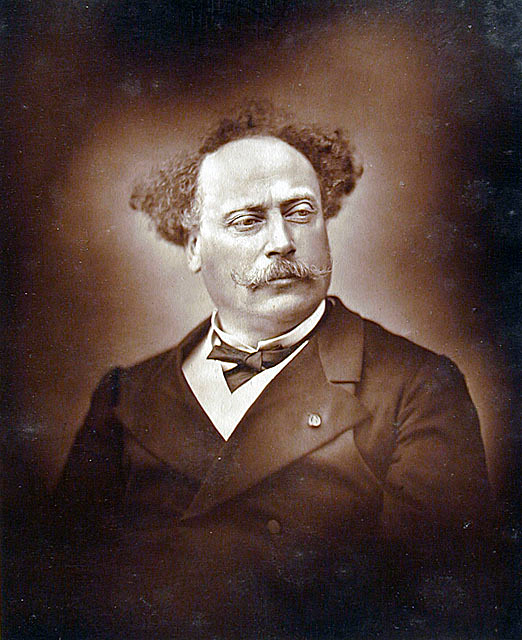
Alexandre
Dumas, fils
Dịch giả: Hải Nguyên
---
Tiếng Pháp:
La Dame aux Camilias
par Alexandre Dumas, fils
---
Tiếng Anh:
Camille
by Alexandre Dumas, fils - Translator: Sir Edmond Gosse (from
French to English) - The Project Gutenberg eBook of Camille
Chương 17
Ngày
hôm sau, Macgơrit từ giã tôi từ sáng sớm, bảo ông quận công chắc sẽ đến sớm lắm.
Nàng hứa viết thư cho tôi khi ông quận công ra về để cho tôi sẽ biết về việc hẹn
gặp mỗi tối như thường lệ.
Quả
vậy, trong ngày hôm đó, tôi nhận được những dòng chữ này:
“Tối
em đi Bugival với ông quận công. Anh hãy đến nhà Pruđăng chiều nay, vào lúc tám
giờ”.
Đúng
giờ đã dặn, Macgơrit trở về và đến gặp tôi tại nhà Đuvecnoa.
–
Được lắm, mọi việc đã ổn thoả – nàng vừa nói vừa đi vào.
–
Đã thuê được ngôi nhà ấy rồi à – Pruđăng hỏi.
–
Vâng. Ông quận công bằng lòng ngay tức khắc.
Tôi
không biết ông quận công. Nhưng tôi hổ thẹn vì tôi đã đánh lừa ông ta như vậy.
–
Nhưng chưa hết đâu! – Macgơrit nói tiếp.
–
Còn điều gì nữa?
–
Tôi đang lo lắng về chỗ ở của anh Acmân.
–
Cũng trong ngôi nhà ấy? – Pruđăng vừa nói vừa cười.
–
Không. Nhưng cũng ở Poa đuy Rua. Lúc ông quận công và tôi ăn trưa, trong khi
ông ta ngắm nhìn ngôi nhà, tôi đã hỏi bà Acnul xem bà có một căn nhà thích hợp
không. Thật may, bà ta có một căn phòng đàng hoàng với một phòng khách, một tiền
sảnh và một phòng ngủ. Tôi nghĩ, thế là đủ những gì cần thiết. Sáu mươi frăng mỗi
tháng. Ngôi nhà được trang hoàng đủ để giải toả cho một người bị u uất. Tôi xin
giữ lại căn nhà ấy. Tôi làm thế có đúng không?
Tôi
nhảy lên ôm choàng lấy cổ Macgơrit.
–
Được lắm – nàng nói tiếp – anh có một chìa khoá của cái cửa nhỏ. Em hứa cho ông
quận công một cái chìa khoá cửa trước. Nhưng ông không nhận. Bởi vì, khi ông đến,
ông chỉ đến vào ban ngày. Em tin ông rất sung sướng về cái ý đổi thay đã đưa em
xa rời Paris trong một thời gian, điều đó sẽ làm cho gia đình ông giảm bớt dư
luận. Tuy nhiên, ông đã hỏi tại sao em yêu thích Paris đến thế, lại tự quyết định
giam mình trong vùng nông thôn này. Em trả lời: em đang bị bệnh và muốn được
tĩnh dưỡng. Ông có vẻ tin em, nhưng luôn lo ngại. Như vậy, chúng ta cần phải đề
phòng rất nhiều, anh Acmân yêu quý ạ. Bởi vì ông ta sẽ cho người theo dõi ở đó.
Ông ta không phải chỉ thuê một căn nhà, mà ông ta còn phải trả nợ cho anh nữa
và khốn nạn thay, em cũng có những món nợ. Anh thông cảm tất cả chứ?
–
Vâng – tôi trả lời, cố đè nén tất cả những thắc mắc mà lối sống của nàng thỉnh
thoảng lại đánh thức dậy nơi tôi.
–
Em đi thăm kỹ khắp ngôi nhà. Chúng ta sẽ rất sung sướng được ở đó. Ông quận
công lo liệu mọi mặt. Anh yêu quý- nàng vừa nói vừa ôm choàng lấy tôi như điên
– Anh không khốn khổ đâu. Một nhà triệu phú đã lót giường cho anh.
–
Bao giờ cô sẽ đến ở? – Pruđăng hỏi.
–
Càng sớm càng tốt.
–
Cô sẽ đem theo xe và ngựa chứ?
–
Tôi sẽ đem theo tất cả. Chị sẽ trông coi nhà cửa trong lúc tôi đi vắng.
Tám
ngày sau, Macgơrit đã là chủ ngôi nhà ở đồng quê và tôi đã đến sống ở Poa đuy
Rua.
Thế
là bắt đầu một cuộc sống mà tôi phải khó nhọc mới có thể diễn tả cho bạn hiểu
được.
Trong
những ngày đầu ở Bugival, Macgơrit chưa thể từ bỏ hoàn toàn những thói quen của
nàng. Trong nhà luôn luôn có những cuộc họp mặt, vui chơi. Tất cả những bạn gái
của nàng đều đến thăm. Suốt một tháng dài, không ngày nào Macgơrit không tiếp ở
bàn ăn từ tám đến mười người khách. Pruđăng, về phần mình, cũng dẫn dắt những
người chị ta quen biết và cũng đãi đằng đúng cách, xem như ngôi nhà này thuộc
quyền chị ta.
Tiền
bạc của ông quận công được dùng để trả mọi thứ chi tiêu. Tuy thế, thỉnh thoảng
Pruđăng cũng đòi tôi một tờ giấy bạc một ngàn frăng, bảo là lấy cho Macgơrit. Bạn
đã biết tôi ăn được ít nhiều trong bài bạc. Do vậy, tôi vội vã đưa cho Pruđăng
cái gì Pruđăng bảo là lấy cho Macgơrit nhờ chị ta hỏi dùm. Và sợ nàng cần hơn
những gì tôi có, tôi đã về Paris mượn một số tiền bằng số tiền trước kia tôi đã
mượn, và đã trả rất sòng phẳng.
Như
thế, tôi sẵn sàng có trong tay khoảng mười ngàn frăng, không kể tiền trợ cấp của
tôi.
Tuy
nhiên, niềm vui mà Macgơrit có được khi tiếp các bạn gái của mình cũng giảm dần,
trước những chi phí và niềm vui ấy kéo theo và nhất là trước sự cần thiết đôi
khi bắt buộc nàng phải xin thêm nơi tôi. Ông quận công, người đã thuê nhà cho
Macgơrit đến ở, không thấy tới lui nữa. Vì ông luôn sợ phải gặp cái đám đông
người vui nhộn ấy. Ông không muốn người ta trông thấy ông. Bởi vì, một hôm đến
ăn chiều với Macgơrit, ông ta gặp phải một đám khách, khoảng mười lăm người,
chưa ăn xong bữa trưa vào đúng cái giờ ông dự tính sẽ ngồi lại cái bàn để ăn
chiều. Không nghi ngờ gì cả, ông mở cửa phòng ăn. Những tiếng cười dậy lên đón
tiếp sự có mặt của ông. Ông bắt buộc phải rút lui một cách đột ngột, trước sự
vui đùa một cách hỗn láo của những người con gái có mặt tại đó.
Macgơrit
đứng dậy rời bàn ăn, gặp lại ông quận công trong phòng bên cạnh và cố gắng hết
sức để làm cho ông quên sự việc vừa xảy ra. Nhưng ông già, lòng tự ái bị tổn
thương, vẫn không hết hằn học. Ông đã nói khá độc ác với cô gái đáng thương đó
rằng ông đã mệt mỏi để trả tiền cho những điên cuồng của một người đàn bà không
biết đem lại sự tôn kính đối với ông ngay ở tại nhà mình, và ông bỏ đi trong giận
dữ.
Từ
ngày đó, người ta không còn nghe nói đến ông quận công nữa. Macgơrit thôi không
tiếp khách đến ăn, đã thay đổi những thói quen của mình. Nhưng vô ích, ông quận
công không còn cho biết tin tức gì về ông. Tôi thì được hưởng cái lợi là người
tình nhân của tôi từ nay thuộc về tôi hoàn toàn. Và như thế, giấc mơ của tôi được
thực hiện. Macgơrit không thể xa rời tôi được nữa. Không cần biết những hậu quả
sẽ ra sao, nàng công khai cho mọi người biết sự dan díu của chúng tôi. Và dần dần,
tôi rất ít bước ra khỏi ngôi nhà này. Những người giúp việc gọi tôi là ông và
công khai nhìn nhận tôi là chủ nhà.
Pruđăng,
trước cuộc sống mới này, đã nhiều lần giảng luân lý cho Macgơrit. Nhưng nàng trả
lời rằng nàng yêu tôi, nàng không thể sống thiếu tôi được, và mặc cho mai kia sẽ
như thế nào, nàng không thể từ bỏ cái hạnh phúc được có tôi luôn luôn bên cạnh.
Nàng còn nói thêm, tất cả những kẻ nào không ưa sự việc trên thì có quyền tự do
không tới lui nữa.
Đó
là những gì tôi nghe được trong một hôm Pruđăng nói với Macgơrit rằng chị ta có
một tin rất quan trọng cần báo cho nàng biết. Và tôi đứng nghe trộm ở trước cửa
phòng đóng kín.
Một
thời gian sau, Pruđăng quay trở lại.
Tôi
đang ở sau vườn khi chị ta đi vào. Tôi hơi nghi ngờ trước thái độ của Macgơrit
đi ra đón Pruđăng, nghĩ rằng một cuộc nói chuyện giống như lần trước chắc sẽ
tái diễn, và tôi cũng muốn được nghe như lần trước.
Hai
người đàn bà đi vào phòng riêng, rồi đóng cửa lại. Tôi rình nghe.
–
Chị có chuyện gì thế? – Macgơrit hỏi.
–
À, tôi đã gặp ông.
–
Ông đã nói gì với chị?
–
Ông sẵn sàng tha thứ cái cảnh đáng bực mình ngày trước. Nhưng ông đã biết cô
đang sống công khai với ông Acmân Đuyvan. Điều này ông không thể tha thứ được.
Ông nói với tôi: “Macgơrit phải từ bỏ anh chàng đó đi, và mọi việc sẽ như xưa.
Tôi sẽ đưa cho cô ta tất cả những gì cô ta muốn. Nếu trái lại, cô ta phải thôi
hẳn, đừng yêu cầu tôi bất cứ việc gì”.
–
Chị trả lời thế nào?
–
Rằng tôi sẽ tin cho cô biết quyết định của ông ta. Tôi đã hứa với ông là sẽ làm
cho cô thấy được lẽ phải. Hãy suy nghĩ kỹ, cô em yêu dấu, địa vị cô em sẽ mất
đi, và Acmân sẽ chẳng bao giờ tìm lại được cho cô em. Anh chàng này đã yêu cô
em với tất cả tâm hồn mình, nhưng không đủ tài sản để chu cấp, thoả mãn tất cả
những nhu cầu của cô em. Và một ngày nào đó, cô em cũng phải từ giã thôi. Ngày
đó sẽ quá muộn. Ông quận công sẽ không muốn làm bất cứ cái gì cho cô em nữa. Cô
em có đồng ý để chị báo lại cho Acmân biết không?
Macgơrit
có vẻ suy nghĩ, bởi vì nàng không trả lời.
Tim
tôi đập mạnh trong lúc tôi lắng tai chờ đợi.
Macgơrit
nói:
–
Không. Tôi không rời bỏ Acmân, và tôi không giấu việc tôi sống chung với anh ấy.
Đó có thể là một việc điên rồ. Nhưng tôi yêu anh ấy! Chị bảo tôi phải làm gì?
Giờ đây, Acmân đã quen yêu thương tôi mà không bị trở ngại. Anh ấy sẽ đau khổ
nhiều, nếu bị ép buộc phải rời xa tôi, dù chỉ một giờ trong ngày. Vả chăng, tôi
có sống được bao lâu nữa đâu mà tự làm mình khốn khổ và thừa hành cái ý muốn của
ông già mà chỉ nhìn mặt tôi đã phải già đi rồi. Ông ta giữ lấy tiền bạc của
mình, tôi không cần đến nữa.
–
Nhưng cô em sẽ làm thế nào?
–
Tôi không biết.
Pruđăng
sắp nói gì đó. Nhưng tôi đột ngột bước vào và chạy đến quỳ dưới chân Macgơrit,
nhỏ lên hai bàn tay nàng những giọt lệ sung sướng vì được nàng yêu đến thế.
–
Đời anh là của em. Macgơrit. Em không cần đến người đàn ông kia nữa. Đã có anh
đây rồi, không đời nào anh có thể bỏ em. Và anh chẳng bao giờ đền đáp được cái
hạnh phúc mà em đã ban cho anh. Không còn những trở ngại ràng buộc nữa,
Macgơrit ạ, chúng ta yêu nhau trọn vẹn! Ngoài ra, chúng ta không cần biết đến
điều gì thêm nữa.
–
Ồ! Vâng, em yêu anh, Acmân ạ – nàng vừa thì thầm vừa đưa hai cánh tay ôm choàng
lấy cổ tôi – Em yêu anh, nhưng chẳng bao giờ em tin em có thể yêu đến mức này
được. Chúng ta sẽ sung sướng, chúng ta sẽ sống yên lành. Em sẽ vĩnh biệt cuộc sống
trước đây, giờ đây em cảm thấy hổ thẹn vì nó. Anh sẽ không bao giờ chỉ trích
cái quá khứ của em, có phải thế không?
Những
giọt nước mắt làm cho tiếng nói của tôi phải nghẹn lại. Tôi chỉ có thể trả lời
bằng cách ôm chặt Macgơrit vào lòng, ghì sát nàng vào tim tôi.
–
Thế đấy! – Nàng vừa nói, vừa quay nhìn Pruđăng với một giọng xúc động – Chị hãy
tả lại cảnh này cho ông quận công biết. Và chị nói thêm, chúng tôi không cần đến
sự giúp đỡ của ông ấy nữa.
Kể
từ hôm đó, ông quận công không còn là vấn đề nữa. Macgơrit không còn là cô gái
trước đây tôi quen biết. Nàng cố tránh tất cả những gì có thể nhắc đến cuộc sống
trước đây. Không một người đàn bà nào, một người con gái nào có thể đem lại cho
chồng mình hay cho anh em mình một tình thương và sự chăm sóc như nàng đối với
tôi. Cái bản chất đau ốm của nàng luôn nhạy bén với những ý nghĩ và sẵn sàng
đáp ứng mọi tình cảm. Nàng chấm dứt quan hệ với những bạn gái cũ, cũng như những
thói quen, ngôn ngữ cũ và phung phí ngày xưa. Khi người ta thấy chúng tôi đi ra
khỏi nhà làm một cuộc du ngoạn trong chiếc thuyền nhỏ mà tôi đã mua, người ta
không bao giờ có thể nghĩ rằng người đàn bà mặc chiếc áo dài trắng, đội chiếc
mũ rơm rộng vành, mang trên cánh tay cái khăn lụa đơn giản để khỏi cảm lạnh kia
lại chính là Macgơrit Gôchiê, con người bốn tháng trước đây đã nổi danh vì xa
hoa và tai tiếng.
Ôi!
Chúng tôi hối hả lặn ngụp trong hạnh phúc, nhưng chúng tôi đã đoán biết rằng
chúng tôi không thể hạnh phúc như thế này lâu dài lắm đâu.
Đã
hai tháng rồi, chúng tôi không về Paris. Không một người nào đến thăm chúng
tôi, trừ Pruđăng và Juyli Đupơra, người mà sau này sẽ trao lại tập nhật ký cảm
động mà tôi đang giữ.
Suốt
ngày tôi luôn luôn ở bên cạnh Macgơrit. Chúng tôi mở những cửa sổ ngó ra vườn,
nhìn mùa hạ tưng bừng trong những bông hoa nở rộ. Và dưới bóng cây, chúng tôi
luôn luôn bên nhau, sống một cuộc sống thực sự mà từ trước đến nay tôi và
Macgơrit chưa hề biết đến.
Nàng
luôn có những ngạc nhiên rất ngây thơ trước những sự việc nho nhỏ. Có những
ngày, nàng chạy nhảy trong vườn như một cô gái lên mười, đuổi bắt một cánh bướm
hay một con chuồn chuồn. Người kỹ nữ đã từng phí tiền mua hoa hơn cả số tiền cần
cho một gia đình sống đầy đủ, yên vui, giờ đây ngồi trên thảm cỏ hàng giờ để
quan sát một cánh hoa đơn giản đã cho nàng cái biệt danh.
Chính
trong khoảng thời gian đó, nàng thường đọc cuốn Manôn Lexcô. Tôi đã nhiều lần bắt
gặp nàng đang ghi chú trên cuốn sách và nàng luôn luôn bảo tôi rằng khi một người
đàn bà yêu, người ấy không thể làm điều Manông đã làm.
Ông
quận công đã hai ba lần viết thư cho nàng. Nàng nhìn nét chữ, trao lại cho tôi
những là thư và không đọc.
Thỉnh
thoảng những lời ông viết trong các bức thư ấy đã làm cho tôi rơi lệ.
Ông
đã tin rằng không chi tiền cho Macgơrit nữa, nàng sẽ trở lại với ông. Nhưng khi
ông thấy được sự vô ích của phương cách ấy, ông không còn giữ được quyết định của
mình nữa. Ông đã viết thư và yêu cầu nàng, hãy như trước kia, cho phép ông được
trở lại, dù với bất cứ điều kiện nào cũng được.
Như
thế, tôi đã đọc những bức thư hối thúc, nhắc đi nhắc lại đó, và tôi đã xé bỏ,
không nói cho Macgơrit biết nội dung. Tôi không khuyên nàng gặp lại ông quận
công, mặc dù tôi cảm thấy động lòng trước những đau khổ của ông già đáng thương
đó. Tôi sợ, nàng sẽ hiểu lầm lời khuyên cho phép ông quận công trở lại thăm viếng
như xưa là có ý để được ông đài thọ những chi tiều trong gia đình. Tôi sợ nhất
là nàng nghĩ tôi có thể từ chối trách nhiệm đối với nàng, với những hậu qủa mà
tình yêu của nàng đối với tôi đã lôi cuốn nàng đi đến.
Đương
nhiên, ông quận công, không nhận được thư trả lời, không còn viết thư nữa. Và
Macgơrit với tôi tiếp tục sống chung với nhau, không phải lo lắng gì về tương
lai.
➖➖➖
Phần tiếng Pháp
La
Dame aux Camilias par Alexandre Dumas, fils
---
Chapitre XVII
Le
lendemain, Marguerite me congédia de bonne heure, me disant que le duc devait
venir de grand matin, et me promettant de m'écrire dès qu'il serait parti, pour
me donner le rendez-vous de chaque soir.
En
effet, dans la journée, je reçus ce mot:
«Je
vais à Bougival avec le duc; soyez chez Prudence, ce soir, à huit heures.»
À
l'heure indiquée, Marguerite était de retour, et venait me rejoindre chez
madame Duvernoy.
--Et
bien, tout est arrangé, dit-elle en entrant.
--La
maison est louée? demanda Prudence.
--Oui;
il a consenti tout de suite.
Je
ne connaissais pas le duc, mais j'avais honte de le tromper comme je le
faisais.
--Mais,
ce n'est pas tout! reprit Marguerite.
--Quoi
donc encore?
--Je
me suis inquiétée du logement d'Armand.
--Dans
la même maison? demanda Prudence en riant.
--Non,
mais au Point-du-Jour, où nous avons déjeuné, le duc et moi. Pendant qu'il
regardait la vue, j'ai demandé à madame Arnould, car c'est madame Arnould
qu'elle s'appelle, n'est-ce pas? je lui ai demandé si elle avait un appartement
convenable. Elle en a justement un, avec salon, antichambre et chambre à
coucher. C'est tout ce qu'il faut, je pense. Soixante francs par mois. Le tout
meublé de façon à distraire un hypocondriaque. J'ai retenu le logement. Ai-je
bien fait?
Je
sautai au cou de Marguerite.
--Ce
sera charmant, continua-t-elle, vous avez une clef de la petite porte, et j'ai
promis au duc une clef de la grille qu'il ne prendra pas, puisqu'il ne viendra
que dans le jour, quand il viendra. Je crois, entre nous, qu'il est enchanté de
ce caprice qui m'éloigne de Paris pendant quelque temps, et fera taire un peu
sa famille. Cependant, il m'a demandé comment moi, qui aime tant Paris, je
pouvais me décider à m'enterrer dans cette campagne; je lui ai répondu que
j'étais souffrante et que c'était pour me reposer. Il n'a paru me croire que
très imparfaitement. Ce pauvre vieux est toujours aux abois. Nous prendrons donc
beaucoup de précautions, mon cher Armand; car il me ferait surveiller là-bas,
et ce n'est pas le tout qu'il me loue une maison, il faut encore qu'il paye mes
dettes, et j'en ai malheureusement quelques-unes. Tout cela vous convient-il?
--Oui,
répondis-je en essayant de faire taire tous les scrupules que cette façon de
vivre réveillait de temps en temps en moi.
--Nous
avons visité la maison dans tous ses détails, nous y serons à merveille. Le duc
s'inquiétait de tout. Ah! mon cher, ajouta la folle en m'embrassant, vous
n'êtes pas malheureux, c'est un millionnaire qui fait votre lit.
--Et
quand emménagez-vous? demanda Prudence.
--Le
plus tôt possible.
--Vous
emmenez votre voiture et vos chevaux?
--J'emmènerai
toute ma maison. Vous vous chargerez de mon appartement pendant mon absence.
Huit
jours après, Marguerite avait pris possession de la maison de campagne, et moi
j'étais installé au Point-du-Jour.
Alors
commença une existence que j'aurais bien de la peine à vous décrire.
Dans
les commencements de son séjour à Bougival, Marguerite ne put rompre tout à
fait avec ses habitudes, et comme la maison était toujours en fête, toutes ses
amies venaient la voir; pendant un mois, il ne se passa pas de jour que
Marguerite n'eût huit ou dix personnes à sa table. Prudence amenait de son côté
tous les gens qu'elle connaissait, et leur faisait tous les honneurs de la
maison, comme si cette maison lui eût appartenu.
L'argent
du duc payait tout cela, comme vous le pensez bien, et cependant il arriva de
temps en temps à Prudence de me demander un billet de mille francs, soi-disant
au nom de Marguerite. Vous savez que j'avais fait quelque gain au jeu; je
m'empressai donc de remettre à Prudence ce que Marguerite me faisait demander
par elle, et dans la crainte qu'elle n'eût besoin de plus que je n'avais, je
vins emprunter à Paris une somme égale à celle que j'avais déjà empruntée
autrefois, et que j'avais rendue très exactement.
Je
me trouvai donc de nouveau riche d'une dizaine de mille francs, sans compter ma
pension.
Cependant
le plaisir qu'éprouvait Marguerite à recevoir ses amies se calma un peu devant
les dépenses auxquelles ce plaisir l'entraînait, et surtout devant la nécessité
où elle était quelquefois de me demander de l'argent. Le duc, qui avait loué
cette maison pour que Marguerite s'y reposât, n'y paraissait plus, craignant
toujours d'y rencontrer une joyeuse et nombreuse compagnie de laquelle il ne
voulait pas être vu. Cela tenait surtout à ce que, venant un jour pour dîner en
tête-à-tête avec Marguerite, il était tombé au milieu d'un déjeuner de quinze personnes
qui n'était pas encore fini à l'heure où il comptait se mettre à table pour
dîner. Quand, ne se doutant de rien, il avait ouvert la porte de la salle à
manger, un rire général avait accueilli son entrée, et il avait été forcé de se
retirer brusquement devant l'impertinente gaieté des filles qui se trouvaient
là.
Marguerite
s'était levée de table, avait été retrouver le duc dans la chambre voisine, et
avait essayé, autant que possible, de lui faire oublier cette aventure; mais le
vieillard, blessé dans son amour-propre, avait gardé rancune: il avait dit
assez cruellement à la pauvre fille qu'il était las de payer les folies d'une
femme qui ne savait même pas le faire respecter chez elle, et il était parti
fort courroucé.
Depuis
ce jour on n'avait plus entendu parler de lui. Marguerite avait eu beau
congédier ses convives, changer ses habitudes, le duc n'avait plus donné de ses
nouvelles. J'y avais gagné que ma maîtresse m'appartenait plus complètement, et
que mon rêve se réalisait enfin. Marguerite ne pouvait plus se passer de moi.
Sans s'inquiéter de ce qui en résulterait, elle affichait publiquement notre
liaison, et j'en étais arrivé à ne plus sortir de chez elle. Les domestiques
m'appelaient monsieur, et me regardaient officiellement comme leur maître.
Prudence
avait bien fait, à propos de cette nouvelle vie, force morale à Marguerite;
mais celle-ci avait répondu qu'elle m'aimait, qu'elle ne pouvait vivre sans
moi, et quoi qu'il en dût advenir, elle ne renoncerait pas au bonheur de
m'avoir sans cesse auprès d'elle, ajoutant que tous ceux à qui cela ne plairait
pas étaient libres de ne pas revenir.
Voilà
ce que j'avais entendu un jour où Prudence avait dit à Marguerite qu'elle avait
quelque chose de très important à lui communiquer, et où j'avais écouté à la
porte de la chambre où elles s'étaient renfermées.
Quelque
temps après Prudence revint.
J'étais
au fond du jardin quand elle entra; elle ne me vit pas. Je me doutais, à la
façon dont Marguerite était venue au-devant d'elle, qu'une conversation
pareille à celle que j'avais déjà surprise allait avoir lieu de nouveau et je
voulus l'entendre comme l'autre.
Les
deux femmes se renfermèrent dans un boudoir et je me mis aux écoutes.
--Eh
bien? demanda Marguerite.
--Eh
bien! j'ai vu le duc.
--Que
vous a-t-il dit?
--Qu'il
vous pardonnait volontiers la première scène, mais qu'il avait appris que vous
viviez publiquement avec M. Armand Duval, et que cela il ne vous le pardonnait
pas. Que Marguerite quitte ce jeune homme, m'a-t-il dit, et comme par le passé
je lui donnerai tout ce qu'elle voudra, sinon, elle devra renoncer à me
demander quoi que ce soit.
--Vous
avez répondu?
--Que
je vous communiquerais sa décision, et je lui ai promis de vous faire entendre
raison. Réfléchissez, ma chère enfant, à la position que vous perdez et que ne
pourra jamais vous rendre Armand. Il vous aime de toute son âme, mais il n'a
pas assez de fortune pour subvenir à tous vos besoins, et il faudra bien un
jour vous quitter, quand il sera trop tard et que le duc ne voudra plus rien
faire pour vous. Voulez-vous que je parle à Armand?
Marguerite
paraissait réfléchir, car elle ne répondit pas. Le cœur me battait violemment
en attendant sa réponse.
--Non,
reprit-elle, je ne quitterai pas Armand, et je ne me cacherai pas pour vivre
avec lui. C'est peut-être une folie, mais je l'aime! que voulez-vous? Et puis,
maintenant il a pris l'habitude de m'aimer sans obstacle; il souffrirait trop
d'être forcé de me quitter ne fût-ce qu'une heure par jour. D'ailleurs, je n'ai
pas tant de temps à vivre pour me rendre malheureuse et faire les volontés d'un
vieillard dont la vue seule me fait vieillir. Qu'il garde son argent; je m'en
passerai.
--Mais
comment ferez-vous?
--Je
n'en sais rien.
Prudence
allait sans doute répondre quelque chose, mais j'entrai brusquement et je
courus me jeter aux pieds de Marguerite, couvrant ses mains des larmes que me
faisait verser la joie d'être aimé ainsi.
--Ma
vie est à toi, Marguerite, tu n'as plus besoin de cet homme, ne suis-je pas là?
T'abandonnerais-je jamais et pourrais-je payer assez le bonheur que tu me
donnes? Plus de contrainte, ma Marguerite, nous nous aimons! Que nous importe
le reste?
--Oh!
oui, je t'aime, mon Armand! murmura-t-elle en enlaçant ses deux bras autour de
mon cou, je t'aime comme je n'aurais pas cru pouvoir aimer. Nous serons
heureux, nous vivrons tranquilles, et je dirai un éternel adieu à cette vie
dont je rougis maintenant. Jamais tu ne me reprocheras le passé, n'est-ce pas?
Les
larmes voilaient ma voix. Je ne pus répondre qu'en pressant Marguerite contre
mon cœur.
--Allons,
dit-elle en se retournant vers Prudence et d'une voix émue, vous rapporterez
cette scène au duc, et vous ajouterez que nous n'avons pas besoin de lui.
À
partir de ce jour il ne fut plus question du duc. Marguerite n'était plus la
fille que j'avais connue. Elle évitait tout ce qui aurait pu me rappeler la vie
au milieu de laquelle je l'avais rencontrée. Jamais femme, jamais sœur n'eut
pour son époux ou son frère l'amour et les soins qu'elle avait pour moi. Cette
nature maladive était prête à toutes les impressions, accessible à tous les
sentiments. Elle avait rompu avec ses amies comme avec ses habitudes, avec son
langage comme avec les dépenses d'autrefois. Quand on nous voyait sortir de la
maison pour aller faire une promenade dans un charmant petit bateau que j'avais
acheté, on n'eût jamais cru que cette femme vêtue d'une robe blanche, couverte
d'un grand chapeau de paille, et portant sur son bras la simple pelisse de soie
qui devait la garantir de la fraîcheur de l'eau, était cette Marguerite Gautier
qui, quatre mois auparavant, faisait bruit de son luxe et de ses scandales.
Hélas!
nous nous hâtions d'être heureux, comme si nous avions deviné que nous ne
pouvions pas l'être longtemps.
Depuis
deux mois nous n'étions même pas allés à Paris. Personne n'était venu nous
voir, excepté Prudence, et cette Julie Duprat dont je vous ai parlé, et à qui
Marguerite devait remettre plus tard le touchant récit que j'ai là.
Je
passais des journées entières aux pieds de ma maîtresse. Nous ouvrions les
fenêtres qui donnaient sur le jardin, et regardant l'été s'abattre joyeusement
dans les fleurs qu'il fait éclore et sous l'ombre des arbres, nous respirions à
côté l'un de l'autre cette vie véritable que ni Marguerite ni moi n'avions
comprise jusqu'alors.
Cette
femme avait des étonnements d'enfant pour les moindres choses. Il y avait des
jours où elle courait dans le jardin, comme une fille de dix ans, après un
papillon ou une demoiselle. Cette courtisane, qui avait fait dépenser en
bouquets plus d'argent qu'il n'en faudrait pour faire vivre dans la joie une
famille entière, s'asseyait quelquefois sur la pelouse, pendant une heure, pour
examiner la simple fleur dont elle portait le nom.
Ce
fut pendant ce temps-là qu'elle lut si souvent Manon Lescaut. Je la surpris
bien des fois annotant ce livre: et elle me disait toujours que lorsqu'une
femme aime, elle ne peut pas faire ce que faisait Manon.
Deux
ou trois fois le duc lui écrivit. Elle reconnut l'écriture et me donna les
lettres sans les lire.
Quelquefois
les termes de ces lettres me faisaient venir les larmes aux yeux.
Il
avait cru, en fermant sa bourse à Marguerite, la ramener à lui; mais quand il
avait vu l'inutilité de ce moyen, il n'avait pas pu y tenir; il avait écrit,
redemandant, comme autrefois, la permission de revenir, quelles que fussent les
conditions mises à ce retour.
J'avais
donc lu ces lettres pressantes et réitérées, et je les avais déchirées, sans
dire à Marguerite ce qu'elles contenaient, et sans lui conseiller de revoir le
vieillard, quoiqu'un sentiment de pitié pour la douleur du pauvre homme m'y
portât: mais je craignais qu'elle ne vit dans ce conseil le désir, en faisant
reprendre au duc ses anciennes visites, de lui faire reprendre les charges de
la maison; je redoutais par-dessus tout qu'elle me crût capable de dénier la
responsabilité de sa vie dans toutes les conséquences où son amour pour moi
pouvait l'entraîner.
Il
en résulta que le duc, ne recevant pas de réponse, cessa d'écrire, et que
Marguerite et moi nous continuâmes à vivre ensemble sans nous occuper de
l'avenir.
➖➖➖
Phần tiếng Anh
Camille
by Alexandre Dumas, fils - Translator: Sir Edmond Gosse (from
French to English) - The Project Gutenberg eBook of Camille
---
Chapter XVII
Next
day Marguerite sent me away very early, saying that the duke was coming at an
early hour, and promising to write to me the moment he went, and to make an
appointment for the evening. In the course of the day I received this note:
“I
am going to Bougival with the duke; be at Prudence’s to-night at eight.”
At
the appointed hour Marguerite came to me at Mme. Duvernoy’s. “Well, it is all
settled,” she said, as she entered. “The house is taken?” asked Prudence. “Yes;
he agreed at once.”
I
did not know the duke, but I felt ashamed of deceiving him.
“But
that is not all,” continued Marguerite.
“What
else is there?”
“I
have been seeing about a place for Armand to stay.”
“In
the same house?” asked Prudence, laughing.
“No,
at Point du Jour, where we had dinner, the duke and I. While he was admiring
the view, I asked Mme. Arnould (she is called Mme. Arnould, isn’t she?) if
there were any suitable rooms, and she showed me just the very thing: salon,
anteroom, and bed-room, at sixty francs a month; the whole place furnished in a
way to divert a hypochondriac. I took it. Was I right?” I flung my arms around
her neck and kissed her.
“It
will be charming,” she continued. “You have the key of the little door, and I
have promised the duke the key of the front door, which he will not take,
because he will come during the day when he comes. I think, between ourselves,
that he is enchanted with a caprice which will keep me out of Paris for a time,
and so silence the objections of his family. However, he has asked me how I,
loving Paris as I do, could make up my mind to bury myself in the country. I
told him that I was ill, and that I wanted rest. He seemed to have some
difficulty in believing me. The poor old man is always on the watch. We must
take every precaution, my dear Armand, for he will have me watched while I am
there; and it isn’t only the question of his taking a house for me, but he has
my debts to pay, and unluckily I have plenty. Does all that suit you?”
“Yes,”
I answered, trying to quiet the scruples which this way of living awoke in me
from time to time.
“We
went all over the house, and we shall have everything perfect. The duke is
going to look after every single thing. Ah, my dear,” she added, kissing me,
“you’re in luck; it’s a millionaire who makes your bed for you.”
“And
when shall you move into the house?” inquired Prudence.
“As
soon as possible.”
“Will
you take your horses and carriage?”
“I
shall take the whole house, and you can look after my place while I am away.”
A
week later Marguerite was settled in her country house, and I was installed at
Point du Jour.
Then
began an existence which I shall have some difficulty in describing to you. At
first Marguerite could not break entirely with her former habits, and, as the
house was always en fête, all the women whom she knew came to see her. For a
whole month there was not a day when Marguerite had not eight or ten people to
meals. Prudence, on her side, brought down all the people she knew, and did the
honours of the house as if the house belonged to her.
The
duke’s money paid for all that, as you may imagine; but from time to time
Prudence came to me, asking for a note for a thousand francs, professedly on
behalf of Marguerite. You know I had won some money at gambling; I therefore
immediately handed over to Prudence what she asked for Marguerite, and fearing
lest she should require more than I possessed, I borrowed at Paris a sum equal
to that which I had already borrowed and paid back. I was then once more in
possession of some ten thousand francs, without reckoning my allowance.
However, Marguerite’s pleasure in seeing her friends was a little moderated
when she saw the expense which that pleasure entailed, and especially the
necessity she was sometimes in of asking me for money. The duke, who had taken
the house in order that Marguerite might rest there, no longer visited it,
fearing to find himself in the midst of a large and merry company, by whom he
did not wish to be seen. This came about through his having once arrived to
dine tête-à-tête with Marguerite, and having fallen upon a party of fifteen,
who were still at lunch at an hour when he was prepared to sit down to dinner.
He had unsuspectingly opened the dining-room door, and had been greeted by a
burst of laughter, and had had to retire precipitately before the impertinent
mirth of the women who were assembled there.
Marguerite
rose from table, and joined the duke in the next room, where she tried, as far
as possible, to induce him to forget the incident, but the old man, wounded in
his dignity, bore her a grudge for it, and could not forgive her. He said to
her, somewhat cruelly, that he was tired of paying for the follies of a woman
who could not even have him treated with respect under his own roof, and he
went away in great indignation.
Since
that day he had never been heard of.
In
vain Marguerite dismissed her guests, changed her way of life; the duke was not
to be heard of. I was the gainer in so far that my mistress now belonged to me
more completely, and my dream was at length realized. Marguerite could not be
without me. Not caring what the result might be, she publicly proclaimed our
liaison, and I had come to live entirely at her house. The servants addressed
me officially as their master.
Prudence
had strictly sermonized Marguerite in regard to her new manner of life; but she
had replied that she loved me, that she could not live without me, and that,
happen what might, she would not sacrifice the pleasure of having me constantly
with her, adding that those who were not satisfied with this arrangement were
free to stay away. So much I had heard one day when Prudence had said to
Marguerite that she had something very important to tell her, and I had
listened at the door of the room into which they had shut themselves.
Not
long after, Prudence returned again. I was at the other end of the garden when
she arrived, and she did not see me. I had no doubt, from the way in which
Marguerite came to meet her, that another similar conversation was going to
take place, and I was anxious to hear what it was about. The two women shut
themselves into a boudoir, and I put myself within hearing.
“Well?”
said Marguerite.
“Well,
I have seen the duke.”
“What
did he say?”
“That
he would gladly forgive you in regard to the scene which took place, but that
he has learned that you are publicly living with M. Armand Duval, and that he
will never forgive that. ‘Let Marguerite leave the young man,’ he said to me,
‘and, as in the past, I will give her all that she requires; if not, let her
ask nothing more from me.’”
“And
you replied?”
“That
I would report his decision to you, and I promised him that I would bring you
into a more reasonable frame of mind. Only think, my dear child, of the
position that you are losing, and that Armand can never give you. He loves you
with all his soul, but he has no fortune capable of supplying your needs, and
he will be bound to leave you one day, when it will be too late and when the
duke will refuse to do any more for you. Would you like me to speak to Armand?”
Marguerite
seemed to be thinking, for she answered nothing. My heart beat violently while
I waited for her reply.
“No,”
she answered, “I will not leave Armand, and I will not conceal the fact that I
am living with him. It is folly no doubt, but I love him. What would you have
me do? And then, now that he has got accustomed to be always with me, he would
suffer too cruelly if he had to leave me so much as an hour a day. Besides, I
have not such a long time to live that I need make myself miserable in order to
please an old man whose very sight makes me feel old. Let him keep his money; I
will do without it.”
“But
what will you do?”
“I
don’t in the least know.”
Prudence
was no doubt going to make some reply, but I entered suddenly and flung myself
at Marguerite’s feet, covering her hands with tears in my joy at being thus
loved.
“My
life is yours, Marguerite; you need this man no longer. Am I not here? Shall I
ever leave you, and can I ever repay you for the happiness that you give me? No
more barriers, my Marguerite; we love; what matters all the rest?”
“Oh
yes, I love you, my Armand,” she murmured, putting her two arms around my neck.
“I love you as I never thought I should ever love. We will be happy; we will
live quietly, and I will say good-bye forever to the life for which I now
blush. You won’t ever reproach me for the past? Tell me!”
Tears
choked my voice. I could only reply by clasping Marguerite to my heart.
“Well,”
said she, turning to Prudence, and speaking in a broken voice, “you can report
this scene to the duke, and you can add that we have no longer need of him.”
From
that day forth the duke was never referred to. Marguerite was no longer the
same woman that I had known. She avoided everything that might recall to me the
life which she had been leading when I first met her. Never did wife or sister
surround husband or brother with such loving care as she had for me. Her nature
was morbidly open to all impressions and accessible to all sentiments. She had
broken equally with her friends and with her ways, with her words and with her
extravagances. Any one who had seen us leaving the house to go on the river in
the charming little boat which I had bought would never have believed that the
woman dressed in white, wearing a straw hat, and carrying on her arm a little
silk pelisse to protect her against the damp of the river, was that Marguerite
Gautier who, only four months ago, had been the talk of the town for the luxury
and scandal of her existence.
Alas,
we made haste to be happy, as if we knew that we were not to be happy long.
For
two months we had not even been to Paris. No one came to see us, except
Prudence and Julie Duprat, of whom I have spoken to you, and to whom Marguerite
was afterward to give the touching narrative that I have there.
I
passed whole days at the feet of my mistress. We opened the windows upon the
garden, and, as we watched the summer ripening in its flowers and under the
shadow of the trees, we breathed together that true life which neither
Marguerite nor I had ever known before.
Her
delight in the smallest things was like that of a child. There were days when
she ran in the garden, like a child of ten, after a butterfly or a dragon-fly.
This courtesan who had cost more money in bouquets than would have kept a whole
family in comfort, would sometimes sit on the grass for an hour, examining the
simple flower whose name she bore.
It
was at this time that she read Manon Lescaut, over and over again. I found her
several times making notes in the book, and she always declared that when a
woman loves, she can not do as Manon did.
The
duke wrote to her two or three times. She recognised the writing and gave me
the letters without reading them. Sometimes the terms of these letters brought
tears to my eyes. He had imagined that by closing his purse to Marguerite, he
would bring her back to him; but when he had perceived the uselessness of these
means, he could hold out no longer; he wrote and asked that he might see her
again, as before, no matter on what conditions.
I
read these urgent and repeated letters, and tore them in pieces, without
telling Marguerite what they contained and without advising her to see the old
man again, though I was half inclined to, so much did I pity him, but I was
afraid lest, if I so advised her she should think that I wished the duke, not
merely to come and see her again, but to take over the expenses of the house; I
feared, above all, that she might think me capable of shirking the
responsibilities of every consequence to which her love for me might lead her.
It
thus came about that the duke, receiving no reply, ceased to write, and that
Marguerite and I continued to live together without giving a thought to the
future.
➖➖➖


Không có nhận xét nào:
Đăng nhận xét