2025-08-30
Trà
hoa nữ (18)
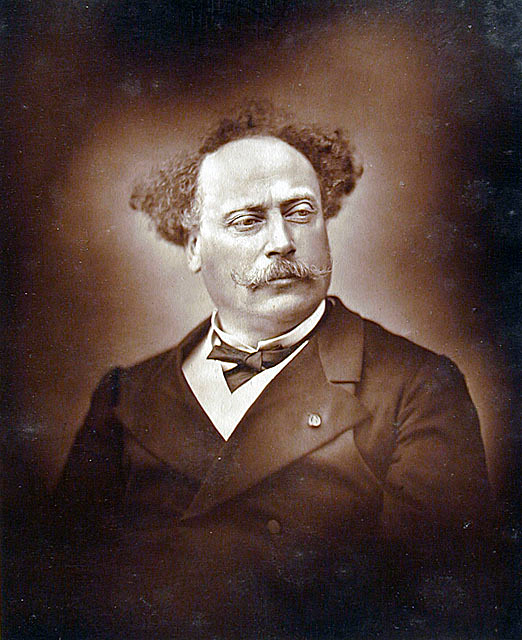
Alexandre
Dumas, fils
Dịch giả: Hải Nguyên
---
Tiếng Pháp:
La Dame aux Camilias
par Alexandre Dumas, fils
---
Tiếng Anh:
Camille
by Alexandre Dumas, fils - Translator: Sir Edmond Gosse (from
French to English) - The Project Gutenberg eBook of Camille
Chương 18
Nói
cho bạn biết những chi tiết cuộc sống mới của chúng tôi rất khó. Nó được tạo
thành bởi một chuỗi dài những trò chơi thơ trẻ, rất thân thiết với chúng tôi,
nhưng thật vô nghĩa đối với kẻ khác nếu tôi kể lại. Anh đã hiểu thế nào là yêu
thương một người đàn bà. Anh hiểu là lúc ấy ngày tháng qua mau như thế nào và với
sự lười biếng say sưa nào, người ta chờ ngày mai đến. Anh cũng biết thế nào là
sự quên hẳn tất cả mọi việc nẩy sinh từ một mối tình nồng nhiệt tin tưởng và được
chia sẻ. Một người đàn bà không được yêu sẽ trở thành một vật vô ích trong vũ
trụ. Người ta hối tiếc đã ném những mảnh tim của mình cho những người đàn bà
khác và người ta thấy, hình như không thể nắm bàn tay nào khác êm ấm hơn bàn
tay người ta đang nắm trong tay mình.
Trí
óc không chấp nhận một công việc nào, một kỷ niệm nào, hay bất cứ cái gì đó có
thể làm nó quên lãng cái tư tưởng độc nhất là người ta luôn luôn hiến dâng. Mỗi
ngày, người ta khám phá ra tình cảm của mình một nét duyên dáng mới, một niềm
khát khao mới.
Cuộc
sống chỉ còn là sự thực hiện không ngừng nghỉ một ước vọng liên tục, linh hồn
chỉ còn là một nữ thần có nhiệm vụ canh giữ ngọn lửa thiếng liêng của tình yêu.
Thường
thường khi đêm đến, chúng tôi ra ngồi dưới khu rừng nhỏ, nhìn xuống ngôi nhà. Ở
đó, chúng tôi lắng nghe những âm điệu vui vẻ của buổi chiều. Và cả hai cùng
nghĩ đến những giờ sắp tới, chúng tôi sẽ nằm trong vòng tay nhau cho đến sáng
ngày hôm sau. Đôi khi chúng tôi nằm suốt ngày không để cho ánh mặt trời lọt vào
phòng mình. Những tấm màn buông kín và thế giới bên ngoài dừng lại trong giây
lát đối với chúng tôi. Chỉ một Nanin có quyền mở cửa đi vào, nhưng chỉ những
lúc cần đem bữa ăn đến. Chúng tôi cứ nằm và nhận lấy thức ăn, và chỉ ngắt quãng
để cười hay để vui đùa với nhau. Rồi tiếp đó là một giấc ngủ trong chốc lát. Bởi
vì, chìm đắm trong tình yêu, chúng tôi giống như hai người thợ lặn cứng đầu chỉ
trở lên mặt nước để lấy lại hơi thở.
Tuy
nhiên, có lúc tôi vẫn chợt bắt gặp được những giây phút buồn bã và những giọt lệ
của Macgơrit. Tôi hỏi nàng tại sao có những lúc buồn ấy và nàng trả lời:
–
Tình yêu của chúng ta không phải là một thứ tình yêu bình thường, anh Acmân
thân yêu. Anh yêu em. Như từ trước đến nay, em chưa thuộc quyền sở hữu của người
nào cả. Và em run lên, khi nghĩ mai sau anh sẽ hối hận về tình yêu của anh và
xem quá khứ của em như một tội ác, anh lại buộc em trở về cuộc sống ngày xưa,
nơi anh đã gặp em. Giờ đây em đã hưởng được niềm vui của cuộc sống mới, em sẽ
chết đi, nếu phải trở về cuộc sống cũ. Anh Đuyvan, anh hãy nói với em là anh sẽ
không bao giờ rời bỏ em.
–
Anh xin thề với em điều đó!
Trước
câu trả lời đó, nàng nhìn thẳng vào mắt tôi như tìm hiểu xem lời thề kia có
chân thành không. Thế rồi, nàng ngã vào vòng tay tôi, úp mặt vào ngực tôi nói
tiếp:
–
Anh không biết em yêu anh đến mức nào đâu!
Một
buổi tối, chúng tôi đứng tựa ở bao lơn bên cửa sổ, ngắm nhìn mặt trăng đang vất
vả lắm để ra khỏi những đám mây. Chúng tôi lắng nghe tiếng gió lay động mạnh
cành lá. Chúng tôi nắm chặt tay nhau. Mười phút dài, chúng tôi im lặng rồi
Macgơrit nói với tôi:
–
Mùa đông đã đến, anh có muốn chúng ta cùng đi không?
–
Đi đâu, em?
–
Sang Italia.
–
Thế em buồn phải không?
–
Em sợ mùa đông, nhất là em sợ trở về Paris.
–
Tại sao?
–
Vì nhiều lý do.
Và
bỗng nhiên, nàng nhắc lại, không cho tôi biết lý lo nỗi e sợ của nàng:
–
Anh có muốn đi không? Em sẽ bán tất cả những gì em có. Em sẽ không giữ lại bất
cứ dấu vết gì của con người em ngày trước, không còn kẻ nào biết em là ai. Anh
có muốn không?
–
Chúng ta sẽ đi, nếu điều đó làm em vui lòng, Macgơrit ạ. Chúng ta sẽ làm một cuộc
du lịch. Nhưng anh không thấy cần thiết phải bán những đồ đạc mà sau này em sẽ
sung sướng khi tìm thấy lại. Anh không có tài sản khá lớn để thế chấp nhận một
sự hy sinh như thế. Nhưng anh đủ điều kiện để chúng ta cùng đi du lịch rộng rãi
trong năm hay sáu tháng, nếu điều đó làm em vui thích.
–
Nghĩ cho cùng thì không nên đi – nàng vừa nói vừa rời cửa sổ, đến ngồi trên chiếc
ghế dài trong bóng tối – Đi phung phí tiền bạc ở nơi xa đó ích gì? Ở đây, em
đây em đã tiêu phá khá nhiều rồi.
–
Em trách anh sao? Em không có lòng độ lượng rồi! – Cái thời tiết giông tố này
đã làm cho em đau đầu. Em không nói được điều em muốn nói.
Và
sau khi ôm choàng lấy tôi để hôn, nàng rơi vào một tâm trạng mơ mộng khá lâu.
Rất
nhiều lần, những cảnh như thế xảy ra, và nếu tôi không biết được nguyên nhân,
tôi cũng có thể đoán nơi Macgơrit một tâm trạng đang lo sợ cho tương lai.
Nàng
không thể nghi ngờ về tình yêu của tôi. Bởi vì mỗi ngày, tình yêu đó càng tăng
lên. Tuy nhiên, tôi thấy nàng buồn và nàng không bao giờ giải thích những nỗi
buồn đó, chỉ nói rằng do nguyên nhân sức khoẻ của nàng mà thôi.
Sợ
nàng mệt mỏi bởi một cuộc sống quá đều đặn, tôi đề nghị nàng trở về Paris.
Nhưng nàng luôn luôn từ chối đề nghị đó, và quả quyết với tôi không ở đâu làm
cho nàng sung sướng hơn ở thôn quê.
Pruđăng
chỉ thỉnh thoảng rất lâu mới đến. Nhưng chị ta thường viết thư, và tôi không
bao giờ hỏi đến nội dung những bức thư đó, tuy mỗi lần thư đến lại thấy
Macgơrit băn khoăn suy nghĩ. Tôi chỉ còn biết tưởng tượng ra mọi chuyện thế
thôi.
Một
hôm, Macgơrit đang ở trong phòng nàng, tôi bước vào. Nàng đang viết.
–
Em viết cho ai đấy? – Tôi hỏi.
–
Cho Pruđăng. Anh có muốn em đọc những gì em viết đây không?
Tôi
ghê tởm tất cả cái gì giống như nghi kỵ. Tôi trả lời Macgơrit là tôi không cần
biết. Mặc dù tôi biết chắc là những lá thư đó sẽ cho tôi biết nguyên nhân những
nỗi buồn cuả nàng.
Ngày
hôm sau, thời tiết là rất tốt. Macgơrit đề nghị tôi cùng đi chơi thuyền và đến
thăm đảo Croaxi. Nàng có vẻ vui lắm. Lúc chúng tôi trở về thì đã năm giờ rồi.
–
Bà Đuvecnoa có đến – Nanin báo thế khi chúng tôi đi vào.
–
Chị ta đi rồi? – Macgơrit hỏi.
–
Vâng, bằng xe của bà. Bà ta bảo nói chuyện với bà rồi
–
Được, tốt – Macgơrit đáp lại – Hãy chuẩn bị dọn ăn đi.
Hai
ngày sau, một bức thư của Pruđăng lại được gửi đến, và trong mười lăm ngày,
Macgơrit có vẻ như phá bỏ được nỗi buồn bí ẩn. Nàng không ngớt xin lỗi tôi, từ
khi những nỗi buồn ấy không còn nữa.
Tuy
nhiên, chiếc xe không trở về.
–
Vì lý do nào mà Pruđăng không gửi xe trả lại cho em?
–
Một trong hai con ngựa bị ốm, và chiếc xe phải đi sửa lại. Những việc đó nên
làm khi chúng ta còn ở đây. Vì chúng ta không cần xe khi chúng ta trở về Paris.
Vài
ngày sau, Pruđăng đến và xác nhận điều đó.
Hai
người đàn bà dẫn nhau đi dạo trong vườn. Khi tôi đến gần thì họ đã thay đổi câu
chuyện đang nói.
Buổi
chiều, khi ra về, Pruđăng than phiền rằng cảm thấy lạnh và yêu cầu Macgơrit cho
mượn một chiếc áo casơmia.
Một
tháng dài trôi qua, Macgơrit vui vẻ hơn và dễ thương hơn những ngày trước rất
nhiều.
Tuy
nhiên, chiếc xe không trở về, và áo casơmia không thấy trả lại. Tất cả những điều
đó làm tôi khó chịu. Tôi biết rõ Macgơrit để thư từ của Pruđăng trong ngăn kéo
nào. Nhân một lúc Macgơrit đi ra sau vườn, tôi chạy đến bên ngăn kéo thử gắng mở
ra. Nhưng chỉ vô ích. Ngăn kéo được khoá kỹ đến hai lần.
Thế
là tôi sang lục soát những ngăn kéo trước đây nàng thường để nữ trang và kim
cương. Ngăn kéo này mở ra dễ dàng và những hộp nữ trang đã biến mất, dĩ nhiên với
tất cả nữ trang trong đó.
Một
sự kinh sợ đau đớn siết chặt tim tôi.
Tôi
muốn đi gọi Macgơrit để nàng cho tôi biết sự thật về việc này. Nhưng chắc chắn
nàng sẽ không nói thật.
–
Em, Macgơrit thân mến – tôi nói – anh xin em cho phép anh đi Paris. Người ta
không biết anh hiện nay ở đâu, và chắc chắn người ta đã nhận được thư những lá
thư của cha anh. Ông chắc sẽ hoang mang đấy. Anh phải về để trả lời.
–
Anh cứ đi – nàng bảo tôi nhưng hãy trở về sớm đấy.
Tôi
ra đi.
Tôi
chạy thẳng đến nhà Pruđăng.
Không
xã giao, vào đề dài dòng, tôi hỏi ngay:
–
Chị cho tôi biết, thành thật đi, những con ngựa của Macgơrit hiện giờ ở đâu?
–
Đã bán rồi.
–
Những viên kim cương?
–
Đã cầm rồi.
–
Ai đã bán ai và cầm?
–
Tôi.
–
Tại sao chị không cho tôi biết những việc đó?
–
Bởi vì Macgơrit cấm đoán tôi.
–
Vậy tại sao chị không hỏi tiền nơi tôi.
–
Bởi vì cô ta không muốn.
–
Tiền đó để làm gì?
–
Để trả nợ.
–
Thế nàng thiếu nợ nhiều lắm?
–
Ba mươi ngàn frăng hay gần số đó. Ôi, anh bạn thân mến. Tôi đã nói với anh rồi
đấy chứ. Anh không muốn tin tôi, thế là giờ đây anh đã thấy sự thật.
Người
buôn thảm đến nhà ông quận công, được mời ra khỏi cửa. Ngày hôm sau, ông viết
cho anh ta biết ông không còn lo cho cô Giôchiê nữa. Con người đó muốn có tiền,
nhưng người ta chỉ trả góp cho anh ta vài ngàn frăng mà tôi đã hỏi nơi cậu. Rồi
những người lương thiện báo cho anh ta biết con nợ của anh ta đã bị ông quận
công bỏ rơi rồi và hiện giờ đang sống với một thanh niên không có tài sản. Những
chủ nợ khác cũng được biết như thế. Họ đã đến đòi tiền và tịch thu đồ đạc.
Macgơrit muốn bán tất cả, nhưng đã không kịp rồi, phải trả nợ. Và để khỏi quấy
rầy anh về tiền bạc, cô ta đã bán ngựa, bán những chiếc áo casơmia, cầm những nữ
trang. Anh muốn lấy những biên lai bán và cầm đồ không?
Pruđăng
mở ngăn kéo ra, cho tôi xem những tờ giấy đó.
–
À! Anh thấy đó – chị ta nói tiếp với sự quả quyết của một người đàn bà có quyền
nói: «Tôi đã có lý» – Ôi! Anh tưởng chỉ cần yêu nhau là có thể đi về đồng quê để
sống một cuộc đời thơ mộng và nhàn rỗi? Không anh bạn thân mến ạ, không! Bên cuộc
sống lý tưởng, có cuộc sống vật chất. Nhưng quyết định trong sạch nhất cũng bị
cột chặt lại ở mặt đất bởi những sợi dây nhố nhăng, nhưng bằng sắt. Người ta
không bứt đứt dễ dàng đâu! Nếu Macgơrit đã không lừa dối anh những hai mươi lần
rồi, đó là chỉ vì nàng có một bản chất ngoại lệ. Tôi khuyên can nàng nhiều. Điều
này không có gì sai, vì tôi rất khổ tâm khi thấy cô gái đáng thương đó đã hết sạch
của cải. Cô ta không muốn! Cô ta bảo tôi, cô ta yêu anh, và cũng không muốn lừa
dối anh dù bất cứ giá nào. Tất cả những điều đó rất tốt đẹp, rất nên thơ. Nhưng
đó không phải là thứ người ta dùng để trả cho các chủ nợ. Và giờ đây, nàng
không có thể làm gì hơn, trừ phi có ba mươi ngàn frăng, tôi lặp lại cho anh biết.
–
Được tôi sẽ đưa số tiền đó.
–
Anh sẽ đi vay?
–
Trời ơi! Dĩ nhiên rồi.
–
Anh sẽ làm một việc tốt. Nhưng anh sẽ gây chuyện rắc rối với cha anh, thêm trở
ngại cho tài sản của anh. Người ta không thể tìm ngay ba mươi ngàn frăng trong
hôm nay hoặc ngày mai. Anh hãy tin tôi, anh Acmân thân mến. Tôi biết rõ những
người đàn bà hơn anh. Anh không nên điên cuồng thế. Ngày mai anh sẽ hối hận.
Hãy sáng suốt hơn. Tôi không bảo anh từ biệt Macgơrit. Nhưng hãy sống với nàng
như anh đã sống trước đây, vào đầu mùa hè. Hãy để cho nàng tìm những phương tiện
để ra khỏi bế tắc. Ông quận công sẽ lại làm lành với nàng. Ông bá tước N. . . nữa,
nếu nàng đồng ý. Ngày hôm qua, ông ta còn nói với tôi thế, sẽ trả tất cả những
món nợ của nàng, và sẽ cho nàng bốn hay năm ngàn frăng mỗi tháng. Ông ta có hai
trăm ngàn frăng lợi tức. Đó sẽ là một điều kiện tốt đối với nàng. Còn anh, anh
cần phải xa nàng. Chớ nên đợi đến lúc phá sản. Hơn nữa, ông bá tước N. . . là một
tên ngu ngốc. Không gì có thể ngăn cấm anh vẫn là tình nhân của Macgơrit. Nàng
sẽ khóc một ít, lúc ban đầu rồi sẽ quen đi. Rồi một ngày kia. Nàng sẽ cảm ơn
anh về việc anh đã làm. Hãy giả thiết như Macgơrit đã có chồng và đã lừa dối chồng,
có thế thôi.
Tôi
đã nói cho anh biết điều đó một lần rồi. Nhưng lúc đó, lời nói của tôi chỉ như
một lời khuyên nhủ. Và ngày nay, nó đã gần như một sự bắt buộc.
Pruđăng
có lý, một cách tàn nhẫn.
–
Như thế đó – Pruđăng nói tiếp và cất giấy tờ vào trong ngăn kéo – Những người kỹ
nữ luôn luôn thấy trước rằng người ta sẽ yêu họ nhưng không bao giờ biết rằng họ
có thể yêu. Nếu không, họ đã dành dụm được tiền riêng và đến ba mươi tuổi, họ
có thể chấp nhận một tình nhân mà không cần nói đến tiền bạc. Nếu trước đây,
tôi biết được cái điều mà bây giờ tôi mới biết! Cuối cùng, anh đừng nói với
Macgơrit gì cả. Hãy đưa nàng về Paris. Anh đã sống bốn hay năm tháng một mình với
nàng, thế là tốt rồi. Hãy nhắm mắt lại. Đó là tất cả những gì người ta yêu cầu
anh. Trong vòng mười lăm ngày nữa, nàng sẽ chấp nhận ông bá tước N. . . Mùa
đông đến, nàng sẽ có tiền để dành dụm. Rồi mùa hè sau, anh sẽ trở lại với nàng.
Người ta phải làm thế đó, anh bạn thân mến ạ.
Pruđăng
hình như sung sướng khi đưa những lời khuyên ấy. Còn tôi, tôi bác bỏ những lời
khuyên ấy với sự bất bình.
Không
những tình yêu mà cả tư cách của tôi cũng không cho phép tôi hành động như vậy.
Và tôi còn biết chắc điều này nữa: Macgơrit thà chết còn hơn chấp nhận phương
thức ấy.
–
Đùa thế vừa rồi – tôi nói với Pruđăng – Dứt khoát Macgơrit cần bao nhiêu?
–
Tôi đã nói rồi : ba mươi ngàn frăng.
–
Và khi nào phải có số tiền đó?
–
Nội trong hai tháng.
–
Nàng sẽ có.
Pruđăng
nhún vai.
–
Tôi sẽ đưa đủ cho chị – tôi nói tiếp – Nhưng chị phải thề với tôi là sẽ không
cho Macgơrit biết.
–
Anh cứ yên tâm.
–
Và nếu nàng gửi cái gì khác cho chị để cầm hay bán, chị phải cho tôi biết.
–
Anh khỏi lo, nàng không còn gì để bán cả.
Sau
đó, tôi về nhà để xem có thư từ gì của cha tôi không.
Tôi
đã nhận được tất cả bốn bức thư.
➖➖➖
Phần tiếng Pháp
La
Dame aux Camilias par Alexandre Dumas, fils
---
Chapitre XVIII
Vous
donner des détails sur notre nouvelle vie serait chose difficile. Elle se
composait d'une série d'enfantillages charmants pour nous, mais insignifiants
pour ceux à qui je les raconterais.
Vous
savez ce que c'est que d'aimer une femme, vous savez comment s'abrègent les
journées, et avec quelle amoureuse paresse on se laisse porter au lendemain.
Vous n'ignorez pas cet oubli de toutes choses, qui naît d'un amour violent,
confiant et partagé. Tout être qui n'est pas la femme aimée semble un être
inutile dans la création. On regrette d'avoir déjà jeté des parcelles de son
cœur à d'autres femmes, et l'on n'entrevoit pas la possibilité de presser
jamais une autre main que celle que l'on tient dans les siennes. Le cerveau
n'admet ni travail ni souvenir, rien enfin de ce qui pourrait le distraire de
l'unique pensée qu'on lui offre sans cesse. Chaque jour on découvre dans sa
maîtresse un charme nouveau, une volupté inconnue. L'existence n'est plus que l'accomplissement
réitéré d'un désir continu, l'âme n'est plus que la vestale chargée
d'entretenir le feu sacré de l'amour.
Souvent
nous allions, la nuit venue, nous asseoir sous le petit bois qui dominait la
maison. Là nous écoutions les gaies harmonies du soir, en songeant tous deux à
l'heure prochaine qui allait nous laisser jusqu'au lendemain dans les bras l'un
de l'autre. D'autres fois nous restions couchés toute la journée, sans laisser
même le soleil pénétrer dans notre chambre. Les rideaux étaient hermétiquement
fermés, et le monde extérieur s'arrêtait un moment pour nous. Nanine seule
avait le droit d'ouvrir notre porte, mais seulement pour apporter nos repas;
encore les prenions-nous sans nous lever, et en les interrompant sans cesse de rires
et de folies. À cela succédait un sommeil de quelques instants, car
disparaissant dans notre amour, nous étions comme deux plongeurs obstinés qui
ne reviennent à la surface que pour reprendre haleine.
Cependant
je surprenais des moments de tristesse et quelquefois même des larmes chez
Marguerite; je lui demandais d'où venait ce chagrin subit, et elle me
répondait:
--Notre
amour n'est pas un amour ordinaire, mon cher Armand. Tu m'aimes comme si je
n'avais jamais appartenu à personne, et je tremble que plus tard, te repentant
de ton amour et me faisant un crime de mon passé, tu ne me forces à me rejeter
dans l'existence au milieu de laquelle tu m'as prise. Songe que maintenant que
j'ai goûté d'une nouvelle vie, je mourrais en reprenant l'autre. Dis-moi donc
que tu ne me quitteras jamais.
--Je
te le jure!
A
ce mot, elle me regardait comme pour lire dans mes yeux si mon serment était
sincère, puis elle se jetait dans mes bras, et cachant sa tête dans ma
poitrine, elle me disait:
--C'est
que tu ne sais pas combien je t'aime!
Un
soir, nous étions accoudés sur le balcon de la fenêtre, nous regardions la lune
qui semblait sortir difficilement de son lit de nuages, et nous écoutions le
vent agitant bruyamment les arbres, nous nous tenions la main, et depuis un
grand quart d'heure nous ne parlions pas, quand Marguerite me dit:
--Voici
l'hiver, veux-tu que nous partions?
--Et
pour quel endroit?
--Pour
l'Italie.
--Tu
t'ennuies donc?
--Je
crains l'hiver, je crains surtout notre retour à Paris.
--Pourquoi?
--Pour
bien des choses.
Et
elle reprit brusquement, sans me donner les raisons de ses craintes:
--Veux-tu
partir? Je vendrai tout ce que j'ai, nous nous en irons vivre là-bas, il ne me
restera rien de ce que j'étais, personne ne saura qui je suis. Le veux-tu?
--Partons,
si cela te fait plaisir, Marguerite; allons faire un voyage, lui disais-je;
mais où est la nécessité de vendre des choses que tu seras heureuse de trouver
au retour? Je n'ai pas une assez grande fortune pour accepter un pareil
sacrifice, mais j'en ai assez pour que nous puissions voyager grandement
pendant cinq ou six mois, si cela t'amuse le moins du monde.
--Au
fait, non, continua-t-elle en quittant la fenêtre et en allant s'asseoir sur le
canapé dans l'ombre de la chambre; à quoi bon aller dépenser de l'argent
là-bas? Je t'en coûte déjà bien assez ici.
--Tu
me le reproches, Marguerite, ce n'est pas généreux.
--Pardon,
ami, fit-elle en me tendant la main, ce temps d'orage me fait mal aux nerfs; je
ne dis pas ce que je veux dire.
Et,
après m'avoir embrassé, elle tomba dans une longue rêverie.
Plusieurs
fois des scènes semblables eurent lieu, et si j'ignorais ce qui les faisait
naître, je ne surprenais pas moins chez Marguerite un sentiment d'inquiétude
pour l'avenir. Elle ne pouvait douter de mon amour, car chaque jour il
augmentait, et cependant je la voyais souvent triste sans qu'elle m'expliquât
jamais le sujet de ses tristesses, autrement que par une cause physique.
Craignant
qu'elle ne se fatiguât d'une vie trop monotone, je lui proposais de retourner à
Paris, mais elle rejetait toujours cette proposition, et m'assurait ne pouvoir
être heureuse nulle part comme elle l'était à la campagne.
Prudence
ne venait plus que rarement, mais en revanche, elle écrivait des lettres que je
n'avais jamais demandé à voir, quoique, chaque fois, elles jetassent Marguerite
dans une préoccupation profonde. Je ne savais qu'imaginer.
Un
jour Marguerite resta dans sa chambre.
J'entrai.
Elle écrivait.
--À
qui écris-tu? lui demandai-je.
--À
Prudence: veux-tu que je te lise ce que j'écris?
J'avais
horreur de tout ce qui pouvait paraître soupçon, je répondis donc à Marguerite
que je n'avais pas besoin de savoir ce qu'elle écrivait, et cependant, j'en
avais la certitude, cette lettre m'eût appris la véritable cause de ses
tristesses.
Le
lendemain, il faisait un temps superbe. Marguerite me proposa d'aller faire une
promenade en bateau, et de visiter l'île de Croissy. Elle semblait fort gaie;
il était cinq heures quand nous rentrâmes.
--Madame
Duvernoy est venue, dit Nanine en nous voyant entrer.
--Elle
est repartie? demanda Marguerite.
--Oui,
dans la voiture de madame; elle a dit que c'était convenu.
--Très
bien, dit vivement Marguerite; qu'on nous serve.
Deux
jours après arriva une lettre de Prudence, et pendant quinze jours Marguerite
parut avoir rompu avec ses mystérieuses mélancolies, dont elle ne cessait de me
demander pardon depuis qu'elles n'existaient plus.
Cependant
la voiture ne revenait pas.
--D'où
vient que Prudence ne te renvoie pas ton coupé? demandai-je un jour.
--Un
des deux chevaux est malade, et il y a des réparations à la voiture. Il vaut
mieux que tout cela se fasse pendant que nous sommes encore ici, où nous
n'avons pas besoin de voiture, que d'attendre notre retour à Paris.
Prudence
vint nous voir quelques jours après, et me confirma ce que Marguerite m'avait
dit.
Les
deux femmes se promenèrent seules dans le jardin, et quand je vins les
rejoindre, elles changèrent de conversation.
Le
soir, en s'en allant, Prudence se plaignit du froid et pria Marguerite de lui
prêter un cachemire.
Un
mois se passa ainsi, pendant lequel Marguerite fut plus joyeuse et plus aimante
qu'elle ne l'avait jamais été.
Cependant
la voiture n'était pas revenue, le cachemire n'avait pas été renvoyé, tout cela
m'intriguait malgré moi, et comme je savais dans quel tiroir Marguerite mettait
les lettres de Prudence, je profitai d'un moment où elle était au fond du
jardin, je courus à ce tiroir et j'essayai de l'ouvrir; mais ce fut en vain, il
était fermé au double tour.
Alors
je fouillai ceux où se trouvaient d'ordinaire les bijoux et les diamants.
Ceux-là s'ouvrirent sans résistance, mais les écrins avaient disparu, avec ce
qu'ils contenaient, bien entendu.
Une
crainte poignante me serra le cœur.
J'allais
réclamer de Marguerite la vérité sur ces disparitions, mais certainement elle
ne me l'avouerait pas.
--Ma
bonne Marguerite, lui dis-je alors, je viens te demander la permission d'aller
à Paris. On ne sait pas chez moi où je suis, et l'on doit avoir reçu des
lettres de mon père; il est inquiet, sans doute, il faut que je lui réponde.
--Va,
mon ami, me dit-elle, mais sois ici de bonne heure.
Je
partis. Je courus tout de suite chez Prudence.
--Voyons,
lui dis-je sans autre préliminaire, répondez-moi franchement, où sont les
chevaux de Marguerite?
--Vendus.
--Le
cachemire?
--Vendu.
--Les
diamants?
--Engagés.
--Et
qui a vendu et engagé?
--Moi.
--Pourquoi
ne m'en avez-vous pas averti?
--Parce
que Marguerite me l'avait défendu.
--Et
pourquoi ne m'avez-vous pas demandé d'argent?
--Parce
qu'elle ne voulait pas.
--Et
à quoi a passé cet argent?
--À
payer.
--Elle
doit donc beaucoup?
--Trente
mille francs encore ou à peu près. Ah! mon cher, je vous l'avais bien dit? Vous
n'avez pas voulu me croire; eh bien, maintenant, vous voilà convaincu. Le
tapissier vis-à-vis duquel le duc avait répondu a été mis à la porte quand il
s'est présenté chez le duc, qui lui a écrit le lendemain qu'il ne ferait rien
pour mademoiselle Gautier. Cet homme a voulu de l'argent, on lui a donné des
acomptes, qui sont les quelques mille francs que je vous ai demandés; puis, des
âmes charitables l'ont averti que sa débitrice, abandonnée par le duc, vivait avec
un garçon sans fortune; les autres créanciers ont été prévenus de même, ils ont
demandé de l'argent et ont fait des saisies. Marguerite a voulu tout vendre,
mais il n'était plus temps, et d'ailleurs je m'y serais opposée. Il fallait
bien payer, et pour ne pas vous demander d'argent, elle a vendu ses chevaux,
ses cachemires et engagé ses bijoux. Voulez-vous les reçus des acheteurs et les
reconnaissances du Mont-de-Piété? Et Prudence, ouvrant un tiroir, me montrait
ces papiers.
--Ah!
vous croyez, continua-t-elle avec cette persistance de la femme qui a le droit
de dire: «J'avais raison!» ah! vous croyez qu'il suffit de s'aimer et d'aller
vivre à la campagne d'une vie pastorale et vaporeuse? Non, mon ami, non. À côté
de la vie idéale, il y a la vie matérielle, et les résolutions les plus chastes
sont retenues à terre par des fils ridicules, mais de fer, et que l'on ne brise
pas facilement. Si Marguerite ne vous a pas trompé vingt fois, c'est qu'elle est
d'une nature exceptionnelle. Ce n'est pas faute que je le lui aie conseillé,
car cela me faisait peine de voir la pauvre fille se dépouiller de tout. Elle
n'a pas voulu! Elle m'a répondu qu'elle vous aimait et ne vous tromperait pour
rien au monde. Tout cela est fort joli, fort poétique, mais ce n'est pas avec
cette monnaie qu'on paye les créanciers, et aujourd'hui elle ne peut plus s'en
tirer, à moins d'une trentaine de mille francs, je vous le répète.
--C'est
bien, je donnerai cette somme.
--Vous
allez l'emprunter?
--Mon
Dieu, oui.
--Vous
allez faire là une belle chose; vous brouiller avec votre père, entraver vos
ressources, et l'on ne trouve pas ainsi trente mille francs du jour au
lendemain. Croyez-moi, mon cher Armand, je connais mieux les femmes que vous;
ne faites pas cette folie, dont vous vous repentiriez un jour. Soyez
raisonnable. Je ne vous dis pas de quitter Marguerite, mais vivez avec elle
comme vous viviez au commencement de l'été. Laissez-lui trouver les moyens de
sortir d'embarras. Le duc reviendra peu à peu à elle. Le comte de N..., si elle
le prend, il me le disait encore hier, lui payera toutes ses dettes, et lui
donnera quatre ou cinq mille francs par mois. Il a deux cent mille livres de
rente. Ce sera une position pour elle, tandis que vous, il faudra toujours que
vous la quittiez; n'attendez pas pour cela que vous soyez ruiné, d'autant plus que
ce comte de N... est un imbécile, et que rien ne vous empêchera d'être l'amant
de Marguerite. Elle pleurera un peu au commencement, mais elle finira par s'y
habituer, et vous remerciera un jour de ce que vous aurez fait. Supposez que
Marguerite est mariée, et trompez le mari, voilà tout.
«Je
vous ai déjà dit tout cela une fois; seulement à cette époque, ce n'était
encore qu'un conseil, et aujourd'hui, c'est presque une nécessité.
Prudence
avait cruellement raison.
--Voilà
ce que c'est, continua-t-elle en renfermant les papiers qu'elle venait de
montrer, les femmes entretenues prévoient toujours qu'on les aimera, jamais
qu'elles aimeront, sans quoi elles mettraient de l'argent de côté, et à trente
ans elles pourraient se payer le luxe d'avoir un amant pour rien. Si j'avais su
ce que je sais, moi! Enfin, ne dites rien à Marguerite et ramenez-la à Paris.
Vous avez vécu quatre ou cinq mois seul avec elle, c'est bien raisonnable;
fermez les yeux, c'est tout ce qu'on vous demande. Au bout de quinze jours elle
prendra le comte de N..., elle fera des économies cet hiver, et l'été prochain
vous recommencerez. Voilà comme on fait, mon cher!
Et
Prudence paraissait enchantée de son conseil, que je rejetai avec indignation.
Non
seulement mon amour et ma dignité ne me permettaient pas d'agir ainsi, mais
encore j'étais bien convaincu qu'au point où elle en était arrivée, Marguerite
mourrait plutôt que d'accepter ce partage.
--C'est
assez plaisanté, dis-je à Prudence; combien faut-il définitivement à
Marguerite?
--Je
vous l'ai dit, une trentaine de mille francs.
--Et
quand faut-il cette somme?
--Avant
deux mois.
--Elle
l'aura.
Prudence
haussa les épaules.
--Je
vous la remettrai, continuai-je, mais vous me jurez que vous ne direz pas à
Marguerite que je vous l'ai remise.
--Soyez
tranquille.
--Et
si elle vous envoie autre chose à vendre ou à engager, prévenez-moi.
--Il
n'y a pas de danger, elle n'a plus rien.
Je
passai d'abord chez moi pour voir s'il y avait des lettres de mon père.
Il
y en avait quatre.
➖➖➖
Phần tiếng Anh
Camille
by Alexandre Dumas, fils - Translator: Sir Edmond Gosse (from
French to English) - The Project Gutenberg eBook of Camille
---
Chapter XVIII
It
would be difficult to give you all the details of our new life. It was made up
of a series of little childish events, charming for us but insignificant to
anyone else. You know what it is to be in love with a woman, you know how it
cuts short the days, and with what loving listlessness one drifts into the
morrow. You know that forgetfulness of everything which comes of a violent
confident, reciprocated love. Every being who is not the beloved one seems a
useless being in creation. One regrets having cast scraps of one’s heart to
other women, and one can not believe in the possibility of ever pressing
another hand than that which one holds between one’s hands. The mind admits
neither work nor remembrance; nothing, in short, which can distract it from the
one thought in which it is ceaselessly absorbed. Every day one discovers in
one’s mistress a new charm and unknown delights. Existence itself is but the
unceasing accomplishment of an unchanging desire; the soul is but the vestal
charged to feed the sacred fire of love.
We
often went at night-time to sit in the little wood above the house; there we
listened to the cheerful harmonies of evening, both of us thinking of the
coming hours which should leave us to one another till the dawn of day. At
other times we did not get up all day; we did not even let the sunlight enter
our room.
The
curtains were hermetically closed, and for a moment the external world did not
exist for us. Nanine alone had the right to open our door, but only to bring in
our meals and even these we took without getting up, interrupting them with
laughter and gaiety. To that succeeded a brief sleep, for, disappearing into
the depths of our love, we were like two divers who only come to the surface to
take breath.
Nevertheless,
I surprised moments of sadness, even tears, in Marguerite; I asked her the
cause of her trouble, and she answered:
“Our
love is not like other loves, my Armand. You love me as if I had never belonged
to another, and I tremble lest later on, repenting of your love, and accusing
me of my past, you should let me fall back into that life from which you have
taken me. I think that now that I have tasted of another life, I should die if
I went back to the old one. Tell me that you will never leave me!”
“I
swear it!”
At
these words she looked at me as if to read in my eyes whether my oath was
sincere; then flung herself into my arms, and, hiding her head in my bosom,
said to me: “You don’t know how much I love you!”
One
evening, seated on the balcony outside the window, we looked at the moon which
seemed to rise with difficulty out of its bed of clouds, and we listened to the
wind violently rustling the trees; we held each other’s hands, and for a whole
quarter of an hour we had not spoken, when Marguerite said to me:
“Winter
is at hand. Would you like for us to go abroad?”
“Where?”
“To
Italy.”
“You
are tired of here?”
“I
am afraid of the winter; I am particularly afraid of your return to Paris.”
“Why?”
“For
many reasons.”
And
she went on abruptly, without giving me her reasons for fears:
“Will
you go abroad? I will sell all that I have; we will go and live there, and
there will be nothing left of what I was; no one will know who I am. Will you?”
“By
all means, if you like, Marguerite, let us travel,” I said. “But where is the
necessity of selling things which you will be glad of when we return? I have
not a large enough fortune to accept such a sacrifice; but I have enough for us
to be able to travel splendidly for five or six months, if that will amuse you
the least in the world.”
“After
all, no,” she said, leaving the window and going to sit down on the sofa at the
other end of the room. “Why should we spend money abroad? I cost you enough
already, here.”
“You
reproach me, Marguerite; it isn’t generous.”
“Forgive
me, my friend,” she said, giving me her hand. “This thunder weather gets on my
nerves; I do not say what I intend to say.”
And
after embracing me she fell into a long reverie.
Scenes
of this kind often took place, and though I could not discover their cause, I
could not fail to see in Marguerite signs of disquietude in regard to the
future. She could not doubt my love, which increased day by day, and yet I
often found her sad, without being able to get any explanation of the reason,
except some physical cause. Fearing that so monotonous a life was beginning to
weary her, I proposed returning to Paris; but she always refused, assuring me
that she could not be so happy anywhere as in the country.
Prudence
now came but rarely; but she often wrote letters which I never asked to see,
though, every time they came, they seemed to preoccupy Marguerite deeply. I did
not know what to think.
One
day Marguerite was in her room. I entered. She was writing. “To whom are you
writing?” I asked. “To Prudence. Do you want to see what I am writing?”
I
had a horror of anything that might look like suspicion, and I answered that I
had no desire to know what she was writing; and yet I was certain that letter
would have explained to me the cause of her sadness.
Next
day the weather was splendid. Marguerite proposed to me to take the boat and go
as far as the island of Croissy. She seemed very cheerful; when we got back it
was five o’clock.
“Mme.
Duvernoy has been here,” said Nanine, as she saw us enter. “She has gone
again?” asked Marguerite.
“Yes,
madame, in the carriage; she said it was arranged.”
“Quite
right,” said Marguerite sharply. “Serve the dinner.”
Two
days afterward there came a letter from Prudence, and for a fortnight
Marguerite seemed to have got rid of her mysterious gloom, for which she
constantly asked my forgiveness, now that it no longer existed. Still, the
carriage did not return.
“How
is it that Prudence does not send you back your carriage?” I asked one day.
“One
of the horses is ill, and there are some repairs to be done. It is better to
have that done while we are here, and don’t need a carriage, than to wait till
we get back to Paris.”
Prudence
came two days afterward, and confirmed what Marguerite had said. The two women
went for a walk in the garden, and when I joined them they changed the
conversation. That night, as she was going, Prudence complained of the cold and
asked Marguerite to lend her a shawl.
So
a month passed, and all the time Marguerite was more joyous and more
affectionate than she ever had been. Nevertheless, the carriage did not return,
the shawl had not been sent back, and I began to be anxious in spite of myself,
and as I knew in which drawer Marguerite put Prudence’s letters, I took
advantage of a moment when she was at the other end of the garden, went to the
drawer, and tried to open it; in vain, for it was locked. When I opened the
drawer in which the trinkets and diamonds were usually kept, these opened
without resistance, but the jewel cases had disappeared, along with their
contents no doubt.
A
sharp fear penetrated my heart. I might indeed ask Marguerite for the truth in
regard to these disappearances, but it was certain that she would not confess
it.
“My
good Marguerite,” I said to her, “I am going to ask your permission to go to
Paris. They do not know my address, and I expect there are letters from my
father waiting for me. I have no doubt he is concerned; I ought to answer him.”
“Go,
my friend,” she said; “but be back early.” I went straight to Prudence.
“Come,”
said I, without beating about the bush, “tell me frankly, where are
Marguerite’s horses?”
“Sold.”
“The
shawl?”
“Sold.”
“The
diamonds?”
“Pawned.”
“And
who has sold and pawned them?”
“I.”
“Why
did you not tell me?”
“Because
Marguerite made me promise not to.”
“And
why did you not ask me for money?”
“Because
she wouldn’t let me.”
“And
where has this money gone?”
“In
payments.”
“Is
she much in debt?”
“Thirty
thousand francs, or thereabouts. Ah, my dear fellow, didn’t I tell you? You
wouldn’t believe me; now you are convinced. The upholsterer whom the duke had
agreed to settle with was shown out of the house when he presented himself, and
the duke wrote next day to say that he would answer for nothing in regard to
Mlle. Gautier. This man wanted his money; he was given part payment out of the
few thousand francs that I got from you; then some kind souls warned him that
his debtor had been abandoned by the duke and was living with a penniless young
man; the other creditors were told the same; they asked for their money, and
seized some of the goods. Marguerite wanted to sell everything, but it was too
late, and besides I should have opposed it. But it was necessary to pay, and in
order not to ask you for money, she sold her horses and her shawls, and pawned
her jewels. Would you like to see the receipts and the pawn tickets?”
And
Prudence opened the drawer and showed me the papers.
“Ah,
you think,” she continued, with the insistence of a woman who can say, I was
right after all, “ah, you think it is enough to be in love, and to go into the
country and lead a dreamy, pastoral life. No, my friend, no. By the side of
that ideal life, there is a material life, and the purest resolutions are held
to earth by threads which seem slight enough, but which are of iron, not easily
to be broken. If Marguerite has not been unfaithful to you twenty times, it is
because she has an exceptional nature. It is not my fault for not advising her
to, for I couldn’t bear to see the poor girl stripping herself of everything.
She wouldn’t; she replied that she loved you, and she wouldn’t be unfaithful to
you for anything in the world. All that is very pretty, very poetical, but one
can’t pay one’s creditors in that coin, and now she can’t free herself from
debt, unless she can raise thirty thousand francs.”
“All
right, I will provide that amount.”
“You
will borrow it?”
“Good
heavens! Why, yes!”
“A
fine thing that will be to do; you will fall out with your father, cripple your
resources, and one doesn’t find thirty thousand francs from one day to another.
Believe me, my dear Armand, I know women better than you do; do not commit this
folly; you will be sorry for it one day. Be reasonable. I don’t advise you to
leave Marguerite, but live with her as you did at the beginning. Let her find
the means to get out of this difficulty. The duke will come back in a little
while. The Comte de N., if she would take him, he told me yesterday even, would
pay all her debts, and give her four or five thousand francs a month. He has
two hundred thousand a year. It would be a position for her, while you will
certainly be obliged to leave her. Don’t wait till you are ruined, especially
as the Comte de N. is a fool, and nothing would prevent your still being
Marguerite’s lover. She would cry a little at the beginning, but she would come
to accustom herself to it, and you would thank me one day for what you had
done. Imagine that Marguerite is married, and deceive the husband; that is all.
I have already told you all this once, only at that time it was merely advice,
and now it is almost a necessity.”
What
Prudence said was cruelly true.
“This
is how it is,” she went on, putting away the papers she had just shown me;
“women like Marguerite always foresee that someone will love them, never that
they will love; otherwise they would put aside money, and at thirty they could
afford the luxury of having a lover for nothing. If I had only known once what
I know now! In short, say nothing to Marguerite, and bring her back to Paris.
You have lived with her alone for four or five months; that is quite enough.
Shut your eyes now; that is all that anyone asks of you. At the end of a
fortnight she will take the Comte de N., and she will save up during the
winter, and next summer you will begin over again. That is how things are done,
my dear fellow!”
And
Prudence appeared to be enchanted with her advice, which I refused indignantly.
Not
only my love and my dignity would not let me act thus, but I was certain that,
feeling as she did now, Marguerite would die rather than accept another lover.
“Enough
joking,” I said to Prudence; “tell me exactly how much Marguerite is in need
of.”
“I
have told you: thirty thousand francs.”
“And
when does she require this sum?”
“Before
the end of two months.”
“She
shall have it.”
Prudence
shrugged her shoulders.
“I
will give it to you,” I continued, “but you must swear to me that you will not
tell Marguerite that I have given it to you.”
“Don’t
be afraid.”
“And
if she sends you anything else to sell or pawn, let me know.”
“There
is no danger. She has nothing left.”
I
went straight to my own house to see if there were any letters from my father.
There were four.
➖➖➖


Không có nhận xét nào:
Đăng nhận xét