2025-09-13
Trà
hoa nữ (20)
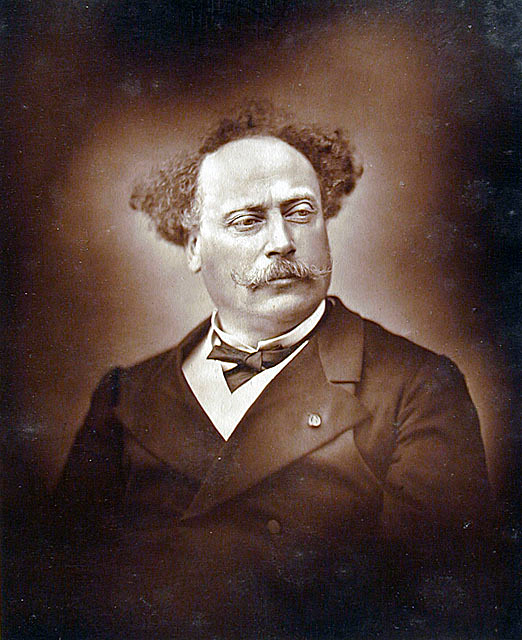
Alexandre Dumas, fils
Dịch giả: Hải Nguyên
---
Tiếng Pháp:
La Dame aux Camilias
par Alexandre Dumas, fils
---
Tiếng Anh:
Camille
by Alexandre Dumas, fils - Translator: Sir Edmond Gosse (from
French to English) - The Project Gutenberg eBook of Camille
Chương 20
Cha
tôi mặc áo ngủ, ngồi trong phòng khách và đang viết.
Tôi
hiểu ngay tức khắc cái cách ông ngẩng mặt nhìn tôi, khi tôi bước vào. Chắc sẽ
có vấn đề quan trọng.
Tuy
nhiên, tôi tiến đến gần và ôm choàng lấy ông, như không đoán biết được gì cả
trong nét mặt của ông.
–
Thưa cha, cha đến lúc nào?
–
Chiều ngày qua.
–
Cha có đến nhà con như thường lệ?
–
Có.
–
Con rất tiếc, con không có mặt ở đó để tiếp cha.
Ngay
sau lời nói đó, tôi chờ đợi để nghe bài giảng luân lý mà gương mặt lạnh lùng của
cha tôi như hứa hẹn. Nhưng cha tôi không nói gì cả, ông niêm phong lá thư vừa
viết và đưa cho Jôdép đem ra bưu điện.
Khi
chỉ còn hai cha con thôi, cha tôi đứng lên, tựa người vào lò sưởi và nói: :
–
Này con, Acmân, cha có việc nghiêm chỉnh cần nói chuyện với con.
–
Thưa cha, con đang lắng nghe.
–
Con hứa với cha con sẽ nói thẳng thắn.
–
Đó chính là thói quen của con.
–
Có đúng là con đang sống với một người đàn bà tên là Macgơrit Gôchiê phải
không?
–
Thưa vâng.
–
Con có biết người đàn bà đó là ai?
–
Một kỹ nữ.
–
Chính vì cô ấy mà con đã quên về thăm cha và em gái con năm nay có phải không?
–
Thưa cha, con xin thú nhận điều đó.
–
Thế thì con đã yêu cô gái đó nhiều lắm phải không?
–
Thưa cha, cha đã thấy rồi. Bởi vì nàng đã làm con quên đi bổn phận thiêng
liêng, điều mà hôm nay con xin cha tha lỗi cho.
Cha
tôi, tất nhiên không nghĩ đến những câu trả lời gãy gọn của tôi như thế. Ông có
vẻ suy nghĩ trong giây lát, và nói:
–
Hẳn con hiểu rằng đương nhiên là con không thể sống mãi như thế được chứ?
–
Con sợ điều đó, thưa cha. Nhưng con không hiểu điều đó được.
–
“Nhưng con phải hiểu rằng”, cha tôi nói tiếp với giọng khô khan hơn, “trong mọi
trường hợp, cha sẽ không cho phép điều đó xảy ra”.
–
Con tự nhủ, lúc nào con không làm điều gì trái với lòng tôn kính đối với cha và
truyền thống ngay thẳng của gia đình, con còn có thể sống như con đang sống. Điều
này có thể làm cho con yên tâm ít nhiều về nỗi lo sợ mà con đã có.
Sự
đam mê làm cho người ta gan dạ hơn để chống lại những tình cảm khác. Tôi sẵn
sàng chấp nhận mọi cuộc chiến đấu, ngay cả chống lại cha tôi, để bảo vệ
Macgơrit.
–
Thế thì cái giây phút để sống khác đi đã đến rồi.
–
Thưa cha, tại sao?
–
Bởi vì, con đã đến lúc làm những điều tổn thương đến lòng tôn kính mà con tin
tưởng mình phải có đối với gia đình.
–
Con không hiểu được những lời nói đó.
–
Cha sẽ giải thích cho con. Con có một tình nhân, được lắm. Con trả tiền cho người
đó, như một gã đàn ông chơi bời phải trả tiền cho cô gái giang hồ, vẫn được lắm.
Nhưng con đã quên những điều rất thánh thiện đối với người con gái đó. Con đã để
cho dư luận về cuộc sống của con tai tiếng của con vang động đến quê nhà. Và đã
bôi một vết nhơ lên dòng họ đáng kính mà cha đã truyền lại cho con. Điều đó
không thể được! Điều đó không thể tiếp tục diễn ra được!
–
Thưa cha, cha cho phép con được nói. Tất cả những người đã nói với cha những điều
đó đều không hiểu gì cả. Con là người tình của cô Giôchiê. Con sống với cô ta,
đó là việc giản dị nhất đời. Con không trao cho cô Giôchiê cái họ mà con nhận
được nơi cha. Con chi tiêu cho cô ta những gì mà hoàn cảnh con cho phép. Con
không thiếu nợ ai. Cuối cùng, con không ở trong một hoàn cảnh nào cho phép người
cha nói với con mình những điều như cha vừa nói.
–
Một người cha luôn luôn có quyền giải cứu con mình ra khỏi con đường xấu xa,
khi con mình đã đi vào đó. Con chưa làm điều gì xấu, nhưng rồi con sẽ làm.
–
Thưa cha!
–
Con ạ! Cha hiểu cuộc sống nhiều hơn con. Chỉ có những tình cảm hoàn toàn trong
sáng nơi những người đàn bà hoàn toàn trinh trắng. Nàng Manông nào cũng có thể
tạo ra một ông Đêgriơ; nhưng thời gian và phong tục đã thay đổi. Thế giới sẽ
già đi một cách vô ích, nếu nó không thể tự cải thiện được. Con sẽ từ bỏ cô
tình nhân của con.
–
Con rất tiếc là con không thể vâng lời cha được, thưa cha! Vì điều đó không thể
được.
–
Cha sẽ buộc con phải vâng lời.
–
Thưa cha! Khốn nỗi, giờ đây không còn những hòn đảo Xanh Macgơrit để người ta
đưa những kỹ nữ đến đó. Và nếu còn, con cũng sẽ đi đến với cô Giôchiê, nếu cha
buộc được người ta đưa cô đến đó. Cha nghĩ sao? Có thể con có lỗi. Nhưng con chỉ
có thể sung sướng với điều kiện được làm tình nhân của người đàn bà đó.
–
Này Acmân, con hãy mở mắt ra. Con hiểu cha luôn luôn thương con và chỉ muốn cho
con được hạnh phúc. Danh dự gì khi con sống như vợ chồng với một người đàn bà của
chung mọi người.
–
Thưa cha, con không cần biết, giờ đây có còn kẻ nào đến với nàng không nữa. Con
không cần, con chỉ biết, giờ đây người đàn bà đó yêu con, người đàn bà đó đã
thay đổi vì đã yêu con, vì tình yêu của con đối với nàng. Cuối cùng, con không
cần biết gì hơn nữa, nếu như người đàn bà ấy đã sửa đổi được cuộc sống của
nàng.
–
Như vậy, con tin rằng sứ mạng của một người đàn ông danh giá là đi cải hoá những
kỹ nữ hay sao? Như vậy, con tin Chúa đã đặt mục đích lạ lùng ấy cho cuộc đời và
trái tim lại không có được nỗi say mê nào khác hơn là nỗi say mê đó hay sao? Kết
quả của sự chữa trị mầu nhiệm đó như thế nào? Và con sẽ nghĩ như thế nào về điều
con nói hôm nay, khi con đến tuổi bốn mươi? Con sẽ cười về tình yêu của con, nếu
lúc bấy giờ con còn có thể cười, và nếu nó không để lại dấu vết sâu đậm trong
quá khứ của con. Con sẽ thế nào vào giờ phút hiện tại này, nếu cha trước kia có
những ý nghĩ như con, đã từ bỏ cuộc đời chạy theo làn sóng tình ái đó, hơn là để
xây dựng cuộc đời một cách cương quyết trên ý niệm danh dự và trung thực?
Con
hãy suy nghĩ đi, Acmân, và đừng nói những điều dại dột như thế nữa. nghe cha đi
con, hãy từ bỏ người đàn bà đó. Cha van con, hãy làm điều đó!
Tôi
không trả lời gì cả.
–
Acmân – cha tôi nói tiếp – nhân danh người mẹ thánh thiện của con, con hãy tin
cha, hãy từ bỏ cuộc sống đó, và rồi con sẽ quên đi nhanh chóng hơn cả con tưởng.
Con tự buộc mình vào một lý thuyết không đứng vững được. Con đã hai mươi bốn tuổi,
con hãy nghĩ đến tương lai. Con không thể yêu thương mãi mãi người đàn bà, người
đàn bà đó cũng không thể yêu con mãi mãi được. Cả hai đều khuyếch đại quá lớn
tình yêu của mình. Con đã đóng chặt cửa tất cả các lối đi. Thêm một bước nữa,
con sẽ không từ bỏ được con đường con đang đi ; và suốt đời con sẽ hối hận về
việc đã làm trong tuổi thanh niên. Hãy về, hãy về sống một hay hai tháng với
cha và em gái con. Sự nghỉ ngơi và tình yêu trong gia đình sẽ mau chóng chữa
cho con khỏi cơn sốt đó, vì thật ra, đó chỉ là một cơn sốt.
Trong
thời gian này tình nhân của con sẽ tìm được cách tự an ủi. Cô ta sẽ tìm được
tình nhân khác. Khi ấy con sẽ thấy vì ai mà suýt nữa con đã gây rối với cha,
làm mất tình thương của cha. Con sẽ tự nhủ, cha đến đây tìm con là rất đúng, và
con sẽ cầu Chúa ban ơn lành cho cha. Con sẽ đi, phải không Acmân?
Tôi
cảm thấy với người đàn bà khác thì cha tôi có lý. Nhưng tôi tin chắc, cha tôi
không có lý với Macgơrit. Tuy nhiên, giọng ông nói những lời cuối cùng rất êm
ái, rất van lơn, làm cho tôi không dám trả lời.
–
Con nghĩ sao? – ông nói với giọng xúc động.
–
Con nghĩ, thưa cha, con không thể hứa hẹn gì với cha bây giờ cả. Điều cha đòi hỏi
vượt quá sức lực của con. Cha hãy tin con – tôi tiếp, khi thấy ông tỏ vẻ bất
bình – Cha đã khuyếch đại những hậu quả của sự dan díu đó, Macgơrit không phải
là người con gái như cha quan niệm. Tình yêu đó không hề đưa con vào một con đường
xấu xa. Trái lại có thể làm phát triển nơi con những tình cảm rất cao quý. Tình
yêu chân chính luôn luôn đem lại sự tốt đẹp, dù người đàn bà của mối tình đó là
thế nào đi nữa. Nếu cha biết Macgơrit, chắc cha sẽ hiểu rằng con không mạo hiểm
chút nào cả. Nàng rất cao quý, như bất cứ người đàn bà cao quý nào khác. Ở những
người đàn bà khác, sự tham lam càng nhiều bao nhiêu, thì ở nàng, sự vô tư càng
lớn bấy nhiêu.
–
Điều này không ngăn cản cô ta nhận tất cả tài sản của con. Bởi vì sáu mươi ngàn
frăng mẹ con để lại, con đã đưa cả cho nàng. Con hãy nhớ rõ, cha lặp lại, đây
là tài sản độc nhất của con.
Rõ
ràng, cha tôi đã có ý đi đến cái kết thúc và sự hăm doạ đó, để tấn công tôi một
lần cuối cùng.
Tôi
cương quyết trước những doạ dẫm của cha tôi hơn là trước những lời van lơn.
–
Người nào đó cho cha biết rằng con đã giao hẳn tài sản đó cho cô ta?
–
Ông chưởng khế. Một con người trung thực không thể hành động như thế mà không
báo cho cha mình biết trước. Con hiểu, chính để ngăn cản sự phá sản chỉ vì một
cô gái của con, mà cha đã đến Paris. Mẹ con, lúc chết đã để lại một số tiền khá
đủ để con có thể sống trong danh dự, chứ không phải để con làm những việc hào
hoa phung phí cho những tình nhân của con.
–
Con xin thề với cha, Macgơrit không biết gì về việc nhượng cho này cả.
–
Thế tại sao con làm điều đó?
–
Bởi vì Macgơrit, người đàn bà mà cha vu khống và muốn cho con từ bỏ đó, đã hy
sinh tất cả những gì cô ta có để được chấp nhận sống với con.
–
Và con chấp nhận sự hy sinh đó? Con là người thế nào, để bằng lòng cho cô
Macgơrit nào đó hy sinh những cái gì đó cho con? Thôi đi con! Đủ lắm rồi!
Con
sẽ từ bỏ người đàn bà đó. Lúc nãy, cha yêu cầu con. Giờ đây, cha ra lệnh cho
con. Cha không muốn những điều dơ bẩn như thế rơi vào trong gia đình ta. Con
hãy sửa soạn hành lý và sẵn sàng đi về với cha.
–
Xin cha tha lỗi cho, nhưng con xin không đi.
–
Tại sao?
–
Bởi vì con đã đến cái tuổi mà người ta không nhất thiết phải tuân lệnh không
suy nghĩ.
Cha
tôi tái mặt trước câu trả lời đó.
–
Được – ông nói – cha biết cha có quyền làm những gì.
Cha
tôi gọi chuông, Jôdép chạy ra.
–
Anh cho chuyển vali của tôi đến khách sạn – ông ra lệnh cho Jôdép, rồi vào
phòng chỉnh trang lại cách ăn mặc.
Khi
cha tôi trở ra, tôi đến trước mặt ông:
–
Cha hãy hứa với con: Cha sẽ không làm gì để gây phiền hà cho Macgơrit.
Cha
tôi dừng lại, nhìn tôi, vẻ khinh bỉ:
–
Cha tin rằng con điên rồi.
Sau
đó, ông bước ra, đóng mạnh cánh cửa.
Tôi
đi xuống, thuê một chiếc xe và trở về Bugival.
Macgơrit
đợi tôi bên cửa sổ.
➖➖➖
Phần tiếng Pháp
La
Dame aux Camilias par Alexandre Dumas, fils
---
Chapitre XX
Mon
père, en robe de chambre, était assis dans mon salon et il écrivait.
Je
compris tout de suite, à la façon dont il leva les yeux sur moi quand j'entrai,
qu'il allait être question de choses graves.
Je
l'abordai cependant comme si je n'eusse rien deviné dans son visage, et je
l'embrassai:
--Quand
êtes-vous arrivé, mon père?
--Hier
au soir.
--Vous
êtes descendu chez moi, comme de coutume?
--Oui.
--Je
regrette bien de ne pas m'être trouvé là pour vous recevoir.
Je
m'attendais à voir surgir dès ce mot la morale que me promettait le visage
froid de mon père; mais il ne me répondit rien, cacheta la lettre qu'il venait
d'écrire, et la remit à Joseph pour qu'il la jetât à la poste.
Quand
nous fûmes seuls, mon père se leva et me dit, en s'appuyant contre la cheminée:
--Nous
avons, mon cher Armand, à causer de choses sérieuses.
--Je
vous écoute, mon père.
--Tu
me promets d'être franc?
--C'est
mon habitude.
--Est-il
vrai que tu vives avec une femme nommée Marguerite Gautier?
--Oui.
--Sais-tu
ce qu'était cette femme?
--Une
fille entretenue.
--C'est
pour elle que tu as oublié de venir nous voir cette année, ta sœur et moi?
--Oui,
mon père, je l'avoue.
--Tu
aimes donc beaucoup cette femme?
--Vous
le voyez bien, mon père, puisqu'elle m'a fait manquer à un devoir sacré, ce
dont je vous demande humblement pardon aujourd'hui.
Mon
père ne s'attendait sans doute pas à des réponses aussi catégoriques, car il
parut réfléchir un instant, après quoi il me dit:
--Tu
as évidemment compris que tu ne pourrais pas vivre toujours ainsi?
--Je
l'ai craint, mon père, mais je ne l'ai pas compris.
--Mais
vous avez dû comprendre, continua mon père d'un ton un peu plus sec, que je ne
le souffrirais pas, moi.
--Je
me suis dit que tant que je ne ferais rien qui fût contraire au respect que je
dois à votre nom et à la probité traditionnelle de la famille, je pourrais
vivre comme je vis, ce qui m'a rassuré un peu sur les craintes que j'avais.
Les
passions rendent fort contre les sentiments. J'étais prêt à toutes les luttes,
même contre mon père, pour conserver Marguerite.
--Alors,
le moment de vivre autrement est venu.
--Eh!
pourquoi, mon père?
--Parce
que vous êtes au moment de faire des choses qui blessent le respect que vous
croyez avoir pour votre famille.
--Je
ne m'explique pas ces paroles.
--Je
vais vous les expliquer. Que vous ayez une maîtresse, c'est fort bien; que vous
la payiez comme un galant homme doit payer l'amour d'une fille entretenue,
c'est on ne peut mieux; mais que vous oubliiez les choses les plus saintes pour
elle, que vous permettiez que le bruit de votre vie scandaleuse arrive jusqu'au
fond de ma province et jette l'ombre d'une tache sur le nom honorable que je
vous ai donné, voilà ce qui ne peut être, voilà ce qui ne sera pas.
--Permettez-moi
de vous dire, mon père, que ceux qui vous ont ainsi renseigné sur mon compte
étaient mal informés. Je suis l'amant de mademoiselle Gautier, je vis avec
elle, c'est la chose du monde la plus simple. Je ne donne pas à mademoiselle
Gautier le nom que j'ai reçu de vous, je dépense pour elle ce que mes moyens me
permettent de dépenser, je n'ai pas fait une dette, et je ne me suis trouvé
enfin dans aucune de ces positions qui autorisent un père à dire à son fils ce
que vous venez de me dire.
--Un
père est toujours autorisé à écarter son fils de la mauvaise voie dans laquelle
il le voit s'engager. Vous n'avez encore rien fait de mal, mais vous le ferez.
--Mon
père!
--Monsieur,
je connais la vie mieux que vous. Il n'y a de sentiments entièrement purs que
chez les femmes entièrement chastes. Toute Manon peut faire un Des Grieux, et
le temps et les mœurs sont changés. Il serait inutile que le monde vieillît,
s'il ne se corrigeait pas. Vous quitterez votre maîtresse.
--Je
suis fâché de vous désobéir, mon père, mais c'est impossible.
--Je
vous y contraindrai.
--Malheureusement,
mon père, il n'y a plus d'îles Sainte-Marguerite où l'on envoie les
courtisanes, et, y en eût-il encore, j'y suivrais mademoiselle Gautier, si vous
obteniez qu'on l'y envoyât. Que voulez-vous? j'ai peut-être tort, mais je ne
puis être heureux qu'à la condition que je resterai l'amant de cette femme.
--Voyons,
Armand, ouvrez les yeux, reconnaissez votre père qui vous a toujours aimé, et
qui ne veut que votre bonheur. Est-il honorable pour vous d'aller vivre
maritalement avec une fille que tout le monde a eue?
--Qu'importe,
mon père, si personne ne doit plus l'avoir! Qu'importe, si cette fille m'aime,
si elle se régénère par l'amour qu'elle a pour moi et par l'amour que j'ai pour
elle! Qu'importe, enfin, s'il y a conversion!
--Eh!
croyez-vous donc, monsieur, que la mission d'un homme d'honneur soit de
convertir des courtisanes? Croyez-vous donc que Dieu ait donné ce but grotesque
à la vie, et que le cœur ne doive pas avoir un autre enthousiasme que celui-là?
Quelle sera la conclusion de cette cure merveilleuse, et que penserez-vous de
ce que vous dites aujourd'hui, quand vous aurez quarante ans? Vous rirez de
votre amour, s'il vous est permis d'en rire encore, s'il n'a pas laissé de
traces trop profondes dans votre passé. Que seriez-vous à cette heure, si votre
père avait eu vos idées, et avait abandonné sa vie à tous ces souffles d'amour,
au lieu de l'établir inébranlablement sur une pensée d'honneur et de loyauté?
Réfléchissez, Armand, et ne dites plus de pareilles sottises. Voyons, vous
quitterez cette femme, votre père vous en supplie.
Je
ne répondis rien.
--Armand,
continua mon père, au nom de votre sainte mère, croyez-moi, renoncez à cette
vie que vous oublierez plus vite que vous ne pensez, et à laquelle vous
enchaîne une théorie impossible. Vous avez vingt-quatre ans, songez à l'avenir.
Vous ne pouvez pas aimer toujours cette femme qui ne vous aimera pas toujours
non plus. Vous vous exagérez tous deux votre amour. Vous vous fermez toute
carrière. Un pas de plus et vous ne pourrez plus quitter la route où vous êtes,
et vous aurez, toute votre vie, le remords de votre jeunesse. Partez, venez
passer un mois ou deux auprès de votre sœur. Le repos et l'amour pieux de la
famille vous guériront vite de cette fièvre, car ce n'est pas autre chose.
«Pendant
ce temps, votre maîtresse se consolera; elle prendra un autre amant, et quand
vous verrez pour qui vous avez failli vous brouiller avec votre père et perdre
son affection, vous me direz que j'ai bien fait de venir vous chercher, et vous
me bénirez.
«Allons,
tu partiras, n'est-ce pas, Armand?
Je
sentais que mon père avait raison pour toutes les femmes, mais j'étais
convaincu qu'il n'avait pas raison pour Marguerite. Cependant le ton dont il
m'avait dit ses dernières paroles était si doux, si suppliant que je n'osais
lui répondre.
--Eh
bien? fit-il d'une voix émue.
--Eh
bien, mon père, je ne puis rien vous promettre, dis-je enfin; ce que vous me
demandez est au-dessus de mes forces. Croyez-moi, continuai-je en le voyant
faire un mouvement d'impatience, vous vous exagérez les résultats de cette
liaison. Marguerite n'est pas la fille que vous croyez. Cet amour, loin de me
jeter dans une mauvaise voie, est capable, au contraire, de développer en moi
les plus honorables sentiments. L'amour vrai rend toujours meilleur, quelle que
soit la femme qui l'inspire. Si vous connaissiez Marguerite, vous comprendriez que
je ne m'expose à rien. Elle est noble comme les plus nobles femmes. Autant il y
a de cupidité chez les autres, autant il y a de désintéressement chez elle.
--Ce
qui ne l'empêche pas d'accepter toute votre fortune, car les soixante mille
francs qui vous viennent de votre mère, et que vous lui donnez, sont,
rappelez-vous bien ce que je vous dis, votre unique fortune.
Mon
père avait probablement gardé cette péroraison et cette menace pour me porter
le dernier coup.
J'étais
plus fort devant ses menaces que devant ses prières.
--Qui
vous a dit que je dusse lui abandonner cette somme? Repris-je.
--Mon
notaire. Un honnête homme eût-il fait un acte semblable sans me prévenir? Eh
bien, c'est pour empêcher votre ruine en faveur d'une fille que je suis venu à
Paris. Votre mère vous a laissé en mourant de quoi vivre honorablement et non
pas de quoi faire des générosités à vos maîtresses.
--Je
vous le jure, mon père, Marguerite ignorait cette donation.
--Et
pourquoi la faisiez-vous alors?
--Parce
que Marguerite, cette femme que vous calomniez et que vous voulez que
j'abandonne, fait le sacrifice de tout ce qu'elle possède pour vivre avec moi.
--Et
vous acceptez ce sacrifice? Quel homme êtes-vous donc, monsieur, pour permettre
à une mademoiselle Marguerite de vous sacrifier quelque chose? Allons, en voilà
assez. Vous quitterez cette femme. Tout à l'heure je vous en priais, maintenant
je vous l'ordonne; je ne veux pas de pareilles saletés dans ma famille. Faites
vos malles, et apprêtez-vous à me suivre.
--Pardonnez-moi,
mon père, dis-je alors, mais je ne partirai pas.
--Parce
que?...
--Parce
que j'ai déjà l'âge où l'on n'obéit plus à un ordre.
Mon
père pâlit à cette réponse.
--C'est
bien, monsieur, reprit-il; je sais ce qu'il me reste à faire.
Il
sonna.
Joseph
parut.
--Faites
transporter mes malles à l'hôtel de Paris, dit-il à mon domestique. Et en même
temps il passa dans sa chambre, où il acheva de s'habiller.
Quand
il reparut, j'allai au-devant de lui.
--Vous
me promettez, mon père, lui dis-je, de ne rien faire qui puisse causer de la
peine à Marguerite?
Mon
père s'arrêta, me regarda avec dédain, et se contenta de me répondre:
--Vous
êtes fou, je crois.
Après
quoi, il sortit en fermant violemment la porte derrière lui.
Je
descendis à mon tour, je pris un cabriolet et je partis pour Bougival.
Marguerite
m'attendait à la fenêtre.
➖➖➖
Phần tiếng Anh
Camille
by Alexandre Dumas, fils - Translator: Sir Edmond Gosse (from
French to English) - The Project Gutenberg eBook of Camille
---
Chapter XX
My
father was seated in my room in his dressing-gown; he was writing, and I saw at
once, by the way in which he raised his eyes to me when I came in, that there
was going to be a serious discussion. I went up to him, all the same, as if I
had seen nothing in his face, embraced him, and said:
“When
did you come, father?”
“Last
night.”
“Did
you come straight here, as usual?”
“Yes.”
“I
am very sorry not to have been here to receive you.”
I
expected that the sermon which my father’s cold face threatened would begin at
once; but he said nothing, sealed the letter which he had just written, and
gave it to Joseph to post.
When
we were alone, my father rose, and leaning against the mantel-piece, said to
me:
“My
dear Armand, we have serious matters to discuss.”
“I
am listening, father.”
“You
promise me to be frank?”
“Am
I not accustomed to be so?”
“Is
it not true that you are living with a woman called Marguerite Gautier?”
“Yes.”
“Do
you know what this woman was?”
“A
kept woman.”
“And
it is for her that you have forgotten to come and see your sister and me this
year?”
“Yes,
father, I admit it.”
“You
are very much in love with this woman?”
“You
see it, father, since she has made me fail in duty toward you, for which I
humbly ask your forgiveness to-day.”
My
father, no doubt, was not expecting such categorical answers, for he seemed to
reflect a moment, and then said to me:
“You
have, of course, realized that you can not always live like that?”
“I
fear so, father, but I have not realized it.”
“But
you must realize,” continued my father, in a dryer tone, “that I, at all
events, should not permit it.”
“I
have said to myself that as long as I did nothing contrary to the respect which
I owe to the traditional probity of the family I could live as I am living, and
this has reassured me somewhat in regard to the fears I have had.”
Passions
are formidable enemies to sentiment. I was prepared for every struggle, even
with my father, in order that I might keep Marguerite.
“Then,
the moment is come when you must live otherwise.”
“Why,
father?”
“Because
you are doing things which outrage the respect that you imagine you have for
your family.”
“I
don’t follow your meaning.”
“I
will explain it to you. Have a mistress if you will; pay her as a man of honour
is bound to pay the woman whom he keeps, by all means; but that you should come
to forget the most sacred things for her, that you should let the report of
your scandalous life reach my quiet countryside, and set a blot on the
honourable name that I have given you, it can not, it shall not be.”
“Permit
me to tell you, father, that those who have given you information about me have
been ill-informed. I am the lover of Mlle. Gautier; I live with her; it is the
most natural thing in the world. I do not give Mlle. Gautier the name you have
given me; I spend on her account what my means allow me to spend; I have no
debts; and, in short, I am not in a position which authorizes a father to say
to his son what you have just said to me.”
“A
father is always authorized to rescue his son out of evil paths. You have not
done any harm yet, but you will do it.”
“Father!”
“Sir,
I know more of life than you do. There are no entirely pure sentiments except
in perfectly chaste women. Every Manon can have her own Des Grieux, and times
are changed. It would be useless for the world to grow older if it did not
correct its ways. You will leave your mistress.”
“I
am very sorry to disobey you, father, but it is impossible.”
“I
will compel you to do so.”
“Unfortunately,
father, there no longer exists a Sainte Marguerite to which courtesans can be
sent, and, even if there were, I would follow Mlle. Gautier if you succeeded in
having her sent there. What would you have? Perhaps I am in the wrong, but I
can only be happy as long as I am the lover of this woman.”
“Come,
Armand, open your eyes. Recognise that it is your father who speaks to you,
your father who has always loved you, and who only desires your happiness. Is
it honourable for you to live like husband and wife with a woman whom everybody
has had?”
“What
does it matter, father, if no one will any more? What does it matter, if this
woman loves me, if her whole life is changed through the love which she has for
me and the love which I have for her? What does it matter, if she has become a
different woman?”
“Do
you think, then, sir, that the mission of a man of honour is to go about
converting lost women? Do you think that God has given such a grotesque aim to
life, and that the heart should have any room for enthusiasm of that kind? What
will be the end of this marvellous cure, and what will you think of what you
are saying to-day by the time you are forty? You will laugh at this love of
yours, if you can still laugh, and if it has not left too serious a trace in
your past. What would you be now if your father had had your ideas and had
given up his life to every impulse of this kind, instead of rooting himself
firmly in convictions of honour and steadfastness? Think it over, Armand, and
do not talk any more such absurdities. Come, leave this woman; your father
entreats you.”
I
answered nothing.
“Armand,”
continued my father, “in the name of your sainted mother, abandon this life,
which you will forget more easily than you think. You are tied to it by an
impossible theory. You are twenty-four; think of the future. You can not always
love this woman, who also can not always love you. You both exaggerate your
love. You put an end to your whole career. One step further, and you will no
longer be able to leave the path you have chosen, and you will suffer all your
life for what you have done in your youth. Leave Paris. Come and stay for a
month or two with your sister and me. Rest in our quiet family affection will
soon heal you of this fever, for it is nothing else. Meanwhile, your mistress
will console herself; she will take another lover; and when you see what it is
for which you have all but broken with your father, and all but lost his love,
you will tell me that I have done well to come and seek you out, and you will
thank me for it. Come, you will go with me, Armand, will you not?” I felt that
my father would be right if it had been any other woman, but I was convinced
that he was wrong with regard to Marguerite. Nevertheless, the tone in which he
said these last words was so kind, so appealing, that I dared not answer.
“Well?”
said he in a trembling voice.
“Well,
father, I can promise nothing,” I said at last; “what you ask of me is beyond
my power. Believe me,” I continued, seeing him make an impatient movement, “you
exaggerate the effects of this liaison. Marguerite is a different kind of a
woman from what you think. This love, far from leading me astray, is capable,
on the contrary, of setting me in the right direction. Love always makes a man
better, no matter what woman inspires it. If you knew Marguerite, you would
understand that I am in no danger. She is as noble as the noblest of women.
There is as much disinterestedness in her as there is cupidity in others.”
“All
of which does not prevent her from accepting the whole of your fortune, for the
sixty thousand francs which come to you from your mother, and which you are
giving her, are, understand me well, your whole fortune.”
My
father had probably kept this peroration and this threat for the last stroke. I
was firmer before these threats than before his entreaties.
“Who
told you that I was handing this sum to her?” I asked.
“My
solicitor. Could an honest man carry out such a procedure without warning me?
Well, it is to prevent you from ruining yourself for a prostitute that I am now
in Paris. Your mother, when she died, left you enough to live on respectably,
and not to squander on your mistresses.”
“I
swear to you, father, that Marguerite knew nothing of this transfer.”
“Why,
then, do you make it?”
“Because
Marguerite, the woman you calumniate, and whom you wish me to abandon, is
sacrificing all that she possesses in order to live with me.”
“And
you accept this sacrifice? What sort of a man are you, sir, to allow Mlle.
Gautier to sacrifice anything for you? Come, enough of this. You will leave
this woman. Just now I begged you; now I command you. I will have no such
scandalous doings in my family. Pack up your things and get ready to come with
me.”
“Pardon
me, father,” I said, “but I shall not come.”
“And
why?”
“Because
I am at an age when no one any longer obeys a command.”
My
father turned pale at my answer.
“Very
well, sir,” he said, “I know what remains to be done.”
He
rang and Joseph appeared.
“Have
my things taken to the Hotel de Paris,” he said to my servant. And thereupon he
went to his room and finished dressing. When he returned, I went up to him.
“Promise
me, father,” I said, “that you will do nothing to give Marguerite pain?”
My
father stopped, looked at me disdainfully, and contented himself with saying,
“I believe you are mad.” After this he went out, shutting the door violently
after him.
I
went downstairs, took a cab, and returned to Bougival.
Marguerite
was waiting for me at the window.
➖➖➖


Không có nhận xét nào:
Đăng nhận xét