2025-09-27
Trà
hoa nữ (22)
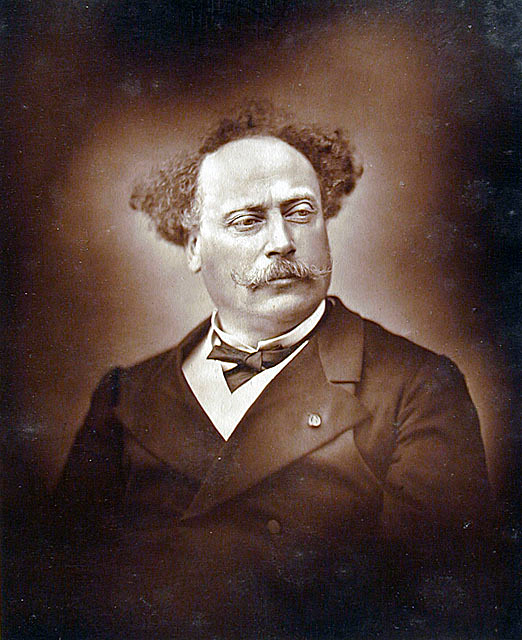
Alexandre
Dumas, fils
Dịch giả: Hải Nguyên
---
Tiếng Pháp:
La Dame aux Camilias
par Alexandre Dumas, fils
---
Tiếng Anh:
Camille
by Alexandre Dumas, fils - Translator: Sir Edmond Gosse (from
French to English) - The Project Gutenberg eBook of Camille
~
Chương 22
Đoàn
tàu hình như không chuyển động.
Tôi
có mặt ở Bugival lúc mười một giờ.
Không
thấy ánh đèn trong nhà. Tôi gọi chuông. Không nghe trả lời.
Đó
là lần đầu tiên, một sự việc như thế xảy ra với tôi. Cuối cùng, người giữ vườn
hiện ra, tôi đi vào.
Nanin
cầm một ngọn đèn đến gặp tôi. Tôi đến phòng của Macgơrit.
–
Bà đi đâu?
–
Bà đi Paris – Nanin trả lời.
–
Đi Paris!
–
Thưa ông, vâng.
–
Khi nào?
–
Một giờ sau lúc ông đi.
–
Bà không để gì lại cho tôi cả sao?
–
Không.
Nanin
bỏ mặc tôi ở đó.
«Có
thể nàng lo sợ, và đi Paris để được biết chắc chắn cuộc viếng thăm cha tôi, mà
tôi đã nói với nàng, là có thật hay chỉ là một cái cớ để tôi có được một ngày tự
do. Có thể Pruđăng đã tin cho nàng biết về một chuyện quan trọng nào đó». – tôi
tự nhủ khi còn lại một mình. Nhưng tôi đã gặp Pruđăng, khi tôi đến nhà. Chị ta
không hề nói gì để tôi có thể nghĩ rằng chị đã viết thư cho Macgơrit.
Bỗng
nhiên, tôi nhớ lại câu Đuvecnoa đã hỏi tôi: «Vậy hôm nay, cô sẽ không đến? ”
khi tôi cho chị ta biết Macgơrit đang ốm. Đồng thời, tôi cũng nhớ lại vẻ bối rối
của Pruđăng khi tôi nhìn chị, sau lời nói đó, như tố giác một cuộc hẹn hò. Và
tôi nhớ lại những giọt nước mắt của Macgơrit suốt cả ngày hôm qua, những giọt
nước mắt và sự đón tiếp vui vẻ của cha tôi đã làm cho tôi quên được phần nào.
Kể
từ giây phút đó, tất cả những cái bất thường suốt ngày hôm ấy, đã đến tụ tập
quanh sự nghi ngờ đầu tiên của tôi, và củng cố sự nghi ngờ trong trí não tôi. Tất
cả đã xác định mối nghi ngờ đó, cho đến cả sự khoan hồng của cha tôi nữa.
Macgơrit
gần như đã ép buộc tôi phải đi Paris. Nàng đã tỏ ra bình tĩnh, khi tôi đề nghị
sẽ ở lại bên nàng. Tôi đã bị sa bẫy? Phải chăng Macgơrit đã lừa dối tôi? Nàng
nghĩ rằng sẽ trở về kịp thời, để tôi không biết nàng đã đi vắng? Cái bất ngờ
nào đã giữ nàng lại? Tại sao nàng không nói với Nanin, hay tại sao nàng không
viết thư để lại cho tôi? Những giọt nước mắt đó, sự vắng mặt này, cái bí ẩn này
có ý nghĩa gì?
Đó
là điều tôi lo sợ tự hỏi, giữa căn phòng trống rỗng và tôi mở mắt nhìn chằm chằm
vào cái đồng hồ vừa điểm mười hai giờ khuya, có vẻ như nói với tôi: Đã quá muộn,
để có thể hy vọng gặp lại tình nhân của tôi.
Có
thể, sau những dự định mà chúng tôi vừa bàn với nhau, đầy lòng hy sinh hiến
dâng và chấp nhận, có đúng chăng nàng đã lừa dối tôi? Không. Tôi cố gắng vứt bỏ
những giả thiết đầu tiên.
Người
con gái đáng thương đó, có thể đã tìm được người mua đồ đạc của mình và đã đến
Paris để giải quyết công việc. Nàng không muốn cho tôi biết trước bởi nàng biết,
tuy tôi đã chấp nhận việc bán đồ, một việc cần thiết cho hạnh phúc tương lai của
chúng tôi, song điều đó vẫn thật sự nặng nề đối với tôi. Có thể nàng sợ làm tổn
thương lòng tự ái và sự tế nhị của tôi, khi phải nói đến điều đó. Nàng chỉ muốn
trở về khi mọi chuyện đã xong xuôi. Pruđăng chờ nàng chắc chắn vì điều đó và đã
tự tố giác trước mặt tôi. Macgơrit không thể kết thúc việc mua bán trong ngày
hôm nay. Nàng đã ngủ lại nhà chị ấy. Hãy cũng có thể, chốc nữa, nàng sẽ về. Bởi
vì nàng phải nghĩ tôi đang lo lắng và chắc chắn không muốn để tôi phải lo lắng
như thế.
Nhưng
tại sao có những giọt nước mắt kia? Chắc chắn, mặc cho tình yêu đối với tôi,
người con gái đáng thương này không thể nào từ bỏ sự xa hoa hào nhoáng mà nàng
đã sống cho đến tận ngày nay, đã làm cho nàng sung sướng, cũng như gợi sự thèm
muốn nơi kẻ khác, mà không khóc được.
Tôi
sẵn sàng tha thứ những hối tiếc đó nơi Macgơrit. Tôi chờ đợi nàng đến sốt ruột,
để nói cho nàng biết, bằng những cái hôn, rằng tôi đoán được nguyên nhân sự vắng
mặt bí ẩn của nàng. Tuy nhiên, đêm cứ sâu dần, và Macgơrit không về.
Sự
lo lắng như dần dần thu nhỏ chiếc vòng của nó lại, siết chặt đầu tôi và tim
tôi. Có thể, có việc gì đó đã xảy ra với nàng. Có thể, nàng đã bị thương, bị ốm,
bị chết. Có thể tôi sắp nhận được một tin báo một tai nạn nào đây! Có thể, ngày
hôm sau, tôi vẫn còn trong tình trạng bất ổn này, và cũng trong những lo sợ như
thế này!
Ý
tưởng Macgơrit lừa dối tôi, giờ đây, lúc tôi đang chờ nàng, giữa nỗi hoảng hốt
do sự vắng mặt cuả nàng gây nên, không còn trở lại trong trí tôi nữa. Phải có một
nguyên nhân độc lập, ngoài ý muốn của nàng, để giữ nàng phải xa tôi. Tôi cần
nghĩ đến điều đó. Tôi cần tin chắc, nguyên nhân này chỉ là một sự bất hạnh nào
đó. Ôi hư ảo của con người! Nó đã tự hiện lên dưới bất kỳ hình thức nào.
Chuông
đồng hồ điểm một giờ.
Tôi
tự nhủ, tôi sẽ đợi một giờ nữa. Nhưng đến hai giờ, nếu Macgơrit không về, tôi sẽ
đi Paris.
Trong
lúc chờ đợi, tôi đi tìm quyển sách, vì tôi không dám suy nghĩ.
Cuốn
Manông Lexcô mở ra trên bàn. Hình như thỉnh thoảng ở một số trang có dấu vết của
những giọt lệ. Sau khi lật từng tờ sách, tôi xếp sách lại. Những dòng chữ hiện
ra trống rỗng vô nghĩa, lờ mờ giữa những nghi ngờ của tôi.
Thời
gian chậm chạp đi qua. Trời hơi mù. Mưa thu quất mạnh vào cửa kính. Cái giường
trống không, đôi lúc tôi cảm thấy như một ngôi mộ. Tôi lo sợ.
Tôi
mở cửa lớn. Tôi lắng nghe và chỉ nghe được gió đập vào cành lá. Không một chiếc
xe nào đi qua ngang đường. Chuông nhà thờ buồn bã điểm thêm nửa giờ.
Tôi
bỗng như sợ có ai đó sắp đi vào. Hình như sự bất hạnh là có thể đến tìm tôi vào
giờ này, qua thời tiết u ám này.
Hai
giờ lại điểm. Tôi còn chờ đợi thêm một tý nữa. Chỉ có cái đồng hồ xáo động sự
yên tĩnh này, bằng tiếng động đều đặn và nhịp nhàng của nó.
Cuối
cùng, tôi rời căn phòng. Bất cứ một vật nhỏ bé nào ở đây cũng đượm vẻ buồn thảm
và sự cô đơn lo sợ của tâm hồn đã lan rộng chung quanh.
Ở
phòng bên cạnh, tôi thấy Nanin đang nằm ngủ. Nghe tiếng mở cửa, chị ta thức dậy
và hỏi tôi bà chủ đã về chưa.
–
Chưa. Nhưng nếu bà trở về, chị bảo bà biết, tôi không thể chịu đựng được sự lo
lắng và đã đi Paris.
–
Vào giờ này?
–
Vâng.
–
Như thế nào? Ông không tìm ra xe đâu!
–
Tôi sẽ đi bộ.
–
Nhưng trời đang mưa!
–
Mặc kệ.
–
Bà sẽ về, hay nếu bà không về, thì ngày mai vẫn đủ thì giờ để biết bà bận việc
gì. Ông sẽ bị giết ông trên đường đi.
–
Không có gì nguy hiểm đâu chị Nanin ạ. Chào chị, ngày mai sẽ gặp lại.
Người
con gái thật thà ấy đi tìm chiếc áo choàng cho tôi, khoác lên vai tôi và đề nghị
tôi đi đánh thức bà mẹ Acnul để hỏi xem có chiếc xe nào không. Nhưng tôi không
đồng ý vì tin chắc rằng chỉ tốn công vô ích và thêm trễ thì giờ.
Vả
chăng, tôi cần không khí. Và sự mệt mỏi thể xác sẽ làm cho tôi ít bực bội, vì
giờ đây, tôi đang rất bực bội.
Tôi
lấy chìa khoá của căn nhà đường Antin và sau khi chào tạm biệt Nanin – chị đã
đưa tôi đến cổng – tôi ra đi.
Tôi
bắt đầy chạy, nhưng đất còn ướt và tôi cảm thấy mệt gấp đôi. Sau nửa giờ chạy
như thế, tôi bắt buộc phải dừng lại. Tôi đang đi trong bãi lầy. Đêm rất tối. Mỗi
phút tôi run lên, sợ va chạm vào những thân cây bên đường. Những thân cây này đột
ngột hiện ra trước mắt tôi, giống như ma quái đang đuổi theo tôi.
Tôi
gặp một vài chiếc xe chở hàng chậm rãi lăn bánh và đã vượt qua chúng rất nhanh.
Một
xe ngựa lướt nhanh, hướng về phía Bugival. Lúc chiếc xe đi qua, hy vọng
Macgơrit có trong xe – tôi dừng lại và gọi to : «Macgơrit! ”
Nhưng
không ai trả lời. Chiếc xe cứ tiếp tục chạy trên con đường dài mà ngày trước
tôi đã từng qua lại nhiều lần.
Đêm
ấy, không có một người nào trên đường cả.
Tưởng
tôi đang đi trong một thành phố chết.
Trời
bắt đầu sáng.
Khi
tôi đến đường Antin, thành phố bắt đầu chuyển mình một tý, trước khi thức giấc
hẳn. Chuông nhà thờ Xanh Rốc điểm năm tiếng, khi tôi bước vào nhà Macgơrit.
Tôi
cho người gác cổng biết tên. Người này từng nhận của tôi nhiều lần những đồng
tiền hai mươi frăng, nên biết tôi có quyền đến nhà cô Giôchiê lúc năm giờ sáng.
Như
thế, tôi đi vào không gặp trở ngại gì.
Tôi
có thể hỏi ngay anh ta Macgơrit có nhà không. Nhưng anh ta có thể trả lời ”
không “. Và tôi thích được sống trong ngờ vực hai phút nữa. Bởi vì còn ngờ vực
nghĩa là còn hy vọng.
Tôi
để tai vào cửa lớn, lắng nghe, hy vọng tìm thấy một tiếng động hay một cử động
nào đó.
Không
có gì cả. Sự im lặng ở nông thôn kéo dài cho đến nơi này.
Tôi
mở cửa bước vào.
Tất
cả các màn đều buông kín.
Tôi
kéo những cái màn ở phòng ăn. Tôi đi về phía phòng ngủ, và tôi đẩy cánh cửa.
Nhảy
chồm lên giây kéo màn, tôi giật mạnh.
Những
tấm màn mở rộng ra. Một thứ ánh sáng yếu ớt lan vào. Tôi chạy thẳng đến giường.
Giường
trống không.
Tôi
mở những cánh cửa này, rồi những cánh cửa khác. Tôi xem khắp phòng.
Không
có ai cả.
Thật
điên người lên được!
Tôi
đi vào phòng trang sức, mở cửa sổ ra và lớn tiếng gọi Pruđăng.
Cửa
sổ nhà bà Đuvecnoa đóng kín.
Thế
là tôi xuống tìm người gác cổng và hỏi anh ta:
–
Cô Giôchiê hôm nay có về đây không?
–
Thưa có – anh ta trả lời – với bà Đuvecnoa.
–
Cô ấy không nhắn gì cho tôi cả sao?
–
Không.
–
Anh có biết sau đó họ đi đâu không?
–
Hai bà cùng lên xe.
–
Loại xe nào?
–
Một xe hai chỗ ngồi sang trọng.
Tất
cả những điều đó có ý nghĩa gì?
Tôi
gọi chuông nhà bên cạnh.
–
Thưa ông, ông hỏi ai? – Người gác cổng hỏi tôi, sau khi mở cửa.
–
Tôi tìm bà Đuvecnoa.
–
Bà chưa về.
–
Anh có chắc thế không?
–
Thưa ông, đúng thế. Đây là bức thư người ta gửi đến bà chiều qua, tôi chưa trao
lại được.
Và
người gác cổng đưa tôi xem. Tôi nhìn qua, như một cái máy.
Tôi
nhận ra nét chữ của Macgơrit.
Tôi
cầm bức thư.
Địa
chỉ đề như sau:
«Gửi
bà Đuvecnoa để đưa lại cho ông Đuyvan»
–
Cái thư này là của tôi, – tôi nói với người gác cổng và cho ông ta xem địa chỉ.
–
Chính ông là Đuyvan?
–
Vâng.
–
À! Tôi biết ông. Ông thường đến nhà bà Đuvecnoa.
Khi
ra đến đường phố tôi xé phong bì.
Tiếng
sét nổ dưới chân cũng không khủng khiếp bằng nội dung bức thư :
”
Lúc anh đọc bức thư này, anh Acmân, em đã là tình nhân của một người đàn ông
khác rồi. Như vậy, tất cả đều đã chấm dứt giữa chúng ta.
Anh
hãy trở về bên cha anh, bạn thân mến. Anh hãy trở về thăm em anh, người thiếu nữ
trinh trắng, không hay biết gì cả về nỗi khổ của chúng ta. Và bên người con gái
đó, anh sẽ quên nhanh chóng tất cả những gì mà đứa con gái hư hỏng này,
Macgơrit Gôchiê, được anh rủ lòng yêu thương trong chốc lát, đã làm anh đau khổ.
Người
con gái đó đã nợ anh những giây phút sung sướng nhất cho cuộc đời mình, cuộc đời
mà giờ đây hẳn không còn kéo dài được bao lâu nữa».
Khi
tôi đọc đến chữ cuối cùng, tôi tưởng tôi sắp điên rồi. . .
Trong
khoảng khắc, tôi thật sự lo lắng mình sẽ ngã quỵ xuống mặt đường. Một đám mây mờ
hiện ra trước mắt. Máu tôi đập mạnh hai bên thái dương.
Cuối
cùng, tôi lấy lại được một chút bình tĩnh. Tôi nhìn chung quanh. Tôi ngạc nhiên
thấy cuộc sống của kẻ khác vẫn tiếp tục, không dừng lại trước sự khốn khổ của
tôi.
Tôi
không đủ sức mạnh để một mình có thể chịu đựng được quả đấm quá nặng mà
Macgơrit đã giáng cho tôi.
Thế
là, tôi nhớ lại cha tôi, đang cùng ở trong một thành phố với tôi. Trong mười
phút nữa, tôi có thể đến bên cạnh ông; và dù nguyên nhân của sự đau khổ của tôi
là thế nào đi nữa, ông cũng chia sẻ được.
Tôi
chạy, như một đứa điên, như một tên trộm, cho đến khách sạn Paris. Tôi tìm được
cái khóa trên cửa phòng cha tôi. Tôi đi vào. Cha tôi đang đọc.
Trông
thấy tôi, ông không có vẻ gì ngạc nhiên cho lắm. Tôi đưa cho ông xem bức thư của
Macgơrit và ngã lăn trên giường ông, khóc sướt mướt.
➖➖➖
Phần tiếng Pháp
La
Dame aux Camilias par Alexandre Dumas, fils
---
Chapitre XXII
Il
me semblait que le convoi ne marchait pas.
Je
fus à Bougival à onze heures.
Pas
une fenêtre de la maison n'était éclairée, et je sonnai sans que l'on me
répondît.
C'était
la première fois que pareille chose m'arrivait. Enfin le jardinier parut.
J'entrai.
Nanine
me rejoignit avec une lumière. J'arrivai à la chambre de Marguerite.
--Où
est madame?
--Madame
est partie pour Paris, me répondit Nanine.
--Pour
Paris!
--Oui,
monsieur.
--Quand?
--Une
heure après vous.
--Elle
ne vous a rien laissé pour moi?
--Rien.
Nanine
me laissa.
«Elle
est capable d'avoir eu des craintes, pensai-je, et d'être allée à Paris pour
s'assurer si la visite que je lui avais dit aller faire à mon père n'était pas
un prétexte pour avoir un jour de liberté.
«Peut-être
Prudence lui a-t-elle écrit pour quelque affaire importante», me dis-je quand
je fus seul; mais j'avais vu Prudence à mon arrivée, et elle ne m'avait rien
dit qui pût me faire supposer qu'elle eût écrit à Marguerite.
Tout
à coup je me souvins de cette question que madame Duvernoy m'avait faite: «Elle
ne viendra donc pas aujourd'hui?» quand je lui avais dit que Marguerite était
malade. Je me rappelai en même temps l'air embarrassé de Prudence, lorsque je
l'avais regardée après cette phrase qui semblait trahir un rendez-vous. À ce
souvenir se joignait celui des larmes de Marguerite pendant toute la journée,
larmes que le bon accueil de mon père m'avait fait oublier un peu.
À
partir de ce moment, tous les incidents du jour vinrent se grouper autour de
mon premier soupçon et le fixèrent si solidement dans mon esprit que tout le
confirma, jusqu'à la clémence paternelle.
Marguerite
avait presque exigé que j'allasse à Paris; elle avait affecté le calme lorsque
je lui avais proposé de rester auprès d'elle. Étais-je tombé dans un piège?
Marguerite me trompait-elle? Avait-elle compté être de retour assez à temps
pour que je ne m'aperçusse pas de son absence, et le hasard l'avait-il retenue?
Pourquoi n'avait-elle rien dit à Nanine, ou pourquoi ne m'avait-elle pas écrit?
Que voulaient dire ces larmes, cette absence, ce mystère?
Voilà
ce que je me demandais avec effroi, au milieu de cette chambre vide, et les
yeux fixés sur la pendule qui, marquant minuit, semblait me dire qu'il était
trop tard pour que j'espérasse encore voir revenir ma maîtresse.
Cependant,
après les dispositions que nous venions de prendre, avec le sacrifice offert et
accepté, était-il vraisemblable qu'elle me trompât? Non. J'essayai de rejeter
mes premières suppositions.
--La
pauvre fille aura trouvé un acquéreur pour son mobilier, et elle sera allée à
Paris pour conclure. Elle n'aura pas voulu me prévenir, car elle sait que,
quoique je l'accepte, cette vente, nécessaire à notre bonheur à venir, m'est
pénible, et elle aura craint de blesser mon amour-propre et ma délicatesse en
m'en parlant. Elle aime mieux reparaître seulement quand tout sera terminé.
Prudence l'attendait évidemment pour cela, et s'est trahie devant moi:
Marguerite n'aura pu terminer son marché aujourd'hui, et elle couche chez elle,
ou peut-être même va-t-elle arriver tout à l'heure, car elle doit se douter de
mon inquiétude et ne voudra certainement pas m'y laisser.
Mais
alors, pourquoi ces larmes? Sans doute, malgré son amour pour moi, la pauvre
fille n'aura pu se résoudre sans pleurer à abandonner le luxe au milieu duquel
elle a vécu jusqu'à présent et qui la faisait heureuse et enviée.
Je
pardonnais bien volontiers ces regrets à Marguerite. Je l'attendais impatiemment
pour lui dire, en la couvrant de baisers, que j'avais deviné la cause de sa
mystérieuse absence.
Cependant,
la nuit avançait et Marguerite n'arrivait pas.
L'inquiétude
resserrait peu à peu son cercle et m'étreignait la tête et le cœur. Peut-être
lui était-il arrivé quelque chose! Peut-être était-elle blessée, malade, morte!
Peut-être allais-je voir arriver un messager m'annonçant quelque douloureux
accident! Peut-être le jour me trouverait-il dans la même incertitude et dans
les mêmes craintes!
L'idée
que Marguerite me trompait à l'heure où je l'attendais au milieu des terreurs
que me causait son absence ne me revenait plus à l'esprit. Il fallait une cause
indépendante de sa volonté pour la retenir loin de moi, et plus j'y songeais,
plus j'étais convaincu que cette cause ne pouvait être qu'un malheur
quelconque. Ô vanité de l'homme! Tu te représentes sous toutes les formes.
Une
heure venait de sonner. Je me dis que j'allais attendre une heure encore, mais
qu'à deux heures, si Marguerite n'était pas revenue, je partirais pour Paris.
En
attendant, je cherchai un livre, car je n'osais penser.
Manon
Lescaut était ouvert sur la table. Il me sembla que d'endroits en endroits les
pages étaient mouillées comme par des larmes. Après l'avoir feuilleté, je
refermai ce livre, dont les caractères m'apparaissaient vides de sens à travers
le voile de mes doutes.
L'heure
marchait lentement. Le ciel était couvert. Une pluie d'automne fouettait les
vitres. Le lit vide me paraissait prendre par moments l'aspect d'une tombe.
J'avais peur.
J'ouvris
la porte. J'écoutais et n'entendais rien que le bruit du vent dans les arbres.
Pas une voiture ne passait sur la route. La demie sonna tristement au clocher
de l'église.
J'en
étais arrivé à craindre que quelqu'un n'entrât. Il me semblait qu'un malheur
seul pouvait venir me trouver à cette heure et par ce temps sombre.
Deux
heures sonnèrent. J'attendis encore un peu. La pendule seule troublait le
silence de son bruit monotone et cadencé.
Enfin
je quittai cette chambre dont les moindres objets avaient revêtu cet aspect
triste que donne à tout ce qui l'entoure l'inquiète solitude du cœur.
Dans
la chambre voisine, je trouvai Nanine endormie sur son ouvrage. Au bruit de la
porte, elle se réveilla et me demanda si sa maîtresse était rentrée.
--Non,
mais, si elle rentre, vous lui direz que je n'ai pu résister à mon inquiétude,
et que je suis parti pour Paris.
--À
cette heure?
--Oui.
--Mais
comment? Vous ne trouverez pas de voiture.
--J'irai
à pied.
--Mais
il pleut.
--Que
m'importe?
--Madame
va rentrer, ou, si elle ne rentre pas, il sera toujours temps, au jour, d'aller
voir ce qui l'a retenue. Vous allez vous faire assassiner sur la route.
--Il
n'y a pas de danger, ma chère Nanine; à demain.
La
brave fille alla me chercher mon manteau, me le jeta sur les épaules, m'offrit
d'aller réveiller la mère Arnould, et de s'enquérir d'elle s'il était possible
d'avoir une voiture; mais je m'y opposai, convaincu que je perdrais à cette
tentative, peut-être infructueuse, plus de temps que je n'en mettrais à faire
la moitié du chemin.
Puis
j'avais besoin d'air et d'une fatigue physique qui épuisât la surexcitation à
laquelle j'étais en proie.
Je
pris la clef de l'appartement de la rue d'Antin, et après avoir dit adieu à
Nanine, qui m'avait accompagné jusqu'à la grille, je partis.
Je
me mis d'abord à courir, mais la terre était fraîchement mouillée, et je me
fatiguais doublement. Au bout d'une demi-heure de cette course, je fus forcé de
m'arrêter, j'étais en nage. Je repris haleine et je continuai mon chemin. La
nuit était si épaisse que je tremblais à chaque instant de me heurter contre un
des arbres de la route, lesquels, se présentant brusquement à mes yeux, avaient
l'air de grands fantômes courant sur moi.
Je
rencontrai une ou deux voitures de rouliers que j'eus bientôt laissées en
arrière.
Une
calèche se dirigeait au grand trot du côté de Bougival. Au moment où elle
passait devant moi, l'espoir me vint que Marguerite était dedans.
Je
m'arrêtai en criant: «Marguerite! Marguerite!»
Mais
personne ne me répondit et la calèche continua sa route. Je la regardai
s'éloigner, et je repartis.
Je
mis deux heures pour arriver à la barrière de l'Etoile.
La
vue de Paris me rendit des forces, et je descendis en courant la longue allée
que j'avais parcourue tant de fois.
Cette
nuit-là personne n'y passait.
On
eût dit la promenade d'une ville morte.
Le
jour commençait à poindre.
Quand
j'arrivai à la rue d'Antin, la grande ville se remuait déjà un peu avant de se
réveiller tout à fait.
Cinq
heures sonnaient à l'église Saint-Roch au moment où j'entrais dans la maison de
Marguerite.
Je
jetai mon nom au portier, lequel avait reçu de moi assez de pièces de vingt
francs pour savoir que j'avais le droit de venir à cinq heures chez
mademoiselle Gautier.
Je
passai donc sans obstacle.
J'aurais
pu lui demander si Marguerite était chez elle, mais il eût pu me répondre que
non, et j'aimais mieux douter deux minutes de plus, car en doutant j'espérais
encore.
Je
prêtai l'oreille à la porte, tâchant de surprendre un bruit, un mouvement.
Rien.
Le silence de la campagne semblait se continuer jusque-là.
J'ouvris
la porte, et j'entrai.
Tous
les rideaux étaient hermétiquement fermés.
Je
tirai ceux de la salle à manger, et je me dirigeai vers la chambre à coucher
dont je poussai la porte.
Je
sautai sur le cordon des rideaux et je le tirai violemment.
Les
rideaux s'écartèrent; un faible jour pénétra, je courus au lit.
Il
était vide!
J'ouvris
les portes les unes après les autres, je visitai toutes les chambres.
Personne.
C'était
à devenir fou.
Je
passai dans le cabinet de toilette, dont j'ouvris la fenêtre, et j'appelai
Prudence à plusieurs reprises.
La
fenêtre de madame Duvernoy resta fermée.
Alors
je descendis chez le portier, à qui je demandai si mademoiselle Gautier était
venue chez elle pendant le jour.
--Oui,
me répondit cet homme, avec madame Duvernoy.
--Elle
n'a rien dit pour moi?
--Rien.
--Savez-vous
ce qu'elles ont fait ensuite?
--Elles
sont montées en voiture.
--Quel
genre de voiture?
--Un
coupé de maître.
Qu'est-ce
que tout cela voulait dire?
Je
sonnai à la porte voisine.
--Où
allez-vous, monsieur? me demanda le concierge après m'avoir ouvert.
--Chez
madame Duvernoy.
--Elle
n'est pas rentrée.
--Vous
en êtes sûr?
--Oui,
monsieur; voilà même une lettre qu'on a apportée pour elle hier au soir et que
je ne lui ai pas encore remise.
Et
le portier me montrait une lettre sur laquelle je jetai machinalement les yeux.
Je
reconnus l'écriture de Marguerite.
Je
pris la lettre.
L'adresse
portait ces mots:
«A
madame Duvernoy, pour remettre à M. Duval.»
--Cette
lettre est pour moi, dis-je au portier, et je lui montrai l'adresse.
--C'est
vous monsieur Duval? me répondit cet homme.
--Oui.
--Ah!
je vous reconnais, vous venez souvent chez Madame Duvernoy.
Une
fois dans la rue, je brisai le cachet de cette lettre.
La
foudre fût tombée à mes pieds que je n'eusse pas été plus épouvanté que je le
fus par cette lecture.
«À
l'heure où vous lirez cette lettre, Armand, je serai déjà la maîtresse d'un
autre homme. Tout est donc fini entre nous.
«Retournez
auprès de votre père, mon ami, allez revoir votre sœur, jeune fille chaste,
ignorante de toutes nos misères, et auprès de laquelle vous oublierez bien vite
ce que vous aura fait souffrir cette fille perdue que l'on nomme Marguerite
Gautier, que vous avez bien voulu aimer un instant, et qui vous doit les seuls
moments heureux d'une vie qui, elle l'espère, ne sera pas longue maintenant.»
Quand
j'eus lu le dernier mot, je crus que j'allais devenir fou.
Un
moment j'eus réellement peur de tomber sur le pavé de la rue. Un nuage me
passait sur les yeux, et le sang me battait dans les tempes.
Enfin
je me remis un peu, je regardai autour de moi, tout étonné de voir la vie des
autres se continuer sans s'arrêter à mon malheur.
Je
n'étais pas assez fort pour supporter seul le coup que Marguerite me portait.
Alors
je me souvins que mon père était dans la même ville que moi, que dans dix
minutes je pourrais être auprès de lui, et que, quelle que fût la cause de ma
douleur, il la partagerait.
Je
courus comme un fou, comme un voleur, jusqu'à l'hôtel de Paris: je trouvai la
clef sur la porte de l'appartement de mon père. J'entrai.
Il
lisait.
Au
peu d'étonnement qu'il montra en me voyant paraître, on eût dit qu'il m'attendait.
Je
me précipitai dans ses bras sans lui dire un mot, je lui donnai la lettre de
Marguerite, et, me laissant tomber devant son lit, je pleurai à chaudes larmes.
➖➖➖
Phần tiếng Anh
Camille
by Alexandre Dumas, fils - Translator: Sir Edmond Gosse (from
French to English) - The Project Gutenberg eBook of Camille
---
Chapter XXII
It
seemed to me as if the train did not move. I reached Bougival at eleven.
Not
a window in the house was lighted up, and when I rang no one answered the bell.
It was the first time that such a thing had occurred to me. At last the
gardener came. I entered. Nanine met me with a light. I went to Marguerite’s
room.
“Where
is madame?”
“Gone
to Paris,” replied Nanine.
“To
Paris!”
“Yes,
sir.”
“When?”
“An
hour after you.”
“She
left no word for me?”
“Nothing.”
Nanine
left me.
Perhaps
she had some suspicion or other, I thought, and went to Paris to make sure that
my visit to my father was not an excuse for a day off. Perhaps Prudence wrote
to her about something important. I said to myself when I was alone; but I saw
Prudence; she said nothing to make me suppose that she had written to
Marguerite.
All
at once I remembered Mme. Duvernoy’s question, “Isn’t she coming to-day?” when
I had said that Marguerite was ill. I remembered at the same time how
embarrassed Prudence had appeared when I looked at her after this remark, which
seemed to indicate an appointment. I remembered, too, Marguerite’s tears all
day long, which my father’s kind reception had rather put out of my mind. From
this moment all the incidents grouped themselves about my first suspicion, and
fixed it so firmly in my mind that everything served to confirm it, even my
father’s kindness.
Marguerite
had almost insisted on my going to Paris; she had pretended to be calmer when I
had proposed staying with her. Had I fallen into some trap? Was Marguerite
deceiving me? Had she counted on being back in time for me not to perceive her
absence, and had she been detained by chance? Why had she said nothing to
Nanine, or why had she not written? What was the meaning of those tears, this
absence, this mystery?
That
is what I asked myself in affright, as I stood in the vacant room, gazing at
the clock, which pointed to midnight, and seemed to say to me that it was too
late to hope for my mistress’s return. Yet, after all the arrangements we had
just made, after the sacrifices that had been offered and accepted, was it
likely that she was deceiving me? No. I tried to get rid of my first
supposition.
Probably
she had found a purchaser for her furniture, and she had gone to Paris to
conclude the bargain. She did not wish to tell me beforehand, for she knew
that, though I had consented to it, the sale, so necessary to our future
happiness, was painful to me, and she feared to wound my self-respect in
speaking to me about it. She would rather not see me till the whole thing was
done, and that was evidently why Prudence was expecting her when she let out
the secret. Marguerite could not finish the whole business to-day, and was
staying the night with Prudence, or perhaps she would come even now, for she
must know how anxious I should be, and would not wish to leave me in that
condition. But, if so, why those tears? No doubt, despite her love for me, the
poor girl could not make up her mind to give up all the luxury in which she had
lived until now, and for which she had been so envied, without crying over it.
I was quite ready to forgive her for such regrets. I waited for her
impatiently, that I might say to her, as I covered her with kisses, that I had
guessed the reason of her mysterious absence.
Nevertheless,
the night went on, and Marguerite did not return.
My
anxiety tightened its circle little by little, and began to oppress my head and
heart. Perhaps something had happened to her. Perhaps she was injured, ill,
dead. Perhaps a messenger would arrive with the news of some dreadful accident.
Perhaps the daylight would find me with the same uncertainty and with the same
fears.
The
idea that Marguerite was perhaps unfaithful to me at the very moment when I
waited for her in terror at her absence did not return to my mind. There must
be some cause, independent of her will, to keep her away from me, and the more
I thought, the more convinced I was that this cause could only be some mishap
or other. O vanity of man, coming back to us in every form!
One
o’clock struck. I said to myself that I would wait another hour, but that at
two o’clock, if Marguerite had not returned, I would set out for Paris.
Meanwhile I looked about for a book, for I dared not think. Manon Lescaut was
open on the table. It seemed to me that here and there the pages were wet as if
with tears. I turned the leaves over and then closed the book, for the letters
seemed to me void of meaning through the veil of my doubts.
Time
went slowly. The sky was covered with clouds. An autumn rain lashed the
windows. The empty bed seemed at moments to assume the aspect of a tomb. I was
afraid.
I
opened the door. I listened, and heard nothing but the voice of the wind in the
trees. Not a vehicle was to be seen on the road. The half hour sounded sadly
from the church tower.
I
began to fear lest someone should enter. It seemed to me that only a disaster
could come at that hour and under that sombre sky.
Two
o’clock struck. I still waited a little. Only the sound of the bell troubled
the silence with its monotonous and rhythmical stroke.
At
last I left the room, where every object had assumed that melancholy aspect
which the restless solitude of the heart gives to all its surroundings.
In
the next room I found Nanine sleeping over her work. At the sound of the door,
she awoke and asked if her mistress had come in.
“No;
but if she comes in, tell her that I was so anxious that I had to go to Paris.”
“At
this hour?”
“Yes.
“But
how? You won’t find a carriage.”
“I
will walk.”
“But
it is raining.”
“No
matter.”
“But
madame will be coming back, or if she doesn’t come it will be time enough in
the morning to go and see what has kept her. You will be murdered on the way.”
“There
is no danger, my dear Nanine; I will see you to-morrow.”
The
good girl went and got me a cloak, put it over my shoulders, and offered to
wake up Mme. Arnould to see if a vehicle could be obtained; but I would hear of
nothing, convinced as I was that I should lose, in a perhaps fruitless inquiry,
more time than I should take to cover half the road. Besides, I felt the need
of air and physical fatigue in order to cool down the over-excitement which
possessed me.
I
took the key of the flat in the Rue d’Antin, and after saying good-bye to
Nanine, who came with me as far as the gate, I set out.
At
first I began to run, but the earth was muddy with rain, and I fatigued myself
doubly. At the end of half an hour I was obliged to stop, and I was drenched
with sweat. I recovered my breath and went on. The night was so dark that at
every step I feared to dash myself against one of the trees on the roadside,
which rose up sharply before me like great phantoms rushing upon me.
I
overtook one or two wagons, which I soon left behind. A carriage was going at
full gallop toward Bougival. As it passed me the hope came to me that
Marguerite was in it. I stopped and cried out, “Marguerite! Marguerite!” But no
one answered and the carriage continued its course. I watched it fade away in
the distance, and then started on my way again. I took two hours to reach the
Barrière de l’Étoile. The sight of Paris restored my strength, and I ran the
whole length of the alley I had so often walked.
That
night no one was passing; it was like going through the midst of a dead city.
The dawn began to break. When I reached the Rue d’Antin the great city stirred
a little before quite awakening. Five o’clock struck at the church of Saint
Roch at the moment when I entered Marguerite’s house. I called out my name to
the porter, who had had from me enough twenty-franc pieces to know that I had
the right to call on Mlle. Gautier at five in the morning. I passed without
difficulty. I might have asked if Marguerite was at home, but he might have
said “No,” and I preferred to remain in doubt two minutes longer, for, as long
as I doubted, there was still hope.
I
listened at the door, trying to discover a sound, a movement. Nothing. The
silence of the country seemed to be continued here. I opened the door and
entered. All the curtains were hermetically closed. I drew those of the
dining-room and went toward the bed-room and pushed open the door. I sprang at
the curtain cord and drew it violently. The curtain opened, a faint light made
its way in. I rushed to the bed. It was empty.
I
opened the doors one after another. I visited every room. No one. It was enough
to drive one mad.
I
went into the dressing-room, opened the window, and called Prudence several
times. Mme. Duvernoy’s window remained closed.
I
went downstairs to the porter and asked him if Mlle. Gautier had come home
during the day.
“Yes,”
answered the man; “with Mme. Duvernoy.”
“She
left no word for me?”
“No.”
“Do
you know what they did afterward?”
“They
went away in a carriage.”
“What
sort of a carriage?”
“A
private carriage.”
What
could it all mean?
I
rang at the next door.
“Where
are you going, sir?” asked the porter, when he had opened to me.
“To
Mme. Duvernoy’s.”
“She
has not come back.”
“You
are sure?”
“Yes,
sir; here’s a letter even, which was brought for her last night and which I
have not yet given her.”
And
the porter showed me a letter which I glanced at mechanically. I recognised
Marguerite’s writing. I took the letter. It was addressed, “To Mme. Duvernoy,
to forward to M. Duval.”
“This
letter is for me,” I said to the porter, as I showed him the address.
“You
are M. Duval?” he replied.
“Yes.
“Ah!
I remember. You often came to see Mme. Duvernoy.”
When
I was in the street I broke the seal of the letter. If a thunder-bolt had
fallen at my feet I should have been less startled than I was by what I read.
“By
the time you read this letter, Armand, I shall be the mistress of another man.
All is over between us.
“Go
back to your father, my friend, and to your sister, and there, by the side of a
pure young girl, ignorant of all our miseries, you will soon forget what you
would have suffered through that lost creature who is called Marguerite
Gautier, whom you have loved for an instant, and who owes to you the only happy
moments of a life which, she hopes, will not be very long now.”
When
I had read the last word, I thought I should have gone mad. For a moment I was
really afraid of falling in the street. A cloud passed before my eyes and my
blood beat in my temples. At last I came to myself a little. I looked about me,
and was astonished to see the life of others continue without pausing at my
distress.
I
was not strong enough to endure the blow alone. Then I remembered that my
father was in the same city, that I might be with him in ten minutes, and that,
whatever might be the cause of my sorrow, he would share it.
I
ran like a madman, like a thief, to the Hotel de Paris; I found the key in the
door of my father’s room; I entered. He was reading. He showed so little
astonishment at seeing me, that it was as if he was expecting me. I flung
myself into his arms without saying a word. I gave him Marguerite’s letter,
and, falling on my knees beside his bed, I wept hot tears.
➖➖➖


Không có nhận xét nào:
Đăng nhận xét