2025-09-06
Trà
hoa nữ (19)
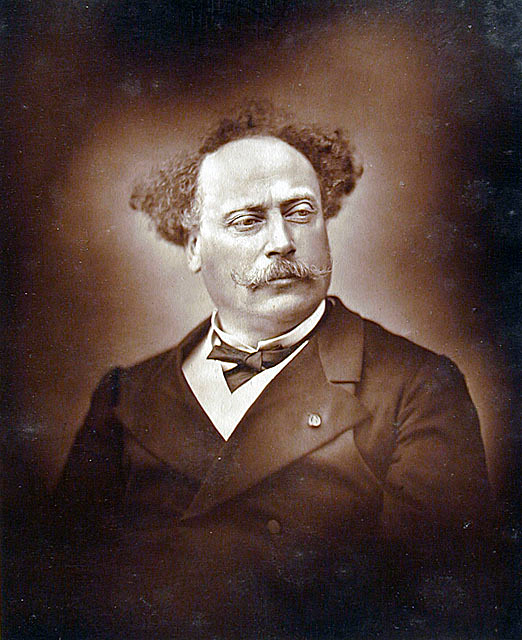
Alexandre
Dumas, fils
Dịch giả: Hải Nguyên
---
Tiếng Pháp:
La Dame aux Camilias
par Alexandre Dumas, fils
---
Tiếng Anh:
Camille
by Alexandre Dumas, fils - Translator: Sir Edmond Gosse (from
French to English) - The Project Gutenberg eBook of Camille
Chương 19
Trong
ba lá thư đầu, cha tôi tỏ vẻ lo lắng về sự yên lặng của tôi, và yêu cầu cho biết
lý do. Trong lá thư cuối, ông cho biết người ta đã cho ông biết về sự thay đổi
cách sống của tôi và tin cho tôi, ông sẽ đến thăm nay mai. . .
Tôi
luôn luôn có một lòng tôn kính đặc biệt và một lòng thương yêu chân thành đối với
cha tôi. Tôi trả lời với ông rằng vì một chuyến đi chơi xa ít lâu nên không viết
thư về được, và xin ông cho biết ngày nào đến để tôi có thể đi đón ông.
Tôi
đưa cho người giúp việc địa chỉ của tôi ở thôn quê, dặn hắn đem đến cho tôi
ngay lá thư đầu tiên từ thành phố C. . . gửi đến, rồi tôi vội vã trở về
Bugival.
Macgơrit
đứng đợi tôi ở cổng.
Cái
nhìn của nàng biểu lộ sự lo lắng. Nàng nhảy lên ôm choàng lấy cổ tôi, và không
thể không hỏi tôi :
–
Anh có gặp Pruđăng?
–
Không.
–
Anh ở Paris lâu thế?
–
Anh đã tiếp thư của cha anh và anh phải trả lời.
Giây
phút sau, Nanin bước vào, thở dốc. Macgơrit đứng dậy đến nói thầm với chị ta.
Khi
Nanin đi ra rồi, Macgơrit đến ngồi gần bên tôi, nắm lấy tay tôi và nói:
–
Tại sao anh lại đánh lừa em? Anh đã đến chị Pruđăng.
–
Ai nói với em điều đó?
–
Nanin.
–
Nanin làm sao biết được.
–
Chị ấy đã đi theo anh.
–
Em bảo Nanin theo anh?
–
Vâng, em nghĩ chắc phải có một lý do quan trọng nào đó để anh trở về Paris. Từ
bốn tháng nay, anh không hề xa em. Em lo sợ anh sẽ gặp một tai hoạ nào đó, hay
cũng có thể anh đi thăm một người đàn bà nào khác.
–
Ồ! trẻ con.
–
Giờ đây em biết chắc anh đã làm gì. Nhưng em không biết người ta đã nói gì với
anh.
Tôi
đưa Macgơrit xem những lá thư của cha tôi.
–
Em không hỏi anh điều đó. Điều em muốn biết là tại sao anh đến nhà Pruđăng?
–
Để thăm chị ta.
–
Anh nói dối, anh yêu dấu ạ.
–
Anh đã đến, để hỏi xem con ngựa đã lành bệnh chưa và để biết chị ta có cầm áo
casơmia hay nữ trang của em không.
Macgơrit
đỏ bừng mặt nhưng nàng không trả lời.
Và
tôi nói tiếp :
–
Anh đã biết em dùng những con ngựa, áo casơmia và kim cương vào việc
gì.
–
Và anh đã ghét em?
–
Anh đã ghét em, vì em không nghĩ đến việc yêu cầu anh những gì mà em cần.
–
Trong sự dan díu của chúng mình, nếu người đàn bà còn một chút tư cách, thì nên
nhận tất cả những hy sinh có thể chịu được, hơn là đòi hỏi tiền bạc nơi tình
nhân của mình, làm cho tình yêu của mình có tính chất buôn bán. Anh yêu em, em
tin chắc thế. Nhưng anh không biết rõ sợi dây giữ lại tình yêu trong trái tim
những cô gái như em là mong manh đến mức nào. Ai biết được? Có thể, trong một
ngày nào đó, vì khó khăn hay buồn chán, anh sẽ nhìn thấy được trong sự dan díu
của mình một bài tính được sắp đặt một cách khéo léo. Pruđăng là một người đàn
bà lắm lời. Em có cần gì những thứ đó. Bán đi, em dành dụm được một số vốn. Em
không cần phải có ngựa và em chẳng phải tiêu phí gì hơn nữa, miễn rằng anh yêu
em. Đó là tất cả điều em mong muốn, và anh sẽ vẫn yêu em không cần đến ngựa,
không cần đến áo casơmia, không cần đến những viên kim cương.
Những
lời lẽ nàng nói bằng một chất giọng rất tự nhiên, đến nỗi tôi không thể nào
nghe mà không rơi lệ.
–
Nhưng em Macgơrit yêu dấu – tôi vừa nói vừa nắm chặt tay nàng một cách âu yếm –
Em biết rõ một ngày nào đó, anh sẽ biết được sự hy sinh đó và anh sẽ không thể
nào chấp nhận được?
–
Tại sao thế?
–
Bởi vì, em yêu dấu, anh không thể chấp nhận được tình yêu của em đối với anh lại
làm em phải mất đi, dù chỉ là một món nữ trang. Anh không muốn, chính anh không
muốn, trong một phút túng bấn hay buồn chán, em có thể nghĩ, nếu sống với một
người đàn ông khác, nhưng giây phút khó khăn đó sẽ không có và em sẽ hối hận,
dù chỉ một phút thôi, đã phải sống với anh. Trong vài ngày nữa, những con ngựa,
những cái áo casơmia, những viên kim cương sẽ được trả lại cho em. Những thứ đó
cần cho em, như không khí đối với cuộc sống và có thể là hơi buồn cười, nhưng
anh yêu em, khi em lộng lẫy hơn là đơn giản.
–
Thế nghĩa là anh không yêu em nữ?
–
Sao em lại nói thế.
–
Nếu anh yêu em, anh hãy để cho em yêu anh theo cách của em. Trái lại, anh cứ tiếp
tục xem em là một cô gái xa hoa và anh luôn luôn tự bắt buộc phải đài thọ những
chi tiêu đó. Anh hổ thẹn khi chấp nhận những chứng cớ tình yêu nơi em. Dù anh
không muốn, anh đã có ý nghĩ từ bỏ em một ngày kia và anh đã có ý muốn đặt sự tế
nhị của anh ra ngoài tất cả những nghi kỵ. Anh có lý, anh yêu dấu ạ. Nhưng em
hy vọng nhiều hơn thế nữa.
Và
Macgơrit đứng dậy. Tôi giữ nàng lại và nói :
–
Anh muốn cho em sung sướng, và em đừng có gì để phiền trách anh cả, chỉ thế
thôi.
–
Và chúng ta chuẩn bị để xa nhau!
–
Tại sao, Macgơrit? Ai có thể chia rẽ chúng ta? – Tôi la lên.
–
Anh, người không muốn cho phép em hiểu hoàn cảnh của anh, người có kiêu hãnh giữ
hoàn cảnh em cho em. Anh, người muốn giữ cái xa hoa em đã sống, nghĩa là muốn
giữ một khoảng cách tinh thần giữa chúng ta. Anh, cuối cùng là người không tin
tình yêu của em là không vụ lợi, để rồi chia sẻ cùng em cái gia tài của anh. Với
tài sản đó, chúng ta có thể sống sung sướng với nhau! Anh lại muốn tự phá sản,
bởi vì nô lệ cho một thành kiến nhố nhăng. Lẽ nào anh nghĩ em sẽ đem so sánh
tình yêu của anh với một chiếc xe hay những đồ nữ trang? Lẽ nào anh nghĩ rằng hạnh
phúc đối với em nằm trong những điều xa hoa hào nhoáng? Những cái mà người ta tự
thoả mãn khi người ta chưa yêu, nhưng trở nên tồi tệ khi người ta biết thế nào
là yêu đương. Anh sẽ trả những món nợ của em, anh sẽ làm hao mòn tài sản của
anh. Cuối cùng, là để chu cấp cho em! Điều đó sẽ kéo dài được bao lâu? Hai hay
ba tháng. Thế là quá muộn để chấp nhận cuộc sống mà em đã đề nghị với anh. Bởi
vì lúc ấy anh sẽ chấp nhận tất cả tình yêu từ phía em, và đó là điều mà một người
đàn ông trọng danh dự không thể làm. Còn như giờ đây, anh có tám hay mười ngàn
frăng lợi tức, với lợi tức đó, chúng ta có thể sống được. Em sẽ bán cái gì dư
thừa mà em có, và chỉ cần bán đi như thế, em có thể có hai ngàn frăng mỗi năm.
Chúng ta sẽ thuê một căn nhà nhỏ xinh xắn, nơi đó chúng ta cùng sống với nhau.
Mùa hè, chúng ta sẽ về thôn quê, không phải trong cái nhà như nhà này, mà trong
cái nhà nhỏ vừa đủ cho hai người ở. Anh tự lập được, em không lệ thuộc ai.
Chúng ta còn trẻ, nhân danh thượng đế, anh Acmân ơi, anh đừng để em trở lại cuộc
sống mà em phải bắt buộc kéo lê ngày tháng như trước nữa.
Tôi
không thể trả lời. Nhưng giọt nước mắt biết ơn và âu yếm tự nhiên tuôn ra. Tôi
ngã người vào trong vòng tay của Macgơrit.
–
Em muốn sắp đặt tất cả và không nói cho anh biết. Trả hết những món nợ, và chuẩn
bị một căn nhà mới của em. Tháng mười đến, chúng ta sẽ trở về Paris.
Nhưng
bởi vì Pruđăng đã kể cho anh nghe tất cả, vậy thì tốt hơn là anh hãy đồng ý với
em trước, hơn là sẽ đồng ý sau. Anh có yêu em để sẵn sàng chấp nhận không?
Không
thể nào cưỡng lại tấm lòng lo lắng tận tuỵ ấy, tôi cứ hôn mãi những bàn tay của
Macgơrit với tất cả nhiệt tình.
–
Anh sẽ làm tất cả những gì em muốn.
Như
thế, tôi đã chấp nhận điều nàng quyết định.
Nàng
vui sướng như điên. Nàng nhảy múa, ca hát, nàng sung sướng về sự giản dị của
căn nhà mới, hỏi trước ý kiến của tôi về cách trang trí căn nhà ấy.
Tôi
thấy sung sương và kiêu hãnh về quyết định này, vì hình như nó sẽ giúp chúng
tôi, một cách vĩnh viễn, được mãi mãi sống bên nhau.
Vì
vậy, tôi không muốn bàn tính gì thêm với nàng nữa. Nhưng trong giây phút, tôi
cũng đã quyết định đời tôi. Tôi sắp đặt vị trí cho tài sản tôi. Tôi sẽ giao cho
Macgơrit phần lợi tức của mẹ tôi để lại. Lợi tức này vẫn là quá ít để đền bù những
hy sinh của nàng mà tôi đã chấp nhận.
Tôi
còn năm ngàn frăng trợ cấp của cha tôi. Và dù thế nào, tôi vẫn luôn luôn có tiền
trợ câp hàng năm đủ để sinh sống.
Tôi
không nói cho Macgơrit điều tôi quyết định vì tin chắc nàng sẽ từ chối không nhận
số tiền tôi tặng nàng.
Cái
lợi tức ấy sinh ra từ sau mươi ngàn frăng tiền cầm cố một cái nhà mà tôi chưa
bao giờ trông thấy. Tất cả những gì tôi biết, là cứ ba tháng một lần, người chưởng
khế và cũng là người bạn già của cha tôi đem đưa cho tôi bảy trăm năm mươi
frăng để nhận một cái biên lai đơn giản của tôi.
Ngày
mà Macgơrit và tôi quay về Paris tìm thuê nhà, tôi đã tìm đến gặp ông chưởng khế
và hỏi ông, tôi phải làm gì để chuyển lợi tức đó về cho người khác.
Viên
chưởng khế tưởng tôi đã phá sản và chất vấn tôi về nguyên nhân của quyết định
đó. Biết sớm muộn gì cũng phải cho ông ta biết tôi chuyển lợi tức đó về cho người
nào, tôi liền kể cho ông nghe tất cả sự thật.
Ông
không đưa ra một ngăn cản nào cả, mặc dù vị trí chưởng khế và bạn của gia đình
tôi cho phép ông được làm điều đó. Ông chỉ bảo đảm với tôi rằng ông sẽ lo sắp xếp
mọi chuyện được tốt đẹp.
Đương
nhiên, tôi nhờ ông giữ kín chuyện này với cha tôi. Và tôi tìm gặp lại Macgơrit
đang đợi tôi tại nhà của Juyli Đupơra. Nàng muốn ở đó hơn là về nhà để nghe
Pruđăng giảng luân lý.
Chúng
tôi bắt đầu đi tìm thuê nhà. Tất cả những nơi chúng tôi đến, Macgơrit đều cho rằng
giá quá đắt, còn tôi thì cho rằng khiêm tốn quá. Tuy nhiên, cuối cùng chúng tôi
cũng đồng ý chọn một căn nhà nhỏ tách rời hẳn ngôi nhà chính, nằm trong một khu
phố loại yên tĩnh nhất ở Paris.
Phía
sau căn nhà có một khu vườn dễ thương – khu vườn thuộc căn nhà này – bao bọc bởi
những bức tường cao vừa đủ để ngăn cách chúng tôi với những người láng giềng và
không hạn chế tầm nhìn của chúng tôi.
Thế
là sự việc vượt quá hy vọng.
Trong
lúc tôi trở về để trả căn nhà đang thuê, Macgơrit đi đến một người đàn ông
chuyên chạy việc. Người này, theo nàng bảo, đã từng giúp bạn gái nàng một công
việc giống như việc nàng sắp nhờ ông ta.
Nàng
đến gặp tôi ở đường Prôvân, vẻ mặt rất vui tươi. Người đàn ông đó hứa với nàng
là sẽ trả tất cả những món nợ, sẽ đưa biên lai đến cho nàng và sẽ trao cho nàng
hai mươi ngàn frăng, với điều kiện đổi lấy tất cả đồ đạc trong nhà nàng.
Bạn
đã thấy rõ, khi đem bán đấu giá những đồ đạc này, người đàn ông lương thiện kia
đã lời hơn ba mươi ngàn frăng.
–
Chúng tôi sung sướng trở về Bugival, và tiếp tục cùng nhau trao đổi những dự kiến
tương lai. Nhờ tính vô tư của chúng tôi, và nhất là do tình yêu của chúng tôi,
chúng tôi thấy mọi việc đều tươi sáng và đẹp đẽ.
Tám
ngày sau, khi chúng tôi đang ăn trưa, Nanin bước vào và cho biết người giúp việc
của tôi tìm đến tôi.
Tôi
cho gọi vào.
–
Thưa ông – anh ta nói – ông cụ đã đến Paris, và mời ông về nhà ngay tức khắc. Cụ
đang trông đợi.
Cái
tin đó là một tin đơn giản nhất đời, tuy nhiên, nghe vậy Macgơrit và tôi nhìn
nhau.
Chúng
tôi linh cảm có một tai hoạ gì trong chuyện này.
Vì
thế, tuy nàng không cho tôi biết cái ấn tượng mà tôi cùng chia sẻ ấy, tôi đã cầm
lấy tay nàng và nói :
–
Em đừng lo ngại gì cả.
–
Anh hãy trở về càng sớm càng tốt – Macgơrit thì thầm ôm choàng lấy tôi – Em sẽ
đợi anh bên cửa sổ.
Tôi
cho Jôdép về báo cho cha tôi biết là tôi sẽ về ngay.
Đúng
thế, hai giờ sau, tôi đã có mặt ở đường Prôvân.
➖➖➖
Phần tiếng Pháp
La
Dame aux Camilias par Alexandre Dumas, fils
---
Chapitre XIX
Dans
les trois premières lettres, mon père s'inquiétait de mon silence et m'en
demandait la cause; dans la dernière, il me laissait voir qu'on l'avait informé
de mon changement de vie, et m'annonçait son arrivée prochaine.
J'ai
toujours eu un grand respect et une sincère affection pour mon père. Je lui
répondis donc qu'un petit voyage avait été la cause de mon silence, et je le
priai de me prévenir du jour de son arrivée, afin que je pusse aller au-devant
de lui.
Je
donnai à mon domestique mon adresse à la campagne, en lui recommandant de
m'apporter la première lettre qui serait timbrée de la ville de C..., puis je
repartis aussitôt pour Bougival.
Marguerite
m'attendait à la porte du jardin.
Son
regard exprimait l'inquiétude. Elle me sauta au cou, et ne put s'empêcher de me
dire:
--As-tu
vu Prudence?
--Non.
--Tu
as été bien longtemps à Paris?
--J'ai
trouvé des lettres de mon père auquel il m'a fallu répondre.
Quelques
instants après, Nanine entra tout essoufflée. Marguerite se leva et alla lui
parler bas.
Quand
Nanine fut sortie, Marguerite me dit, en se rasseyant près de moi et en me
prenant la main:
--Pourquoi
m'as-tu trompée? Tu es allé chez Prudence.
--Qui
te l'a dit?
--Nanine.
--Et
d'où le sait-elle?
--Elle
t'a suivi.
--Tu
lui avais donc dit de me suivre?
--Oui.
J'ai pensé qu'il fallait un motif puissant pour te faire aller ainsi à Paris,
toi qui ne m'as pas quittée depuis quatre mois. Je craignais qu'il ne te fût
arrivé un malheur, ou que peut-être tu n'allasses voir une autre femme.
--Enfant!
--Je
suis rassurée maintenant, je sais ce que tu as fait, mais je ne sais pas encore
ce que l'on t'a dit.
Je
montrai à Marguerite les lettres de mon père.
--Ce
n'est pas cela que je te demande: ce que je voudrais savoir, c'est pourquoi tu
es allé chez Prudence.
--Pour
la voir.
--Tu
mens, mon ami.
--Eh
bien, je suis allé lui demander si le cheval allait mieux, et si elle n'avait
plus besoin de ton cachemire, ni de tes bijoux.
Marguerite
rougit mais elle ne répondit pas.
--Et,
continuai-je, j'ai appris l'usage que tu avais fait des chevaux, des cachemires
et des diamants.
--Et
tu m'en veux?
--Je
t'en veux de ne pas avoir eu l'idée de me demander ce dont tu avais besoin.
--Dans
une liaison comme la nôtre, si la femme a encore un peu de dignité, elle doit
s'imposer tous les sacrifices possibles plutôt que de demander de l'argent à
son amant et de donner un côté vénal à son amour. Tu m'aimes, j'en suis sûre,
mais tu ne sais pas combien est léger le fil qui retient dans le cœur l'amour
que l'on a pour des filles comme moi. Qui sait? Peut-être dans un jour de gêne
ou d'ennui, te serais-tu figuré voir dans notre liaison un calcul habilement
combiné! Prudence est une bavarde. Qu'avais-je besoin de ces chevaux! J'ai fait
une économie en les vendant; je puis bien m'en passer, et je ne dépense plus
rien pour eux; pourvu que tu m'aimes, c'est tout ce que je demande, et tu m'aimeras
autant sans chevaux, sans cachemires et sans diamants.
Tout
cela était dit d'un ton si naturel, que j'avais les larmes dans les yeux en
l'écoutant.
--Mais,
ma bonne Marguerite, répondis-je en pressant avec amour les mains de ma
maîtresse, tu savais bien qu'un jour j'apprendrais ce sacrifice, et que, le
jour où je l'apprendrais, je ne le souffrirais pas.
--Pourquoi
cela?
--Parce
que, chère enfant, je n'entends pas que l'affection que tu veux bien avoir pour
moi te prive même d'un bijou. Je ne veux pas, moi non plus, que dans un moment
de gêne ou d'ennui, tu puisses réfléchir que si tu vivais avec un autre homme
ces moments n'existeraient pas, et que tu te repentes, ne fût-ce qu'une minute,
de vivre avec moi. Dans quelques jours, tes chevaux, tes diamants et tes
cachemires te seront rendus. Ils te sont aussi nécessaires que l'air à la vie,
et c'est peut-être ridicule, mais je t'aime mieux somptueuse que simple.
--Alors
c'est que tu ne m'aimes plus.
--Folle!
--Si
tu m'aimais, tu me laisserais t'aimer à ma façon; au contraire, tu ne continues
à voir en moi qu'une fille à qui ce luxe est indispensable, et que tu te crois
toujours forcé de payer. Tu as honte d'accepter des preuves de mon amour.
Malgré toi, tu penses à me quitter un jour, et tu tiens à mettre ta délicatesse
à l'abri de tout soupçon. Tu as raison, mon ami, mais j'avais espéré mieux.
Et
Marguerite fit un mouvement pour se lever; je la retins en lui disant:
--Je
veux que tu sois heureuse, et que tu n'aies rien à me reprocher, voilà tout.
--Et
nous allons nous séparer!
--Pourquoi,
Marguerite? Qui peut nous séparer? m'écriai-je.
--Toi,
qui ne veux pas me permettre de comprendre ta position, et qui as la vanité de
me garder la mienne; toi, qui en me conservant le luxe au milieu duquel j'ai
vécu, veux conserver la distance morale qui nous sépare; toi, enfin, qui ne
crois pas mon affection assez désintéressée pour partager avec moi la fortune
que tu as, avec laquelle nous pourrions vivre heureux ensemble, et qui préfères
te ruiner, esclave que tu es d'un préjugé ridicule. Crois-tu donc que je
compare une voiture et des bijoux à ton amour? Crois-tu que le bonheur consiste
pour moi dans les vanités dont on se contente quand on n'aime rien, mais qui deviennent
bien mesquines quand on aime? Tu payeras mes dettes, tu escompteras ta fortune
et tu m'entretiendras enfin! Combien de temps tout cela durera-t-il? Deux ou
trois mois, et alors il sera trop tard pour prendre la vie que je te propose,
car alors tu accepterais tout de moi, et c'est ce qu'un homme d'honneur ne peut
faire. Tandis que maintenant tu as huit ou dix mille francs de rente avec
lesquelles nous pouvons vivre. Je vendrai le superflu de ce que j'ai, et avec
cette vente seule, je me ferai deux mille livres par an. Nous louerons un joli petit
appartement dans lequel nous resterons tous les deux. L'été, nous viendrons à
la campagne, non pas dans une maison comme celle-ci, mais dans une petite
maison suffisante pour deux personnes. Tu es indépendant, je suis libre, nous
sommes jeunes, au nom du ciel, Armand, ne me rejette pas dans la vie que
j'étais forcée de mener autrefois.
Je
ne pouvais répondre, des larmes de reconnaissance et d'amour inondaient mes
yeux, et je me précipitai dans les bras de Marguerite.
--Je
voulais, reprit-elle, tout arranger sans t'en rien dire, payer toutes mes
dettes et faire préparer mon nouvel appartement. Au mois d'octobre, nous
serions retournés à Paris, et tout aurait été dit; mais puisque Prudence t'a
tout raconté, il faut que tu consentes avant, au lieu de consentir après.
--M'aimes-tu
assez pour cela? Il était impossible de résister à tant de dévouement. Je
baisai les mains de Marguerite avec effusion, et je lui dis:
--Je
ferai tout ce que tu voudras.
Ce
qu'elle avait décidé fut donc convenu.
Alors
elle devint d'une gaieté folle: elle dansait, elle chantait, elle se faisait
une fête de la simplicité de son nouvel appartement, sur le quartier et la
disposition duquel elle me consultait déjà.
Je
la voyais heureuse et fière de cette résolution qui semblait devoir nous
rapprocher définitivement l'un de l'autre.
Aussi,
je ne voulus pas être en reste avec elle.
En
un instant je décidai de ma vie. J'établis la position de ma fortune, et je fis
à Marguerite l'abandon de la rente qui me venait de ma mère, et qui me parut
bien insuffisante pour récompenser le sacrifice que j'acceptais.
Il
me restait les cinq mille francs de pension que me faisait mon père, et, quoi
qu'il arrivât, j'avais toujours assez de cette pension annuelle pour vivre.
Je
ne dis pas à Marguerite ce que j'avais résolu, convaincu que j'étais qu'elle
refuserait cette donation.
Cette
rente provenait d'une hypothèque de soixante mille francs sur une maison que je
n'avais même jamais vue. Tout ce que je savais, c'est qu'à chaque trimestre le
notaire de mon père, vieil ami de notre famille, me remettait sept cent
cinquante francs sur mon simple reçu.
Le
jour où Marguerite et moi nous vînmes à Paris pour chercher des appartements,
j'allai chez ce notaire, et je lui demandai de quelle façon je devais m'y
prendre pour faire à une autre personne le transfert de cette rente.
Le
brave homme me crut ruiné et me questionna sur la cause de cette décision. Or,
comme il fallait bien tôt ou tard que je lui disse en faveur de qui je faisais
cette donation, je préférai lui raconter tout de suite la vérité.
Il
ne me fit aucune des objections que sa position de notaire et d'ami l'autorisait
à me faire, et m'assura qu'il se chargeait d'arranger tout pour le mieux.
Je
lui recommandai naturellement la plus grande discrétion vis-à-vis de mon père,
et j'allai rejoindre Marguerite qui m'attendait chez Julie Duprat, où elle
avait préféré descendre plutôt que d'aller écouter la morale de Prudence.
Nous
nous mîmes en quête d'appartements. Tous ceux que nous voyions, Marguerite les
trouvait trop chers, et moi je les trouvais trop simples.
Cependant
nous finîmes par tomber d'accord, et nous arrêtâmes dans un des quartiers les
plus tranquilles de Paris un petit pavillon, isolé de la maison principale.
Derrière
ce petit pavillon s'étendait un jardin charmant, jardin qui en dépendait,
entouré de murailles assez élevées pour nous séparer de nos voisins, et assez
basses pour ne pas borner la vue.
C'était
mieux que nous n'avions espéré.
Pendant
que je me rendais chez moi pour donner congé de mon appartement, Marguerite
allait chez un homme d'affaires qui, disait-elle, avait déjà fait pour une de
ses amies ce qu'elle allait lui demander de faire pour elle.
Elle
vint me retrouver rue de Provence, enchantée.
Cet
homme lui avait promis de payer toutes ses dettes, de lui en donner quittance,
et de lui remettre une vingtaine de mille francs moyennant l'abandon de tous
ses meubles.
Vous
avez vu par le prix auquel est montée la vente que cet honnête homme eût gagné
plus de trente mille francs sur sa cliente.
Nous
repartîmes tout joyeux pour Bougival, et en continuant de nous communiquer nos
projets d'avenir, que, grâce à notre insouciance et surtout à notre amour, nous
voyions sous les teintes les plus dorées.
Huit
jours après nous étions à déjeuner, quand Nanine vint m'avertir que mon
domestique me demandait.
Je
le fis entrer.
--Monsieur,
me dit-il, votre père est arrivé à Paris, et vous prie de vous rendre tout de
suite chez vous, où il vous attend.
Cette
nouvelle était la chose du monde la plus simple, et cependant, en l'apprenant,
Marguerite et moi nous nous regardâmes.
Nous
devinions un malheur dans cet incident.
Aussi,
sans qu'elle m'eût fait part de cette impression que je partageais, j'y
répondis en lui tendant la main:
--Ne
crains rien.
--Reviens
le plus tôt que tu pourras, murmura Marguerite en m'embrassant, je t'attendrai
à la fenêtre.
J'envoyai
Joseph dire à mon père que j'allais arriver.
En
effet, deux heures après, j'étais rue de Provence.
➖➖➖
Phần tiếng Anh
Camille
by Alexandre Dumas, fils - Translator: Sir Edmond Gosse (from
French to English) - The Project Gutenberg eBook of Camille
---
Chapter XIX
In
his first three letters my father inquired the cause of my silence; in the last
he allowed me to see that he had heard of my change of life, and informed me
that he was about to come and see me.
I
have always had a great respect and a sincere affection for my father. I
replied that I had been travelling for a short time, and begged him to let me
know beforehand what day he would arrive, so that I could be there to meet him.
I
gave my servant my address in the country, telling him to bring me the first
letter that came with the postmark of C., then I returned to Bougival.
Marguerite
was waiting for me at the garden gate. She looked at me anxiously. Throwing her
arms round my neck, she said to me: “Have you seen Prudence?”
“No.”
“You
were a long time in Paris.”
“I
found letters from my father to which I had to reply.”
A
few minutes afterward Nanine entered, all out of breath. Marguerite rose and
talked with her in whispers. When Nanine had gone out Marguerite sat down by me
again and said, taking my hand:
“Why
did you deceive me? You went to see Prudence.”
“Who
told you?”
“Nanine.”
“And
how did she know?”
“She
followed you.”
“You
told her to follow me?”
“Yes.
I thought that you must have had a very strong motive for going to Paris, after
not leaving me for four months. I was afraid that something might happen to
you, or that you were perhaps going to see another woman.”
“Child!”
“Now
I am relieved. I know what you have done, but I don’t yet know what you have
been told.”
I
showed Marguerite my father’s letters.
“That
is not what I am asking you about. What I want to know is why you went to see
Prudence.”
“To
see her.”
“That’s
a lie, my friend.”
“Well,
I went to ask her if the horse was any better, and if she wanted your shawl and
your jewels any longer.”
Marguerite
blushed, but did not answer.
“And,”
I continued, “I learned what you had done with your horses, shawls, and
jewels.”
“And
you are vexed?”
“I
am vexed that it never occurred to you to ask me for what you were in want of.”
“In
a liaison like ours, if the woman has any sense of dignity at all, she ought to
make every possible sacrifice rather than ask her lover for money and so give a
venal character to her love. You love me, I am sure, but you do not know on how
slight a thread depends the love one has for a woman like me. Who knows?
Perhaps some day when you were bored or worried you would fancy you saw a
carefully concerted plan in our liaison. Prudence is a chatterbox. What need
had I of the horses? It was an economy to sell them. I don’t use them and I
don’t spend anything on their keep; if you love me, I ask nothing more, and you
will love me just as much without horses, or shawls, or diamonds.”
All
that was said so naturally that the tears came to my eyes as I listened.
“But,
my good Marguerite,” I replied, pressing her hands lovingly, “you knew that one
day I should discover the sacrifice you had made, and that the moment I
discovered it I should allow it no longer.”
“But
why?”
“Because,
my dear child, I can not allow your affection for me to deprive you of even a
trinket. I too should not like you to be able, in a moment when you were bored
or worried, to think that if you were living with somebody else those moments
would not exist; and to repent, if only for a minute, of living with me. In a
few days your horses, your diamonds, and your shawls shall be returned to you.
They are as necessary to you as air is to life, and it may be absurd, but I
like you better showy than simple.”
“Then
you no longer love me.”
“Foolish
creature!”
“If
you loved me, you would let me love you my own way; on the contrary, you
persist in only seeing in me a woman to whom luxury is indispensable, and whom
you think you are always obliged to pay. You are ashamed to accept the proof of
my love. In spite of yourself, you think of leaving me some day, and you want
to put your disinterestedness beyond risk of suspicion. You are right, my
friend, but I had better hopes.”
And
Marguerite made a motion to rise; I held her, and said to her:
“I
want you to be happy and to have nothing to reproach me for, that is all.”
“And
we are going to be separated!”
“Why,
Marguerite, who can separate us?” I cried.
“You,
who will not let me take you on your own level, but insist on taking me on
mine; you, who wish me to keep the luxury in the midst of which I have lived,
and so keep the moral distance which separates us; you, who do not believe that
my affection is sufficiently disinterested to share with me what you have,
though we could live happily enough on it together, and would rather ruin
yourself, because you are still bound by a foolish prejudice. Do you really
think that I could compare a carriage and diamonds with your love? Do you think
that my real happiness lies in the trifles that mean so much when one has
nothing to love, but which become trifling indeed when one has? You will pay my
debts, realize your estate, and then keep me? How long will that last? Two or
three months, and then it will be too late to live the life I propose, for then
you will have to take everything from me, and that is what a man of honour can
not do; while now you have eight or ten thousand francs a year, on which we
should be able to live. I will sell the rest of what I do not want, and with
this alone I will make two thousand francs a year. We will take a nice little
flat in which we can both live. In the summer we will go into the country, not
to a house like this, but to a house just big enough for two people. You are
independent, I am free, we are young; in heaven’s name, Armand, do not drive me
back into the life I had to lead once!”
I
could not answer. Tears of gratitude and love filled my eyes, and I flung
myself into Marguerite’s arms.
“I
wanted,” she continued, “to arrange everything without telling you, pay all my
debts, and take a new flat. In October we should have been back in Paris, and
all would have come out; but since Prudence has told you all, you will have to
agree beforehand, instead of agreeing afterward. Do you love me enough for
that?”
It
was impossible to resist such devotion. I kissed her hands ardently, and said:
“I
will do whatever you wish.”
It
was agreed that we should do as she had planned. Thereupon, she went wild with
delight; danced, sang, amused herself with calling up pictures of her new flat
in all its simplicity, and began to consult me as to its position and
arrangement. I saw how happy and proud she was of this resolution, which seemed
as if it would bring us into closer and closer relationship, and I resolved to
do my own share. In an instant I decided the whole course of my life. I put my
affairs in order, and made over to Marguerite the income which had come to me
from my mother, and which seemed little enough in return for the sacrifice
which I was accepting. There remained the five thousand francs a year from my
father; and, whatever happened, I had always enough to live on. I did not tell
Marguerite what I had done, certain as I was that she would refuse the gift.
This income came from a mortgage of sixty thousand francs on a house that I had
never even seen. All that I knew was that every three months my father’s
solicitor, an old friend of the family, handed over to me seven hundred and
fifty francs in return for my receipt.
The
day when Marguerite and I came to Paris to look for a flat, I went to this
solicitor and asked him what had to be done in order to make over this income
to another person. The good man imagined I was ruined, and questioned me as to
the cause of my decision. As I knew that I should be obliged, sooner or later,
to say in whose favour I made this transfer, I thought it best to tell him the
truth at once. He made none of the objections that his position as friend and
solicitor authorized him to make, and assured me that he would arrange the
whole affair in the best way possible. Naturally, I begged him to employ the
greatest discretion in regard to my father, and on leaving him I rejoined
Marguerite, who was waiting for me at Julie Duprat’s, where she had gone in
preference to going to listen to the moralizings of Prudence.
We
began to look out for flats. All those that we saw seemed to Marguerite too
dear, and to me too simple. However, we finally found, in one of the quietest
parts of Paris, a little house, isolated from the main part of the building.
Behind this little house was a charming garden, surrounded by walls high enough
to screen us from our neighbours, and low enough not to shut off our own view.
It was better than our expectations.
While
I went to give notice at my own flat, Marguerite went to see a business agent,
who, she told me, had already done for one of her friends exactly what she
wanted him to do for her. She came on to the Rue de Provence in a state of
great delight. The man had promised to pay all her debts, to give her a receipt
for the amount, and to hand over to her twenty thousand francs, in return for
the whole of her furniture. You have seen by the amount taken at the sale that
this honest man would have gained thirty thousand francs out of his client.
We
went back joyously to Bougival, talking over our projects for the future,
which, thanks to our heedlessness, and especially to our love, we saw in the
rosiest light.
A
week later, as we were having lunch, Nanine came to tell us that my servant was
asking for me. “Let him come in,” I said.
“Sir,”
said he, “your father has arrived in Paris, and begs you to return at once to
your rooms, where he is waiting for you.”
This
piece of news was the most natural thing in the world, yet, as we heard it,
Marguerite and I looked at one another. We foresaw trouble. Before she had
spoken a word, I replied to her thought, and, taking her hand, I said, “Fear
nothing.”
“Come
back as soon as possible,” whispered Marguerite, embracing me; “I will wait for
you at the window.”
I
sent on Joseph to tell my father that I was on my way. Two hours later I was at
the Rue de Provence.
➖➖➖


Không có nhận xét nào:
Đăng nhận xét