2025-09-20
Trà
hoa nữ (21)
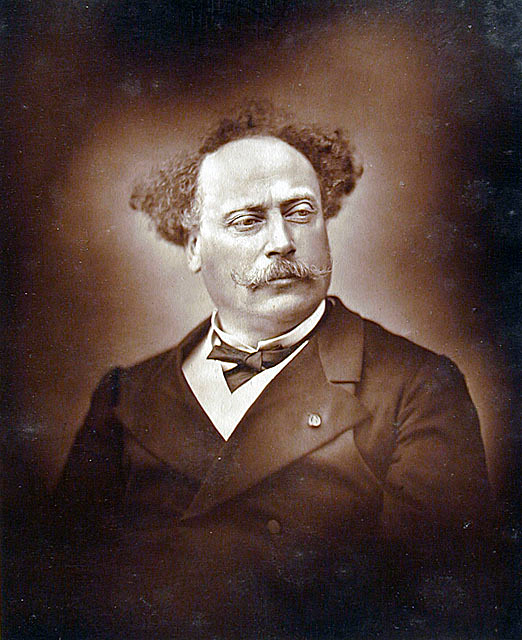
Alexandre
Dumas, fils
Dịch giả: Hải Nguyên
---
Tiếng Pháp:
La Dame aux Camilias
par Alexandre Dumas, fils
---
Tiếng Anh:
Camille
by Alexandre Dumas, fils - Translator: Sir Edmond Gosse (from
French to English) - The Project Gutenberg eBook of Camille
Chương 21
Đã
về – Nàng la lớn và nhảy đến ôm lấy cổ tôi – Anh đã về rồi! Sao anh xanh thế!
Tôi
kể cho nàng nghe những sự việc vừa xảy ra với cha tôi.
Ôi!
Chúa ơi! Em đã lo sợ từ trước – nàng nói – Khi Jôdép đến đây báo tin cha anh đến,
em run lên như nghe một tin không lành. Anh yêu dấu ơi! Chính em là nguyên nhân
của tất cả những sự việc đáng buồn đó! Có lẽ, anh từ bỏ em đi, tốt hơn là gây gổ
với cha anh. Nhưng em đã làm phiền gì đến ông đâu? Chúng ta đã sống rất yên
lành. Chúng ta sẽ sống yên lành hơn nữa. Cha anh phải biết rằng anh cần có một
tình nhân và đáng lẽ ông phải sung sướng khi người tình nhân đó chính là em. Bởi
vì em yêu anh và không đòi hỏi gì cao xa hơn hoàn cảnh anh có thể cho phép. Anh
có nói cho cha anh biết chúng ta sắp đặt tương lai như thế nào không?
–
Có, và chính điều đó làm cho cha anh bực tức hơn. Bởi vì ông nhìn thấy trong
quyết định đó bằng chứng của mối tình giữa chúng ta.
–
Vậy thì làm thế nào?
–
Chúng ta cứ sống chung em Macgơrit ạ; và hãy để cho cơn giông tố đó đi qua.
–
Liệu nó có qua đi được không?
–
Nhất định phải qua.
–
Nhưng cha anh sẽ không dừng lại ở đó đâu.
–
Em nghĩ cha anh sẽ làm gì?
–
Em biết thế nào được! Ông sẽ làm tất cả những gì có thể làm để buộc anh phải
vâng lời. Cha anh sẽ nhắc lại cho anh cuộc đời quá khứ của em, và có thể sẽ
sáng tạo nên một câu chuyện mới nào đó, để cho anh phải bỏ em.
–
Em biết rõ rằng anh yêu em!
–
Vâng, nhưng em cũng biết, sớm hay muộn gì anh cũng phải vâng lời cha anh. Và cuối
cùng, cha anh sẽ thuyết phục được anh.
–
Không Macgơrit. Chính anh, anh sẽ thuyết phục cha anh. Chẳng qua những lời dèm
pha của một vài ông bạn nào đó đã làm cho cha anh nổi giận như thế. Nhưng cha
anh là người tốt bụng. Ông vốn công bằng. Ông sẽ nghĩ lại về ý kiến đầu tiên của
ông. Nhưng dù thế nào, anh cũng không nao núng!
–
Anh đừng nói thế, Acmân. Em vui lòng nhận tất cả, hơn là để cho người ta tin em
đã làm anh phải lủng củng với gia đình. Anh hãy để cho ngày hôm nay đi qua; và
ngày mai anh hãy trở lại Paris. Về phía cha anh, ông sẽ nghĩ lại, cũng như anh
đã nghĩ lại. Có lẽ cha con anh sẽ hiểu nhau hơn. Anh không nên đụng chạm đến những
nguyên tắc của ông. Anh hãy làm ra vẻ chịu một vài nhân nhượng trước những ý muốn
của ông. Anh hãy tỏ vẻ không quá vì em. Ông sẽ để cho những sự việc được ở
trong tình trạng hiện tại. Hãy hy vọng lên, anh yêu dấu! Và hãy chắc chắn một
điều: dù bất cứ điều gì xảy ra, Macgơrit vẫn ở bên anh.
–
Em thề với anh điều đó?
–
Em có cần phải thề với anh điều đó không?
Được
thuyết phục bởi giọng của người yêu thật là êm ái! Macgơrit và tôi suốt ngày nhắc
đi nhắc lại mãi những dự định đó. Chúng tôi từng phút chờ đợi mãi những dự định
đó. Chúng tôi từng phút chờ đợi một biến cố đó. Nhưng sung sướng thay, ngày hôm
ấy qua đi êm ả, không một điều gì khác lạ xảy ra.
Ngày
hôm sau, tôi ra đi lúc mười giờ, và trưa hôm đó đến khách sạn.
Cha
tôi đã đi rồi. Tôi trở về nhà tôi, hy vọng có thể gặp cha tôi ở đó. Nhưng không
ai đến. Tôi đến nhà ông chưởng khế, vẫn không gặp ai cả!
Tôi
trở về khách sạn và đợi mãi đến sáu giờ. Cha tôi không trở lại.
Tôi
lên đường, trở về Bugival.
Tôi
thấy Macgơrit không chờ đợi tôi như chiều hôm trước, mà ngồi bên góc lò sưởi,
vì mùa lạnh đã bắt đầu.
Nàng
đang mãi suy nghĩ. Tôi đến bên gần nàng, nhưng nàng không hay biết gì cả. Khi
tôi đặt môi hôn lên trán nàng, nàng bỗng giật mình, hình như cái hôn đó đã làm
nàng thức tỉnh.
–
Anh làm em sợ – nàng nói với tôi – cha anh thế nào?
–
Anh không gặp ông. Anh không biết tại sao lại như vậy. Anh không gặp cha anh ở
khách sạn, cũng như ở bất cứ nơi nào mà anh tin ông ta có thể đến.
–
Thế thì ngày mai anh đi tìm lại.
–
Anh muốn chờ, cho đến khi ông gọi sẽ đến. Anh sẽ làm tất cả những gì anh phải
làm, anh tin thế.
–
Không, anh yêu dấu. Như thế vẫn chưa đủ. Phải đi gặp lại cha anh, nhất là vào
ngày mai.
–
Tại sao là ngày mai mà không phải là một ngày nào khác?
–
Bởi vì – Macgơrit mặt hơi đỏ lên trước câu hỏi đó – bởi vì như vậy sự van nài về
phía anh có vẻ thiết tha hơn; và sự tha lỗi, do đó, có thể nhanh chóng hơn.
Suốt
ngày còn lại, Macgơrit bận rộn, lơ đãng, buồn bã. Tôi bắt buộc phải lặp lại hai
lần điều tôi muốn nói để được nàng trả lời. Nàng cho biết, nàng bối rối vì những
sợ hãi về tương lai mà những biến cố ngày hôm nay đã gợi ra trong tâm trí nàng.
Tôi
thức suốt đêm để trấn an nàng. Ngày hôm sau, nàng giục tôi đi với một nỗi lo âu
rõ ràng mà tôi không thể giải thích được.
Giống
như hôm trước, cha tôi đi vắng. Nhưng lúc ra đi ông có để lại thư này:
«Nếu
con trở lại để gặp cha trong ngày hôm nay, con hãy đợi cha đến bốn giờ. Nếu đến
bốn giờ cha không về thì ngày mai, con hãy trở lại dùng bữa cơm chiều với cha.
Cha có chuyện cần nói với con».
Tôi
chờ đợi đến đúng giờ ông đã hẹn. Cha tôi không về. Tôi lại ra đi.
Ngày
hôm trước, tôi thấy Macgơrit buồn. Ngày hôm nay, tôi thấy nàng bị sốt và mất
bình tĩnh. Khi thấy tôi về, nàng nhảy lên ôm chặt lấy cổ tôi và khóc rất lâu giữa
vòng tay của tôi.
Tôi
hỏi nàng về sự đau khổ đột ngột đó mà sự tiến triển làm tôi lo sợ. Nàng không
cho tôi biết một lý do rõ ràng nào cả, chỉ viện đến tất cả những lý do mà một
người đàn bà có thể đưa ra khi không muốn trả lời đúng sự thật.
Khi
nàng hơi bình tĩnh lại, tôi kể cho nàng nghe kết quả chuyến đi của tôi. Tôi đưa
nàng xem lá thư của cha tôi, lưu ý nàng rằng chúng tôi có thể hy vọng ở nó là một
điềm lành.
Nhìn
thấy lá thư đó và nghe những ý nghĩ của tôi đưa ra, nàng càng khóc nhiều hơn, đến
nỗi tôi phải gọi Nanin vì sợ nàng bị ngất. Chúng tôi đặt nàng nằm nghỉ. Nàng
không nói năng gì cả, nhưng nắm chặt tay tôi, thỉnh thoảng lại hôn mạnh vào bàn
tay tôi
Tôi
hỏi Nanin xem trong lúc tôi đi vắng nhà, nàng có nhận được một lá thư nào hay
có một cuộc viếng thăm nào đến nỗi phải làm nàng xúc động như thế. Nhưng Nanin
trả lờ không có ai đến cả, và cũng không có thư từ gì.
Nhưng
chắc chắn, từ ngày hôm qua đến nay, có việc gì đó xảy ra, đã gây nhiều lo âu mà
Macgơrit giấu tôi.
Chiều
đến, nàng có vẻ hơi bình tĩnh hơn một chút. Nàng bảo tôi ngồi xuống bên giường,
nhắc lại cho tôi nhiều lần sự sắt đá trong tình yêu của nàng. Rồi nàng mỉm cười
với tôi, nhưng cố gắng và gượng gạo. Bởi vì, ngoài ý muốn, mắt nàng mờ lệ.
Tôi
dùng mọi cách để buộc nàng nói cho biết nguyên nhân chính, đích thực của sự buồn
rầu đó. Nhưng nàng cứng đầu, luôn luôn chỉ cho tôi biết những lý do mơ hồ, như
tôi vừa nói trên.
Cuối
cùng, nàng ngủ thiếp trong vòng tay tôi, nhưng với một giấc ngủ là cho thân thể
mệt mỏi hơn là nghỉ ngơi. Thỉnh thoảng, nàng thở ra một tiếng và giật mình tỉnh
giấc, sau khi biết chắc tôi đang ở bên cạnh, nàng đòi tôi phải thề yêu nàng mãi
mãi.
Tôi
không hiểu gì cả về nỗi đau khổ đó. Nó cứ kéo dài từng cơn. Mãi cho đến sáng,
Macgơrit mới mỏi mệt ngủ thiếp đi. Hai đêm rồi, nàng không ngủ.
Giấc
ngủ này không kéo dài được lâu. Khoảng mười một giờ, Macgơrit thức dậy. Thấy
tôi đã dậy rồi, nàng nhìn quanh và nói lớn:
–
Anh đã đi rồi?
–
Không – Tôi đáp và nắm chặt hai bàn tay nàng – Nhưng anh muốn để em ngủ. Trời
còn sớm lắm.
–
Mấy giờ anh đi Paris?
–
Bốn giờ.
–
Sớm thế? Từ giờ cho đến bốn giờ, anh vẫn ở nhà với em chứ?
–
Dĩ nhiên. Anh vẫn luôn như vậy mà!
–
Hạnh phúc quá!
–
Chúng mình sẽ ăn trưa? – Nàng nói với một vẻ lơ đãng.
–
Nếu em muốn.
–
Và anh sẽ hôn em thật nhiều, mãi cho đến lúc nào anh đi.
–
Vâng, và anh sẽ trở lại sớm, rất sớm.
–
Anh sẽ trở lại? – nàng nói và nhìn tôi với đôi mắt ngơ ngác.
–
Đương nhiên.
–
Đúng rồi, vậy chiều nay, anh sẽ về. Em sẽ đợi anh như thường lệ. Và em sẽ yêu
anh, chúng ta sẽ sung sướng, như chúng ta đã sung sướng từ ngày chúng ta biết
nhau.
Những
lời nói đó với một giọng không bình thường, hình như là để che giấu một trạng
thái tâm tư quá đau đớn liên tục, làm tôi run sợ, từng phút từng giây. Macgơrit
sẽ rơi vào tình trạng mê sảng?
–
Em hãy nghe anh nói – tôi nói – em bị ốm. Anh không thể để em như thế này. Anh
sẽ viết thư cho cha anh, bảo ông đừng đợi nữa.
–
Không! Không! – Nàng đột ngột nói lớn – Đừng làm điều đó. Cha anh sẽ lại lên án
em cấm anh đi gặp ông, khi ông muốn gặp anh. Không! Không! Anh phải đi. Anh cần
đi. Vả chăng em không ốm đâu. Em khoẻ mạnh lắm. Chẳng qua em đã phải trải qua một
giấc mộng không lành, vì em không thức dậy một cách bình thường.
Từ
giây phút đó, Macgơrit có vẻ vui tươi hơn. Nàng không khóc nữa.
Khi
đến giờ tôi phải đi, tôi ôm nàng vào lòng hôn và hỏi nàng có thích đưa tôi đến
tận đường xe lửa không. Tôi hy vọng, đi như thế nàng sẽ được khuây khoả hơn,
không khí ngoài trời sẽ làm cho nàng khỏe hơn.
Tôi
thực sự muốn kéo dài thêm thời gian được gần gũi nàng.
Nàng
nhận lời, lấy áo choàng và cùng đi với tôi và Nanin để khỏi phải trở về nhà một
mình.
Hai
mươi lần, tôi gần như không muốn ra đi. Nhưng niềm hy vọng sẽ trở về sớm và nỗi
lo sợ làm mếch lòng cha tôi lần nữa đã làm tôi phải giữ quyết định của mình.
Tàu chạy.
”
Chiều sẽ gặp lại” – tôi nói với Macgơrit lúc từ giã.
Nàng
không trả lời.
Một
lần rồi, nàng không trả lời tôi, cũng với những từ như thế. Và ông bá tước G. .
. bạn còn nhớ, đã ở lại với nàng suốt đêm. Nhưng ngày ấy đã xa lắm rồi; và hình
như đã bị xoá nhoà trong trí nhớ tôi. Nay, nếu tôi có nỗi lo sợ điều gì đó, thì
chắc chắn không phải là lo sợ Macgơrit lừa dối tôi.
Tôi
chạy đến nhà Pruđăng ở Paris, yêu cầu chị đi thăm Macgơrit, hy vọng tài nói
năng và tính vui vẻ của chị sẽ giải buồn cho nàng.
Tôi
vào nhà, không báo trước. Và tôi gặp Pruđăng ở phòng trang sức.
–
A! – Chị ta nói với tôi vẻ lo lắng – Macgơrit có đi với anh không?
–
Không.
–
Cô ấy có khoẻ không?
–
Nàng đang ốm.
–
Vậy nàng sẽ không đến?
–
Nàng có cần phải đến không?
Bà
Đuvecnoa đỏ mặt và trả lời tôi bối rối.
–
Tôi muốn nói: anh đến Paris, nhưng cô ấy không đến cùng anh sao?
–
Không.
Tôi
nhìn Pruđăng. Chị ta cúi mặt xuống và trên khuôn mặt chị, tôi tưởng như đọc được
sự lo sợ cuộc viếng thăm của tôi kéo dài.
–
Tôi đến đây để yêu cầu chị, chị Pruđăng thân mến, nếu chị không có việc gì làm,
chiều nay, chị hãy về thăm Macgơrit. Chị hãy trò chuyện cho vui và có thể ở lại
đêm ở đó. Tôi chưa bao giờ thấy nàng như hôm nay, tôi sợ nàng ốm.
–
Tôi phải đi ăn tối ở ngoài phố – Pruđăng đáp – nên chiều nay, tôi không thể đến
thăm được, nhưng ngày mai tôi sẽ đến.
Tôi
từ giã Đuvecnoa. Chị ta cũng có vẻ bận rộn không khác Macgơrit. Tôi đến gặp cha
tôi. Cái nhìn đầu tiên của ông chăm chú như muốn tìm hiểu ở tôi một điều gì đó.
Cha
tôi đưa tay bắt tay tôi.
–
Hai lần con đến thăm làm cha vui lòng, Acmân ạ. Hai lần đó làm cha hy vọng về
phía con, con đã suy nghĩ lại: cũng như về phía mình, cha đã suy nghĩ.
–
Thưa cha, cha cho phép con hỏi về kết quả những điều cha suy nghĩ.
–
Con ạ, cha đã khuyếch đại tầm quan trọng trong những lời dị nghị của những kẻ
khác, và cha tự hứa sẽ ít nghiêm khắc hơn đối với con.
–
Thưa cha, cha nói gì? – tôi nói lớn, giọng mừng rỡ.
–
Cha nói, con thân mến ạ, người con trai nào cũng phải có một tình nhân. Và theo
những tin tức mới đây, cha bằng lòng được biết rằng tình nhân của con là
Giôchiê hơn là một người nào khác.
–
Cha tốt quá! Cha đã làm con sung sướng.
Chúng
tôi nói chuyện trong giây lát, rồi cùng ngồi lại bàn ăn. Cha tôi vui vẻ suốt thời
gian chúng tôi ăn chiều.
Lòng
tôi nôn nóng trở về Bugival để kể lại cho Macgơrit sự thay đổi quý báu của cha
tôi. Mỗi phút, tôi lại tự nhiên nhìn lên đồng hồ.
–
Con xem giờ – cha tôi nói – con nôn nóng để từ giã cha! Ồ! Thanh niên các bạn
luôn luôn hy sinh những tình thương chân thật để đổi lại những tình thương
không vững chắc.
–
Thưa cha, cha đừng nói như thế, Macgơrit yêu con, con tin chắc điều đó.
Cha
tôi không trả lời. Ông không biểu lộ vẻ nghi ngờ hay tin tưởng.
Ông
thiết tha mong tôi ở lại với ông suốt buổi chiều ấy và sẽ về vào ngày hôm sau.
Nhưng Macgơrit đang ốm. Tôi cho ông biết như thế và xin phép được trở về nhà sớm,
hứa sáng hôm sau sẽ trở lại. Thời tiết tốt. Cha tôi đưa tôi đến tận sân ga.
Không bao giờ tôi sung sướng đến như thế. Tương lai hiện ra với tôi đẹp đẽ như
tôi đã đi tìm bấy lâu nay.
Tôi
càng yêu quý cha tôi hơn những ngày trước gấp bội.
Khi
tôi sắp đi, ông còn nài nỉ tôi, một lần chót, ở lại với ông. Tôi từ chối.
–
Con thương cô ta quá! – Ông nói.
–
Như một con người điên.
–
Thôi, con đi! – Và ông đưa bàn tay lên trán như muốn xua đuổi một ý tưởng, rồi
mở miệng như muốn nói với tôi điều gì. Nhưng ông chỉ siết chặt bàn tay tôi rồi
đột ngột bước đi, và nói lớn :
–
Ngày mai, con nhớ nhé!
➖➖➖
Phần tiếng Pháp
La
Dame aux Camilias par Alexandre Dumas, fils
---
Chapitre XXI
--Enfin!
s'écria-t-elle en me sautant au cou. Te voilà! Comme tu es pâle!
Alors
je lui racontai ma scène avec mon père.
--Ah!
mon dieu! je m'en doutais, dit-elle. Quand Joseph est venu nous annoncer
l'arrivée de ton père, j'ai tressailli comme à la nouvelle d'un malheur. Pauvre
ami! et c'est moi qui te cause tous ces chagrins. Tu ferais peut-être mieux de
me quitter que de te brouiller avec ton père. Cependant je ne lui ai rien fait.
Nous vivons bien tranquilles, nous allons vivre plus tranquilles encore. Il
sait bien qu'il faut que tu aies une maîtresse, et il devrait être heureux que
ce fût moi, puisque je t'aime et n'ambitionne pas plus que ta position ne le
permet. Lui as-tu dit comment nous avons arrangé l'avenir?
--Oui,
et c'est ce qui l'a le plus irrité, car il a vu dans cette détermination la
preuve de notre amour mutuel.
--Que
faire alors?
--Rester
ensemble, ma bonne Marguerite, et laisser passer cet orage.
--Passera-t-il?
--Il
le faudra bien.
--Mais
ton père ne s'en tiendra pas là.
--Que
veux-tu qu'il fasse?
--Que
sais-je, moi? tout ce qu'un père peut faire pour que son fils lui obéisse. Il
te rappellera ma vie passée et me fera peut-être l'honneur d'inventer quelques
nouvelles histoires pour que tu m'abandonnes.
--Tu
sais bien que je t'aime.
--Oui,
mais ce que je sais aussi, c'est qu'il faut tôt ou tard obéir à son père, et tu
finiras peut-être par te laisser convaincre.
--Non,
Marguerite, c'est moi qui le convaincrai. Ce sont les cancans de quelques-uns
de ses amis qui causent cette grande colère; mais il est bon, il est juste, et
il reviendra sur sa première impression. Puis, après tout, que m'importe!
--Ne
dis pas cela, Armand; j'aimerais mieux tout que de laisser croire que je te
brouille avec ta famille; laisse passer cette journée, et demain retourne à
Paris. Ton père aura réfléchi de son côté comme toi du tien, et peut-être vous
entendrez-vous mieux. Ne heurte pas ses principes, aie l'air de faire quelques
concessions à ses désirs; parais ne pas tenir autant à moi, et il laissera les
choses comme elles sont. Espère, mon ami, et sois bien certain d'une chose,
c'est que, quoi qu'il arrive, ta Marguerite te restera.
--Tu
me le jures?
--Ai-je
besoin de te le jurer?
Qu'il
est doux de se laisser persuader par une voix que l'on aime! Marguerite et moi,
nous passâmes toute la journée à nous redire nos projets comme si nous avions
compris le besoin de les réaliser plus vite. Nous nous attendions à chaque
minute à quelque événement, mais heureusement le jour se passa sans amener rien
de nouveau.
Le
lendemain, je partis à dix heures, et j'arrivai vers midi à l'hôtel.
Mon
père était déjà sorti.
Je
me rendis chez moi, où j'espérais que peut-être il était allé. Personne n'était
venu. J'allai chez mon notaire. Personne!
Je
retournai à l'hôtel, et j'attendis jusqu'à six heures. M. Duval ne rentra pas.
Je
repris la route de Bougival.
Je
trouvai Marguerite, non plus m'attendant comme la veille, mais assise au coin
du feu qu'exigeait déjà la saison.
Elle
était assez plongée dans ses réflexions pour me laisser approcher de son
fauteuil sans m'entendre et sans se retourner. Quand je posai mes lèvres sur
son front, elle tressaillit comme si ce baiser l'eût réveillée en sursaut.
--Tu
m'as fait peur, me dit-elle. Et ton père?
--Je
ne l'ai pas vu. Je ne sais ce que cela veut dire. Je ne l'ai trouvé ni chez
lui, ni dans aucun des endroits où il y avait possibilité qu'il fût.
--Allons,
ce sera à recommencer demain.
--J'ai
bien envie d'attendre qu'il me fasse demander. J'ai fait, je crois, tout ce que
je devais faire.
--Non,
mon ami, ce n'est point assez, il faut retourner chez ton père, demain surtout.
--Pourquoi
demain plutôt qu'un autre jour?
--Parce
que, fit Marguerite, qui me parut rougir un peu à cette question, parce que
l'insistance de ta part en paraîtra plus vive et que notre pardon en résultera
plus promptement.
Tout
le reste du jour, Marguerite fut préoccupée, distraite, triste. J'étais forcé
de lui répéter deux fois ce que je lui disais pour obtenir une réponse. Elle
rejeta cette préoccupation sur les craintes que lui inspiraient pour l'avenir
les événements survenus depuis deux jours.
Je
passai ma nuit à la rassurer, et elle me fit partir le lendemain avec une
insistante inquiétude que je ne m'expliquais pas.
Comme
la veille, mon père était absent; mais, en sortant, il m'avait laissé cette
lettre:
«Si
vous revenez me voir aujourd'hui, attendez-moi jusqu'à quatre heures; si à
quatre heures je ne suis pas rentré, revenez dîner demain avec moi: il faut que
je vous parle.»
J'attendis
jusqu'à l'heure dite. Mon père ne reparut pas. Je partis.
La
veille j'avais trouvé Marguerite triste, ce jour-là je la trouvai fiévreuse et
agitée. En me voyant entrer, elle me sauta au cou, mais elle pleura longtemps
dans mes bras.
Je
la questionnai sur cette douleur subite dont la gradation m'alarmait. Elle ne
me donna aucune raison positive, alléguant tout ce qu'une femme peut alléguer
quand elle ne veut pas répondre la vérité.
Quand
elle fut un peu calmée, je lui racontai les résultats de mon voyage; je lui
montrai la lettre de mon père, en lui faisant observer que nous en pouvions
augurer du bien.
À
la vue de cette lettre et à la réflexion que je fis, les larmes redoublèrent à
un tel point que j'appelai Nanine, et que, craignant une atteinte nerveuse,
nous couchâmes la pauvre fille qui pleurait sans dire une syllabe, mais qui me
tenait les mains, et les baisait à chaque instant.
Je
demandai à Nanine si, pendant mon absence, sa maîtresse avait reçu une lettre
ou une visite qui pût motiver l'état où je la trouvais, mais Nanine me répondit
qu'il n'était venu personne et que l'on n'avait rien apporté.
Cependant
il se passait depuis la veille quelque chose d'autant plus inquiétant que
Marguerite me le cachait.
Elle
parut un peu plus calme dans la soirée; et, me faisant asseoir au pied de son
lit, elle me renouvela longuement l'assurance de son amour. Puis, elle me
souriait, mais avec effort, car, malgré elle, ses yeux se voilaient de larmes.
J'employai
tous les moyens pour lui faire avouer la véritable cause de ce chagrin, mais
elle s'obstina à me donner toujours les raisons vagues que je vous ai déjà
dites.
Elle
finit par s'endormir dans mes bras, mais de ce sommeil qui brise le corps au
lieu de le reposer; de temps en temps elle poussait un cri, se réveillait en
sursaut, et après s'être assurée que j'étais bien auprès d'elle, elle me
faisait lui jurer de l'aimer toujours.
Je
ne comprenais rien à ces intermittences de douleur qui se prolongèrent jusqu'au
matin. Alors Marguerite tomba dans une sorte d'assoupissement. Depuis deux
nuits elle ne dormait pas.
Ce
repos ne fut pas de longue durée.
Vers
onze heures, Marguerite se réveilla, et, me voyant levé, elle regarda autour
d'elle en s'écriant:
--T'en
vas-tu donc déjà?
--Non,
dis-je en lui prenant les mains, mais j'ai voulu te laisser dormir. Il est de
bonne heure encore.
--À
quelle heure vas-tu à Paris?
--À
quatre heures.
--Sitôt?
Jusque-là tu resteras avec moi, n'est-ce pas?
--Sans
doute, n'est-ce pas mon habitude?
--Quel
bonheur!
--Nous
allons déjeuner? reprit-elle d'un air distrait.
--Si
tu le veux.
--Et
puis tu m'embrasseras bien jusqu'au moment de partir?
--Oui,
et je reviendrai le plus tôt possible.
--Tu
reviendras? fit-elle en me regardant avec des yeux hagards.
--Naturellement.
--C'est
juste, tu reviendras ce soir, et moi, je t'attendrai, comme d'habitude, et tu
m'aimeras, et nous serons heureux comme nous le sommes depuis que nous nous
connaissons.
Toutes
ces paroles étaient dites d'un ton si saccadé, elles semblaient cacher une
pensée douloureuse si continue, que je tremblais à chaque instant de voir
Marguerite tomber en délire.
--Écoute,
lui dis-je, tu es malade, je ne puis pas te laisser ainsi. Je vais écrire à mon
père qu'il ne m'attende pas.
--Non!
Non! s'écria-t-elle brusquement, ne fais pas cela. Ton père m'accuserait encore
de t'empêcher d'aller chez lui quand il veut te voir; non, non, il faut que tu
y ailles, il le faut! D'ailleurs, je ne suis pas malade, je me porte à
merveille. C'est que j'ai fait un mauvais rêve, et que je n'étais pas bien
réveillée!
A
partir de ce moment, Marguerite essaya de paraître plus gaie. Elle ne pleura
plus.
Quand
vint l'heure où je devais partir, je l'embrassai, et lui demandai si elle
voulait m'accompagner jusqu'au chemin de fer: j'espérais que la promenade la
distrairait et que l'air lui ferait du bien.
Je
tenais surtout à rester le plus longtemps possible avec elle.
Elle
accepta, prit un manteau et m'accompagna avec Nanine, pour ne pas revenir
seule.
Vingt
fois je fus au moment de ne pas partir. Mais l'espérance de revenir vite et la
crainte d'indisposer de nouveau mon père contre moi me soutinrent, et le convoi
m'emporta.
--À
ce soir, dis-je à Marguerite en la quittant.
Elle
ne me répondit pas.
Une
fois déjà elle ne m'avait pas répondu à ce même mot, et le comte de G..., vous
vous le rappelez, avait passé la nuit chez elle; mais ce temps était si loin,
qu'il semblait effacé de ma mémoire, et si je craignais quelque chose, ce
n'était certes plus que Marguerite me trompât.
En
arrivant à Paris, je courus chez Prudence la prier d'aller voir Marguerite,
espérant que sa verve et sa gaieté la distrairaient. J'entrai sans me faire
annoncer, et je trouvai Prudence à sa toilette.
--Ah!
me dit-elle d'un air inquiet. Est-ce que Marguerite est avec vous?
--Non.
--Comment
va-t-elle?
--Elle
est souffrante.
--Est-ce
qu'elle ne viendra pas?
--Est-ce
qu'elle devait venir?
Madame
Duvernoy rougit, et me répondit, avec un certain embarras:
--Je
voulais dire: puisque vous venez à Paris, est-ce qu'elle ne viendra pas vous y
rejoindre?
--Non.
Je
regardai Prudence; elle baissa les yeux, et sur sa physionomie je crus lire la
crainte de voir ma visite se prolonger.
--Je
venais même vous prier, ma chère Prudence, si vous n'avez rien à faire, d'aller
voir Marguerite ce soir; vous lui tiendriez compagnie, et vous pourriez coucher
là-bas. Je ne l'ai jamais vue comme elle était aujourd'hui, et je tremble
qu'elle ne tombe malade.
--Je
dîne en ville, me répondit Prudence, et je ne pourrai pas voir Marguerite ce
soir; mais je la verrai demain.
Je
pris congé de madame Duvernoy, qui me paraissait presque aussi préoccupée que
Marguerite, et je me rendis chez mon père, dont le premier regard m'étudia avec
attention.
Il
me tendit la main.
--Vos
deux visites m'ont fait plaisir, Armand, me dit-il, elles m'ont fait espérer
que vous auriez réfléchi de votre côté, comme j'ai réfléchi, moi, du mien.
--Puis-je
me permettre de vous demander, mon père, quel a été le résultat de vos
réflexions?
--Il
a été, mon ami, que je m'étais exagéré l'importance des rapports que l'on
m'avait faits, et que je me suis promis d'être moins sévère avec toi.
--Que
dites-vous, mon père! m'écriai-je avec joie.
--Je
dis, mon cher enfant, qu'il faut que tout jeune homme ait une maîtresse, et
que, d'après de nouvelles informations, j'aime mieux te savoir l'amant de
mademoiselle Gautier que d'une autre.
--Mon
excellent père! que vous me rendez heureux!
Nous
causâmes ainsi quelques instants, puis nous nous mîmes à table. Mon père fut
charmant tout le temps que dura le dîner.
J'avais
hâte de retourner à Bougival pour raconter à Marguerite cet heureux changement.
À chaque instant je regardais la pendule.
--Tu
regardes l'heure, me disait mon père, tu es impatient de me quitter. Oh! jeunes
gens! vous sacrifierez donc toujours les affections sincères aux affections
douteuses?
--Ne
dites pas cela, mon père! Marguerite m'aime, j'en suis sûr.
Mon
père ne répondit pas; il n'avait l'air ni de douter ni de croire.
Il
insista beaucoup pour me faire passer la soirée entière avec lui, et pour que
je ne repartisse que le lendemain; mais j'avais laissé Marguerite souffrante,
je le lui dis, et je lui demandai la permission d'aller la retrouver de bonne
heure, lui promettant de revenir le lendemain.
Il
faisait beau; il voulut m'accompagner jusqu'au débarcadère. Jamais je n'avais
été si heureux. L'avenir m'apparaissait tel que je cherchais à le voir depuis
longtemps.
J'aimais
plus mon père que je ne l'avais jamais aimé.
Au
moment où j'allais partir, il insista une dernière fois pour que je restasse;
je refusai.
--Tu
l'aimes donc bien? me demanda-t-il.
--Comme
un fou.
--Va
alors! Et il passa la main sur son front comme s'il eût voulu en chasser une
pensée, puis il ouvrit la bouche comme pour me dire quelque chose; mais il se
contenta de me serrer la main, et me quitta brusquement en me criant:
--À
demain! donc.
➖➖➖
Phần tiếng Anh
Camille
by Alexandre Dumas, fils - Translator: Sir Edmond Gosse (from
French to English) - The Project Gutenberg eBook of Camille
---
Chapter XXI
“At
last you have come,” she said, throwing her arms round my neck. “But how pale
you are!”
I
told her of the scene with my father.
“My
God! I was afraid of it,” she said. “When Joseph came to tell you of your
father’s arrival I trembled as if he had brought news of some misfortune. My
poor friend, I am the cause of all your distress. You will be better off,
perhaps, if you leave me and do not quarrel with your father on my account. He
knows that you are sure to have a mistress, and he ought to be thankful that it
is I, since I love you and do not want more of you than your position allows.
Did you tell him how we had arranged our future?”
“Yes;
that is what annoyed him the most, for he saw how much we really love one
another.”
“What
are we to do, then?”
“Hold
together, my good Marguerite, and let the storm pass over.”
“Will
it pass?”
“It
will have to.”
“But
your father will not stop there.”
“What
do you suppose he can do?”
“How
do I know? Everything that a father can do to make his son obey him. He will
remind you of my past life, and will perhaps do me the honour of inventing some
new story, so that you may give me up.”
“You
know that I love you.”
“Yes,
but what I know, too, is that, sooner or later, you will have to obey your
father, and perhaps you will end by believing him.”
“No,
Marguerite. It is I who will make him believe me. Some of his friends have been
telling him tales which have made him angry; but he is good and just, he will
change his first impression; and then, after all, what does it matter to me?”
“Do
not say that, Armand. I would rather anything should happen than that you
should quarrel with your family; wait till after to-day, and to-morrow go back
to Paris. Your father, too, will have thought it over on his side, and perhaps
you will both come to a better understanding. Do not go against his principles,
pretend to make some concessions to what he wants; seem not to care so very
much about me, and he will let things remain as they are. Hope, my friend, and
be sure of one thing, that whatever happens, Marguerite will always be yours.”
“You
swear it?”
“Do
I need to swear it?”
How
sweet it is to let oneself be persuaded by the voice that one loves! Marguerite
and I spent the whole day in talking over our projects for the future, as if we
felt the need of realizing them as quickly as possible. At every moment we
awaited some event, but the day passed without bringing us any new tidings.
Next
day I left at ten o’clock, and reached the hotel about twelve. My father had
gone out.
I
went to my own rooms, hoping that he had perhaps gone there. No one had called.
I went to the solicitor’s. No one was there. I went back to the hotel, and
waited till six. M. Duval did not return, and I went back to Bougival.
I
found Marguerite not waiting for me, as she had been the day before, but
sitting by the fire, which the weather still made necessary. She was so
absorbed in her thoughts that I came close to her chair without her hearing me.
When I put my lips to her forehead she started as if the kiss had suddenly
awakened her.
“You
frightened me,” she said. “And your father?”
“I
have not seen him. I do not know what it means. He was not at his hotel, nor
anywhere where there was a chance of my finding him.”
“Well,
you must try again to-morrow.”
“I
am very much inclined to wait till he sends for me. I think I have done all
that can be expected of me.”
“No,
my friend, it is not enough; you must call on your father again, and you must
call to-morrow.”
“Why
to-morrow rather than any other day?”
“Because,”
said Marguerite, and it seemed to me that she blushed slightly at this
question, “because it will show that you are the more keen about it, and he
will forgive us the sooner.”
For
the remainder of the day Marguerite was sad and preoccupied. I had to repeat
twice over everything I said to her to obtain an answer. She ascribed this
preoccupation to her anxiety in regard to the events which had happened during
the last two days. I spent the night in reassuring her, and she sent me away in
the morning with an insistent disquietude that I could not explain to myself.
Again
my father was absent, but he had left this letter for me:
“If
you call again to-day, wait for me till four. If I am not in by four, come and
dine with me to-morrow. I must see you.”
I
waited till the hour he had named, but he did not appear. I returned to
Bougival.
The
night before I had found Marguerite sad; that night I found her feverish and
agitated. On seeing me, she flung her arms around my neck, but she cried for a
long time in my arms. I questioned her as to this sudden distress, which
alarmed me by its violence. She gave me no positive reason, but put me off with
those evasions which a woman resorts to when she will not tell the truth.
When
she was a little calmed down, I told her the result of my visit, and I showed
her my father’s letter, from which, I said, we might augur well. At the sight
of the letter and on hearing my comment, her tears began to flow so copiously
that I feared an attack of nerves, and, calling Nanine, I put her to bed, where
she wept without a word, but held my hands and kissed them every moment.
I
asked Nanine if, during my absence, her mistress had received any letter or
visit which could account for the state in which I found her, but Nanine
replied that no one had called and nothing had been sent.
Something,
however, had occurred since the day before, something which troubled me the
more because Marguerite concealed it from me.
In
the evening she seemed a little calmer, and, making me sit at the foot of the
bed, she told me many times how much she loved me. She smiled at me, but with
an effort, for in spite of herself her eyes were veiled with tears.
I
used every means to make her confess the real cause of her distress, but she
persisted in giving me nothing but vague reasons, as I have told you. At last
she fell asleep in my arms, but it was the sleep which tires rather than rests
the body. From time to time she uttered a cry, started up, and, after assuring
herself that I was beside her, made me swear that I would always love her.
I
could make nothing of these intermittent paroxysms of distress, which went on
till morning. Then Marguerite fell into a kind of stupor. She had not slept for
two nights.
Her
rest was of short duration, for toward eleven she awoke, and, seeing that I was
up, she looked about her, crying:
“Are
you going already?”
“No,”
said I, holding her hands; “but I wanted to let you sleep on. It is still
early.”
“What
time are you going to Paris?”
“At
four.”
“So
soon? But you will stay with me till then?”
“Of
course. Do I not always?”
“I
am so glad! Shall we have lunch?” she went on absentmindedly.
“If
you like.”
“And
then you will be nice to me till the very moment you go?”
“Yes;
and I will come back as soon as I can.”
“You
will come back?” she said, looking at me with haggard eyes.
“Naturally.”
“Oh,
yes, you will come back to-night. I shall wait for you, as I always do, and you
will love me, and we shall be happy, as we have been ever since we have known
each other.”
All
these words were said in such a strained voice, they seemed to hide so
persistent and so sorrowful a thought, that I trembled every moment lest
Marguerite should become delirious.
“Listen,”
I said. “You are ill. I can not leave you like this. I will write and tell my
father not to expect me.”
“No,
no,” she cried hastily, “don’t do that. Your father will accuse me of hindering
you again from going to see him when he wants to see you; no, no, you must go,
you must! Besides, I am not ill. I am quite well. I had a bad dream and am not
yet fully awake.”
From
that moment Marguerite tried to seem more cheerful. There were no more tears.
When
the hour came for me to go, I embraced her and asked her if she would come with
me as far as the train; I hoped that the walk would distract her and that the
air would do her good. I wanted especially to be with her as long as possible.
She
agreed, put on her cloak and took Nanine with her, so as not to return alone.
Twenty times I was on the point of not going. But the hope of a speedy return,
and the fear of offending my father still more, sustained me, and I took my
place in the train.
“Till
this evening!” I said to Marguerite, as I left her. She did not reply.
Once
already she had not replied to the same words, and the Comte de G., you will
remember, had spent the night with her; but that time was so far away that it
seemed to have been effaced from my memory, and if I had any fear, it was
certainly not of Marguerite being unfaithful to me. Reaching Paris, I hastened
off to see Prudence, intending to ask her to go and keep Marguerite company, in
the hope that her mirth and liveliness would distract her. I entered without
being announced, and found Prudence at her toilet.
“Ah!”
she said, anxiously; “is Marguerite with you?”
“No.”
“How
is she?”
“She
is not well.”
“Is
she not coming?”
“Did
you expect her?”
Madame
Duvernoy reddened, and replied, with a certain constraint:
“I
only meant that since you are at Paris, is she not coming to join you?”
“No.”
I
looked at Prudence; she cast down her eyes, and I read in her face the fear of
seeing my visit prolonged.
“I
even came to ask you, my dear Prudence, if you have nothing to do this evening,
to go and see Marguerite; you will be company for her, and you can stay the
night. I never saw her as she was to-day, and I am afraid she is going to be
ill.”
“I
am dining in town,” replied Prudence, “and I can’t go and see Marguerite this
evening. I will see her tomorrow.”
I
took leave of Mme. Duvernoy, who seemed almost as preoccupied as Marguerite,
and went on to my father’s; his first glance seemed to study me attentively. He
held out his hand.
“Your
two visits have given me pleasure, Armand,” he said; “they make me hope that
you have thought over things on your side as I have on mine.”
“May
I ask you, father, what was the result of your reflection?”
“The
result, my dear boy, is that I have exaggerated the importance of the reports
that had been made to me, and that I have made up my mind to be less severe
with you.”
“What
are you saying, father?” I cried joyously.
“I
say, my dear child, that every young man must have his mistress, and that, from
the fresh information I have had, I would rather see you the lover of Mlle.
Gautier than of anyone else.”
“My
dear father, how happy you make me!”
We
talked in this manner for some moments, and then sat down to table. My father
was charming all dinner time.
I
was in a hurry to get back to Bougival to tell Marguerite about this fortunate
change, and I looked at the clock every moment.
“You
are watching the time,” said my father, “and you are impatient to leave me. O
young people, how you always sacrifice sincere to doubtful affections!”
“Do
not say that, father; Marguerite loves me, I am sure of it.”
My
father did not answer; he seemed to say neither yes nor no.
He
was very insistent that I should spend the whole evening with him and not go
till the morning; but Marguerite had not been well when I left her. I told him
of it, and begged his permission to go back to her early, promising to come
again on the morrow.
The
weather was fine; he walked with me as far as the station. Never had I been so
happy. The future appeared as I had long desired to see it. I had never loved
my father as I loved him at that moment.
Just
as I was leaving him, he once more begged me to stay. I refused.
“You
are really very much in love with her?” he asked.
“Madly.”
“Go,
then,” and he passed his hand across his forehead as if to chase a thought,
then opened his mouth as if to say something; but he only pressed my hand, and
left me hurriedly, saying:
“Till
to-morrow, then!”
➖➖➖


Không có nhận xét nào:
Đăng nhận xét