2025-10-11
Trà
hoa nữ (24)
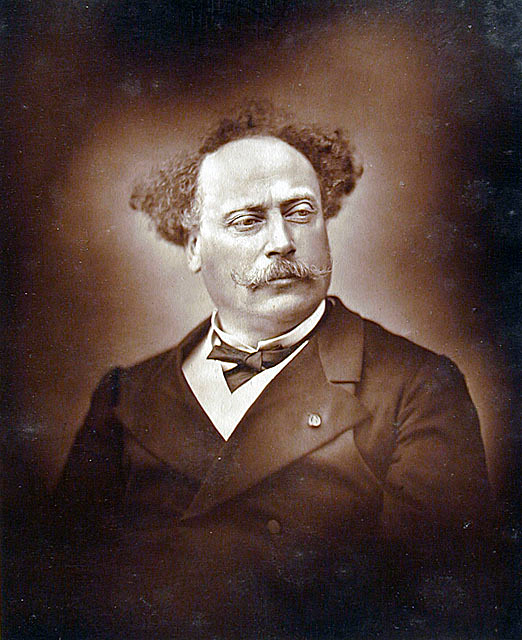
Alexandre
Dumas, fils
Dịch giả: Hải Nguyên
---
Tiếng Pháp:
La Dame aux Camilias
par Alexandre Dumas, fils
---
Tiếng Anh:
Camille
by Alexandre Dumas, fils - Translator: Sir Edmond Gosse (from
French to English) - The Project Gutenberg eBook of Camille
Chương 24
Như
thế là có cơ hội rồi. Nhưng hẳn vẫn chưa đủ. Tôi hiểu được ảnh hưởng của tôi đối
với người đàn bà ấy và đã lạm dụng nó một cách hèn nhát.
Giờ
đây, khi nàng đã chết rồi, tôi tự hỏi: liệu thượng đế có thể tha thứ được cái tội
ác mà tôi đã cố ý gây ra ngày trước không.
Sau
bữa ăn tối rất náo nhiệt, người ta bắt đầu bài bạc.
Tôi
ngồi bên cạnh Ôlêem và vung tiền một cách bạo tay đến nỗi nàng không thể nào
không chú ý đến tôi được. Trong giây lát, tôi đã ăn được một trăm rưỡi hay hai
trăm đồng vàng. Tôi bày ra trước mặt và nàng nhìn những đồng tiền vàng với ánh
mắt thích thú.
Tôi
là người duy nhất mà cuộc đỏ đen không hoàn toàn thu hút hết tâm trí, và cũng
là người duy nhất đang rất chú ý đến nàng.
Suốt
đêm còn lại, tôi giữ vững phần thắng. Chính tôi đã đưa tiền cho nàng tham gia
tiếp cuộc chơi. Bởi vì nàng đã thua tất cả những gì nàng có trước mặt; và có lẽ,
có trong nhà.
Năm
giờ sàng người ta bỏ sòng ra về.
Tôi
ăn được ba trăm đồng vàng.
Tất
cả những người đánh bài đều xuống tầng dưới. Chỉ tôi còn lại một mình, và không
ai để ý đến cả. Bởi vì tôi không là bạn của một người nào trong số những con bạc
đó cả.
Ôlêem
tự tay soi đèn, đưa khách xuống cầu thang. Đang chuẩn bị đi xuống như những kẻ
khác, bỗng tôi quay lại về phía nàng và nói:
–
Tôi muốn được nói chuyện với cô.
–
Ngày mai – nàng đáp.
–
Không, bây giờ.
–
Ông muốn nói gì với tôi?
–
Cô sẽ biết.
Tôi
trở vào phòng
–
Cô đã thua nhiều phải không? – tôi nói.
–
Vâng.
–
Tất cả số tiền của cô có?
Nàng
do dự.
–
Hãy thành thật.
–
Thế thì. . . đúng vậy.
–
Tôi đã ăn ba trăm đồng vàng. Đây, là tất cả của cô. Nếu cô cho phép tôi ở lại
nơi này.
Và
đồng thời tôi vứt số tiền đó lên bàn.
–
Tại sao ông đưa ra đề nghị đó?
–
Bởi vì tôi yêu cô, có thế thôi.
–
Không, bởi vì ông yêu Macgơrit. Ông muốn trả thù nàng, bằng cách trở thành tình
nhân của tôi. Người ta không đánh lừa một người đàn bà như tôi. Ông bạn ạ. Khốn
nỗi, tôi còn trẻ và đẹp quá, để chấp nhận vai trò ông đề nghị.
–
Nghĩa là cô từ chối?
–
Vâng.
–
Cô thích yêu tôi mà không nhận được gì cả hay sao? Thế thì chính tôi là người
không chấp nhận. Hãy suy nghĩ đi, cô Ôlêem thân mến. Tôi có thể nhờ một người
nào đó, đem ba trăm đồng vàng này đến, với những điều kiện của tôi, hẳn cô đã
chấp nhận. Tôi thích được trực tiếp thương thuyết với cô hơn. Hãy chấp nhận,
không cần biết những nguyên nhân đã xô đẩy tôi hành động. Cô hãy tự nhủ, cô đẹp,
và không có gì ngạc nhiên nếu tôi si mê cô.
Macgơrit
cũng là một kỹ nữ như Ôlêem. Tuy thế, lần đầu tiên gặp nàng, tôi không hề dám
nói với nàng những điều tôi vừa nói với người đàn bà này. Bởi vì, tôi yêu
Macgơrit. Vì thế đã đoán thấy ở nàng những bản chất không có ở người đàn bà
này. Và ngay lúc tôi đưa ra đề nghị trên, mặc cho sắc đẹp hết sức lộng lẫy, người
đàn bà này vẫn làm cho tôi nhàm chán.
Cuối
cùng, dĩ nhiên Ôlêem chấp nhận. Và trưa hôm sau, tôi bước ra khỏi nhà nàng, với
tư cách là tình nhân của nàng. Nhưng tôi rời bỏ cái giường của nàng mà không
mang theo kỷ niệm nào của sự âu yếm, những lời nói tình tự mà nàng thấy có bổn
phận phải ban phát rộng rãi cho tôi để cân xứng với sáu ngàn frăng tôi đã trao
cho nàng.
Tuy
nhiên, người ta vẫn phải phá sản vì người đàn bà đó.
Kể
từ hôm đó không lúc nào tôi ngừng công việc chỉ trích, giày vò Macgơrit. Ôlêem và
nàng chấm dứt đi lại với nhau. Bạn dễ dàng hiểu được điều đó. Tôi sắm cho tình
nhân mới của tôi chiếc xe và những đồ nữ trang. Tôi đánh bạc. Cuối cùng, tôi
làm tất cả những trò điên rồ của một người đàn ông si mê một người đàn bà như
Ôlêem. Tiếng đồn về sự si mê mới mẻ của tôi chẳng bao lâu vang khắp.
Chính
Pruđăng cũng mắc mưu, và cuối cùng cũng tin rằng tôi hoàn toàn lãng quên
Macgơrit. Còn Macgơrit, hoặc nàng đã đoán được duyên cớ xô đẩy tôi hành động,
hoặc nàng cũng lầm nốt như những kẻ khác, vẫn giữ vững phẩm cách trước những
thương tích mà hàng ngày tôi đã gây cho nàng. Chỉ có điều, nàng có vẻ rất đau
khổ. Vì bất cứ ở đâu, gặp nàng, tôi cũng luôn luôn nhận thấy nàng ngày mỗi xanh
xao hơn, buồn bã hơn. Tình yêu của tôi với nàng vút cao lên thành hận thù, và
tôi vui sướng nhận thấy nỗi đau khổ hàng ngày của nàng. Nhiều lần, trong những
trường hợp tôi tỏ ra tàn ác khốn nạn, Macgơrit ngẩng mặt nhìn tôi với những cái
nhìn van lơn, khiến tôi đỏ mặt vì những gì tôi đã làm, và tôi những muốn đến
bên nàng để xin tha thứ.
Nhưng
những lúc hối hận đó chỉ thoáng qua như một tia chớp. Ôlêem, cuối cùng đã gạt
qua tất cả tự ái, hiểu rằng, càng làm cho Macgơrit đau khổ, nàng sẽ nhận được
nơi tôi tất cả những gì nàng mong muốn. Và Ôlêem luôn luôn kích động tôi chống
lại Macgơrit, nguyền rủa Macgơrit mỗi khi có dịp, với sự hèn nhát chai lỳ của một
người đàn bà được bảo trợ bởi một người đàn ông.
Rốt
cuộc, Macgơrit không đi đến những nơi khiêu vũ và những rạp hát nữa, sợ phải chạm
trán chúng tôi – Ôlêem và tôi. Thế là những lá thư nặc danh nối tiếp theo những
hỗn láo trực tiếp. Không một điều sỉ nhục nào mà tôi không khuyến khích tình
nhân mới của tôi kể lại, và chính tôi cũng kể lại về Macgơrit.
Phải
thật sự điên rồ mới đi đến mức độ đó. Tôi không khác nào một người quá say do uống
nhiều rượu xấu, thần kinh rối loạn đến nỗi bàn tay có thể cứ phạm tội ác mà trí
tuệ không còn sức lực gì để ngăn cản nữa. Giữa tất cả những sự việc đó, tôi khổ
đau như một thánh tử đạo. Sự bình tĩnh không khinh mạn, thái độ đầy phẩm cách
nhưng không miệt thị mà Macgơrit dùng để đáp lại tất cả sự tấn công của tôi,
làm cho tôi cảm thấy nàng đã cao thượng hơn tôi, càng làm cho tôi chống đối
nàng nhiều hơn nữa.
Một
chiều không biết Ôlêem đi đâu, và đã gặp Macgơrit. Lần này, Macgơrit không nhịn
nhục được trước sự hỗn láo của cô gái ngu ngốc đó, đã chống trả dữ dội. Cuối
cùng, Ôlêem phải nhượng bộ và giận dữ, tức tối trở về nhà. Còn Macgơrit thì ngất
xỉu và được người ta mang đi.
Ôlêem
kể lại cho tôi nghe những gì đã xảy ra và bảo rằng Macgơrit thấy nàng một mình,
muốn trả thù vì nàng là nhân tình của tôi. Nàng yêu cầu tôi phải viết thư cho
Macgơrit biết, dù có mặt tôi hay không, cũng phải kính trọng người đàn bà tôi
yêu.
Không
cần nói, bạn cũng biết rằng tôi đã chấp nhận. Và tất cả những gì chua cay, sỉ
nhục, tàn nhẫn tôi có thể viết được, tôi đã cho tất cả vào trong lá thư để gửi
đến Macgơrit, ngay ngày hôm ấy.
Lần
này trận đòn giáng xuống quá mạnh. Con người khốn khổ đó chắc không thể còn câm
lặng chịu đựng được nữa.
Tôi
nghĩ thế nào cũng sẽ có thư trả lời. Vì thế tôi quyết định ở nhà cả ngày.
Vào
khoảng hai giờ, có người gọi chuông, và tôi thấy Pruđăng đi vào.
Tôi
cố gắng lấy vẻ hờ hững, hỏi chị ta đến tôi có việc gì. Nhưng ngày hôm đó, bà
Đuvecnoa không cười đùa. Với một giọng xúc động thực sự, chị ta cho tôi biết, từ
khi tôi trở về, nghĩa là từ ba tuần nay, tôi đã không từ bỏ một cơ hội nào để
làm khổ Macgơrit. Vì thế, nàng đã lâm bệnh. Cảnh tượng ngày hôm qua và cái thư
của tôi sáng nay đã làm cho nàng nằm liệt giường không dậy nổi.
Nói
tóm lại, không chấp trách tôi, Macgơrit đưa người đi đến xin ân xá và nói cho
tôi biết, nàng không còn đủ sức mạnh tinh thần hay sức mạnh vật chất để chịu đựng
những điều tôi gây ra cho nàng.
–
Cô Giôchiê – Tôi nói với Pruđăng, – có quyền mời tôi ra khỏi nhà cô. Nhưng cô xử
tệ với người đàn bà tôi yêu, lấy cớ người đàn bà ấy là tình nhân của tôi, đó là
điều không bao giờ tôi cho phép.
–
Anh bạn ạ – Pruđăng nói – anh chịu ảnh hưởng của một người con gái không tâm hồn,
không lý trí. Anh si mê, đúng thế. Nhưng đó không phải là lý do để hành hạ một
người đàn bà không đủ sức tự vệ.
–
Cô Giôchiê hãy gửi ông bá tước N. . . lại cho tôi. Và như thế sẽ cân bằng.
–
Anh thừa biết cô ấy sẽ không làm điều đó. Như vậy, anh Acmân thân mến, hãy để
cho cô ta được yên. Nếu anh giận cô ta, anh sẽ hổ thẹn vì thái độ của anh đối với
cô ta. Macgơrit xanh xao, ho nhiều, cô ấy sẽ không còn sống được bao lâu nữa.
Và
Pruđăng đưa tay bắt tay tôi, nói tiếp:
–
Anh hãy đến thăm, cuộc viếng thăm của anh sẽ làm cho cô ấy sung sướng.
–
Tôi không muốn gặp ông N. . .
–
Ông N. . . không bao giờ có mặt ở nhà cô. Cô không thể chấp nhận ông ta được.
–
Nếu Macgơrit cần gặp tôi, cô ta đã biết tôi ở đâu. Cô ta cứ đến. Nhưng tôi, tôi
không đặt chân đến đường phố Antin nữa.
–
Và anh sẽ tiếp cô ta tử tế chứ?
–
Rất tử tế.
–
Thôi được! Tôi tin chắc cô ấy sẽ đến.
–
Cô ta cứ đến.
–
Hôm nay, anh có đi đâu không?
–
Tôi sẽ ở nhà suốt cả buổi tối.
–
Tôi sẽ nói lại với nàng.
Pruđăng
ra về.
Tôi
không buồn viết cho Ôlêem rằng tối nay tôi không đến gặp nàng. Tôi không bận
tâm về cô gái đó. Mỗi tuần nhiều lắm tôi ở lại đêm nhà nàng một lần. Nàng không
cảm phiền gì, tôi tin thế, vì nàng đã có một diễn viên thuộc gánh hát nào đó
trên đại lộ.
Tôi
đi ăn tôi và trở về gần như tức khắc. Tôi đốt hết các lò sưởi trong nhà lên.
Tôi cho phép Jôdép về nghỉ.
Tôi
không nói lại cho bạn biết tất cả những tình cảm phức tạp đã xáo động tôi trong
một giờ chờ đợi. Nhưng vào chín giờ, khi nghe gọi chuông, tất cả những xáo động
hợp thành một xúc cảm mãnh liệt, đến nỗi khi bước ra mở cửa, tôi bắt buộc phải
dựa vào vách, để khỏi ngã
Macgơrit
bước vào.
Nàng
mặc toàn đồ đen và phủ kín mặt. Tôi nhận thấy lờ mờ gương mặt của nàng, dưới
đám đăng ten.
Nàng
bước vào phòng khách, và kéo tấm voan lên.
Nàng
xanh xao, tái nhợt như phiến cẩm thạch.
–
Anh Acmân, em đã đến. Anh muốn gặp em. Em đã đến rồi.
Rồi
nàng ngã vào hai bàn tay khóc nức nở.
Tôi
tiến đến gàn nàng.
–
Em sao thế? – Tôi nói với một giọng không bình thường. Nàng nắm chặt bàn tay
tôi, không trả lời. Những dòng lệ vẫn làm cho nàng nghẹn ngào. Nhưng giây lát
sau, lấy lại được ít bình tĩnh, nàng nói:
–
Anh ác quá, Acmân! Em đã đau khổ quá nhiều! Em có làm gì xúc phạm đến anh đâu?
–
Không làm điều gì cả, trừ những hoàn cảnh bắt buộc em phải làm.
Tôi
không biết trong đời bạn, bạn đã cảm thấy, hay có bao giờ sẽ cảm thấy điều mà
chính tôi đã cảm thấy khi gặp lại Macgơrit không.
Lần
cuối cùng đến nhà tôi, nàng đã ngồi ngay tại chỗ hôm nay vừa nàng đến ngồi. Chỉ
khác một điều là, kể từ nay, nàng đã là tình nhân của một người khác. Những chiếc
hôn khác thay thế những chiếc hôn của tôi đã chạm lên môi nàng. Dẫu vậy, tôi cảm
thấy, tôi vẫn yêu người đàn bà đó như ngày xưa. Và có thể tôi còn yêu hơn ngày
xưa rất nhiều.
Tuy
nhiên, tôi thấy khó đi vào câu chuyện liên hệ đến vấn đề đã dẫn nàng đến đây.
Như hiểu được điều đó, Macgơrit nói tiếp
–
Em làm phiền anh, anh Acmân. Em có hai điều để thỉnh cầu anh: anh tha lỗi cho
những gì ngày qua em nói với cô Ôlêem; và xin anh rộng lượng thương tình, đừng
làm nữa những gì anh vẫn sẵn sàng làm để công kích em. Có ý thức hay không, từ
ngày anh trở về, anh đã làm cho em đau khổ nhiều. Giờ đây em không thể chịu đựng
được nữa, dù chỉ một phần những xúc cảm mà em đã chịu đến sáng hôm sau. Anh sẽ
thương hại em có phải không? Và anh hiểu, một người đàn ông có tâm hồn có rất
nhiều điều cao quí để làm hơn là trả thù một người đàn bà ốm đau và buồn bã như
em. Đây, anh hãy cầm bàn tay em. Em bị sốt. Em đã rời giường bệnh đến đây,
không phải để xin anh tình thân thiện của một người bạn; mà để xin được hờ hững
của anh.
Tôi
cầm bàn tay Macgơrit, bàn tay nóng như lửa. Và người đàn bà đáng thương đó đang
run lên trong cái áo choàng bằng nhung.
Tôi
đẩy cái ghế bành, trên đó nàng đang ngồi, đến gần lò sưởi.
–
Vậy em tin rằng anh không đau khổ sao, cái đêm anh chờ đợi em ở thôn quê, rồi
sau đó anh đến Paris để tìm em, để rồi tại đây anh nhận được một lá thư suýt nữa
làm anh điên mất. Làm thế nào em có thể lừa dối anh, Macgơrit? Anh, người đã
yêu em nhiều đến thế?
–
Chúng ta đừng nhắc đến điều đó nữa, Acmân. Em không đến đây để nói với anh chuyện
đó. Em muốn nhìn anh, không phải như nhìn một kẻ thù, có thế thôi. Em muốn siết
tay anh một lần nữa. Anh có một cô nhân tình trẻ, đẹp mà anh yêu quý, người ta
bảo thế. Mong anh hạnh phúc với cô ta, và hãy quên em đi.
–
Và em, chắc hẳn em sẽ sung sướng.
–
Anh nhìn xem đây có phải gương mặt của một người đàn bà sung sướng không? Anh
Acmân, anh đừng mỉa mai sự đau khổ của em. Anh là người biết rõ hơn ai cả,
nguyên nhân cũng như mức độ nỗi đau đó là thế nào rồi.
–
Đau khổ hay không đều hoàn toàn tuỳ thuộc vào em.
–
Không, anh Acmân, hoàn cảnh mạnh hơn ý chí của em. Em đã tuân theo, không phải
do bản năng của người con gái – hình như anh nghĩ vậy – mà là cần thiết phải thế
và có những nguyên nhân mà một ngày nào đó, anh sẽ hiểu và tha thứ cho em.
–
Tại sao em không chịu nói những nguyên nhân đó ngày hôm nay?
–
Bởi vì, những nguyên nhân đó, không xây dựng lại được sự đoàn tụ đã trở thành
vô vọng giữa chúng ta. Và có thể tách anh xa lìa những người mà anh không được
phép xa lìa.
–
Những người đó là những người nào?
–
Em không thể nói được.
–
Thế thì em nói dối.
Macgơrit
đứng dậy và đi ra hướng cửa lớn.
Tôi
không thể nhìn sự đau khổ câm lặng và hiển hiện ấy mà không cảm động, khi tôi
đem so sánh trong trí tôi, người đàn bà xanh xao mắt mờ lệ đó với cô gái nghịch
ngợm ngày trước đã chế nhạo tôi ở Ôpêra Cômic.
–
Em không thể bỏ đi được! – Tôi vừa nói vừa ra đứng chặn trước cửa.
–
Tại sao?
–
Bởi vì, mặc cho tất cả những gì em đã làm, anh vẫn luôn luôn yêu em và muốn giữ
em lại đây.
–
Để rồi ngày mai, sẽ lại đuổi em đi, có phải không? Không, không thể được! Định
mệnh hai chúng ta khác biệt. Chúng ta không nên cố gắng ràng buộc chúng lại. Có
thể anh sẽ khinh bỉ em, còn giờ đây, thì anh chỉ có thể oán ghét em thôi.
–
Không, Macgơrit – tôi nói to, cảm thấy tất cả tình yêu và sự khát khao của mình
nổi dậy trước người đàn bà ấy, – Không. Anh sẽ quên tất cả. Chúng ta sẽ sung sướng,
như chúng ta đã hứa với nhau.
Macgơrit
lắc đầu nghi ngờ.
–
Em chẳng phải là nô lệ của anh, là con chó của anh sao? Anh muốn làm gì em thì
tuỳ anh. Anh hãy ôm em, em hoàn toàn là của anh.
Nàng
cởi áo choàng, bỏ mũ ra, ném tất cả lên ghế bành. Và nàng đột ngột mở thân áo
trên ra, bởi vì do một phản ứng thường gặp trong bệnh tình của nàng, máu từ tim
ùa lên đầu và làm cho nàng ngột ngạt.
Một
cơn ho khô khan nối tiếp theo.
–
Anh hãy bảo người đánh xe đem xe em về.
Tôi
xuống tầng dưới, cho người đánh xe ra về.
Khi
tôi trở vào, Macgơrit nằm trước lò sưởi, hai hàm răng đập lập cập vì lạnh.
Tôi
ôm lấy nàng, thay đồ cho nàng. Nàng không cử động. Tôi bồng nàng, lạnh như giá,
đặt vào trong giường của tôi.
Sau
đó, tôi ngồi lại bên nàng, gắng sưởi ấm nàng với sự vuốt ve âu yếm của tôi.
Nàng không nói một lời, nhưng mỉm cười với tôi.
Ôi!
Đó là một đêm kỳ lạ. Tất cả cuộc đời Macgơrit hình như đã dồn vào những chiếc
hôn mà nàng trao cho tôi. Tôi yêu nàng vô kể, đến nỗi giữa sự xúc động yêu
đương cuồng nhiệt, tôi cảm thấy như muốn giết nàng đi, để chẳng bao giờ nàng
còn thuộc về bất cứ một kẻ nào khác nữa.
Một
tháng yêu thương thể xác và tâm hồn như thế, người ta sẽ chỉ còn là một cái xác
không hồn.
Sáng
ra, cả hai chung tôi cùng tỉnh dậy.
Macgơrit
đờ đẫn. Nàng không nói một lời.
Những
giọt nước mắt thỉnh thoảng ứa ra chảy xuống ướt cả hai má, ngời sáng như những
viên kim cương. Đôi tay mệt mỏi, thỉnh thoảng đưa ra để ôm lấy tôi và sau đó lại
yếu ớt buông rơi xuống giường.
Có
lúc tôi tưởng có thể quên đi những gì đã xảy ra từ khi tôi rời khỏi Bugival, và
tôi nói với Macgơrit:
–
Em có muốn chúng ta ra đi, chúng ta xa lánh Paris không?
–
Không, không – nàng nói gần như sợ hãi – Chúng ta sẽ khốn khổ. Em không thể xây
dựng hạnh phúc cho em được nữa. Nhưng ngày nào em còn một hơi thở, em sẽ là nô
lệ cho tất cả những bất thường của anh. Bất kể giờ nào, ngày hay đêm, khi anh
muốn, anh cứ đến, em hoàn toàn là của anh. Nhưng anh đừng cột chặt tương lai của
anh và của em lại nữa. Anh sẽ đau khổ nhiều, và sẽ làm em đau khổ. Em vẫn còn một
thời gian nữa để làm cô gái xinh đẹp. Anh hãy tận hưởng. Nhưng anh đừng đòi hỏi
em điều gì khác nữa.
Khi
nàng ra về, tôi bỗng cảm thấy kinh sợ giữa cái trạng thái cô đơn mà nàng để lại
cho tôi. Hai giờ sau khi nàng đi, tôi vẫn ngồi trên chiếc giường mà nàng vừa rời
khỏi, nhìn cái gối còn giữ lại những đường nếp của thân hình nàng. Tôi tự hỏi,
tôi sẽ thế nào giữa tình yêu và sự ghen hờn của mình.
Năm
giờ, không biết đến để làm gì, tôi vẫn tìm đến đường phố Antin.
Nanin
ra mở cửa cho tôi.
–
Bà không thể tiếp ông được – chị ta nói với vẻ bối rối.
–
Tại sao?
–
Bởi vì ông bá tước N. . . có ở đó và ông dặn đừng cho ai vào.
–
Ừ nhỉ, thế mà tôi quên mất.
Tôi
trở về nhà, như một người say rượu. Bạn có biết tôi đã làm gì trong giây phút sửng
sốt ghen tuông xô đẩy tôi đến một hành vi đáng hổ thẹn không? Bạn biết tôi đã
làm gì không? Tôi tự nhủ rằng, người đàn bà đó chế nhạo tôi. Tôi hình dung sự gần
gũi của nàng với ông bá tước. Hẳn nàng cũng đã lặp lại những lời đã nói với tôi
đêm qua. Tôi lấy một tờ giấy bạc năm trăm frăng gửi cho nàng với mấy dòng chữ
sau:
«Sáng
nay, cô đi quá vội, tôi quên trả tiền cho cô. Đây là tiền công của cô đêm qua».
Rồi
lá thư đó được đưa đi. Tôi cũng ra đi, để khỏi hối hận về việc làm hèn hạ đó.
Tôi
đến nhà Ôlêem. Tôi thấy nàng đang thử những chiếc váy dài. Khi chỉ còn lại
chúng tôi, nàng hát những bài ca tục tĩu để giải trí cho tôi.
Người
con gái đó đúng là thuộc loại kỹ nữ vô liêm sỉ, không tâm hồn, không trí tuệ,
ít ra là đối với tôi. Bởi vì, cũng có thể có người đàn ông nào đó đã xây dựng với
nàng một giấc mộng, giống như tôi đã từng xây dựng với Macgơrit.
Nàng
hỏi xin tiền. Tôi đưa tiền cho nàng. Thế là tôi được tự do. Tôi liền trở về nhà
tôi.
Macgơrit
không trả lời thư tôi. Không nói thì bạn cũng hiểu tôi đã bực bội như thế nào
trong suốt cả ngày hôm sau.
Lúc
sáu giờ rưỡi có người đem lại cho tôi một phong bì, trong đó có lá thư của tôi
và tờ giấy bạc năm trăm frăng, không thêm một chữ nào nữa cả.
–
Ai đã đưa cho anh cái này? – Tôi hỏi.
–
Một bà cùng đi với một chị hầu phòng trên một chuyến đi Bulônhơ. Bà dặn tôi, chỉ
đem thư đến khi xe đã đi xa rồi.
Tôi
chạy đến nhà Macgơrit.
–
Bà đã đi sang Anh, hôm nay, lúc sáu giờ – người gác cổng trả lời.
Thế
là không còn gì giữ tôi ở lại Paris nữa. Không hận thù. Không tình yêu. Tôi bị
kiệt sức bởi tất cả những cơn xúc động đó. Một người bạn của tôi sắp đi sang
Phương Đông. Tôi nói với cha tôi về ý định sẽ cùng đi với người đó. Cha tôi cho
tôi những lời khuyên, những dặn dò, và tám hay mười ngày sau, tôi xuống tàu ở
Macxây.
Chính
tại Alâcxăngđri, nhờ một tuỳ viên sứ quán, trước đây đã có lần gặp nhau tại nhà
Macgơrit, tôi biết được bệnh tình của người con gái tôi thương đó.
Tôi
viết thư cho nàng. Nàng đã có thư trả lời, như bạn đã biết. Toi nhận thư này tại
Tulông.
Tôi
ra đi liền sau đó. Bạn đã biết những gì xảy ra.
Giờ
đây, bạn hãy đọc những tờ giấy Juyli Đupơra đã trao lại cho tôi, những tờ giấy
đó là phần bổ túc cần thiết cho câu chuyện tôi vừa kể bạn nghe.
➖➖➖
Phần tiếng Pháp
La
Dame aux Camilias par Alexandre Dumas, fils
---
Chapitre XXIV
C'était
déjà quelque chose, mais ce n'était pas assez. Je comprenais l'empire que
j'avais sur cette femme et j'en abusais lâchement.
Quand
je pense qu'elle est morte maintenant, je me demande si Dieu me pardonnera
jamais le mal que j'ai fait.
Après
le souper, qui fut des plus bruyants, on se mit à jouer.
Je
m'assis à côté d'Olympe et j'engageai mon argent avec tant de hardiesse qu'elle
ne pouvait s'empêcher d'y faire attention. En un instant, je gagnai cent
cinquante ou deux cents louis, que j'étalais devant moi et sur lesquels elle
fixait des yeux ardents.
J'étais
le seul que le jeu ne préoccupât point complètement et qui s'occupât d'elle.
Tout le reste de la nuit je gagnai, et ce fut moi qui lui donnai de l'argent
pour jouer, car elle avait perdu tout ce qu'elle avait devant elle et
probablement chez elle.
À
cinq heures du matin on partit.
Je
gagnais trois cents louis.
Tous
les joueurs étaient déjà en bas, moi seul étais resté en arrière sans que l'on
s'en aperçût, car je n'étais l'ami d'aucun de ces messieurs.
Olympe
éclairait elle-même l'escalier et j'allais descendre comme les autres, quand,
revenant vers elle, je lui dis:
--Il
faut que je vous parle.
--Demain,
me dit-elle.
--Non,
maintenant.
--Qu'avez-vous
à me dire?
--Vous
le verrez.
Et
je rentrai dans l'appartement.
--Vous
avez perdu, lui dis-je?
--Oui.
--Tout
ce que vous aviez chez vous?
Elle
hésita.
--Soyez
franche.
--Eh
bien, c'est vrai.
--J'ai
gagné trois cents louis, les voilà, si vous voulez me garder ici.
Et,
en même temps, je jetai l'or sur la table.
--Et
pourquoi cette proposition?
--Parce
que je vous aime, pardieu!
--Non,
mais parce que vous êtes amoureux de Marguerite et que vous voulez vous venger
d'elle en devenant mon amant. On ne trompe pas une femme comme moi, mon cher
ami; malheureusement je suis encore trop jeune et trop belle pour accepter le
rôle que vous me proposez.
--Ainsi,
vous refusez?
--Oui.
--Préférez-vous
m'aimer pour rien? C'est moi qui n'accepterais pas alors. Réfléchissez, ma
chère Olympe; je vous aurais envoyé une personne quelconque vous proposer ces
trois cents louis de ma part aux conditions que j'y mets, vous eussiez accepté.
J'ai mieux aimé traiter directement avec vous. Acceptez sans chercher les
causes qui me font agir; dites-vous que vous êtes belle, et qu'il n'y a rien
d'étonnant que je sois amoureux de vous.
Marguerite
était une fille entretenue comme Olympe, et cependant je n'eusse jamais osé lui
dire, la première fois que je l'avais vue, ce que je venais de dire à cette
femme. C'est que j'aimais Marguerite, c'est que j'avais deviné en elle des
instincts qui manquaient à cette autre créature, et qu'au moment même où je
proposais ce marché, malgré son extrême beauté, celle avec qui j'allais le
conclure me dégoûtait.
Elle
finit par accepter, bien entendu, et, à midi, je sortis de chez elle son amant:
mais je quittai son lit sans emporter le souvenir des caresses et des mots
d'amour qu'elle s'était crue obligée de me prodiguer pour les six mille francs
que je lui laissais.
Et
cependant on s'était ruiné pour cette femme-là.
À
compter de ce jour, je fis subir à Marguerite une persécution de tous les
instants. Olympe et elle cessèrent de se voir, vous comprenez aisément
pourquoi. Je donnai à ma nouvelle maîtresse une voiture, des bijoux, je jouai,
je fis enfin toutes les folies propres à un homme amoureux d'une femme comme
Olympe. Le bruit de ma nouvelle passion se répandit aussitôt.
Prudence
elle-même s'y laissa prendre et finit par croire que j'avais complètement
oublié Marguerite. Celle-ci, soit qu'elle eût deviné le motif qui me faisait
agir, soit qu'elle se trompât comme les autres, répondait par une grande
dignité aux blessures que je lui faisais tous les jours. Seulement elle
paraissait souffrir, car partout où je la rencontrais, je la revoyais toujours
de plus en plus pâle, de plus en plus triste. Mon amour pour elle, exalté à ce
point qu'il se croyait devenu de la haine, se réjouissait à la vue de cette
douleur quotidienne. Plusieurs fois, dans des circonstances où je fus d'une cruauté
infâme, Marguerite leva sur moi des regards si suppliants que je rougissais du
rôle que j'avais pris, et que j'étais près de lui en demander pardon.
Mais
ces repentirs avaient la durée de l'éclair et Olympe, qui avait fini par mettre
toute espèce d'amour-propre de côté, et compris qu'en faisant du mal à
Marguerite, elle obtiendrait de moi tout ce qu'elle voudrait, m'excitait sans
cesse contre elle, et l'insultait chaque fois qu'elle en trouvait l'occasion,
avec cette persistante lâcheté de la femme autorisée par un homme.
Marguerite
avait fini par ne plus aller ni au bal, ni au spectacle, dans la crainte de
nous y rencontrer, Olympe et moi. Alors les lettres anonymes avaient succédé
aux impertinences directes, et il n'y avait honteuses choses que je
n'engageasse ma maîtresse à raconter et que je ne racontasse moi-même sur
Marguerite.
Il
fallait être fou pour en arriver là. J'étais comme un homme qui, s'étant grisé
avec du mauvais vin, tombe dans une de ces exaltations nerveuses où la main est
capable d'un crime sans que la pensée y soit pour quelque chose. Au milieu de
tout cela, je souffrais le martyre. Le calme sans dédain, la dignité sans
mépris, avec lesquels Marguerite répondait à toutes mes attaques, et qui à mes
propres yeux la faisaient supérieure à moi, m'irritaient encore contre elle.
Un
soir, Olympe était allée je ne sais où, et s'y était rencontrée avec Marguerite,
qui cette fois n'avait pas fait grâce à la sotte fille qui l'insultait, au
point que celle-ci avait été forcée de céder la place. Olympe était rentrée
furieuse, et l'on avait emporté Marguerite évanouie.
En
rentrant, Olympe m'avait raconté ce qui s'était passé, m'avait dit que
Marguerite, la voyant seule, avait voulu se venger de ce qu'elle était ma
maîtresse, et qu'il fallait que je lui écrivisse de respecter, moi absent ou
non, la femme que j'aimais.
Je
n'ai pas besoin de vous dire que j'y consentis, et que tout ce que je pus
trouver d'amer, de honteux et de cruel, je le mis dans cette épître que
j'envoyai le jour même à son adresse.
Cette
fois le coup était trop fort pour que la malheureuse le supportât sans rien
dire.
Je
me doutais bien qu'une réponse allait m'arriver; aussi étais-je résolu à ne pas
sortir de chez moi de tout le jour.
Vers
deux heures on sonna et je vis entrer Prudence.
J'essayai
de prendre un air indifférent pour lui demander à quoi je devais sa visite;
mais ce jour-là madame Duvernoy n'était pas rieuse, et d'un ton sérieusement
ému elle me dit que, depuis mon retour, c'est-à-dire depuis trois semaines
environ, je n'avais pas laissé échapper une occasion de faire de la peine à
Marguerite; qu'elle en était malade, et que la scène de la veille et ma lettre
du matin l'avaient mise dans son lit.
Bref,
sans me faire de reproches, Marguerite m'envoyait demander grâce, en me faisant
dire qu'elle n'avait plus la force morale ni la force physique de supporter ce
que je lui faisais.
--Que
mademoiselle Gautier, dis-je à Prudence, me congédie de chez elle, c'est son
droit, mais qu'elle insulte une femme que j'aime, sous prétexte que cette femme
est ma maîtresse, c'est ce que je ne permettrai jamais.
--Mon
ami, me fit Prudence, vous subissez l'influence d'une fille sans cœur et sans
esprit; vous en êtes amoureux, il est vrai, mais ce n'est pas une raison pour
torturer une femme qui ne peut se défendre.
--Que
mademoiselle Gautier m'envoie son comte de N..., et la partie sera égale.
--Vous
savez bien qu'elle ne le fera pas. Ainsi, mon cher Armand, laissez-la
tranquille; si vous la voyiez, vous auriez honte de la façon dont vous vous
conduisez avec elle. Elle est pâle, elle tousse, elle n'ira pas loin
maintenant.
Et
Prudence me tendit la main en ajoutant:
--Venez
la voir, votre visite la rendra bien heureuse.
--Je
n'ai pas envie de rencontrer M. de N...
--M.
de N... n'est jamais chez elle. Elle ne peut le souffrir.
--Si
Marguerite tient à me voir, elle sait où je demeure, qu'elle vienne, mais moi
je ne mettrai pas les pieds rue d'Antin.
--Et
vous la recevrez bien?
--Parfaitement.
--Eh
bien, je suis sûre qu'elle viendra.
--Qu'elle
vienne.
--Sortirez-vous
aujourd'hui?
--Je
serai chez moi toute la soirée.
--Je
vais le lui dire.
Prudence
partit.
Je
n'écrivis même pas à Olympe que je n'irais pas la voir. Je ne me gênais pas
avec cette fille. À peine si je passais une nuit avec elle par semaine.
Elle
s'en consolait, je crois, avec un acteur de je ne sais quel théâtre du
boulevard.
Je
sortis pour dîner et je rentrai presque immédiatement. Je fis faire du feu
partout et je donnai congé à Joseph.
Je
ne pourrais pas vous rendre compte des impressions diverses qui m'agitèrent
pendant une heure d'attente; mais, lorsque vers neuf heures j'entendis sonner,
elles se résumèrent en une émotion telle, qu'en allant ouvrir la porte je fus
forcé de m'appuyer contre le mur pour ne pas tomber.
Heureusement
l'antichambre était dans la demi-teinte, et l'altération de mes traits était
moins visible.
Marguerite
entra.
Elle
était tout en noir et voilée. À peine si je reconnaissais son visage sous la
dentelle.
Elle
passa dans le salon et releva son voile.
Elle
était pâle comme le marbre.
--Me
voici, Armand, dit-elle; vous avez désiré me voir, je suis venue.
Et
laissant tomber sa tête dans ses deux mains, elle fondit en larmes.
Je
m'approchai d'elle.
--Qu'avez-vous,
lui dis-je d'une voix altérée.
Elle
me serra la main sans me répondre, car les larmes voilaient encore sa voix.
Mais quelques instants après, ayant repris un peu de calme, elle me dit:
--Vous
m'avez fait bien du mal, Armand, et moi je ne vous ai rien fait.
--Rien?
répliquai-je avec un sourire amer.
--Rien
que ce que les circonstances m'ont forcée à vous faire.
Je
ne sais pas si de votre vie vous avez éprouvé ou si vous éprouverez jamais ce
que je ressentais à la vue de Marguerite.
La
dernière fois qu'elle était venue chez moi, elle s'était assise à la place où
elle venait de s'asseoir; seulement, depuis cette époque, elle avait été la
maîtresse d'un autre; d'autres baisers que les miens avaient touché ses lèvres,
auxquelles, malgré moi, tendaient les miennes, et pourtant je sentais que
j'aimais cette femme autant et peut-être plus que je ne l'avais jamais aimée.
Cependant
il était difficile pour moi d'entamer la conversation sur le sujet qui
l'amenait. Marguerite le comprit sans doute, car elle reprit:
--Je
viens vous ennuyer, Armand, parce que j'ai deux choses à vous demander: pardon
de ce que j'ai dit hier à Mademoiselle Olympe, et grâce de ce que vous êtes
peut-être prêt à me faire encore. Volontairement ou non, depuis votre retour,
vous m'avez fait tant de mal, que je serais incapable maintenant de supporter
le quart des émotions que j'ai supportées jusqu'à ce matin. Vous aurez pitié de
moi, n'est-ce pas? et vous comprendrez qu'il y a pour un homme de cœur de plus
nobles choses à faire que de se venger d'une femme malade et triste comme je le
suis. Tenez, prenez ma main. J'ai la fièvre, j'ai quitté mon lit pour venir vous
demander, non pas votre amitié, mais votre indifférence.
En
effet, je pris la main de Marguerite. Elle était brûlante, et la pauvre femme
frissonnait sous son manteau de velours.
Je
roulai auprès du feu le fauteuil dans lequel elle était assise.
--Croyez-vous
donc que je n'ai pas souffert, repris-je, la nuit où, après vous avoir attendue
à la campagne, je suis venu vous chercher à Paris, où je n'ai trouvé que cette
lettre qui a failli me rendre fou? Comment avez-vous pu me tromper, Marguerite,
moi qui vous aimais tant!
--Ne
parlons pas de cela, Armand, je ne suis pas venue pour en parler. J'ai voulu
vous voir autrement qu'en ennemi, voilà tout, et j'ai voulu vous serrer encore
une fois la main. Vous avez une maîtresse jeune, jolie, que vous aimez, dit-on:
soyez heureux avec elle et oubliez-moi.
--Et
vous, vous êtes heureuse, sans doute?
--Ai-je
le visage d'une femme heureuse, Armand? Ne raillez pas ma douleur, vous qui
savez mieux que personne quelles en sont la cause et l'étendue.
--Il
ne dépendait que de vous de n'être jamais malheureuse; si toutefois vous l'êtes
comme vous le dites.
--Non,
mon ami, les circonstances ont été plus fortes que ma volonté. J'ai obéi, non
pas à mes instincts de fille, comme vous paraissez le dire, mais à une
nécessité sérieuse et à des raisons que vous saurez un jour, et qui vous feront
me pardonner.
--Pourquoi
ne me dites-vous pas ces raisons aujourd'hui?
--Parce
qu'elles ne rétabliraient pas un rapprochement impossible entre nous, et
qu'elles vous éloigneraient peut-être de gens dont vous ne devez pas vous
éloigner.
--Quelles
sont ces gens?
--Je
ne puis vous le dire.
--Alors,
vous mentez.
Marguerite
se leva et se dirigea vers la porte.
Je
ne pouvais assister à cette muette et expressive douleur sans en être ému,
quand je comparais en moi-même cette femme pâle et pleurante à cette fille
folle qui s'était moquée de moi à l'Opéra-Comique.
--Vous
ne vous en irez pas, dis-je en me mettant devant la porte.
--Pourquoi?
--Parce
que, malgré ce que tu m'as fait, je t'aime toujours et que je veux te garder
ici.
--Pour
me chasser demain, n'est-ce pas? Non, c'est impossible! Nos deux destinées sont
séparées, n'essayons pas de les réunir; vous me mépriseriez peut-être, tandis
que maintenant vous ne pouvez que me haïr.
--Non,
Marguerite, m'écriai-je en sentant tout mon amour et tous mes désirs se
réveiller au contact de cette femme. Non, j'oublierai tout, et nous serons
heureux comme nous nous étions promis de l'être.
Marguerite
secoua la tête en signe de doute, et dit:
--Ne
suis-je pas votre esclave, votre chien? Faites de moi ce que vous voudrez,
prenez-moi, je suis à vous.
Et,
ôtant son manteau et son chapeau, elle les jeta sur le canapé et se mit à
dégrafer brusquement le corsage de sa robe, car, par une de ces réactions si
fréquentes de sa maladie, le sang lui montait du cœur à la tête et l'étouffait.
Une
toux sèche et rauque s'ensuivit.
--Faites
dire à mon cocher, reprit-elle, de reconduire ma voiture.
Je
descendis moi-même congédier cet homme.
Quand
je rentrai, Marguerite était étendue devant le feu, et ses dents claquaient de
froid.
Je
la pris dans mes bras, je la déshabillai sans qu'elle fît un mouvement, et je
la portai toute glacée dans mon lit.
Alors
je m'assis auprès d'elle et j'essayai de la réchauffer sous mes caresses. Elle
ne me disait pas une parole, mais elle me souriait.
Oh!
ce fut une nuit étrange. Toute la vie de Marguerite semblait être passée dans
les baisers dont elle me couvrait, et je l'aimais tant, qu'au milieu des
transports de son amour fiévreux, je me demandais si je n'allais pas la tuer
pour qu'elle n'appartînt jamais à un autre.
Un
mois d'un amour comme celui-là, et de corps comme de cœur, on ne serait plus
qu'un cadavre.
Le
jour nous trouva éveillés tous deux.
Marguerite
était livide. Elle ne disait pas une parole. De grosses larmes coulaient de
temps en temps de ses yeux et s'arrêtaient sur sa joue, brillantes comme des
diamants. Ses bras épuisés s'ouvraient de temps en temps pour me saisir, et
retombaient sans force sur le lit.
Un
moment je crus que je pourrais oublier ce qui s'était passé depuis mon départ
de Bougival, et je dis à Marguerite:
--Veux-tu
que nous partions, que nous quittions Paris?
--Non,
non, me dit-elle presque avec effroi, nous serions trop malheureux, je ne puis
plus servir à ton bonheur, mais tant qu'il me restera un souffle, je serai
l'esclave de tes caprices. À quelque heure du jour ou de la nuit que tu me
veuilles, viens, je serai à toi; mais n'associe plus ton avenir au mien, tu
serais trop malheureux et tu me rendrais trop malheureuse.
«Je
suis encore pour quelque temps une jolie fille, profites-en, mais ne me demande
pas autre chose.
Quand
elle fut partie, je fus épouvanté de la solitude dans laquelle elle me
laissait. Deux heures après son départ, j'étais encore assis sur le lit qu'elle
venait de quitter, regardant l'oreiller qui gardait les plis de sa forme, et me
demandant ce que j'allais devenir entre mon amour et ma jalousie.
À
cinq heures, sans savoir ce que j'y allais faire, je me rendis rue d'Antin.
Ce
fut Nanine qui m'ouvrit.
--Madame
ne peut pas vous recevoir, me dit-elle avec embarras.
--Pourquoi?
--Parce
que M. le comte de N... est là, et qu'il a entendu que je ne laisse entrer
personne.
--C'est
juste, balbutiai-je, j'avais oublié.
Je
rentrai chez moi comme un homme ivre, et savez-vous ce que je fis pendant la
minute de délire jaloux qui suffisait à l'action honteuse que j'allais
commettre, savez-vous ce que je fis? Je me dis que cette femme se moquait de
moi, je me la représentais dans son tête-à-tête inviolable avec le comte,
répétant les mêmes mots qu'elle m'avait dits la nuit, et prenant un billet de
cinq cents francs, je le lui envoyai avec ces mots:
«Vous
êtes partie si vite ce matin, que j'ai oublié de vous payer.
«Voici
le prix de votre nuit.»
Puis,
quand cette lettre fut portée, je sortis comme pour me soustraire au remords
instantané de cette infamie.
J'allai
chez Olympe, que je trouvai essayant des robes, et qui, lorsque nous fûmes
seuls, me chanta des obscénités pour me distraire.
Celle-là
était bien le type de la courtisane sans honte, sans cœur et sans esprit, pour
moi du moins, car peut-être un homme avait-il fait avec elle le rêve que
j'avais fait avec Marguerite.
Elle
me demanda de l'argent, je lui en donnai, et libre alors de m'en aller, je
rentrai chez moi.
Marguerite
ne m'avait pas répondu.
Il
est inutile que je vous dise dans quelle agitation je passai la journée du
lendemain.
À
six heures et demie, un commissionnaire apporta une enveloppe contenant ma
lettre et le billet de cinq cents francs, pas un mot de plus.
--Qui
vous a remis cela? dis-je à cet homme.
--Une
dame qui partait avec sa femme de chambre dans la malle de Boulogne, et qui m'a
recommandé de ne l'apporter que lorsque la voiture serait hors de la cour.
Je
courus chez Marguerite.
--Madame
est partie pour l'Angleterre aujourd'hui à six heures, me répondit le portier.
Rien
ne me retenait plus à Paris, ni haine ni amour. J'étais épuisé par toutes ces
secousses. Un de mes amis allait faire un voyage en Orient; j'allai dire à mon
père le désir que j'avais de l'accompagner; mon père me donna des traites, des
recommandations, et huit ou dix jours après je m'embarquai à Marseille.
Ce
fut à Alexandrie que j'appris par un attaché de l'ambassade, que j'avais vu
quelquefois chez Marguerite, la maladie de la pauvre fille.
Je
lui écrivis alors la lettre à laquelle elle a fait la réponse que vous
connaissez et que je reçus à Toulon.
Je
partis aussitôt, et vous savez le reste.
Maintenant,
il ne vous reste plus qu'à lire les quelques feuilles que Julie Duprat m'a
remises et qui sont le complément indispensable de ce que je viens de vous
raconter.
➖➖➖
Phần tiếng Anh
Camille
by Alexandre Dumas, fils - Translator: Sir Edmond Gosse (from
French to English) - The Project Gutenberg eBook of Camille
---
Chapter XXIV
It
was something already, but it was not enough. I saw the hold which I had upon
this woman, and I took a cowardly advantage of it.
When
I think that she is dead now, I ask myself if God will ever forgive me for the
wrong I did her.
After
the supper, which was noisy as could be, there was gambling. I sat by the side
of Olympe and put down my money so recklessly that she could not but notice me.
In an instant I had gained one hundred and fifty or two hundred louis, which I
spread out before me on the table, and on which she fastened her eyes greedily.
I
was the only one not completely absorbed by the game, and able to pay her some
attention. All the rest of the night I gained, and it was I who gave her money
to play, for she had lost all she had before her and probably all she had in
the house.
At
five in the morning, the guests departed. I had gained three hundred louis.
All
the players were already on their way downstairs; I was the only one who had
remained behind, and as I did not know any of them, no one noticed it. Olympe
herself was lighting the way, and I was going to follow the others, when,
turning back, I said to her:
“I
must speak to you.”
“To-morrow,”
she said.
“No,
now.”
“What
have you to say?”
“You
will see.”
And
I went back into the room.
“You
have lost,” I said.
“Yes.
“All
that you had in the house?”
She
hesitated.
“Be
frank.”
“Well,
it is true.”
“I
have won three hundred louis. Here they are, if you will let me stay here
to-night.”
And
I threw the gold on the table.
“And
why this proposition?”
“Because
I am in love with you, of course.”
“No,
but because you love Marguerite, and you want to have your revenge upon her by
becoming my lover. You don’t deceive a woman like me, my dear friend;
unluckily, I am still too young and too good-looking to accept the part that
you offer me.”
“So
you refuse?”
“Yes.
“Would
you rather take me for nothing? It is I who wouldn’t accept then. Think it
over, my dear Olympe; if I had sent someone to offer you these three hundred
louis on my behalf, on the conditions I attach to them, you would have
accepted. I preferred to speak to you myself. Accept without inquiring into my
reasons; say to yourself that you are beautiful, and that there is nothing
surprising in my being in love with you.”
Marguerite
was a woman in the same position as Olympe, and yet I should never have dared
say to her the first time I met her what I had said to the other woman. I loved
Marguerite. I saw in her instincts which were lacking in the other, and at the
very moment in which I made my bargain, I felt a disgust toward the woman with
whom I was making it.
She
accepted, of course, in the end, and at midday I left her house as her lover;
but I quitted her without a recollection of the caresses and of the words of
love which she had felt bound to shower upon me in return for the six thousand
francs which I left with her. And yet there were men who had ruined themselves
for that woman.
From
that day I inflicted on Marguerite a continual persecution. Olympe and she gave
up seeing one another, as you might imagine. I gave my new mistress a carriage
and jewels. I gambled, I committed every extravagance which could be expected
of a man in love with such a woman as Olympe. The report of my new infatuation
was immediately spread abroad.
Prudence
herself was taken in, and finally thought that I had completely forgotten
Marguerite. Marguerite herself, whether she guessed my motive or was deceived
like everybody else, preserved a perfect dignity in response to the insults
which I heaped upon her daily. Only, she seemed to suffer, for whenever I met
her she was more and more pale, more and more sad. My love for her, carried to
the point at which it was transformed into hatred, rejoiced at the sight of her
daily sorrow. Often, when my cruelty toward her became infamous, Marguerite
lifted upon me such appealing eyes that I blushed for the part I was playing,
and was ready to implore her forgiveness.
But
my repentance was only of a moment’s duration, and Olympe, who had finally put
aside all self-respect, and discovered that by annoying Marguerite she could
get from me whatever she wanted, constantly stirred up my resentment against
her, and insulted her whenever she found an opportunity, with the cowardly
persistence of a woman licensed by the authority of a man.
At
last Marguerite gave up going to balls or theatres, for fear of meeting Olympe
and me. Then direct impertinences gave way to anonymous letters, and there was
not a shameful thing which I did not encourage my mistress to relate and which
I did not myself relate in reference to Marguerite.
To
reach such a point I must have been literally mad. I was like a man drunk upon
bad wine, who falls into one of those nervous exaltations in which the hand is
capable of committing a crime without the head knowing anything about it. In
the midst of it all I endured a martyrdom. The not disdainful calm, the not
contemptuous dignity with which Marguerite responded to all my attacks, and
which raised her above me in my own eyes, enraged me still more against her.
One
evening Olympe had gone somewhere or other, and had met Marguerite, who for
once had not spared the foolish creature, so that she had had to retire in
confusion. Olympe returned in a fury, and Marguerite fainted and had to be
carried out. Olympe related to me what had happened, declared that Marguerite,
seeing her alone, had revenged herself upon her because she was my mistress,
and that I must write and tell her to respect the woman whom I loved, whether I
was present or absent.
I
need not tell you that I consented, and that I put into the letter which I sent
to her address the same day, everything bitter, shameful, and cruel that I
could think of.
This
time the blow was more than the unhappy creature could endure without replying.
I felt sure that an answer would come, and I resolved not to go out all day.
About two there was a ring, and Prudence entered.
I
tried to assume an indifferent air as I asked her what had brought her; but
that day Mme. Duvernoy was not in a laughing humour, and in a really moved
voice she said to me that since my return, that is to say for about three
weeks, I had left no occasion untried which could give pain to Marguerite, that
she was completely upset by it, and that the scene of last night and my angry
letter of the morning had forced her to take to her bed. In short, without
making any reproach, Marguerite sent to ask me for a little pity, since she had
no longer the moral or physical strength to endure what I was making her
suffer.
“That
Mlle. Gautier,” I said to Prudence, “should turn me out of her own house is
quite reasonable, but that she should insult the woman whom I love, under the
pretence that this woman is my mistress, is a thing I will never permit.”
“My
friend,” said Prudence, “you are under the influence of a woman who has neither
heart nor sense; you are in love with her, it is true, but that is not a reason
for torturing a woman who can not defend herself.”
“Let
Mlle. Gautier send me her Comte de N. and the sides will be equal.”
“You
know very well that she will not do that. So, my dear Armand, let her alone. If
you saw her you would be ashamed of the way in which you are treating her. She
is white, she coughs—she won’t last long now.”
And
Prudence held out her hand to me, adding:
“Come
and see her; it will make her very happy.”
“I
have no desire to meet M. de N.”
“M.
de N. is never there. She can not endure him.”
“If
Marguerite wishes to see me, she knows where I live; let her come to see me,
but, for my part, I will never put foot in the Rue d’Antin.”
“Will
you receive her well?”
“Certainly.”
“Well,
I am sure that she will come.”
“Let
her come.”
“Shall
you be out to-day?”
“I
shall be at home all the evening.”
“I
will tell her.”
And
Prudence left me.
I
did not even write to tell Olympe not to expect me. I never troubled much about
her, scarcely going to see her one night a week. She consoled herself, I
believe, with an actor from some theatre or other.
I
went out for dinner and came back almost immediately. I had a fire lit in my
room and I told Joseph he could go out.
I
can give you no idea of the different impressions which agitated me during the
hour in which I waited; but when, toward nine o’clock, I heard a ring, they
thronged together into one such emotion, that, as I opened the door, I was
obliged to lean against the wall to keep myself from falling.
Fortunately
the anteroom was in half darkness, and the change in my countenance was less
visible. Marguerite entered.
She
was dressed in black and veiled. I could scarcely recognise her face through
the veil. She went into the drawing-room and raised her veil. She was pale as
marble.
“I
am here, Armand,” she said; “you wished to see me and I have come.”
And
letting her head fall on her hands, she burst into tears.
I
went up to her.
“What
is the matter?” I said to her in a low voice.
She
pressed my hand without a word, for tears still veiled her voice. But after a
few minutes, recovering herself a little, she said to me:
“You
have been very unkind to me, Armand, and I have done nothing to you.”
“Nothing?”
I answered, with a bitter smile.
“Nothing
but what circumstances forced me to do.”
I
do not know if you have ever in your life experienced, or if you will ever
experience, what I felt at the sight of Marguerite.
The
last time she had come to see me she had sat in the same place where she was
now sitting; only, since then, she had been the mistress of another man, other
kisses than mine had touched her lips, toward which, in spite of myself, my own
reached out, and yet I felt that I loved this woman as much, more perhaps, than
I had ever loved her.
It
was difficult for me to begin the conversation on the subject which brought
her. Marguerite no doubt realized it, for she went on:
“I
have come to trouble you, Armand, for I have two things to ask: pardon for what
I said yesterday to Mlle. Olympe, and pity for what you are perhaps still ready
to do to me. Intentionally or not, since your return you have given me so much
pain that I should be incapable now of enduring a fourth part of what I have
endured till now. You will have pity on me, won’t you? And you will understand
that a man who is not heartless has other nobler things to do than to take his
revenge upon a sick and sad woman like me. See, take my hand. I am in a fever.
I left my bed to come to you, and ask, not for your friendship, but for your
indifference.”
I
took Marguerite’s hand. It was burning, and the poor woman shivered under her
fur cloak.
I
rolled the arm-chair in which she was sitting up to the fire.
“Do
you think, then, that I did not suffer,” said I, “on that night when, after
waiting for you in the country, I came to look for you in Paris, and found
nothing but the letter which nearly drove me mad? How could you have deceived
me, Marguerite, when I loved you so much?
“Do
not speak of that, Armand; I did not come to speak of that. I wanted to see you
only not an enemy, and I wanted to take your hand once more. You have a
mistress; she is young, pretty, you love her they say. Be happy with her and
forget me.”
“And
you. You are happy, no doubt?”
“Have
I the face of a happy woman, Armand? Do not mock my sorrow, you, who know
better than anyone what its cause and its depth are.”
“It
only depended on you not to have been unhappy at all, if you are as you say.”
“No,
my friend; circumstances were stronger than my will. I obeyed, not the
instincts of a light woman, as you seem to say, but a serious necessity, and
reasons which you will know one day, and which will make you forgive me.”
“Why
do you not tell me those reasons to-day?”
“Because
they would not bring about an impossible reunion between us, and they would
separate you perhaps from those from whom you must not be separated.”
“Who
do you mean?”
“I
can not tell you.”
“Then
you are lying to me.”
Marguerite
rose and went toward the door. I could not behold this silent and expressive
sorrow without being touched, when I compared in my mind this pale and weeping
woman with the madcap who had made fun of me at the Opera Comique.
“You
shall not go,” I said, putting myself in front of the door.
“Why?”
“Because,
in spite of what you have done to me, I love you always, and I want you to stay
here.”
“To
turn me out to-morrow? No; it is impossible. Our destinies are separate; do not
try to reunite them. You will despise me perhaps, while now you can only hate
me.”
“No,
Marguerite,” I cried, feeling all my love and all my desire reawaken at the
contact of this woman. “No, I will forget everything, and we will be happy as
we promised one another that we would be.”
Marguerite
shook her head doubtfully, and said:
“Am
I not your slave, your dog? Do with me what you will. Take me; I am yours.”
And
throwing off her cloak and hat, she flung them on the sofa, and began hurriedly
to undo the front of her dress, for, by one of those reactions so frequent in
her malady, the blood rushed to her head and stifled her. A hard, dry cough
followed.
“Tell
my coachman,” she said, “to go back with the carriage.”
I
went down myself and sent him away. When I returned Marguerite was lying in
front of the fire, and her teeth chattered with the cold.
I
took her in my arms. I undressed her, without her making a movement, and
carried her, icy cold, to the bed. Then I sat beside her and tried to warm her
with my caresses. She did not speak a word, but smiled at me.
It
was a strange night. All Marguerite’s life seemed to have passed into the
kisses with which she covered me, and I loved her so much that in my transports
of feverish love I asked myself whether I should not kill her, so that she
might never belong to another.
A
month of love like that, and there would have remained only the corpse of heart
or body.
The
dawn found us both awake. Marguerite was livid white. She did not speak a word.
From time to time, big tears rolled from her eyes, and stayed upon her cheeks,
shining like diamonds. Her thin arms opened, from time to time, to hold me
fast, and fell back helplessly upon the bed.
For
a moment it seemed to me as if I could forget all that had passed since I had
left Bougival, and I said to Marguerite:
“Shall
we go away and leave Paris?”
“No,
no!” she said, almost with affright; “we should be too unhappy. I can do no
more to make you happy, but while there is a breath of life in me, I will be
the slave of your fancies. At whatever hour of the day or night you will, come,
and I will be yours; but do not link your future any more with mine, you would
be too unhappy and you would make me too unhappy. I shall still be pretty for a
while; make the most of it, but ask nothing more.”
When
she had gone, I was frightened at the solitude in which she left me. Two hours
afterward I was still sitting on the side of the bed, looking at the pillow
which kept the imprint of her form, and asking myself what was to become of me,
between my love and my jealousy.
At
five o’clock, without knowing what I was going to do, I went to the Rue
d’Antin.
Nanine
opened to me.
“Madame
can not receive you,” she said in an embarrassed way.
“Why?”
“Because
M. le Comte de N. is there, and he has given orders to let no one in.”
“Quite
so,” I stammered; “I forgot.”
I
went home like a drunken man, and do you know what I did during the moment of
jealous delirium which was long enough for the shameful thing I was going to
do? I said to myself that the woman was laughing at me; I saw her alone with
the count, saying over to him the same words that she had said to me in the
night, and taking a five-hundred-franc note I sent it to her with these words:
“You
went away so suddenly that I forgot to pay you. Here is the price of your
night.”
Then
when the letter was sent I went out as if to free myself from the instantaneous
remorse of this infamous action.
I
went to see Olympe, whom I found trying on dresses, and when we were alone she
sang obscene songs to amuse me. She was the very type of the shameless,
heartless, senseless courtesan, for me at least, for perhaps some men might
have dreamed of her as I dreamed of Marguerite. She asked me for money. I gave
it to her, and, free then to go, I returned home.
Marguerite
had not answered.
I
need not tell you in what state of agitation I spent the next day. At half past
nine a messenger brought me an envelope containing my letter and the
five-hundred-franc note, not a word more.
“Who
gave you this?” I asked the man.
“A
lady who was starting with her maid in the next mail for Boulogne, and who told
me not to take it until the coach was out of the courtyard.”
I
rushed to the Rue d’Antin.
“Madame
left for England at six o’clock,” said the porter.
There
was nothing to hold me in Paris any longer, neither hate nor love. I was
exhausted by this series of shocks. One of my friends was setting out on a tour
in the East. I told my father I should like to accompany him; my father gave me
drafts and letters of introduction, and eight or ten days afterward I embarked
at Marseilles.
It
was at Alexandria that I learned from an attaché at the embassy, whom I had
sometimes seen at Marguerite’s, that the poor girl was seriously ill.
I
then wrote her the letter which she answered in the way you know; I received it
at Toulon.
I
started at once, and you know the rest.
Now
you have only to read a few sheets which Julie Duprat gave me; they are the
best commentary on what I have just told you.
➖➖➖


Không có nhận xét nào:
Đăng nhận xét