2025-10-18
Trà
hoa nữ (25)
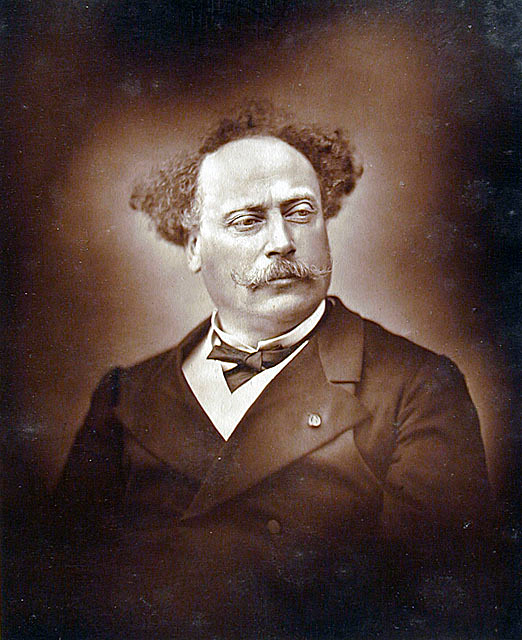
Alexandre
Dumas, fils
Dịch giả: Hải Nguyên
---
Tiếng Pháp:
La Dame aux Camilias
par Alexandre Dumas, fils
---
Tiếng Anh:
Camille
by Alexandre Dumas, fils - Translator: Sir Edmond Gosse (from
French to English) - The Project Gutenberg eBook of Camille
Chương 25
Acmân,
mệt mỏi với câu chuyện dài bị ngắt đoạn bởi những giọt lệ, đặt hai bàn tay lên
trán và nhắm mắt lại. Có thể là để suy nghĩ, có thể là cố gắng để ngủ, sau khi
đã đưa tôi những trang nhật ký do chính tay Macgơrit viết.
Vài
giây phút sau, nhịp thở trở nên hơi nhanh hơn chứng tỏ Acmân đã ngủ. Nhưng là một
giấc ngủ mơ màng, bất cứ một tiếng động nhỏ nào cũng có thể đánh thức được.
Đây,
những gì tôi đọc, và tôi chép lại, không thêm không bớt chữ nào.
«Hôm
nay, 15 tháng mười Hai. Em ốm từ ba bốn ngày rồi. Sáng nay, em vẫn nằm tại giường.
Thời tiết u ám, em buồn bã. Không có một người nào bên cạnh em cả. Em tưởng nhớ
đến anh, anh Acmân ơi. Anh ở đâu, lúc em viết những dòng này? Cách xa Paris, rất
xa, người ta bảo thế, và có thể anh đã quên em Macgơrit rồi. Mong anh được sung
sướng. Anh, con người đã cho em những giây phút sung sướng nhất trong đời em.
Em
không thể cưỡng lại ý muốn giải thích cho anh biết về thái độ của em, và em đã
viết cho anh một lá thư. Nhưng một bức thư như thế, viết bởi một người con gái
như em, có thể bị xem là giả dối, trừ phi cái chết sẽ biến nó trở thành thiêng
liêng, và đáng lẽ chỉ là một lá thư, thì nó lại là một lời xưng tội.
Hôm
nay, em bị bệnh. Em có thể chết do căn bệnh này. Bởi vì em luôn luôn linh cảm rằng
mình sẽ chết trẻ. Mẹ em đã chết vì bệnh phổi. Và cái lối mà em đã sống cho đến
ngày nay, chỉ có thể làm bệnh tình của em – tài sản duy nhất mẹ em để lại –
ngày thêm nặng hơn. Nhưng em không muốn chết mà không cho anh biết rõ những gì
anh còn muốn biết, để khi anh trở về, anh giảm được sự băn khoăn, nếu anh thực
sự băn khoăn về người con gái khốn khổ mà anh đã được yêu thương trước khi ra
đi.
Đây,
nội dung bức thư đó, mà em sung sướng chép lại, để tự cho em một bằng chứng mới
về sự biện giải của em.
«Anh
còn nhớ không, anh Acmân, cái tin cha anh đến đã làm chúng ta lo lắng ở
Bugival. Hẳn anh còn nhớ, nỗi khiếp sợ ngoài ý muốn mà cái tin đó đã gây nên
nơi em, cái cảnh tượng đã xảy ra giữa anh và cha anh, anh đã kể cho em nghe chiều
ngày đó. Ngày hôm sau, trong khi anh đến Paris và đợi cha anh về, một người đến
nhà em, và đưa cho em một lá thư của ông Đuyvan.
Cái
thư đó, em kèm với thư này, bằng những lời lẽ khẩn thiết, yêu cầu em ngày hôm
sau lấy một cớ nào đó để xa anh và tiếp cha anh. Ông muốn nói chuyện với em và
nhất là dặn dò em đừng cho anh biết gì cả về việc làm này của ông.
Anh
còn nhớ lúc anh về, em đã tha thiết khuyên anh phải trở lại Paris ngày hôm sau
như thế nào.
Anh
phải đi được một giờ thì cha anh đến. Em không kể lại ở đây những ấn tượng mà
gương mặt nghiêm khắc của ông đã để lại trong tâm trí em. Cha anh nhiễm đầy những
lý thuyết cổ hủ, đã cho rằng bất cứ người kỹ nữ nào cũng là một con vật, không
tâm hồn, không lý trí, một thứ cạm bẫy để hốt vàng, một cái máy bằng sắt luôn
luôn sẵn sàng chiến nghiền nát cái bàn tay đưa đến cho nó một vật gì, xâu xé
không thương hại, không cần biết đến người cho nó sống và hành động.
Cha
anh đã viết cho em một lá thứ đứng đắn, để em có thể đồng ý tiếp ông. Ông đã đến
và hành động hoàn toàn không giống như ông viết. Ông có thái độ bề trên, không
cần lịch sự, và cả thái độ doạ nạt nữa, trong những câu nói đầu tiên. Em buộc
lòng phải cho ông hiểu là ông đang ở nhà em, và nếu phải tiếp chuyện, trả lời
ông về cuộc đời em, thì đó chỉ là vì tình yêu chân thành của em đối với con
ông.
Ông
Đuyvan dịu lại một chút. Tuy nhiên, ông bắt đầu cho em biết, ông không thể nào
chịu đựng lâu hơn nữa để nhìn thấy con ông phải phá sản vì em, rằng em đẹp,
đúng vậy, nhưng em có đẹp đến thế nào đi nữa, em cũng không nên dùng sắc đẹp để
làm hỏng mất tương lai của một thanh niên do lối sống hoang phí vô độ của em.
«Đối
với sự việc như thế, chỉ có một cách để trả lời, có phải không anh? Đó là đưa
những bằng chứng, từ khi trở thành tình nhân của anh, em không hề đòi hỏi điều
gì vượt trên khả năng của anh, cũng không đòi hỏi một sự hy sinh nào ở anh. Em
đưa ra những biên nhận cầm đồ; những biên lai bán các thứ không đem cầm được.
Em cho cha anh biết, em đã quyết định bán hết đồ đạc trong nhà để trả các món nợ
của em, và để sống với anh mà không trở thành một gánh nặng cho anh. Em kể cho
cha nghe về hạnh phúc của chúng ta, về niềm hy vọng mà anh đã nói cho em ở một
cuộc đời yên ổn và sung sướng hơn. Cuối cùng, cha anh đã thấy được sự thật, đưa
tay bắt tay em, xin lỗi về thái độ của ông lúc mới đến.
Rồi
cha anh nói với em:
–
Thế thì, thưa bà, không phải bằng những lời chỉ trích và doạ dẫm, mà bằng những
lời van xin, tôi yêu cầu bà chấp nhận cho một sự hy sinh lớn hơn tất cả những
hy sinh mà bà đã chịu với con tôi.
Em
run lên trước đoạn vào đề đó.
Cha
anh tiến lại gần em, cầm lấy hai bàn tay em và nói tiếp với một giọng êm dịu:
–
Con ạ, không nên nghĩ xấu về những gì cha sẽ nói. Chỉ nên hiểu rằng cuộc sống,
đôi khi có những đòi hỏi rất tàn nhẫn đối với trái tim, nhưng ta phải bằng lòng
chấp nhận. Con là một con người tốt, tâm hồn cao quý hơn hẳn những người đàn bà
khác. Những người đàn bà khác có thể khinh bỉ con, nhưng họ không thể bằng con.
Nhưng con nên nhớ rằng, bên cạnh người tình, còn có gia đình. Ngoài tình yêu
còn có những bổn phận. Tiếp theo cái tuổi của những đam mê là cái tuổi mà con
người, để được kính trọng, cần được củng cố trong một địa vị nghiêm chỉnh. Con
trai của cha không có tài sản, thế mà nó sẵn sàng nhượng lại cho con toàn bộ
gia tài của mẹ nó để lại. Nếu nó chấp nhận sự hy sinh mà con sẵn sàng làm cho
nó, thì vì danh dự và nhân cách, nó phải đổi lại bằng sự nhân nhượng kia, để
con khỏi phải lo sợ về một sự bất trắc nào sau này. Nhưng sự hy sinh đó, nó
không thể chấp nhận được. Bởi vì, thiên hạ không hiểu con, sẽ có sự chấp nhận
kia bắt nguồn từ một nguyên nhân không chính đáng và như thế sẽ xúc phạm đến
danh dự dòng họ chúng tôi. Người ta không cần biết Acmân đã yêu con, hay con đã
yêu Acmân, không cần biết cái tình yêu hai chiều đó là một hạnh phúc cho Acmân
hay một sự hoàn lương cho con. Người ta chỉ thấy một điều là, Acmân đã chấp nhận
để cho một cô gái giang hồ – cha xin lỗi con vì những lời cha buộc lòng phải
nói – bán những gì nàng có thể nuôi anh ta. Rồi cái ngày các con nuối tiếc và hối
hận sẽ đến, hãy tin chắc thế, và các con, cả hai sẽ bị cột bởi một cái xích mà
các con sẽ không thể bẻ gãy được. Các con sẽ làm gì? Tuổi trẻ của các con đã mất
đi. Tương lai của con trai cha bị phá huỷ. Và cha, cha của nó, sẽ chỉ nhận được
sự báo đáp của một đứa con, trong lúc cha hy vọng và chờ đợi ở cả hai đứa.
Con
còn trẻ, con xinh đẹp, cuộc đời sẽ an ủi con. Con cao quý và kỷ niệm của một
hành động tốt đẹp sẽ chuộc lại cho con rất nhiều lỗi lầm trong quá khứ. Sáu
tháng nay, từ khi Acmân quen biết con, nó đã quên mất cha. Cha viết thư cho nó
bốn lần. Nhưng nó không nghĩ đến chuyện trả lời cho cha lấy một lần. Nếu cha có
chết đi, hẳn nó cũng không biết đến.
Dù
con quyết định con sẽ sống khác cuộc đời ngày trước thế nào đi nữa, Acmân nó
yêu thương con, nó sẽ không chấp nhận được một hoàn cảnh mà trong đó vị trí
khiêm tốn của nó sẽ làm cho con đau khổ và không xứng đáng với nhan sắc của
con. Ai mà biết được nó sẽ làm gì? Nó đã đánh bạc, cha biết điều đó. Nó không
nói lại với con, cha cũng biết điều đó. Nhưng trong một giây phút say sưa, nó
có thể làm hao hụt đi một phần tiền của mà cha đã phải nhiều năm dành dụm để
làm của hồi môn cho con gái cha, cho chính nó và cho sự đảm bảo những ngày già
yếu của cha. Cái điều đã xảy ra trước đây, sau này có thể xảy ra nữa.
Con
tin chắc rằng cuộc sống mà con rời bỏ vì con trai cha sẽ không lôi cuốn con trở
lại lần nữa không? Con có chắc rằng, yêu con trai cha, con sẽ không còn yêu
thương một kẻ nào khác nữa không? Cuối cùng con có đau lòng không, nếu mối tình
của con gây ra những trở ngại trên đường tiến thân của người con yêu mà con
không thể an ủi được, nếu một mai cùng với tuổi tác, lòng ham mê danh vọng sẽ đến
nối tiếp cho những mộng mơ của tình yêu? Con hãy nghĩ cho kỹ, con ạ. Yêu thương
Acmân, con hãy chứng tỏ cho nó thấy là với cái phương tiện độc nhất mà con còn
có được để chứng tỏ: hy sinh mối tình của con vì tương lai của nó. Chưa một tai
hoạ nào xảy ra cả, nhưng nó sẽ đến, và có thể còn trầm trọng hơn những tai hoạ
mà cha tiên đoán. Acmân có thể sẽ ghen với người đàn ông nào đó yêu con. Nó có
thể khiêu khích đánh nhau với người kia. Cuối cùng, nó có thể bị giết. Con hãy
nghĩ, con sẽ đau khổ đến thế nào, khi lúc ấy, người cha này đến hỏi con về
trách nhiệm của con đối với cuộc đời con trai ông ta.
Cuối
cùng, con ơi, phải hiểu tất cả, bởi vì cha không nói hết được. Phải hiểu cái gì
đã đưa cha đến Paris. Cha có một đứa con gái, như cha vừa nói với con, trẻ, đẹp,
trong sáng như một thiên thần. Con gái cha đang yêu và nó cũng xem tình yêu là
một giấc mơ lớn của cuộc đời nó. Cha đã viết tất cả cho Acmân biết. Nhưng vì
quá bận rộn với con, nó đã không trả lời cha. Con nghe đây, con gái cha sẽ lấy
chồng. Nó kết hôn với người đàn ông nó yêu. Nó sắp bước vào một gia đình danh
giá. Gia đình này mong muốn gia đình cha cũng phải danh giá như thế. Nhưng họ
đã biết Acmân sống ở Paris như thế nào và tuyên bố sẽ rút lui lời cam kết, nếu
Acmân tiếp tục cuộc sống đó. Tương lai của một người con gái không làm gì đụng
chạm đến con và có quyền tin tưởng ở tương lai, hiện đang nằm trong bàn tay
con.
Con
thấy con có đủ quền lực và bẻ mạnh được cái tương lai đó không? Macgơrit ơi!
Nhân danh tình yêu và sự hối hận của con, cha xin con ban cho cha cái hạnh phúc
của con gái cha.
Anh
Đuyvan ơi, trước kia em đã bao lần khóc khi nghĩ đến những điều ấy. Và giờ đây,
từ miệng của cha anh, chúng trở thành một sự thật khắc nghiệt. Em không cho anh
biết những gì mà cha anh không dám nói với em, những điều này đã hai mươi lần đến
trên môi cha anh: rằng dù thế nào, em cũng chỉ là một cô gái giang hồ, và em có
đưa ra sự biện hộ nào cho sự dan díu của chúng ta, thì lý do luôn luôn có vẻ
như một sự tính toán. Quá khứ của em không có quyền cho em mơ ước một tương lai
như thế. Em đã nhận lấy những trách nhiệm mà những thói quen và danh dự của em
không đảm bảo được. Cuối cùng, em yêu anh, anh Acmân ơi! Cách đối xử như một
người cha mà ông Đuyvan đã tỏ ra lúc nói chuyện với em, những tình cảm trong trắng
mà ông đã gợi nên cho em, sự quý mến mà em đã thu phục được của ông già trung
thực đó và cả sự quý mến của anh mà em tin chắc sau này, tất cả những điều đó
đánh thức trong tâm hồn em những tư tưởng cao quý, như nâng em lên trước chính
mắt em và khiến em nghĩ đến những điều thánh thiện em chưa từng biết bao giờ.
Khi em nghĩ, một ngày kia ông già đó, người đã van nài em vì tương lai của con
trai ông ta, sẽ nói với con gái ông ta đưa tên em vào những lời cầu nguyện của
nàng như tên một người bạn gái bí ẩn, em như biến đổi hình và em vô cùng tự hào
về em.
Sự
hào hứng trong giây lát có thể đã phóng đại những ấn tượng đó. Nhưng anh yêu dấu,
đó là những gì em đã cảm thấy và những tình cảm mới mẻ này đã làm câm lặng bao
lời quyến rũ của kỷ niệm những ngày hạnh phúc bên anh.
–
Thưa ông, đúng thế – em vừa nói với cha anh vừa lau nước mắt – ông có tin rằng
tôi yêu con trai ông?
–
Vâng – Ông Đuyvan trả lời.
–
Với một tình yêu không vụ lợi?
–
Vâng.
–
Ông có tin rằng tôi xem tình yêu ấy như nỗi hy vọng, niềm mơ ước và sự khoan hồng
đối với cuộc đời cũ của tôi?
–
Chắc chắn là thế.
–
Thế thì, thưa ông, ông hãy hôn tôi một lần, như hôn người con gái của ông. Tôi
xin thề với ông rằng cái hôn duy nhất trong sạch mà tôi nhận được này sẽ giúp
thêm sức mạnh để tôi chống lại tình yêu của tôi. Trong vòng tám ngày nữa, con
trai ông sẽ trở về ông, có lẽ anh ấy sẽ đau khổ một thời gian, nhưng sẽ yên
lành mãi mãi.
–
Con là người con gái cao quý – cha anh nói và hôn em nơi trán – Con đã làm một
điều mà Thượng đế sẽ ghi nhớ. Nhưng cha sợ con sẽ không được con trai cha chấp
nhận.
–
Ồ, thưa ông, xin ông an tâm. Anh ấy sẽ thù ghét tôi. Giữa chúng tôi sẽ có một bức
tường ngăn cách, mà anh ấy cũng như tôi không thể vượt qua được.
Em
viết thư cho Pruđăng rằng em chấp nhận những đề nghị của ông bá tước N. . . và
nhờ chị ta đến báo với ông bá tước, em sẽ cùng đi ăn tối với chị và với ông ta.
Em
dán thư lại, không cho ông biết nội dung. Em yêu cầu cha anh, lúc trở về Paris,
đem dùm lá thư đến địa chỉ đã ghi.
Cha
anh hỏi em viết gì trong ấy.
”
Đó là hạnh phúc của con trai ông “, em trả lời.
Cha
anh hôn em một lần cuối. Em cảm thấy trên trán em hai giọt lệ biết ơn, như những
giọt nước thánh rửa tội cho những lỗi lầm của em ngày trước và giây phút mà em
bằng lòng chấp nhận một người đàn ông khác, em đã sung sướng kiêu hãnh nghĩ đến
điều mà em sẽ chuộc tội được, với cái lỗi lầm mới này.
Cũng
tự nhiên thôi, Acmân. Anh đã từng nói cho em biết, cha anh là người đàn ông
trung thực nhất mà người ta có thể gặp.
Ông
Đuyvan lên xe và ra đi.
Dù
sao em vẫn là đàn bà. Khi thấy anh trở về, em không thể không khóc được, nhưng
em không hề mềm yếu đi.
Em
làm như thế, có đúng không? Đó là điều mà ngày hôm nay em tự hỏi, khi em nằm
trên giường bệnh và có lẽ em chỉ dời cái giường này khi em đã chết rồi.
Anh
đã chứng kiến nỗi xúc động của em, khi giờ chia cách không thể tránh được giữa
chúng ta cứ đến dần. Cha anh không có ở đó, để có thể nâng đỡ em, và có lúc em
gần như muốn thú nhận tất cả với anh, bởi vì em quá hãi hùng khi nghĩ rằng anh
sẽ thù ghét và khinh bỉ em.
Có
một điều có thể anh không tin được, anh Acmân: em đã cầu xin Chúa ban cho em có
đủ sức lực. Nếu Chúa ban cho em sức lực như em cầu xin, thì điều đó chứng tỏ
Chúa chấp nhận sự hy sinh của em. Vào bữa ăn cuối cùng, em vẫn còn cần sự giúp
đỡ, bởi vì em không biết em sẽ làm gì, em sợ không đủ can đảm. Ai có thể ngờ rằng
em Macgơrit Gôchiê, đã đau khổ đến như thế chỉ riêng với ý nghĩ sẽ có một tình
nhân mới.
Em
đã uống rượu để quên, và ngày hôm sau, khi tỉnh giấc, em đã nằm trong giường gã
bá tước.
Đó
là tất cả sự thật, anh yêu quý. Hãy phán xét và hãy tha thứ cho em; như em đã
tha thứ cho anh tất cả những đau khổ anh đã gây ra cho em kể từ ngày đó.
➖➖➖
Phần tiếng Pháp
La
Dame aux Camilias par Alexandre Dumas, fils
---
Chapitre XXV
Armand,
fatigué de ce long récit souvent interrompu par ses larmes, posa ses deux mains
sur son front et ferma les yeux, soit pour penser, soit pour essayer de dormir,
après m'avoir donné les pages écrites de la main de Marguerite.
Quelques
instants après, une respiration un peu plus rapide me prouvait qu'Armand
dormait, mais de ce sommeil léger que le moindre bruit fait envoler.
Voici
ce que je lus, et que je transcris sans ajouter ni retrancher aucune syllabe:
«C'est
aujourd'hui le 15 décembre. Je suis souffrante depuis trois ou quatre jours. Ce
matin j'ai pris le lit; le temps est sombre, je suis triste; personne n'est
auprès de moi, je pense à vous, Armand. Et vous, où êtes-vous à l'heure où
j'écris ces lignes? Loin de Paris, bien loin, m'a-t-on dit, et peut-être
avez-vous déjà oublié Marguerite. Enfin, soyez heureux, vous à qui je dois les
seuls moments de joie de ma vie.
«Je
n'avais pu résister au désir de vous donner l'explication de ma conduite, et je
vous avais écrit une lettre; mais écrite par une fille comme moi, une pareille
lettre peut être regardée comme un mensonge, à moins que la mort ne la
sanctifie de son autorité, et qu'au lieu d'être une lettre, elle ne soit une
confession.
«Aujourd'hui,
je suis malade; je puis mourir de cette maladie, car j'ai toujours eu le
pressentiment que je mourrais jeune. Ma mère est morte de la poitrine, et la
façon dont j'ai vécu jusqu'à présent n'a pu qu'empirer cette affection, le seul
héritage qu'elle m'ait laissé; mais je ne veux pas mourir sans que vous sachiez
bien à quoi vous en tenir sur moi, si toutefois, lorsque vous reviendrez, vous
vous inquiétez encore de la pauvre fille que vous aimiez avant de partir.
«Voici
ce que contenait cette lettre, que je serai heureuse de récrire, pour me donner
une nouvelle preuve de ma justification: vous vous rappelez, Armand, comment
l'arrivée de votre père nous surprit à Bougival; vous vous souvenez de la
terreur involontaire que cette arrivée me causa, de la scène qui eut lieu entre
vous et lui et que vous me racontâtes le soir.
«Le
lendemain, pendant que vous étiez à Paris et que vous attendiez votre père qui
ne rentrait pas, un homme se présentait chez moi, et me remettait une lettre de
M. Duval.
«Cette
lettre, que je joins à celle-ci, me priait, dans les termes les plus graves, de
vous éloigner le lendemain sous un prétexte quelconque et de recevoir votre
père; il avait à me parler et me recommandait surtout de ne vous rien dire de
sa démarche.
«Vous
savez avec quelle insistance je vous conseillai à votre retour d'aller de
nouveau à Paris le lendemain.
«Vous
étiez parti depuis une heure quand votre père se présenta. Je vous fais grâce
de l'impression que me causa son visage sévère. Votre père était imbu des
vieilles théories, qui veulent que toute courtisane soit un être sans cœur,
sans raison, une espèce de machine à prendre de l'or, toujours prête, comme les
machines de fer, à broyer la main qui lui tend quelque chose, et à déchirer
sans pitié, sans discernement celui qui la fait vivre et agir.
«Votre
père m'avait écrit une lettre très convenable pour que je consentisse à le
recevoir; il ne se présenta pas tout à fait comme il avait écrit. Il y eut
assez de hauteur, d'impertinence et même de menaces, dans ses premières
paroles, pour que je lui fisse comprendre que j'étais chez moi et que je
n'avais de compte à lui rendre de ma vie qu'à cause de la sincère affection que
j'avais pour son fils.
«M.
Duval se calma un peu, et se mit cependant à me dire qu'il ne pouvait souffrir
plus longtemps que son fils se ruinât pour moi; que j'étais belle, il est vrai,
mais que, si belle que je fusse, je ne devais pas me servir de ma beauté pour
perdre l'avenir d'un jeune homme par des dépenses comme celles que je faisais.
«À
cela, il n'y avait qu'une chose à répondre, n'est-ce pas? C'était de montrer
les preuves que depuis que j'étais votre maîtresse, aucun sacrifice ne m'avait
coûté pour vous rester fidèle sans vous demander plus d'argent que vous ne
pouviez en donner. Je montrai les reconnaissances du Mont-de-Piété, les reçus
des gens à qui j'avais vendu les objets que je n'avais pu engager, je fis part
à votre père de ma résolution de me défaire de mon mobilier pour payer mes
dettes, et pour vivre avec vous sans vous être une charge trop lourde. Je lui
racontai notre bonheur, la révélation que vous m'aviez donnée d'une vie plus tranquille
et plus heureuse, et il finit par se rendre à l'évidence, et me tendre la main,
en me demandant pardon de la façon dont il s'était présenté d'abord.
«Puis
il me dit:
«--Alors,
madame, ce n'est plus par des remontrances et des menaces, mais par des
prières, que j'essayerai d'obtenir de vous un sacrifice plus grand que tous
ceux que vous avez encore faits pour mon fils.
«Je
tremblai à ce préambule.
«Votre
père se rapprocha de moi, me prit les deux mains et continua d'un ton
affectueux:»
«--Mon
enfant, ne prenez pas en mauvaise part ce que je vais vous dire; comprenez
seulement que la vie a parfois des nécessités cruelles pour le cœur, mais qu'il
faut s'y soumettre. Vous êtes bonne, et votre âme a des générosités inconnues à
bien des femmes qui peut-être vous méprisent et ne vous valent pas. Mais songez
qu'à côté de la maîtresse, il y a la famille; qu'outre l'amour, il y a les
devoirs; qu'à l'âge des passions succède l'âge où l'homme, pour être respecté,
a besoin d'être solidement assis dans une position sérieuse. Mon fils n'a pas
de fortune, et cependant il est prêt à vous abandonner l'héritage de sa mère.
S'il acceptait de vous le sacrifice que vous êtes sur le point de faire, il serait
de son honneur et de sa dignité de vous faire en échange cet abandon qui vous
mettrait toujours à l'abri d'une adversité complète. Mais ce sacrifice, il ne
peut l'accepter, parce que le monde, qui ne vous connaît pas, donnerait à ce
consentement une cause déloyale qui ne doit pas atteindre le nom que nous portons.
On ne regarderait pas si Armand vous aime, si vous l'aimez, si ce double amour
est un bonheur pour lui et une réhabilitation pour vous; on ne verrait qu'une
chose, c'est qu'Armand Duval a souffert qu'une fille entretenue--pardonnez-moi,
mon enfant, tout ce que je suis forcé de vous dire--vendît pour lui ce qu'elle
possédait. Puis le jour des reproches et des regrets arriverait, soyez-en sûre,
pour vous comme pour les autres, et vous porteriez tous deux une chaîne que
vous ne pourriez briser. Que feriez-vous alors? Votre jeunesse serait perdue,
l'avenir de mon fils serait détruit; et moi, son père, je n'aurais que de l'un
de mes enfants la récompense que j'attends des deux.
«Vous
êtes jeune, vous êtes belle, la vie vous consolera; vous êtes noble, et le
souvenir d'une bonne action rachètera pour vous bien des choses passées. Depuis
six mois qu'il vous connaît, Armand m'oublie. Quatre fois je lui ai écrit sans
qu'il songeât une fois à me répondre. J'aurais pu mourir sans qu'il le sût!
«Quelle
que soit votre résolution de vivre autrement que vous n'avez vécu, Armand qui
vous aime ne consentira pas à la réclusion à laquelle sa modeste position vous
condamnerait, et qui n'est pas faite pour votre beauté. Qui sait ce qu'il
ferait alors! Il a joué, je l'ai su; sans vous en rien dire, je le sais encore;
mais, dans un moment d'ivresse, il eût pu perdre une partie de ce que j'amasse,
depuis bien des années, pour la dot de ma fille, pour lui, et pour la
tranquillité de mes vieux jours. Ce qui eût pu arriver peut arriver encore.
«Êtes-vous
sûre, en outre, que la vie que vous quitteriez pour lui ne vous attirerait pas
de nouveau? Êtes-vous sûre, vous qui l'avez aimé, de n'en point aimer un autre?
Ne souffrirez-vous pas enfin des entraves que votre liaison mettra dans la vie
de votre amant, et dont vous ne pourrez peut-être pas le consoler, si, avec
l'âge, des idées d'ambition succèdent à des rêves d'amour? Réfléchissez à tout
cela, madame: vous aimez Armand, prouvez-le-lui par le seul moyen qui vous
reste de le lui prouver encore: en faisant à son avenir le sacrifice de votre
amour. Aucun malheur n'est encore arrivé, mais il en arriverait, et peut-être de
plus grands que ceux que je prévois. Armand peut devenir jaloux d'un homme qui
vous a aimée; il peut le provoquer, il peut se battre, il peut être tué enfin,
et songez à ce que vous souffririez devant ce père qui vous demanderait compte
de la vie de son fils.
«Enfin,
mon enfant, sachez tout, car je ne vous ai pas tout dit, sachez donc ce qui
m'amenait à Paris. J'ai une fille, je viens de vous le dire, jeune, belle, pure
comme un ange. Elle aime, et elle aussi elle a fait de cet amour le rêve de sa
vie. J'avais écrit tout cela à Armand, mais tout occupé de vous, il ne m'a pas
répondu. Eh bien, ma fille va se marier. Elle épouse l'homme qu'elle aime, elle
entre dans une famille honorable qui veut que tout soit honorable dans la
mienne. La famille de l'homme qui doit devenir mon gendre a appris comment
Armand vit à Paris, et m'a déclaré reprendre sa parole si Armand continue cette
vie. L'avenir d'une enfant qui ne vous a rien fait, et qui a le droit de compter
sur l'avenir, est entre vos mains.
«Avez-vous
le droit et vous sentez-vous la force de le briser? Au nom de votre amour et de
votre repentir, Marguerite, accordez-moi le bonheur de ma fille.
«Je
pleurais silencieusement, mon ami, devant toutes ces réflexions que j'avais
faites bien souvent, et qui, dans la bouche de votre père, acquéraient encore
une plus sérieuse réalité. Je me disais tout ce que votre père n'osait pas me
dire, et ce qui vingt fois lui était venu sur les lèvres: que je n'étais après
tout qu'une fille entretenue, et que quelque raison que je donnasse à notre
liaison, elle aurait toujours l'air d'un calcul; que ma vie passée ne me
laissait aucun droit de rêver un pareil avenir, et que j'acceptais des
responsabilités auxquelles mes habitudes et ma réputation ne donnaient aucune
garantie. Enfin, je vous aimais, Armand. La manière paternelle dont me parlait
M. Duval, les chastes sentiments qu'il évoquait en moi, l'estime de ce
vieillard loyal que j'allais conquérir, la vôtre que j'étais sûre d'avoir plus
tard, tout cela éveillait en mon cœur de nobles pensées qui me relevaient à mes
propres yeux, et faisaient parler de saintes vanités, inconnues jusqu'alors.
Quand je songeais qu'un jour ce vieillard, qui m'implorait pour l'avenir de son
fils, dirait à sa fille de mêler mon nom à ses prières, comme le nom d'une
mystérieuse amie, je me transformais et j'étais fière de moi.
«L'exaltation
du moment exagérait peut-être la vérité de ces impressions; mais voilà ce que
j'éprouvais, ami, et ces sentiments nouveaux faisaient taire les conseils que
me donnait le souvenir des jours heureux passés avec vous.»
«--C'est
bien, monsieur, dis-je à votre père en essuyant mes larmes. Croyez-vous que
j'aime votre fils?
«--Oui,
me dit M. Duval.
«--D'un
amour désintéressé?
«--Oui.
«--Croyez-vous
que j'avais fait de cet amour l'espoir, le rêve et le pardon de ma vie?
«--Fermement.
«--Eh
bien, monsieur, embrassez-moi une fois comme vous embrasseriez votre fille, et
je vous jure que ce baiser, le seul vraiment chaste que j'aie reçu, me fera
forte contre mon amour, et qu'avant huit jours votre fils sera retourné auprès
de vous, peut-être malheureux pour quelque temps, mais guéri pour jamais.
«--Vous
êtes une noble fille, répliqua votre père en m'embrassant sur le front, et vous
tentez une chose dont Dieu vous tiendra compte; mais je crains bien que vous
n'obteniez rien de mon fils.
«--Oh!
soyez tranquille, monsieur, il me haïra.
«Il
fallait entre nous une barrière infranchissable, pour l'un comme pour l'autre.
«J'écrivis
à Prudence que j'acceptais les propositions de M. le comte de N..., et qu'elle
allât lui dire que je souperais avec elle et lui.
«Je
cachetai la lettre, et sans lui dire ce qu'elle renfermait, je priai votre père
de la faire remettre à son adresse en arrivant à Paris.
«Il
me demanda néanmoins ce qu'elle contenait.
«--C'est
le bonheur de votre fils, lui répondis-je.
«Votre
père m'embrassa une dernière fois. Je sentis sur mon front deux larmes de
reconnaissance qui furent comme le baptême de mes fautes d'autrefois, et au
moment où je venais de consentir à me livrer à un autre homme, je rayonnai
d'orgueil en songeant à ce que je rachetais par cette nouvelle faute.
«C'était
bien naturel, Armand; vous m'aviez dit que votre père était le plus honnête
homme que l'on pût rencontrer.
«M.
Duval remonta en voiture et partit.
«Cependant
j'étais femme, et quand je vous revis, je ne pus m'empêcher de pleurer, mais je
ne faiblis pas.
«Ai-je
bien fait? Voilà ce que je me demande aujourd'hui que j'entre malade dans un
lit que je ne quitterai peut-être que morte.
«Vous
avez été témoin de ce que j'éprouvais à mesure que l'heure de notre inévitable
séparation approchait; votre père n'était plus là pour me soutenir, et il y eut
un moment où je fus bien près de tout vous avouer, tant j'étais épouvantée de
l'idée que vous alliez me haïr et me mépriser.
«Une
chose que vous ne croirez peut-être pas, Armand, c'est que je priai Dieu de me
donner de la force, et ce qui prouve qu'il acceptait mon sacrifice, c'est qu'il
me donna cette force que j'implorais.
«À
ce souper, j'eus besoin d'aide encore, car je ne voulais pas savoir ce que
j'allais faire, tant je craignais que le courage ne me manquât!
«Qui
m'eût dit, à moi, Marguerite Gautier, que je souffrirais tant à la seule pensée
d'un nouvel amant?
«Je
bus pour oublier, et quand je me réveillai le lendemain, j'étais dans le lit du
comte.
«Voilà
la vérité tout entière, ami, jugez et pardonnez-moi, comme je vous ai pardonné
tout le mal que vous m'avez fait depuis ce jour.»
➖➖➖
Phần tiếng Anh
Camille
by Alexandre Dumas, fils - Translator: Sir Edmond Gosse (from
French to English) - The Project Gutenberg eBook of Camille
---
Chapter XXV
Armand,
tired by this long narrative, often interrupted by his tears, put his two hands
over his forehead and closed his eyes to think, or to try to sleep, after
giving me the pages written by the hand of Marguerite. A few minutes after, a
more rapid breathing told me that Armand slept, but that light sleep which the
least sound banishes.
This
is what I read; I copy it without adding or omitting a syllable:
To-day
is the 15th December. I have been ill three or four days. This morning I stayed
in bed. The weather is dark, I am sad; there is no one by me. I think of you,
Armand. And you, where are you, while I write these lines? Far from Paris, far,
far, they tell me, and perhaps you have already forgotten Marguerite. Well, be
happy; I owe you the only happy moments in my life.
I
can not help wanting to explain all my conduct to you, and I have written you a
letter; but, written by a girl like me, such a letter might seem to be a lie,
unless death had sanctified it by its authority, and, instead of a letter, it
were a confession.
To-day
I am ill; I may die of this illness, for I have always had the presentiment
that I shall die young. My mother died of consumption, and the way I have
always lived could but increase the only heritage she ever left me. But I do
not want to die without clearing up for you everything about me; that is, if,
when you come back, you will still trouble yourself about the poor girl whom
you loved before you went away.
This
is what the letter contained; I shall like writing it over again, so as to give
myself another proof of my own justification.
You
remember, Armand, how the arrival of your father surprised us at Bougival; you
remember the involuntary fright that his arrival caused me, and the scene which
took place between you and him, which you told me of in the evening.
Next
day, when you were at Paris, waiting for your father, and he did not return, a
man came to the door and handed in a letter from M. Duval.
His
letter, which I inclose with this, begged me, in the most serious terms, to
keep you away on the following day, on some excuse or other, and to see your
father, who wished to speak to me, and asked me particularly not to say
anything to you about it.
You
know how I insisted on your returning to Paris next day.
You
had only been gone an hour when your father presented himself. I won’t say what
impression his severe face made upon me. Your father had the old theory that a
courtesan is a being without heart or reason, a sort of machine for coining
gold, always ready, like the machine, to bruise the hand that gives her
everything, and to tear in pieces, without pity or discernment, those who set
her in motion.
Your
father had written me a very polite letter, in order that I might consent to
see him; he did not present himself quite as he had written. His manner at
first was so stiff, insolent, and even threatening, that I had to make him
understand that I was in my own house, and that I had no need to render him an
account of my life, except because of the sincere affection which I had for his
son.
M.
Duval calmed down a little, but still went on to say that he could not any
longer allow his son to ruin himself over me; that I was beautiful, it was
true, but, however beautiful I might be, I ought not to make use of my beauty
to spoil the future of a young man by such expenditure as I was causing.
At
that there was only one thing to do, to show him the proof that since I was
your mistress I had spared no sacrifice to be faithful to you without asking
for more money than you had to give me. I showed him the pawn tickets, the
receipts of the people to whom I had sold what I could not pawn; I told him of
my resolve to part with my furniture in order to pay my debts, and live with
you without being a too heavy expense. I told him of our happiness, of how you
had shown me the possibility of a quieter and happier life, and he ended by
giving in to the evidence, offering me his hand, and asking pardon for the way
in which he had at first approached me.
Then
he said to me:
“So,
madame, it is not by remonstrances or by threats, but by entreaties, that I
must endeavour to obtain from you a greater sacrifice than you have yet made
for my son.”
I
trembled at this beginning.
Your
father came over to me, took both my hands, and continued in an affectionate
voice:
“My
child, do not take what I have to say to you amiss; only remember that there
are sometimes in life cruel necessities for the heart, but that they must be
submitted to. You are good, your soul has generosity unknown to many women who
perhaps despise you, and are less worthy than you. But remember that there is
not only the mistress, but the family; that besides love there are duties; that
to the age of passion succeeds the age when man, if he is to be respected, must
plant himself solidly in a serious position. My son has no fortune, and yet he
is ready to abandon to you the legacy of his mother. If he accepted from you
the sacrifice which you are on the point of making, his honour and dignity
would require him to give you, in exchange for it, this income, which would
always put you out of danger of adversity. But he can not accept this
sacrifice, because the world, which does not know you, would give a wrong
interpretation to this acceptance, and such an interpretation must not tarnish
the name which we bear. No one would consider whether Armand loves you, whether
you love him, whether this mutual love means happiness to him and redemption to
you; they would see only one thing, that Armand Duval allowed a kept woman
(forgive me, my child, for what I am forced to say to you) to sell all she had
for him. Then the day of reproaches and regrets would arrive, be sure, for you
or for others, and you would both bear a chain that you could not sever. What
would you do then? Your youth would be lost, my son’s future destroyed; and I,
his father, should receive from only one of my children the recompense that I
look for from both.
“You
are young, beautiful, life will console you; you are noble, and the memory of a
good deed will redeem you from many past deeds. During the six months that he
has known you Armand has forgotten me. I wrote to him four times, and he has
never once replied. I might have died and he not known it!
“Whatever
may be your resolution of living otherwise than as you have lived, Armand, who
loves you, will never consent to the seclusion to which his modest fortune
would condemn you, and to which your beauty does not entitle you. Who knows
what he would do then! He has gambled, I know; without telling you of it, I
know also, but, in a moment of madness, he might have lost part of what I have
saved, during many years, for my daughter’s portion, for him, and for the
repose of my old age. What might have happened may yet happen.
“Are
you sure, besides, that the life which you are giving up for him will never
again come to attract you? Are you sure, you who have loved him, that you will
never love another? Would you not suffer on seeing the hindrances set by your
love to your lover’s life, hindrances for which you would be powerless to
console him, if, with age, thoughts of ambition should succeed to dreams of
love? Think over all that, madame. You love Armand; prove it to him by the sole
means which remains to you of yet proving it to him, by sacrificing your love
to his future. No misfortune has yet arrived, but one will arrive, and perhaps
a greater one than those which I foresee. Armand might become jealous of a man
who has loved you; he might provoke him, fight, be killed. Think, then, what
you would suffer in the presence of a father who should call on you to render
an account for the life of his son!
“Finally,
my dear child, let me tell you all, for I have not yet told you all, let me
tell you what has brought me to Paris. I have a daughter, as I have told you,
young, beautiful, pure as an angel. She loves, and she, too, has made this love
the dream of her life. I wrote all that to Armand, but, absorbed in you, he
made no reply. Well, my daughter is about to marry. She is to marry the man
whom she loves; she enters an honourable family, which requires that mine has
to be no less honourable. The family of the man who is to become my son-in-law
has learned what manner of life Armand is leading in Paris, and has declared to
me that the marriage must be broken off if Armand continues this life. The
future of a child who has done nothing against you, and who has the right of
looking forward to a happy future, is in your hands. Have you the right, have
you the strength, to shatter it? In the name of your love and of your
repentance, Marguerite, grant me the happiness of my child.”
I
wept silently, my friend, at all these reflections which I had so often made,
and which, in the mouth of your father, took a yet more serious reality. I said
to myself all that your father dared not say to me, though it had come to his
lips twenty times: that I was, after all, only a kept woman, and that whatever
excuse I gave for our liaison, it would always look like calculation on my
part; that my past life left me no right to dream of such a future, and that I
was accepting responsibilities for which my habits and reputation were far from
giving any guarantee. In short, I loved you, Armand.
The
paternal way in which M. Duval had spoken to me; the pure memories that he
awakened in me; the respect of this old man, which I would gain; yours, which I
was sure of gaining later on: all that called up in my heart thoughts which
raised me in my own eyes with a sort of holy pride, unknown till then. When I
thought that one day this old man, who was now imploring me for the future of
his son, would bid his daughter mingle my name with her prayers, as the name of
a mysterious friend, I seemed to become transformed, and I felt a pride in
myself.
The
exaltation of the moment perhaps exaggerated the truth of these impressions,
but that was what I felt, friend, and these new feelings silenced the memory of
the happy days I had spent with you.
“Tell
me, sir,” I said to your father, wiping away my tears, “do you believe that I
love your son?”
“Yes,”
said M. Duval.
“With
a disinterested love?”
“Yes.”
“Do
you believe that I had made this love the hope, the dream, the forgiveness of
my life?”
“Implicitly.”
“Well,
sir, embrace me once, as you would embrace your daughter, and I swear to you
that that kiss, the only chaste kiss I have ever had, will make me strong
against my love, and that within a week your son will be once more at your
side, perhaps unhappy for a time, but cured forever.”
“You
are a noble child,” replied your father, kissing me on the forehead, “and you
are making an attempt for which God will reward you; but I greatly fear that
you will have no influence upon my son.”
“Oh,
be at rest, sir; he will hate me.”
I
had to set up between us, as much for me as for you, an insurmountable barrier.
I
wrote to Prudence to say that I accepted the proposition of the Comte de N.,
and that she was to tell him that I would sup with her and him. I sealed the
letter, and, without telling him what it contained, asked your father to have
it forwarded to its address on reaching Paris.
He
inquired of me what it contained.
“Your
son’s welfare,” I answered.
Your
father embraced me once more. I felt two grateful tears on my forehead, like
the baptism of my past faults, and at the moment when I consented to give
myself up to another man I glowed with pride at the thought of what I was
redeeming by this new fault.
It
was quite natural, Armand. You told me that your father was the most honest man
in the world.
M.
Duval returned to his carriage, and set out for Paris.
I
was only a woman, and when I saw you again I could not help weeping, but I did
not give way.
Did
I do right? That is what I ask myself to-day, as I lie ill in my bed, that I
shall never leave, perhaps, until I am dead.
You
are witness of what I felt as the hour of our separation approached; your
father was no longer there to support me, and there was a moment when I was on
the point of confessing everything to you, so terrified was I at the idea that
you were going to hate and despise me.
One
thing which you will not believe, perhaps, Armand, is that I prayed God to give
me strength; and what proves that he accepted my sacrifice is that he gave me
the strength for which I prayed.
At
supper I still had need of aid, for I could not think of what I was going to
do, so much did I fear that my courage would fail me. Who would ever have said
that I, Marguerite Gautier, would have suffered so at the mere thought of a new
lover? I drank for forgetfulness, and when I woke next day I was beside the
count.
That
is the whole truth, friend. Judge me and pardon me, as I have pardoned you for
all the wrong that you have done me since that day.
➖➖➖


Không có nhận xét nào:
Đăng nhận xét