2025-10-04
Trà
hoa nữ (23)
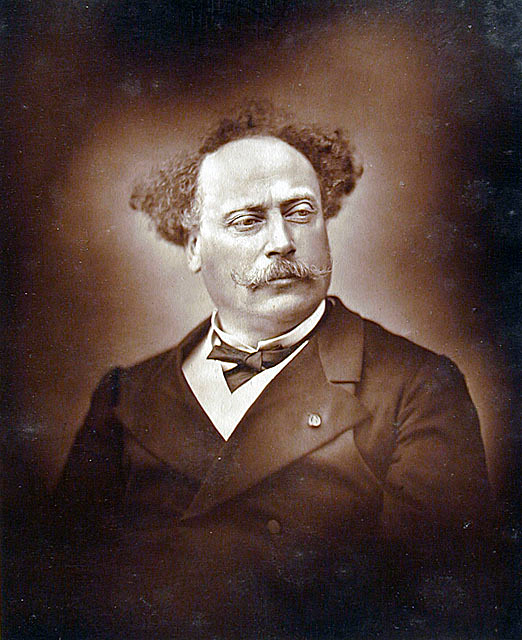
Alexandre
Dumas, fils
~
Dịch giả: Hải Nguyên
---
Tiếng Pháp:
La Dame aux Camilias
par Alexandre Dumas, fils
---
Tiếng Anh:
Camille by Alexandre Dumas, fils - Translator: Sir Edmond Gosse (from French to English) - The Project Gutenberg eBook of Camille
~
Chương 23
Khi
tất cả mọi sự việc trên đời đã trở lại sự diến tiến bình thường, tôi không thể
tin được cái ngày hôm nay lại không giống những ngày đã qua trước đây đối với
tôi. Có những giây phút, tôi tưởng như mình đã sống suốt đêm xa ngôi nhà
Macgơrit đang ở; và nếu tôi trở lại Bugival, tôi sẽ gặp nàng đang lo lắng, như
tôi đã từng thấy trước đây. Và nàng sẽ hỏi : ai đã giữ tôi ở xa nàng như thế.
Khi cuộc sống đã đem lại thói quen của mối tình đó, thì cái thói quen ấy không
thể bị phá huỷ được nếu đồng thời không phá huỷ những cơ cấu khác của cuộc sống.
Thỉnh thoảng, tôi tự buộc phải đọc lại lá thư của Macgơrit, để có thể tin chắc
rằng đó không phải là chiêm bao.
Thân
thể tôi quỵ xuống, dưới sự sụp đổ tinh thần, bất lực không còn cử động được. Sự
lo lắng, chuyến đi bộ trong đêm tối, cái tin buổi sáng đã làm tôi kiệt sức. Cha
tôi, nhận sự suy sụp hoàn toàn sức khỏe của tôi, yêu cầu tôi phải hứa cùng đi với
ông.
Tôi
hứa tất cả những gì ông muốn. Tôi bất lực để bước vào một cuộc tranh cãi và tôi
cần một tình thương thật sự, để giúp tôi có thể sống được, sau sự việc vừa xảy
ra.
Tôi
sung sướng khi được cha tôi an ủi trong nỗi đau buồn này.
Tất
cả điều tôi nhớ lại là, chính ngày hôm đó, vào khoảng năm giờ, cha tôi đưa tôi
lên xe cùng đi với ông. Không nói gì với tôi cả, ông đã sửa soạn hành lý của
tôi, đã cột hành lý của tôi và của ông phía sau xe, và ông đã đem tôi đi.
Tôi
chỉ cảm thấy điều tôi làm, khi đã đi khuất thành phố. Và cái cô đơn của con đường
nhắc tôi nhớ đến sự hiu quạnh của trái tim. Thế là nước mắt tôi lại trào ra.
Cha
tôi hiểu rằng những lời nói, ngay những lời nói của ông, cũng không thể an ủi
được tôi. Ông để tôi khóc, không nói với tôi lời nào. Thỉnh thoảng chỉ nắm chặt
những bàn tay tôi, hình như để nhắc tôi, tôi vẫn có một người bạn thân bên cạnh.
Ban
đêm, tôi ngủ rất ít. Tôi nằm mơ thấy Macgơrit.
Tôi
tỉnh giấc, giật mình, không hiểu tại sao mình đang ở trong một cái xe.
Thế
rồi, thực tại đã trở về trong trí não tôi và tôi gục đầu trên ngực.
Tôi
không dám nói chuyện với cha tôi. Tôi luôn luôn sợ ông sẽ nói với tôi: «Hẳn con
đã thấy cha có lý, khi cha không tin tình yêu của người đàn bà đó».
Nhưng
cha không lạm dụng thế mạnh của mình.
Chúng
tôi đi đến C. . . Ông không đả động gì đến biến cố làm tôi phải ra đi.
Khi
ôm hôn cô em gái tôi, tôi nhớ lại những lời trong thư của Macgơrit có liên hệ đến.
Nhưng tôi hiểu ngay, dù em gái tôi có tốt đến mức nào, cũng không thể làm tôi
quên được tình nhân của tôi.
Người
ta mở cuộc đi săn. Cha tôi nghĩ, đó là một dịp tôi giải trí. Ông tổ chức những
buổi săn với những người láng giềng và bạn hữu. Tôi tham dự không gượng ép,
nhưng không hào hứng, với thái độ hững hờ như tất cả những hành động khác, từ
khi tôi ra đi.
Chúng
tôi phân công, săn bắt, dồn đuổi thú rừng. Người ta để tôi ở vị trí đã định.
Tôi đặt khẩu súng không đạn bên cạnh tôi, và tôi mơ mộng.
Tôi
nhìn những đám mây trôi qua. Tôi để tư tưởng lang thang trên những cánh đồng
hoang vắng và thỉnh thoảng, tôi nghe tiếng gọi của một người thợ săn nào đó, chỉ
cho tôi một con thỏ rừng, cách tôi chừng mười bước.
Không
một chi tiết nào thoát khỏi cặp mắt cha tôi. Ông không thể bị đánh lừa bởi bề
ngoài yên tĩnh của tôi. Ông hiểu rõ, dù suy sụp đến đâu, trái tim tôi, một ngày
nào đó, sẽ có một phản ứng dữ dội, nguy hiểm là khác. Và có vẻ như tránh không
an ủi tôi, ông vẫn cố gắng hết sức mình để làm cho tôi khuây khoả.
Em
gái tôi, đương nhiên không hiểu được tất cả những biến cố đó. Em tôi không thể
giải thích được, vì sao tôi, ngày trước rất vui vẻ, giờ đây đột nhiên trở nên
mơ mộng và buồn bã đến thế.
Thỉnh
thoảng, tôi bắt gặp giữa lúc đau buồn cái nhìn lo lắng của cha tôi, tôi đưa tay
cho cha tôi, nắm chặt như để lặng lẽ xin lỗi về sự đau khổ ngoài ý muốn mà tôi
gây ra cho ông.
Một
tháng dài trôi qua như thế. Nhưng đó là tất cả những gì tôi có thể chịu đựng nổi.
Kỷ
niệm về Macgơrit đeo đuổi tôi không ngừng. Tôi đã yêu thương quá nhiều, yêu
thương quá nhiều để người đàn bà đó có thể bỗng nhiên trở thành xa lạ. Tôi phải,
hoặc yêu thương nàng, hoặc thù ghét nàng. Nhất là, dù nghĩ về nàng thế nào đi nữa,
tôi phải gặp lại nàng, gặp lại ngay tức khắc.
Ý
muốn đó đi sâu vào tâm trí tôi, bám chặt lại đó, với tất cả sự dữ dội của nghị
lực cuối cùng trong một thân thể tê dại từ lâu ngày.
Không
phải trong tương lai, trong một tháng, trong tám ngày nữa, tôi mới gặp lại
Macgơrit, phải là ngày hôm sau, liền theo cái ngày mà ý nghĩ đó đến với tôi.
Tôi nói với cha tôi, tôi phải từ giã ông vì có những công việc cần tôi ở Paris,
nhưng tôi sẽ trở về rất sớm.
Chắc
chắn ông đoán ra lý do tôi ra đi. Bởi vì ông nằn nì để tôi ở lại. Nhưng nghĩ rằng
không thực hiện được ý muốn đó trong trạng thái đang bực tức của tôi, có thể
đưa đến những hậu quả tai hại, nên ông ôm hôn tôi và gần như muốn khóc, yêu cầu
tôi phải trở về sớm bên ông.
Tôi
không ngủ được trước khi đến Paris.
Một
khi đến rồi, tôi phải làm gì? Tôi không biết. Nhưng trước hết tôi phải tìm gặp
Macgơrit.
Tôi
về nhà để thay y phục. Và vì trời tối, lại còn thì giờ, tôi đến Xăng Êlidê.
Nửa
giờ sau, từ ngã tư quảng trường Côngcooc, tôi nhìn thấy xe Macgơrit từ xa đến.
Nàng
đã mua lại ngựa. Cái xe vẫn như cũ, chỉ có điều không có nàng trong xe.
Vừa
nhận thấy sự vắng mặt đó, tôi đưa mắt nhìn quanh, và bắt gặp Macgơrit đi cùng một
người đàn bà từ trước tôi chưa hề gặp.
Khi
đến gần tôi, nàng tái mặt, một nụ cười khó khăn hiện ra trên môi nàng. Còn tôi,
tim tôi đập mạnh như muốn bể lồng ngực. Nhưng tôi cố giữ bộ mặt lạnh lùng. Tôi
chào một cách lạnh lùng với người tình nhân cũ. Nàng vội vã trở lại xe, cùng
lên xe với người bạn đồng hành.
Tôi
hiểu Macgơrit. Sự gặp mặt đột ngột đó làm cho nàng bị đảo lộn. Chắc nàng đã biết
sự ra đi của tôi. Sự ra đi này làm cho nàng yên tâm về hậu quả của sự sụp đổ giữa
chúng tôi. Nhưng gặp tôi trở lại, thấy tôi xanh xao như thế này, nàng đã hiểu sự
trở về của tôi có mục đích và nàng tự hỏi rồi đây cái gì sẽ xảy ra.
Nếu
tôi gặp lại Macgơrit khốn khổ, thay vì để trả thù nàng, tôi có thể đến giúp đỡ
nàng, tôi có thể sẽ tha thứ cho nàng và chắc chắn tôi không thể nghĩ đến chuyện
làm hại nàng. Nhưng tôi đã gặp lại nàng sung sướng, ít ra là bên ngoài. Một kẻ
nào khác đã đem lại cho nàng cái xa hoa hào nhoáng mà tôi đã không thể tiếp tục
giữ gìn được cho nàng. Sự đoạn tuyệt mà nguyên nhân từ phía nàng, vì thế, đã
mang tính chất của một sự vụ lợi hèn hạ. Tôi cảm thấy lòng tự ái và tình yêu của
tôi cũng bị tổn thương và nàng nhất thiết phải đền tội, vì đã làm cho tôi đau
khổ.
Tôi
không thể hờ hững trước hành động của người đàn bà đó. Như thế, điều làm cho
nàng phải khổ tâm nhất, chính là sự hờ hững của tôi. Chính tôi phải tạo ra cái
tình cảm đó, không những trước mắt nàng mà trước mắt những kẻ khác nữa.
Tôi
cố gắng có một vẻ mặt tươi tỉnh và đến thăm Pruđăng.
Cô
hầu phòng mời tôi ngồi lại trong phòng khách chốc lát và đi báo tin với bà chủ
nhà.
Bà
Đuvecnoa xuất hiện và mời tôi vào phòng trang nhã. Trong lúc ngồi lại, tôi nghe
tiếng mở cửa phòng khách, tiếng bước chân nhẹ khua động sàn nhà, rồi cánh cửa
phòng vội đóng mạnh lại.
–
Tôi làm phiền chị? – tôi hỏi Pruđăng.
–
Không sao cả. Macgơrit vừa ở đó. Nghe tin anh đến cô vội lẩn tránh. Chính cô vừa
mới đi ra đó.
–
Nghĩa là giờ đây tôi đã làm cho cô ta sợ?
–
Không. Nhưng cô ta sợ gặp lại, anh sẽ khó chịu.
–
Tại sao thế? – vừa nói tôi vừa cố gắng để thở một cách tự do. Bởi vì xúc động
đã làm tôi ngộp thở. – Người con gái đáng thương đó đã từ giã tôi để có lại chiếc
xe, đồ đạc trong nhà, kim cương. Cô ta hành động đúng. Tôi không oán ghét gì cô
ta cả. Hôm nay, tôi vừa được gặp cô ta – tôi nói tiếp một cách lơ đãng.
–
Ở đâu? – Pruđăng nói và nhìn tôi có vẻ như tự hỏi: Phải chăng đây là người đàn
ông yêu say đắm mà ngày trước chị ta từng biết?
–
Ở Xăng Êlidê. Cô ta đi với một người đàn bà khác, rất đẹp. Không biết người đó
là ai?
–
Người đàn bà đó như thế nào?
–
Một người mảnh dẻ, tóc hung, mắt xanh, rất trang nhã.
–
A, đó là Ôlêem. Một cô gái rất xinh, đúng vậy.
–
Cô gái đó sống với ai?
–
Không với ai cả: tất cả mọi người!
–
Ở đâu?
–
Đường phố Trôôngxê, số. . . À! Anh muốn tán tỉnh cô ấy?
–
Người ta không thể đoán trước mọi việc được.
–
Còn Macgơrit?
–
Nếu nói với chị rằng tôi hoàn toàn không nghĩ đến cô ta, thì đó là nói dối.
Nhưng tôi là người một trong những người đàn ông rất chú trọng cái cách cắt đứt
một mối tình. Nay Macgơrit đã giã từ tôi một cách rất nhẹ nhàng, khiến tôi phải
thấy, trước đây tôi đã quá ngốc vì si mê nàng. Phải nói, tôi đã quá si mê người
con gái đó.
Bạn
có thể đoán được tôi đã nói ra những lời đó bằng cái giọng như thế nào. Mồ hồi
toát ra đầy trán tôi.
–
Cô ta yêu anh nhiều lắm, và cô ta còn yêu anh mãi mãi. Chứng cớ là hôm nay, sau
khi gặp anh, cô ta đã đến đây tức khắc, để cho tôi biết cuộc gặp gỡ đó. Khi đến
đây, cô ta vẫn còn run, gần như muốn ngất đi.
–
Thế thì cô ta đã nói gì với chị?
–
Cô ta bảo tôi. Chắc chắn anh sẽ đến thăm. Và cô ta yêu cầu tôi xin anh tha thứ
cho.
–
Tôi tha thứ cho cô ta, chị có thể nói lại điều đó. Đó là một cô gái tốt, nhưng
vẫn chỉ là một cô gái, và điều cô ta đã làm, tôi đã sẵn sàng chờ đợi từ trước.
Tôi cảm ơn về quyết định của cô ta. Hôm nay, tôi đã tự hỏi, cái ý định hoàn
toàn sống với cô ta ngày trước sẽ dẫn đến đâu? Đúng là điên rồ!
–
Cô ta sẽ rất hài lòng được biết anh đã chấp nhận điều cần thiết mà cô ta phải
chọn. Cô ấy đã rời bỏ anh kịp thời, anh bạn thân mến. Con người đê tiện chuyên
chạy việc mà cô nhờ bán đồ đạc trong nhà đã tìm đến các chủ nợ để hỏi biết cô
ta thiếu bao nhiêu. Những chủ nợ này cảm thấy lo ngại, và người ta bán đồ đạc
chỉ trong hai ngày.
–
Bây giờ đã trả xong rồi chứ?
–
Gần như xong.
–
Ai đã bỏ tiền ra?
–
Ông bá tước N. . . Ồ! Anh bạn thân mến, có những con người dành cho công việc
đó. Nói tóm lại ông ta đã bỏ ra hai mươi ngàn frăng, và ông ta đã đi đến đích.
Ông ta biết rõ Macgơrit không yêu ông ta. Nhưngđiều này không cấm ông ta đối xử
với cô ấy rất tử tế. Anh thấy đấy chứ. Ông ta mua lại những con ngựa, chuộc lại
đồ nữ trang. Và ông ta đưa cho cô nhiều tiền, cũng bằng ông quận công ngày xưa.
Nếu cô ấy muốn sống yên ổn, người đàn ông đó sẽ ở lâu dài với cô được.
–
Bây giờ cô ấy làm gì? Cô ấy sẽ luôn luôn sống ở Paris?
–
Cô ta không muốn trở về Bugival từ khi anh đã ra đi. Chính tôi đã đến đó để
mang đồ đạc của cô về và cả những đồ đạc của anh nữa, tôi đã buộc thành một gói
lớn. Anh sẽ cho người đến đây nhận. Đủ tất cả, trừ cái ví nhỏ của anh, Macgơrit
đã lấy cái ví này và giữ lại ở nhà cô. Nếu anh thấy cần, tôi sẽ hỏi lại cô ta.
–
Cô ấy cứ giữ – tôi nói nho nhỏ. Tôi cảm thấy những giọt lệ từ trái tim tôi đã
chuyển lên đến mắt, khi nhớ lại cảnh đồng quê – nơi đó tôi đã sung sướng biết
bao và nghĩ đến những việc Macgơrit thiết tha giữ một vật dụng của tôi, để tưởng
nhớ tôi.
Nếu
lúc đó, nàng bước vào, những quyết định báo thù của tôi sẽ tan biến mất; và tôi
sẽ quỳ gối dưới chân nàng.
–
Vả chăng – Pruđăng lại nói – tôi chưa bao giờ thấy cô ta như hiện nay. Cô ta gần
như không ngủ. Cô mải mê đến các vũ trường. Cô ăn uống, cô say sưa như điên dại.
Vừa rồi đây, sau bữa ăn tối, cô phải nằm viện suốt tám ngày. Và các bác sĩ cho
phép cô được đi lại, cô đã trở về cuộc sống trước đó, bất chấp cái chết. Anh sẽ
đến thăm cô ta chứ?
–
Có ích gì? Tôi đến thăm chị, bởi chị luôn tử tế, vui vẻ với tôi. Và tôi quen biết
chị trước khi quen biết Macgơrit. Chính nhờ chị, tôi đã trở thành tình nhân của
cô ta, và cũng chính nhờ chị, tôi không còn là tình nhân của cô ta nữa. Có phải
thế không?
–
A! Trời! Tôi đã làm tất cả những gì tôi có thể làm được để cô ta rời bỏ anh.
Tôi tin sau này anh sẽ không oán hận tôi.
–
Tôi mang ơn chị những hai lần – Tôi vừa nói vừa đứng dậy, bởi vì tôi ghê chán
người đàn bà ấy. Chị ta cứ tỏ vẻ chấp nhận những gì tôi nói một cách nghiêm chỉnh.
–
Anh đi à?
–
Vâng.
Tôi
biết như thế là khá đủ rồi.
–
Bao giờ sẽ gặp lại anh?
–
Một ngày gần đây thôi. Xin chào chị.
–
Chào anh.
Pruđăng
đưa tôi ra đến cửa. Tôi trở về nhà, với những giọt lệ điên khùng trong mắt và ý
muốn báo thù trong tim.
Như
thế, rõ ràng Macgơrit cũng chỉ là một người con gái, giống như những người con
gái khác. Thế là cái tình yêu sâu xa của nàng đối với tôi, không chống lại được
ý muốn trở lại cuộc đời quá khứ, ý muốn có được chiếc xe và sự thoả thích ăn
chơi ở nàng.
Đó
là những điều tôi tự nhủ, giữa những lúc mất ngủ. Nếu tôi có thể suy nghĩ một
cách lạnh lùng, như tôi đã tỏ ra, tôi sẽ nhìn thấy trong cuộc sống mới ồn ào của
Macgơrit cái hy vọng xoá bỏ một ý nghĩa ám ảnh liên tục, một kỷ niệm theo mãi
không thôi.
Khốn
nạn thay, sự si mê xấu xa ngự trị nơi tôi. Tôi chỉ tìm cách để làm cho người
con gái đáng thương hại đó phải đau khổ.
Ôi!
Con người thật nhỏ nhen và quái ác, khi một si mê hẹp hòi nào đó bị tổn thương.
Cô
Ôlêem nào đó, mà tôi đã thấy cùng đi với Macgơrit, nếu không phải là bạn thân của
nàng, thì ít ra cũng là người mà Macgơrit thường tới lui, từ khi trở về Paris.
Cô này sắp mở cuộc khiêu vũ. Tôi nghĩ, Macgơrit sẽ có mặt ở đó. Tôi tìm cách để
có được giấy mời, và tôi đã có giấy mời. Khi ê chề với những xúc động đau
thương của mình, tôi đến cuộc khiêu vũ, ngay giữa lúc sôi động náo nhiệt. Người
ta nhảy múa, người ta la ó. . . . Trong đám người đó, tôi thấy Macgơrit đang
khiêu vũ với ông bá tước N. . . Ông ta có vẻ tự đắc lắm, hình như muốn nói với
tất cả : «Người đàn bà này là của tôi».
Tôi
đến tựa lưng bên lò sưởi, đứng ngay trước mặt Macgơrit và nhìn nàng khiêu vũ.
Nàng vừa nhận thấy tôi, bỗng nhiên trở nên bối rối. Tôi nhìn nàng và chào nàng
một cách lơ đãng bằng tay và bằng mắt.
Khi
tôi nghĩ, sau cuộc khiêu vũ đó, nàng sẽ ra về, không phải với tôi nữa, mà với
tên giàu sang ngu ngốc đó, khi tôi tưởng tượng cái gì sẽ tiếp diễn sau khi nàng
đã về nhà, máu tôi như bốc lên mặt. . . Và tôi cảm thấy, cần phải quấy phá tình
yêu của chúng.
Sau
khúc đối vũ, tôi đến chào bà chủ nhà. Bà này không ngại ngùng gì, chường cho
ông khách thấy đôi bờ vai tuyệt đẹp và một nửa phần trên bộ ngực chói loà.
Người
con gái đó đẹp thật. Về phương diện thân hình, còn đẹp hơn Macgơrit. Tôi hiểu
điều đó thêm rõ hơn, khi bắt gặp một vài cái nhìn Macgơrit đưa về phía Ôlêem,
trong lúc tôi đang nói chuyện. Người đàn ông nào sẽ trở thành người tình của
người đàn bà này có thể sẽ tự hoà ngang với ông N. . . Và người đàn bà này đủ đẹp
để tạo ra một sự say mê ngang sự say mê trước đây Macgơrit đã tạo được nơi tôi.
Thời
gian đó Ôlêem không có tình nhân. Việc trở thành tình nhân của cô ta không có
gì khó. Điều quan trọng là phải tỏ ra khá giàu để gây sự chú ý.
Tôi
đã quyết định. Người đàn bà đó sẽ là tình nhân của tôi.
Tôi
bắt đầu vai trò của một người đi gạ gẫm bằng cách khiêu vũ với Ôlêem.
Nửa
giờ sau, Macgơrit xanh xao như một xác chết, choàng áo ấm, rời khỏi cuộc khiêu
vũ ra về.
➖➖➖
Phần tiếng Pháp
La
Dame aux Camilias par Alexandre Dumas, fils
---
Chapitre XXIII
Quand
toutes les choses de la vie eurent repris leur cours, je ne pus croire que le
jour qui se levait ne serait pas semblable pour moi à ceux qui l'avaient
précédé. Il y avait des moments où je me figurais qu'une circonstance, que je
ne me rappelais pas, m'avait fait passer la nuit hors de chez Marguerite, mais
que, si je retournais à Bougival, j'allais la retrouver inquiète, comme je
l'avais été, et qu'elle me demanderait qui m'avait ainsi retenu loin d'elle.
Quand
l'existence a contracté une habitude comme celle de cet amour, il semble
impossible que cette habitude se rompe sans briser en même temps tous les
autres ressorts de la vie.
J'étais
donc forcé de temps en temps de relire la lettre de Marguerite, pour bien me
convaincre que je n'avais pas rêvé.
Mon
corps, succombant sous la secousse morale, était incapable d'un mouvement.
L'inquiétude, la marche de la nuit, la nouvelle du matin m'avaient épuisé. Mon
père profita de cette prostration totale de mes forces pour me demander la
promesse formelle de partir avec lui.
Je
promis tout ce qu'il voulut. J'étais incapable de soutenir une discussion, et
j'avais besoin d'une affection réelle pour m'aider à vivre après ce qui venait
de se passer.
J'étais
trop heureux que mon père voulût bien me consoler d'un pareil chagrin.
Tout
ce que je me rappelle, c'est que ce jour-là, vers cinq heures, il me fit monter
avec lui dans une chaise de poste. Sans me rien dire, il avait fait préparer
mes malles, les avait fait attacher avec les siennes derrière la voiture, et il
m'emmenait.
Je
ne sentis ce que je faisais que lorsque la ville eut disparu, et que la
solitude de la route me rappela le vide de mon cœur.
Alors
les larmes me reprirent.
Mon
père avait compris que des paroles, même de lui, ne me consoleraient pas, et il
me laissait pleurer sans me dire un mot, se contentant parfois de me serrer la
main, comme pour me rappeler que j'avais un ami à côté de moi.
La
nuit, je dormis un peu. Je rêvai de Marguerite.
Je
me réveillai en sursaut, ne comprenant pas pourquoi j'étais dans une voiture.
Puis
la réalité me revint à l'esprit et je laissai tomber ma tête sur ma poitrine.
Je
n'osais entretenir mon père, je craignais toujours qu'il ne me dît:
«Tu
vois que j'avais raison quand je niais l'amour de cette femme.»
Mais
il n'abusa pas de son avantage, et nous arrivâmes à C... sans qu'il m'eût dit
autre chose que des paroles complètement étrangères à l'événement qui m'avait
fait partir.
Quand
j'embrassai ma sœur, je me rappelai les mots de la lettre de Marguerite qui la
concernaient, mais je compris tout de suite que, si bonne qu'elle fût, ma sœur
serait insuffisante à me faire oublier ma maîtresse.
La
chasse était ouverte, mon père pensa qu'elle serait une distraction pour moi.
Il organisa donc des parties de chasse avec des voisins et des amis. J'y allai
sans répugnance comme sans enthousiasme, avec cette sorte d'apathie qui était
le caractère de toutes mes actions depuis mon départ.
Nous
chassions au rabat. On me mettait à mon poste. Je posais mon fusil désarmé à
côté de moi, et je rêvais.
Je
regardais les nuages passer. Je laissais ma pensée errer dans les plaines
solitaires, et de temps en temps je m'entendais appeler par quelque chasseur me
montrant un lièvre à dix pas de moi.
Aucun
de ces détails n'échappait à mon père, et il ne se laissait pas prendre à mon
calme extérieur. Il comprenait bien que, si abattu qu'il fût, mon cœur aurait
quelque jour une réaction terrible, dangereuse peut-être, et tout en évitant de
paraître me consoler, il faisait son possible pour me distraire.
Ma
sœur, naturellement, n'était pas dans la confidence de tous ces événements,
elle ne s'expliquait donc pas pourquoi, moi, si gai autrefois, j'étais tout à
coup devenu si rêveur et si triste.
Parfois,
surpris au milieu de ma tristesse par le regard inquiet de mon père, je lui
tendais la main et je serrais la sienne comme pour lui demander tacitement
pardon du mal que, malgré moi, je lui faisais.
Un
mois se passa ainsi, mais ce fut tout ce que je pus supporter.
Le
souvenir de Marguerite me poursuivait sans cesse. J'avais trop aimé et j'aimais
trop cette femme pour qu'elle pût me devenir indifférente tout à coup. Il
fallait ou que je l'aimasse ou que je la haïsse. Il fallait surtout, quelque
sentiment que j'eusse pour elle, que je la revisse, et cela tout de suite.
Ce
désir entra dans mon esprit, et s'y fixa avec toute la violence de la volonté
qui reparaît enfin dans un corps inerte depuis longtemps.
Ce
n'était pas dans l'avenir, dans un mois, dans huit jours qu'il me fallait
Marguerite, c'était le lendemain même du jour où j'en avais eu l'idée; et je
vins dire à mon père que j'allais le quitter pour des affaires qui me
rappelaient à Paris, mais que je reviendrais promptement.
Il
devina sans doute le motif qui me faisait partir, car il insista pour que je
restasse; mais, voyant que l'inexécution de ce désir, dans l'état irritable où
j'étais, pourrait avoir des conséquences fatales pour moi, il m'embrassa, et me
pria, presque avec des larmes, de revenir bientôt auprès de lui.
Je
ne dormis pas avant d'être arrivé à Paris.
Une
fois arrivé, qu'allais-je faire? Je l'ignorais; mais il fallait avant tout que
je m'occupasse de Marguerite.
J'allai
chez moi m'habiller, et comme il faisait beau, et qu'il en était encore temps,
je me rendis aux Champs-Elysées.
Au
bout d'une demi-heure, je vis venir de loin, et du rond-point à la place de la
Concorde, la voiture de Marguerite.
Elle
avait racheté ses chevaux, car la voiture était telle qu'autrefois; seulement
elle n'était pas dedans.
À
peine avais-je remarqué cette absence, qu'en reportant les yeux autour de moi,
je vis Marguerite qui descendait à pied, accompagnée d'une femme que je n'avais
jamais vue auparavant.
En
passant à côté de moi, elle pâlit, et un sourire nerveux crispa ses lèvres.
Quant à moi un violent battement de cœur m'ébranla la poitrine; mais je parvins
à donner une expression froide à mon visage, et je saluai froidement mon
ancienne maîtresse, qui rejoignit presque aussitôt sa voiture, dans laquelle
elle monta avec son amie.
Je
connaissais Marguerite. Ma rencontre inattendue avait dû la bouleverser. Sans
doute elle avait appris mon départ, qui l'avait tranquillisée sur la suite de
notre rupture; mais me voyant revenir, et se trouvant face à face avec moi,
pâle comme je l'étais, elle avait compris que mon retour avait un but, et elle
devait se demander ce qui allait avoir lieu.
Si
j'avais retrouvé Marguerite malheureuse, si, pour me venger d'elle, j'avais pu
venir à son secours, je lui aurais peut-être pardonné, et n'aurais certainement
pas songé à lui faire du mal; mais je la retrouvais heureuse, en apparence du
moins; un autre lui avait rendu le luxe que je n'avais pu lui continuer; notre
rupture, venue d'elle, prenait par conséquent le caractère du plus bas intérêt;
j'étais humilié dans mon amour-propre comme dans mon amour, il fallait
nécessairement qu'elle payât ce que j'avais souffert.
Je
ne pouvais être indifférent à ce que faisait cette femme; par conséquent, ce
qui devait lui faire le plus de mal, c'était mon indifférence; c'était donc ce
sentiment-là qu'il fallait feindre, non seulement à ses yeux, mais aux yeux des
autres.
J'essayai
de me faire un visage souriant, et je me rendis chez Prudence.
La
femme de chambre alla m'annoncer et me fit attendre quelques instants dans le
salon.
Madame
Duvernoy parut enfin, et m'introduisit dans son boudoir; au moment où je m'y
asseyais, j'entendis ouvrir la porte du salon, et un pas léger fit crier le
parquet, puis la porte du carré fut fermée violemment.
--Je
vous dérange? demandai-je à Prudence.
--Pas
du tout, Marguerite était là. Quand elle vous a entendu annoncer, elle s'est
sauvée: c'est elle qui vient de sortir.
--Je
lui fais donc peur maintenant?
--Non,
mais elle craint qu'il ne vous soit désagréable de la revoir.
--Pourquoi
donc? dis-je en faisant un effort pour respirer librement, car l'émotion
m'étouffait; la pauvre fille m'a quitté pour ravoir sa voiture, ses meubles et
ses diamants, elle a bien fait, et je ne dois pas lui en vouloir. Je l'ai
rencontrée aujourd'hui, continuai-je négligemment.
--Où?
fit Prudence, qui me regardait et semblait se demander si cet homme était bien
celui qu'elle avait connu si amoureux.
--Aux
Champs-Elysées, elle était avec une autre femme fort jolie. Quelle est cette
femme?
--Comment
est-elle?
--Une
blonde, mince, portant des anglaises; des yeux bleus, très élégante.
--Ah!
c'est Olympe; une très jolie fille, en effet.
--Avec
qui vit-elle?
--Avec
personne, avec tout le monde.
--Et
elle demeure?
--Rue
Tronchet, numéro... Ah çà, vous voulez lui faire la cour?
--On
ne sait pas ce qui peut arriver.
--Et
Marguerite?
--Vous
dire que je ne pense plus du tout à elle, ce serait mentir; mais je suis de ces
hommes avec qui la façon de rompre fait beaucoup. Or, Marguerite m'a donné mon
congé d'une façon si légère, que je me suis trouvé bien sot d'en avoir été
amoureux comme je l'ai été, car j'ai été vraiment fort amoureux de cette fille.
Vous
devinez avec quel ton j'essayais de dire ces choses-là: l'eau me coulait sur le
front.
--Elle
vous aimait bien, allez, et elle vous aime toujours: la preuve, c'est qu'après
vous avoir rencontré aujourd'hui, elle est venue tout de suite me faire part de
cette rencontre. Quand elle est arrivée, elle était toute tremblante, près de
se trouver mal.
--Eh
bien, que vous a-t-elle dit?
--Elle
m'a dit: «Sans doute il viendra vous voir», et elle m'a priée d'implorer de
vous son pardon.
--Je
lui ai pardonné, vous pouvez le lui dire. C'est une bonne fille, mais c'est une
fille; et ce qu'elle m'a fait, je devais m'y attendre. Je lui suis même
reconnaissant de sa résolution, car aujourd'hui je me demande à quoi nous
aurait menés mon idée de vivre tout à fait avec elle. C'était de la folie.
--Elle
sera bien contente en apprenant que vous avez pris votre parti de la nécessité
où elle se trouvait. Il était temps qu'elle vous quittât, mon cher. Le gredin
d'homme d'affaires à qui elle avait proposé de vendre son mobilier avait été
trouver ses créanciers pour leur demander combien elle leur devait; ceux-ci
avaient eu peur, et l'on allait vendre dans deux jours.
--Et
maintenant, c'est payé?
--À
peu près.
--Et
qui a fait les fonds?
--Le
comte de N... Ah! mon cher! il y a des hommes faits exprès pour cela. Bref, il
a donné vingt mille francs; mais il en est arrivé à ses fins. Il sait bien que
Marguerite n'est pas amoureuse de lui, ce qui ne l'empêche pas d'être très
gentil pour elle. Vous avez vu, il lui a racheté ses chevaux, il lui a retiré
ses bijoux et lui donne autant d'argent que le duc lui en donnait; si elle veut
vivre tranquillement, cet homme-là restera longtemps avec elle.
--Et
que fait-elle? Habite-t-elle tout à fait Paris?
--Elle
n'a jamais voulu retourner à Bougival depuis que vous êtes parti. C'est moi qui
suis allée y chercher toutes ses affaires, et même les vôtres, dont j'ai fait
un paquet que vous ferez prendre ici. Il y a tout, excepté un petit
portefeuille avec votre chiffre. Marguerite a voulu le prendre et l'a chez
elle. Si vous y tenez, je le lui redemanderai.
--Qu'elle
le garde, balbutiai-je, car je sentais les larmes monter de mon cœur à mes yeux
au souvenir de ce village où j'avais été si heureux, et à l'idée que Marguerite
tenait à garder une chose qui venait de moi et me rappelait à elle.
Si
elle était entrée à ce moment, mes résolutions de vengeance auraient disparu et
je serais tombé à ses pieds.
--Du
reste, reprit Prudence, je ne l'ai jamais vue comme elle est maintenant: elle
ne dort presque plus, elle court les bals, elle soupe, elle se grise même.
Dernièrement, après un souper, elle est restée huit jours au lit; et quand le
médecin lui a permis de se lever, elle a recommencé, au risque d'en mourir.
Irez-vous la voir?
--À
quoi bon? Je suis venu vous voir, vous, parce que vous avez été toujours
charmante pour moi, et que je vous connaissais avant de connaître Marguerite.
C'est à vous que je dois d'avoir été son amant, comme c'est à vous que je dois
de ne plus l'être, n'est-ce pas?
--Ah!
dame, j'ai fait tout ce que j'ai pu pour qu'elle vous quittât, et je crois que,
plus tard, vous ne m'en voudrez pas.
--Je
vous en ai une double reconnaissance, ajoutai-je en me levant, car j'avais du
dégoût pour cette femme, à la voir prendre au sérieux tout ce que je lui
disais.
--Vous
vous en allez?
--Oui.
J'en
savais assez.
--Quand
vous verra-t-on?
--Bientôt.
Adieu.
--Adieu.
Prudence
me conduisit jusqu'à la porte, et je rentrai chez moi des larmes de rage dans
les yeux et un besoin de vengeance dans le cœur.
Ainsi
Marguerite était décidément une fille comme les autres; ainsi, cet amour
profond qu'elle avait pour moi n'avait pas lutté contre le désir de reprendre
sa vie passée, et contre le besoin d'avoir une voiture et de faire des orgies.
Voilà
ce que je me disais au milieu de mes insomnies, tandis que, si j'avais réfléchi
aussi froidement que je l'affectais, j'aurais vu dans cette nouvelle existence
bruyante de Marguerite l'espérance pour elle de faire taire une pensée
continue, un souvenir incessant.
Malheureusement,
la passion mauvaise dominait en moi, et je ne cherchai qu'un moyen de torturer
cette pauvre créature.
Oh!
l'homme est bien petit et bien vil quand l'une de ses étroites passions est
blessée.
Cette
Olympe, avec qui je l'avais vue, était sinon l'amie de Marguerite, du moins
celle qu'elle fréquentait le plus souvent depuis son retour à Paris. Elle
allait donner un bal, et comme je supposais que Marguerite y serait, je
cherchai à me faire donner une invitation et je l'obtins.
Quand,
plein de mes douloureuses émotions, j'arrivai à ce bal, il était déjà fort
animé. On dansait, on criait même, et, dans un des quadrilles, j'aperçus
Marguerite dansant avec le comte de N..., lequel paraissait tout fier de la
montrer, et semblait dire à tout le monde:
--Cette
femme est à moi!
J'allai
m'adosser à la cheminée, juste en face de Marguerite, et je la regardai danser.
À peine m'eut-elle aperçu qu'elle se troubla. Je la vis et je la saluai
distraitement de la main et des yeux.
Quand
je songeais que après le bal, ce ne serait plus avec moi, mais avec ce riche
imbécile qu'elle s'en irait, quand je me représentais ce qui vraisemblablement
allait suivre leur retour chez elle, le sang me montait au visage, et le besoin
me venait de troubler leurs amours.
Après
la contredanse, j'allai saluer la maîtresse de la maison, qui étalait aux yeux
des invités des épaules magnifiques et la moitié d'une gorge éblouissante.
Cette
fille-là était belle, et, au point de vue de la forme, plus belle que
Marguerite. Je le compris mieux encore à certains regards que celle-ci jeta sur
Olympe pendant que je lui parlais. L'homme qui serait l'amant de cette femme
pourrait être aussi fier que l'était M. de N..., et elle était assez belle pour
inspirer une passion égale à celle que Marguerite m'avait inspirée.
Elle
n'avait pas d'amant à cette époque. Il ne serait pas difficile de le devenir.
Le tout était de montrer assez d'or pour se faire regarder.
Ma
résolution fut prise. Cette femme serait ma maîtresse.
Je
commençai mon rôle de postulant en dansant avec Olympe.
Une
demi-heure après, Marguerite, pâle comme une morte, mettait sa pelisse et
quittait le bal.
➖➖➖
Phần tiếng Anh
Camille
by Alexandre Dumas, fils - Translator: Sir Edmond Gosse (from
French to English) - The Project Gutenberg eBook of Camille
---
Chapter XXIII
When
the current of life had resumed its course, I could not believe that the day
which I saw dawning would not be like those which had preceded it. There were
moments when I fancied that some circumstance, which I could not recollect, had
obliged me to spend the night away from Marguerite, but that, if I returned to
Bougival, I should find her again as anxious as I had been, and that she would
ask me what had detained me away from her so long.
When
one’s existence has contracted a habit, such as that of this love, it seems
impossible that the habit should be broken without at the same time breaking
all the other springs of life. I was forced from time to time to reread
Marguerite’s letter, in order to convince myself that I had not been dreaming.
My
body, succumbing to the moral shock, was incapable of movement. Anxiety, the
night walk, and the morning’s news had prostrated me. My father profited by
this total prostration of all my faculties to demand of me a formal promise to
accompany him. I promised all that he asked, for I was incapable of sustaining
a discussion, and I needed some affection to help me to live, after what had
happened. I was too thankful that my father was willing to console me under
such a calamity.
All
that I remember is that on that day, about five o’clock, he took me with him in
a post-chaise. Without a word to me, he had had my luggage packed and put up
behind the chaise with his own, and so he carried me off. I did not realize
what I was doing until the town had disappeared and the solitude of the road
recalled to me the emptiness of my heart. Then my tears again began to flow.
My
father had realized that words, even from him, would do nothing to console me,
and he let me weep without saying a word, only sometimes pressing my hand, as
if to remind me that I had a friend at my side.
At
night I slept a little. I dreamed of Marguerite.
I
woke with a start, not recalling why I was in the carriage. Then the truth came
back upon me, and I let my head sink on my breast. I dared not say anything to
my father. I was afraid he would say, “You see I was right when I declared that
this woman did not love you.” But he did not use his advantage, and we reached
C. without his having said anything to me except to speak of matters quite
apart from the event which had occasioned my leaving Paris.
When
I embraced my sister, I remembered what Marguerite had said about her in her
letter, and I saw at once how little my sister, good as she was, would be able
to make me forget my mistress.
Shooting
had begun, and my father thought that it would be a distraction for me. He got
up shooting parties with friends and neighbours. I went without either
reluctance or enthusiasm, with that sort of apathy into which I had sunk since
my departure.
We
were beating about for game and I was given my post. I put down my unloaded gun
at my side, and meditated. I watched the clouds pass. I let my thought wander
over the solitary plains, and from time to time I heard someone call to me and
point to a hare not ten paces off. None of these details escaped my father, and
he was not deceived by my exterior calm. He was well aware that, broken as I
now was, I should some day experience a terrible reaction, which might be
dangerous, and, without seeming to make any effort to console me, he did his
utmost to distract my thoughts.
My
sister, naturally, knew nothing of what had happened, and she could not
understand how it was that I, who had formerly been so lighthearted, had
suddenly become so sad and dreamy.
Sometimes,
surprising in the midst of my sadness my father’s anxious scrutiny, I pressed
his hand as if to ask him tacitly to forgive me for the pain which, in spite of
myself, I was giving him.
Thus
a month passed, but at the end of that time I could endure it no longer. The
memory of Marguerite pursued me unceasingly. I had loved, I still loved this
woman so much that I could not suddenly become indifferent to her. I had to
love or to hate her. Above all, whatever I felt for her, I had to see her
again, and at once. This desire possessed my mind, and with all the violence of
a will which had begun to reassert itself in a body so long inert.
It
was not enough for me to see Marguerite in a month, a week. I had to see her
the very next day after the day when the thought had occurred to me; and I went
to my father and told him that I had been called to Paris on business, but that
I should return promptly. No doubt he guessed the reason of my departure, for
he insisted that I should stay, but, seeing that if I did not carry out my
intention the consequences, in the state in which I was, might be fatal, he
embraced me, and begged me, almost, with tears, to return without delay.
I
did not sleep on the way to Paris. Once there, what was I going to do? I did
not know; I only knew that it must be something connected with Marguerite. I
went to my rooms to change my clothes, and, as the weather was fine and it was
still early, I made my way to the Champs-Elysées. At the end of half an hour I
saw Marguerite’s carriage, at some distance, coming from the Rond-Point to the
Place de la Concorde. She had repurchased her horses, for the carriage was just
as I was accustomed to see it, but she was not in it. Scarcely had I noticed
this fact, when looking around me, I saw Marguerite on foot, accompanied by a
woman whom I had never seen.
As
she passed me she turned pale, and a nervous smile tightened about her lips.
For my part, my heart beat violently in my breast; but I succeeded in giving a
cold expression to my face, as I bowed coldly to my former mistress, who just
then reached her carriage, into which she got with her friend.
I
knew Marguerite: this unexpected meeting must certainly have upset her. No
doubt she had heard that I had gone away, and had thus been reassured as to the
consequences of our rupture; but, seeing me again in Paris, finding herself
face to face with me, pale as I was, she must have realized that I had not
returned without purpose, and she must have asked herself what that purpose
was.
If
I had seen Marguerite unhappy, if, in revenging myself upon her, I could have
come to her aid, I should perhaps have forgiven her, and certainly I should
have never dreamt of doing her an injury. But I found her apparently happy,
someone else had restored to her the luxury which I could not give her; her
breaking with me seemed to assume a character of the basest self-interest; I
was lowered in my own esteem as well as in my love. I resolved that she should
pay for what I had suffered.
I
could not be indifferent to what she did, consequently what would hurt her the
most would be my indifference; it was, therefore, this sentiment which I must
affect, not only in her eyes, but in the eyes of others.
I
tried to put on a smiling countenance, and I went to call on Prudence. The maid
announced me, and I had to wait a few minutes in the drawing-room. At last Mme.
Duvernoy appeared and asked me into her boudoir; as I seated myself I heard the
drawing-room door open, a light footstep made the floor creak and the front
door was closed violently.
“I
am disturbing you,” I said to Prudence.
“Not
in the least. Marguerite was there. When she heard you announced, she made her
escape; it was she who has just gone out.”
“Is
she afraid of me now?”
“No,
but she is afraid that you would not wish to see her.”
“But
why?” I said, drawing my breath with difficulty, for I was choked with emotion.
“The poor girl left me for her carriage, her furniture, and her diamonds; she
did quite right, and I don’t bear her any grudge. I met her to-day,” I
continued carelessly.
“Where?”
asked Prudence, looking at me and seeming to ask herself if this was the same
man whom she had known so madly in love.
“In
the Champs-Elysées. She was with another woman, very pretty. Who is she?”
“What
was she like?”
“Blonde,
slender, with side curls; blue eyes; very elegant.”
“Ah!
It was Olympe; she is really very pretty.”
“Whom
does she live with?”
“With
nobody; with anybody.”
“Where
does she live?”
“Rue
Tronchet, No.—. Do you want to make love to her?”
“One
never knows.”
“And
Marguerite?”
“I
should hardly tell you the truth if I said I think no more about her; but I am
one of those with whom everything depends on the way in which one breaks with
them. Now Marguerite ended with me so lightly that I realize I was a great fool
to have been as much in love with her as I was, for I was really very much in
love with that girl.”
You
can imagine the way in which I said that; the sweat broke out on my forehead.
“She
was very fond of you, you know, and she still is; the proof is, that after
meeting you to-day, she came straight to tell me about it. When she got here
she was all of a tremble; I thought she was going to faint.”
“Well,
what did she say?”
“She
said, ‘He is sure to come here,’ and she begged me to ask you to forgive her.”
“I
have forgiven her, you may tell her. She was a good girl; but, after all, like
the others, and I ought to have expected what happened. I am even grateful to
her, for I see now what would have happened if I had lived with her altogether.
It was ridiculous.”
“She
will be very glad to find that you take it so well. It was quite time she left
you, my dear fellow. The rascal of an agent to whom she had offered to sell her
furniture went around to her creditors to find out how much she owed; they took
fright, and in two days she would have been sold up.”
“And
now it is all paid?”
“More
or less.”
“And
who has supplied the money?”
“The
Comte de N. Ah, my dear friend, there are men made on purpose for such
occasions. To cut a long story short he gave her twenty thousand francs, but he
has had his way at last. He knows quite well that Marguerite is not in love
with him; but he is very nice with her all the same. As you have seen, he has
repurchased her horses, he has taken her jewels out of pawn, and he gives her
as much money as the duke used to give her; if she likes to live quietly, he
will stay with her a long time.”
“And
what is she doing? Is she living in Paris altogether?”
“She
would never go back to Bougival after you went. I had to go myself and see
after all her things, and yours, too. I made a package of them and you can send
here for them. You will find everything, except a little case with your
initials. Marguerite wanted to keep it. If you really want it, I will ask her
for it.”
“Let
her keep it,” I stammered, for I felt the tears rise from my heart to my eyes
at the recollection of the village where I had been so happy, and at the
thought that Marguerite cared to keep something which had belonged to me and
would recall me to her. If she had entered at that moment my thoughts of
vengeance would have disappeared, and I should have fallen at her feet.
“For
the rest,” continued Prudence, “I never saw her as she is now; she hardly takes
any sleep, she goes to all the balls, she goes to suppers, she even drinks. The
other day, after a supper, she had to stay in bed for a week; and when the
doctor let her get up, she began again at the risk of her life. Shall you go
and see her?”
“What
is the good? I came to see you, because you have always been charming to me,
and I knew you before I ever knew Marguerite. I owe it to you that I have been
her lover, and also, don’t I, that I am her lover no longer?”
“Well,
I did all I could to get her away from you, and I believe you will be thankful
to me later on.”
“I
owe you a double gratitude,” I added, rising, for I was disgusted with the
woman, seeing her take every word I said to her as if it were serious.
“You
are going?”
“Yes.”
I
had learned enough.
“When
shall I be seeing you?”
“Soon.
Good-bye.”
“Good-bye.”
Prudence
saw me to the door, and I went back to my own rooms with tears of rage in my
eyes and a desire for vengeance in my heart.
So
Marguerite was no different from the others; so the steadfast love that she had
had for me could not resist the desire of returning to her former life, and the
need of having a carriage and plunging into dissipation. So I said to myself,
as I lay awake at night though if I had reflected as calmly as I professed to I
should have seen in this new and turbulent life of Marguerite the attempt to
silence a constant thought, a ceaseless memory. Unfortunately, evil passion had
the upper hand, and I only sought for some means of avenging myself on the poor
creature. Oh, how petty and vile is man when he is wounded in one of his narrow
passions!
This
Olympe whom I had seen was, if not a friend of Marguerite, at all events the
woman with whom she was most often seen since her return to Paris. She was
going to give a ball, and, as I took it for granted that Marguerite would be
there, I tried to get an invitation and succeeded.
When,
full of my sorrowful emotions, I arrived at the ball, it was already very
animated. They were dancing, shouting even, and in one of the quadrilles I
perceived Marguerite dancing with the Comte de N., who seemed proud of showing
her off, as if he said to everybody: “This woman is mine.”
I
leaned against the mantel-piece just opposite Marguerite and watched her
dancing. Her face changed the moment she caught sight of me. I saluted her
casually with a glance of the eyes and a wave of the hand.
When
I reflected that after the ball she would go home, not with me but with that
rich fool, when I thought of what would follow their return, the blood rose to
my face, and I felt the need of doing something to trouble their relations.
After
the contredanse I went up to the mistress of the house, who displayed for the
benefit of her guests a dazzling bosom and magnificent shoulders. She was
beautiful, and, from the point of view of figure, more beautiful than
Marguerite. I realized this fact still more clearly from certain glances which
Marguerite bestowed upon her while I was talking with her. The man who was the
lover of such a woman might well be as proud as M. de N., and she was beautiful
enough to inspire a passion not less great than that which Marguerite had
inspired in me. At that moment she had no lover. It would not be difficult to
become so; it depended only on showing enough money to attract her attention.
I
made up my mind. That woman should be my mistress. I began by dancing with her.
Half an hour afterward, Marguerite, pale as death, put on her pelisse and left
the ball.
➖➖➖


Không có nhận xét nào:
Đăng nhận xét